
-
Lord Śiva on the Wounds of Words: SB 4.3.19 and the Power of Compassionate Speech

SB 4.3.19 presents Lord Śiva’s profound teaching that unkind words from relatives wound more deeply than physical harm. The verse clarifies why familial speech carries lasting emotional effects and how mindful communication can prevent subtle violence. Set against Satī’s dilemma with Dakṣa, it illuminates the ethics of duty, dignity, and restraint. The insight resonates across…
-
Break Free from Social and Religious Guilt: Dharmic Wisdom for Calm, Authentic Living

This article examines how Dharmic wisdom helps individuals release social and religious guilt without rejecting tradition. It explains how context-sensitive dharma and intention (bhava) guide ethical choices more reliably than fear-driven conformity. Drawing on Hinduism, Buddhism, Jainism, and Sikhism, it highlights inclusive practices such as karma yoga, mindfulness, pratikraman, ahimsa, ardas, and seva. Readers learn…
-
Living Liberation Now: Hindu Moksha (Jivanmukti) and Parallels in Buddhism, Jainism, Sikhism
Hindu thought presents moksha as jivanmukti—liberation achievable in this lifetime—grounded in the Upanishads and the Bhagavad Gita. This living freedom is described as a state beyond pleasure and pain, where equanimity and compassion guide daily action. Multiple pathways—jnana, bhakti, karma, and raja yoga—offer complementary means to stabilize insight. The vision aligns with dharmic parallels: Buddhist…
-
Shiva Needs Shakti: Devi Upanishad’s Powerful Lesson on Consciousness and Energy
The Devi Upanishad teaches that Shiva (pure consciousness) and Shakti (dynamic energy) are inseparable, revealing that true power arises from their sacred union. This insight reframes metaphysical power as integrative, not hierarchical: awareness without energy remains inert, and energy without awareness lacks direction. Everyday experience reflects this balance, where clarity must meet purposeful action to…
-
Ucchista Ganapati Revisited: Beyond Stereotypes, the Inclusive Tantric Wisdom of Ganesha

Ucchista Ganapati, the eighth of Ganesha’s 32 forms, is often miscast as merely an “unclean” Tantric deity. Drawing on the ancient “Ucchista Ganapathi Puja Vidhanam,” this analysis clarifies that the practice is scripturally grounded, disciplined, and transformative. The term ucchista—“that which remains”—signals a theology of sanctifying remainders, not endorsing impurity. Framed by mantra, nyasa, and…
-
December 21, 2025 Panchang: Shukla Pratipada till 8:21 AM, then Dwitiya—Good Time Guide

On Sunday, December 21, 2025, the Hindu Panchang notes Shukla Paksha Pratipada until 8:21 AM, followed by Shukla Paksha Dwitiya for the rest of the day. The shift from the first to the second lunar day supports renewal, steadiness, and constructive focus. Shukla Paksha is broadly favorable for initiating good works, though exact Shubh Muhurat…
-
Goddess Vinayaki (Ganeshani): Unveiling the Sacred Feminine Power of Ganesha
Goddess Vinayaki (Ganeshani) embodies the sacred feminine of Lord Ganesha, uniting wisdom and compassion as a remover of obstacles in maternal form. Rooted in Puranic–Tantric traditions and Yogini lore, she reflects the inclusive plurality of Sanatana Dharma. Her iconography—elephant head, feminine form, and attributes like pasha, ankusha, modaka, and lotus—emphasizes auspicious beginnings and protective grace.…
-
Beyond Labels: Why Modern Identity Feels Hollow—and Dharmic Wisdom to Reclaim Self

Modern life intensifies an identity crisis by tying self-worth to body, mind, and social labels that constantly change. Dharmic traditions respond with a unifying insight: mistaking transient attributes for the true self leads to instability and division. Vedanta, Buddhism, Jainism, and Sikhism differ in doctrine yet converge on loosening attachment to narrow identities. Practical disciplines—mindfulness,…
-
Why People‑Pleasing Fails: Dharma‑Aligned Priorities Prevent Chronic Disappointment
Trying to please everyone guarantees disappointment because competing priorities cannot all be met at once. An academic, dharmic perspective reframes the issue: action should follow values and context, not approval‑seeking. Principles shared across Hinduism, Buddhism, Jainism, and Sikhism—dharma, Karma Yoga, ahimsa, aparigraha, Right Action, and seva—offer a coherent framework. The result is clearer boundaries, compassionate…
-
Supersoul and Free Will: How Krishna Guides Choices, Karma, and Spiritual Growth

Hindu philosophy holds that Krishna as the Supersoul (Paramatma) guides from within while fully honoring human free will. When intentions lean toward material aims, inner guidance equips practical intelligence for success, while karmic responsibility remains. When the focus turns spiritual, discernment and compassion deepen, aligning choices with dharma and lasting well-being. Practices across dharmic traditions—japa…
-
Mukkoti Pradakshinam at Tirumala: Rare Vaikunta Ekadasi–Dwadasi Opening, 2025 Dates
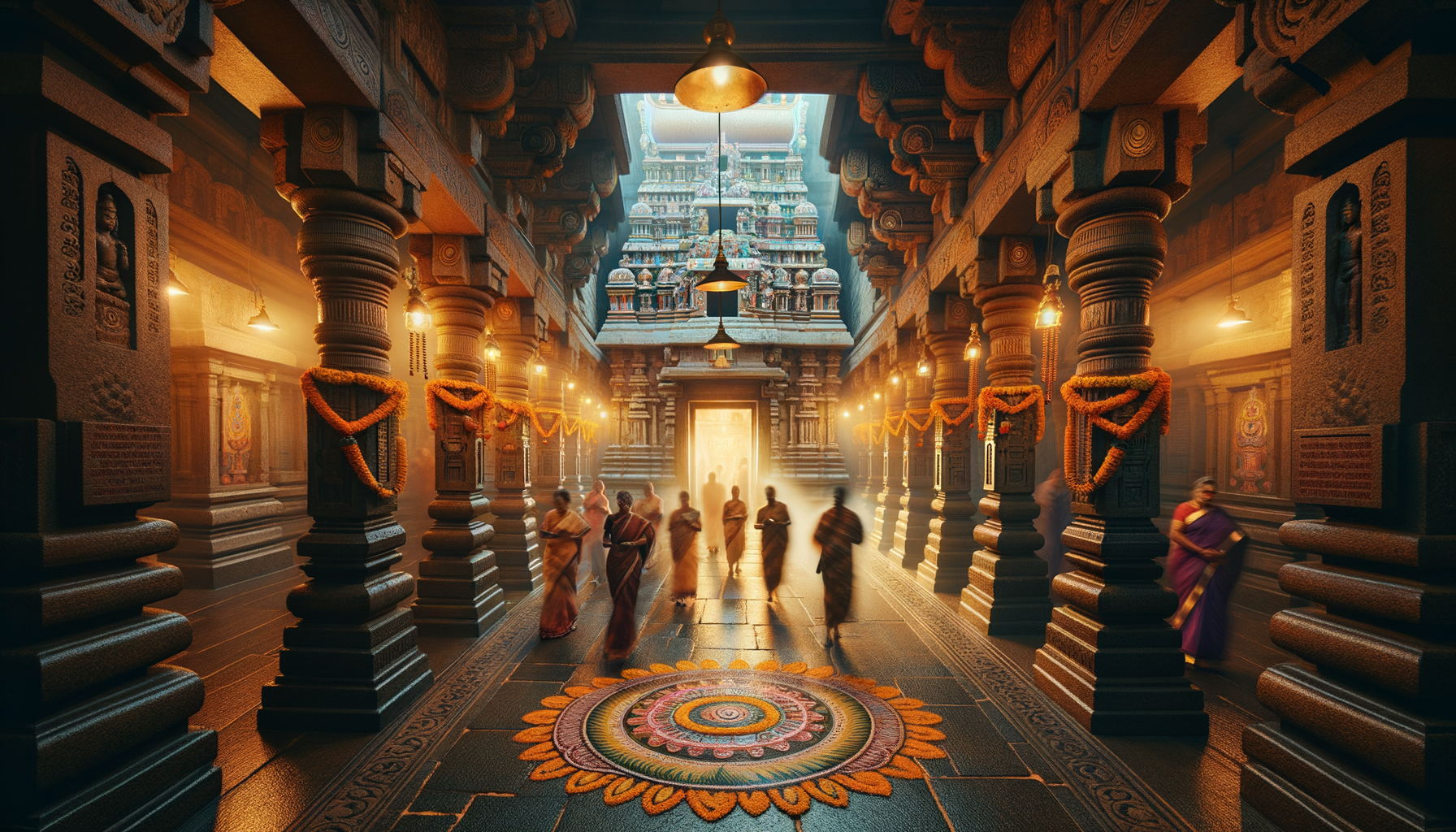
Mukkoti Pradakshinam at Tirumala is the sacred circumambulatory path around the sanctum sanctorum, opened only on Vaikunta Ekadasi and Vaikunta Dwadasi. In 2025, devotees can undertake this rare observance on December 30 and 31. The practice symbolizes alignment with the divine center and is revered for its contemplative power and devotional focus. It also mirrors…
-
Tirupati Polytechnic Row: Community Seeks Neutral Classrooms, Fair Probe, and Interfaith Harmony
A viral video from Sri Venkateswara Government Polytechnic (SVGP), Tirupati, sparked protests and calls for an impartial inquiry into alleged classroom preaching. This analysis reviews the issue through the principles of campus neutrality, due process, and religious freedom. It outlines practical steps for colleges—clear codes of conduct, confidential grievance mechanisms, and transparent review—to protect students…
-
Kalidasa and His Age: Nature, Dharma, and the Rise of Heroism in Sanskrit Poetry
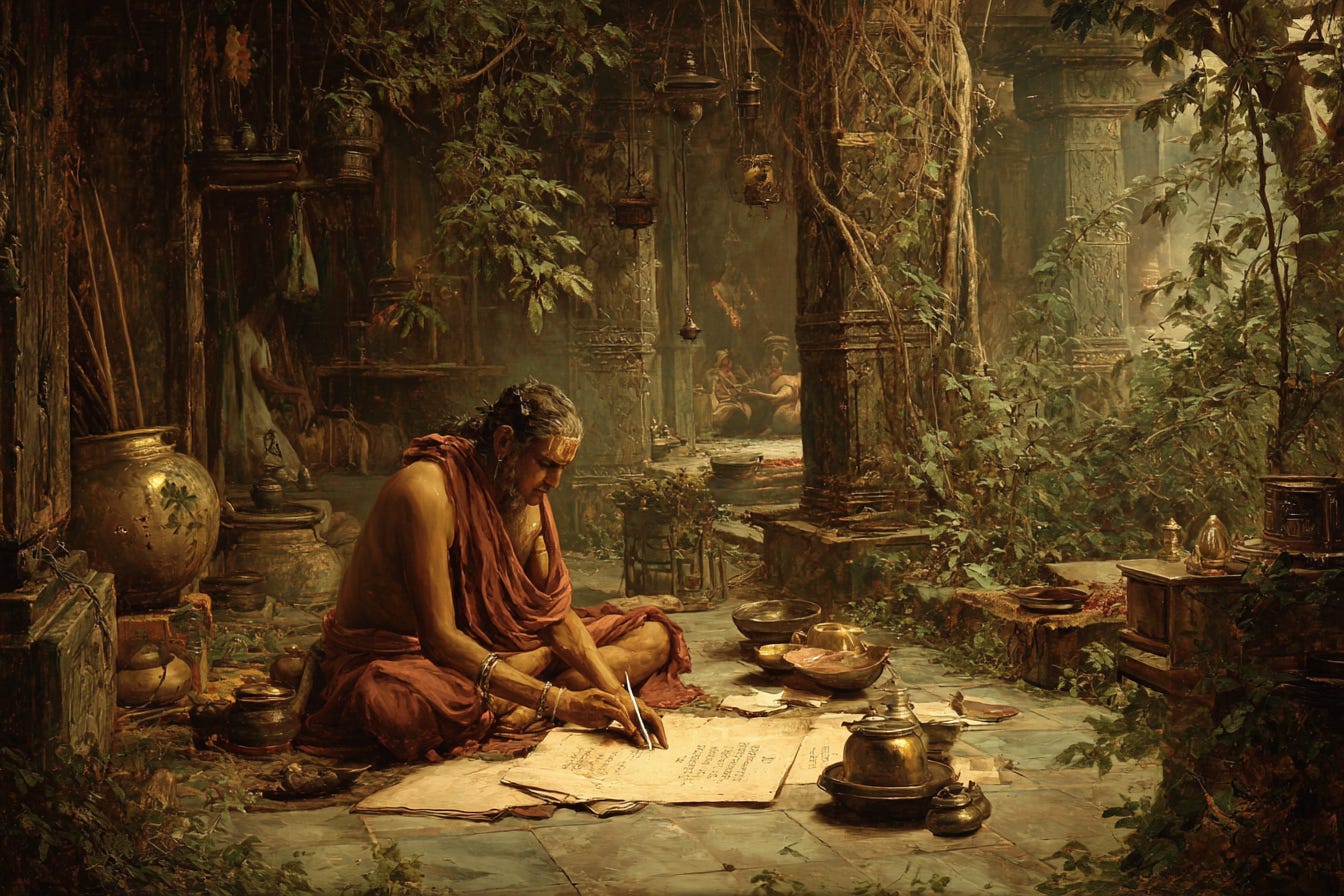
Kalidasa’s poetry unites human emotion with the grandeur of Nature and the ethical clarity of dharma, making him a representative voice of his age. Vivid images—echoing the hermitage in Kadambari—depict a civilization where people, plants, and animals share ritual, learning, and care. Ritusamhara shows early passion harmonized by seasons, while Kumara-sambhava reframes desire through a…
-
From ‘Miracle’ to Menace: Dharmic Wisdom to Curb Plastic Pollution and Restore Balance

Plastic’s promise has turned perilous, with microplastics degrading ecosystems and health. This piece unites Hindu, Buddhist, Jain, and Sikh wisdom to frame a practical, compassionate response. It explains how Dharma, Ahimsa, Aparigraha, and seva align with circular economy solutions such as repair, reuse, and waste reduction. Readers gain actionable steps for Sustainable living—favoring durable, repairable…
-
When Duty Meets Divine Will: Arjuna’s Tapas to Shiva and the Blessing of Astras

Arjuna’s tapas at Mount Indrakeel reveals how inner discipline aligns human duty with divine will in the Mahabharata. Guided by Veda Vyasa, Arjuna seeks Shiva’s grace and receives the Pashupatastra, exemplifying power entrusted only to ethical hands. The episode illustrates Kshatra Dharma as measured protection rather than aggression, echoing cross-dharmic ideals from Hinduism, Buddhism, Jainism,…
-
Four Faces of Varuna: Unveiling Vedic Symbolism for Cosmic Order and Inner Harmony

This article decodes the “Four Faces of Varuna” as a Vedic metaphor for omniscient care, moral order, and compassionate accountability. It clarifies how Rita (ṛta) structures both the cosmos and ethical life, linking Varuna’s symbols—such as the pāśa and waters—to practical integrity and social trust. Readers gain a clear framework that integrates the four Vedas,…
-
Trikala Puja in Hindu Temples: Embracing Time’s Sacred Rhythm for Daily Inner Harmony

Trikala Puja aligns daily life with the sacred cadence of dawn, midday, and dusk, transforming time into a framework for devotion and inner balance. Rooted in Agamic guidance, it harmonizes diverse Hindu temple traditions through shared upacharas, naivedya, and dīpa-ārati. The triadic rhythm cultivates sattva at dawn, sanctifies action at noon, and invites gratitude and…
-
Start Devotional Yoga at Home: Transformative Bhakti Steps for Family Harmony and Inner Peace

Devotional yoga provides a home-based, cost-free way to cultivate clarity, compassion, and inner peace. Grounded in Krsna consciousness and aligned with the wider dharmic heritage, it emphasizes mantra meditation (japa), kirtan, reflective study, and ethical living. Household life is not a barrier; shared family practice strengthens intergenerational bonds and fosters mutual support. A simple routine—brief…
-
Protecting Each Other: A Dharmic Call to Responsible Action During the Pandemic and Beyond
Representing Krsna and the parampara requires modeling responsibility and compassionate care for all. In the coronavirus pandemic, this means rigorously following public health recommendations and official indications as an expression of Dharma, ahiṁsā, and sevā. Community experience shows that clear protocols and digital engagement preserved connection and protected vulnerable groups. The teaching aligns puruṣārtha (self-effort)…
-
Conquering Inattention: Choosing Effective Sadhana to Deepen Devotion and Inner Focus
This reflective analysis reframes the common spiritual question—“What will bring me closer to Krishna?”—by identifying inattention as the root obstacle to deep practice. It explains how distracted awareness weakens japa, dhyana, simran, and samayik across dharmic traditions, while cultivated attention restores depth and devotion. The piece offers practical, research-informed steps to stabilize focus: mindful preparation,…