
-
Canada’s Landmark Decision: Honoring the Sacred Swastika, Rejecting the Nazi Hakenkreuz
Canada has formally clarified the difference between the sacred Swastika and the Nazi Hakenkreuz, protecting religious freedom while reinforcing opposition to hate symbols. The step affirms the Swastika’s millennia-old meaning in Hinduism, Buddhism, and Jainism, and its broader cultural presence across South Asia, without diluting the ban on Nazi imagery. Educators, museums, and law enforcement…
-
Kerala’s Forgotten Calculus: The Dharmic Knowledge Tradition that Preceded Newton by 200 Years

This essay examines how the Kerala School of Mathematics developed series expansions and methods akin to calculus centuries before their European articulation. It situates the debate within the politics of recognition, showing how Eurocentric narratives shaped the reception of Indian scientific achievements. It synthesizes George Gheverghese Joseph’s research on Madhava of Sangamagrama and his successors,…
-
Andal’s Tiruppavai: Four Transformative Steps to Attain the Divine Presence of Vishnu
Andal’s Tiruppavai, revered across the Sri Vaishnava tradition, presents a clear four-step path to the divine presence of Lord Vishnu: shared discipline (Pavai Nombu), daily remembrance through song, surrender to grace, and compassionate service. These steps reinforce one another, enabling seekers to balance devotion, study, and ethical living. Observances during Margazhi create a supportive communal…
-
Dhritarashtra’s Locked Room: A Powerful Dharmic Lesson on Attachment, Denial, and Freedom

The Mahabharata’s portrait of Dhritarashtra reveals how attachment (moha) and denial create a self-made prison that undermines ethical judgment. This analysis clarifies the difference between ignorance and active refusal to see, mapping the locked-room metaphor onto everyday life, leadership, and responsibility. It highlights convergence across Hinduism, Buddhism, Jainism, and Sikhism on freeing oneself from clinging…
-
Ghritachi, Queen of Apsaras: Celestial Grace, Vedic Wisdom, and the Sages She Shaped

Ghritachi, the queen of Apsaras in Hindu mythology, exemplifies celestial beauty with philosophical depth. Across Vedic literature and Puranic narratives, her appearances mark turning points in the destinies of sages, illuminating how desire, discipline, and insight interact on the path of dharma. The symbolism surrounding Ghritachi resonates with broader Dharmic values found in Buddhism, Jainism,…
-
Bharani Nakshatra 2026–2027 Predictions: Clear Guidance for Career, Love, Health, and Dharma

Bharani Nakshatra 2026–2027 Predictions (Bharani Nakshatra Phalam 2026-2027) highlight a year favoring steady growth, ethical choices, and calm, deliberate planning. Career progress improves through reliability, process refinement, and values-aligned collaboration. Finances benefit from disciplined budgeting and reduced speculation. Relationships deepen with clear boundaries, respectful communication, and shared responsibilities. Health stabilizes through sustainable routines and stress…
-
Dhanurmasam at Yadagirigutta: Sacred Dawn Pooja, Vaikunta Ekadashi & Adhyayanotsavalu 2025–26

Dhanurmasam Pooja at Yadagirigutta (Yadadri) unfolds from 16 December 2025 to 14 January 2026, guiding devotees through serene pre-dawn worship and precise Vaishnava rituals. The season includes Vaikunta Ekadashi and Adhyayanotsavalu, with Tiruppavai parayanam, Vedic recitations, and focused archana to Sri Lakshmi Narasimha Swamy. Visitors often note the peaceful early-morning ambience—lamps, bells, and collective chanting—that…
-
TTD Expands Anna Prasadam to 60 Temples: Hygienic, Tasty Meals for Every Devotee
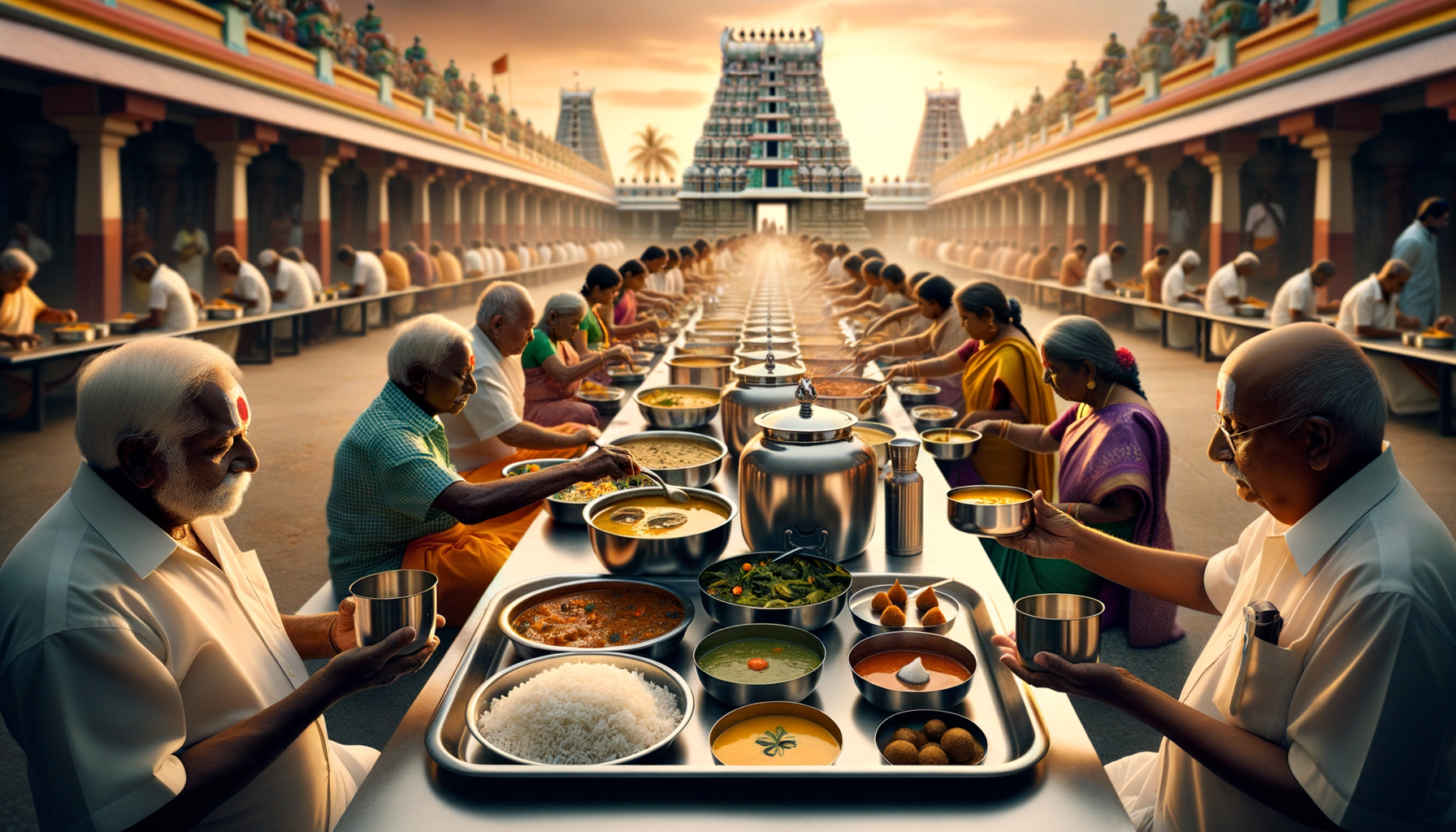
Tirumala Tirupati Devasthanams (TTD) is preparing to distribute high-quality, hygienic, and tasty Anna Prasadam across 60 temples under centralized supervision. The initiative treats food as a sacred offering, strengthening unity across Hindu, Buddhist, Jain, and Sikh traditions. By emphasizing purity, sattvic preparation, and orderly service, TTD enhances both devotional sanctity and public health. Devotees often…
-
Transformative Year for Krittika (Karthigai): Accurate 2026–2027 Vedic Astrology Guide

Krittika Nakshatra 2026–2027 Predictions (Karthigai Nakshatra Phalam) indicate a year of steady, values-driven progress under Saturn in Pisces and supportive Jupiter influences. The Aries portion favors initiative and skill upgrades, while the Taurus portion rewards consistency and relationship equity at work. Career gains are strongest when paired with documentation, clear boundaries, and realistic timelines. Financially,…
-
Bill C-9 Clarified: Historic Win Separating Nazi Hakenkreuz from the Sacred Swastika

Canada’s House of Commons Justice Committee approved a crucial amendment to Bill C-9, replacing the term “Swastika” with the accurate “Nazi Hakenkreuz” when referring to the prohibited hate symbol. The change, advanced by MP Anthony Housefather and supported by a broad interfaith coalition, preserves religious freedom for Hindu, Buddhist, Jain, and Sikh communities while strengthening…
-
December 20, 2025 Panchang: Amavasya to Shukla Paksha Pratipada Timings and Shubh Tips

December 20, 2025, features a notable lunar transition in the Hindu calendar from Amavasya to Shukla Paksha Pratipada. Amavasya tithi ends at 6:37 AM, after which Pratipada begins and continues until 8:21 AM, with minor regional variations possible. This shift heralds renewal and is widely regarded as favorable for recommitting to daily disciplines. Observances often…
-
Singlehood as Self-Trust: Reclaiming Joy, Freedom, and Belonging in a Pair-Obsessed Age

Being single is not a failure; it can be a rigorous practice of self-trust, independence, and belonging. This analysis traces how historical dependency and modern dating culture fuel the fear of being single, while showing how mindfulness, self-compassion, and community reshape singlehood into a path of joy. It highlights freedom benefits—agency, clarity, and identity formation—alongside…
-
Jnana vs. Karma in Hinduism: How Knowledge and Selfless Action Unite on the Path to Moksha

Hindu philosophy does not set Jnana Yoga and Karma Yoga in opposition; it unites them. Knowledge clarifies purpose, while selfless action purifies the mind—together advancing dharma and moksha. The Bhagavad Gita models this synthesis, showing how insight and responsibility reinforce each other. Household duties, honest work, and seva become extensions of spiritual practice when guided…
-
Across Lifetimes: Hindu Dharma on Reincarnation, Karma, and the Healing Art of Letting Go

This essay presents a clear, academically grounded account of Hindu teachings on reincarnation (samsara), karma, and moksha, showing how death functions as a transition rather than an end. Scriptural perspectives from the Upanishads and the Bhagavad Gita frame the atman as enduring across lifetimes. The discussion explains karma as a moral law that affirms agency,…
-
Shakti Peethas Beyond India: Timeless Seats of the Divine Mother That Unite Borders

Shakti Peethas outside India illuminate a sacred geography that transcends modern borders, inviting seekers into a shared South Asian heritage. Grounded in the Devi Bhagavata Purana and other Puranas, these sites honor the Divine Mother, Shakti, and sustain living traditions of pilgrimage. Widely venerated examples include Hinglaj Mata in Pakistan, Guhyeshwari in Nepal, Jessoreswari in…
-
Brahmaputra Tragedy in Assam: 5 ISKCON Devotees Missing, 4 Rescued amid Strong Currents

A somber incident on the Brahmaputra in Guwahati, Assam, left five ISKCON devotees missing and four rescued after strong currents swept the group downstream. Among the missing is Udhav Prabhu of ISKCON Vrindavan, drawing widespread concern and prayer. The episode underscores the river’s volatile nature and the importance of exercising heightened caution during ritual bathing.…
-
Andal’s Radiant Devotion: The Transformative Symbolism of Wearing Vishnu’s Garland First

Andal (Goda), the only female Azhwar of the Tamil Bhakti movement, is remembered for the profound symbolism of wearing garlands meant for Vishnu before offering them. This gesture—sanctified by tradition and temple lore—embodies atma-nivedana, where authentic intention elevates ritual into intimate devotion. Her Thiruppāvai and Nācciyār Tirumozhi give poetic voice to this theology, uniting aesthetics,…
-
Pasha and Ankusha in Hindu Iconography: Powerful Symbols of Guidance and Restraint

Hindu iconography uses the pasha (noose) and ankusha (elephant goad) to teach a complete ethic of spiritual control—restraining harm while guiding the seeker toward dharma. The pasha symbolizes compassionate containment and moral accountability; the ankusha conveys gentle yet firm redirection of mind and senses. Grounded in Āgamic, Purāṇic, and Śilpa-śāstra traditions, these attributes appear with…
-
Healing Together for Kishori Mataji: Compassion and Dharmic Solidarity Across Traditions

A community update notes that Kishori Mataji has been hospitalized in Chateauroux, France following recent surgery, prompting a reflective and compassionate response across dharmic traditions. Readers gain a clear account of the situation while seeing how Hindu, Buddhist, Jain, and Sikh practices can converge around shared values of karuna, ahimsa, and seva. The post highlights…
-
A Serendipitous Meeting in Leeds: Dr Ali Hayder, Ramayan, and the Power of Shared Devotion

A chance meeting in Leeds with Dr Ali Hayder led to a thoughtful exchange on devotion, the Ramayan, and shared spiritual values. The conversation echoed Srila Prabhupada’s insight that faith ultimately addresses the human heart beyond religious labels. It offered a living example of religious pluralism and harmony of faiths, grounded in respect and openness.…