
-
Visesha Pujas in December 2025 at Kanchi Kamakoti Peetham: Sacred Dates, Unity & Joy

Kanchi Kamakoti Peetham in Kanchipuram welcomes devotees in December 2025 with Visesha Pujas and temple events set within a serene and unifying devotional atmosphere. The month aligns with Margashirsha and Poush in North Indian Hindi calendars; Karthika and Margashira in Telugu, Kannada, Marathi, and Gujarati calendars; Agrahan and Poush in the Bengali Panjika; and Karthigai…
-
Skandagiri Temple Hyderabad: Complete Vaikunta Ekadashi 2025 GuideRituals, Timings, Darshan

Vaikunta Ekadashi at Skandagiri Temple, Hyderabad, will be observed on December 30, 2025, during Dhanurmasam. The temple opens from 4.30 AM onwards, offering a serene pre-dawn darshan before peak crowds. Key observances include a special Sudarshana Homam, Abhishekam, Sahasranamam, and Giri Pradakshinam. Each ritual emphasizes purity, protection, focus, and humility, creating a contemplative and community-centric…
-
Dhanurmasam Pooja at Skandagiri Temple, Hyderabad: Comprehensive Guide to Dates and 5:30 AM Rituals

Dhanurmasam Pooja at Skandagiri Subramanya Swamy Temple in Hyderabad will be observed from 16 December 2025 to 14 January 2026. Special pujas take place daily at 5:30 AM for all deities, including Valli Devasena Sametha Subramanya Swamy and Adi Sankar. This guide outlines the dates, time, and devotional focus associated with Dhanurmasam (Dhanu Masam/Margazhi Masam).…
-
Skandagiri Temple’s Arudra Darsanam 2026: Powerful Nataraja Abhishekam in Hyderabad
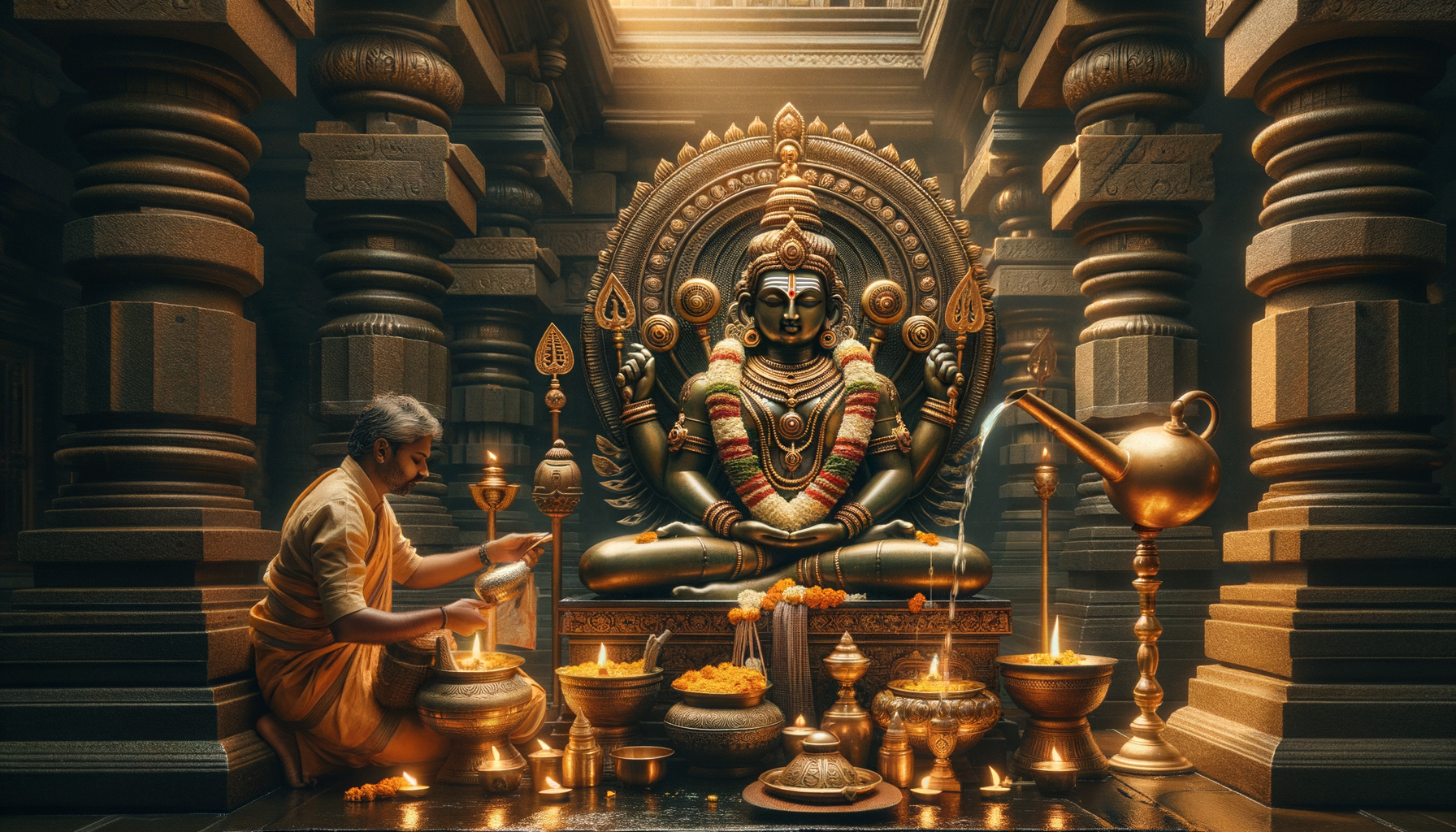
Arudra Darsanam at Skandagiri Temple, Hyderabad, will be observed on January 3, 2026, with a special Homam to Lord Shiva and the deeply revered Nataraja Abhishekam. The festival highlights the theological essence of Shiva’s cosmic dance while fostering communal harmony through shared rituals like Giri Pradakshinam. Visitors can expect a serene yet vibrant atmosphere of…
-
Shani Sade Sati for Dhanu Rashi: Navigate Janma Shani with Clarity, Discipline, and Inner Strength

Shani Sade Sati’s second 2 1/2-year phase for Dhanu Rashi (Janma Shani) focuses on stabilizing the mind and emotions as Saturn transits the natal Moon sign. The neutrality between Shani and Guru (Jupiter) favors steady growth, emphasizing patience, structure, and accountability. Individuals commonly see increased responsibilities, prudent financial planning, and the need for mature communication.…
-
Shani Sade Sati for Dhanu Rashi: Master the Final 2.5 Years of Paada Shani

Shani Sadesati for Dhanu Rashi reaches its final 2.5 years, known as Paada Shani, as Shani transits Capricorn, its own sign. This phase emphasizes accountability, structure, and karmic consolidation for Sagittarius natives. Readers gain practical guidance on routines, seva, Saturday observances, and mantra recitation to cultivate steadiness. The discussion highlights career focus, financial discipline, and…
-
Bichale Raghavendra Swamy Mutt: Discover the Sacred ‘Third Mantralayam’ by Tungabhadra

Bichale Raghavendra Swamy Mutt, revered as the “Third Mantralayam,” lies a few kilometres from Mantralayam on the banks of the Tungabhadra. The site is closely associated with Guru Raghavendra Swamy and his foremost disciple Appanacharya, reflecting the strength of the guru–shishya tradition. Visitors encounter a serene environment well suited for stotra recitation, quiet japa, and…
-
Discover Bliss in the Eternal Now: Dharmic Wisdom on Presence Beyond Happiness

Modern life scatters attention, yet dharmic traditions affirm that abiding in the present moment reveals a stable blissanandabeyond fleeting happiness. Hinduism links Presence to equanimity and Karma Yoga, turning daily duties into contemplative practice. Practical methods such as breath awareness, Pranayama, dhyana, and japa make the Eternal Now accessible in ordinary routines. Buddhism’s mindfulness, Jainism’s…
-
How Shiva Turns the Inauspicious into the Sacred: Transformative Symbolism, Rituals, and Hope

Hindu tradition teaches that in Shiva’s presence, even the inauspicious becomes sacreda principle grounded in scripture, ritual, and philosophy. The Nīlakaṇṭha narrative shows how poison transforms into protection, while cremation grounds, vibhūti, and serpents become powerful symbols of impermanence, mastery, and inner awakening. Practices such as Pradoṣa worship, Bilva offerings, and meditation on “Om Namaḥ…
-
Shevgaon school ‘miracle show’ triggers inquiry: community demands safeguards, accountability, harmony

A reported ‘miracle show’ by an ANiS worker in saffron attire at a Shevgaon school led Hindu Janajagruti Samiti (HJS) to seek an official inquiry, preventive measures, and a written action-taken report from Zilla Parishad authorities. The episode highlights the need to protect impressionable students, uphold scientific temper, and maintain respect for India’s dharmic diversity…
-
Break Free from ‘Should’: A Compassionate, Practical Framework for an Authentic, Values‑Aligned Life

This essay presents a clear, values-aligned alternative to societal scripts by showing how authentic living supports emotional well-being, integrity, and sustainable personal growth. It analyzes the power of “should,” the role of curiosity in challenging assumptions, and the practical use of somatic signals as decision data. It models a nontraditional lifesingle, child-free, contentand argues for…
-
Artabhakti Unveiled: The Transformative Power of Devotion in Distress and Dharmic Unity

Artabhaktidevotion in distressstands as a potent form of bhakti in Hinduism, recognized in the Bhagavad Gita as a direct and transformative path to the Divine. Classic narratives like Gajendra Moksha and Draupadi’s appeal to Krishna reveal how sincere surrender in crisis invites grace, resilience, and ethical clarity. Psychologically, suffering can focus attention and open the…
-
Murugan and Tamil: The Enduring Sacred Bond Shaping Language, Identity, and Living Heritage

Muruganknown as Kartikeya or Skandastands as a guardian of Tamil language, culture, and identity, revealing how sacred tradition and linguistic creativity thrive together. Drawing on Sangam literature and Tirumurukāṟṟuppaṭai, the narrative traces Murugan’s sacred geography and Tamil poetics as living heritage. It highlights Tiruppugazh’s refined prosody, temple inscriptions, and festivals like Skanda Sashti and Karthigai…
-
Indrajala Unveiled: The Ancient Hindu Art of Illusion, Ethics, and Dharmic Harmony

Indrajalaliterally the “web” or “net” of Indranames an ancient Hindu art of illusion included among the 64 kalas. Classical sources present it as a disciplined skill in shaping perception across ritual, theatre, and strategy. Read as a dharmic metaphor, it mirrors ideas of maya and interconnection often associated with Indra’s Net. Framed ethically within dharma…
-
Srila Prabhupada’s New York Voyage: Bhakti, Chanting, and a Gentle Spiritual Revolution

Srila Prabhupada’s mid-1960s arrival in New York City placed the Hare Krishna movement at the crossroads of the youth counterculture and a growing global search for meaning. This reflection explains how simple practiceschanting, study, and serviceoffered a practical path from restlessness to inner steadiness. It highlights how Gaudiya Vaishnavism’s bhakti integrates with broader dharmic principles…
-
Gita Jayanti Reflections: Timeless Guidance, Devotional Service, and Dharmic Unity
Gita Jayanti honors the revelation of the Bhagavad Gita and invites renewed attention to dharma, devotion, and ethical action. The featured assurancecherishing those who share wisdom with compassionunderscores teaching as a form of service, not coercion. Observances such as recitation, study, meditation, and dialogue help practitioners apply karma yoga, bhakti, and jnana to daily decisions.…
-
Gita Jayanti: Timeless Lessons of Dharma and Bhakti for Clarity, Courage, and Unity

Gita Jayanti honors the moment Sri Krishna delivered the Bhagavad Gita to Arjuna at Kurukshetra. The observance highlights a movement from confusion to clarity and duty to devotion. Through recitation, yajnas, and study, communities translate scripture into daily practice. Core disciplineskarma-yoga, jnana-yoga, and bhakti-yogaoffer practical tools for mental clarity, equanimity, and compassionate action. The festival…
-
On Gita Jayanti, Bhismadeva’s Lens Reveals Krishna’s Dharma for Inner Peace and Purpose

Gita Jayanti commemorates the advent of the Bhagavad Gita, when Krishna shared Vedic knowledge with Arjuna. A lecture by HG Radhika Ramana Dasa at ISKCON of New Jersey explored the Gita through Bhismadeva’s perspective, highlighting duty with detachment and surrender to the Divine. The event emphasized Mokshada Ekadashi observances and practical ways to engage with…
-
IFFI Goa Row: Alleged Insult to Goddess Chamundi Sparks Outrage, Dialogue on Respect

A reported incident at IFFI Goa, where Ranveer Singh allegedly referred to Goddess Chamundi as a “female ghost” and mimicked a sacred scene linked to Kantara, sparked widespread criticism. This analysis explains why such references can wound religious sentiment, outlining the cultural significance of Chamundi within Hindu traditions. It emphasizes lawful, dignified protest and institutional…