
-
The War They Could Not Win: How Dharmic Resilience Defied Empire and Erasure
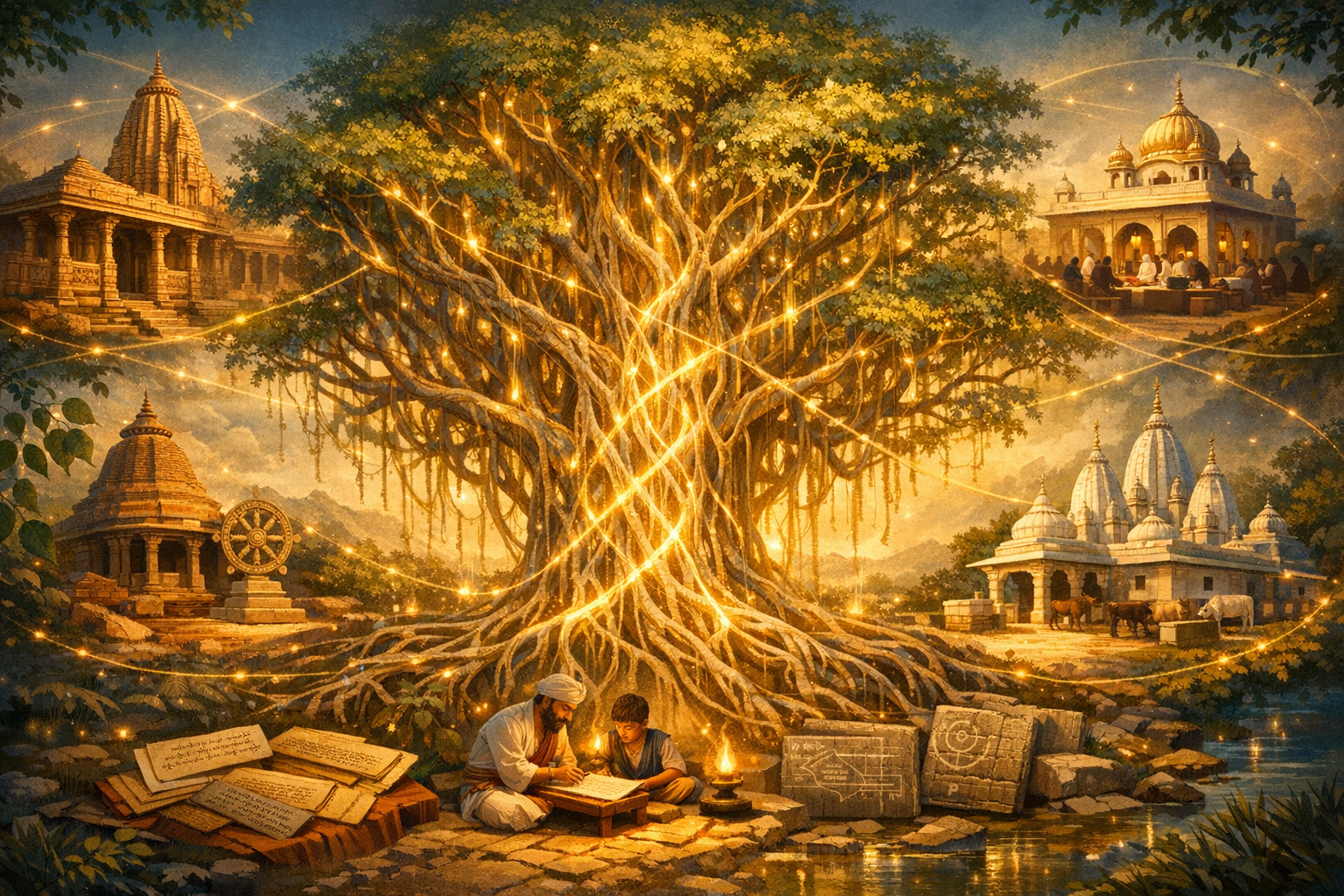
This long-form analysis explains why attempts to subdue India’s civilizational core repeatedly failed. It argues that dharmic polycentricityrooted in Hindu, Buddhist, Jain, and Sikh traditionsproduced resilient networks of ethics, learning, and care beyond the reach of central control. Drawing on the Revolt of 1857, British Colonial Rule, and the intellectual countercurrents of Vivekananda and Aurobindo,…
-
‘Gems of Sikhism’ Review: Timeless Teachings, Khalsa Ethos, and Dharmic Unity Today
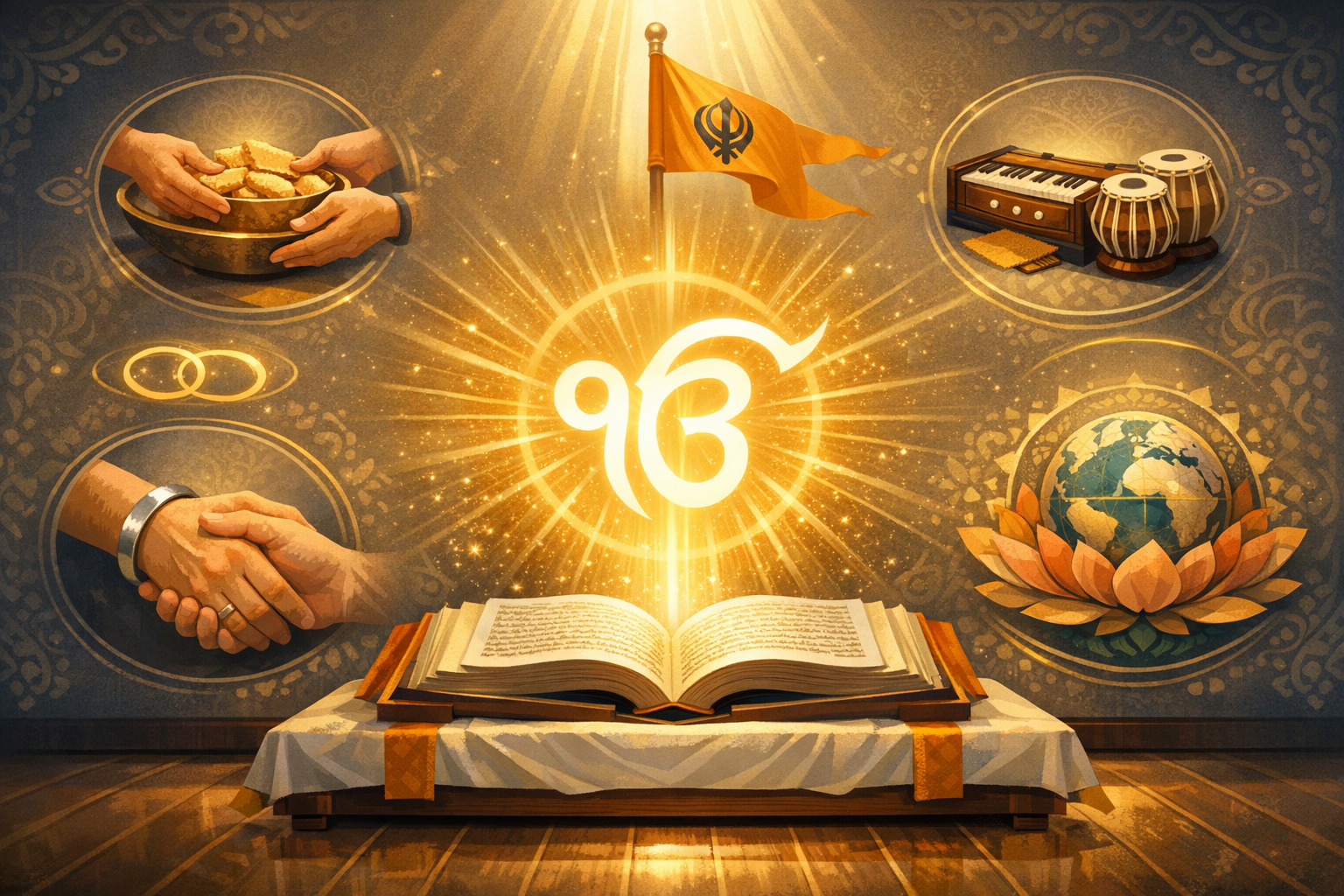
This academically grounded review of ‘Gems of Sikhism’ distills the core teachings of SikhismIk Onkar, Naam, Seva, Kirat Karni, Vand Chakna, Sarbat da bhala, and the Khalsa ethosinto a coherent, accessible framework. It explains how Sikh practices like Langar and Seva institutionalize equality and compassion, while Miri–Piri and the Sant–Sipahi ideal provide a disciplined theory…
-
Sadguru Dr Charudatta Pingale’s Madhya Pradesh Abhiyan Sparks Dharmic Unity and Dialogue

Sadguru Dr. Charudatta Pingale led the Hindu Rashtra Sampark Abhiyan across Madhya Pradesh to strengthen social cohesion through listening-first dialogue, constitutional literacy, and dharmic unity. The outreach framed Rashtra as a civilizational ethos grounded in pluralism and responsibility, not exclusion. Participants found value in practical tools for conflict de-escalation, media literacy against misinformation, and structured…
-
To Know Sanatana Dharma, Become It: Transform Study into Embodied, Breath-by-Breath Wisdom

Studying Sanatana Dharma offers orientation; living it confers transformation. This essay explains how knowledge becomes embodied through śravaṇa–manana–nididhyāsana, prāṇāyāma, meditation, and ethical discipline, aligning ancient insights with contemporary understanding of attention, stress, and habit-formation. It shows how Hinduism, Buddhism, Jainism, and Sikhism converge on shared methodsbreath, mindfulness, vows, and sevawhile honoring pluralism via Ishta and…
-
Neo‑Vedanta Unveiled: A Powerful Modern Synthesis Bridging Dharmic Wisdom and Pluralism

This article examines Neo‑Vedanta as a rigorous, modern synthesis of Vedāntic wisdom grounded in the Prasthanatraya (Upanishads, Bhagavad Gita, Brahmasutras). It traces historical catalysts in nineteenth‑century India and explains how Sri Ramakrishna and Swami Vivekananda anchored a plural, practice‑oriented vision. Readers gain a clear understanding of Ishta as a principle of respectful diversity and see…
-
King Charles III’s Lambeth Summit: A Powerful Step Toward Interfaith Harmony and Dharmic Unity
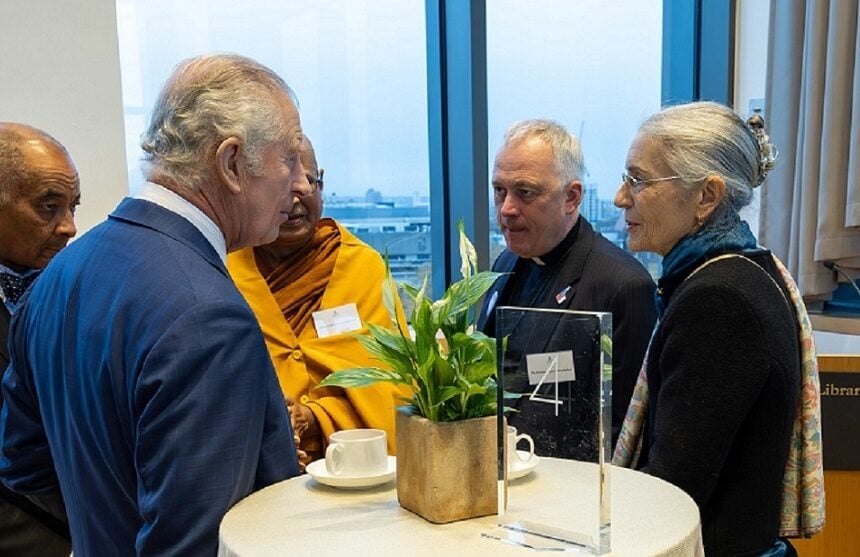
King Charles III convened about thirty leaders from Muslim, Sikh, Baháʼí, Christian, Hindu, and other traditions at Lambeth Palace Library to advance interfaith dialogue and social cohesion in the UK. The setting underscored scholarship and stewardship, framing the meeting as both symbolic and practical. Grounded in the UK’s 2021 Census realities, the piece explains why…
-
How Sharing Food Heals Enmity: Timeless Dharmic Practices from Hindu, Buddhist, Jain, Sikh Traditions
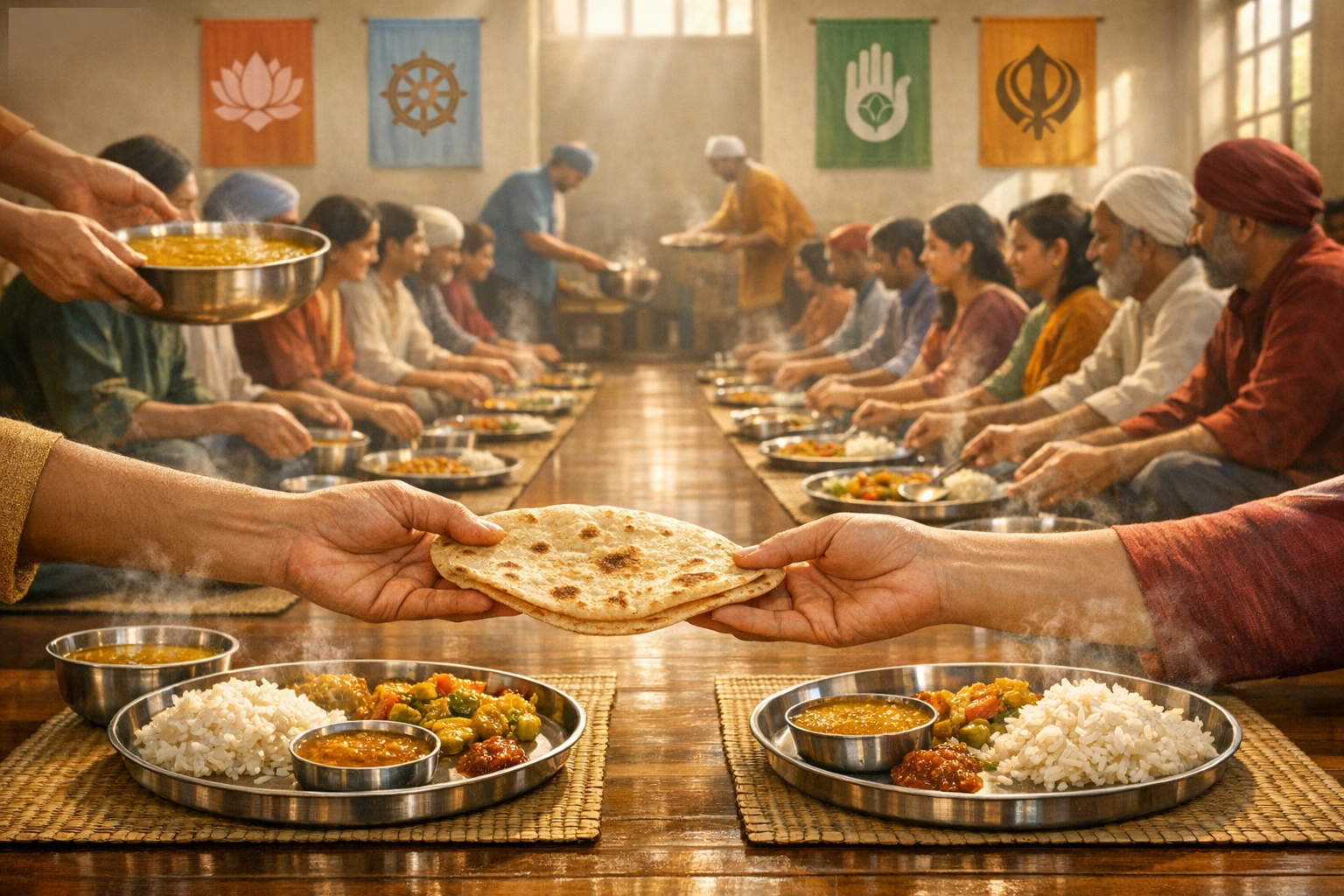
Hinduism and its sister dharmic traditions treat shared food as a deliberate instrument of reconciliation. Philosophical axioms such as Annam Brahma, Atithi Devo Bhava, and Vasudhaiva Kutumbakam elevate feeding from charity to peacecraft. Ramayana narratives, temple prasada, Sikh langar, Jain anna-kshetras, and Buddhist dana converge on a single ethic: dignified, vegetarian commensality dissolves social distance…
-
Bhairava as Bhudhara Atma: The Unshakable Ground of Kalika, Earth, and All Worlds

This long-form exploration clarifies Bhudharatmajaya Bhairava as the atma of Bhudharathe conscious support of Earth and mountainsand the Adhara, the unmoving ground of charachar prakriti. It decodes the Sanskrit terms, situates Bhairava and Kalika within Tantric and Purana frameworks, and maps their complementarity across the panchabhuta and Shaiva tattvas. Temple architecture, kshetrapala guardianship, and contemplative…
-
Bhagavad Gita at New Govardhana: Profound Bhakti-Yoga Insights by HG Caitanya Caran das
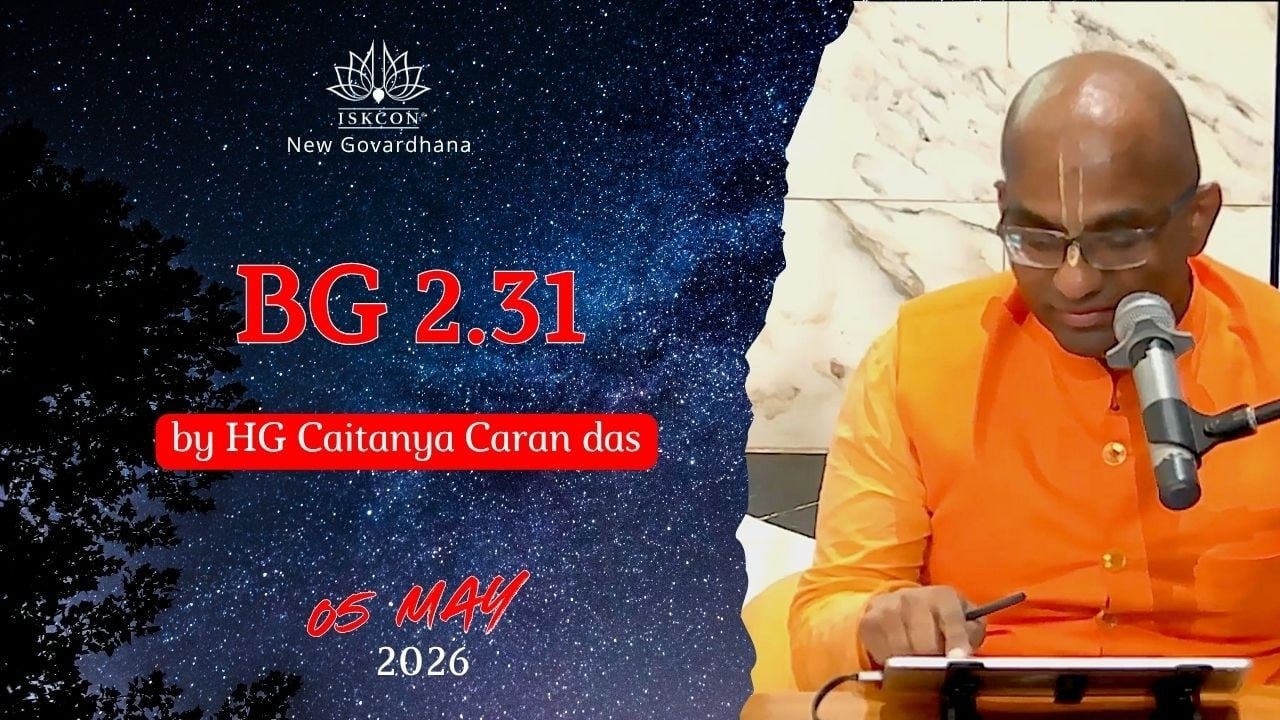
On 05 May 2026, ISKCON New Govardhana Temple hosted a Bhagavad Gita class by HG Caitanya Caran das that united rigorous exegesis with practical Bhakti-Yoga. The session mapped Karma, Jnana, and Bhakti as an integrated pathway, grounding ethical action in devotion and clear discernment. Attendees received a concise practice blueprint: daily japa, structured reading, reflective…
-
Beyond Guru Worship: Living Sanatana Dharma through Practice, Pluralism, and Service
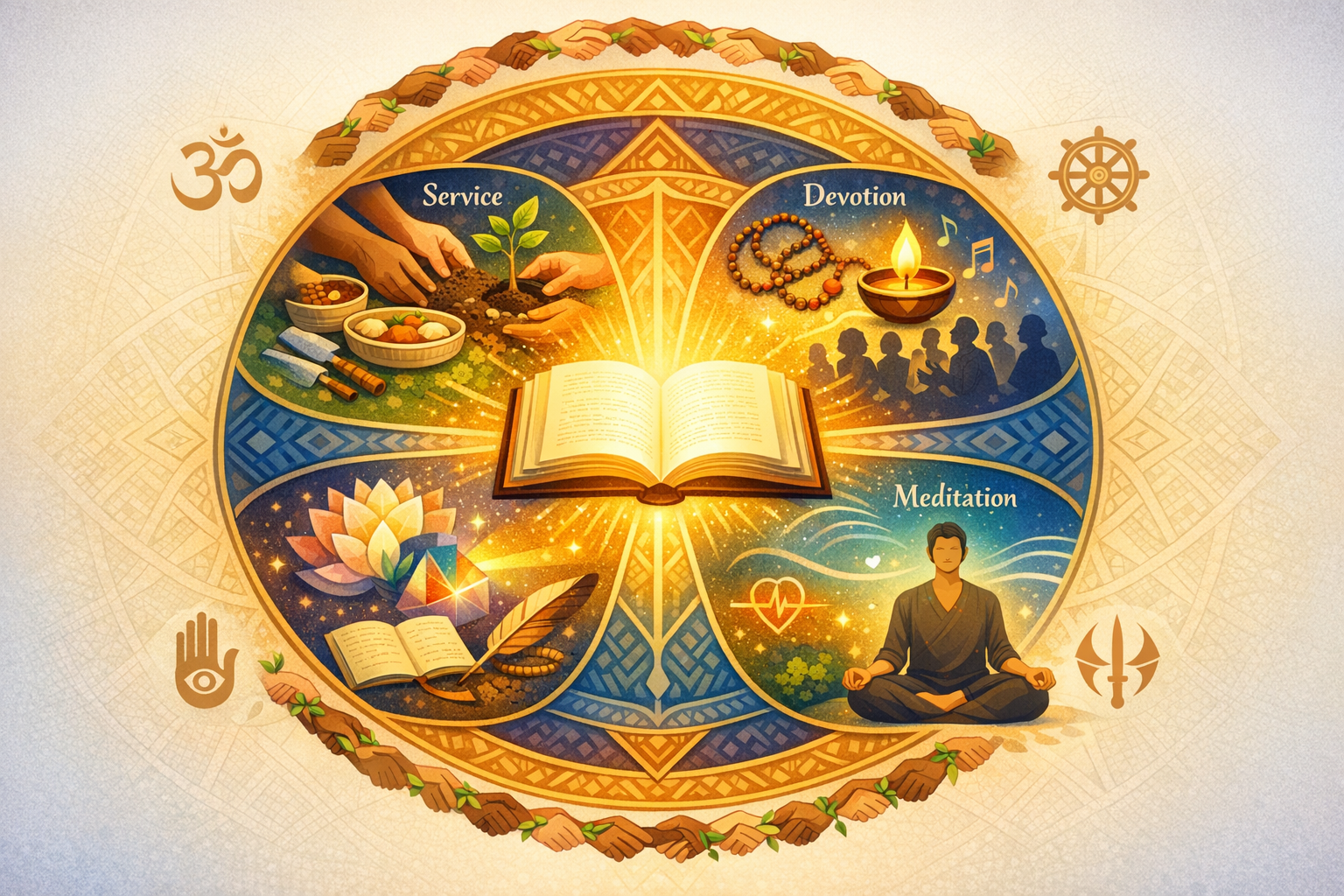
Public celebrations of guru anniversaries have grown spectacular, but the risk of drifting from teachings to personality worship is real. This essay reframes devotion through a Dharmic lens shared by Hinduism, Buddhism, Jainism, and Sikhism: live the message, not the messenger. It maps classical yardsticks of authentic progressyamas and niyamas, lokasangraha, simran and seva, sīla…
-
Beyond Sectarianism: Dharmic Wisdom for an Inclusive, Boundless Vision of the Divine

This essay examines the insight that a sectarian mind yields a defective image of the Divine, drawing on Hindu philosophy and the wider Dharmic traditions. It traces Vedic and Upanishadic roots of pluralism, explains the Bhagavad Gita’s inclusivism, and shows how Ishta, Advaita, Vishishtadvaita, and Dvaita approach the One-and-many problem without mutual negation. It integrates…
-
Manusmriti in Modern India: Separating Myth from Method for a Dharmic, Inclusive Future
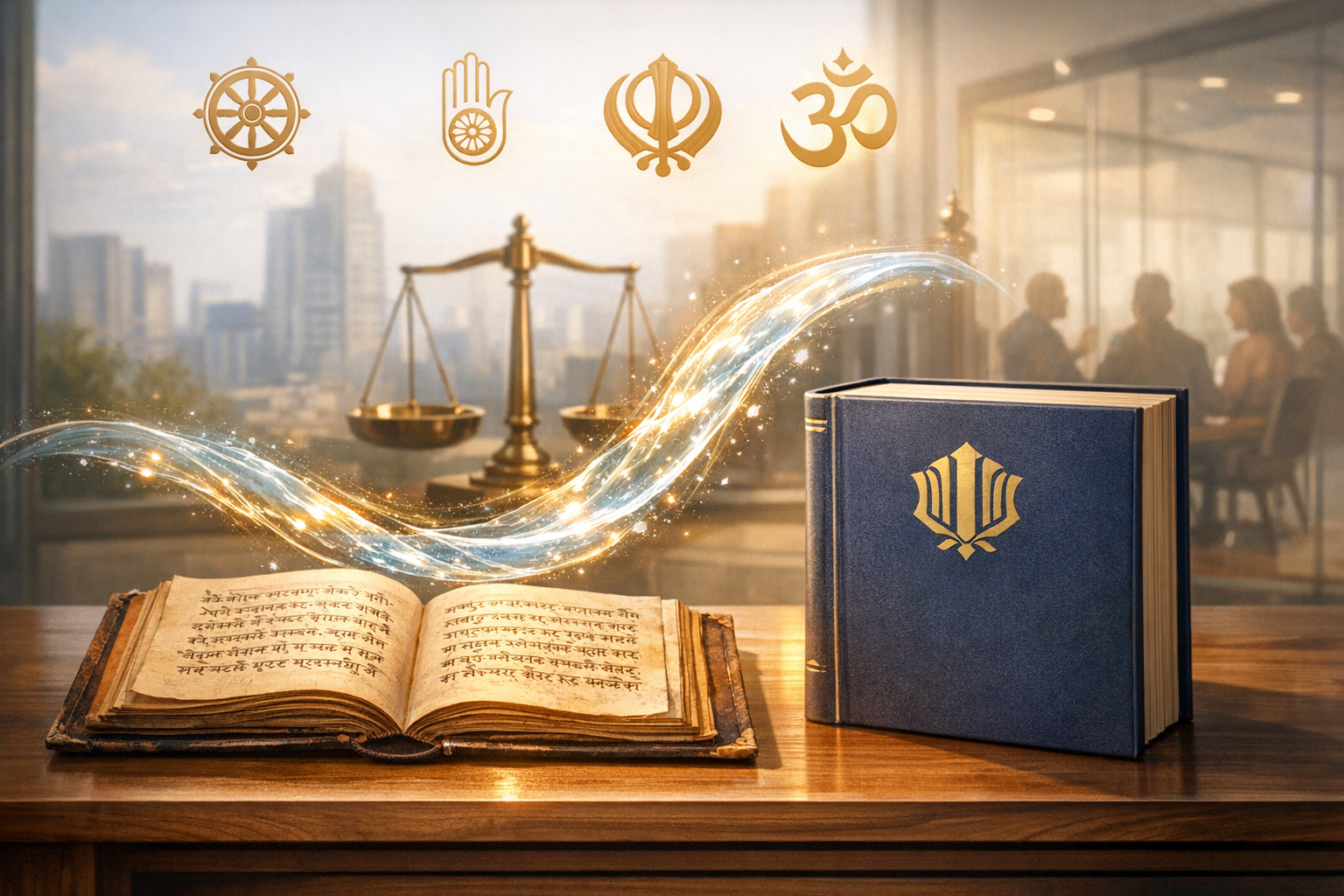
This evidence-based exploration separates myth from method to answer whether Manusmriti is relevant today. It explains what the text is within Dharmashastra, how it actually functioned through custom and commentary, and why colonial codification distorted public perception. It clarifies hotly debated verses on women and caste with historical context while affirming modern constitutional equality. It…
-
Sri Varahaswami Temple, Tirumala: Timeless Legends, Sacred Routes, and Ritual Significance
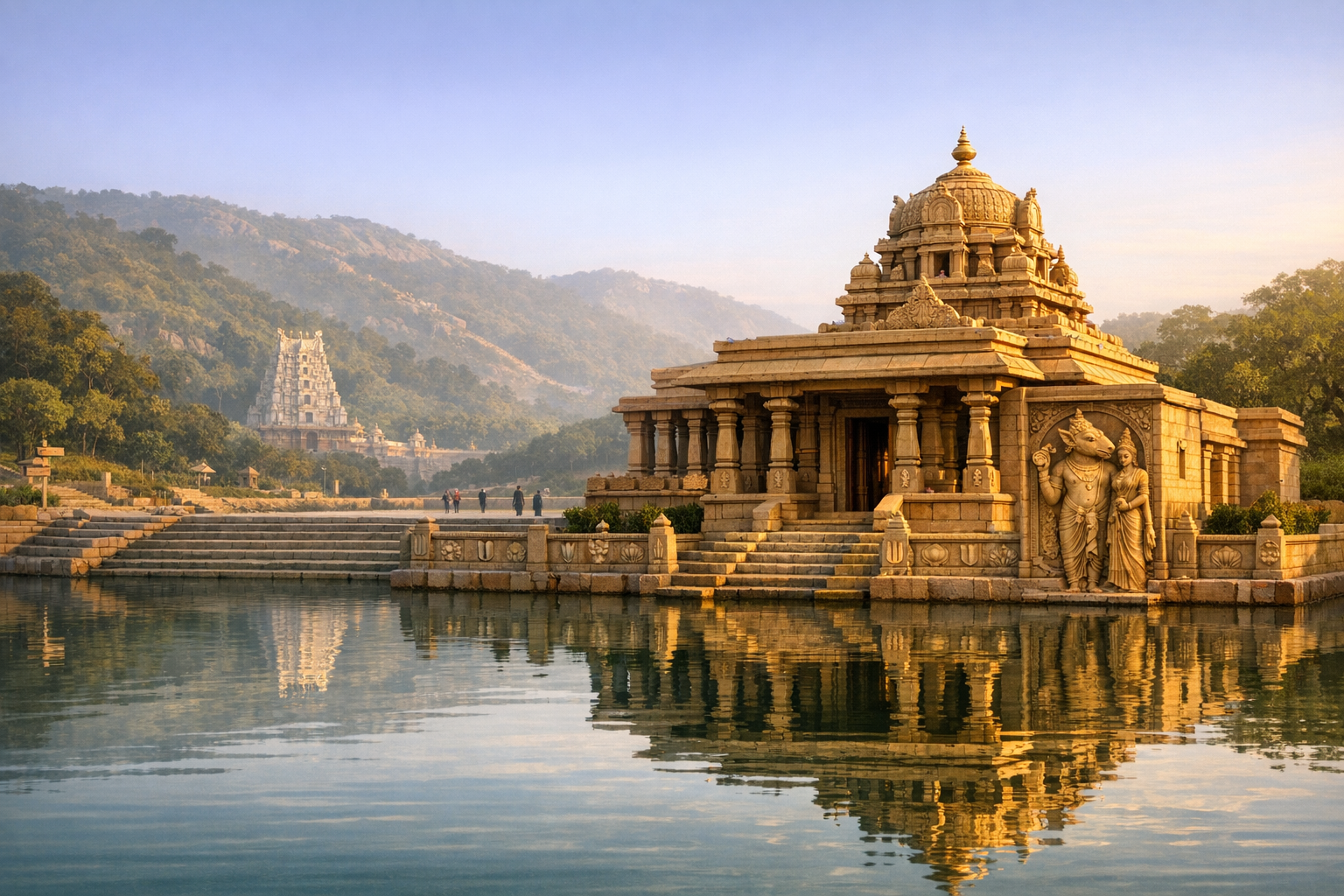
Sri Varahaswami Temple in Tirumala stands on the northern bank of Swami Pushkarini and preserves the hill’s identity as Adi Varaha Kshetra. Drawing on the Venkatachala Mahatmya traditions of the Varaha Purana and Padma Purana, it explains why many pilgrims first worship Varaha before proceeding to Sri Venkateswara Temple. The guide clarifies iconography, ritual order,…
-
Akola’s Hindu Rashtra-Jagruti Sabha Draws 16,000+: Data-Driven Insights on Dharmic Unity

Over 16,000 participants gathered in Akola, Maharashtra, for the ‘Hindu Rashtra-Jagruti Sabha’ organized by the Hindu Rashtra Samanvay Samiti, underscoring strong civic interest in dharmic values and lawful public assembly. The analysis situates the event within India’s constitutional framework and Maharashtra’s long tradition of community forums. It explains how crowd-science heuristics contextualize reported attendance while…
-
Vasudhaiva Kutumbakam and Dharma: A Powerful Blueprint for Shared Global Peace

Vasudhaiva Kutumbakam frames global peace as a disciplined practice of shared responsibility rooted in Rta, Dharma, and the ethics of ahimsa and karuna. The essay explains how loka-samgraha in the Bhagavad Gita links personal virtue to social welfare through reciprocal duty. It outlines pluralism across Hinduism, Buddhism, Jainism, and Sikhism as a practical foundation for…
-
Avatar vs Prophet: Decoding Sacred Roles, Divine Presence, and Dharma Across Faiths

This in-depth analysis explains the core difference between a Hindu avatāra and an Abrahamic prophet by examining ontology, revelation, soteriology, and ritual life. It shows how the avatāra is the Divine Presence entering the world to restore dharma, while the prophet is a human messenger who conveys God’s guidance. The piece nuances the comparison by…
-
Servant of a Glorious Master: The Transformative Power of Seva and Guru-Tattva Across Dharmic Paths
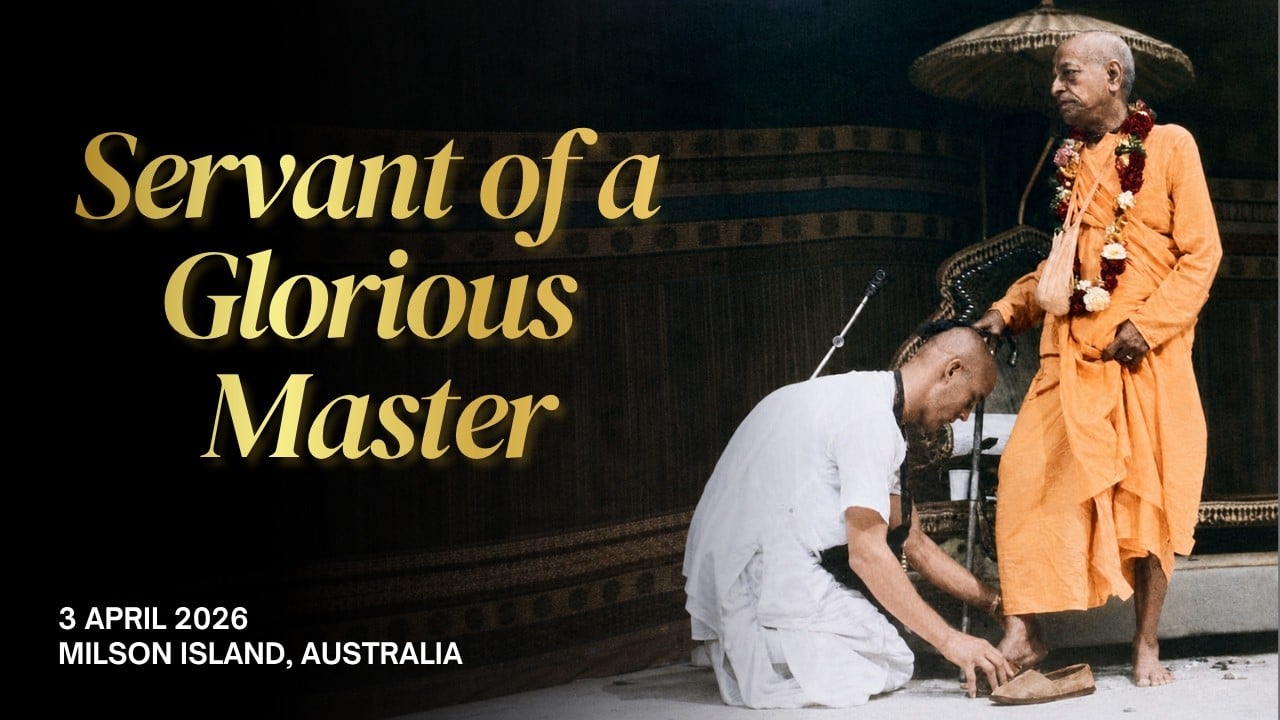
This long-form reflection reframes ‘Servant of a Glorious Master’ as a disciplined path of seva, wisdom, and devotion shared across Hindu Dharma, Buddhism, Jainism, and Sikhism. It clarifies how dasya-bhava, prapatti, nam-simran, refuge, ahimsa, and anekantavada converge as a common grammar of service. Drawing on the Bhagavad Gita and classical Bhakti theory, it distinguishes service…
-
Beyond Abundance: Why Modest Expectations Foster Lasting Happiness in Dharmic Wisdom

Modern abundance has not eliminated dissatisfaction because expectations often outrun reality. Dharmic wisdomHindu, Buddhist, Jain, and Sikhoffers a unifying solution: cultivate santosha (contentment) and aparigraha (non-hoarding) while acting with clarity and purpose. The Bhagavad Gita’s karma-yoga and the Yoga Sutra’s abhyāsa–vairāgya framework train steadiness without suppressing healthy ambition. Contemporary psychology aligns with these teachings: lower,…
-
Hindu Wisdom Beyond Pride: Shattering Ego’s Illusion to Reveal the Sacred in All Creation
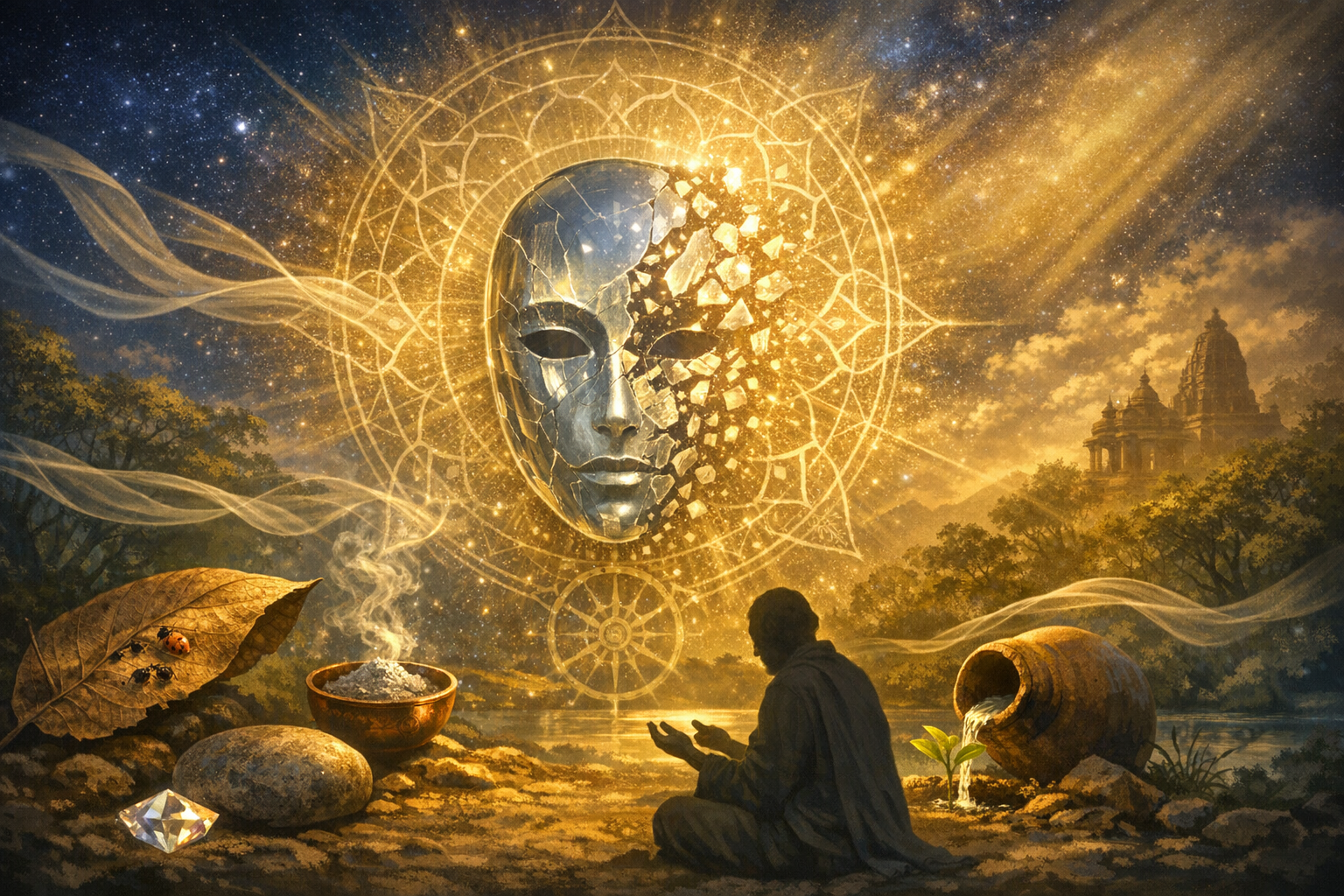
This essay examines the illusion of worthlessness through Hindu philosophy and a classic teaching tale, The Search for the Void. It explains how ahaṃkāra (ego) and avidyā (misapprehension) distort judgment, while the Upaniṣadic visionīśāvāsyam idaṁ sarvam and sarvaṁ khalvidaṁ brahmareveals intrinsic, relational value. A detailed retelling of the Guru–Śiṣya narrative shows how “void” becomes a…
-
Bhagavan Alone Is Real: Timeless Vedanta, Living Bhakti, and the Joy of Dharmic Unity

This article unpacks the aphorism “Know that Bhagavan alone is real. Nothing else matters” through the lenses of the Upanishads, Bhagavad Gita, and major Vedanta schools (Advaita, Vishishtadvaita, Dvaita). It clarifies Bhagavan as the sat-chit-ananda ground of being and explains why the phrase does not deny ethical life but re-centers it in the Real. Readers…