
-
USCIRF, Diaspora Campaigns and Hindutva: How Overseas Targeting Imperils Dharmic Unity
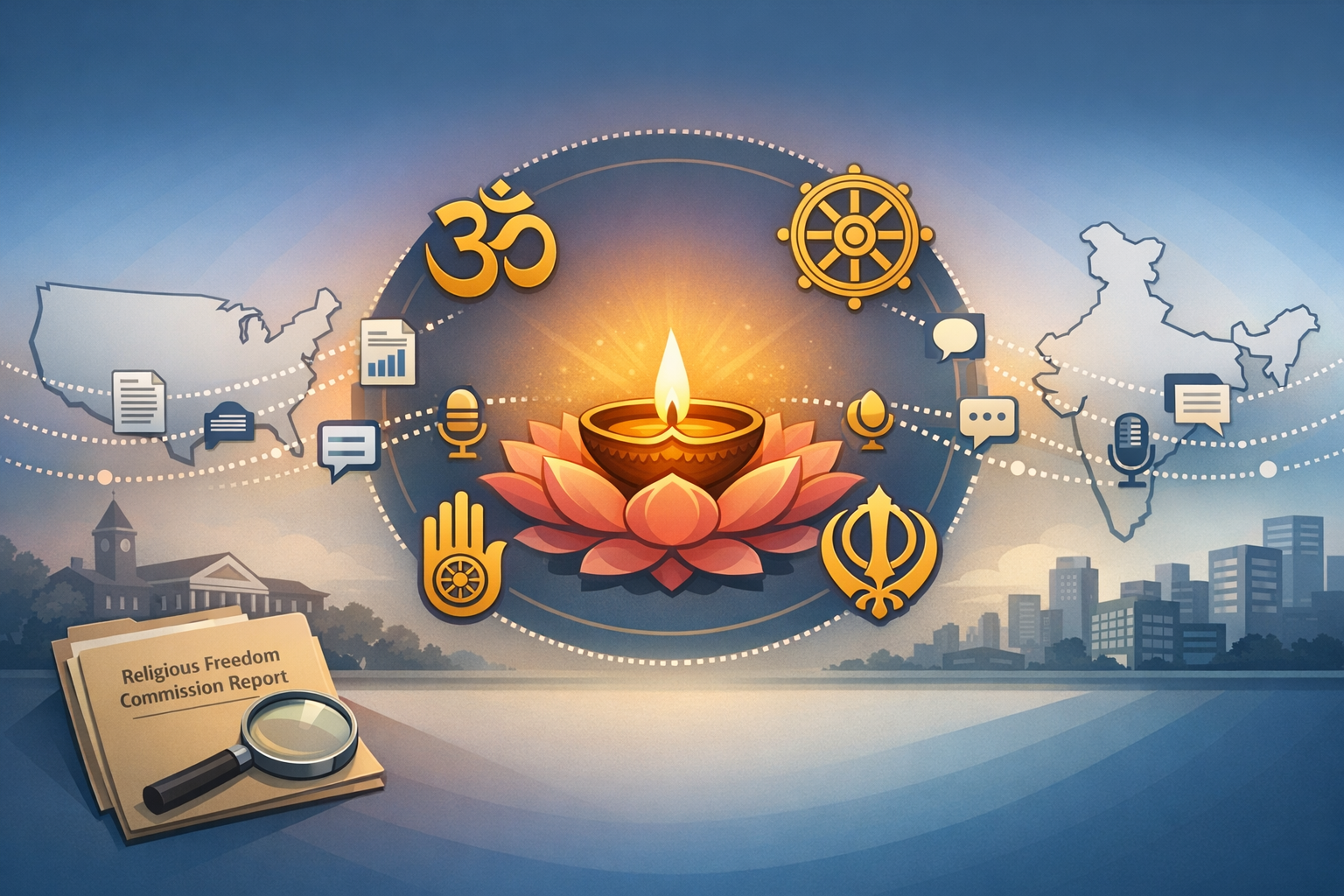
Uttarakhand BJP leader Mahendra Bhatt’s description of perceived overseas targeting of Hindutva voices via USCIRF highlights a wider challenge: how global advocacy, media narratives, and diaspora life intersect. This analysis explains USCIRF’s mandate, clarifies the distinction between Hinduism and Hindutva, and shows how labels can migrate from policy briefs to classrooms and workplaces. It grounds…
-
London’s 2026 Rathayatra: An Immersive Walking Tour of Devotion, Culture, and Unity

London’s 57th Rathayatra on 24 May 2026 transformed Park Lane, Piccadilly, and Trafalgar Square into a vibrant corridor of devotion and community from 2:00 pm to 5:00 pm. This immersive, one-take, 1 hour 13 minute walking tour documents how kirtan, hand-pulled chariots, and public darshan reconfigured central London’s iconic spaces. Rooted in the Jagannath tradition…
-
Bhai Kanhaiya, the Sikh Water Bearer: Radical Compassion That Saw No Enemy

This essay examines Bhai Kanhaiyathe Sikh “water bearer who saw no enemy”as a rigorous case study in applied ethics, humanitarian neutrality, and dharmic universality. Set against the sieges around Anandpur in the early 1700s, it analyzes how Guru Gobind Singh’s endorsement of impartial care for the wounded institutionalized seva as the ethical spine of the…
-
Modi Meets Giampaolo Tomassetti (Jnananjana Dasa) in Rome: Kashi Art and Civilizational Bridges

Prime Minister Narendra Modi’s Rome meeting with Italian artist Giampaolo Tomassetti (Jnananjana Dasa) spotlighted cultural diplomacy through the gifting of a Varanasi painting. The exchange linked India–Italy ties with the soft power of sacred art, situating Kashi’s iconic ghats and the Ganga river within a broader civilizational conversation. This analysis decodes the artwork’s symbolism, technique,…
-
HG Daivi Shakti Mataji revives Srila Prabhupada-lilamrita: Devotion, Method, Dharma Unity
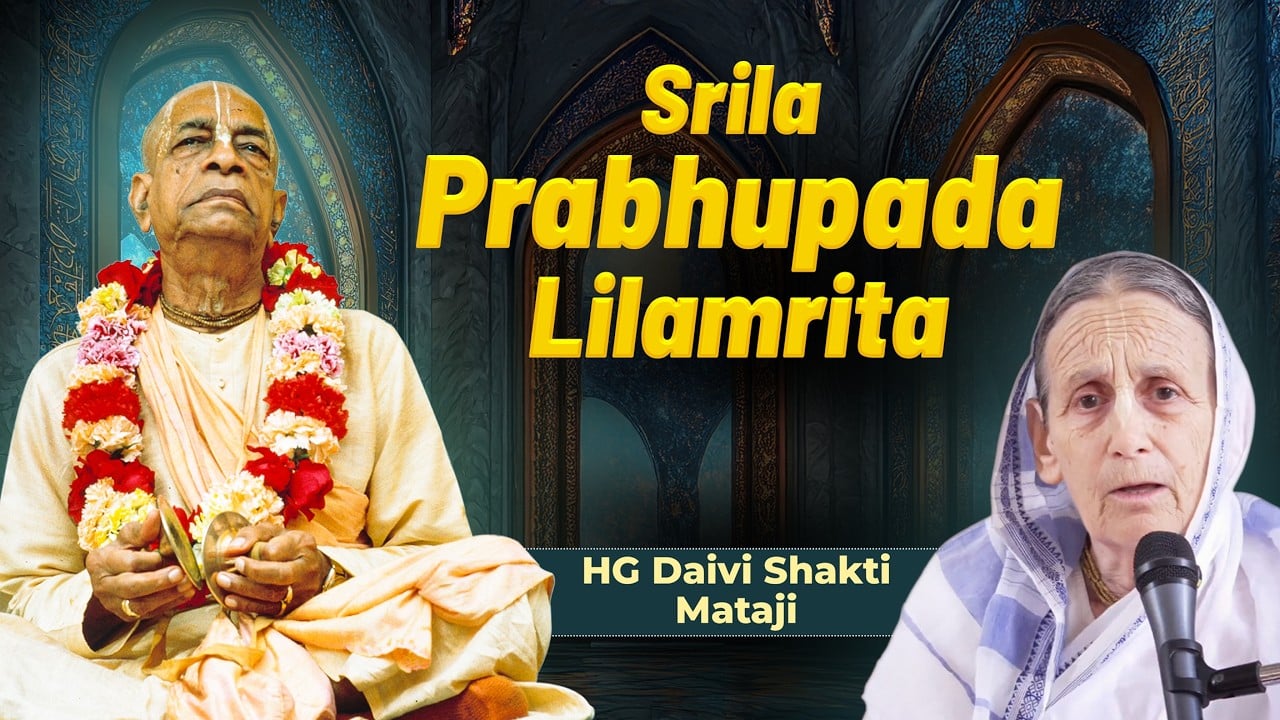
This Vrindavan-focused analysis of Srila Prabhupada Lilamritaframed by insights associated with HG Daivi Shakti Matajishows how a well-sourced spiritual biography can simultaneously inform scholarship and deepen sadhana. It outlines the text’s historiographical method, balancing documentation with a devotional register rooted in Gaudiya Vaishnava theology. Readers gain clarity on key narrative arcs, from the Jaladuta voyage…
-
Sadhu Sanga 2026 Day 3: Immersive Kirtan, Dharmic Unity, and Practical Sadhana Framework
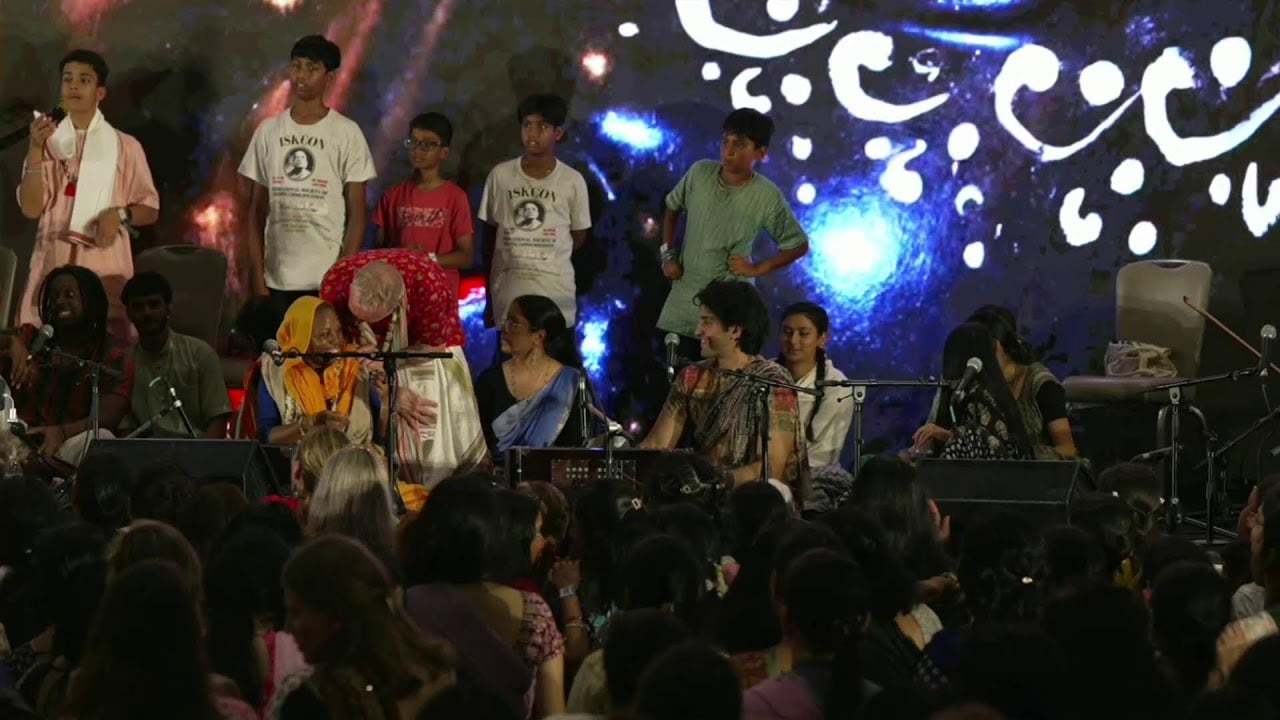
Day 3 of Sadhu Sanga 2026 distilled multi-day practice into a clear, actionable sadhana framework rooted in kirtan, nama-japa, scripture, and seva. It clarified how sadhu-sanga in the Bhakti Tradition intersects meaningfully with Buddhist Sangha, Jain samayik, and Sikh sangat, strengthening unity in spiritual diversity. The analysis explains the musical and acoustic architecture of kirtan…
-
Kon‑Tiki’s Daring Proof: 5,000 Miles on a Balsa Raftand What It Revealed About Polynesia

Kon‑Tiki tested an audacious question in maritime history: could a prehistoric-style balsa raft ride Pacific currents from Peru to Eastern Polynesia? Built with period-faithful materials and steered by guara centerboards and a square sail, the raft launched in April 1947 and made landfall at Raroia after roughly 101 days, validating transport feasibility. The expedition proved…
-
Rethinking Diplomatic Symbolism: Why Rubio’s Kolkata Stop Should Honor India’s Civilizational Depth
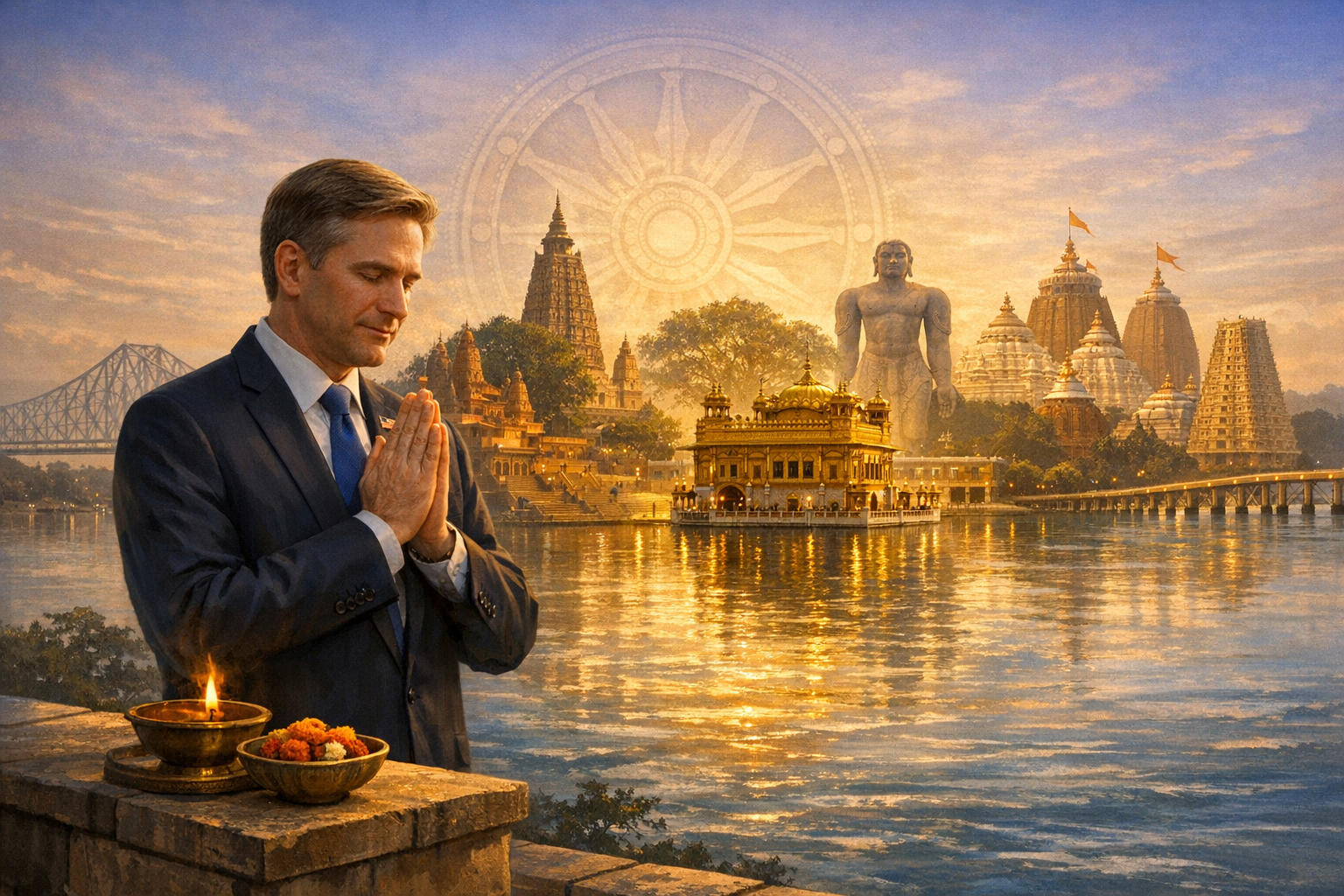
This analysis examines why Marco Rubio’s Kolkata stop at the Missionaries of Charity drew criticism in India and what it reveals about diplomatic symbolism. It explains how itinerary choices function as soft-power signals that can strengthen or weaken trust in U.S.–India relations. Readers will find a concise overview of India’s civilizational continuity and dharmic plurality…
-
Unconditional Love as Social Dharma: A Dharmic Path to Harmony, Justice, and Peace

This article examines unconditional love as a rigorous social ethic in Hinduism and its sister dharmic traditions, showing how it functions as metaphysical insight, moral psychology, and institutional practice. Drawing on the Upanishads, the Bhagavad Gita, Bhakti literature, and parallel teachings in Buddhism, Jainism, and Sikhism, it articulates an integrated framework for societal harmony. The…
-
UK Unveils Anti-Hindu Hate Monitor: Data-Driven Protection and Dharmic Solidarity Amid Rising Crimes

The UK’s new Anti-Hindu Hate Monitor introduces a community-led, data-driven response to Hinduphobia and faith-based hate crimes while aligning closely with UK law. It complements police reporting through standardized taxonomies, secure referrals via True Vision, and independent quality assurance. Victim safety is paramount: trauma-informed casework, culturally competent support, and place-based security reviews for temples and…
-
Where Is Humanity Today? A Dharmic Blueprint for Compassion, Ahimsa, and Unity

This essay reframes “Where is humanity?” through a dharmic lens that treats compassion, ahimsa, and service as trainable capacities and civic responsibilities. It explains how Hinduism, Buddhism, Jainism, and Sikhism converge on a shared blueprint grounded in Dharma, dayā, karuṇā, aparigraha, mettā, and seva. Readers gain a research-informed view of how breathwork, meditation, and loving-kindness…
-
Sat Sanga Deep Dive: Tradition, Inclusion, and Purushottama Masa in ISKCON’s Living Dharma
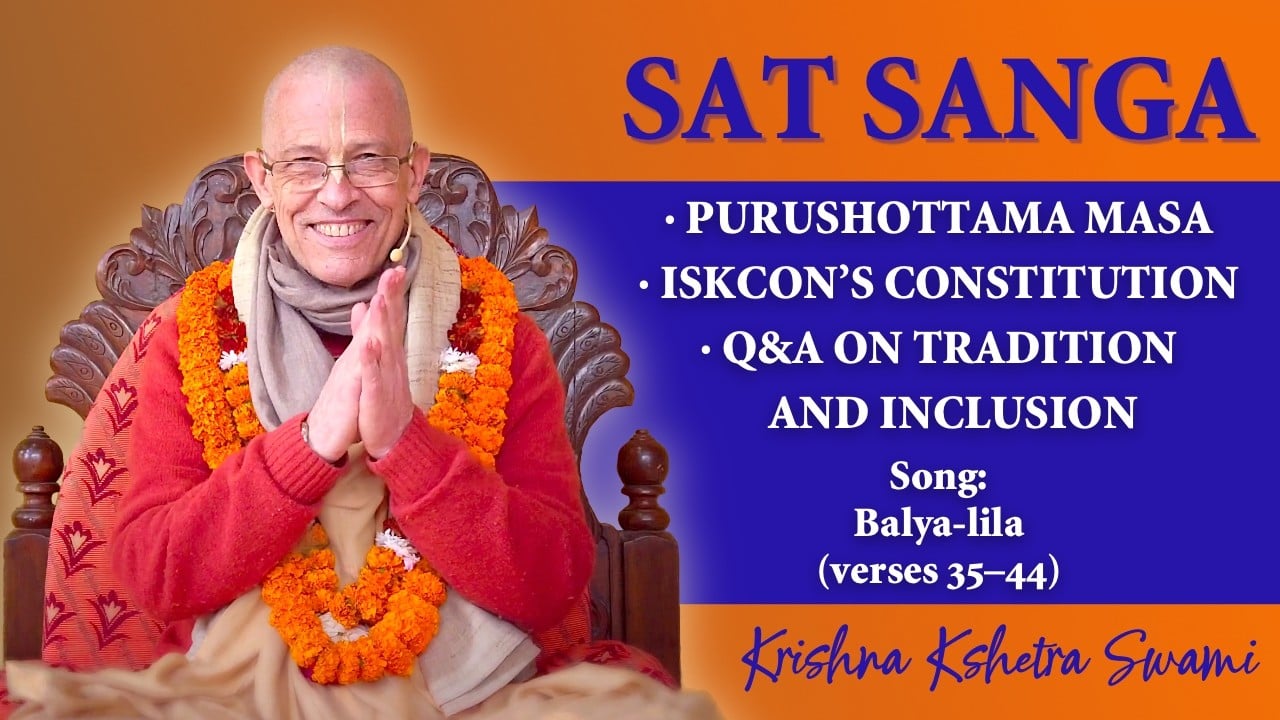
This Sat Sanga (16 May 2026) examines Purushottama Masa with calendrical accuracy, showing how Adhik Jyeshta Maas 2026 becomes a devotional opportunity rather than a mere intercalary fix. It clarifies how ISKCON’s emerging Constitution anchors mission fidelity, transparent governance, and culturally sensitive inclusion without compromising core siddhānta. The guidance on “Try to chant and be…
-
Spirituality of Nature: Dharmic wisdom and science for resilient, unshakable inner strength

This long‑form exploration presents a rigorous, Dharmic view of nature as a living revelation of consciousness, uniting Hinduism, Buddhism, Jainism, and Sikhism around interdependence, non‑harm, disciplined awareness, and service. It clarifies how Upanishadic, Buddhist, Jain, and Sikh insights translate into ecological ethics and everyday practices. Evidence from psychology and physiology shows why slow breathing, awe,…
-
Why Convert When Core Values Align? A Dharmic, Ethical, and Legal Roadmap to Pluralism

If core values across religions already align, why do conversion campaigns persistand why do they trigger anxiety? This long-form analysis approaches the question through Dharmic frameworks, showing how ahiṁsā, satya, seva, and karuṇā unite Hindu, Buddhist, Jain, and Sikh traditions. It explains the theological, social, and historical forces that drive conversion, while clarifying international and…
-
Spirituality of Nature: Sacred Dharmic Wisdom, Science-Backed Healing, Inner Resilience

This long-form guide presents an academic yet accessible exploration of the spirituality of nature across Hinduism, Buddhism, Jainism, and Sikhism. It grounds ecological reverence in the Upanishads and the Bhagavad Gita, links practices like mindfulness and pranayama to measurable health benefits, and shows how Ahimsa and Aparigraha become daily Environmental stewardship. Readers gain a stepwise…
-
Trailblazing at 23: Tushar Kumar Becomes UK’s Youngest Indian‑Origin Mayor

At just 23, Tushar Kumar has become the youngest-ever Indian-origin mayor in the UK, taking on the civic chair of Elstree and Borehamwood Town Council. This milestone blends representation with delivery, aligning youth engagement, digital accessibility, and inclusive cultural initiatives. The post explains how the mayoral role in England’s town councils operates and why Kumar’s…
-
From Envy to Compassion: Dharmic Ethics of Bhakti, Ahimsa, and Unity Across Traditions
Non-envy is presented as a defining criterion for authentic religion across Hinduism, Buddhism, Jainism, and Sikhism, aligning with A.C. Bhaktivedanta Swami Prabhupada’s emphasis within Krishna consciousness. The article clarifies envy versus jealousy and shows how dharmic ethics reject both as inner violence that fractures community. It integrates scriptural insightsBhagavad Gita, Śrīmad-Bhāgavatam, Dhammapada, Jain vows, and…
-
ISKCON and People of Faith: A Vedantic Blueprint for Compassionate, Unified Interfaith Relations

Hinduism encompasses many traditions rather than a single authority, and ISKCON positions itself within this diversity as a Vedantic, monotheistic Vaishnava movement committed to respectful interfaith relations. The statement outlines how devotional particularism can coexist with civic and ethical pluralism, grounded in Bhagavad Gita–inspired bhakti and the doctrine of acintya‑bhedābheda. By honoring the Ishta paradigm…
-
Kumar Chellappan on HJS Outreach: A Powerful Call to Unite and Empower Every Hindu

A courtesy visit by a Hindu Janajagruti Samiti (HJS) delegation to senior journalist and Sanatan Prabhat contributor Kumar Chellappan spotlighted a shared priority: scaling inclusive, evidence-based outreach so that HJS’s work reaches every Hindu household. The engagement illustrates how responsible journalism and civil society can co-create value through accurate reporting, ethical collaboration, and community-centered communication.…
-
Choose Mental Fuel, Not Noise: Dharmic Wisdom to Protect Self‑Respect and Clarity

This essay presents a rigorous, dharmic framework for curating a nourishing “mental diet” that protects clarity and self‑respect in an age of digital distraction. Drawing on the Upanishads, the Bhagavad Gita, and Yoga Sutra, it explains how sattva, abhyasa–vairagya, and pratyahara translate into concrete media habits. Buddhist thought contributes the four nutriments and wise attention;…