
-
Bhurijana Dasa Live: A Powerful Gateway to Bhakti, Study, and Dharmic Unity
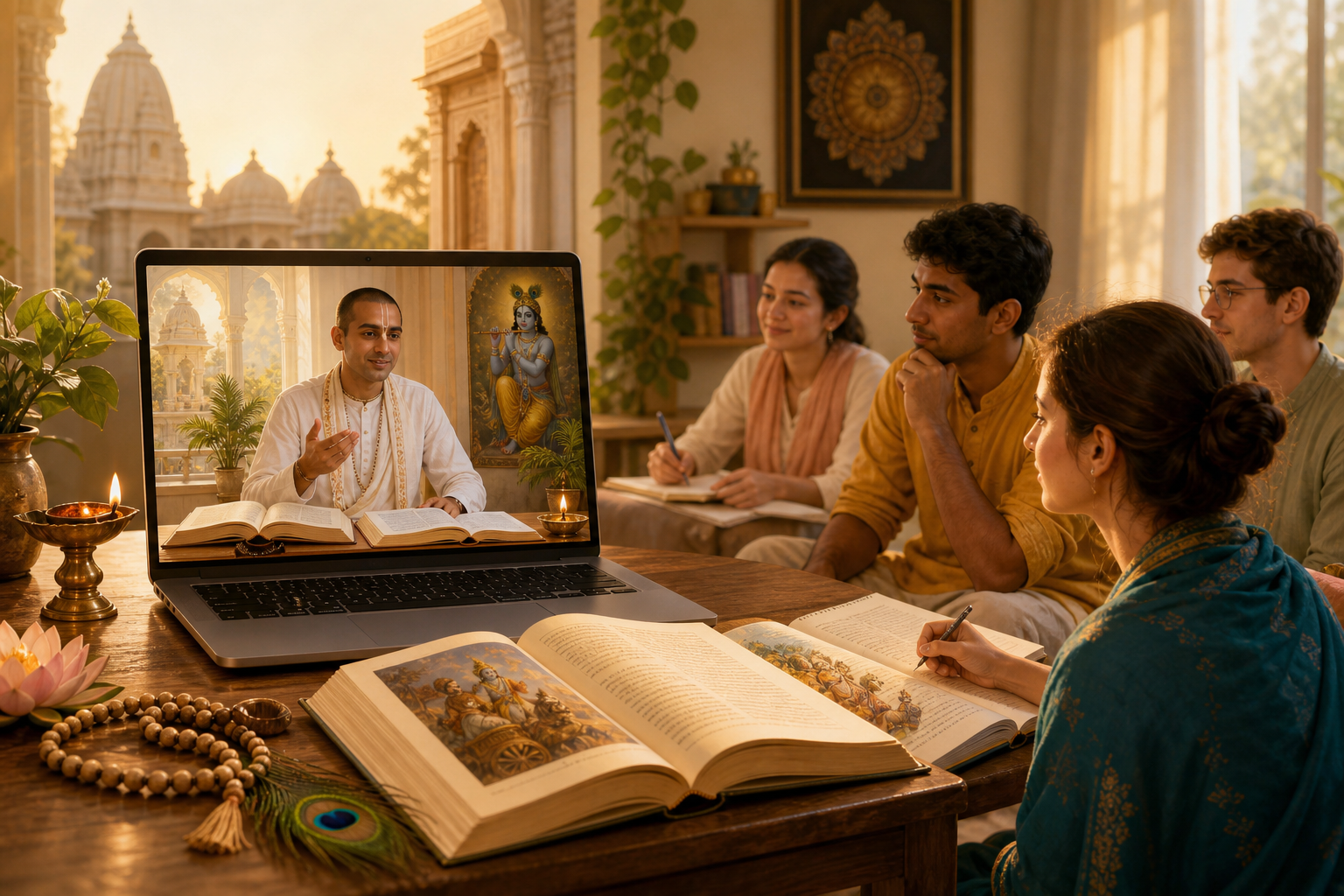
A brief live announcement for Bhurijana Dasa opens into a deeper reflection on bhakti, scriptural learning, and the living guru-shishya tradition. The post explains why live spiritual teachings matter in a distracted digital age and how they can become meaningful satsang rather than passive content. It places Vaishnava study within the wider context of Hindu…
-
Love as Moral Power: Tiruvalluvar’s Timeless Hindu Insight on Virtue and Evil
Tiruvalluvar’s Kurals present love as the living foundation of virtue and noble action. This reflection explains how Hindu thought understands love not merely as emotion, but as a disciplined moral force rooted in dharma, ahimsa, compassion, and self-mastery. It shows why lovelessness cannot remain morally neutral, because true virtue exposes selfishness, cruelty, and indifference by…
-
Amritatva in Hinduism: The Transformative Quest for Immortality and Bliss
Amritatva in Hinduism refers to the state of immortality, bliss, and liberation described in the Upanishads and later Hindu philosophy. It is closely related to moksha, mukti, nirvana, and kaivalya, though each term carries distinct meanings across Dharmic traditions. The concept teaches that lasting happiness cannot be found in temporary pleasures alone, but in realization…
-
Bhootatmane Bhairava: Powerful Insight into Shiva and the Five Elements
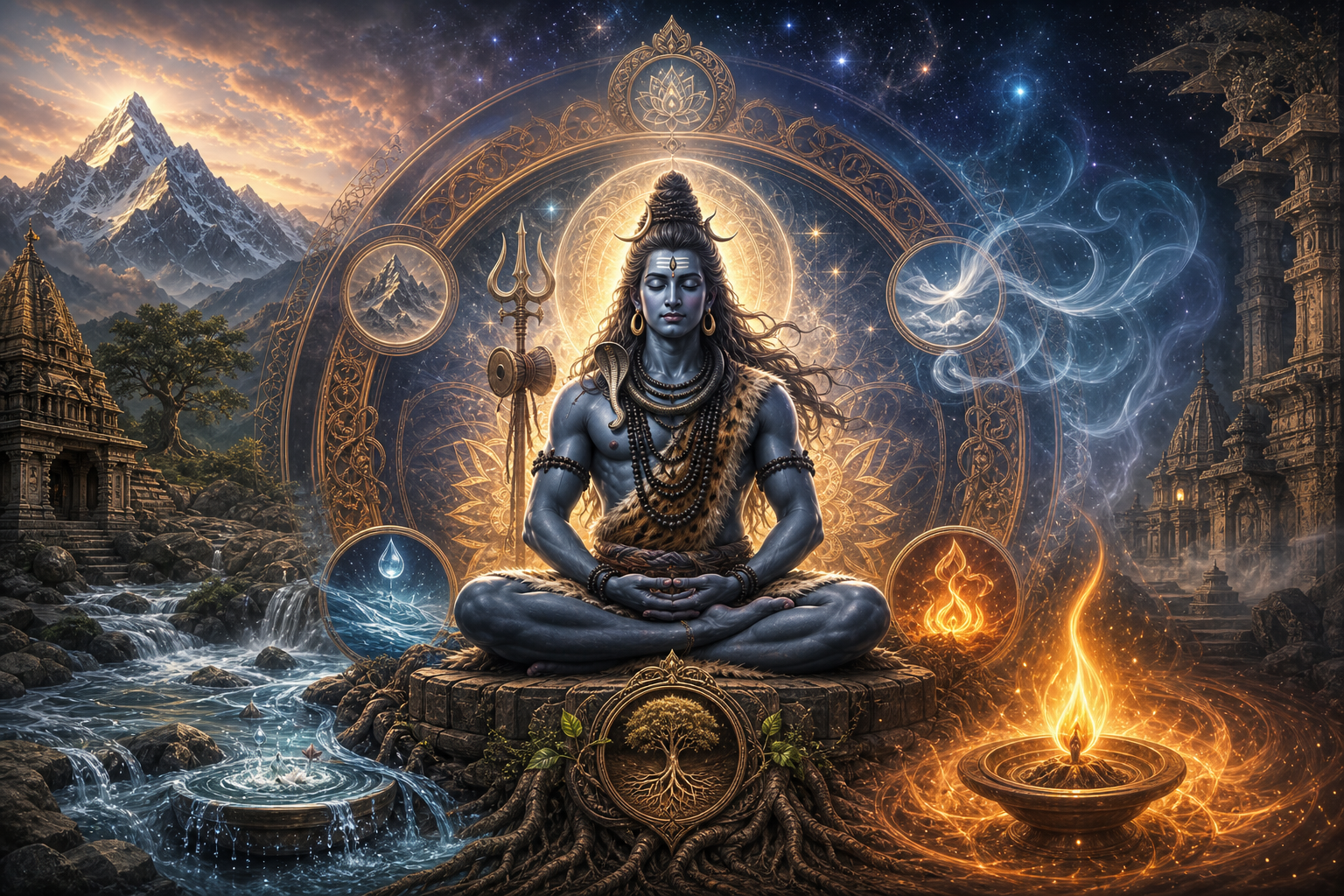
Bhootatmane Bhairava is a profound name from the 1008 Names of Bhairava that reveals Shiva as the inner consciousness of all beings and elements. The name connects Bhairava with the Panchabhootas: earth, water, fire, air, and space. This interpretation shows that the five elements are not merely material substances but sacred principles of embodied existence.…
-
Why Hinduism Offers Many Powerful Spiritual Paths for Every Kind of Seeker

Hinduism recognizes that spiritual growth cannot be identical for every person because human beings differ in temperament, capacity, duty, and life situation. This article explains how concepts such as adhikara, svadharma, the three gunas, Ishta Devata, Karma Yoga, Bhakti Yoga, Jnana Yoga, and Raja Yoga support a plural yet disciplined spiritual vision. It shows that…
-
Panchopakas in Hinduism: Powerful Unity Behind Five Sacred Paths of Devotion
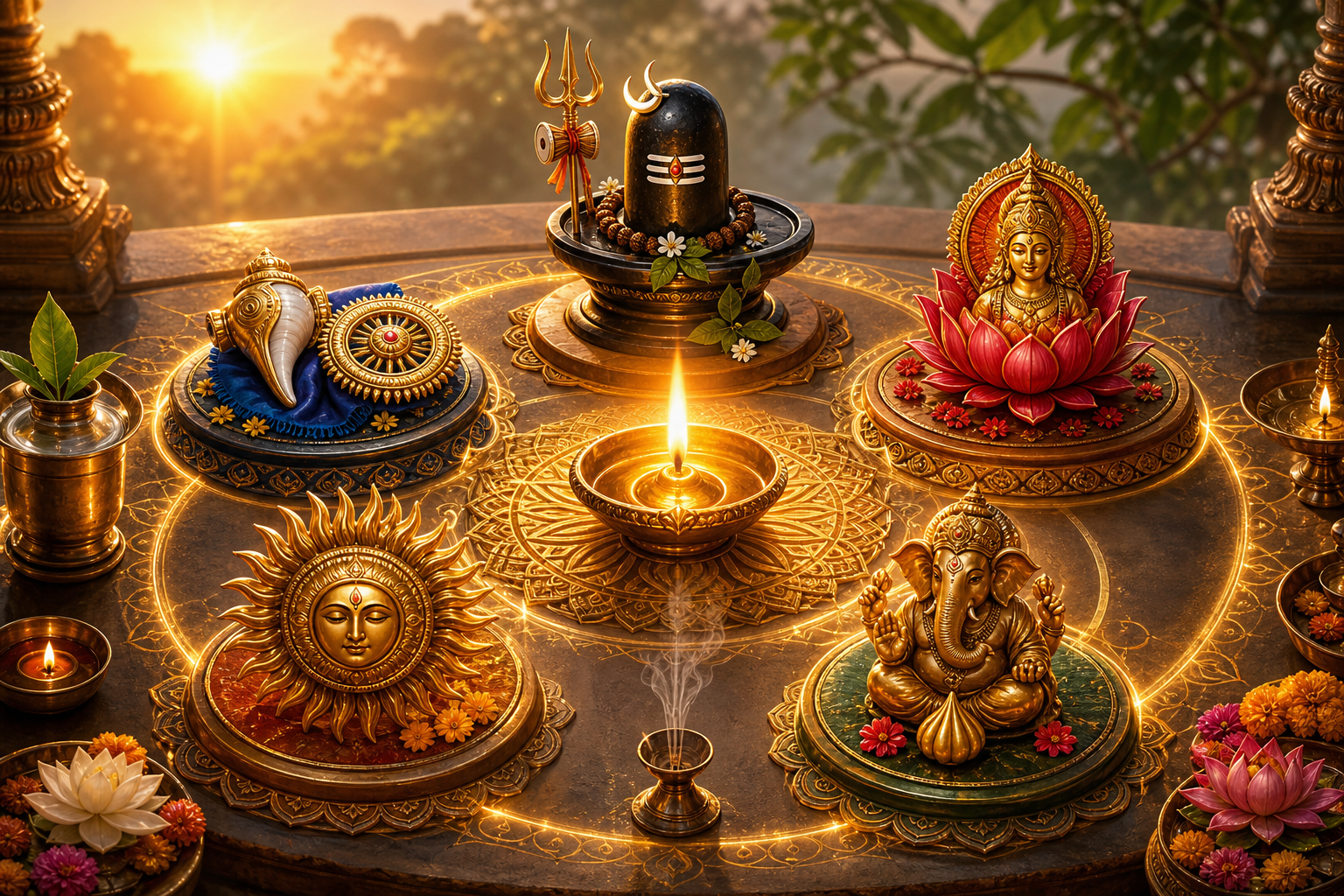
Panchopakas, also understood through Panchopasana and Panchayatana Puja, presents a powerful Hindu model of unity through five sacred paths. It honors Shiva, Vishnu, Devi, Surya, and Ganesha as distinct yet harmonious approaches to the Divine. The concept explains how Hinduism can sustain deep devotional diversity without losing philosophical coherence. It also clarifies the role of…
-
Hindu New Year Explained: Powerful Traditions of Renewal Across India and Diaspora
Hindu New Year, or Nav Varsh, is best understood as a family of regional festivals rather than a single uniform observance. This article explains how Gudi Padwa, Ugadi, Cheti Chand, Bestu Varas, Vishu, Puthandu, Poila Boishakh, Bohag Bihu, and Baisakhi express renewal through distinct local traditions. It clarifies the role of the Hindu lunisolar calendar,…
-
Hinduism and the Transformative Cosmos: Creation, Dharma, and Sacred Change
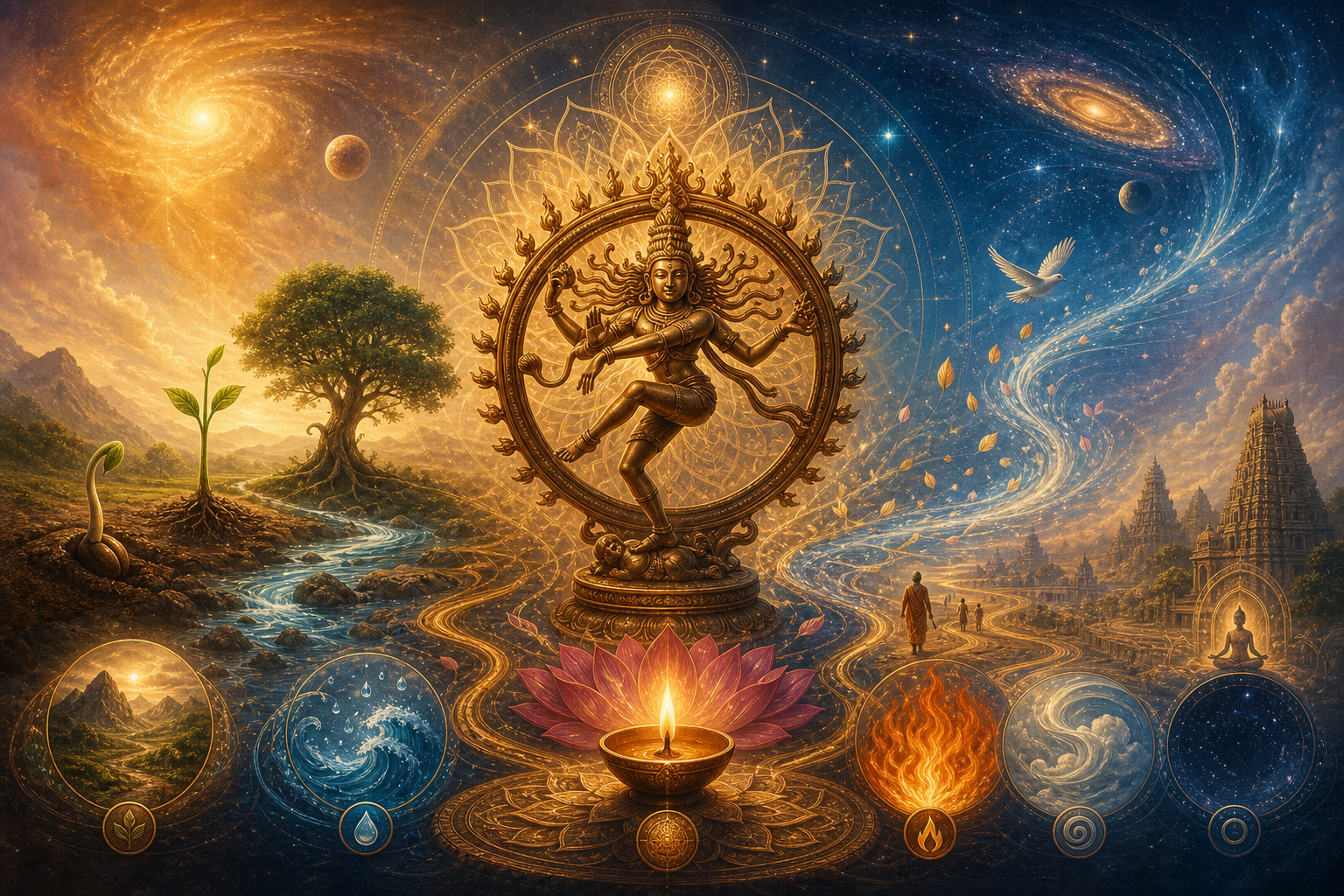
Hindu philosophy presents the universe as a continuous process of transformation rather than a simple story of creation and destruction. This article explains how Vedic, Upanishadic, Puranic, Vedantic, Sankhya, Yoga, and Bhagavad Gita traditions interpret manifestation, preservation, dissolution, karma, samsara, and moksha. It highlights Shiva Nataraja, the three gunas, pralaya, and cosmic time as key…
-
Anjali Mudra in Hinduism: Powerful Sacred Meaning, Symbolism and Inner Grace
Anjali is the sacred Hindu gesture of joining the palms in reverence, devotion, humility, and inner alignment. It functions as a greeting, a mudra, a ritual offering, and a spiritual discipline that turns the body into an instrument of worship. Its symbolism joins dualities such as action and knowledge, effort and grace, and individual self…
-
Why RSS Centenary Criticism Exposes a Deeper Crisis in Hindu Public Life
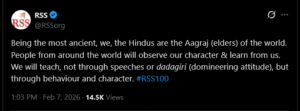
The RSS centenary debate has exposed a deep trust deficit within sections of Hindu public life. While supporters see the organisation as a century-old force for discipline, service, and nationalism, critics argue that symbolic rhetoric has not produced enough civilisational security, intellectual clarity, or institutional accountability. This rewritten analysis reframes the anger around #RSS100 in…
-
Ardhanarishvara Shiva: Powerful Symbol of Divine Balance and Shakti Unity
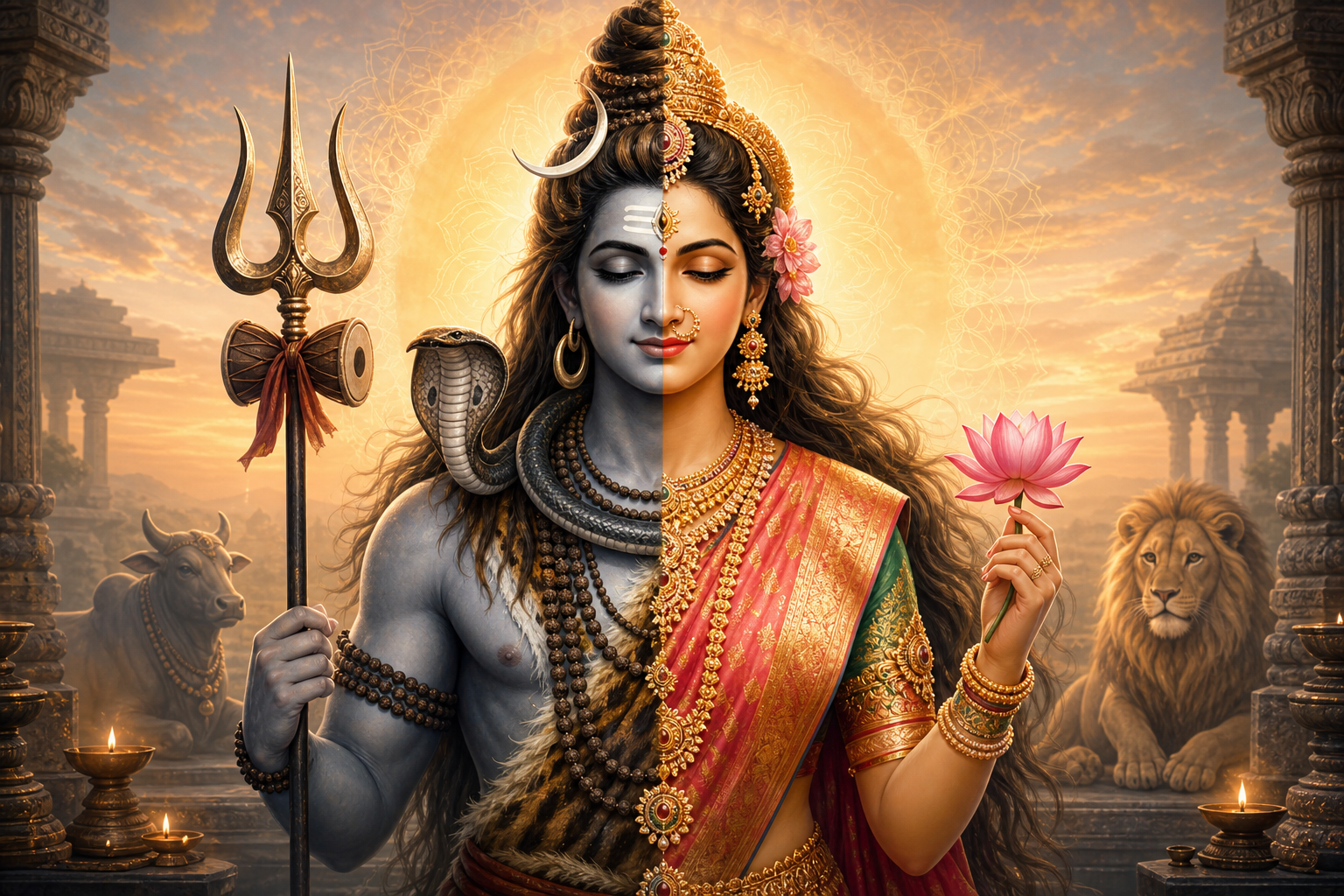
Ardhanarishvara Shiva is the sacred half-male and half-female form of Lord Shiva and Parvati Mata, expressing the inseparable unity of Shiva and Shakti. This form teaches that consciousness and energy, stillness and activity, ascetic discipline and creative abundance are not opposing forces but complementary aspects of one divine reality. The Puranas preserve several narratives explaining…
-
Dharma as the Powerful Key to an Integrated, Ethical and Meaningful Life
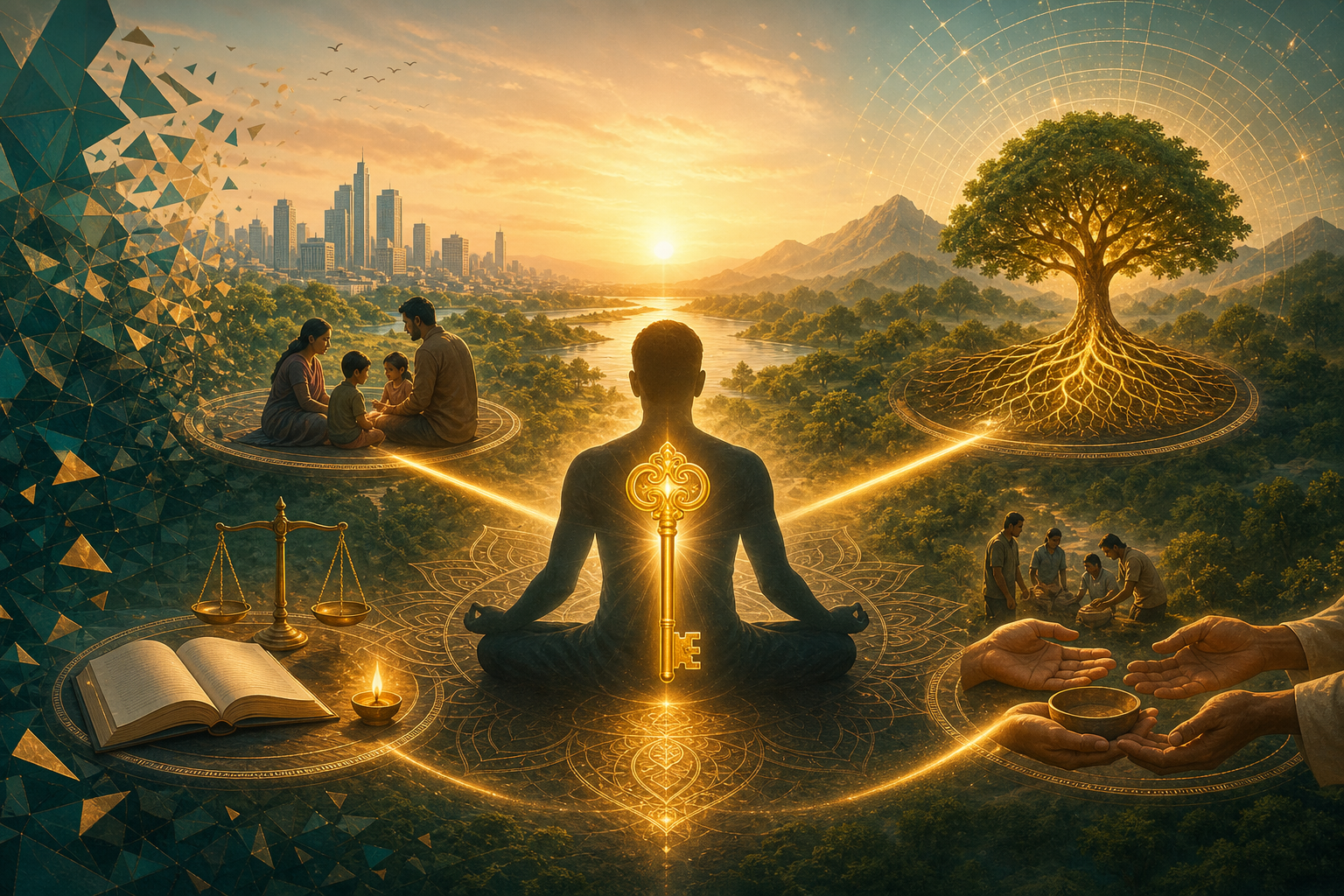
Dharma offers a comprehensive framework for living an integrated, ethical, and meaningful life. It connects personal conduct, social responsibility, spiritual discipline, and inner growth into one coherent path. Rather than treating life as a cycle of desires and necessities, Dharma sees human progress as a movement from ignorance to wisdom and from fragmentation to wholeness.…
-
Shiva, Adiyogi, and the 84,000 Mudras: Sacred Movement as Inner Awakening
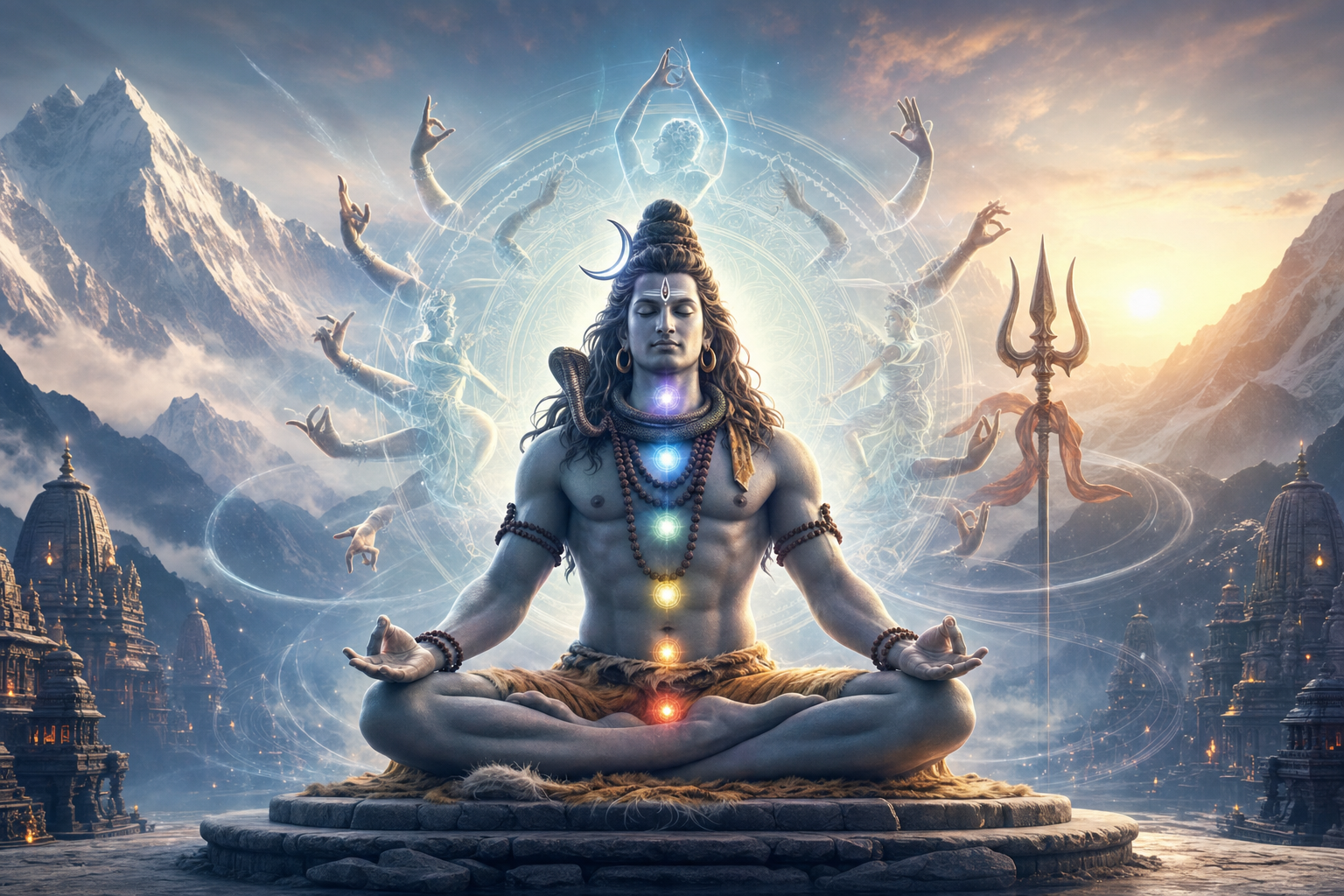
Shiva as Adiyogi represents the sacred union of stillness, movement, consciousness, and disciplined practice. The tradition of 84,000 mudras should be understood as a symbol of vast spiritual possibility rather than a simple numerical catalogue. Mudras function as embodied philosophy, linking posture, breath, attention, prana, mantra, ritual, and inner transformation. This expanded treatment explains their…
-
Decoding SB 1.16.5: Dharma‑Bull, Mother Earth, and Kali‑yuga in Srila Prabhupada’s Teachings
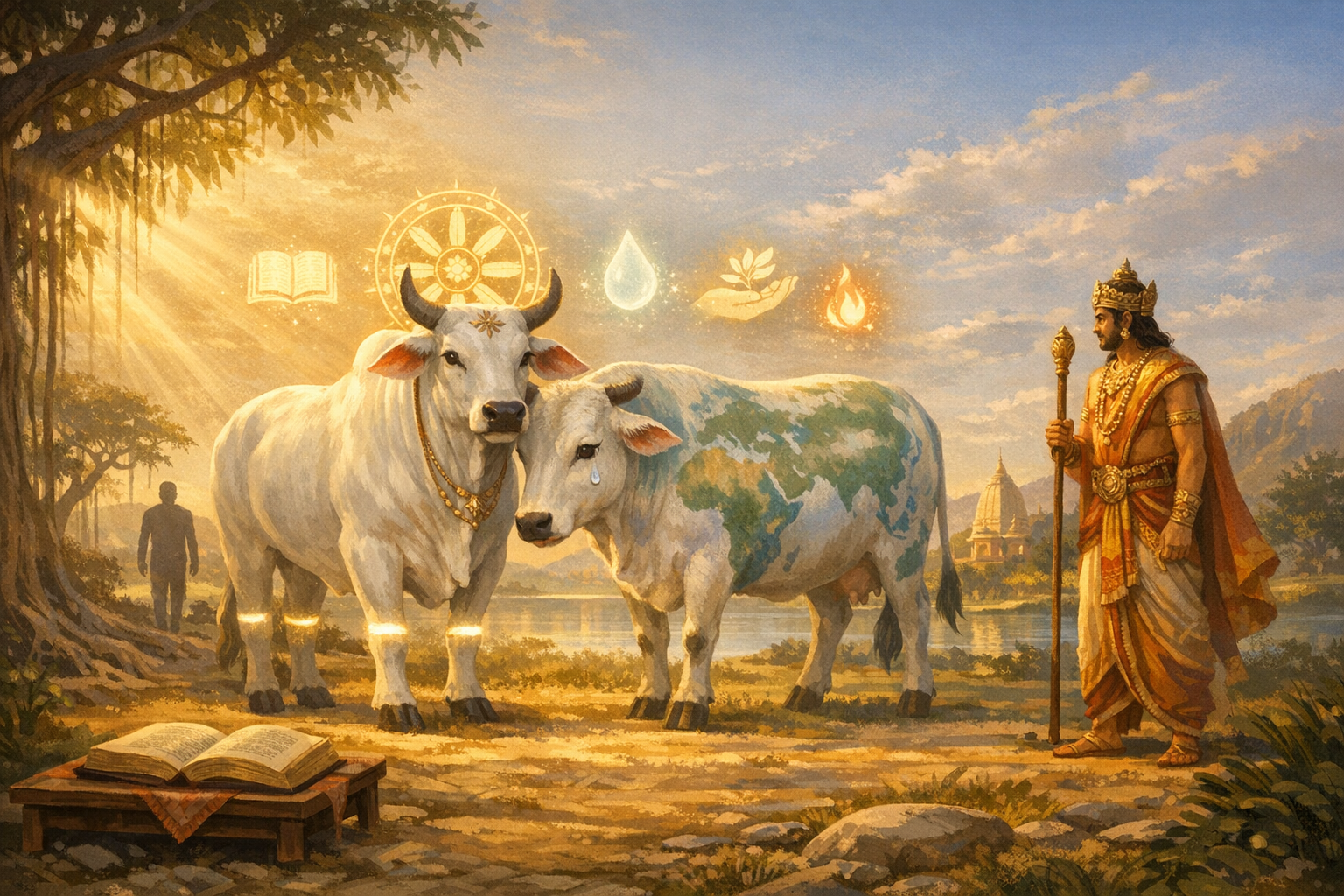
SB 1.16.5 presents the iconic tableau of the Dharma‑bull and Mother Earth to diagnose the onset of Kali‑yuga as both a moral and ecological crisis. Through Srila Prabhupada’s teachings, the verse becomes a practical framework: strengthen truthfulness, cleanliness, mercy, and austerity to restore social trust and environmental balance. The episode models just governance in the…
-
ISKCON London Srimad Bhagavatam: Deep Bhakti, Living Wisdom, Dharmic Unity | 23 Jun 2026
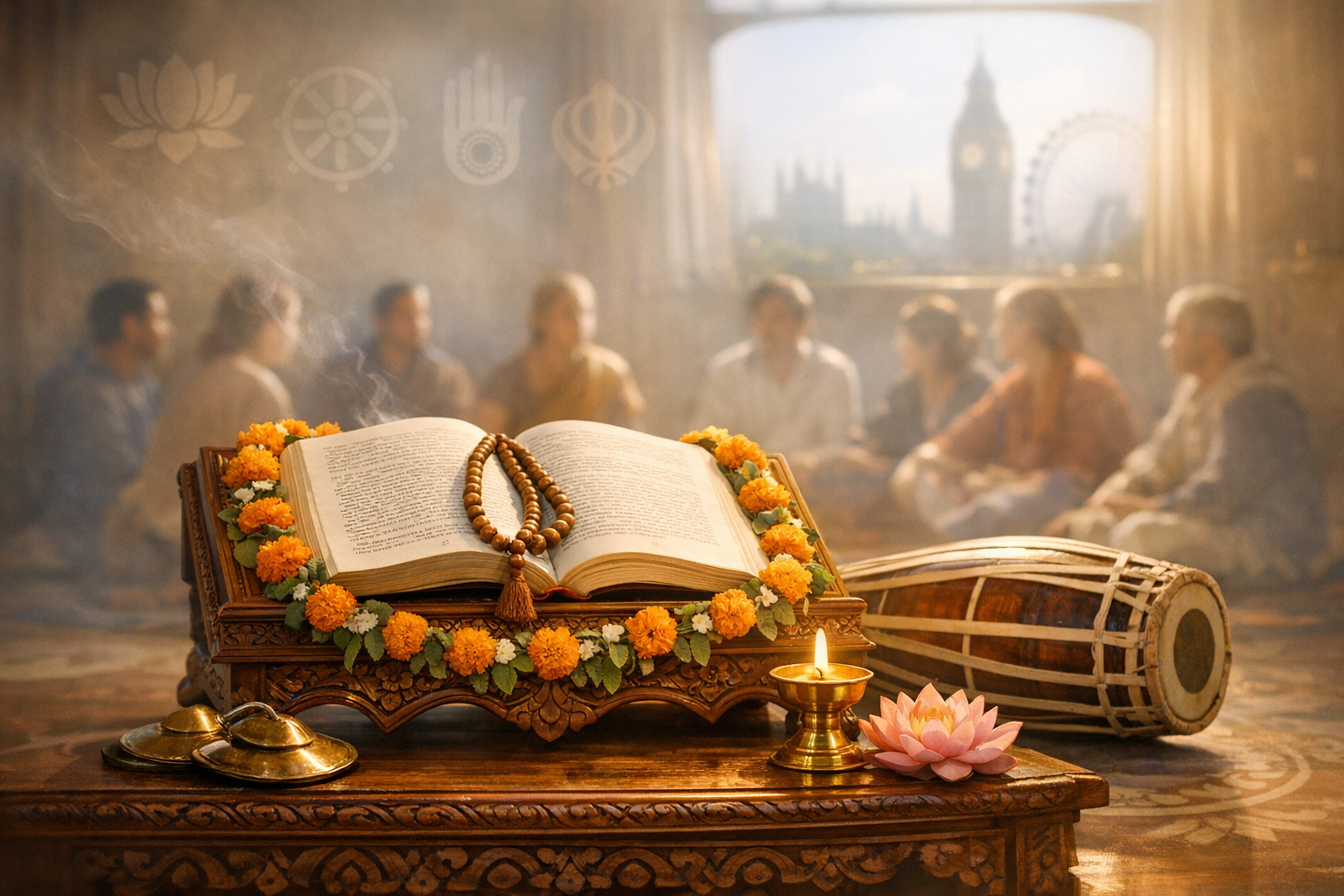
On 23 June 2026, ISKCON London hosted a Srimad Bhagavatam class that combined rigorous textual study with practical guidance for daily life. Framed within Gaudiya Vaishnavism and Srila Prabhupada’s purports, the session presented bhakti-yoga as a disciplined, transformative practice rather than sentiment. Participants explored how the Bhagavatam’s nine processes of devotion refine character, stabilize attention,…
-
Srimad Bhagavatam 2.2.27 Decoded: Transformative Focus, Paramatma Realization, and Bhakti Yoga
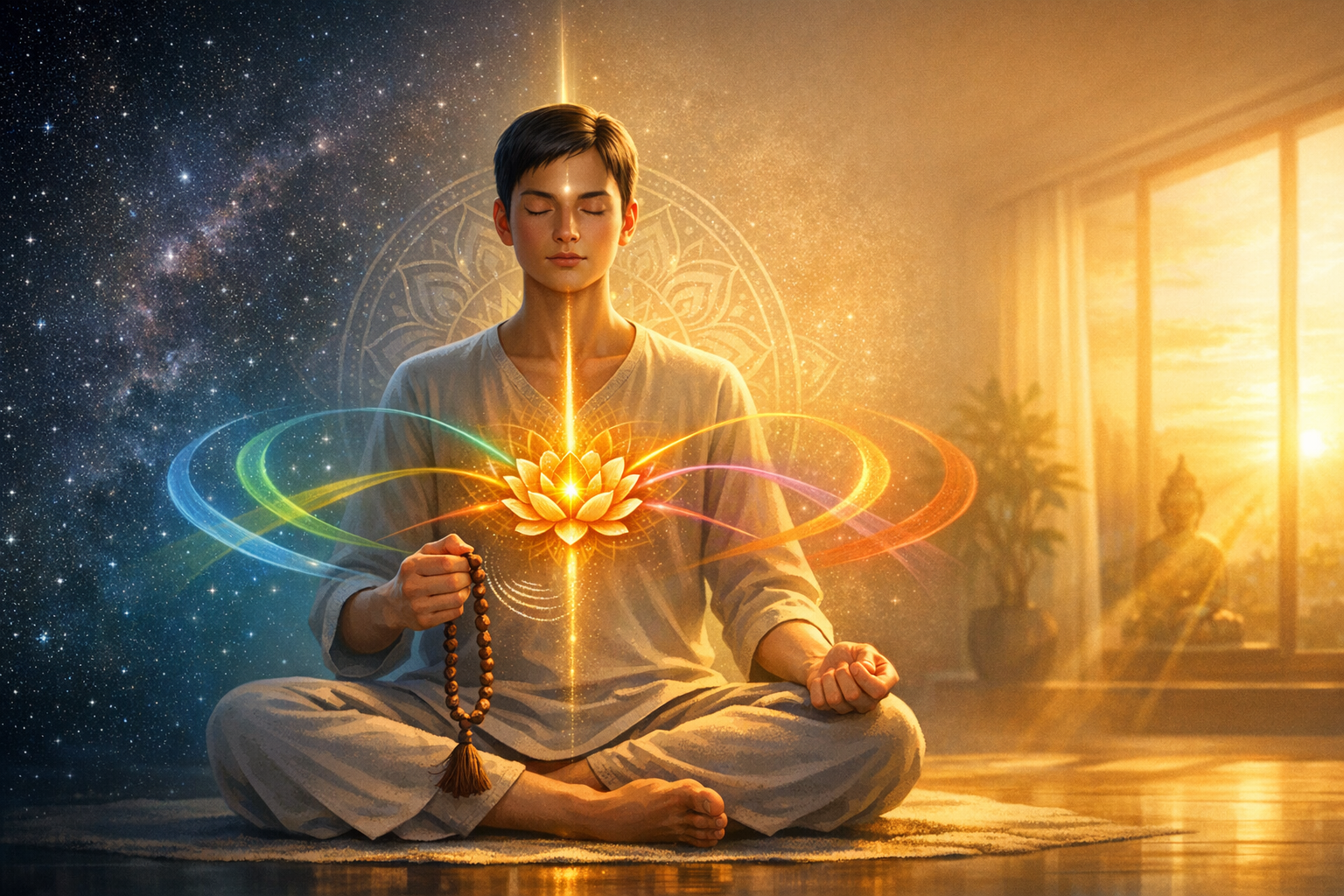
Srimad Bhagavatam 2.2.27 synthesizes Chapter Two’s yogic arcpratyahara, dharana, and dhyanainto steadfast remembrance of the Paramatma in the heart. Read alongside community practice in settings such as ISV BYS, the verse frames technique as servant to bhakti, where breath, attention, and sacred sound converge. The result is a stable, tender clarity that supports both inner…
-
Gorakhpur’s Hindu Rashtra Adhiveshan: 160+ Groups Unite for Dharmic Unity and Legal Safeguards
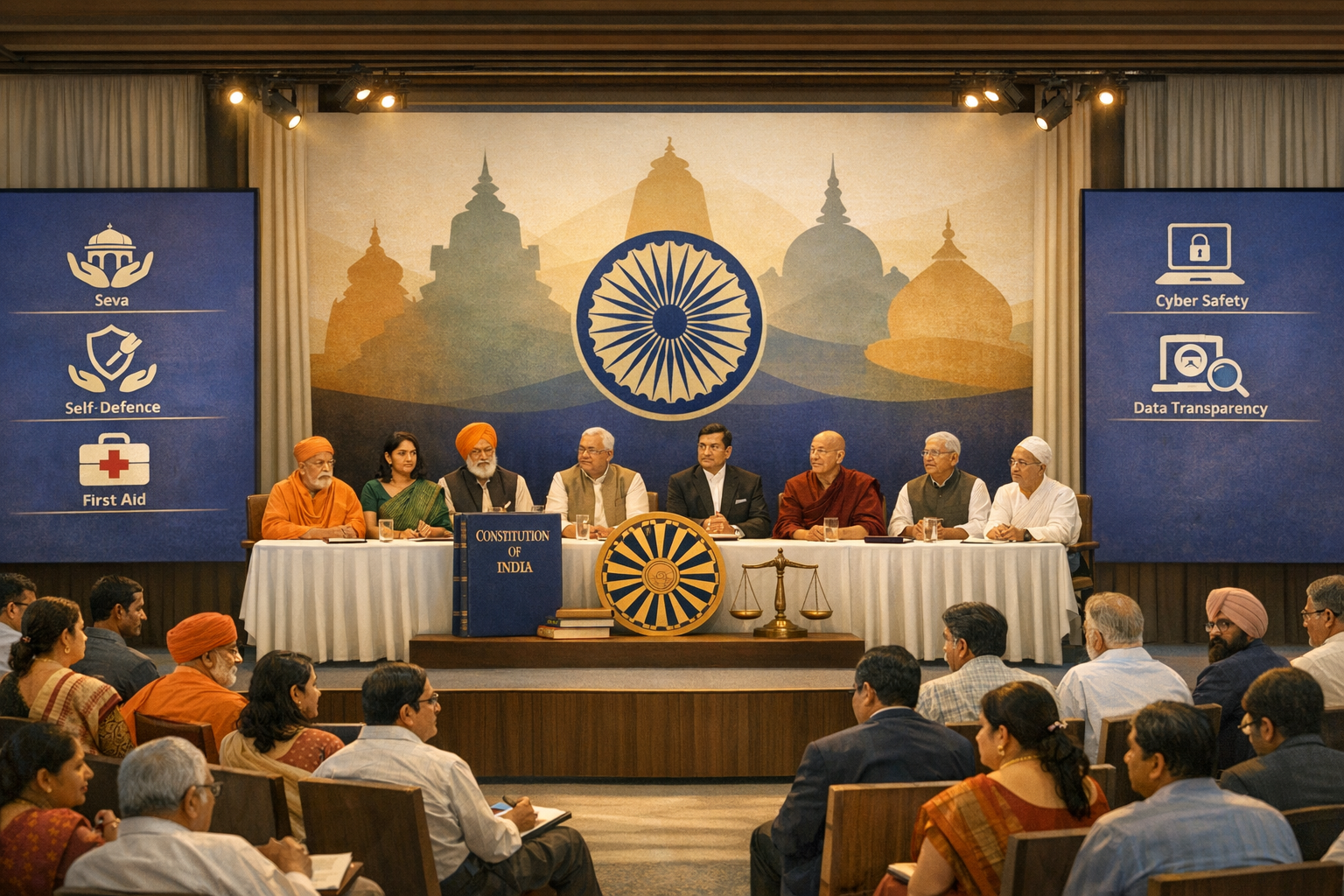
Representatives from over 160 Hindu organisations met in Gorakhpur for the Hindu Rashtra Adhiveshan and agreed on a practical agenda: deepen Hindu unity across sampradāyas, expand temple-based outreach, and build lawful self-defence capacity. The analysis reframes contested terms into a rights-based, behaviour-specific, and religion-neutral policy blueprint aligned with India’s Constitution and Supreme Court precedent. It…
-
Sanatana Dharma as Living Wisdom: Pluralism, Practice, and Purpose in a Complex World
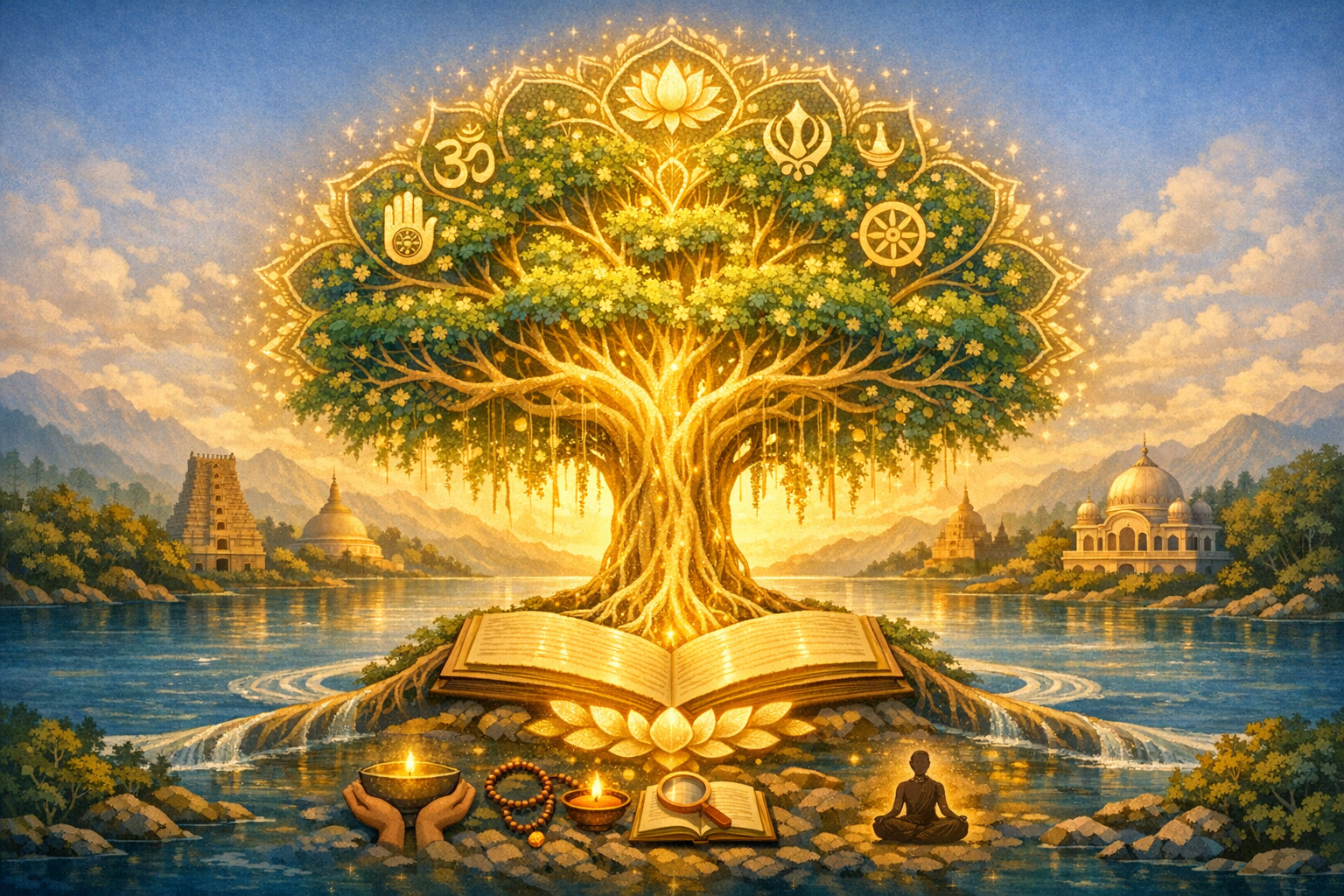
Sanatana Dharma is presented as a living wisdom traditioncivilizational in scope and practical in methodrather than a narrow, prescriptive religion. The discussion explains how pluralism, exemplified by Ishta and enriched by Jain Anekantavada, Buddhist upaya, and Sikh Ik Onkar, establishes unity in spiritual diversity across Dharmic traditions. It surveys layered scriptures, the six darshanas, and…
-
Six Paths of Sannyāsa in the Nārada Parivrājaka Upanishad: Timeless Map to Inner Freedom
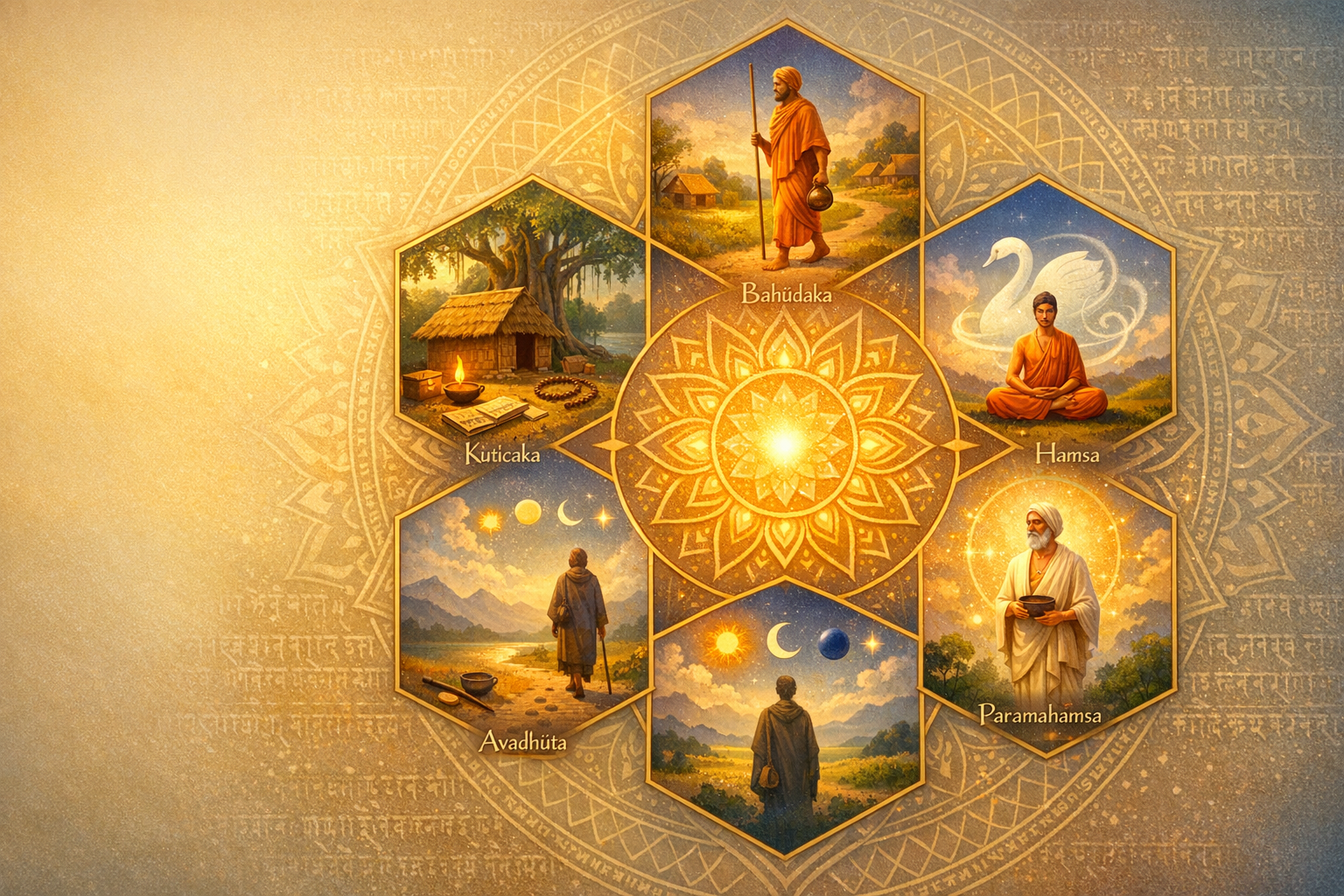
Renunciation in the āśrama system reaches a mature articulation in the Narada Parivrajaka Upanishad, which maps six authentic paths of sannyāsa without enforcing a single mold. It names kuṭīcaka, bahūdaka, haṁsa, paramahaṁsa, turīyātīta, and avadhūta as complementary modes that guide a seeker from external disciplines toward interior freedom. Each type balances ethical foundationsahiṁsā, satya, and…
-
The King’s Four Wives: A Dharmic Allegory on Body, Wealth, Companionship, and Soul
A classic dharmic parable about a king and his four wives becomes a concise map of body, wealth, relationships, and the inner spiritual core. Read how Hinduism, Buddhism, Jainism, and Sikhism interpret the same story with different vocabularies yet convergent wisdom. Discover why only the cultivated inner reality accompanies beyond death while the body, possessions,…