
-
Yogi Dileep’s Quiet Power: From Kerala Roots to the Global Rise of Yoga Day
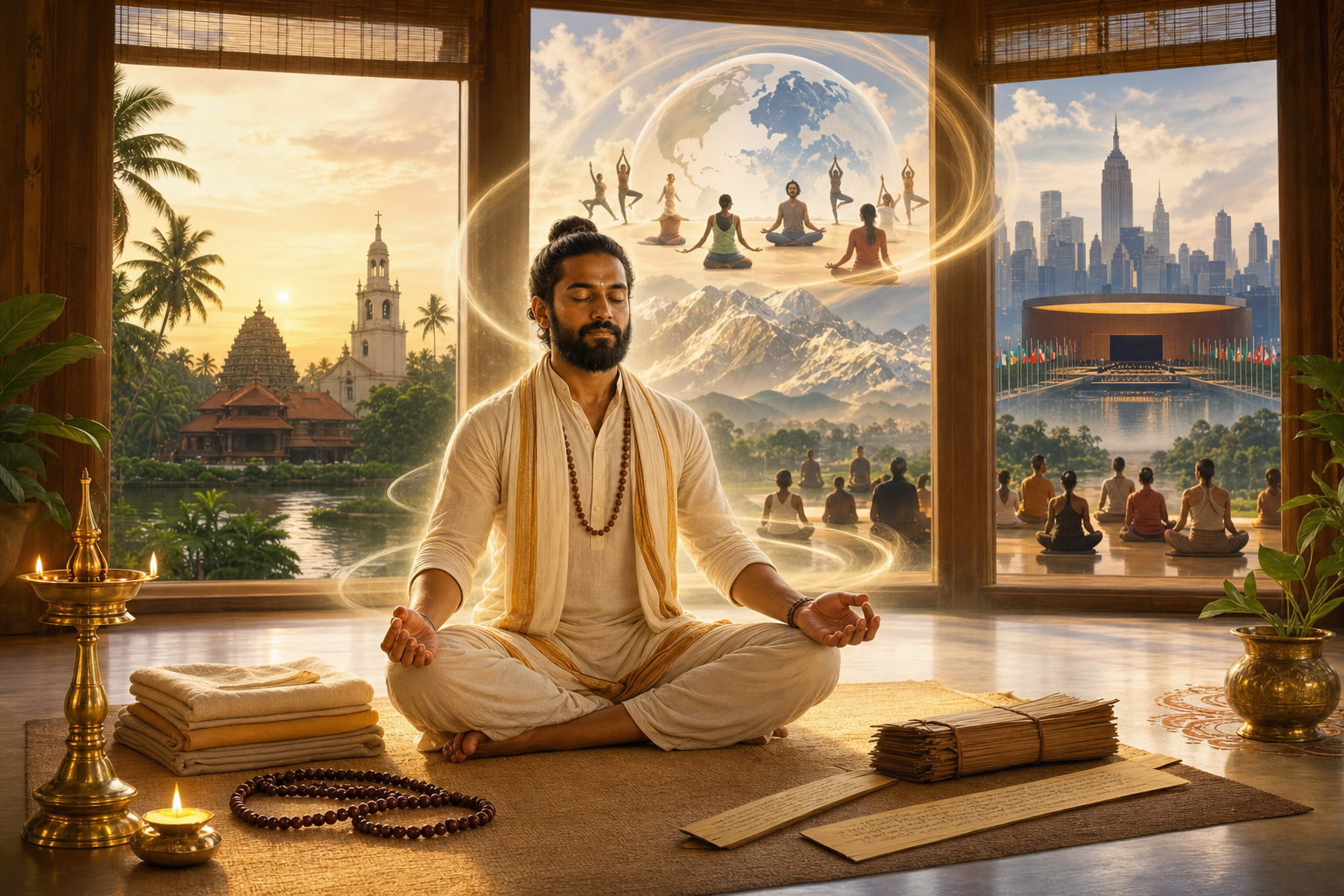
This long-form reflection examines the life of Dileep Kumar Thangappan, known as Yogi Dileep or Guruji, and his quiet role in the global recognition of International Yoga Day. It traces his Kerala childhood, interfaith family background, formative trauma, early yogic influences, and association with teachers such as Swami Bua. The article explains how yoga moved…
-
Krishna’s Complete Divinity: Warrior, Lover, Child, and Infinite Consciousness
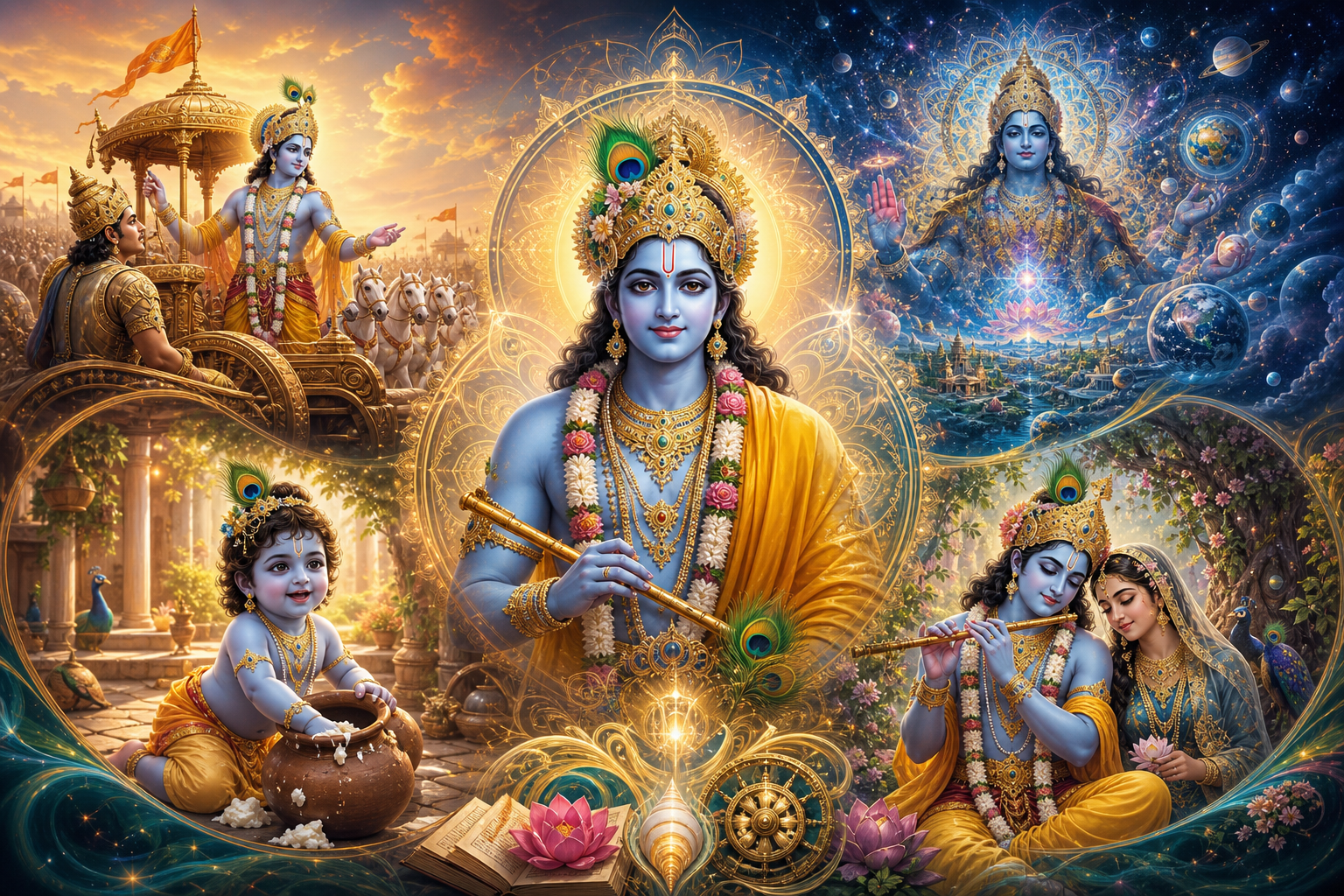
Krishna represents one of the most complete visions of divinity in Hindu philosophy: child, lover, warrior, teacher, friend, and cosmic reality. This essay explores how Krishna’s many forms in the Bhagavata Purana, Mahabharata, and Bhagavad Gita reveal a theology of wholeness rather than contradiction. It explains the devotional meaning of Bala Krishna, Radha-Krishna love, Krishna’s…
-
Ami Ganatra’s Powerful Guide to Hindu Shastras and Living Knowledge Systems

Ami Ganatra’s Why are We This Way offers a serious and accessible guide to Hindu Shastras, Indian Knowledge Systems, and the living continuity of Sanatana Dharma. The book explains Shruti, Smriti, Vedas, Upanishads, Itihasas, Puranas, Darshanas, and related traditions without reducing them to a mere catalogue of texts. Its strongest contribution is showing how Hindu…
-
Kerala’s Quiet Yoga Pioneer: Powerful Journey from Fire to the United Nations
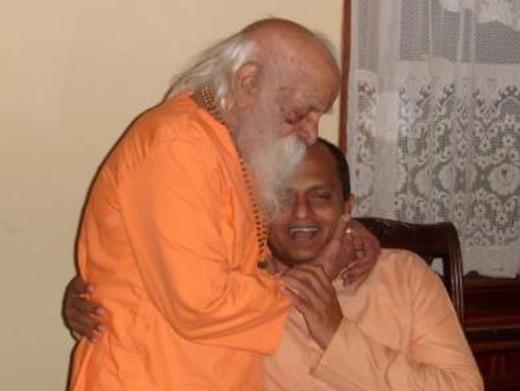
Yogi Dileep Kumar’s journey reveals how yoga moved from intimate household practice in Kerala to a recognized global observance at the United Nations. His life was shaped by interfaith family roots, community care, a near-fatal childhood fire, and the guidance of several spiritual masters. The article explains his association with Swami Bua, his early struggles…
-
How Dharma Survives: Powerful Oral Traditions That Preserve Living Wisdom
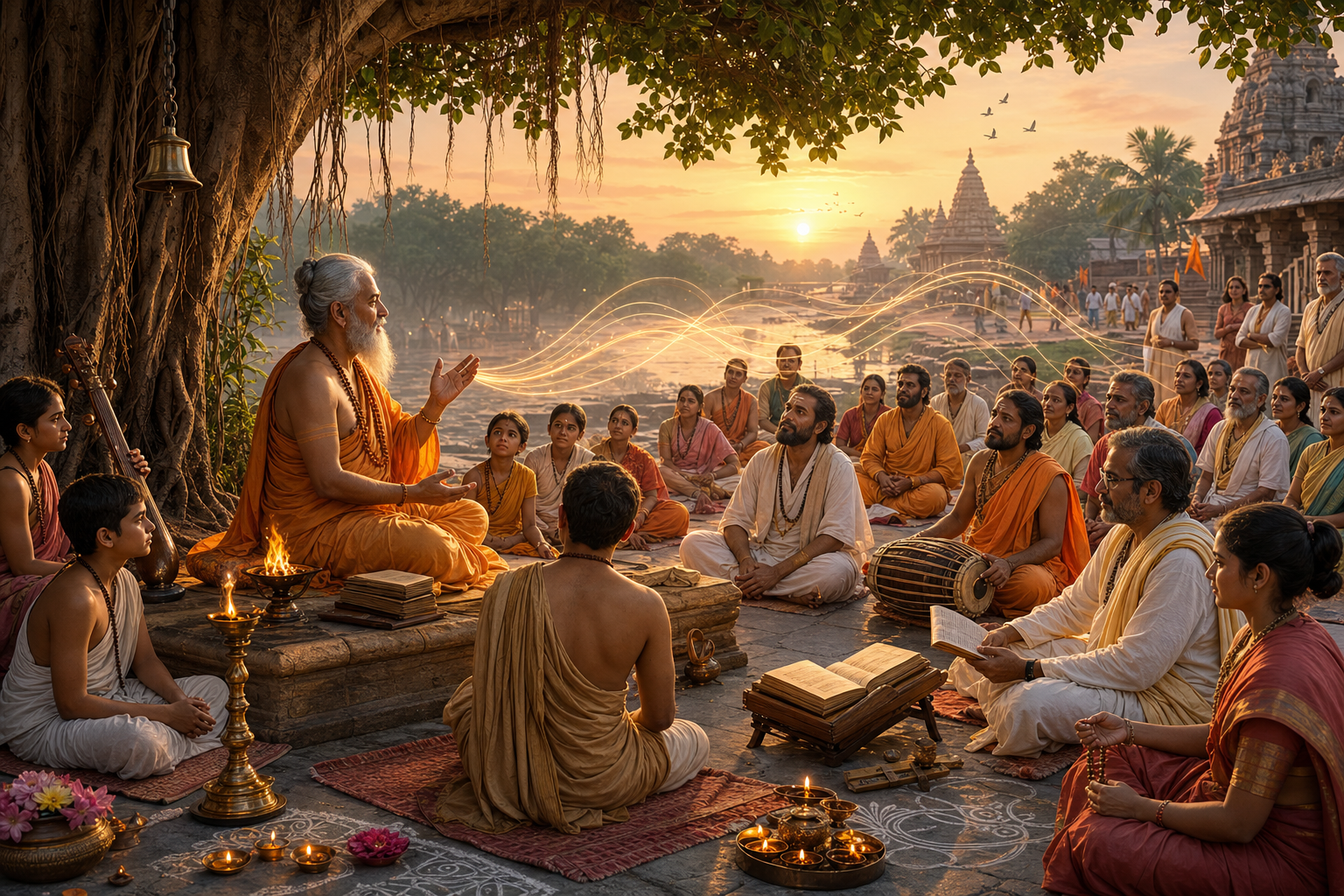
Dharma survives through living transmission, not through texts alone. This article explains how oral tradition, Guru-Shishya learning, ritual, Yoga, Katha, pilgrimage, festivals, music, and community practices preserve Sanatana Dharma across generations. It highlights the role of Sampradaya as a disciplined lineage of knowledge, interpretation, and practice. The discussion also shows how Hinduism, Buddhism, Jainism, and…
-
Why Hindu Dharma Can Inspire America’s Spiritually Unaffiliated Generation
America’s changing religious landscape presents both a warning and an opportunity for Hindu Americans. Pew Research Center data shows the sharp rise of religiously unaffiliated Americans, while Hindu Americans remain a small but highly educated and increasingly visible community. The central challenge is that birth alone will not secure Hindu identity for the next generation.…
-
Why Dharma Studies Matter: Three Powerful Ways Scholarship Can Shape the Future
Dharma studies in mainstream universities matter because they help students of the Indian diaspora understand their inherited traditions with clarity and confidence. Academic courses on Hindu Dharma, the Bhagavad Gita, the Upanishads, and Dharmic traditions can turn cultural familiarity into informed knowledge. The creation of scholar-practitioners is equally important because public conversations about Hinduism need…
-
India, Hinduism, and the Powerful Freedom of Dharmic Pluralism and Insight
This reflection presents India and Hinduism as living civilizational realities rather than fixed systems that can be reduced to ritual, geography, or linear history. It explains why Indian traditions often preserve memory through symbols, narratives, philosophy, sacred geography, and direct experience as much as through dates and documents. The essay explores Hinduism’s decentralized structure, its…
-
Powerful Vedic Insight: How One Reality Sustains Many Sacred Truths
This article offers a careful, accessible exploration of the Vedic phrase ekaṁ sad viprā bahudhā vadanti and its relevance for religious pluralism. It clarifies why popular renderings such as “Truth is one. Paths are many.” are meaningful but not literal translations. The discussion explains key Sanskrit terms, including ekaṁ, sat, viprā, bahudhā, and vadanti. It…
-
Kalapurusha Revealed: Powerful Cosmic Symbolism of Time, Death, and Dharma
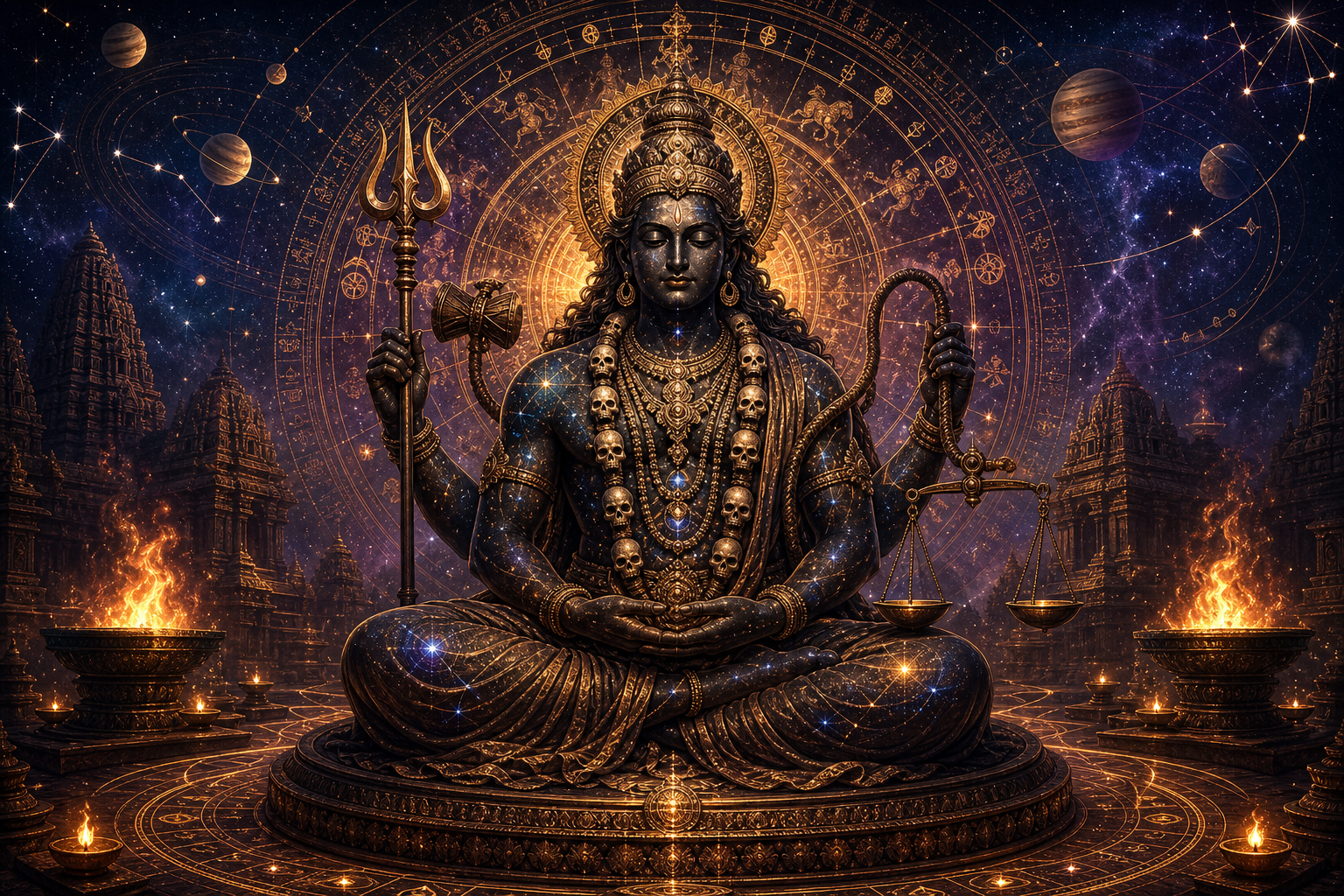
Kalapurusha represents the sacred embodiment of time and death in Hindu philosophy and iconography. This article explains how Kala means both time and mortality, showing why Hindu thought treats death as inseparable from cosmic order. It explores Kalapurusha through Purusha symbolism, Jyotisha, temple culture, karma, dharma, and the search for moksha. The discussion also clarifies…
-
Powerful Tribute to HH Dhirasanta Dasa Goswami’s Life of Bhakti Service
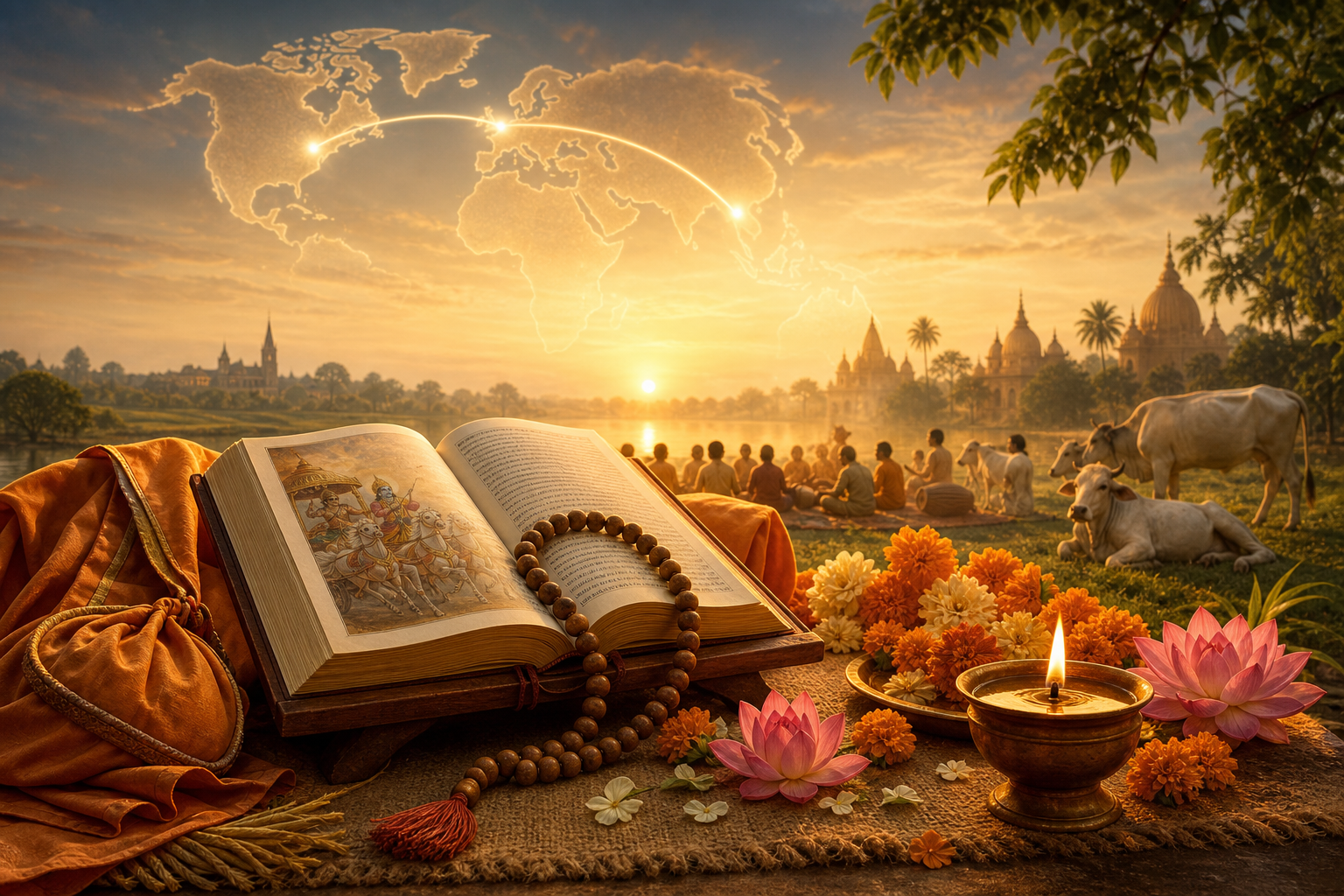
HH Dhirasanta dasa Goswami is remembered as a dedicated servant of Srila Prabhupada and a committed preacher of Krishna consciousness. His life began with the powerful impression of hearing the Mahamantra on British television and matured into decades of bhakti, service, and spiritual leadership. He served in many capacities, from agricultural service to guiding devotees…
-
Powerful Lessons from ŚB 4.19.24-25 on Dharma, Envy, and Sacred Restraint
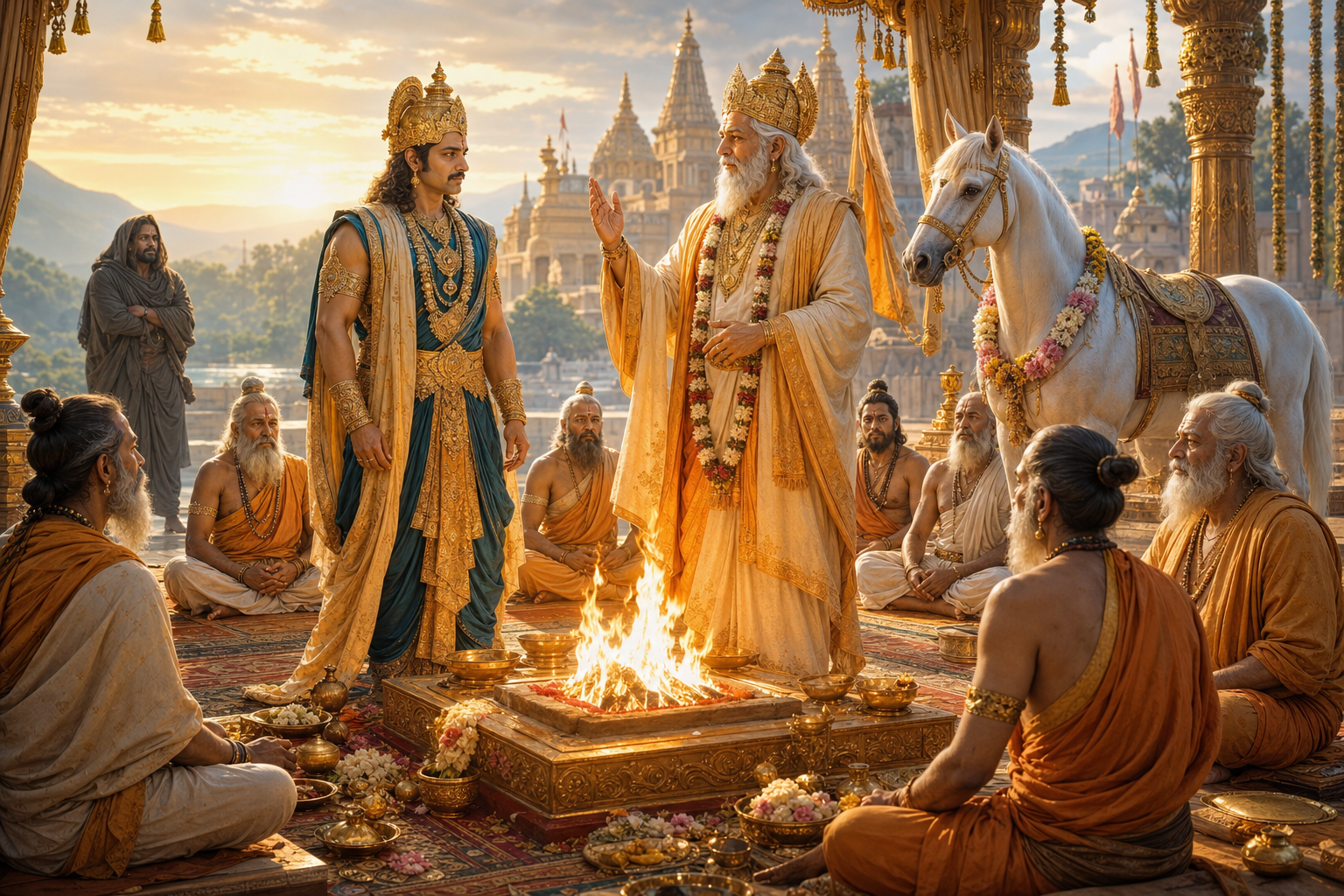
ŚB 4.19.24-25 presents a profound lesson on dharma, sacred restraint, and the dangers of religious externalism. The episode shows Lord Brahmā intervening when King Pṛthu’s sacrifice is threatened by Indra’s envy and misuse of renunciant symbols. Rather than excusing wrongdoing, the verses teach that even justified anger must remain governed by divine purpose and moral…
-
Srimad Bhagavatam 3.26.53-55: Powerful Insights on Creation and Consciousness

Śrīmad-Bhāgavatam 3.26.53-55 offers a profound account of the virāṭ-puruṣa and the ordered emergence of speech, breath, smell, sight, hearing, and their presiding deities. These verses present Vedic cosmology as a sacred systems model in which the body, senses, elements, and divine governance are deeply connected. The discussion highlights how speech is linked with fire, sight…
-
A Powerful Evening with HH Candramauli Swami: Bhakti, Discipline, and Inner Renewal
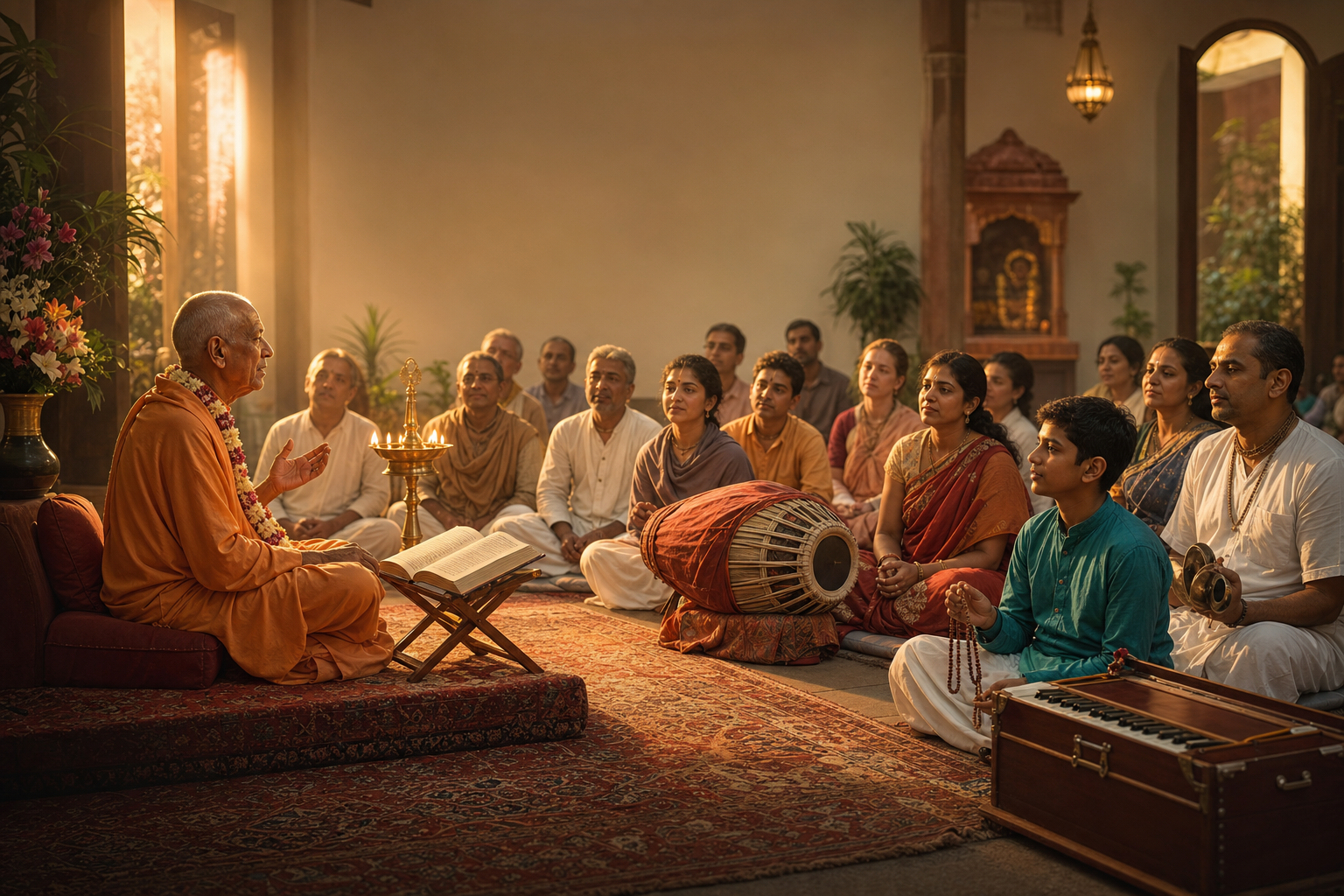
The June 25, 2026 program Evening With HH Candramauli Swami is best understood as a devotional satsanga rooted in Gaudiya Vaishnava practice and the wider Dharmic tradition. Such an evening brings together hearing, chanting, reflection, guru-shishya learning, and community discipline. The gathering highlights bhakti as a practical path of remembrance, humility, service, and inner transformation.…
-
Hari Bhakta Lifestyle Explained: Powerful Daily Bhakti, Seva, Dharma and Grace
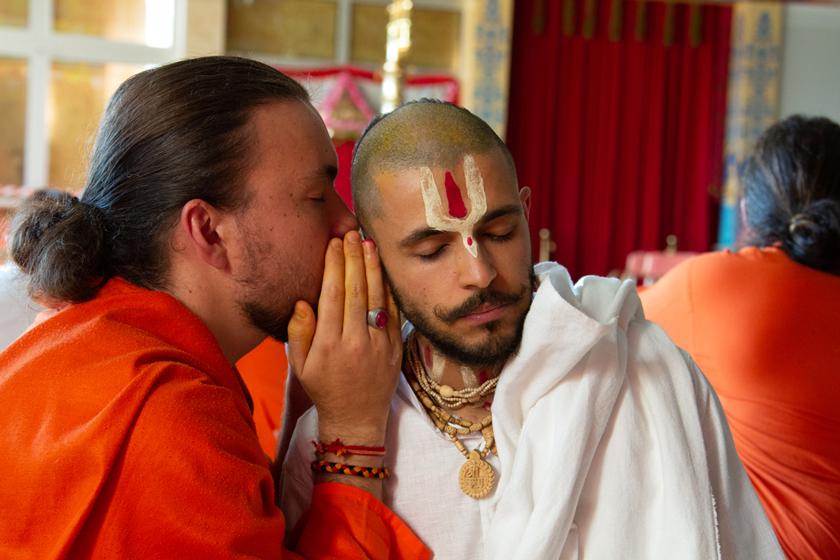
A Hari Bhakta lifestyle is a disciplined devotional way of life centred on love for God, daily sadhana, seva, dharma, and reverence for the guru. It is rooted in the Hari Bhakta Sampradaya associated with Paramahamsa Sri Swami Vishwananda and expresses devotion through prayer, japa, puja, scriptural study, festivals, and community service. The path is…
-
Eternal Happiness and the Supreme Goal of Life: A Transformative Dharmic Guide

This article explores why lasting happiness cannot depend on temporary objects, achievements, or relationships alone. It explains the Bhagavad Gita’s distinction between the perishable body-mind complex, the imperishable atman, and the Supreme Reality known in Vaishnava traditions as Narayana or Paramatma. The discussion presents moksha, Self-Realization, God-realisation, devotion, surrender, grace, and the guru-shishya tradition in…
-
Becoming a Devotee: The Transformative Power of Bhakti, Guru, and Inner Awakening
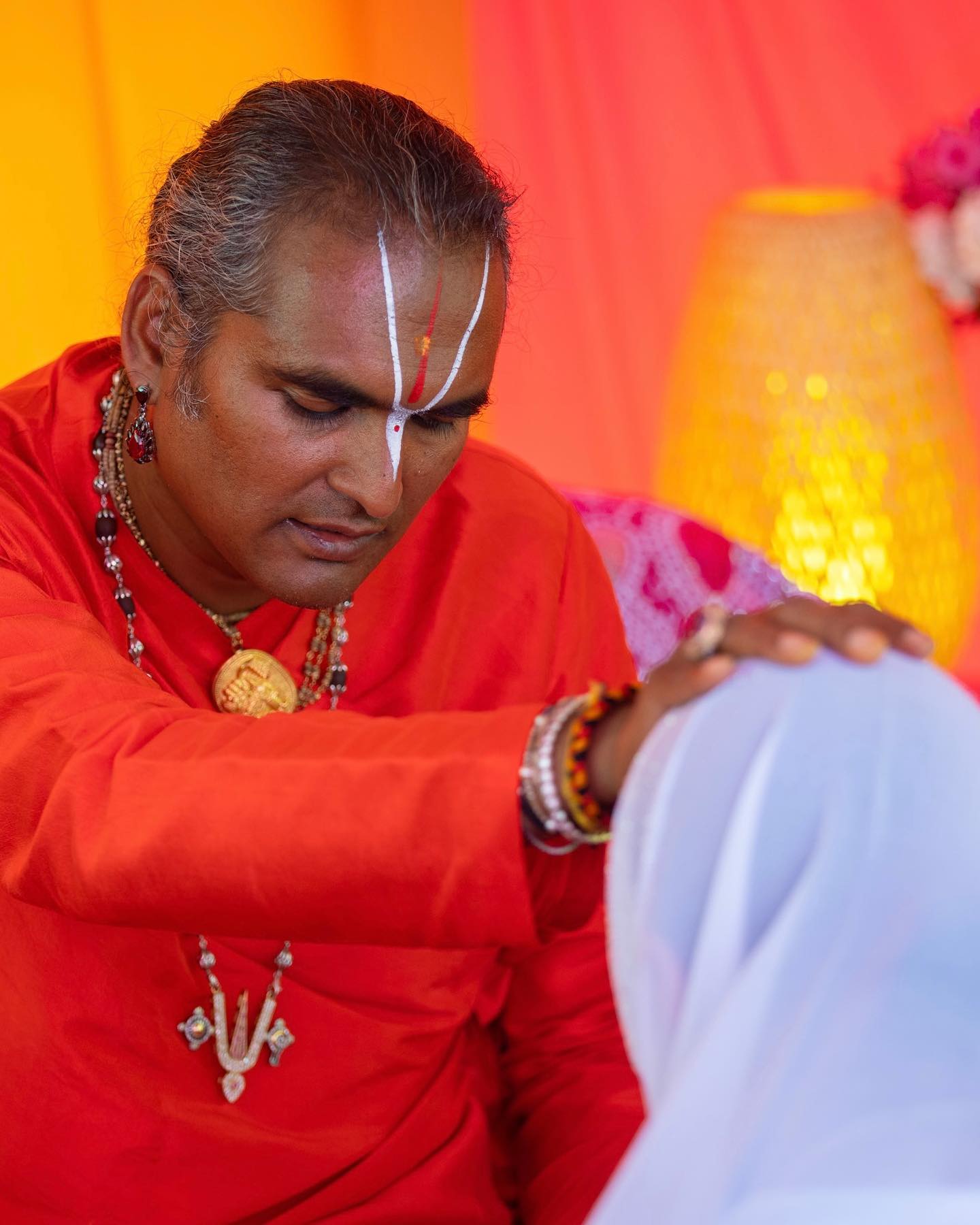
Becoming a devotee begins with the longing of the atma, the soul, for deeper truth and Divine love. This long-form reflection explains bhakti as a disciplined path of transformation rather than a mere religious identity. It explores the role of the guru, the teachings of the Bhagavad Gita, the meaning of seva, and the importance…
-
Krishna as Goswami: Powerful Symbolism of Cows, Senses, and Inner Mastery
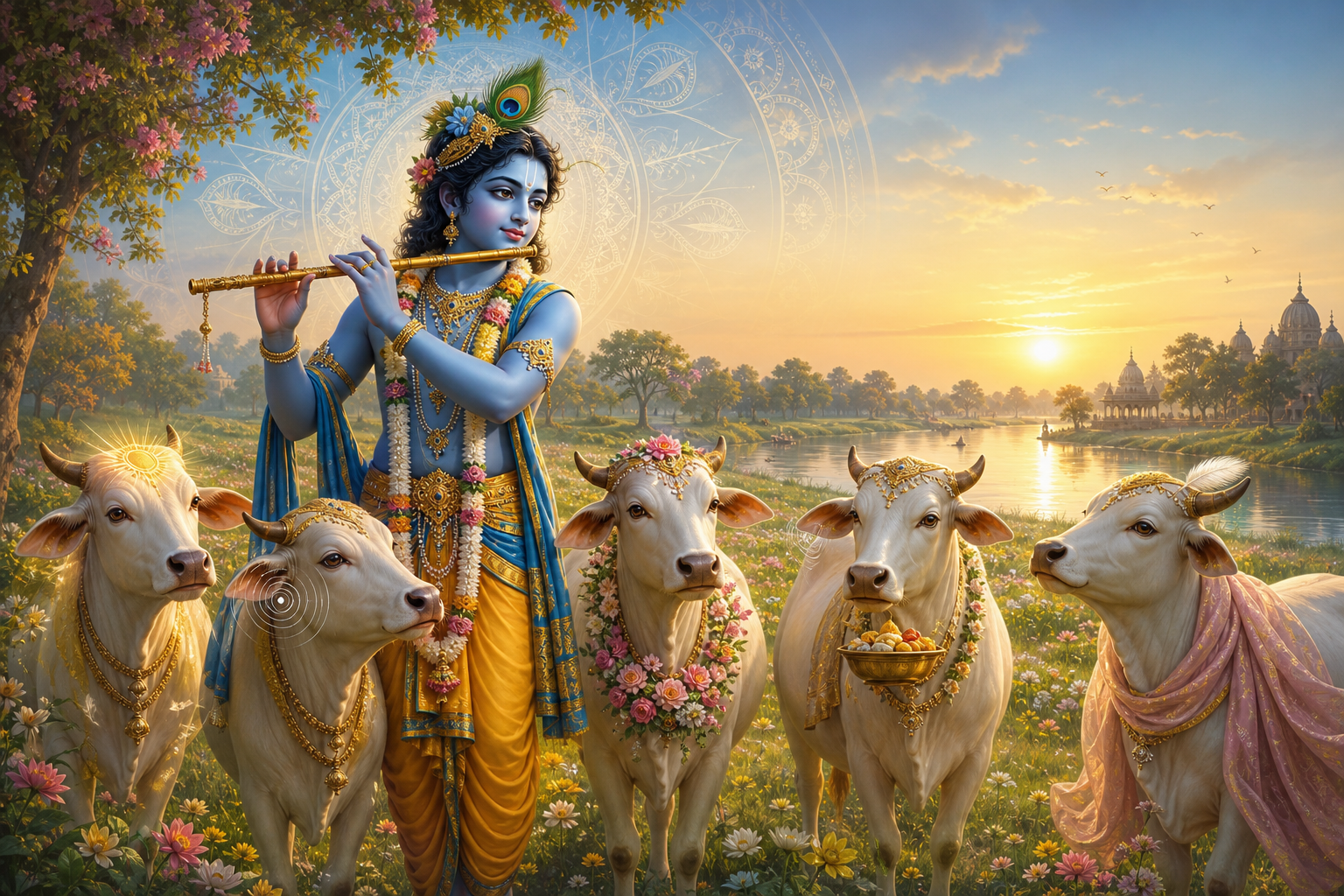
This article explains the deeper symbolism behind Krishna as Goswami, Gopala, Govinda, and Hrishikesha. It explores how the Sanskrit word go connects the cow, the senses, speech, light, and the earth within Hindu thought. The discussion shows that Krishna’s cowherd identity is also a profound teaching on mastering the indriyas without rejecting the body or…
-
Ishana Shiva Iconography: Sacred Upward Gaze, Panchabrahma Power and Grace
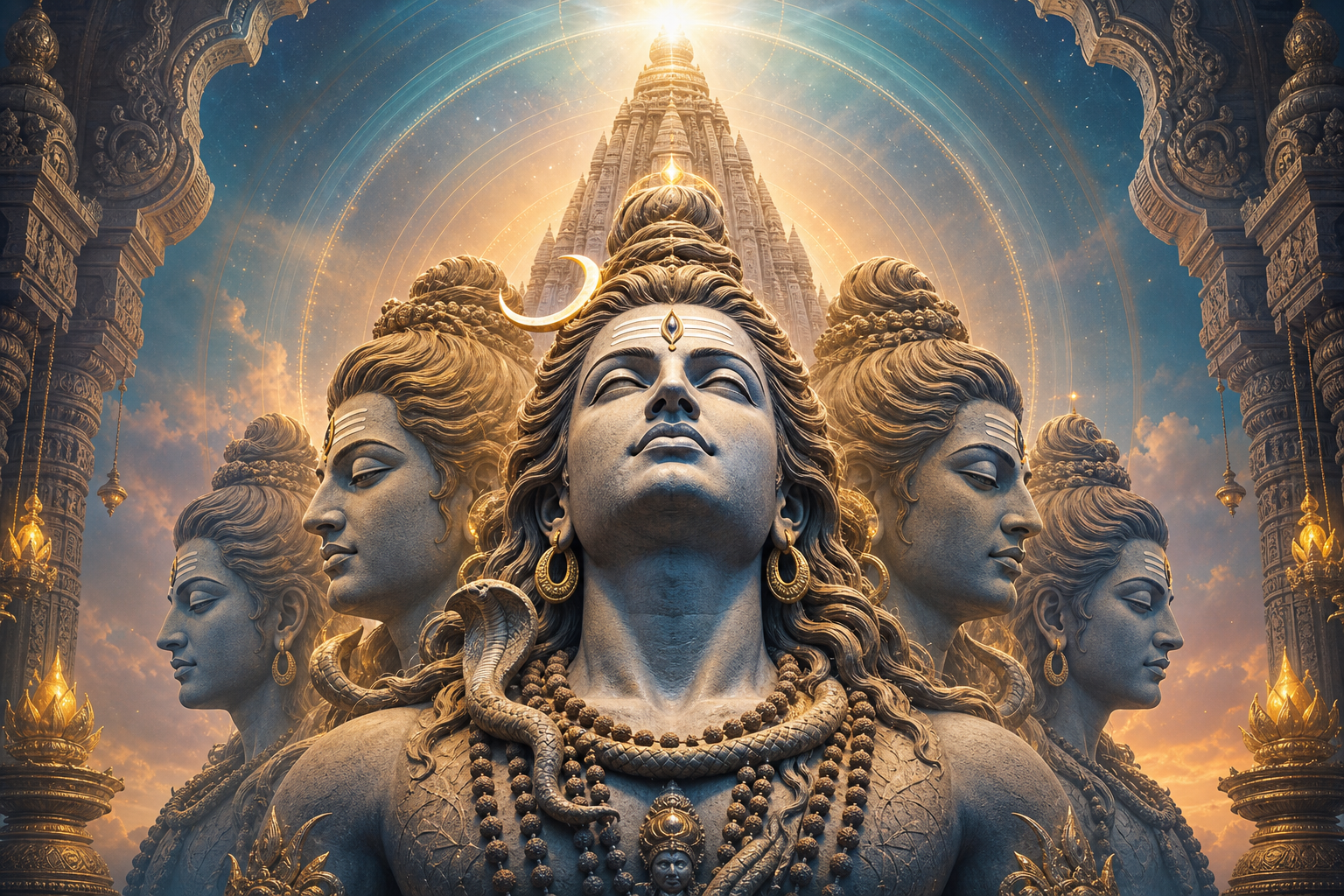
Ishana Shiva in murti form represents the upward-facing, liberating dimension of Lord Shiva within the Panchabrahma tradition. This article explains how Ishana relates to panchakritya, the fivefold cosmic activity of creation, preservation, dissolution, concealment, and grace. It explores the symbolism of the upward gaze, the role of sacred sound, and the connection between iconography, temple…
-
The Sacred Courage of Bhakti: Why True Devotion Should Never Be Hidden
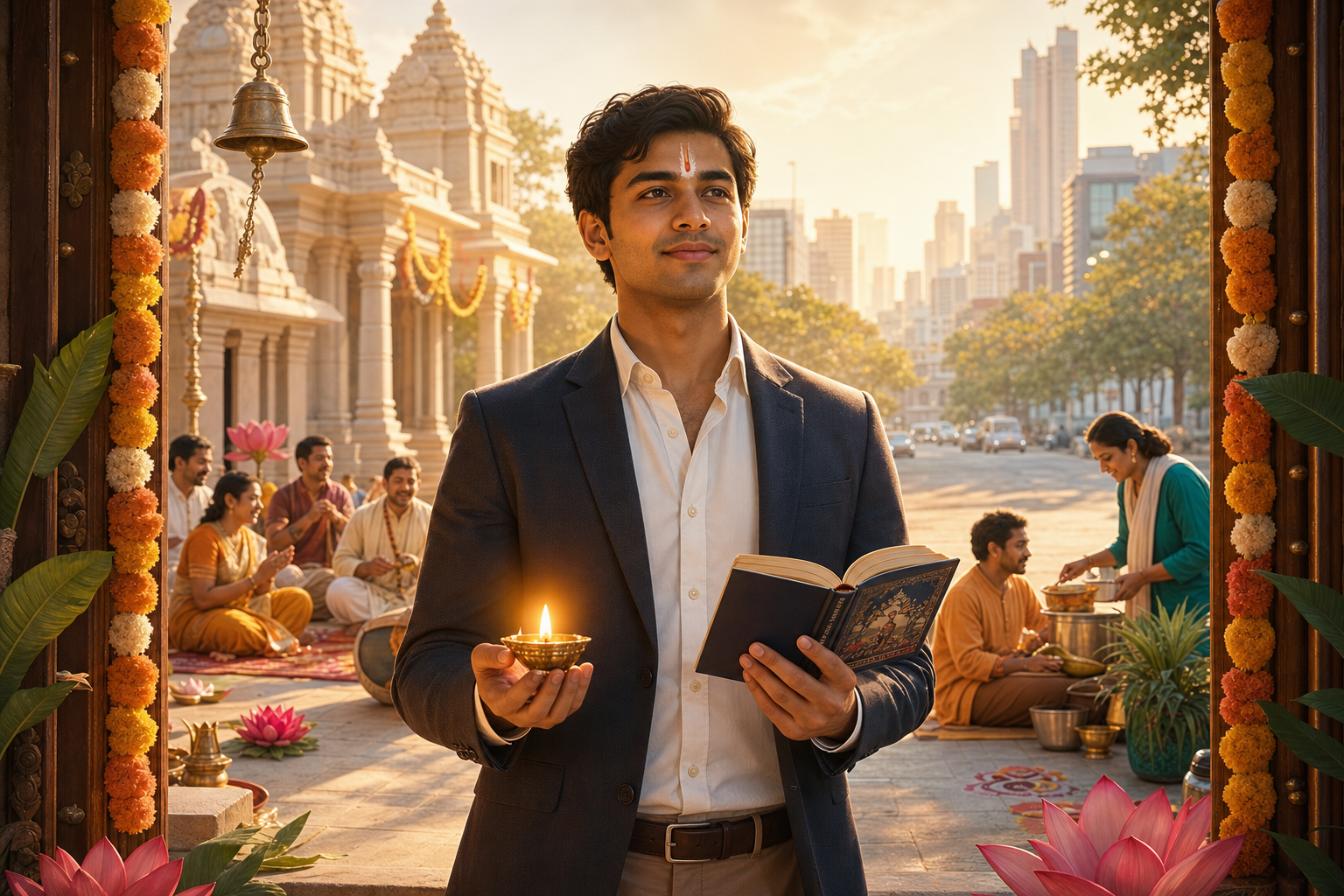
True devotion in Hinduism is not a source of shame but a disciplined expression of spiritual confidence, ethical responsibility, and cultural continuity. Bhakti is presented as more than emotion; it is a path of love, knowledge, worship, remembrance, and self-transformation. The article explains why modern Hindus may feel hesitant to express faith publicly and why…