
-
Decoding Srimad Bhagavatam 3.26.9: Sankhya, Consciousness, and a Roadmap to Dharmic Unity
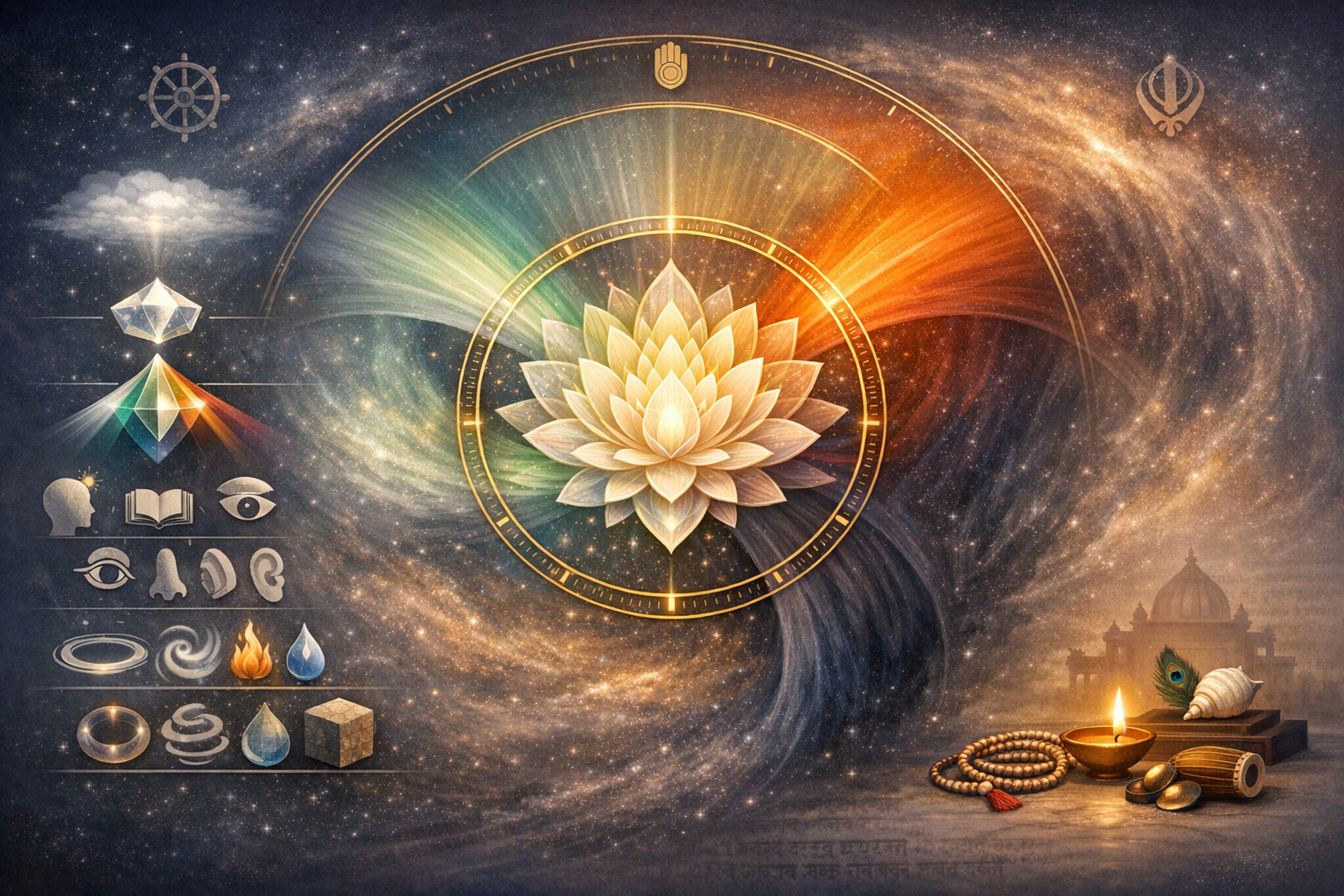
This in-depth exploration of Srimad Bhagavatam 3.26.9, inspired by H.H Subhag Swami Maharaj’s discourse at ISKCON Mayapur, unpacks Kapila’s Sankhya as a precise map of consciousness, causality, and liberation. It clarifies how purusha, prakriti, time, and the three gunas co-operate to shape experience, and why that structure makes ethical effort and devotion both meaningful and…
-
GBC Resolutions 2026: Strengthening ISKCON Governance and Srila Prabhupada’s Vision
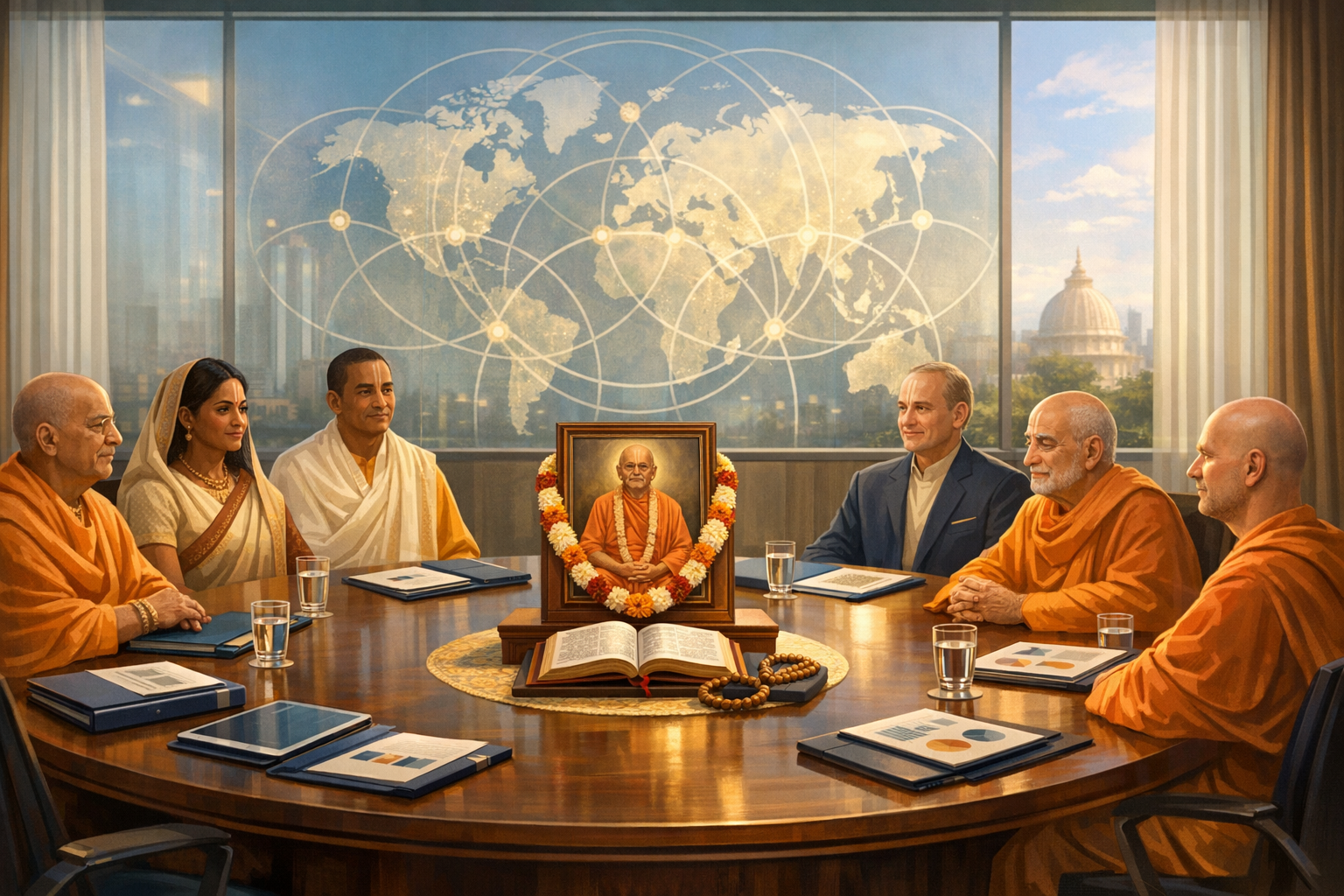
The 2026 Annual General Meeting formally recognized the paper affirming the GBC as ISKCON’s ultimate managing authority, aligning contemporary governance with Srila Prabhupada’s original instructions. This decision consolidates decades of guidance into a clear framework that supports accountability, subsidiarity, and doctrinal fidelity across ISKCON’s global footprint. It emphasizes practical mechanismsaudits, ethical safeguards, grievance redress, and…
-
Mahabharata Wisdom on the True Gift: Markandeya’s Guide to Nishkama Dāna and Seva
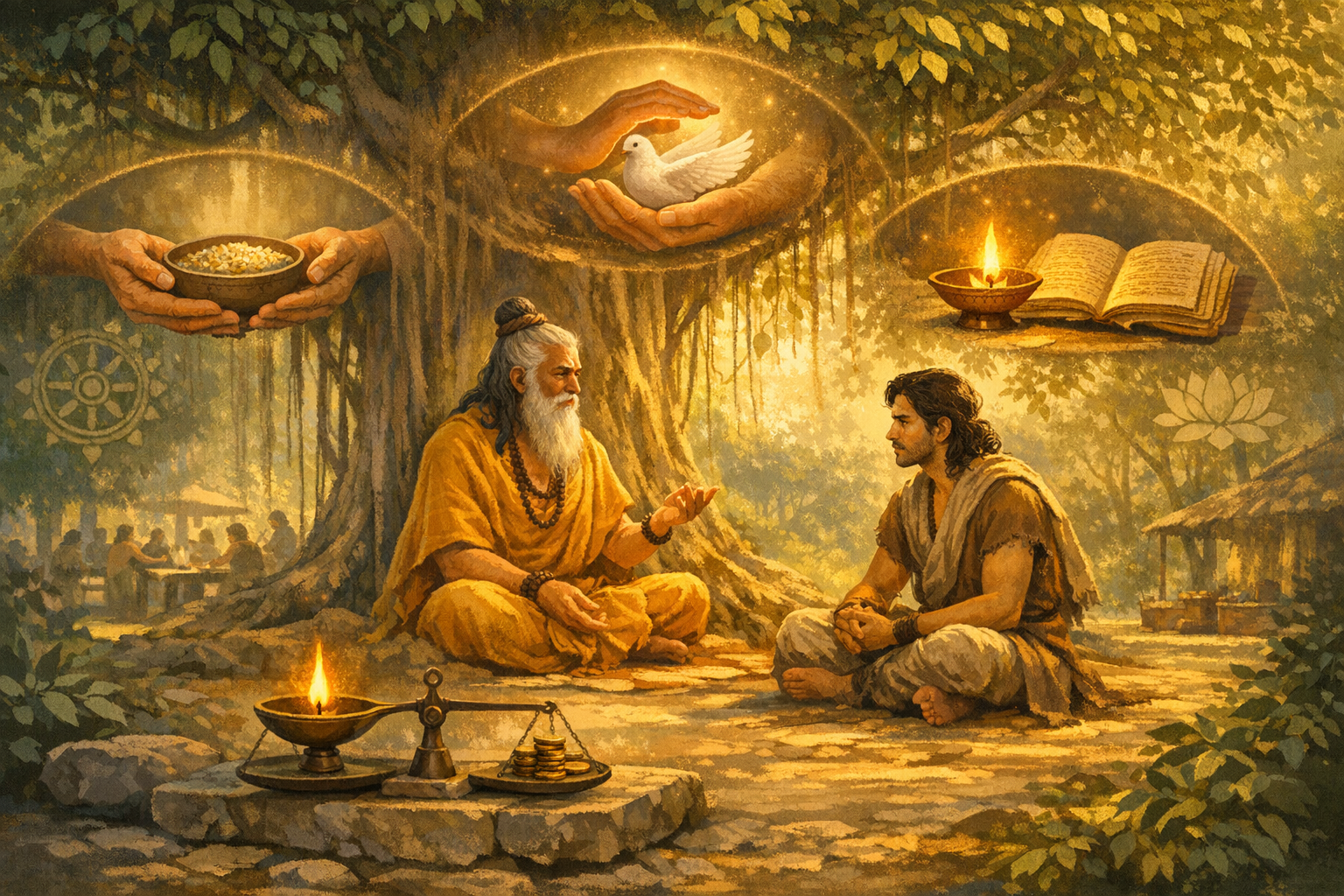
This long-form exploration distills Sage Markandeya’s Mahabharata teaching on the nature of the true gift (dāna) and explains why intention, not magnitude, confers ethical value. It maps dāna to the Bhagavad-Gita’s guṇa framework, clarifying the difference between sāttvika, rājasa, and tāmasa giving. Through the exemplar of King Śibi, it highlights abhayadāna (the gift of fearlessness)…
-
Does God Really Exist? A Dharmic Deep Dive into Suffering, Karma, and Yuga Dharma
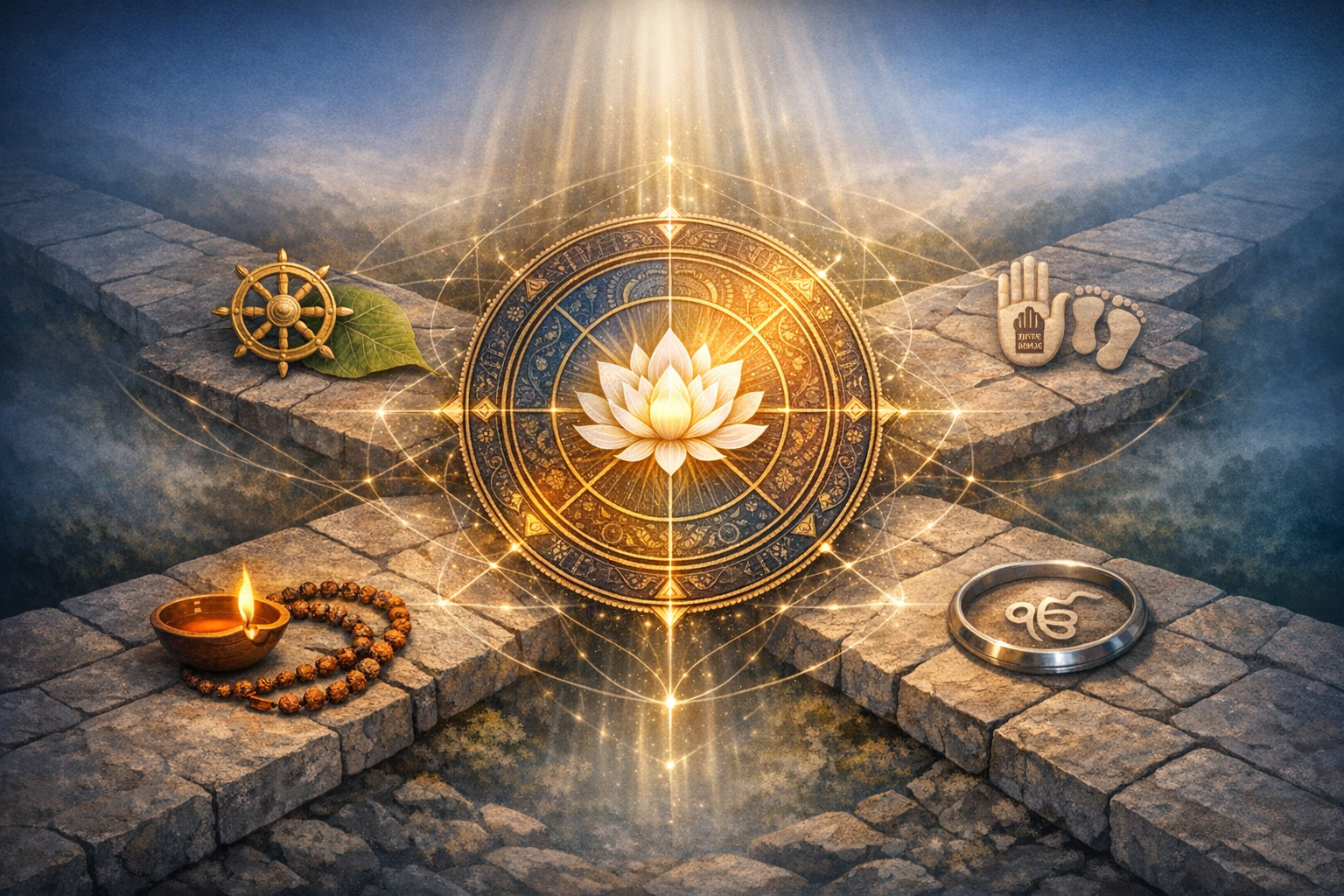
This long-form exploration reframes “Does God really exist?” through the dharmic lenses of Hinduism, Buddhism, Jainism, and Sikhism. It explains how Yuga Dharma situates the present age (Kali Yuga) and why accessible practiceslike nāma-japa, kīrtana, satsanga, and sevaare especially potent now. Drawing on pramāṇa theory, Nyāya arguments, and Vedānta’s non-dual and devotional streams, it outlines…
-
Does God Really Exist? Evidence, Yuga Dharma, and Dharmic Wisdom across Indic Traditions

This essay examines the perennial question ‘Does God really exist?’ through the lens of Yuga Dharma and the shared wisdom of Hindu, Buddhist, Jain, and Sikh traditions. It explains how Kali Yuga conditions intensify suffering yet elevate the effectiveness of simple, sincere practices such as devotion, meditation, simran, ahiṃsā, and seva. Drawing on classical Indian…
-
Pradhanikarahasya on Mahalakshmi’s Supremacy: Unveiling the Primordial Shakti of Creation
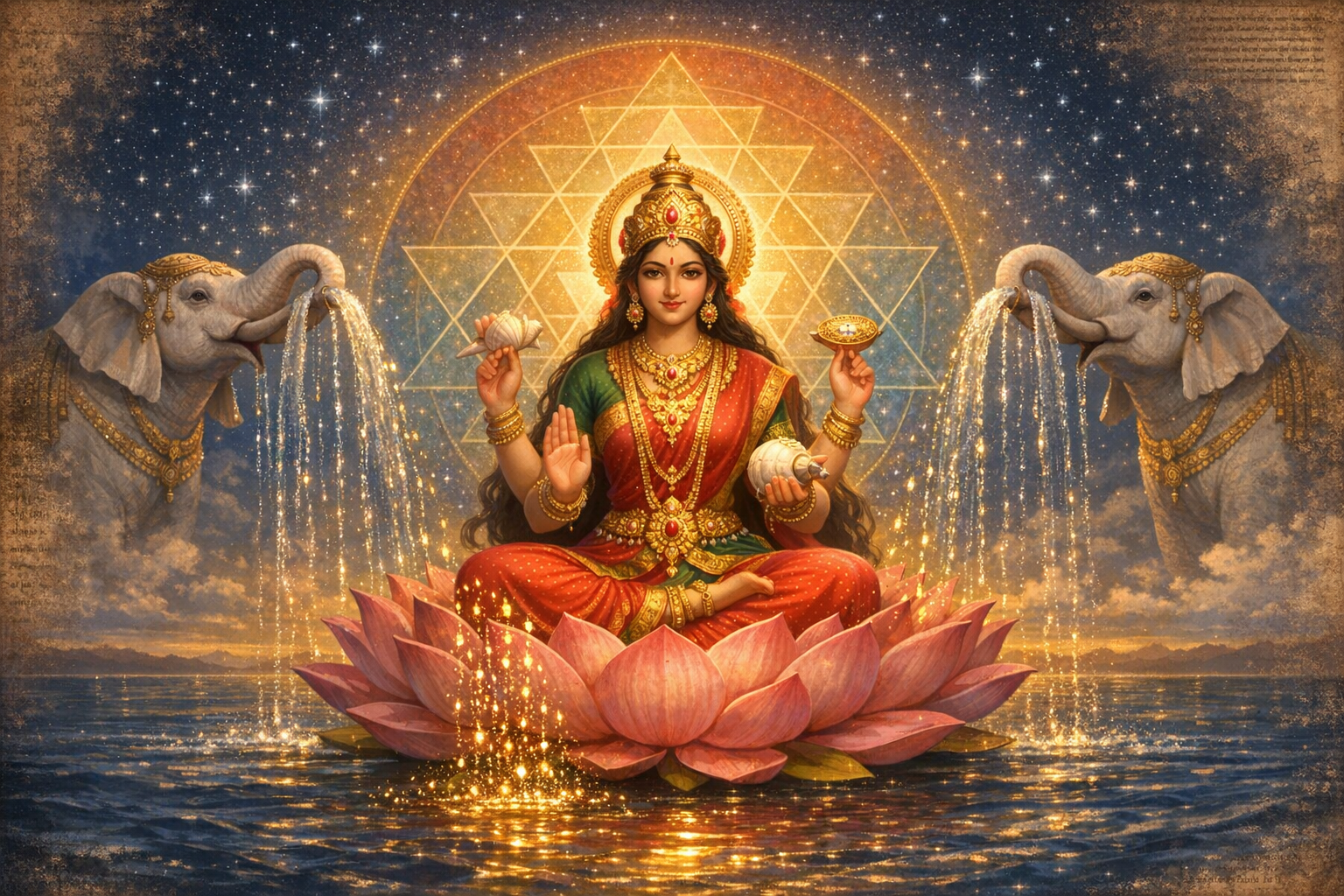
Pradhanikarahasya, an annex to the Devimahatmya (Durgasaptashati), presents a rigorous Shakta theology in which Mahalakshmi is the primordial source of creation. It integrates Vedic and Upanishadic insights to show how Shakti is both nirguna and saguna, aligning non-dual metaphysics with living devotion. The text decodes the Devimahatmya’s three episodes through the three gunas, offering a…
-
Special Knowledge and Bhakti Wisdom in Uithoorn, Netherlands: HH SB Keshava Swami’s Insights
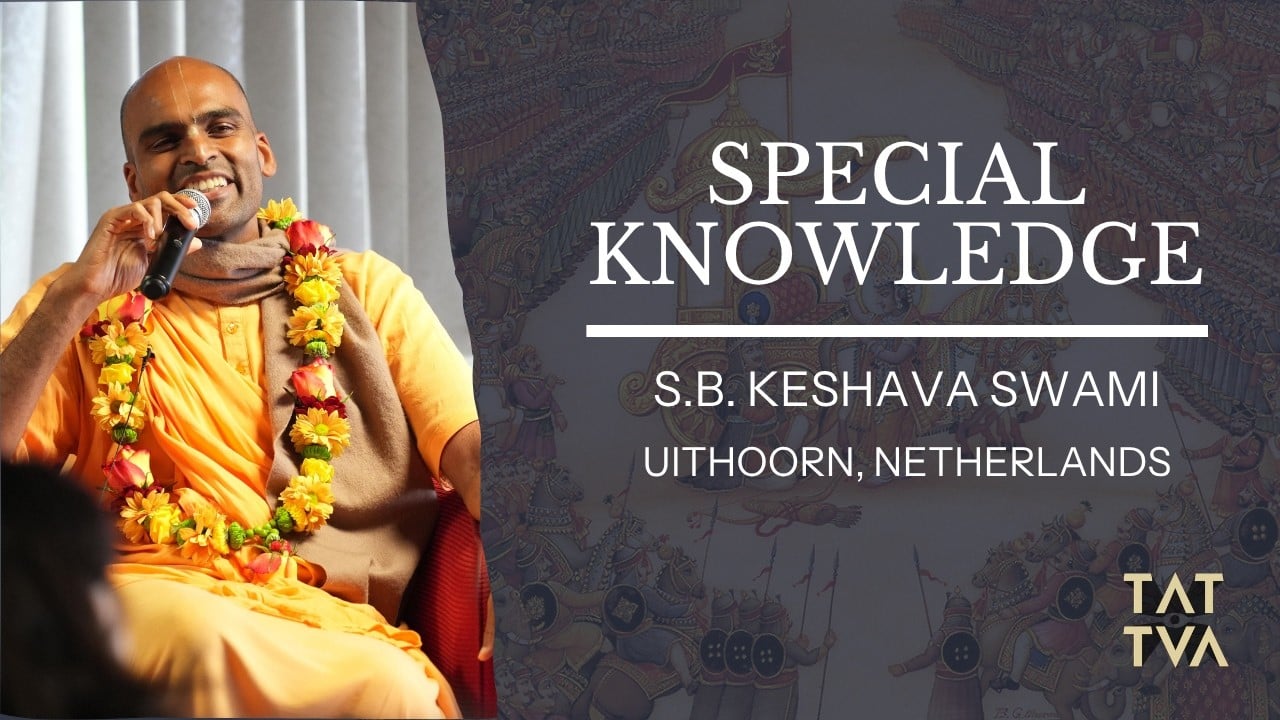
A thoughtful gathering in Uithoorn, the Netherlands (28.05.2025) honored HH SB Keshava Swami (Svayam Bhagavan Keshava Swami) and explored the theme of Special Knowledge through the lens of Gaudiya Vaishnavism. This analysis clarifies the distinction between jnana and vijnana, showing how knowledge matures when grounded in scripture, practice, and community. It outlines Indian epistemology’s core…
-
ISKCON and People of Faith: A Vedantic Blueprint for Compassionate, Unified Interfaith Relations

Hinduism encompasses many traditions rather than a single authority, and ISKCON positions itself within this diversity as a Vedantic, monotheistic Vaishnava movement committed to respectful interfaith relations. The statement outlines how devotional particularism can coexist with civic and ethical pluralism, grounded in Bhagavad Gita–inspired bhakti and the doctrine of acintya‑bhedābheda. By honoring the Ishta paradigm…
-
Safeguarding the Sacred in Goa: A Strong Policy Case to Rename Deity-Named Liquor Shops

The Gomantak Mandir Mahasangh has urged Goa Chief Minister Dr Pramod Sawant to bar liquor outlets from using names of Hindu deities and to require existing shops to rename. A carefully designed, religion-neutral policy that covers sacred signifiers across Hindu, Buddhist, Jain, and Sikh traditions can protect sanctity while preserving business freedoms. Constitutionally, a narrow…
-
Kumar Chellappan on HJS Outreach: A Powerful Call to Unite and Empower Every Hindu

A courtesy visit by a Hindu Janajagruti Samiti (HJS) delegation to senior journalist and Sanatan Prabhat contributor Kumar Chellappan spotlighted a shared priority: scaling inclusive, evidence-based outreach so that HJS’s work reaches every Hindu household. The engagement illustrates how responsible journalism and civil society can co-create value through accurate reporting, ethical collaboration, and community-centered communication.…
-
Srimad Bhagavatam Distribution Guide: Ethical, Scalable, Data-Driven Outreach to 100,008 Homes

This guide presents an ethical, inclusive, and data-driven framework for distributing Srimad Bhagavatam at scale, aligning cultural heritage stewardship with modern outreach practices. It situates the Bhagavata Purana within the wider corpus of Hindu scriptures and emphasizes unity among Hinduism, Buddhism, Jainism, and Sikhism through non-coercive, consent-based engagement. The roadmap covers volunteer training, legal compliance,…
-
Sanatana Dharma Beyond Labels: A Scholarly Guide to Universal, Compassionate Spirituality
This essay clarifies why sanatana-dharma is a universal, practice-oriented framework rather than a sectarian label. It distinguishes dharma from the modern category of “religion,” showing how Vedic principles guide ethical life, contemplative practice, and social harmony for all communities. It integrates perspectives from Hinduism, Buddhism, Jainism, and Sikhism to demonstrate a shared commitment to truth,…
-
Aim Hrim Klim: Unlock the Sacred Triad of Shakti and the Three States of Consciousness

Aim Hrim Klim – the revered triad of bīja mantras – unites knowledge, compassionate power, and loving attraction into a single, practical discipline in Hindu spirituality. Drawing on classical mantra-śāstra and living lineages, the article explains how Aim clarifies cognition, Hrīṁ integrates heart-intelligence, and Klīṁ refines desire into dharmic will. It maps the triad to…
-
As You Believe, So You Live: Hindu Dharma’s Science of Mindset, Health, and Longevity

This long-form analysis explores how dharmic wisdomHinduism, Buddhism, Jainism, and Sikhismanticipated modern findings on the mind-body connection by showing that belief (śraddhā, bhāva) measurably shapes healthspan and longevity. It integrates Bhagavad Gita and Yoga Sūtra insights with Ayurveda’s sattvavajaya and rasāyana, and aligns them with contemporary stress biology, autonomic regulation, and immune resilience. Practical guidance…
-
Bhudharaya Bhairava: The Unmoving Ground of Being for Stability, Courage, and Clarity
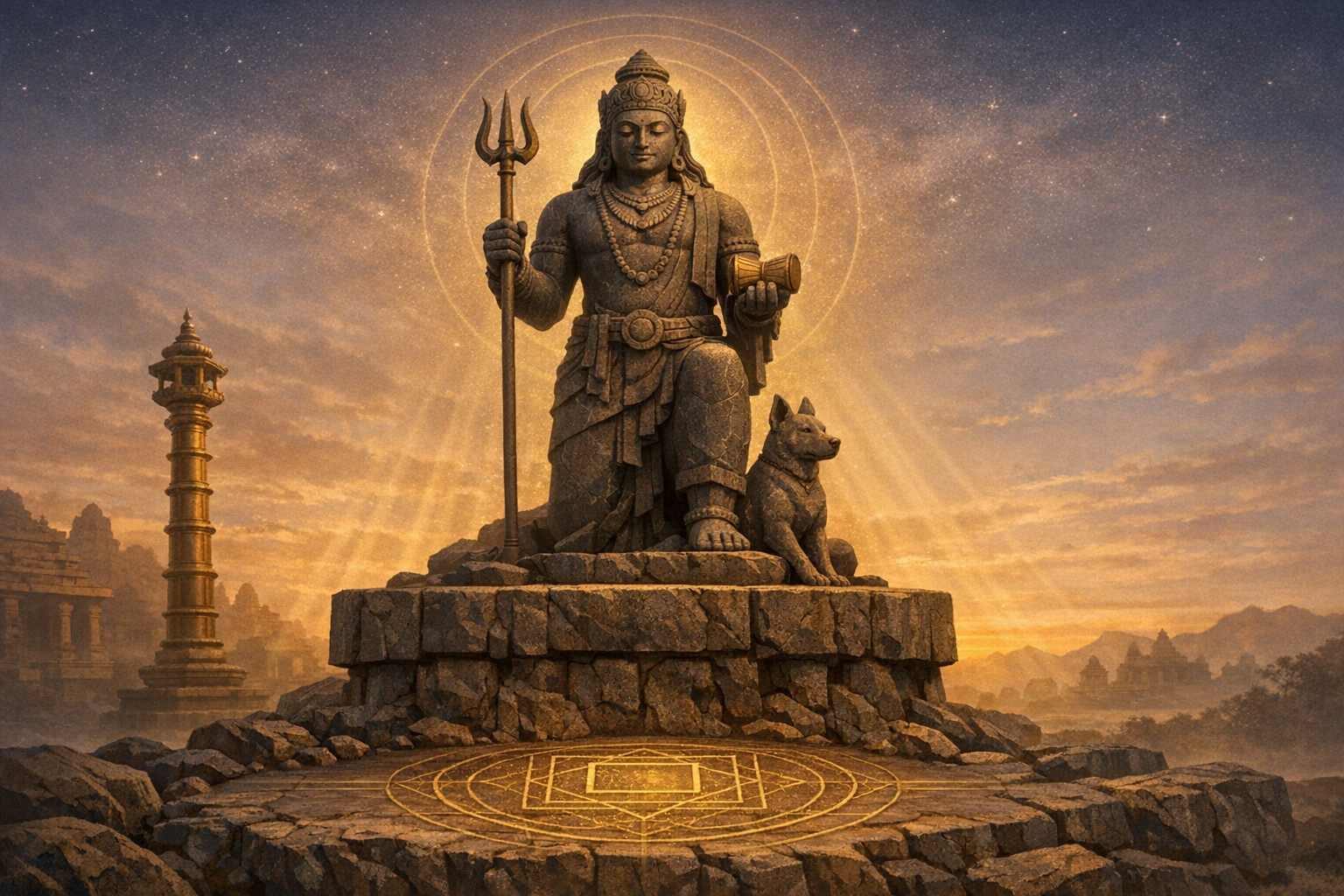
Bhudharaya, a revered name in the Bhairava sahasranama, proclaims Bhairava as the immovable ground of existence the adhara that sustains all. This essay clarifies the term’s etymology and scriptural roots, linking Skanda Purana narratives and stotra traditions to a coherent Shaiva metaphysics. It explores how prithvi-tattva, Mūlādhāra, and tantric practices like bhūta-śuddhi translate the idea…
-
Maya’s Illusion of ‘Normal’: A Dharmic Inquiry into Avidya, Bhakti, and Our True Belonging

This essay examines how Maya manufactures a persuasive sense of normalcy in material life and how dharmic traditions respond. Drawing on Gaudiya Vaishnava insights and Srila Prabhupada’s teachings, it argues that life without love and service to the Divine is an abnormal state for consciousness. It synthesizes parallel perspectives from Buddhism, Jainism, and Sikhism, showing…
-
Ganga Dussehra 2026: Sacred Dates, Shukla Dashami Significance, Puja Vidhi, and Eco‑Seva

Ganga Dussehra 2026 spans 15–24 June and culminates on Jyeshta Shukla Dashami, observed on 24 June, with morning snana, puja, and dana as core practices. Rooted in the Purāṇic descent of Ganga and the ideal of tenfold purification, the festival blends inner discipline with outward charity. Panchang guidance suggests observing the day when Dashami prevails…
-
Bhagavad Gita at New Govardhana: Profound Bhakti-Yoga Insights by HG Caitanya Caran das
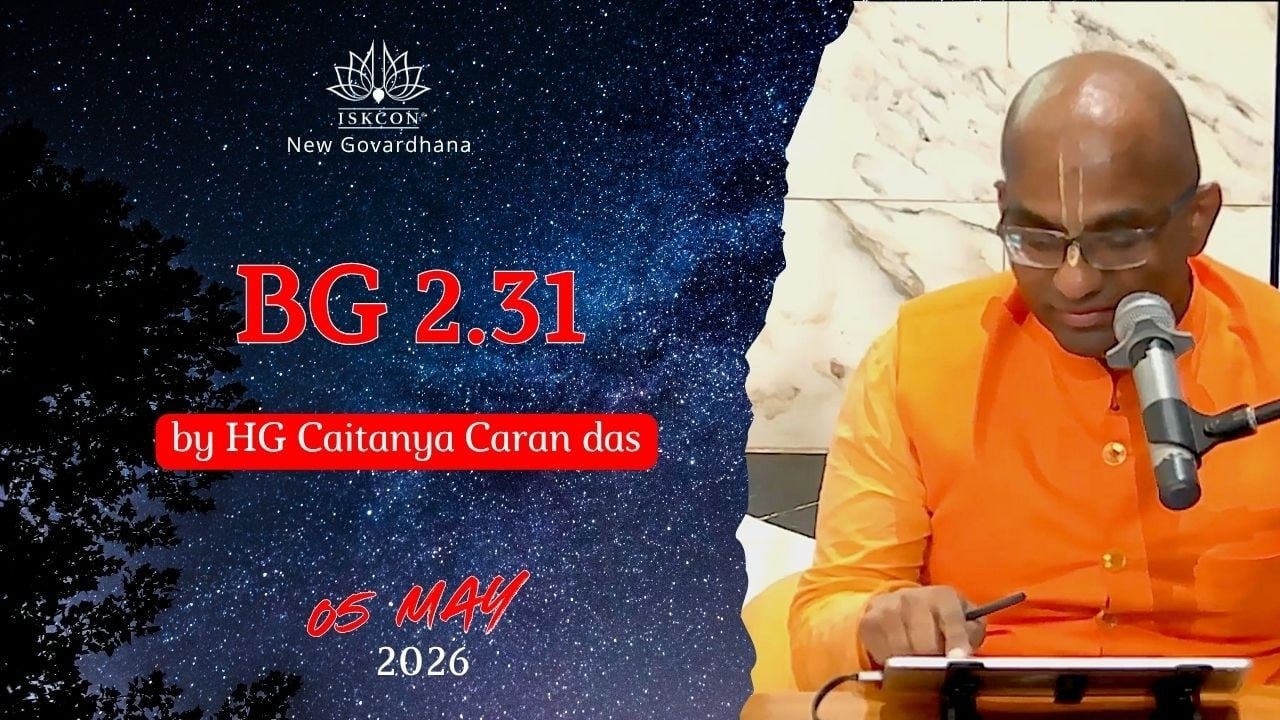
On 05 May 2026, ISKCON New Govardhana Temple hosted a Bhagavad Gita class by HG Caitanya Caran das that united rigorous exegesis with practical Bhakti-Yoga. The session mapped Karma, Jnana, and Bhakti as an integrated pathway, grounding ethical action in devotion and clear discernment. Attendees received a concise practice blueprint: daily japa, structured reading, reflective…
-
Beyond Guru Worship: Living Sanatana Dharma through Practice, Pluralism, and Service
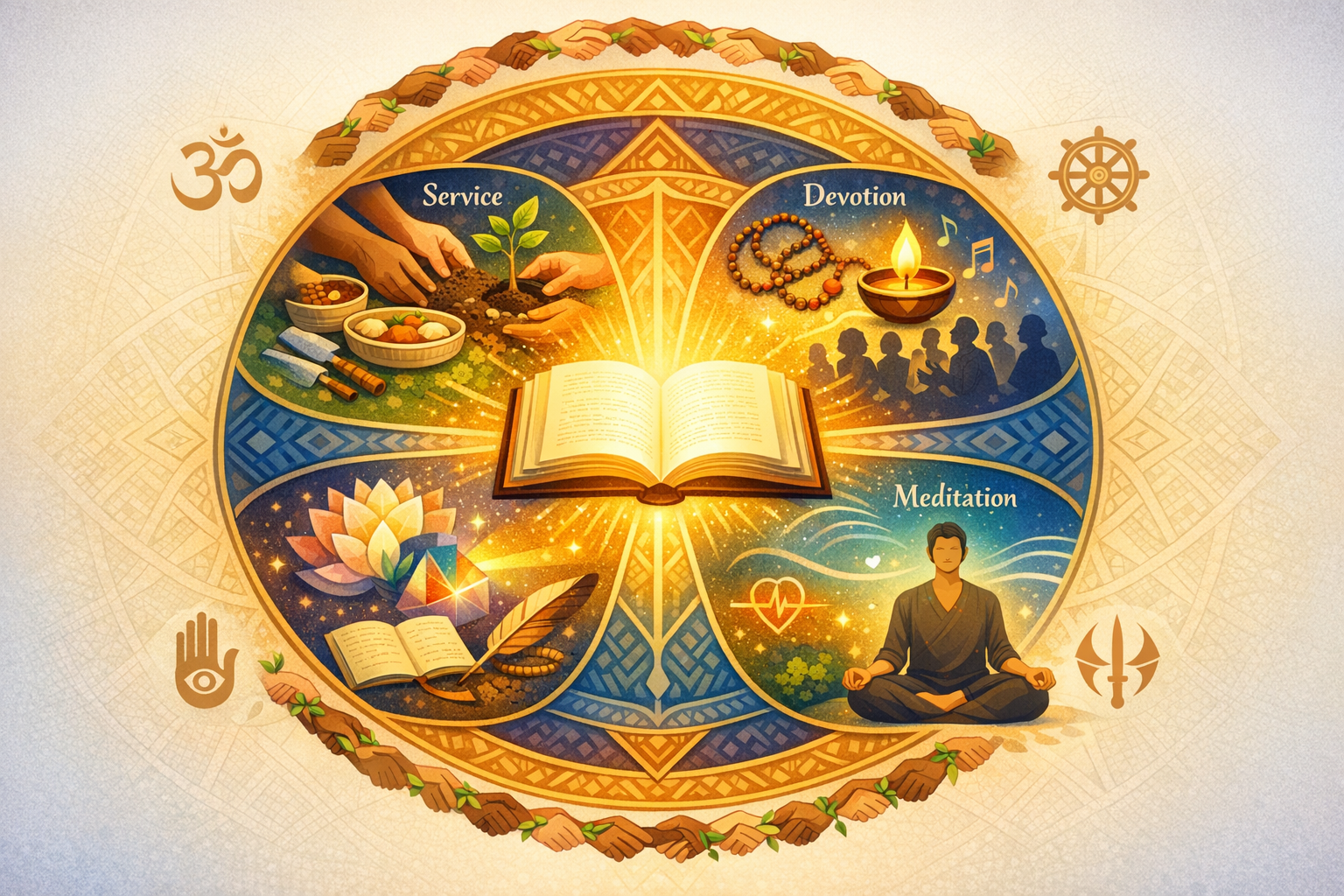
Public celebrations of guru anniversaries have grown spectacular, but the risk of drifting from teachings to personality worship is real. This essay reframes devotion through a Dharmic lens shared by Hinduism, Buddhism, Jainism, and Sikhism: live the message, not the messenger. It maps classical yardsticks of authentic progressyamas and niyamas, lokasangraha, simran and seva, sīla…
-
Decoding the Fiery Compassion: A Deep Dive into the Third Chapter of Nrisimha Tapaniya Upanishad

The third chapter of the Nrisimha Tapaniya Upanishad unifies mantra, meditation, and Vedanta into a coherent path of fierce compassion and fearless insight. This deep dive decodes the Nrisimha mantraraja, explicates the bija kṣrauṁ, and clarifies how nyasa sacralizes the body as a field of realization. Readers gain a rigorous yet accessible guide to practice…