
-
Vaikuntha Ekadashi Upavasam: The Purana Legend, Profound Fasting Benefits, and Dharmic Unity
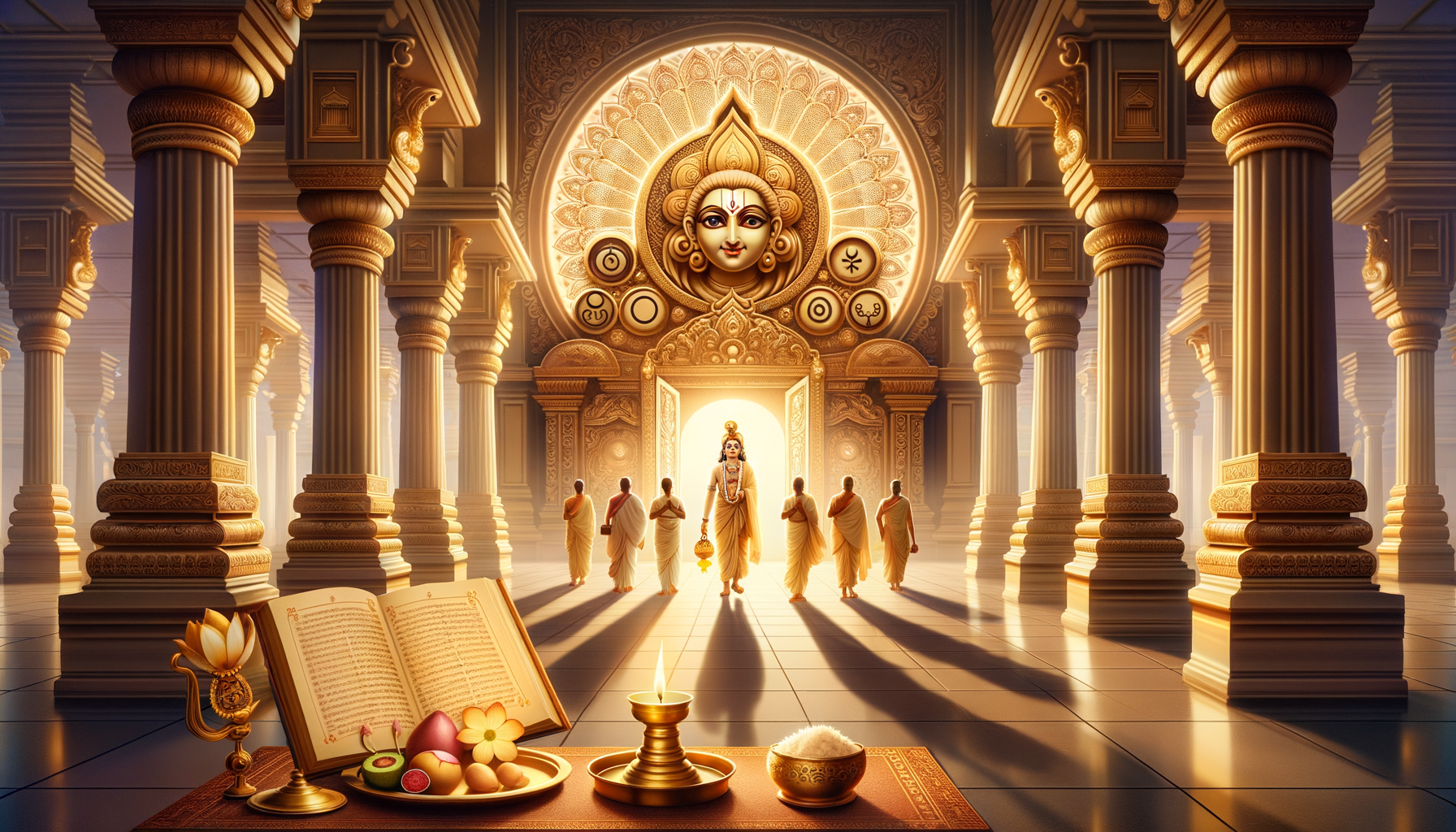
Vaikuntha Ekadashi Upavasam is revered in the Puranas for its power to purify the heart and deepen devotion to Lord Vishnu. The classic legend of Murasura explains why this Ekadashi fast is considered uniquely transformative. Many devotees report lightness, clarity, and steadier meditation when observing the vrata with a sattvic approach. Temple practices such as…
-
Wheel of Brahma and Naimisharanya Dham: A Sacred Refuge in Kali Yuga, Revealed in the Puranas

Naimisharanya Dham, or Naimisha Vana, is celebrated in the Puranas as a sacred forest where the divine Wheel of Brahma marked a refuge for seekers in Kali Yuga. The site’s name recalls nimishaa momentsignifying swift inner transformation when devotion, study, and discipline align. Purāṇic accounts describe sages convening here for extended sacrifice and study, with…
-
Why Shiva Rejected Ravana After Sita’s Abduction: Dharma, Bhakti, and Divine Justice

This analysis explores why Shiva is portrayed as withdrawing protective grace from Ravana after the abduction of Sita, drawing on the Valmiki Ramayana and regional traditions like Kamba and Krittivasi Ramayanas. It shows that divine boons operate within the moral framework of dharma and cannot shield adharma. The piece highlights how Ravana’s sacred deceptionmisusing the…
-
Why Parashurama Stood Alone: The Profound Dharma Behind Vishnu’s Consortless Avatar

Parashurama’s consortless form is a purposeful feature of Vaishnava theology rather than an omission. Scriptural narratives emphasize his ascetic mission, where tapas, mobility, and disciplined detachment were essential to restoring kshatra-dharma. The diversity of Vishnu’s avatars reflects role-specific embodiments: Rama models household righteousness, Krishna social and relational dharma, and Parashurama corrective austerity. His status as…
-
Indra’s Triumph over Vritrasura: Awe-Inspiring Symbolism, Dharma, and Unity Across Traditions
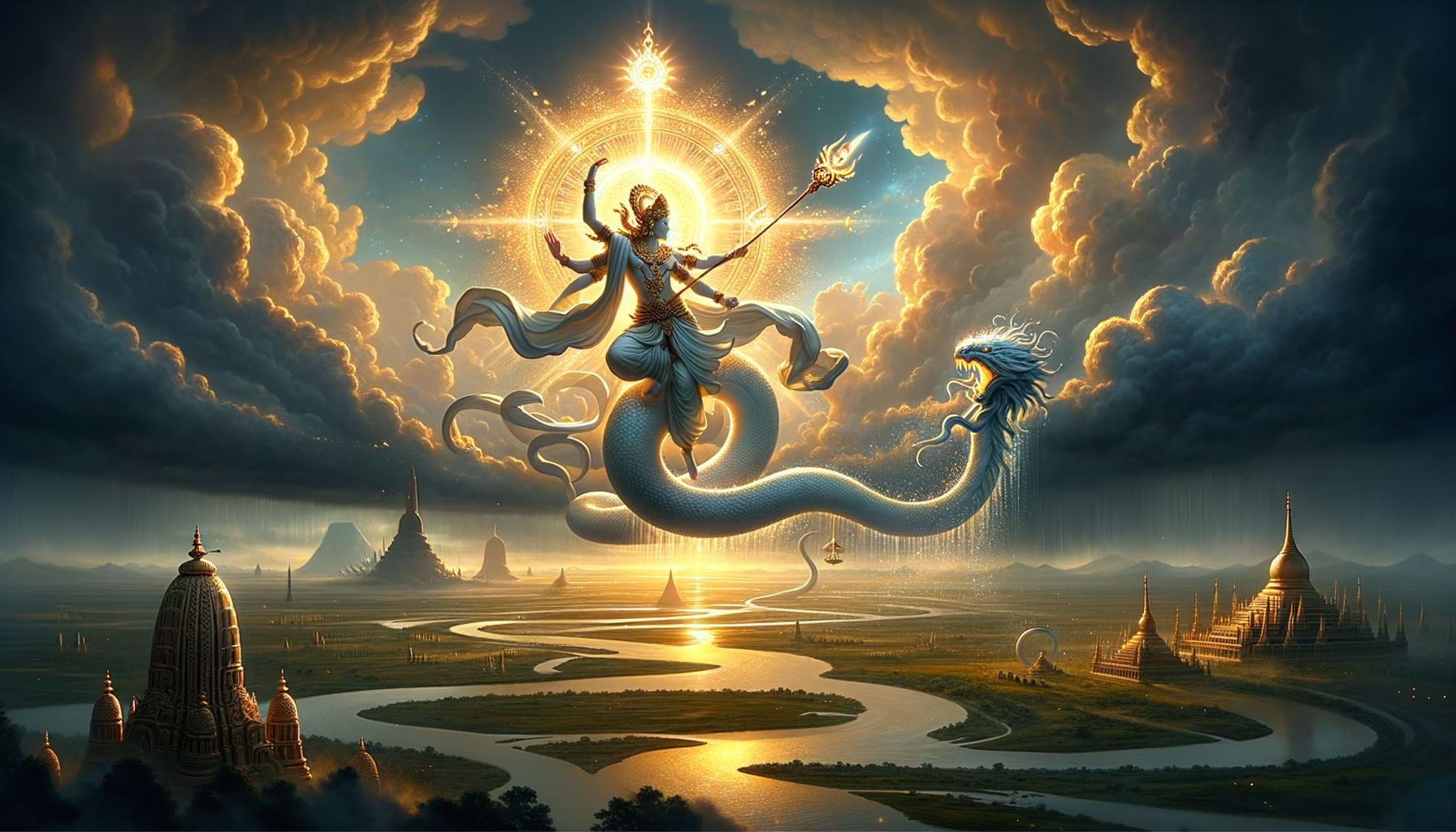
Vritrasura Samhara Murthy honors Indra’s victory over Vritrasura with the Vajrayudha, a decisive act that restores cosmic balance in Hindu mythology. The story, rooted in Vedic and Puranic traditions, symbolizes removing obstacles and renewing life. Its imagery maps to inner ethics: Indra as discerning courage, Vritrasura as obstruction, and the Vajrayudha as unshakable clarity. Read…
-
Skanda Purana Stories: Timeless Tales of Valor, Devotion, and Dharma for Modern Life

The Skanda Purana, one of the eighteen Mahapuranas, presents Lord Skanda (Kartikeya/Muruga) as a model of disciplined devotion and protective courage. Its narrativesframed as dharma-yuddhaportray valor as service to the common good, guided by compassion and self-control. Rich with tirtha-mahātmyas (e.g., Kashi Khanda), the text connects personal practice with sacred geography and community life. Iconography…
-
From Arrogance to Awe: How Demon Gajamukha Became Ganesha’s Sacred Mouse Vahana
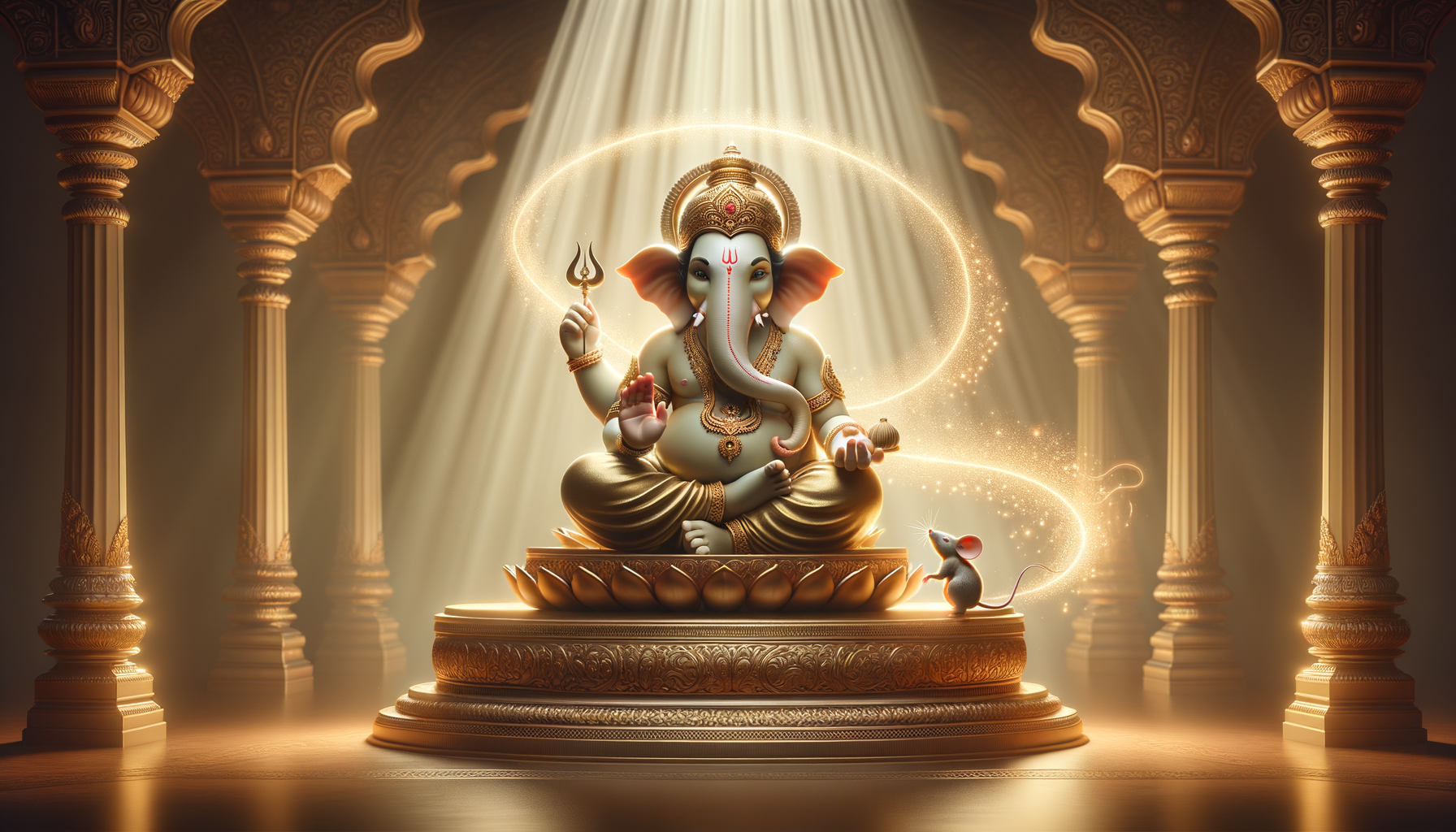
This analysis explores the Hindu story of Gajamukha’s transformation into Ganesha’s mouse vahana, highlighting how pride is redirected into sacred service. It explains why the mouse symbolizes mastery over the restless mind and the ego, and how Ganesha’s compassion reframes conflict into ethical renewal. Readers gain a clearer understanding of varied textual traditions, including Ganapatya…
-
Dashavatara Decoded: Ancient India’s Hidden Scientific Genius and Dharmic Unity

The Dashavatara offers a sophisticated, non-sectarian framework for thinking about evolution, consciousness, and cosmic order in a way that resonates across Hinduism, Buddhism, Jainism, and Sikhism. Interpreted academically, the avatars serve as pedagogical metaphors for ecological insight, ethical formation, and inner refinement. This approach avoids anachronism while honoring ancient India’s scientific wisdom expressed through symbols.…
-
Tripada Trimurti Unveiled: The Profound Symbolism of Shiva’s Three-Footed Trinity

Tripada Trimurti presents the TrimurtiBrahma, Vishnu, and Shivathrough the striking motif of three feet, highlighting the unity of creation, preservation, and transformation. This interpretation clarifies how the visible legs of Vishnu and Shiva, with the third principle implied through Brahma or the composite form, teach oneness-in-diversity. Readers gain a clear understanding of the term’s meaning,…
-
Laat Bhairav Temple, Varanasi: A Timeless Sanctuary of Kapal Bhairav in Alaipur

Laat Bhairav Temple in Varanasi, also known as Kapal Bhairav, stands in Alaipur as a quietly powerful testament to Kashi’s ancient temple heritage. Identified in the Puranas with a fierce, protective form of Shiva, the shrine emphasizes courage, vigilance, and inner discipline. Its modest setting on the city’s outskirts offers a contemplative counterpoint to crowded…
-
Satyaloka Unveiled: The Awe-Inspiring Symbolism of Brahma’s Highest Realm of Truth

Satyalokaalso known as Brahmalokastands at the summit of Hindu cosmology as the realm where truth shines unobscured by illusion. This article explains why it is called the “abode of truth,” linking its symbolism to sattva, Vedic wisdom, and the integrative path of knowledge, devotion, and duty. It clarifies how Brahmaloka functions as a gateway to…
-
Shiva Loka Unveiled: Mount Kailash and the Timeless Abode of Lord Shiva

Shiva Loka is revered in Hinduism as the abode of Lord Shiva, reflected on earth by Mount Kailash. The Shiva Purana presents Shiva’s compassion and transformative power as ethical and contemplative guides for modern life. Pilgrims describe the Kailash parikrama as a humbling encounter with silence and awe, deepening bhakti beyond ritual. As Nataraja, Shiva’s…
-
Parijata’s Celestial Origins: Kashyapa, Aditi, and the Sacred Wish-Fulfilling Tree

The Parijata, revered as a wish-fulfilling Kalpavriksha, emerges from the Samudra Manthan as a symbol of restored harmony and divine grace in Hindu scriptures. Its placement in Indra’s Nandana garden reflects the ethical duty of leadership to protect prosperity for all. Through the lineage of Sage Kashyapa and Aditi, the narrative emphasizes compassion, disciplined devotion,…
-
Revealing Creation’s Design: HH Bhakti Prabhupada Vrata Damodara on SB 3.20.30–31 in Alachua
This class situates SB 3.20.30–31 within the Maitreya–Vidura dialogue to clarify how Vedic cosmology aligns material causality with transcendental purpose. It models a dharmic method of learning where attentive hearing and sincere questioning foster humility and clarity. The presentation translates philosophical nuance into practical devotion through remembrance, ethical self-discipline, and gratitude for guidance. Listeners found…
-
Shankhu Chakradhari Brahma: Decoding a Rare, Awe-Inspiring Icon of Sudarshana and Shankhu
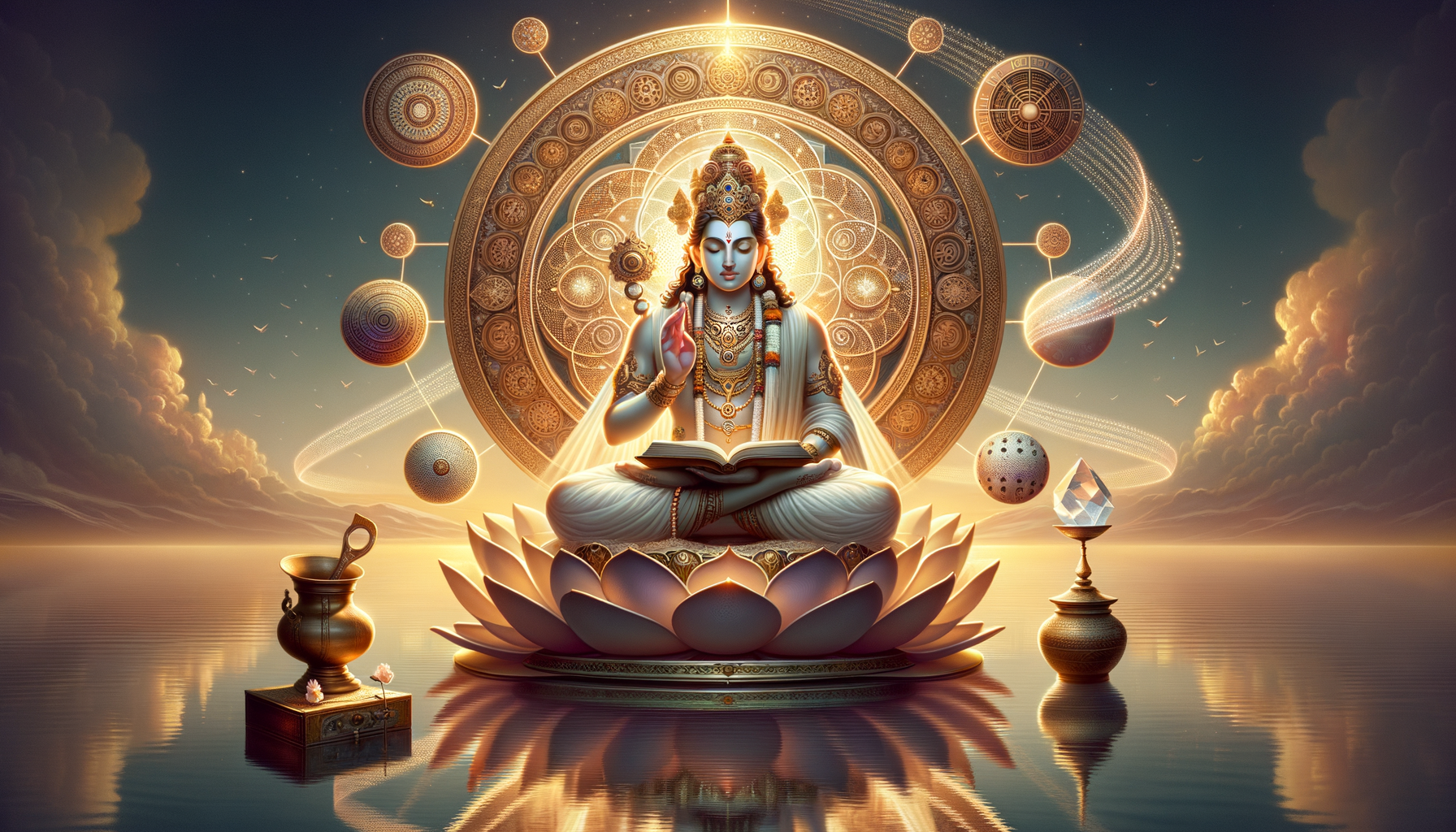
This exploration decodes the rare icon of Shankhu Chakradhari Brahma, where Lord Brahma bears the Sudarshana Chakra and Shankhu. Readers gain a clear understanding of how this iconography aligns creation with preservation within Sanatana Dharma. The symbolism of the chakra (order, time, discernment) and conch (primordial sound, prāṇa) is explained in an accessible, academic style.…
-
Prithu Chakravarthi’s Legacy: How a Dharma-Raja Gave Earth Her Sacred Name, Prithvi
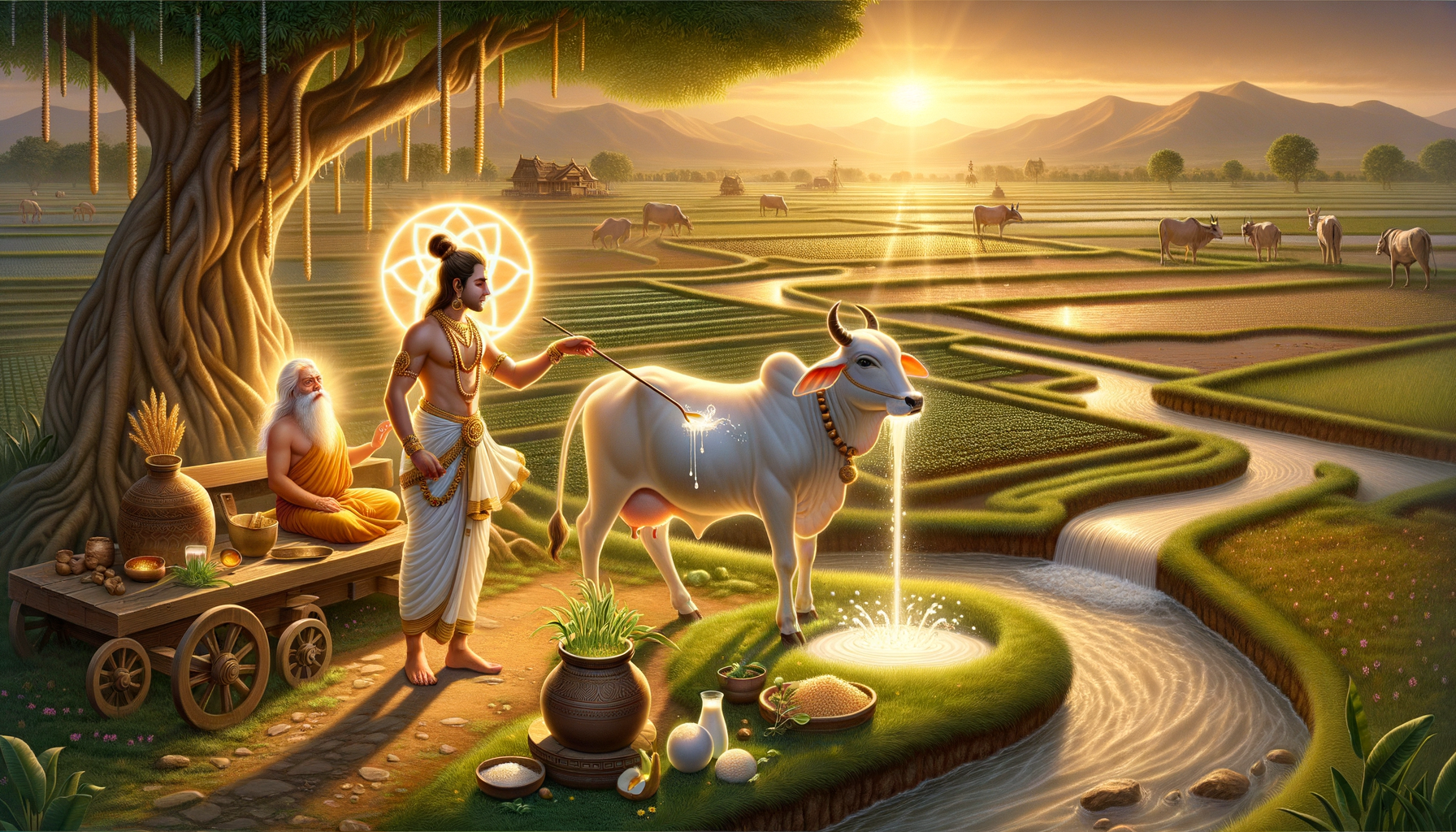
The name Prithvi for Earth is rooted in the Puranic account of Prithu Chakravarthi, a dharma-raja who restored balance between society and nature. Bhishma’s inquiry to Sage Pulastya introduces the genealogy from Swayambhuva Manu through Anga and Sunitha to Vena and Prithu. After reconciling with Earthwho had assumed a cow’s formPrithu renewed agriculture and prosperity,…
-
Why Ganesha Is Invoked First: Timeless Wisdom Behind Auspicious Beginnings in Hindu Pujas

Ganesh is invoked first in Hindu pujas because dharmic tradition emphasizes auspicious beginnings grounded in wisdom, humility, and ethical intent. Scriptures present him as prathama pujya, the remover of obstacles who sanctifies new ventures. Symbolically, Ganesh represents focused intellect and expansive understanding, encouraging steadiness before action. Rituals such as Ganesh Puja, housewarmings, and educational commencements…
-
Sati and Daksha Yagya: A Powerful Puranic Tale of Honor, Dharma, and Spiritual Unity

This Puranic account explains why Sati relinquished her life after Daksha excluded Lord Shiva from a grand yagya. The narrative moves from humiliation to ethical resolve, then from consequence to reconciliation, illustrating the moral architecture of dharma. It highlights dignity, humility, and restorative justice, while warning against pride and exclusion in sacred and social spaces.…
-
Manifestation of Maa Lakshmi: A Timeless Brahma Purana Tale of Dharma and Prosperity
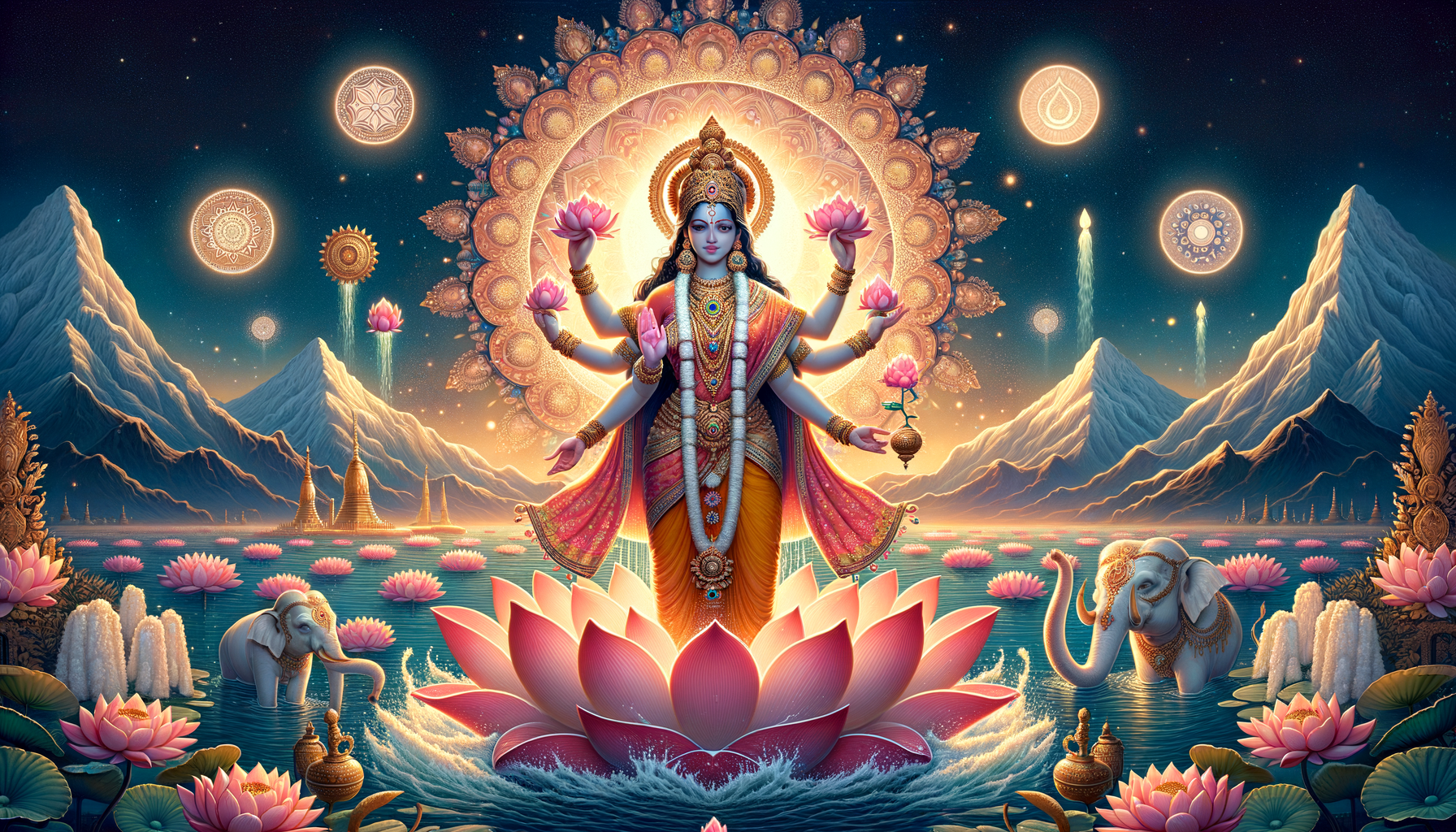
The Brahma Purana recounts how Maa Lakshmi manifested during the Samudra Manthan, when devas and asuras churned the Ocean of Milk under Lord Vishnu’s guidance. The story teaches that enduring prosperity rests on dharma, cooperation, and disciplined effort. Lakshmi’s lotus-seat symbolizes purity, while her choice of Vishnu signifies prosperity aligned with order and compassion. Readers…
-
Veerabhadra Swamy’s Fierce Grace: Shiva, Daksha Yagna, and the Timeless Lesson of Dharma
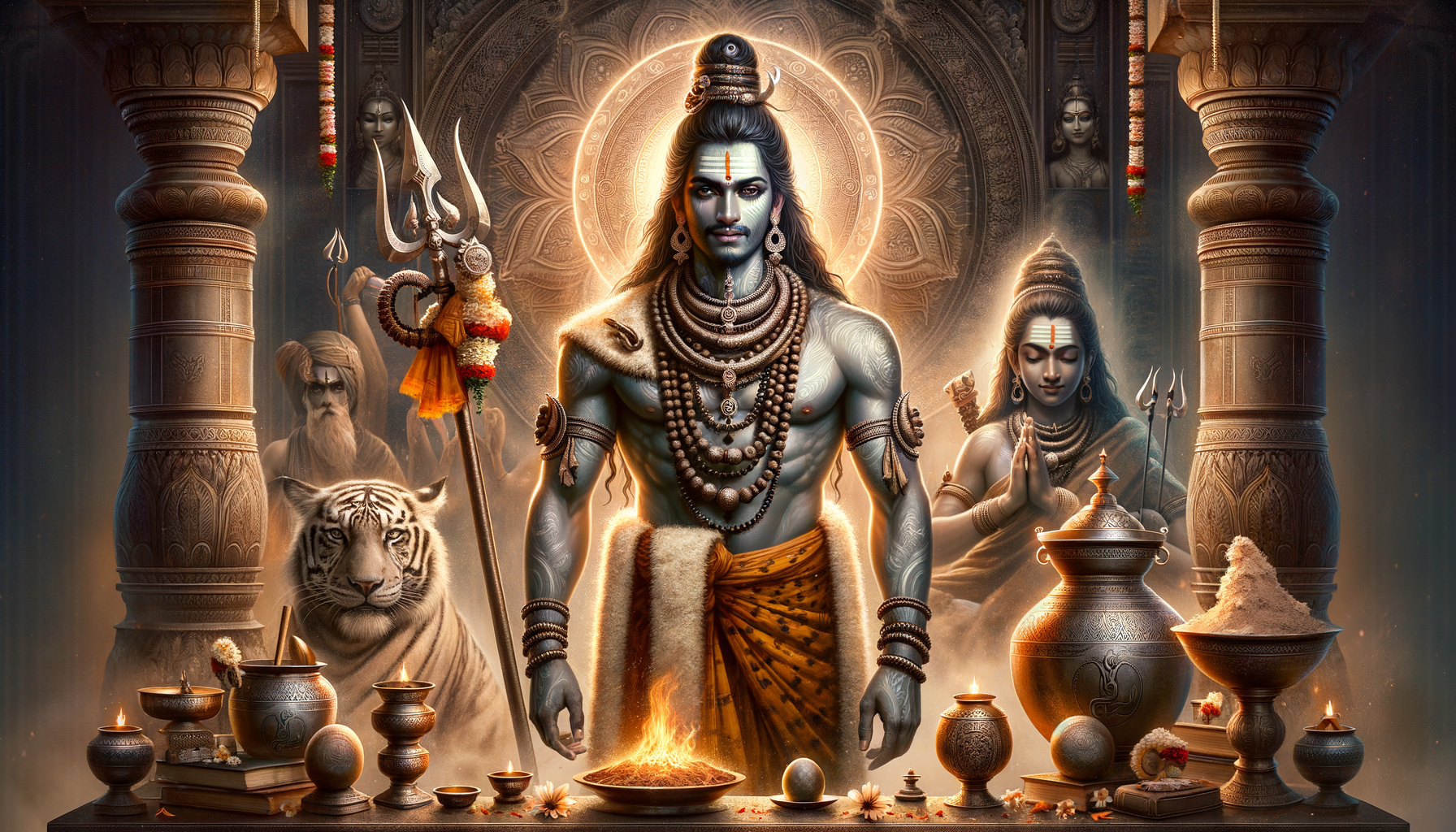
Veerabhadra Swamy emerges in Hindu scriptures as Shiva’s protective force during the Daksha Yagna, a narrative that fuses accountability with compassion. The story traces Sati’s tragic courage and Daksha’s arrogance, culminating in Veerabhadra’s corrective intervention and Shiva’s restorative grace. Readers gain clear insight into why true sacrifice requires humility, inclusion, and reverence. The Katha’s ethical…