
-
Kamyeshti (Kameshti) in Hinduism: A Sacred Guide to Vedic Desire-Rituals and Their Ethics

Kamyeshti (Kameshti) signifies desire-motivated Vedic rituals that align personal aims with dharma. Grounded in Hindu scriptures and Shrauta traditions, it is exemplified by the Putrakameshti in the Ramayana. Practitioners emphasize sattvic offerings, ethical intent, and the welfare of society, integrating ritual precision with responsibility. The sequence often includes sankalpa, mantras, and oblations into the Havan…
-
Pavitraropana Vrata: A Powerful Temple Ritual of Purification, Renewal, and Unity

Pavitraropana Vrata is a sacred Hindu ritual in which a sanctified pavitra (thread) is invested on the deity to purify, rectify, and renew temple worship. Grounded in Agamic practice and Purana references such as the Skanda Purana and Padma Purana, it serves as a formal prayaścitta for inadvertent ritual lapses. The ceremony typically includes mantra,…
-
6 Legendary Shiva Tales That Illuminate Dharma, Courage, and Compassion for Modern Life

Six legendary Shiva storiesNeelkanth, Gangādhara, Ardhanārīśvara, Tripurāntaka, Daksha Yajña, and Kirātārjunīyaoffer timeless insights for modern life. Each tale highlights a core dharmic value: compassion that contains harm, wisdom that channels power, balance of complementary energies, disciplined focus, humility with reconciliation, and perseverance aligned with dharma. Read together, they illuminate Sanatana Dharma’s emphasis on character and…
-
Dasharatha and Shani in the Padma Purana: A Timeless Legend of Karma, Courage, and Grace

Padma Purana’s Uttara Khanda presents Narada’s inquiry to Mahadeva on Shani’s feared reputation and reveals Shani as a stern upholder of karmic justice rather than a capricious force. The legend of King Dasharatha complements this insight, illustrating leadership grounded in devotion, responsibility, and service. Readers gain a clear, balanced understanding of Shani’s symbolism within Hindu…
-
Kashyapa and Takshaka: Destiny, Dharma, and the Unfolding Tragedy of King Parikshit

This retelling situates the fate of King Parikshit and the choice of the sage Kashyapa within the ethical framework of the Mahabharata and Purana traditions. It highlights how a single lapse in restraint triggers consequences aligned with karma and dharma. The encounter between Kashyapa and Takshaka shows that even great knowledge meets limits when destiny…
-
Garuda’s Immortality Without Amrit: A Timeless Dharmic Guide to Purpose and Freedom

Garuda’s story from the Mahabharata and Puranas reveals how immortality can arise without consuming Amrit, redefining freedom as self-mastery rather than possession. It demonstrates purpose over acquisition, filial devotion as seva, and non-attachment as a source of clarity and strength. The episode models ethical intelligencefulfilling vows while sustaining cosmic orderthrough Garuda’s restraint and discernment. Readers…
-
Chatus Sana in Hinduism: The Eternal Four Sages of Brahma and Their Timeless Wisdom

The Chatus SanaSanaka, Sanatkumara, Sanatsujata, and Sanandanaare revered in Hinduism as the eternal, mind-born sages of Brahma who embody purity, wisdom, and spiritual knowledge. Their presence across the Puranas, the Mahabharata, and the Upanishads highlights a shared commitment to contemplation, ethical clarity, and inner freedom. Sanatkumara’s Upanishadic teaching, Sanatsujata’s discourse on deathlessness, and Sanaka and…
-
Srimad-Bhagavatam: The Living Book-Form of Sri Krsna Revealing Ten Transcendent Themes

Srimad-Bhagavatam is honored in Vaisnava tradition as the “book form” of Lord Sri Krsna, unfolding twelve cantos that mirror His bodily limbs and present ten transcendental topics. Lord Sri Caitanya Mahaprabhu praised it as pramanam amalam“the spotless authority”while Srila Rupa Gosvami highlighted hearing the Bhagavatam as a most potent limb of bhakti-yoga. Its narrative and…
-
DHENUKASURA SAMHARA MOORTHY: Lord Balarama’s Triumph at Talavana and the Power of Dharma

This exploration of “DHENUKASURA SAMHARA MOORTHY” presents Lord Balarama’s triumph over Dhenuka as both a gripping narrative and a guide to dharmic ethics. Set in the Talavana forest near Gokula, the episode restores calm to the Yadava cowherds and showcases strength informed by restraint. Its symbolismovercoming inertia, fear, and confusionresonates across Hinduism, Buddhism, Jainism, and…
-
Mushikasura Samhara Moorthy: Ganesha’s Powerful Lesson on Conquering Inner Obstacles

Mushikasura Samhara Moorthy presents Lord Vinayaka as the subduer of Mooshikasura, illuminating a Puranic lesson on conquering inner obstacles. The legendpreserved in ritual, iconography, and temple cultureteaches the ethical transformation of unruly forces into instruments of dharma. Read in tandem with broader dharmic insights from Buddhism, Jainism, and Sikh tradition, the story models how mindfulness,…
-
Rudra from Brahma’s Third Eye: Profound Symbolism and Cosmic Balance in the Devi Bhagavata Purana

This analysis explores the Devi Bhagavata Purana’s account of Rudra emerging from Brahma’s third eye, highlighting its profound symbolism for cosmic balance and inner transformation. It explains how the narrative frames creation, preservation, and transformation as a harmonious continuum within the Trimurti. Readers gain practical insights into the third eye as discernment, the pancha mahabhutas…
-
From Mind-Born Beings to Divine Touch: Linga Purana Insights on Hindu Creation

Hindu cosmology, especially as reflected in the Linga Purana, presents a spectrum of creation that begins with mental conception, extends through vision and touch, and culminates in physical procreation. This framework centers consciousness as a generative forceillustrated by Brahma’s manasa putra and by metaphors of darshana (vision) and sparsha (touch). Parallel classifications in Buddhism (opapātika)…
-
Timeless Dharmic Principles for an Ideal Husband: Lessons from Prahlada and Narada
This article distills dharmic principles that guide an ideal husband, drawing on Narada Muni’s counsel and the example of Prahlada Maharaja. It translates varnasrama-based insights into practical habitsethical speech, dependable livelihood, and self-masterythat strengthen family harmony. Readers gain actionable steps such as shared sadhana, weekly dialogues, and community seva to cultivate trust and resilience. The…
-
Sacred Ecology in Hinduism: How Nature Worship Shapes Dharma, Ethics, and Daily Life

Nature worship in Hinduism is a core expression of sacred ecology that unites philosophy, ritual, and ethics. Rooted in the Vedas, Upanishads, and Puranas, it affirms cosmic unity and the sanctity of the five elements. Rituals like offerings to Surya and the care of Tulsi translate reverence into daily practice. Ethical pillarsAhimsa, Aparigraha, and devotion…
-
Brihaspati’s Fall and Redemption: A Powerful Shiva Purana Lesson on Karma and Dharma

This post explores a profound Shiva Purana narrative in which Brihaspati, the deva-guru, briefly falls from grace due to overreach and regains it through humility and tapas. It highlights the law of karma in Hindu scriptures as restorative rather than merely punitive. The story illustrates how even the wisest must observe ethical boundaries and practice…
-
Vaishnavi’s Devipura: Varaha Purana’s Powerful Vision of a Sacred City of Women
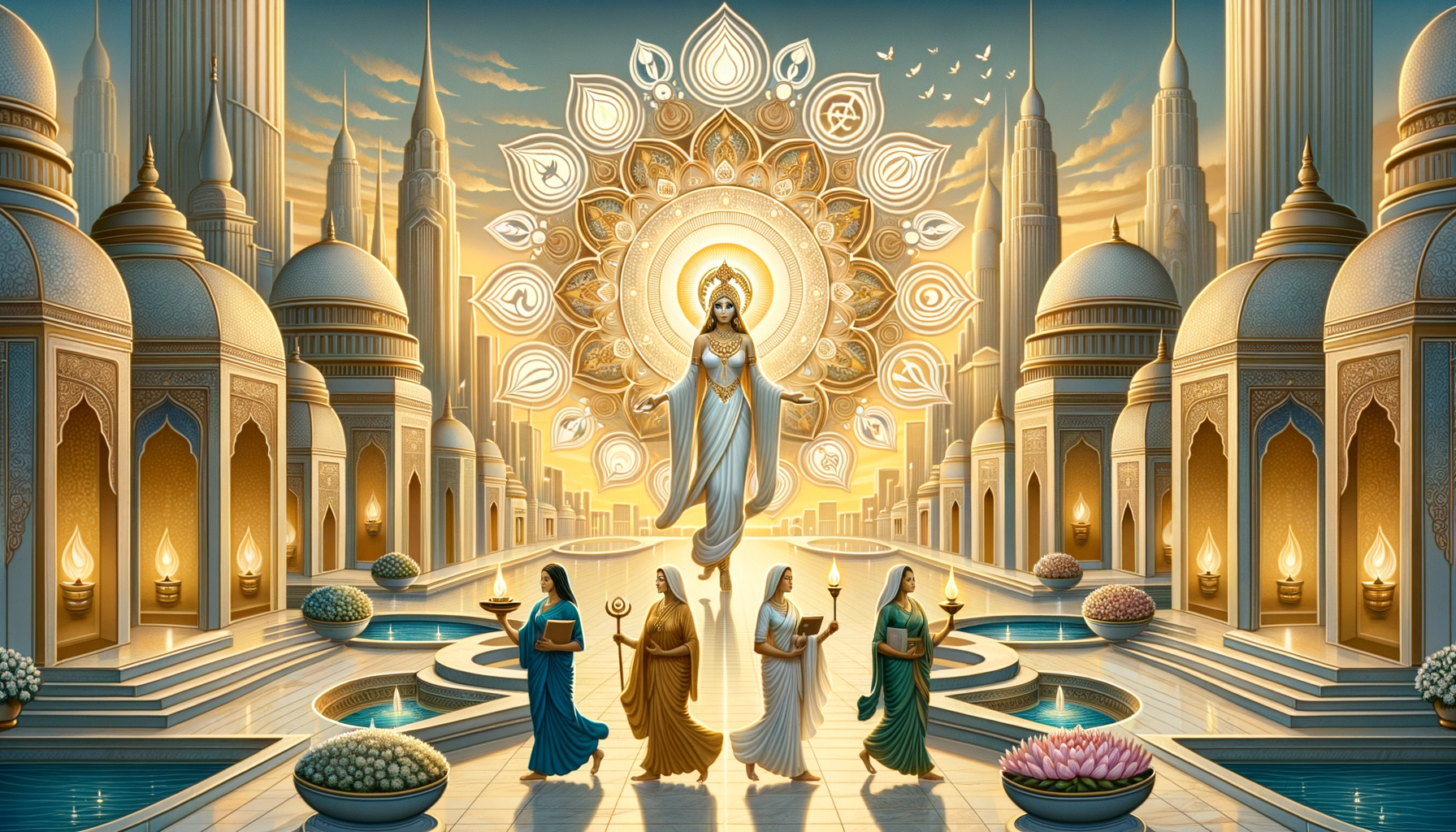
This academically grounded retelling of Varaha Purana, Chapter 92, explores Vaishnavi’s creation of Devipuraa sacred city of womenand the emergence of maidens who embody Dharma’s virtues. It clarifies the story’s symbolism, showing how the Divine Feminine (Devi Shakti) harmonizes tapas and ananda into social flourishing. Readers gain practical reflections for dhyāna, japa, and seva, linking…
-
Goddess Vinayaki (Ganeshani): Unveiling the Sacred Feminine Power of Ganesha
Goddess Vinayaki (Ganeshani) embodies the sacred feminine of Lord Ganesha, uniting wisdom and compassion as a remover of obstacles in maternal form. Rooted in Puranic–Tantric traditions and Yogini lore, she reflects the inclusive plurality of Sanatana Dharma. Her iconographyelephant head, feminine form, and attributes like pasha, ankusha, modaka, and lotusemphasizes auspicious beginnings and protective grace.…
-
Shakti Peethas Beyond India: Timeless Seats of the Divine Mother That Unite Borders

Shakti Peethas outside India illuminate a sacred geography that transcends modern borders, inviting seekers into a shared South Asian heritage. Grounded in the Devi Bhagavata Purana and other Puranas, these sites honor the Divine Mother, Shakti, and sustain living traditions of pilgrimage. Widely venerated examples include Hinglaj Mata in Pakistan, Guhyeshwari in Nepal, Jessoreswari in…
-
Eighteen-Faced Rudraksha (Astadasa Mukhi): Earth-Energy Significance, Identification, and Mantras

The eighteen-faced Rudraksha (Astadasa Mukhi) is revered as an embodiment of BhumiMother Earthsymbolizing stability, nourishment, and patient strength. Identified by its eighteen natural lines extending end-to-end, it is valued for grounding practitioners in clarity, resilience, and responsible action. Puranic narratives, including accounts involving Madhu and Kaitabha, highlight Earth’s sanctity and the bead’s profound earth-energy symbolism.…
-
When Brahma Created Termites: Vishnu’s Decapitation and the Awe-Inspiring Rise of Hayagriva
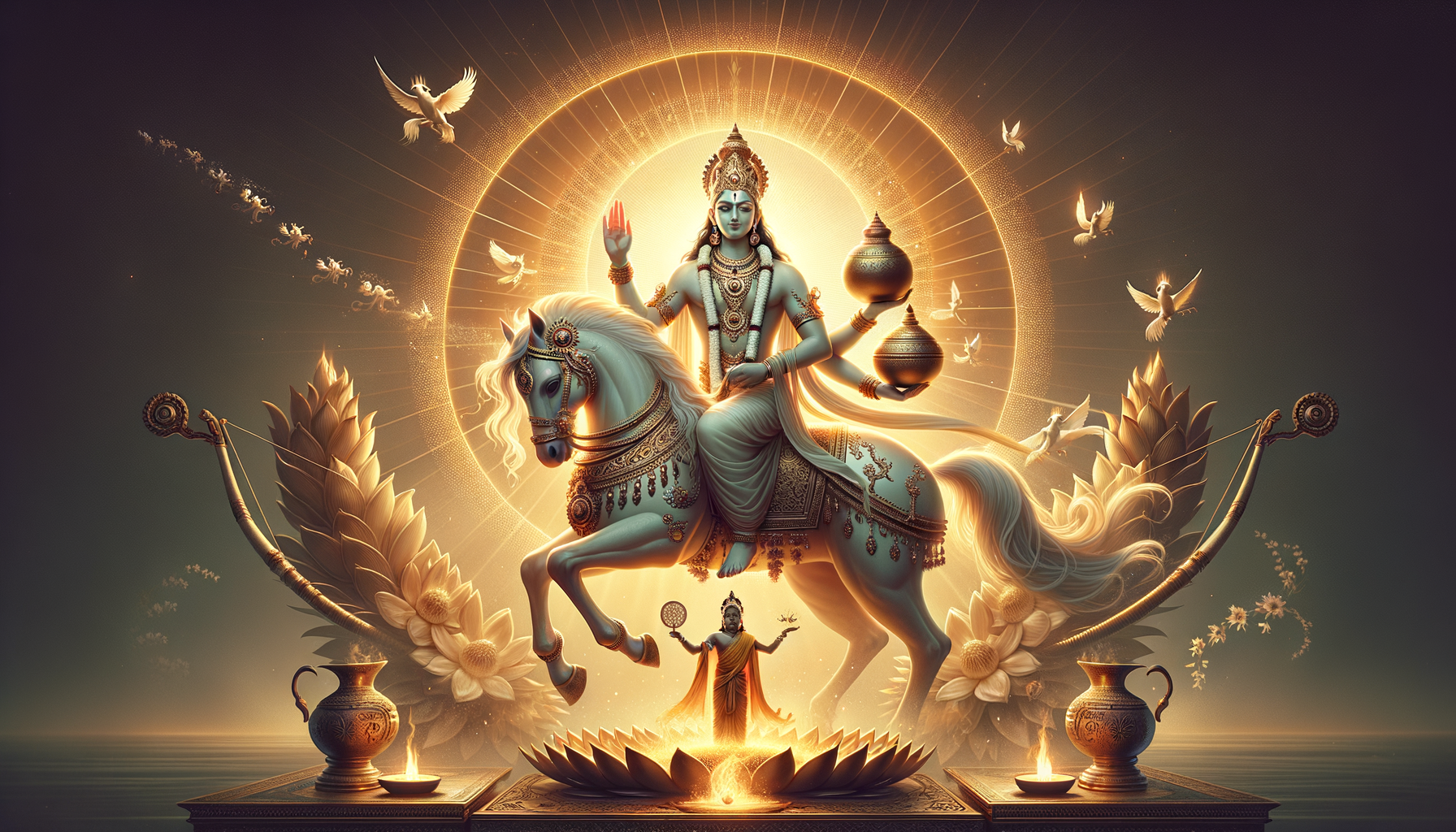
This article explores the Purāṇic narrative in which Brahma creates termites to awaken Vishnu, leading to the unexpected decapitation that culminates in Vishnu’s horse-headed form, Hayagriva. It clarifies major variations found in Hindu scriptures, highlighting how yajna, vigilance, and knowledge restore cosmic order. Readers gain a nuanced, academic account that remains emotionally resonant: small causes…