
-
Prithu Chakravarthi: The Legendary Sovereign Who Made Earth ‘Prithvi’ and Renewed Dharma
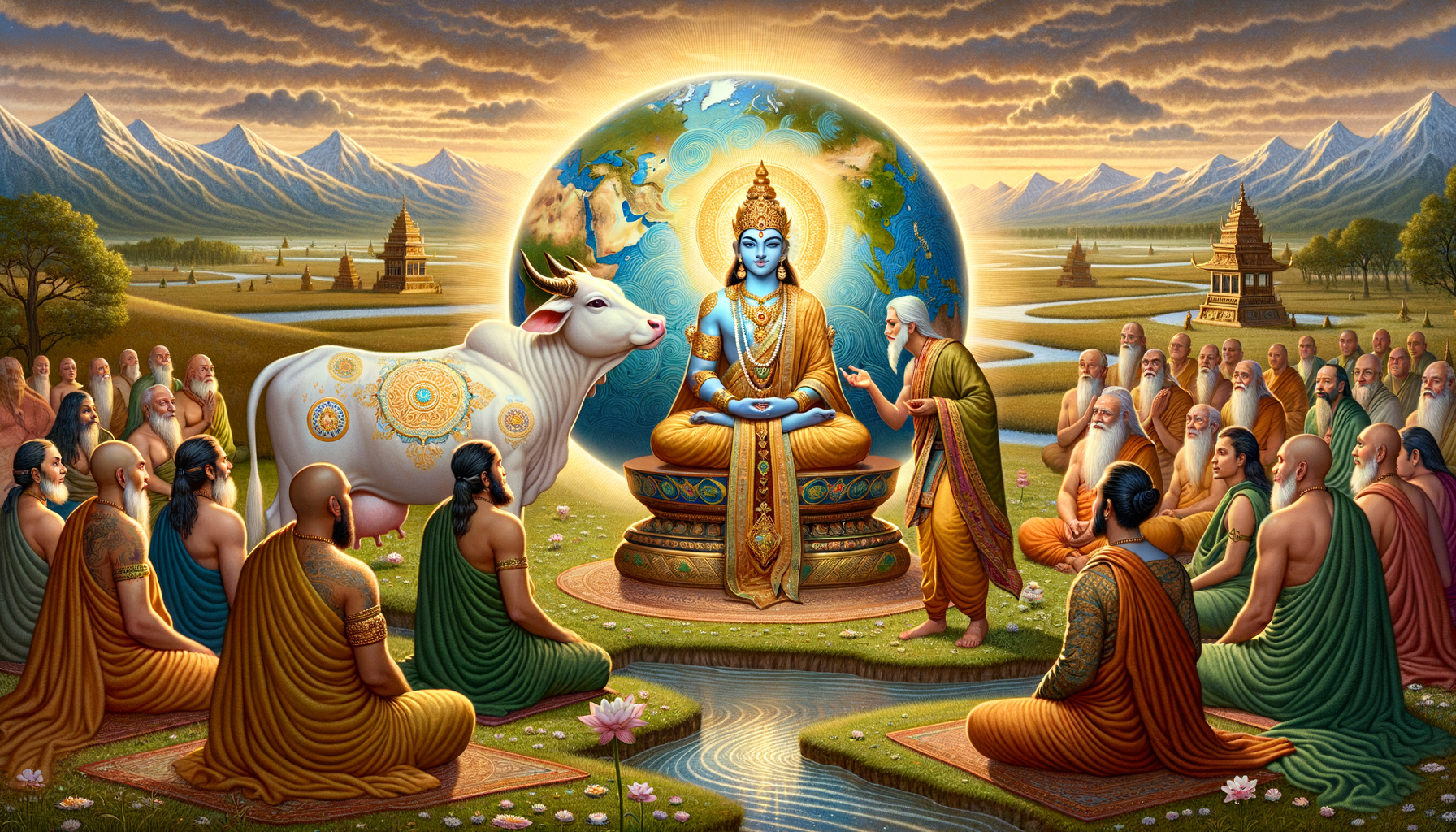
The Brahma Purana’s account of Prithu Chakravarthi explains why Earth is called Prithvi and presents a powerful model of ethical leadership. By restoring prosperity after the misrule of Vena, Prithu embodies raja-dharmaprotecting Mother Earth and ensuring just abundance. The narrative’s imagery of Earth as a cow, yielding to compassionate stewardship, offers enduring guidance for sustainable…
-
Sati and Daksha Yagya: A Timeless Puranic Lesson on Dharma, Dignity, and Unity
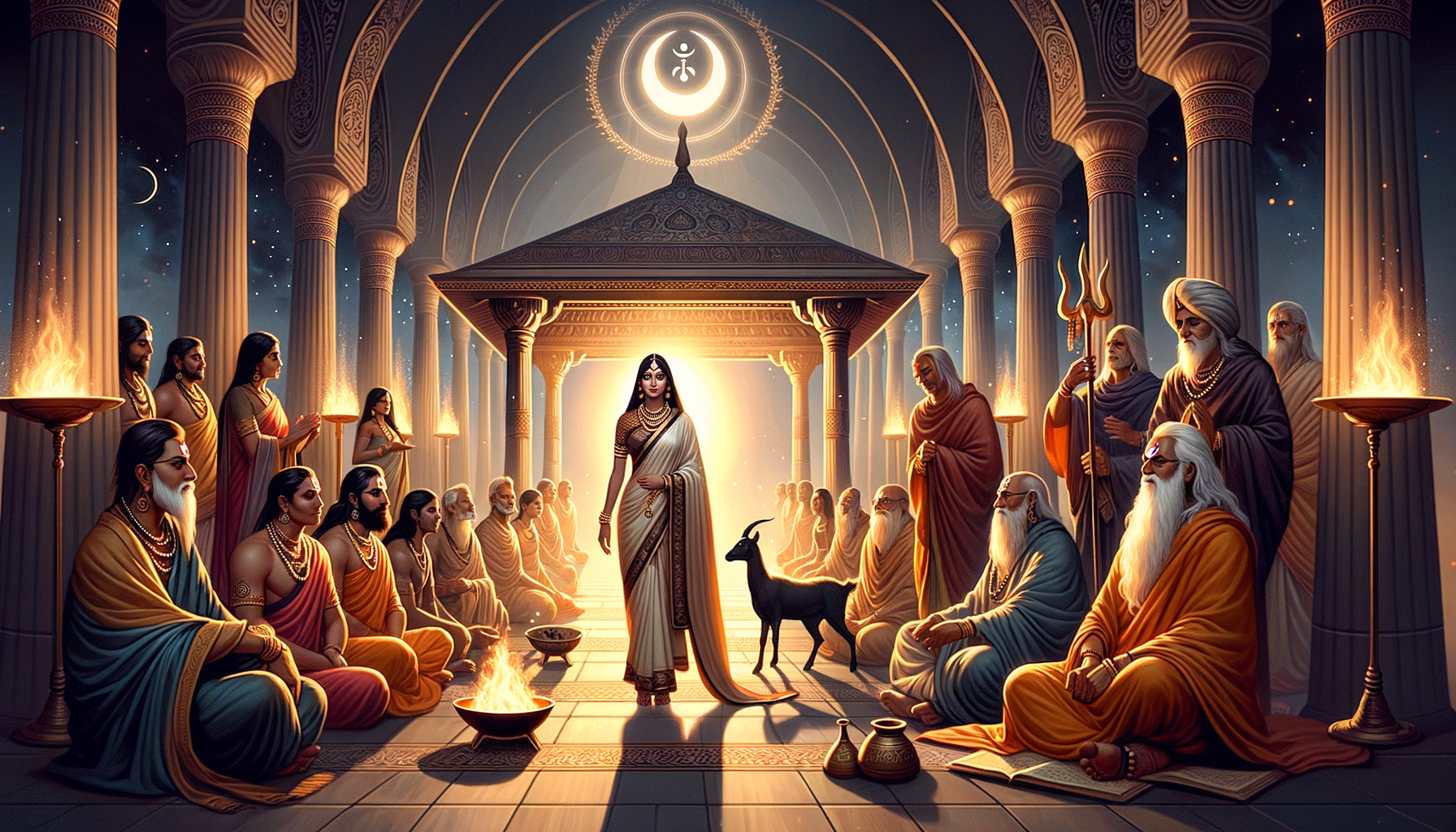
Sage Pulastya’s response to Bhishma situates Sati’s self-immolation within a clear ethical frame: Daksha’s grand yagya, conducted without inviting Shiva, exposed the dangers of pride and exclusion in ritual life. Sati’s choice, presented as solemn yogic resolve, protested the insult to devotion and the abuse of religious authority. Shiva’s subsequent intervention halted the disorder, yet…
-
Sambhal Harihar Mandir in the Puranas: Unraveling History, Sacred Memory, and Unity
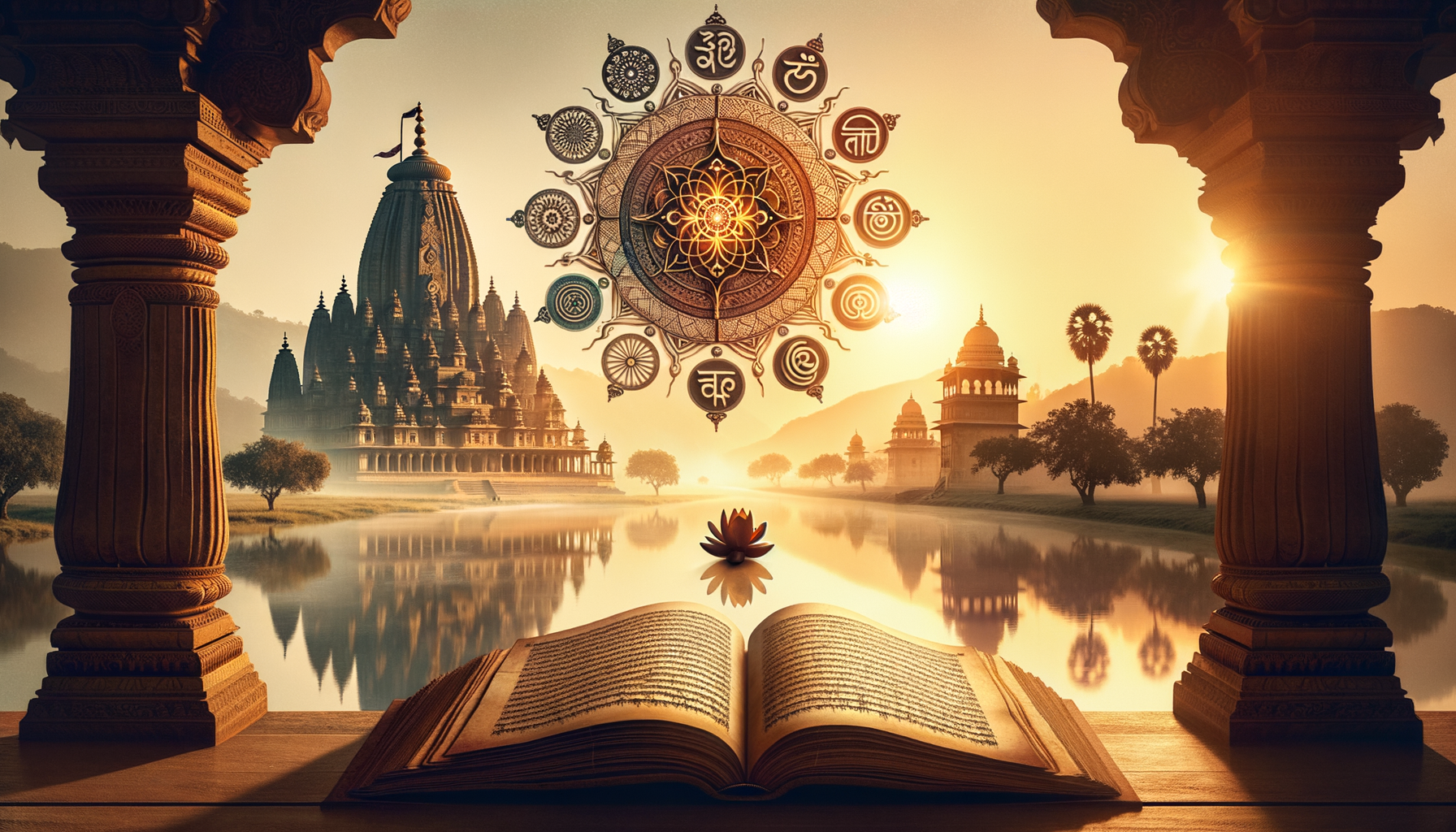
Sambhal Harihar Mandir is discussed in relation to the Skanda Purana and, as some scholars suggest, the Bhagavata and Matsya Puranas, highlighting its enduring cultural significance. The historical narrative includes claims of a 16th-century transformation of the site, which require rigorous scholarly evaluation. A careful distinction between popular labels and documented evidence helps reduce polarization.…
-
Lakshmi’s Radiant Manifestation in Samudra Manthan: A Timeless Lesson in Hope and Dharma
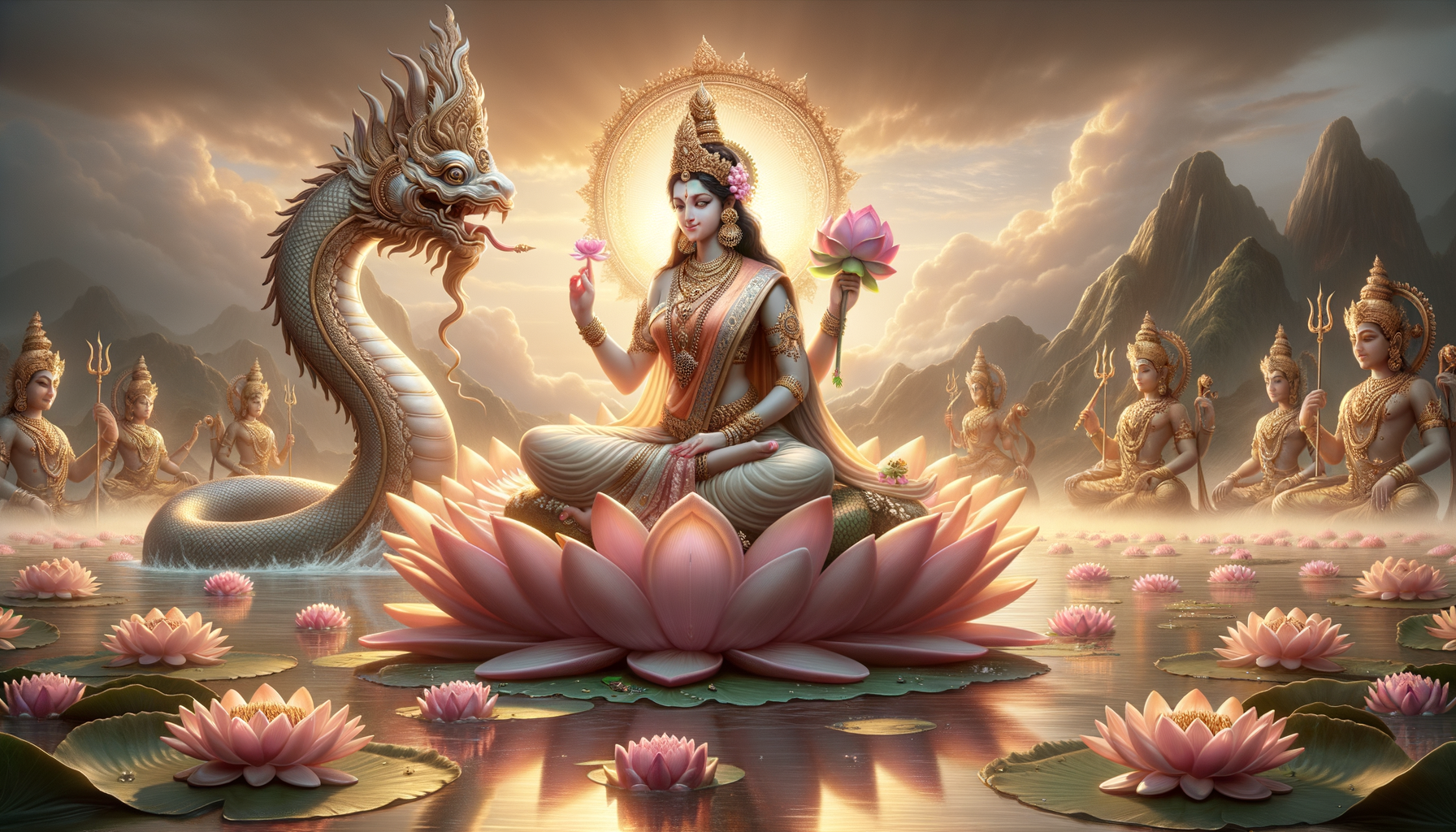
The Brahma Purana recounts the Manifestation of Maa Lakshmi as a disciplined response to crisis, where devas heed Vishnu’s counsel and undertake the Samudra Manthan. The narrative situates prosperity within dharma, showing how collective effort and ethical intent invite auspicious outcomes. Lakshmi’s emergence from the Kshira Sagara symbolizes purity, resilience, and the union of abundance…
-
Surpanakha’s Karmic Odyssey: Desire, Dharma, and Redemption in Brahma Vaivarta Purana

This article explores Surpanakha’s story as a karmic odyssey across yugas, drawing on the Ramayana and interpretive Puranic traditions associated with the Brahma Vaivarta Purana. It examines how desire, when unguided by dharma, invites consequence yet also opens pathways to learning and inner refinement. Readers gain an emotionally resonant, academically grounded view that balances compassion…
-
Murugan Born from Shiva’s Third Eye: Decoding Iccha Shakti and the Path of Sacred Will
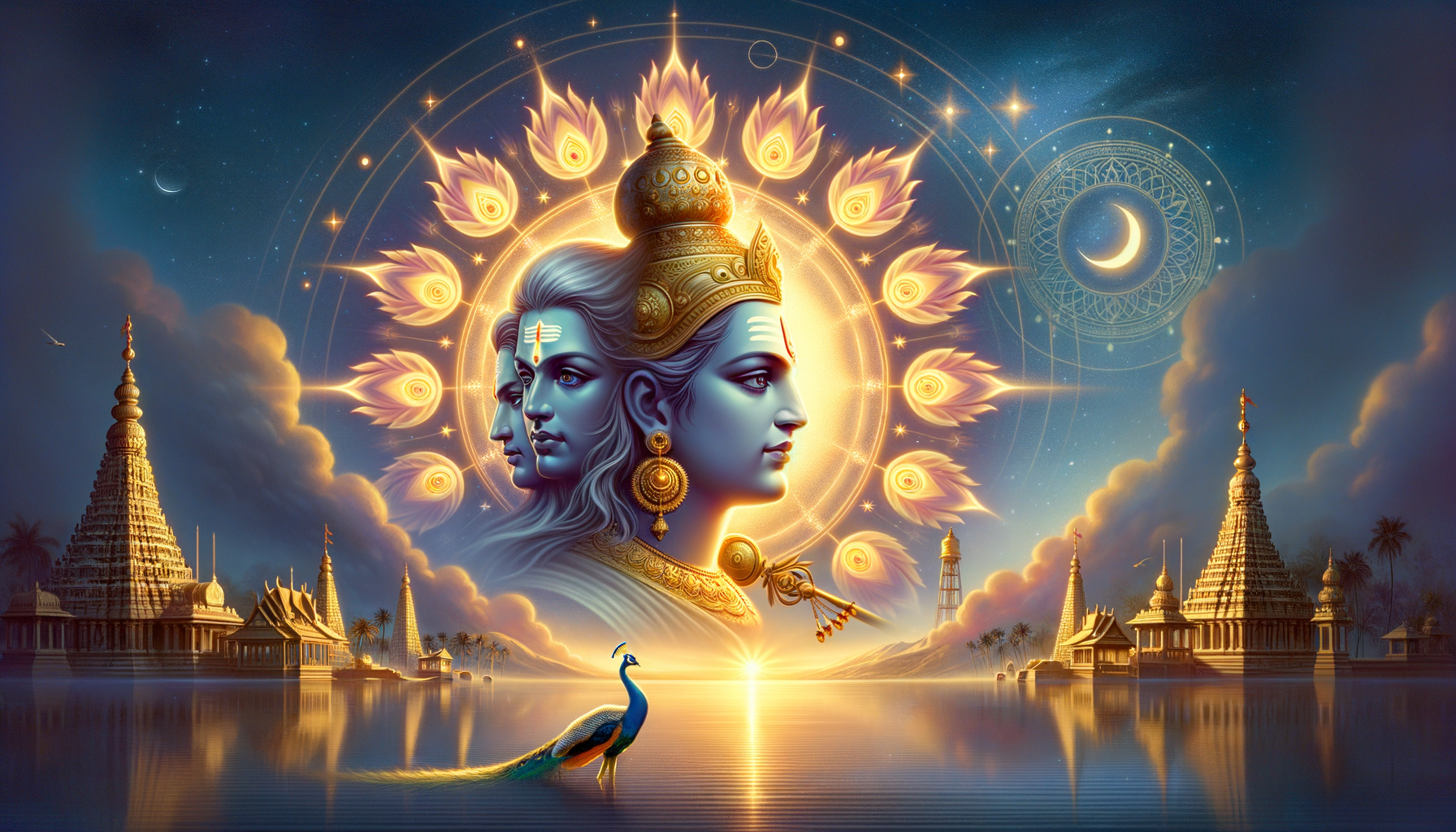
This article explores Murugan’s birth from Shiva’s third eye as a luminous teaching on Iccha Shaktidivine will aligned with wisdom. It explains the Puranic narrative, including the six sparks, the Krittikas, and the unification into Shanmukha, and interprets their symbolic meaning. Readers gain a clear framework for understanding Iccha, Jñāna, and Kriyā Shakti as complementary…
-
Daksha–Shiva and the Dharma Dilemma: Powerful Lessons on Order, Freedom, and Unity
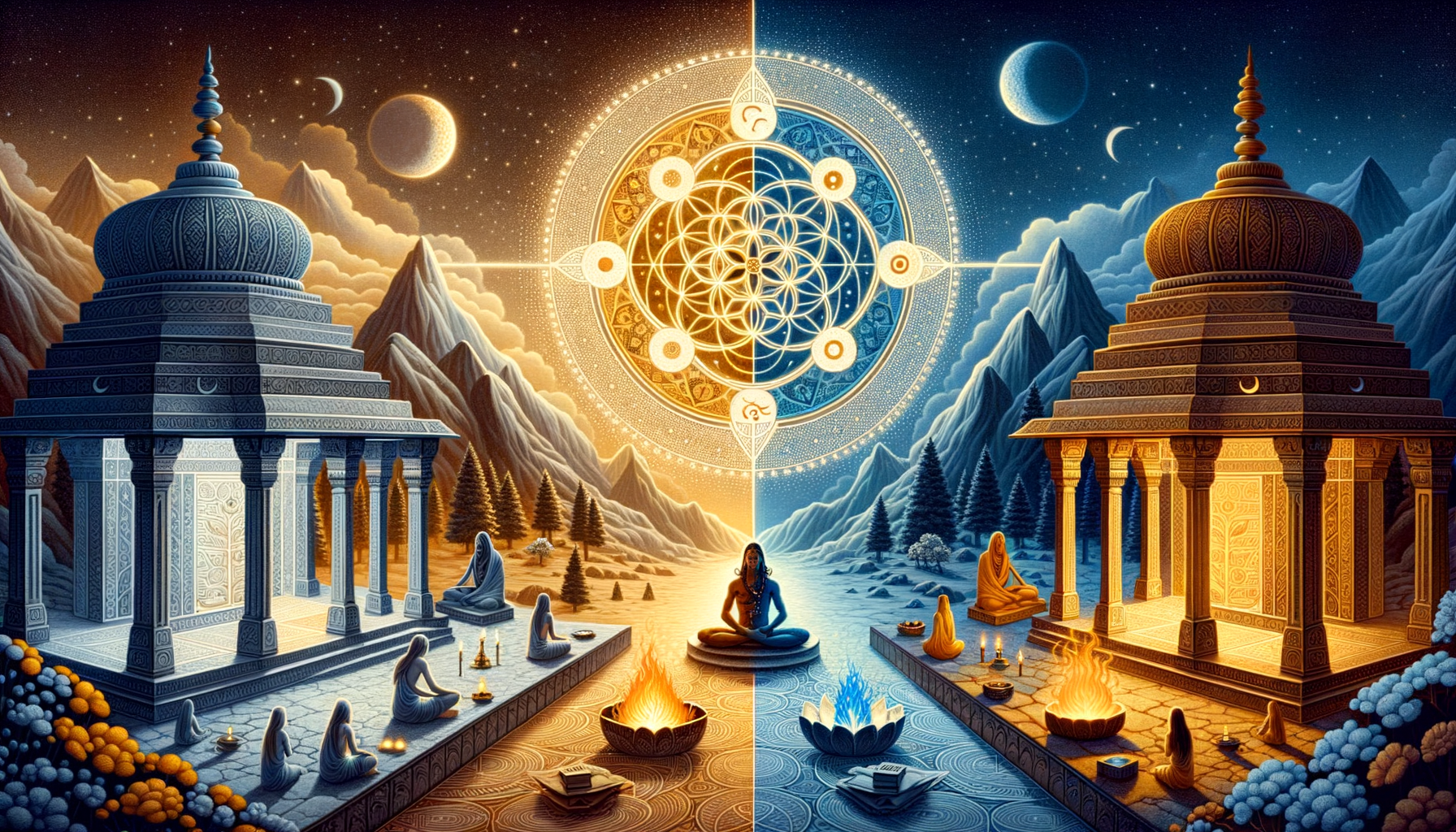
The Daksha–Shiva narrative illuminates a universal dilemma: how to balance social order with individual freedom without sacrificing either. This analysis interprets Daksha as the guardian of institutional harmony and Shiva as the emblem of spiritual sovereignty, arguing that dharma requires both. Drawing parallels with Buddhism’s Middle Way, Jainism’s Anekāntavāda, and Sikh ethics, it highlights a…
-
Why Devotees Offer 21 Durva Blades to Ganesha: Analasura Legend, Symbolism, and Meaning
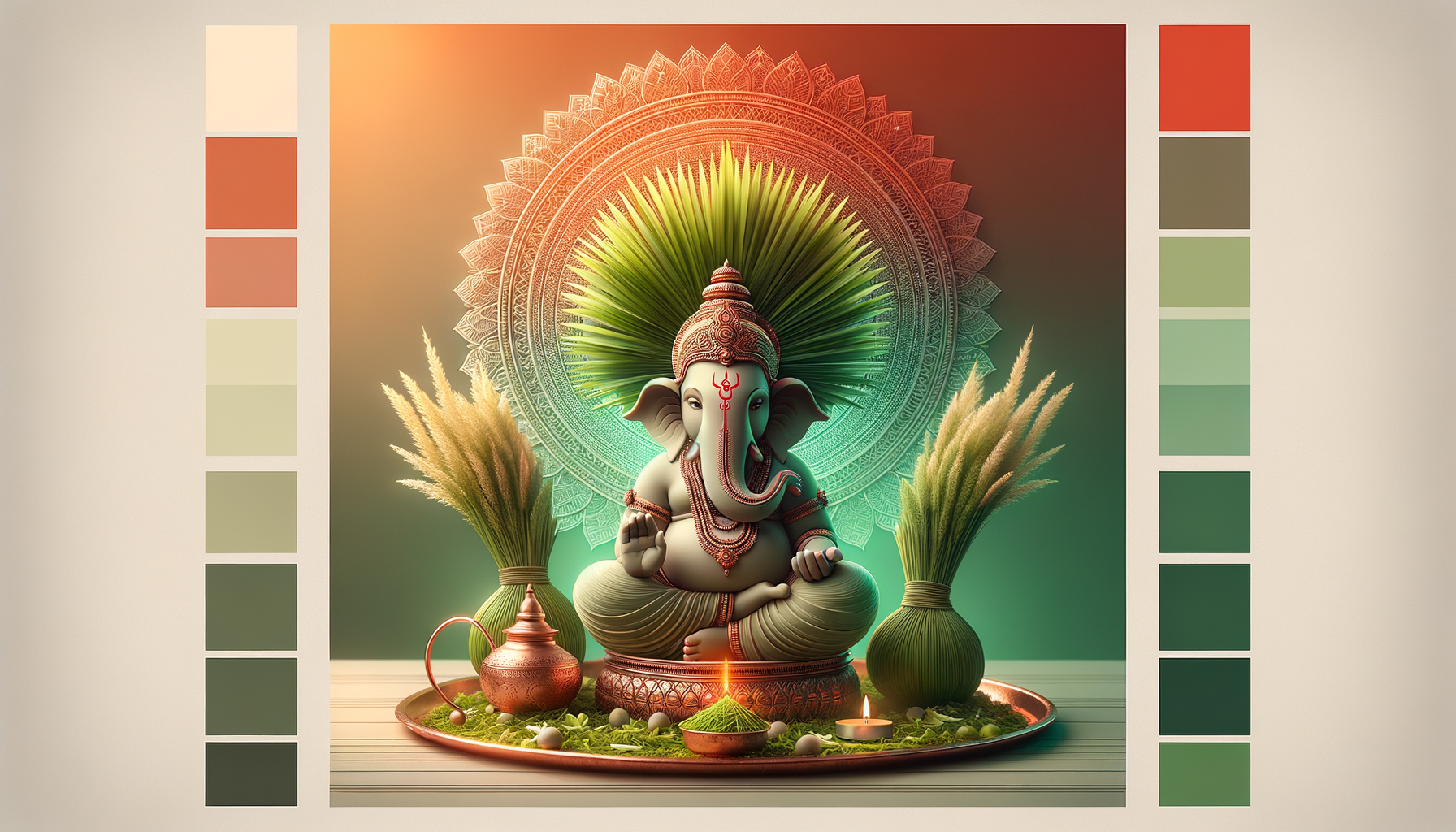
The offering of twenty-one durva blades to Ganesha, rooted in the Analasura legend, unites narrative, symbolism, and practice into a single, accessible ritual. It teaches that humility and sincerity can resolve what grandeur cannot, cooling intense inner heat with nature’s simplest gift. Interpreted philosophically, twenty-one represents the totality of human faculties and cosmic principles surrendered…
-
Trishunda Mayureshwar Ganpati, Pune: Unveiling the Three-Trunk Ganesha’s Symbolic Power

The Trishunda Mayureshwar Ganpati Temple in Somwar Peth, Pune, presents a rare three-trunk form of Ganesha riding a peacock, locally known as Moreswar. This Peshwa-era shrine blends refined stone architecture with distinctive iconography that symbolizes tri-guṇa, tri-kāla, and tri-loka harmonized in one image. The Mayureshwar aspect recalls Purāṇic narratives in which Ganesha, mounted on a…
-
Shiva’s Five-Faced Epiphany before Parvati: A Sublime Vision of Wisdom, Love, and Dharma

This post explores the Shiva Purana’s account of Shiva manifesting before Goddess Pārvatī in His five-faced form, decoding its symbolism with academic clarity. It explains how each faceSadyojāta, Vāmadeva, Aghora, Tatpuruṣa, and Īśānamaps to creation, preservation, dissolution, contemplation, and grace. Readers gain a practical framework for meditation using the pañcākṣarī mantra and the five elements,…
-
Thousand Hands of Kartaviryarjuna: A Powerful Symbol of Ambition, Dharma, and Restraint

Kartaviryarjuna (Sahasrabahu Arjuna) embodies a profound Hindu symbol: the “thousand hands” as a metaphor for vast capability, desire, and duty. The Puranic narrativehis rise under Dattatreya’s grace, his famed prowess, and the ethical turning point culminating in Parashurama’s retributionillustrates the line between dharma and adharma. Interpreted across dharmic traditions, the motif aligns with Buddhist compassion…
-
Brahma’s Fifth Head and Goddess Shatarupa: A Timeless Purana Lesson on Desire and Dharma

This retelling of Brahma’s fifth head and Goddess Shatarupa presents a Puranic episode as a profound ethical allegory. It situates Brahma’s four heads within the symbolism of the Vedas and cosmic order, while reading the fifth head as a lesson on attention and desire. The narrative foregrounds dignity toward the feminine principle and emphasizes self-mastery.…
-
Shantadurga’s Compassion: The Skanda Purana Goddess Who Guards Even the Ants

Shantadurga, celebrated in the Sahyadri Khanda of the Skanda Purana, is revered as a compassionate form of Goddess Durga whose protection extends even to ants. Her association with the valmika (anthill) in Goan traditions transforms everyday landscapes into sacred teaching spaces. This narrative illuminates ahimsa as a lived ethic, aligning Hindu devotion with shared dharmic…
-
Srimad Bhagavatham’s Timeless Wisdom: Sri Krishna’s Leelas, Devotee Tales, and Living Bhakti

Srimad Bhagavatham, attributed to Sri Veda Vyasa, offers an elegant, spiritually rich portrayal of Sri Krishna’s Leelas and the lives of devoted bhaktas. Its narratives of divine play, ethical courage, and compassionate guidance bring Bhakti into daily practice. Readers often find emotional resonance in Krishna’s childhood tales and practical insights for cultivating humility, seva, and…
-
All Rivers and Oceans Crowned a King: Prithu’s Dharma and Earth’s Blessing in Brahma Purana
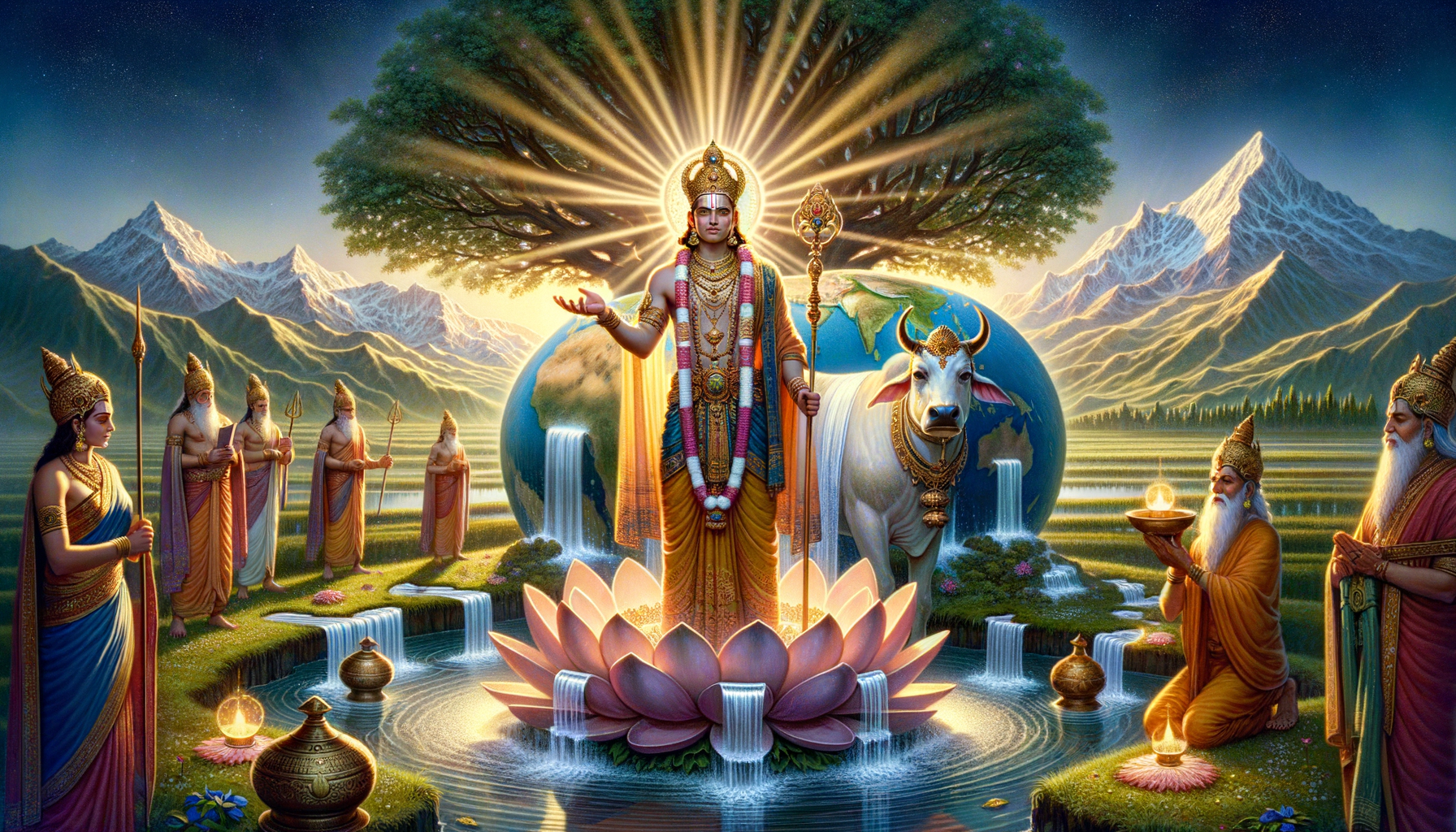
The Brahma Purana preserves a rare episode in which all rivers and oceans gather to anoint King Prithu, symbolizing the universal sanction of just rule. Emerging from the Dhruva lineage after the fall of Vena, Prithu’s reign restores dharma and inaugurates sustainable prosperity through a covenant with Earth personified as a cow. The story models…
-
Daksha’s Lineage Unveiled: How the Devas and Asuras Were Bornand Why Narada Intervened
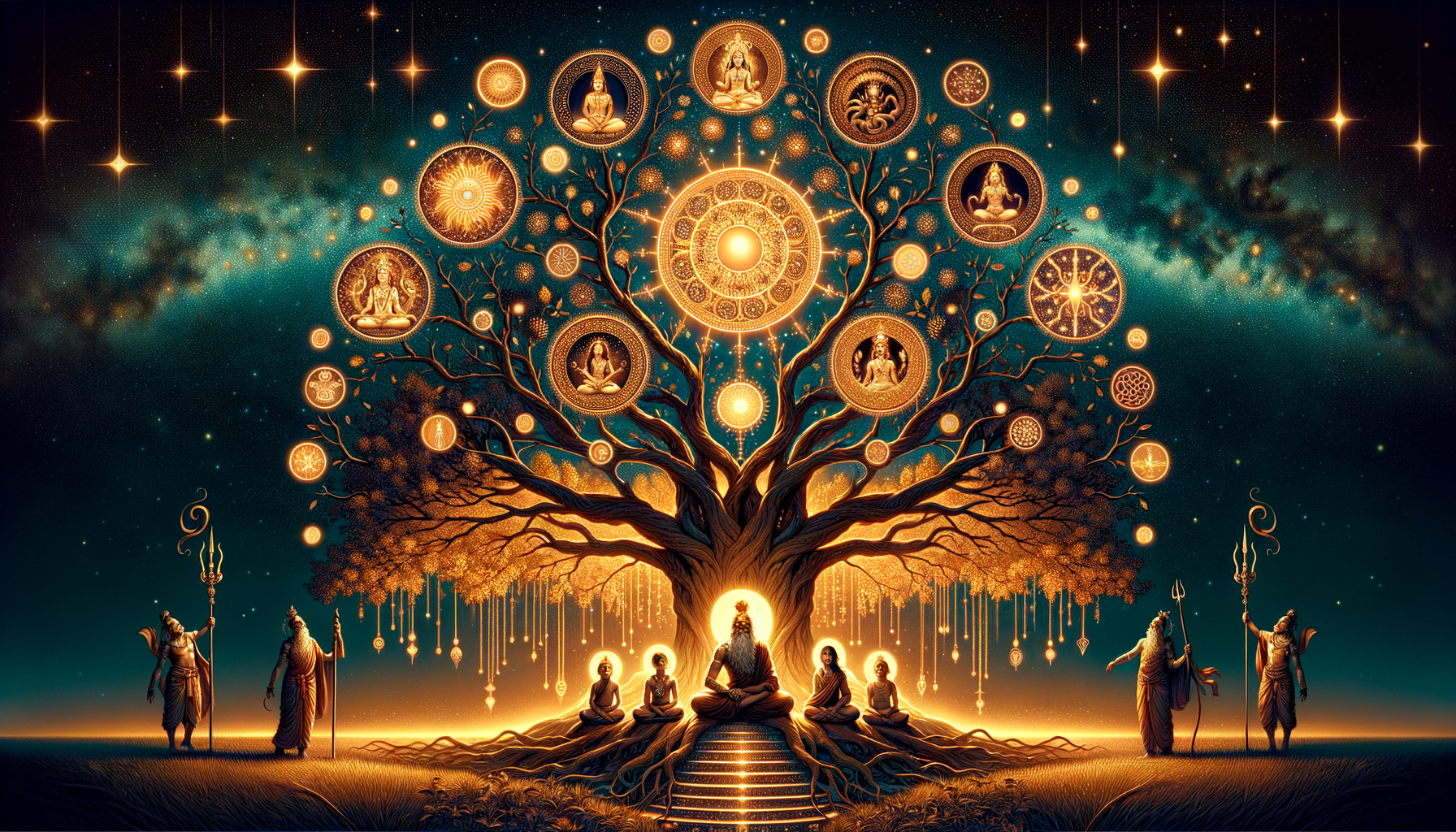
This retelling from the Brahma Purana traces how Daksha Prajapati’s lineage explains the birth of the Devas and Asuras through the marriages of his sixty daughters, especially those wed to Rishi Kashyapa. It recounts Narada’s provocative counsel to the Haryashvas and Shabalashvas, who chose knowledge-seeking over rulership, underscoring the primacy of inquiry before power. Readers…
-
Trishanku Katha Explained: A Powerful Puranic Tale of Desire, Dharma, and Divine Justice

Trishanku Katha from the Brahma Purana presents a compelling meditation on desire, duty, and cosmic order. The tale follows Satyavrata (Trishanku), whose wish to reach heaven in his mortal body tests the limits of dharma. Vashishtha’s principled refusal and Vishwamitra’s extraordinary yajna reveal complementary paths within the broader dharmic tradition. The creation of Trishanku Swarga…
-
When Rivers and Oceans Crowned a King: Prithu’s Epic Anointing in Brahma Purana

The Brahma Purana recounts a rare coronation in the line of Dhruva: a king anointed by all rivers and the oceans, symbolizing nature’s endorsement of righteous rule. Set against the moral contrast of Anga and Vena, the narrative culminates in Prithu’s emergence and the restoration of rajadharma. The scene functions as sacred geography and ethical…
-
Daksha’s Lineage Unveiled: How Haryashvas, Devas, and Asuras Arise in the Puranas

Purāṇic accounts portray Daksha’s lineage as a blueprint for ethical leadership and cosmic diversity. Asikli’s five thousand sons, the Haryashvas, heeded Narada’s challenge to seek knowledge before ruling, choosing inquiry over immediate power. A second group, the Shabalashvas, followed the same path, reinforcing the primacy of wisdom and renunciation. Creation then continued through Daksha’s daughters,…
-
Trishanku Katha: A Riveting Tale of Ambition, Dharma, and the Birth of a Parallel Heaven

Trishanku Katha from the Brahma Purana narrates how righteous King Trayaruni’s son, Satyavrata (later Trishanku), challenged cosmic order by seeking heaven in a mortal body. Vashishtha refused to sanction a rite against dharma, while Vishvamitra’s tapas created a parallel firmament, suspending Trishanku between earth and svarga. The tale highlights the guru–shishya ethic, the limits of…