
-
Why Vishnu Rests on Cosmic Waters: Deep Symbolism, Dharmic Unity, and Living Wisdom

The image of Vishnu reclining on the cosmic waters conveys a complete philosophy of preservation, balance, and conscious repose. Scriptural narratives from the Puranas situate this scene in the primordial ocean, where yoga-nidra, Ananta Shesha, and the lotus of creation converge. Water symbolizes undifferentiated potential, while the lotus represents pure emergence and order. Psychologically, the…
-
Dhruva Charitra: Steadfast Devotion and Dharma in the Vishnu and Bhagavata Puranas

Dhruva Charitra, preserved in the Vishnu Purana and the Bhagavata Purana, presents the life history of Dhruva as a model of steadfast devotion and dharma. The narrative shows how a child’s wounded heart transformed into disciplined meditation through the guidance of Narada and unwavering bhakti to Lord Vishnu. Dhruva’s establishment as the pole star symbolizes…
-
Goddess Lakshmi’s Ocean-Birth: Padma Purana’s Timeless Lakshmi Janma Vrittantha
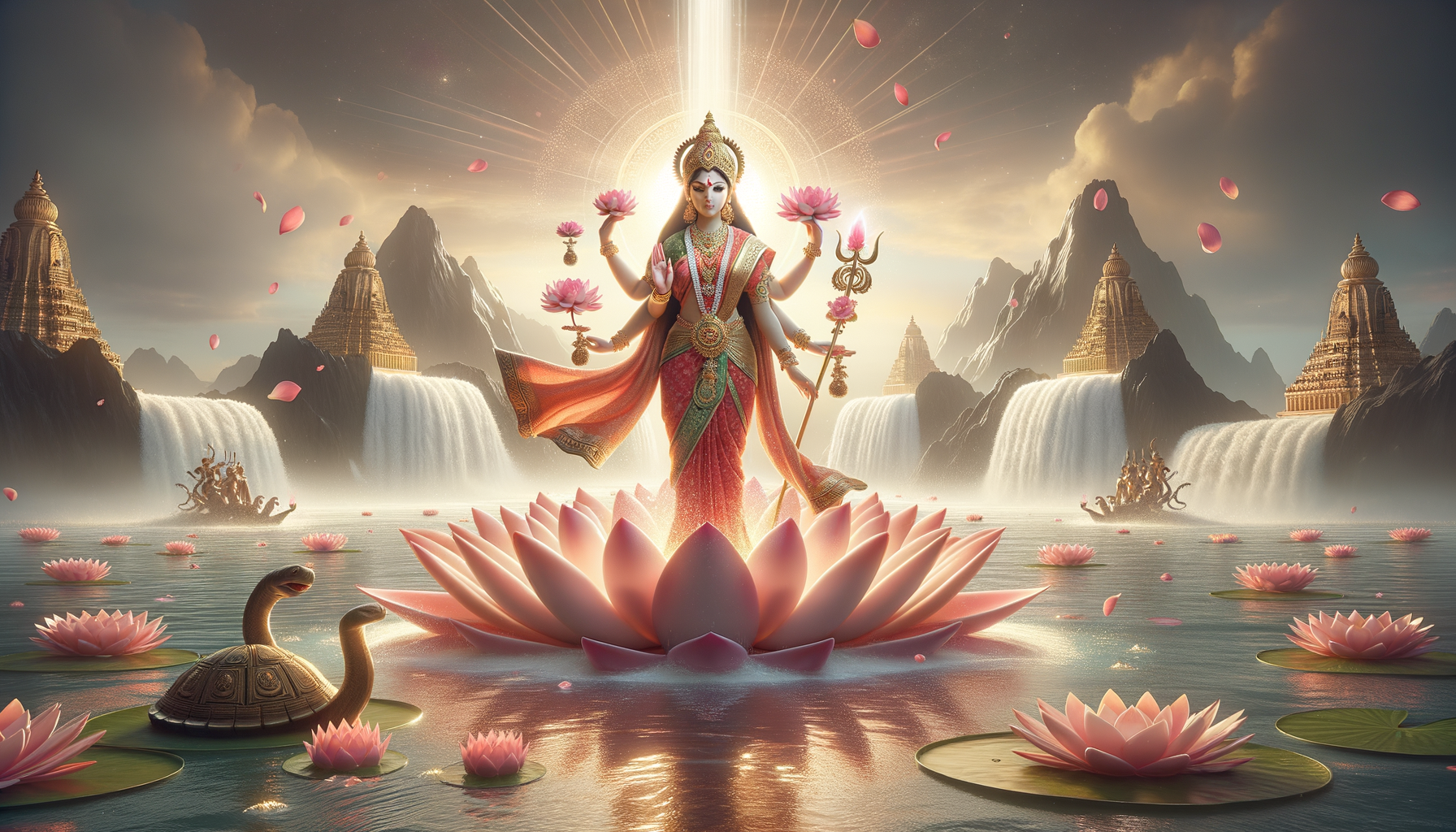
The Padma Purana’s Lakshmi Janma Vrittantha narrates how Goddess Lakshmi emerged during the churning of the Ocean of Milk (Samudra Manthan), after the devas sought Vishnu’s counsel following defeat by the asuras. With Mandara as the churning rod and Vasuki as the rope, and supported by Vishnu’s Kurma avatara, the cosmic endeavor first produced poison,…
-
Why Gods Granted Boons to Asuras: Timeless Purāṇic Lessons on Power, Dharma, and Restraint

Purāṇic narratives of devas granting boons to asuras are ethical case studies on power, dharma, and restraint. They show that tapas yields siddhi impartially, while misuse of strength triggers karmic correction for the common good. Rather than vilifying groups, these stories highlight the fairness of the cosmic order and the responsibilities that accompany great power.…
-
Pushpaka Vimana: Legendary Flying Chariot in Vedas, Puranas, Ramayanaand a Unifying Vision

Pushpaka Vimana, the most renowned among ancient vimanas, is presented in Hindu scripturesespecially the Ramayana and Puranasas a radiant aerial chariot bound to dharma. Traditionally linked to Lord Kubera and later seized by Ravana, it ultimately returns Sri Rama, Sita, and Lakshmana to Ayodhya, symbolizing moral restoration. Descriptions emphasize inclusivity and immense capacity, reinforcing ideals…
-
Gopi Gita in the Bhagavata Purana: A Soul-Stirring Hymn of Devotion and Divine Longing

The Gopi Gita (Gopika Gita) in the Bhagavata Purana (Canto 10, Chapter 31) is a luminous hymn that expresses the gopis’ devotional longing for Lord Krishna. Emerging after the rasa-lila, it transforms the pain of separation into a refined path of bhakti. Its lyrical beauty, ethical depth, and contemplative tone make it accessible for modern…
-
When Darkness Shields the Divine: Kali’s Jackal Guardianship of Infant Krishna by the Yamuna

This exploration examines a striking puranic motif in which Kali, manifesting as a jackal, guides and protects the infant Krishna along the Yamuna’s banks. It interprets the scene through the Harivamsa–Vishnu Purana tradition, highlighting how Shakti safeguards the unfolding of Sri Krishna’s destiny. Readers gain a clear, academic understanding of the symbolismdarkness shielding lightwhile appreciating…
-
Utpatti (Utpanna) Ekadashi Vrat Katha: Bhavishyottara Purana Origin, Significance, Benefits

Utpatti (Utpanna) Ekadashi is described in the Bhavishyottara Purana as the origin of the Ekadashi vrata, revealed when Ekadashi Devi emerged from Vishnu’s energy to vanquish the asura Mura. In response to Arjuna’s inquiry, Sri Krishna extols the vrata as a disciplined path to purification, steadiness, and grace. Observed on Margashirsha Krishna Paksha Ekadashi (regional…
-
Why the Puranas Matter Now: Srila Jiva Goswami’s Case for Vedic Truth and Unity
Srila Jiva Goswami’s Sri Tattva-sandarbha argues that the Puranas are indispensable for understanding the unified message of the Vedas. By privileging śabda over perception and inference, this approach presents the Puranas as hermeneutical guides that translate Vedic truths into accessible narratives and practices. The result is clarity: seekers gain a coherent framework that bridges philosophy,…
-
Dashavatara Moorthy: The Ten Sacred Incarnations of Lord Vishnu and Their Timeless Call to Dharma
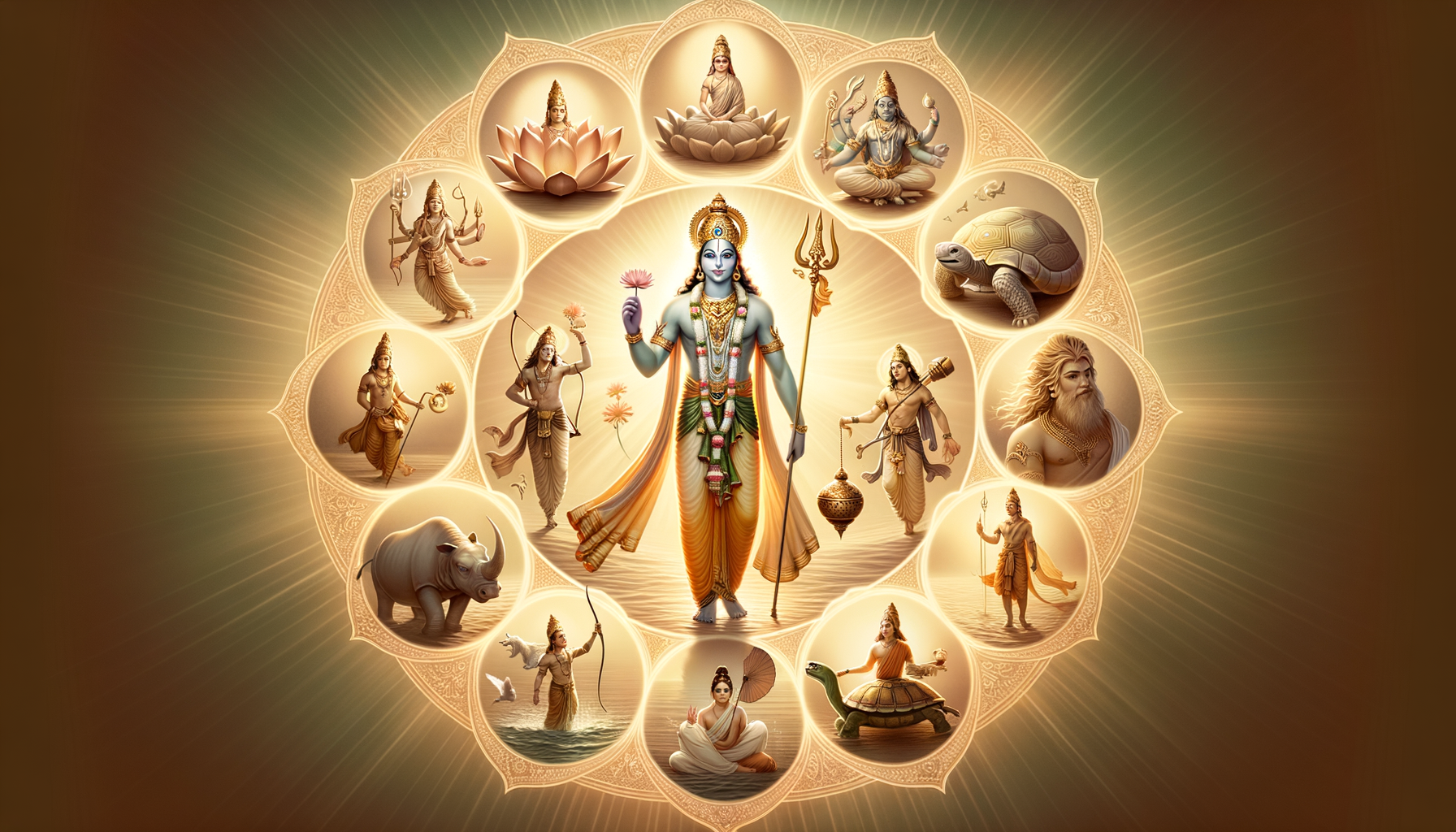
Dashavatara Moorthy signifies Lord Vishnu’s ten incarnations as articulated in Hindu scriptures and Puranas, emphasizing divine protection and the restoration of Dharma. Tradition holds that nine avatars have appeared, while the tenthKalkiwill manifest at the end of the current age. The narratives function as ethical frameworks, demonstrating how righteous action responds to specific historical and…
-
Shukratal’s Akshaya Vat: Where Srimad-Bhagavatam Resounded and Dharma Unites Pilgrims
Shukratal in Muzaffarnagar, Uttar Pradesh, is a revered tirtha-yatra destination associated with Srila Sukadeva Goswami’s seven-day recitation of the Srimad-Bhagavatam to Maharaja Pariksit under the Akshaya Vat Vriksha. Its Sri Sukadeva Temple and expansive banyan canopy offer a contemplative atmosphere ideal for listening, reflection, and quiet meditation. The site’s ethos of attentive hearing and ethical…
-
Gau Mata Mahatmyam: Sacred Cow’s Transformative Grace, Vastu Harmony, and Dharmic Unity

Gau Mata Mahatmyam presents a holistic view of the cow’s sanctity in Hindu Dharma, linking spiritual symbolism, Vastu harmony, and ethical living. The preserved Hindi lines emphasize the presence of “तैतीस कोटी देवी देवताओं,” the easing of Vastu dosha where a contented cow resides, and the auspiciousness associated with her joyful presence. This understanding resonates…
-
18 Miraculous Rescues: How Lord Vishnu Shielded Prahlada from Hiranyakashipu’s Fury
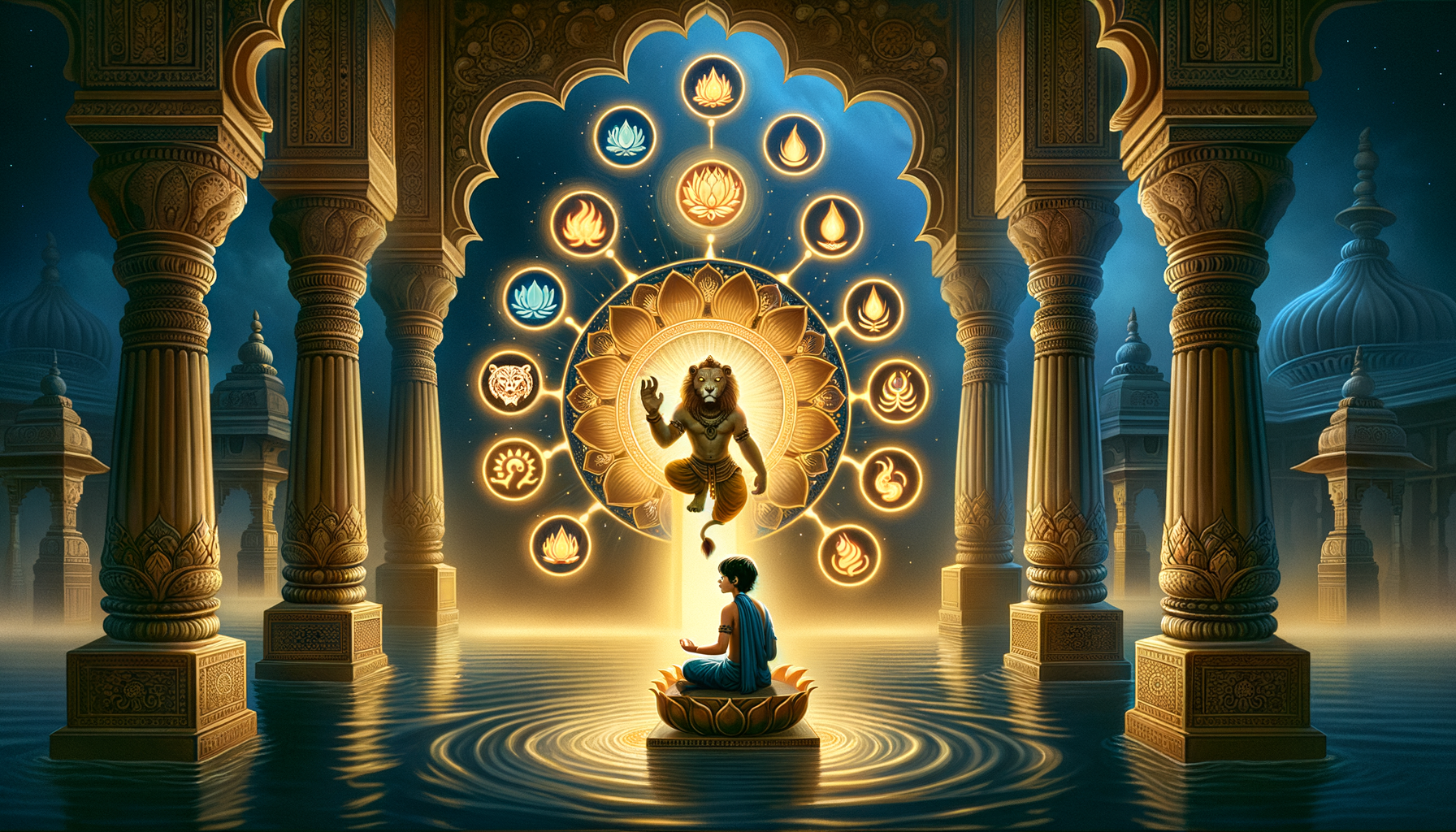
This post explores the Vishnu Purana’s poignant account of Prahlada’s bhakti and Lord Vishnu’s protection against Hiranyakashipu’s eighteen attempts to kill his son. It clarifies the role of sorcery (Kritya), the teachers’ reported death and revival through prayer, and the culminating appearance of Lord Narasimha from the palace pillar. Readers gain clear, readable context for…
-
Vishnu Purana Stories: Timeless Tales of Devotion, Dharma, and Unity in Diversity
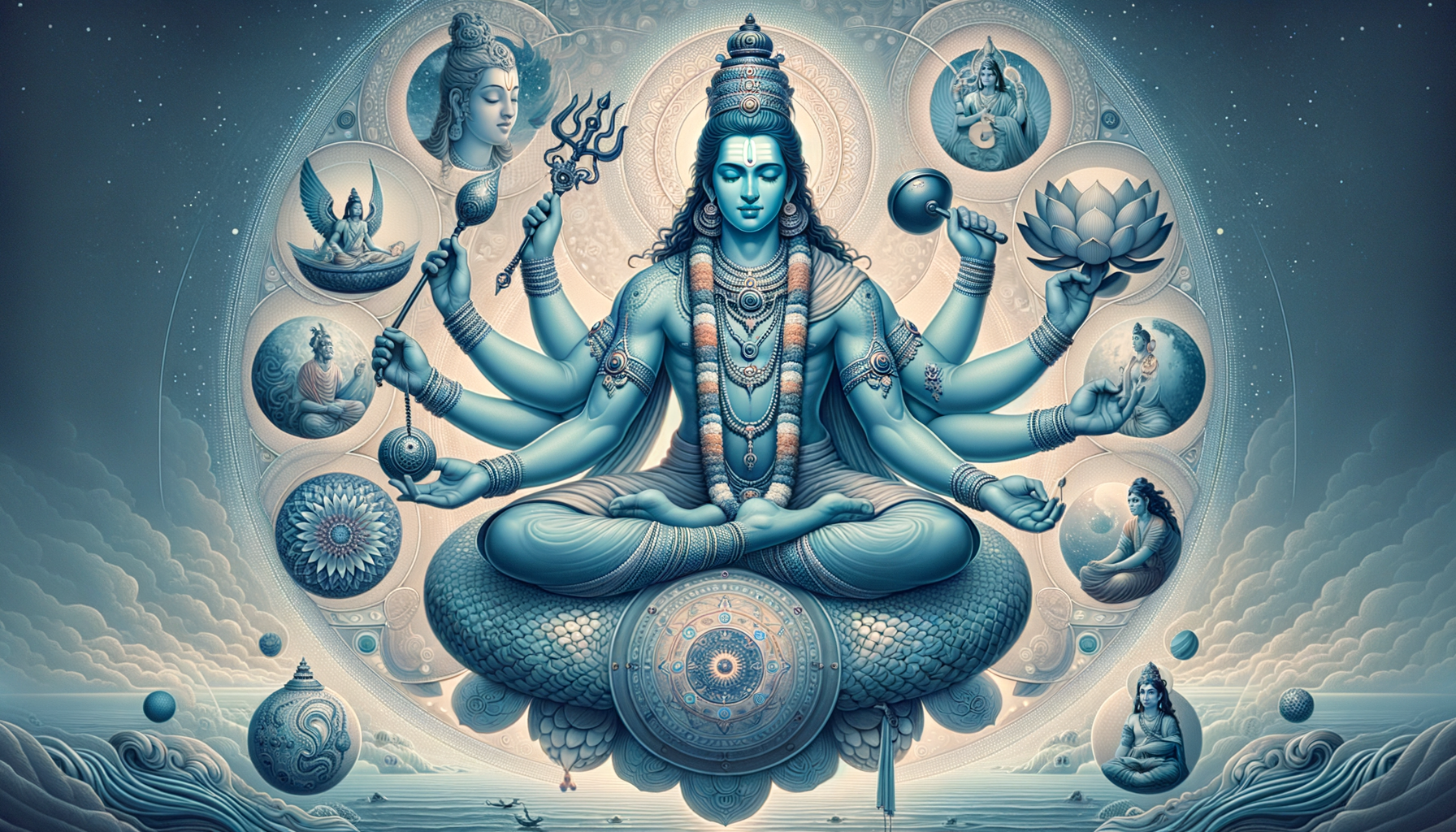
The Vishnu Puranaone of the Eighteen Mahapuranaspresents timeless stories of Lord Vishnu, his avatāras, and exemplary devotees such as Nārada, Prahlāda, Tumburu, and Dhruva. These narratives model steadfast devotion, courage, and disciplined practice while offering practical ethical guidance for daily life. Read within the broader Hindu ethos, the text honors multiple valid paths to the…
-
Gau Mata Mahatmyam: Sacred Cow’s Grace, Vastu Harmony, and Dharmic Unity Explained
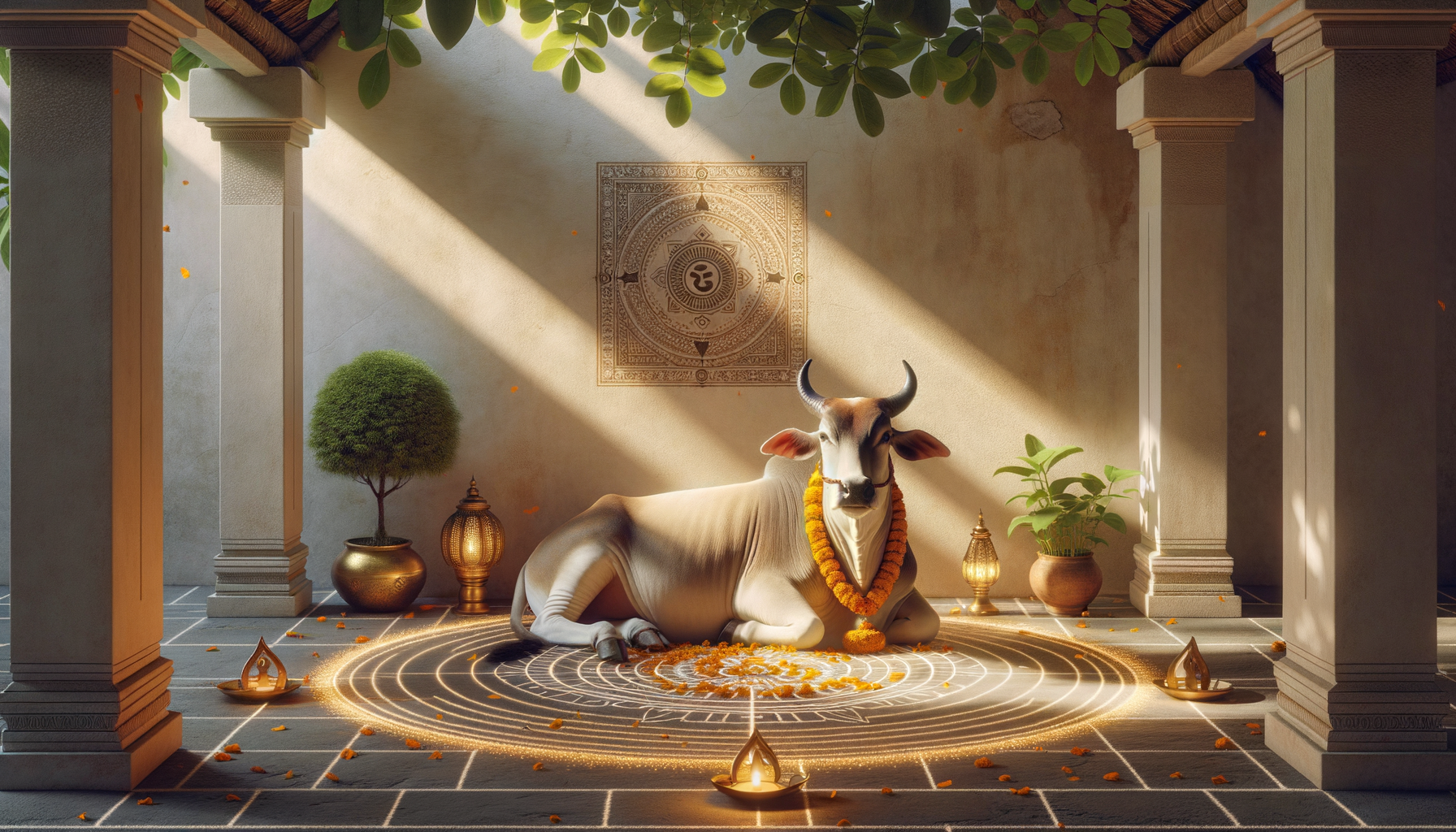
Gau Mata Mahatmyam frames the sacred cow as a symbol of harmony, abundance, and ethical living within Hindu Beliefs and Vedic culture. The excerpt’s claimslinking Gau Krupa to Vastu balance, associating divinity with the cow, and evoking auspicious joyare best read as symbolic affirmations of serenity and care. This understanding integrates spirituality with agrarian sustainability,…
-
18 Miracles of Protection: How Vishnu Saved Prahlada from Hiranyakashipu in the Vishnu Purana
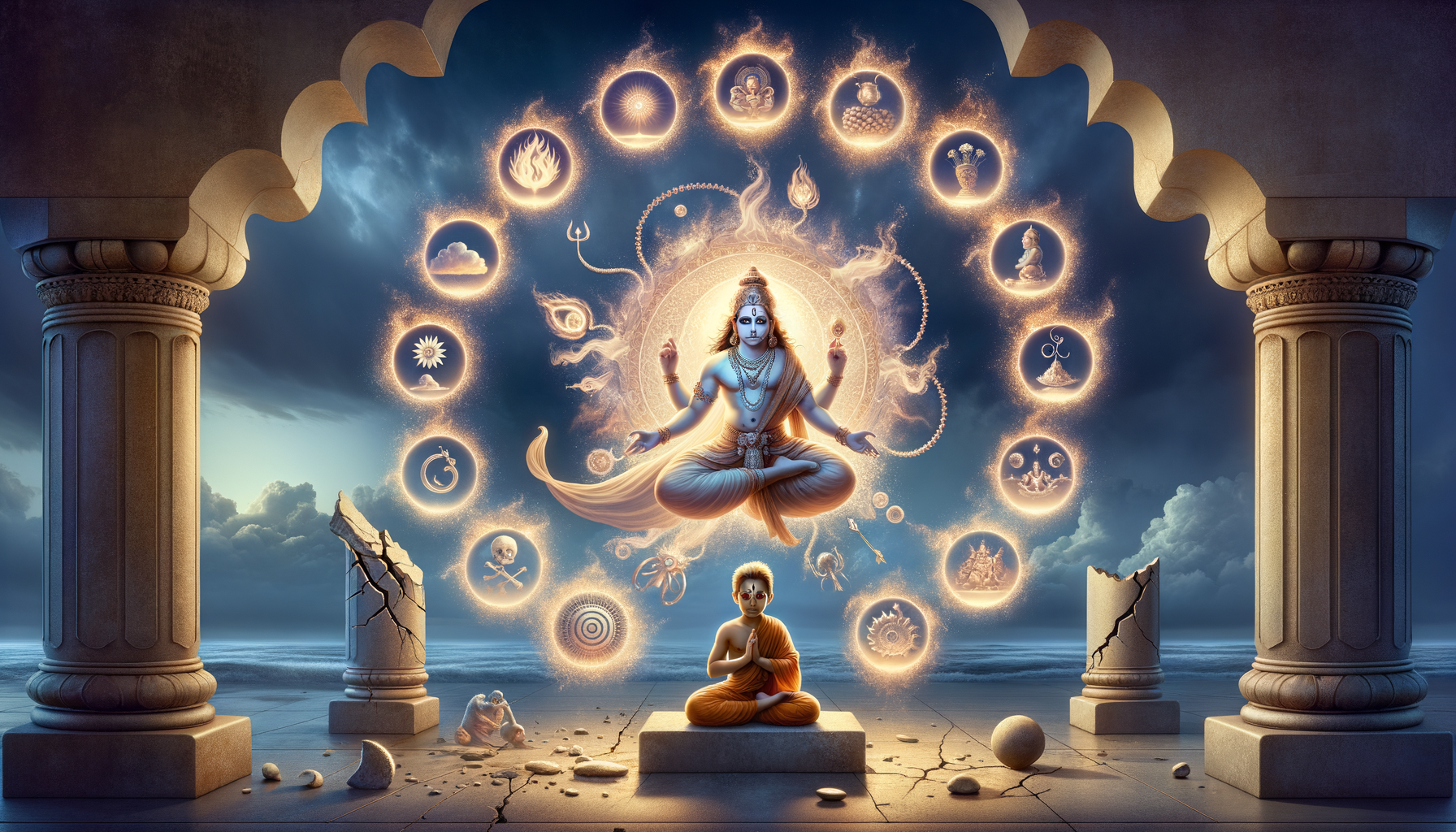
This retelling of Prahlada’s ordeal in the Vishnu Purana explains how Lord Vishnu protected a steadfast devotee through eighteen failed attempts by Hiranyakashipu, culminating in the Narasimha avatar’s righteous intervention. Readers gain a clear, accessible summary of the episode’s structure and ethical implications for dharma and bhakti. The narrative is positioned within a broader dharmic…
-
Timeless Wisdom of Vishnu Purana: Avatars, Devotees, and Dharma for Modern Life
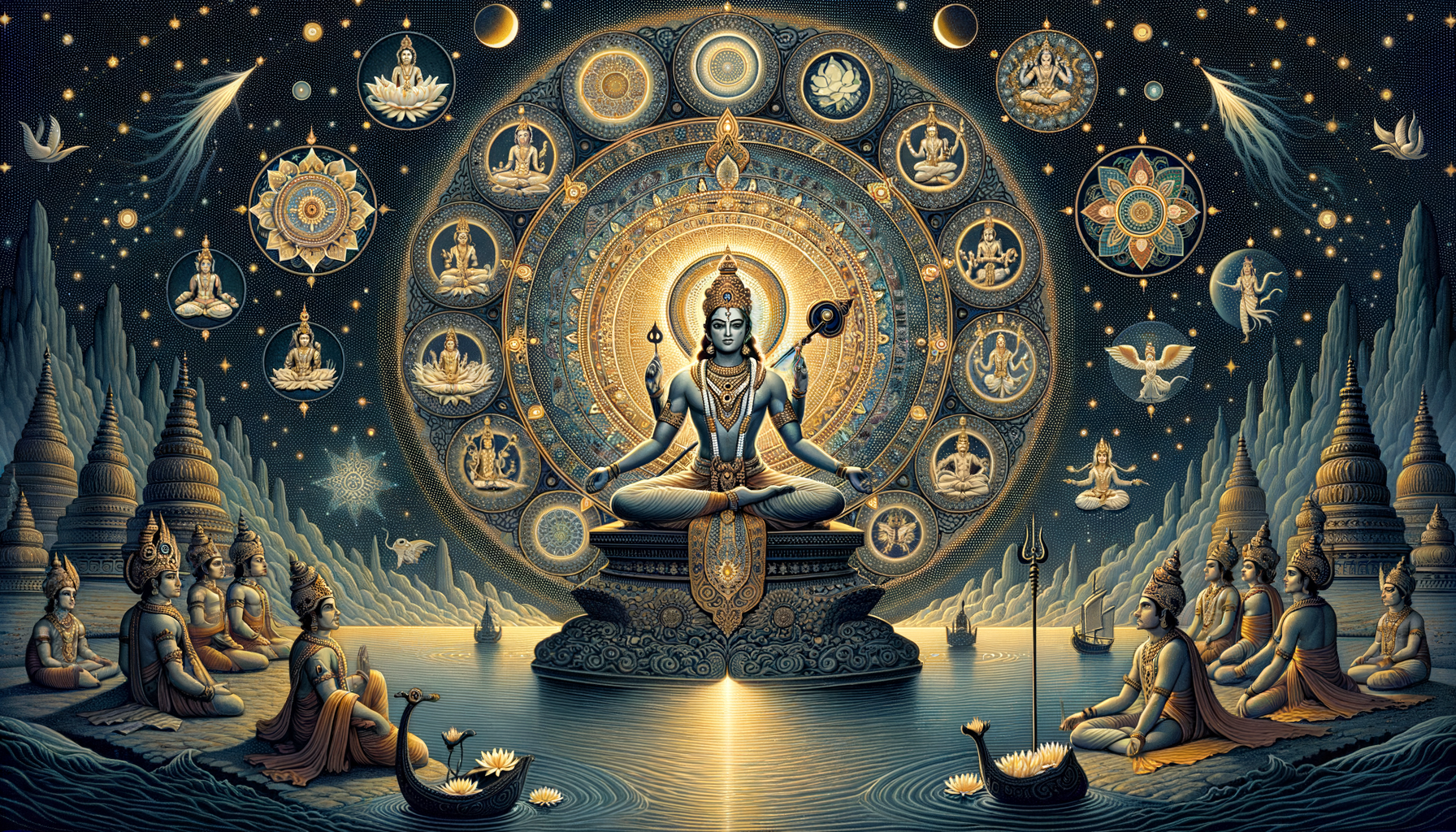
The Vishnu Puranaone of the Eighteen Mahapuranaspresents Lord Vishnu’s sustaining role while illuminating dharma, devotion, and ethical living. Its compelling narratives of Narada, Prahalada, Dhruva, and Thumburu demonstrate how courage, focused practice, compassionate speech, and sacred artistry shape character. Organized into six sections and rooted in the Puranic tradition, the text integrates theology with practical…
-
From Deer to Owl: Unraveling the Powerful Animal Symbols of Goddess Lakshmi

This essay explores how animals and birdsespecially elephants, the owl (Ulooka), the deer, and cattleshape the evolving iconography of Goddess Lakshmi. It highlights Gaja-Lakshmi as a classical symbol of rain-blessed abundance and royal order, and explains the owl’s regional prominence in eastern India as a guide to vigilant, ethical prosperity. It interprets the deer as…
-
SB 3.20.3 with Nagaraja dasa: Timeless Wisdom from Maitreya–Vidura at ISKCON Alachua (2025)

Delivered at the Hare Krishna temple in Alachua on October 31, 2025, this class by Nagaraja dasa explores Srimad-Bhagavatam 3.20.3 as a model for disciplined, compassionate inquiry. It clarifies how the Maitreya–Vidura dialogue blends rigorous reasoning with devotional insight, guiding seekers to approach scripture with humility and purpose. The session draws meaningful bridges across dharmic…
-
When Intention Becomes Offering: A South Indian brahmana’s Vision and Krishna’s Grace

A timeless episode from the Brahma-vaivarta Purana tells of a South Indian brahmana who, unable to afford ingredients, offers khir to Krishna through deep meditation. His sincere intention bridges the mental and physical realms, culminating in the Lord’s acceptance and the devotee’s entry to Vaikuntha. Read academically, the narrative illustrates how devotion, meditation, and one-pointed…