-
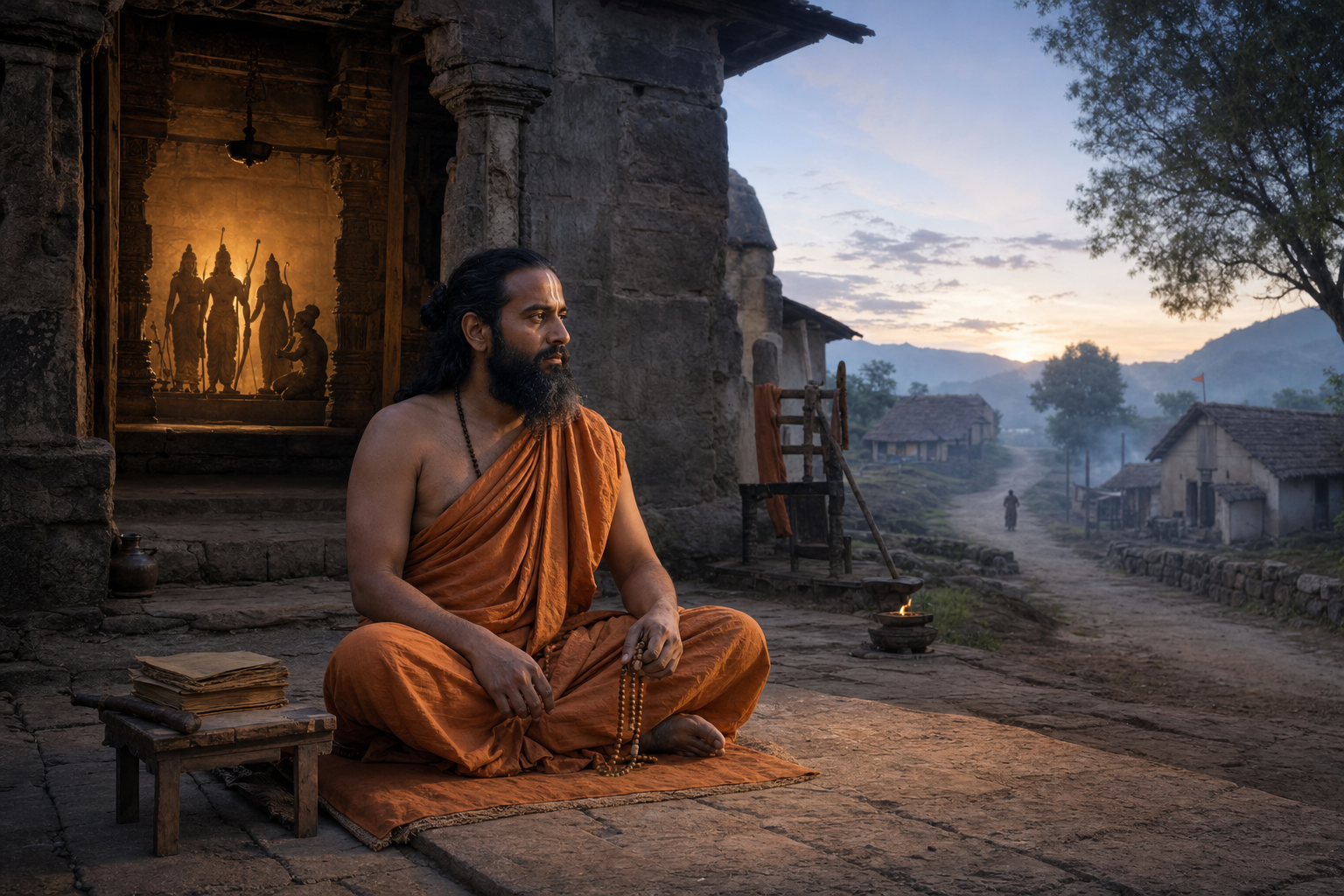
Indrajit’s Final Penance: A Riveting Study of Dharma, Filial Loyalty, and Redemption in Ramayana

This long-form analysis explores Indrajit (Meghanada) as one of the Ramayana’s most complex figuresan invincible warrior confronting a profound dharmic dilemma between filial loyalty and moral law. Anchored in the Valmiki Ramayana and enriched by regional traditions such as the Krittivasi Ramayana, it explains how the Nikumbhila sanctuaryoften associated with Kaliframes his final yuddha-yajna as…
-
Why Sindoor Adorns Hanuman: Sacred Legend, Protective Power, and Puja Guide

Hanuman murtis are often adorned in orange sindoor to honor a beloved devotional legend that celebrates Hanuman’s boundless bhakti to Sri Rama. While not recorded verbatim in the earliest Ramayana strata, the narrative is deeply rooted in living tradition and expresses theology through iconography and ritual. The red–orange hue signifies energy, courage, tapas, and protective…
-
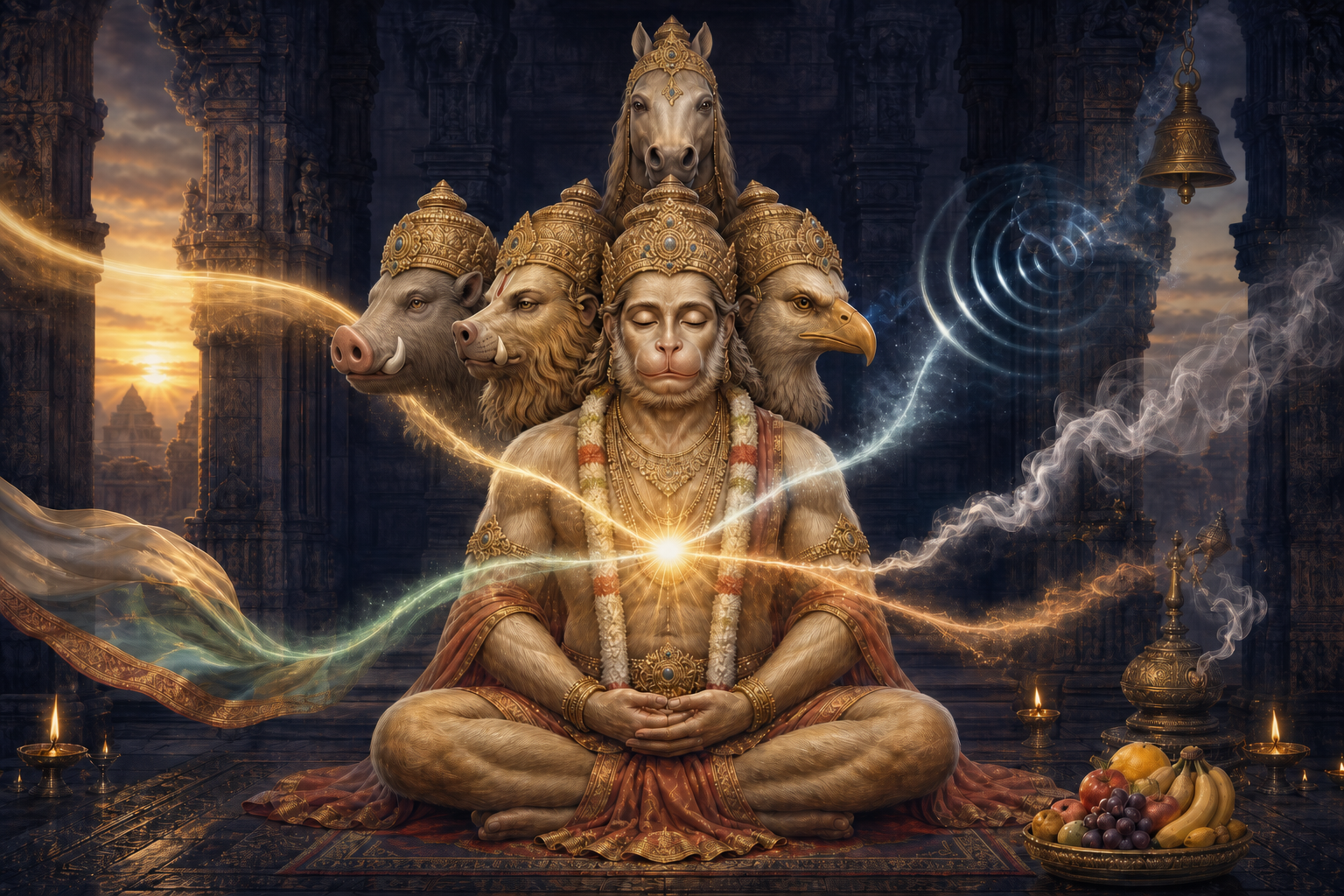
Hanuman Puja Mantras and Stotras: A Definitive, Devotional Guide to Chanting and Ritual

This definitive guide brings together the most respected Hanuman Puja stotras and mantrasHanuman Chalisa, Sankat Mochan Hanuman Ashtak, Hanuman Pancharatnam, moola and extended mantras, the Gayatri, and namavaliexplaining their origins, correct usage, and ideal recitation timings. Readers will find a clear, tradition-aligned home puja outline, practical pronunciation guidance, and culturally sensitive notes on offerings and…
-
Best Days for Hanuman Puja: Auspicious Nakshatras, Tithis, and a Practical Muhurta Blueprint

This in-depth guide presents a practical, evidence-informed blueprint for choosing the best days for Hanuman Puja using Nakshatras, Tithis, and classical Panchanga logic. It explains why Tuesday and Saturday are reliable pillars, how to use the Nanda–Bhadra–Jaya–Rikta–Purna Tithi cycle for devotional timing, and why Pushya Nakshatraespecially noted in Chaitra Monthis universally auspicious. It outlines how…
-
Surajkund Hanuman Temple, Mandla: Experience Hanuman’s Three Timeless Forms Revealed Daily

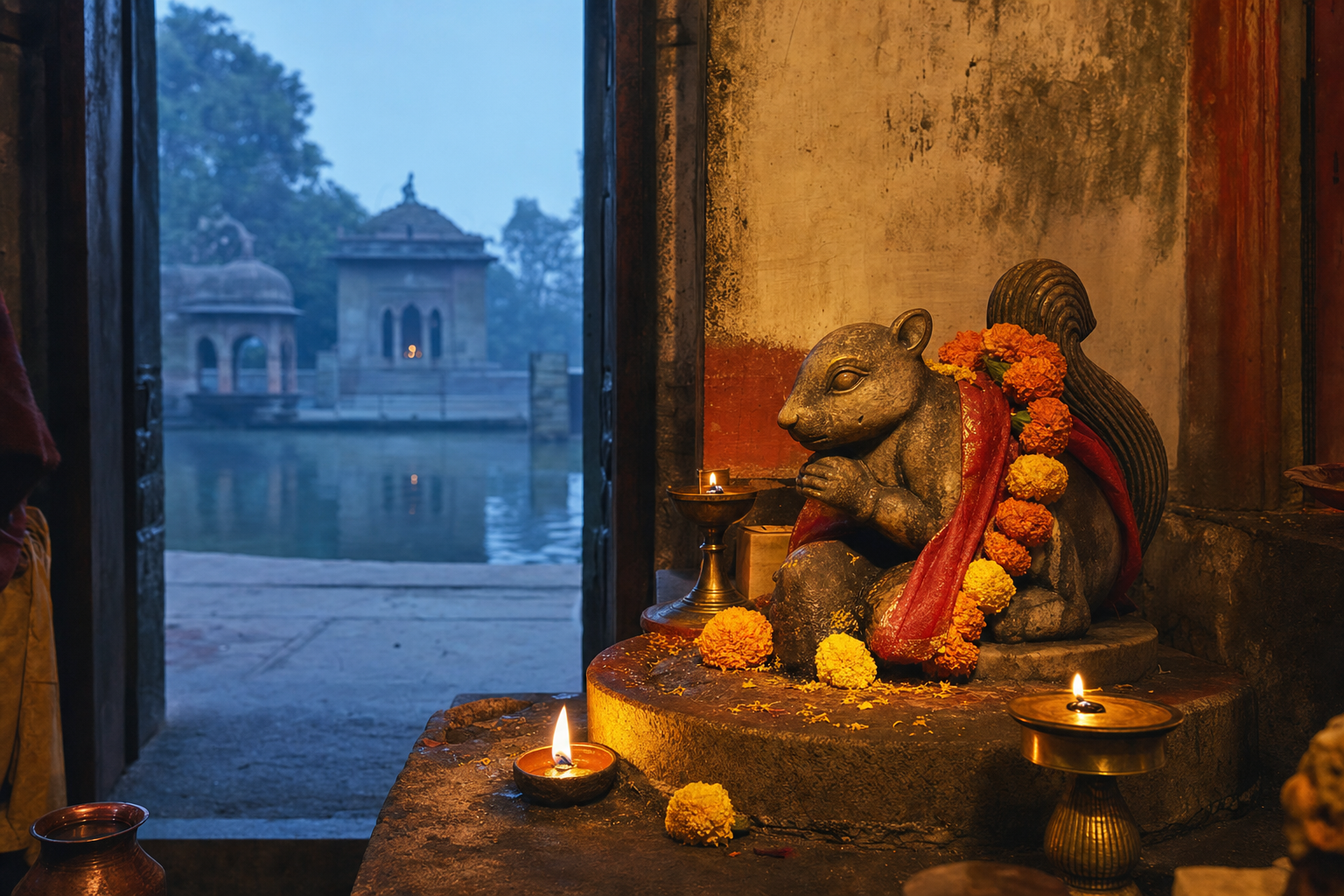
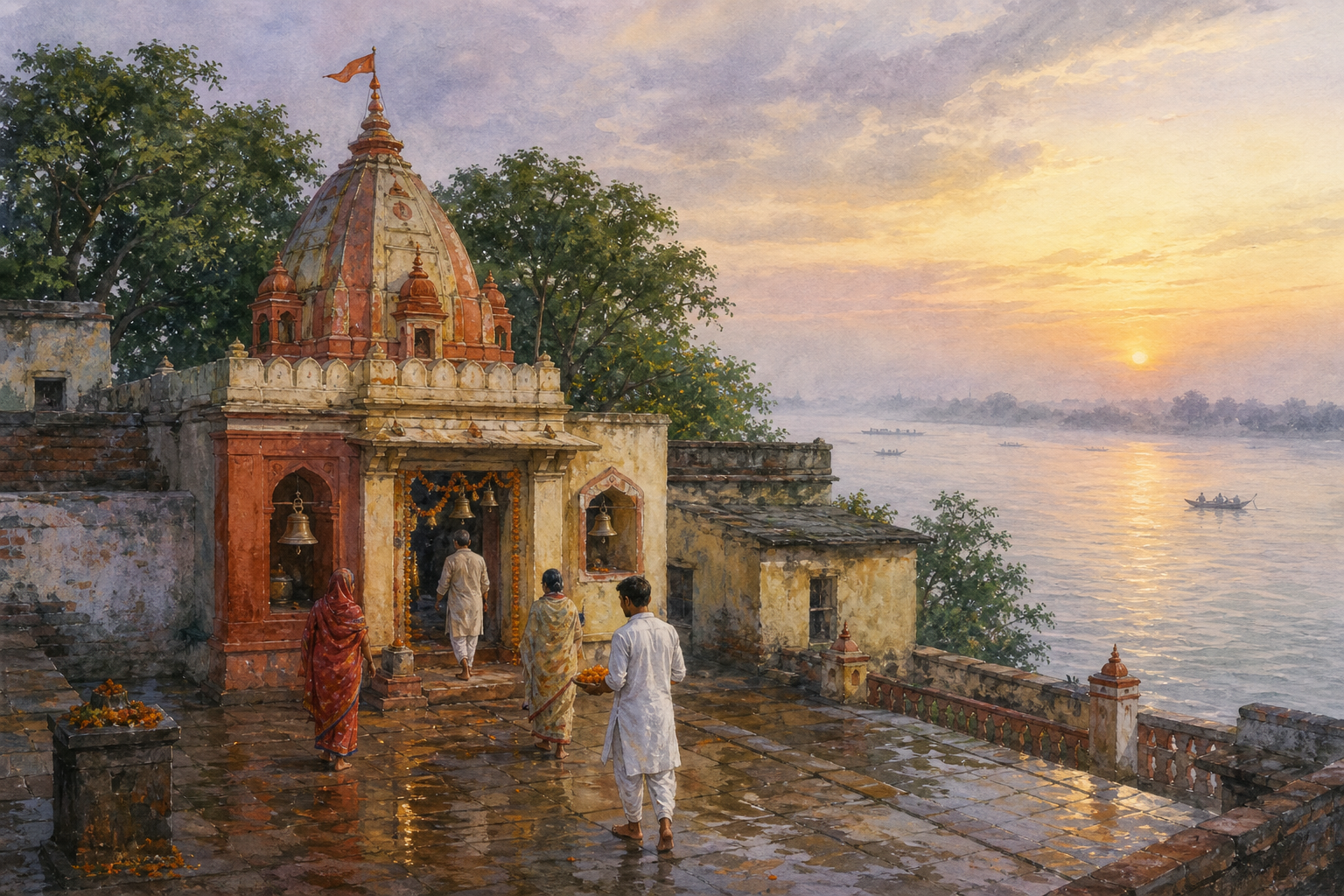
Surajkund Hanuman Temple in Mandla, Madhya Pradesh, is famed for a living tradition in which devotees perceive Hanuman’s murti in three forms across a single dayBala (child), Yuva (youth), and Vriddha (elder). Set near a ritual water body and open sky, the temple’s environment lets sunlight, reflection, and lamp glow shape a uniquely dynamic darshan.…
-
Why Hanuman’s Lanka Infiltration Seemed Impossible: Fortifications, Yogic Science, and Bhakti

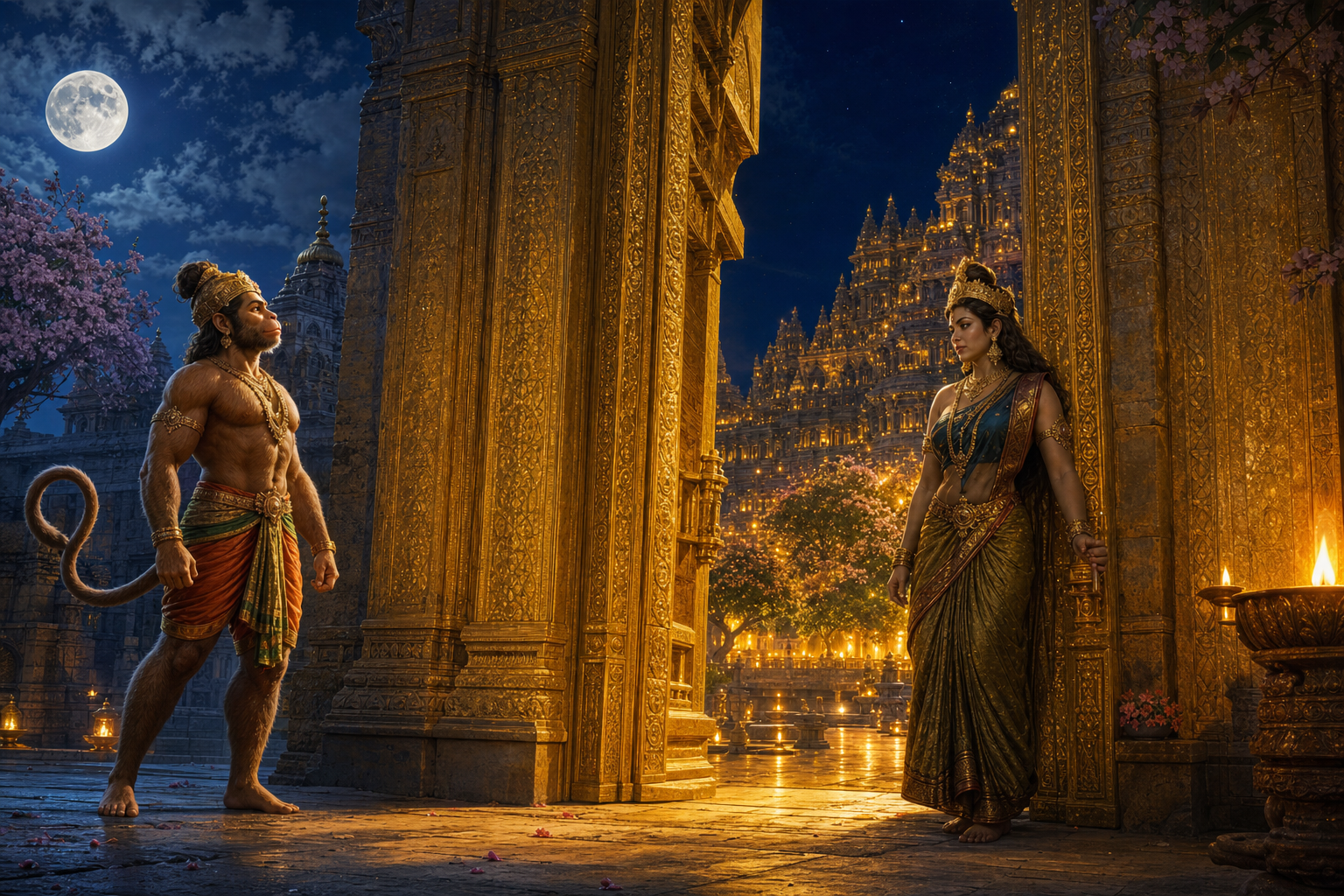
Hanuman’s entry into Lanka in the Sundara Kanda is a tightly orchestrated mission that combined strategic insight, advanced fortifications, yogic mastery, and unflinching bhakti. Lanka’s defensesattributed in origin to Vishwakarma’s design and later fortified by Ravanamade infiltration rather than siege the rational first move. The ocean crossing presents a trilogy of tests (Mainaka, Surasa, Simhika)…
-
Hanuman Jayanti 2026 at Tirumala: Sacred Silk Vastrams for Japali Hanuman & Special Pujas

Hanuman Jayanti will be observed in Tirumala on 12 May 2026 with Tirumala Tirupati Devasthanam (TTD) presenting silk vastrams (Pattu Vastrams) to Sri Japali Hanuman and conducting special pujas to Sri Bedi Anjaneya. The practice of offering silk vastrams is rooted in Vaishnava agamic injunctions, expressing purity, honor, and protection in temple alankara. Pilgrims can…
-
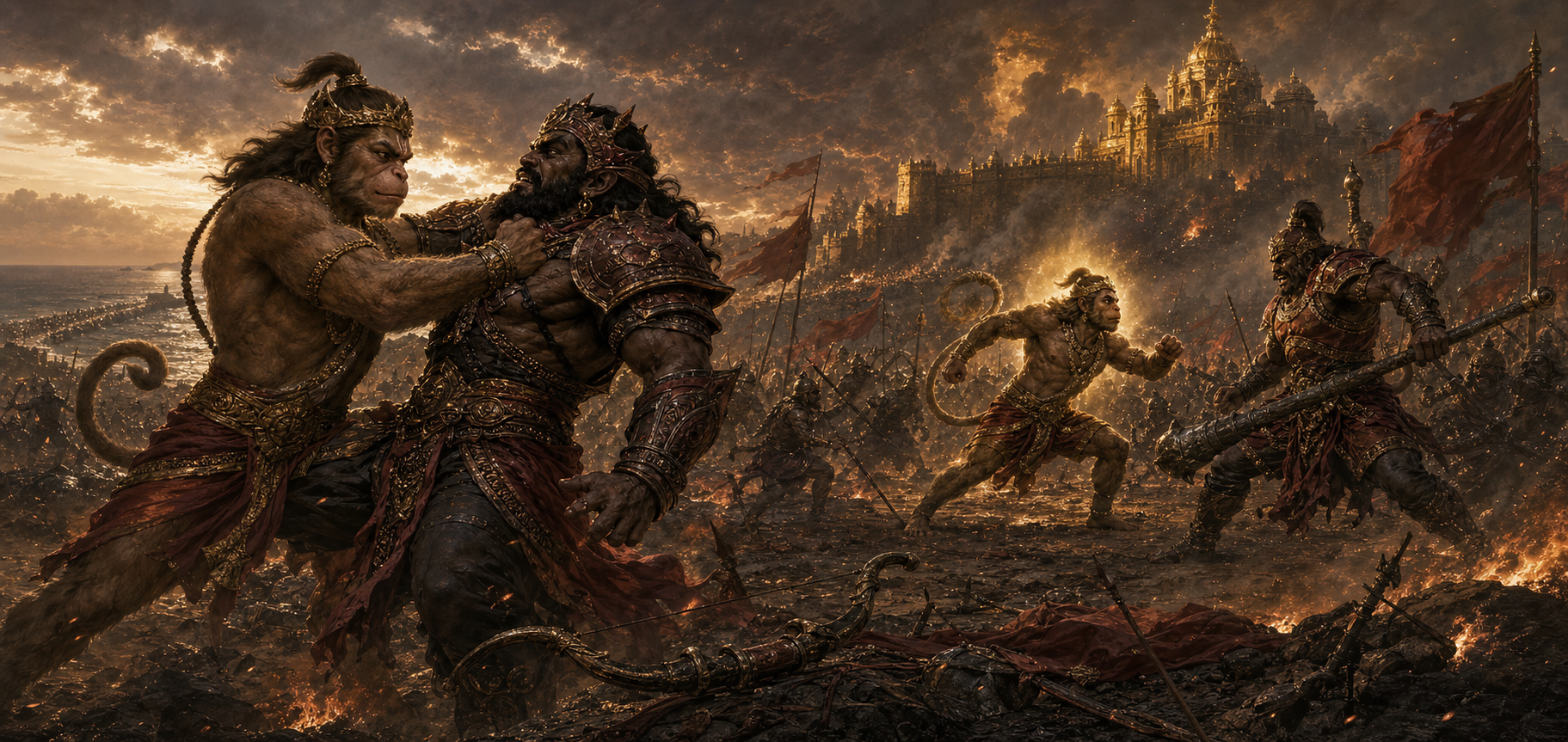
Devantaka’s Fall in the Ramayana: Hanuman’s Decisive Blow Against Ravana’s Mighty Son

Devantaka’s fall in the Yuddha Kanda of the Ramayana captures a decisive moral and strategic lesson: disciplined strength, anchored in dharma, defeats ferocity untethered to ethics. Classical sources consistently pair Devantaka with Narantaka, Trisira, and Mahodara as Lanka’s shock corps, yet it is Hanuman’s single, precisely timed strike that ends Devantaka’s assault. The episode’s symbolism…
-
Colonial-Era Hanuman Idol in Pune Police Custody: Lawful Roadmap to Restore a Sacred Icon

A colonial-era Hanuman idol reportedly held in Pune police custody has revived a vital conversation about heritage law, conservation, and community devotion. This analysis explains the legal pathways for release under the Antiquities and Art Treasures Act, 1972 and the Criminal Procedure Code, with jurisprudence encouraging timely, responsible handovers. It outlines a conservation-first roadmapcondition documentation,…
-
From Valmiki to Tulsidas: Rama’s Journey from Human Ideal to Supreme DivineExplained

This scholarly comparison explains how Valmiki’s Sanskrit Ramayana and Tulsidas’ Awadhi Ramcharitmanas offer complementary visions of Ramaone as Maryada Purushottama, the ethical human exemplar, and the other as the Supreme Divine of the Bhakti Tradition. It situates both texts in their historical and linguistic contexts, clarifying why Sanskrit itihasa and vernacular kirtan-poetics produce different emphases.…
-
Sacred Shields of Dharma: 7 Hindu Protection Symbols to Conquer Bhaya and Adversity

Anxiety, understood in Hindu thought as bhaya, can be transformed through symbols that encode ethics, cosmology, and contemplative method. This long-form guide examines seven Hindu protection symbolsAbhaya Mudra, Trishula, Sudarshana Chakra, Narasimha, Hanuman’s Gada, the Svastika, and Tilaka/Tripundra/Urdhvapundratracing their scriptural grounding, iconographic form, and practical application. Each symbol functions as a performative technology of calm,…
-
Divine Timing vs Desperation: Kumbhakarna’s Forced Awakening and Ravana’s Catastrophic Folly

This essay examines Kumbhakarna’s forced awakening in the Ramayana as a study in divine timing and human impatience. It clarifies the nature of his cyclical sleep, traces textual variants, and situates Ravana’s choice within decision theory and dharma-yuddha ethics. The battlefield narrative is read alongside modern sleep science to show how premature activation degrades performance…
-
Ramayana in Brief: A Powerful, Immersive Summary of Lord Rama’s Epic, Dharma, and Legacy

This academically grounded Ramayana in Brief presents a lucid, kāṇḍa-by-kāṇḍa Summary of Ramayana, highlighting Lord Rama’s ethical leadership, Sita’s steadfastness, Hanuman’s service, and the triumph of dharma. It carefully situates the Valmiki Ramayana within its seven-part structure, notes key textual traditions, and clarifies how themes like maryada, rajadharma, and dharma-yuddha shape the story. Readers gain…
-
Indrajit’s Invisible Fury: Astras, Ethics, and Strategy on Day Two of the Lanka War

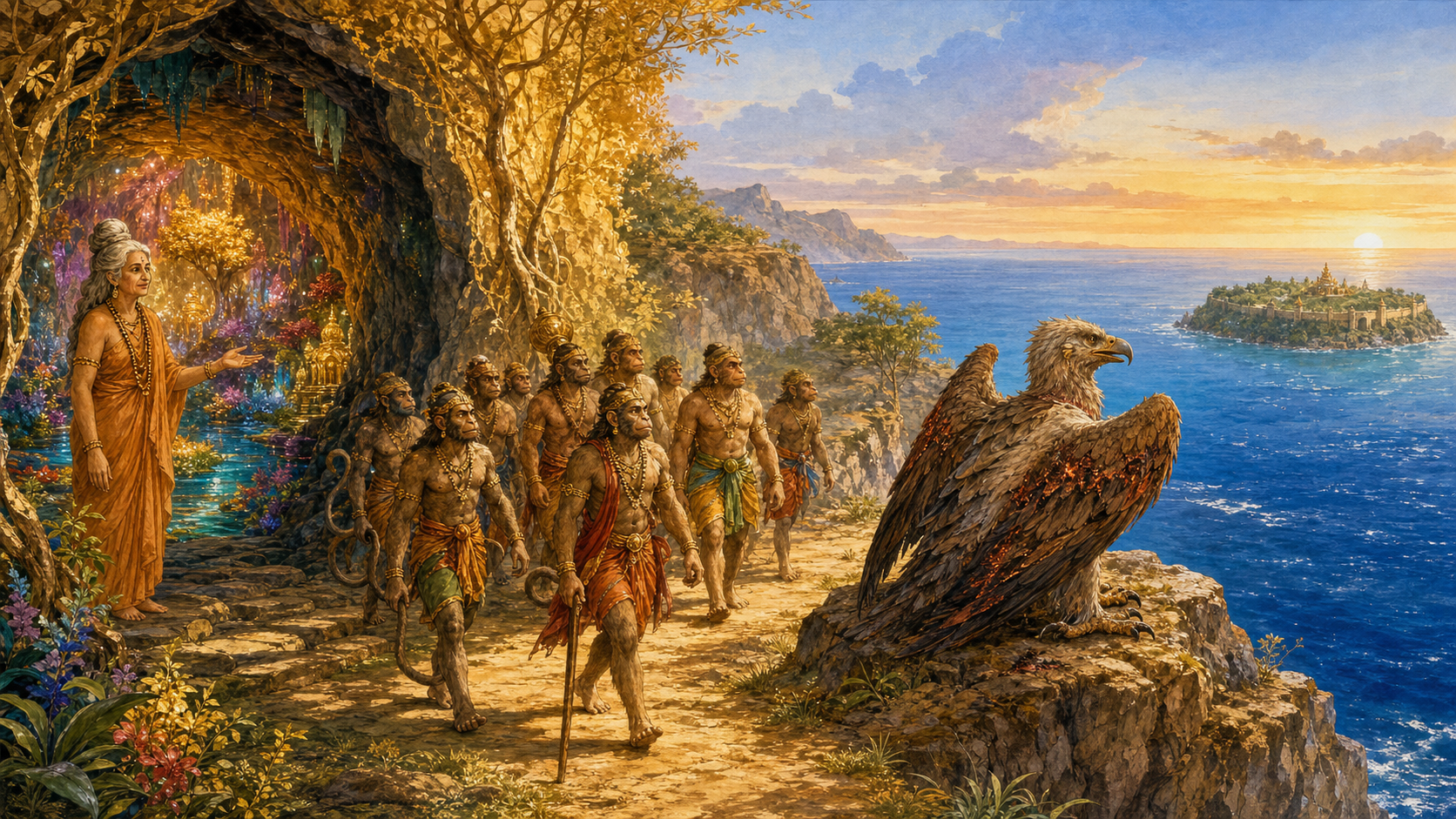
Day two of the Lanka war showcases Indrajit’s mastery of maya-yuddha and astras, culminating in the Naga-pasha binding of Rama and Lakshmana. The narrative explains how divine weapons operate within a rigorous ethical code, illustrating the Ramayana’s union of strategy, spirituality, and restraint. Garuda’s arrival provides the precise counter to serpent energies, reaffirming dharma’s corrective…
-
Ramayana in Brief: A Powerful, Immersive Summary of Lord Rama’s Epic, Dharma, and Legacy

This academically grounded Ramayana in Brief presents a lucid, kāṇḍa-by-kāṇḍa Summary of Ramayana, highlighting Lord Rama’s ethical leadership, Sita’s steadfastness, Hanuman’s service, and the triumph of dharma. It carefully situates the Valmiki Ramayana within its seven-part structure, notes key textual traditions, and clarifies how themes like maryada, rajadharma, and dharma-yuddha shape the story. Readers gain…
-
Divine Birth of the Vanaras: Devas Forge Rama’s Celestial Warriors for Dharma-Yuddha

This in-depth exploration of the Ramayana’s Vanara creation explains why Brahma commanded the devas to generate heroic allies for Sri Rama and how this act upheld dharma within cosmic law. Readers learn the widely attested genealogies of key VanarasHanuman (Vayu), Vali (Indra), Sugriva (Surya), Nala (Vishwakarma), Nila (Agni), Mainda and Dvivida (Ashvins), and Jambavan (Brahma)and…
-
Ashes of Lanka: Subaltern Ramayana Insights on Dharma, Civilians, and War Ethics

This essay reframes the burning of Lanka in Sundara Kanda through a subaltern, ethically rigorous lens that centers the ordinary people of the golden city. It retains reverence for Hanuman’s strategic brilliance and Sri Rama’s cause while probing the moral costs of urban fire on artisans, traders, elders, and children. Drawing on Dharmayuddha norms and…
-
Sita’s Sacred Resolve: Why Only Rama Could Rescue Herand What It Teaches About Dharma

Why did Sita insist that only Rama rescue her, even when Hanuman could have carried her to safety? This long-form analysis of Sundara Kanda shows how her decision unites maryada, kshatra-dharma, reputation, and tactical prudence into a single, coherent ethic. Drawing on Valmiki Ramayana and key regional traditions, it explains why justice in the Ramayana…
-
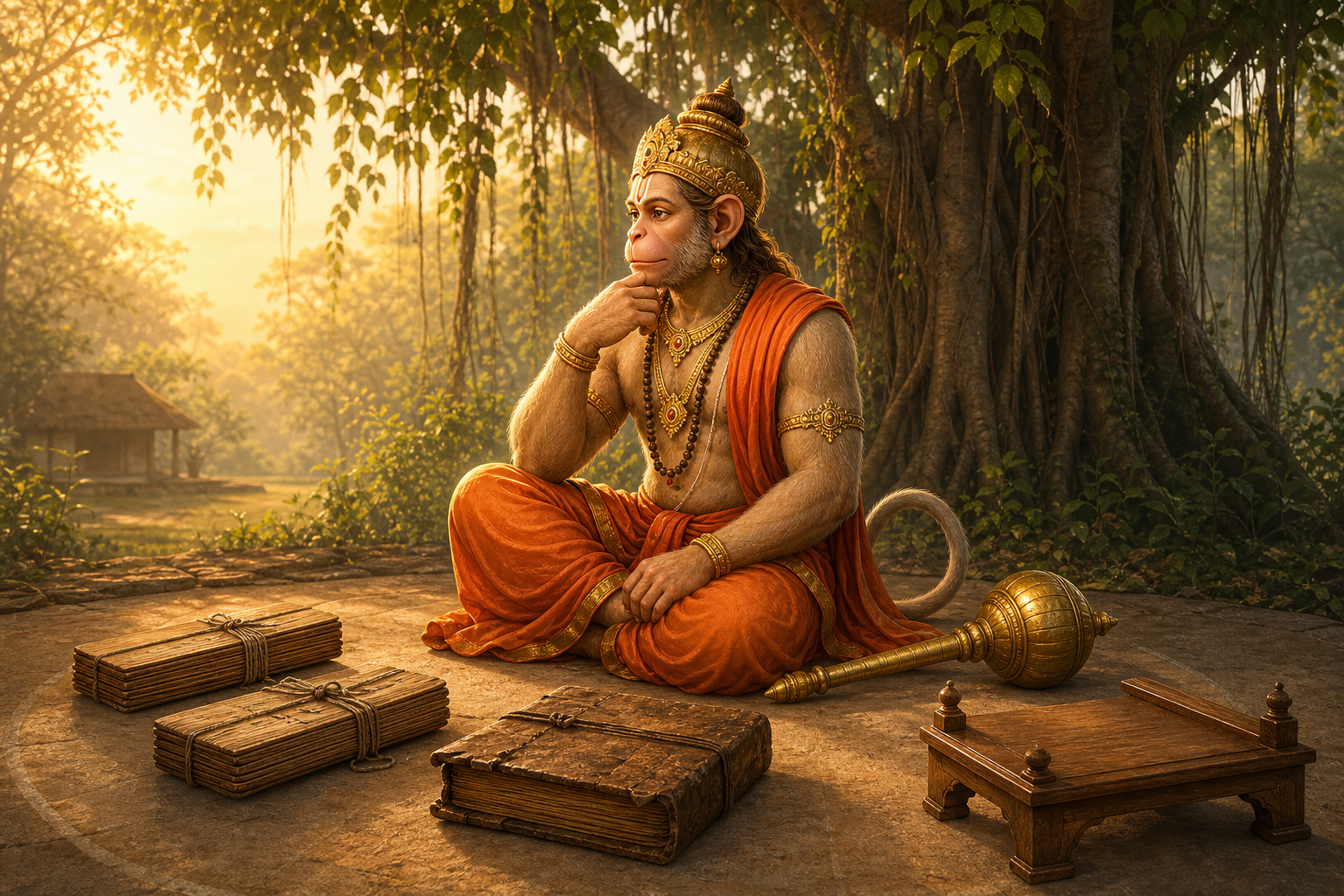
Hanuman’s Humility in Ashoka Vatika: Assamese Ramayana’s Powerful Lesson on Dharma and Consent

The Assamese Ramayana preserves a compelling motif of Hanuman pausing in Ashoka Vatika to seek permission before tasting its fruit, transforming a moment of reconnaissance into a study in dharma. Framed within Sundara Kanda, the episode fuses courage with humility, presenting consent as a devotional discipline rather than a legal formality. The emphasis aligns with…