
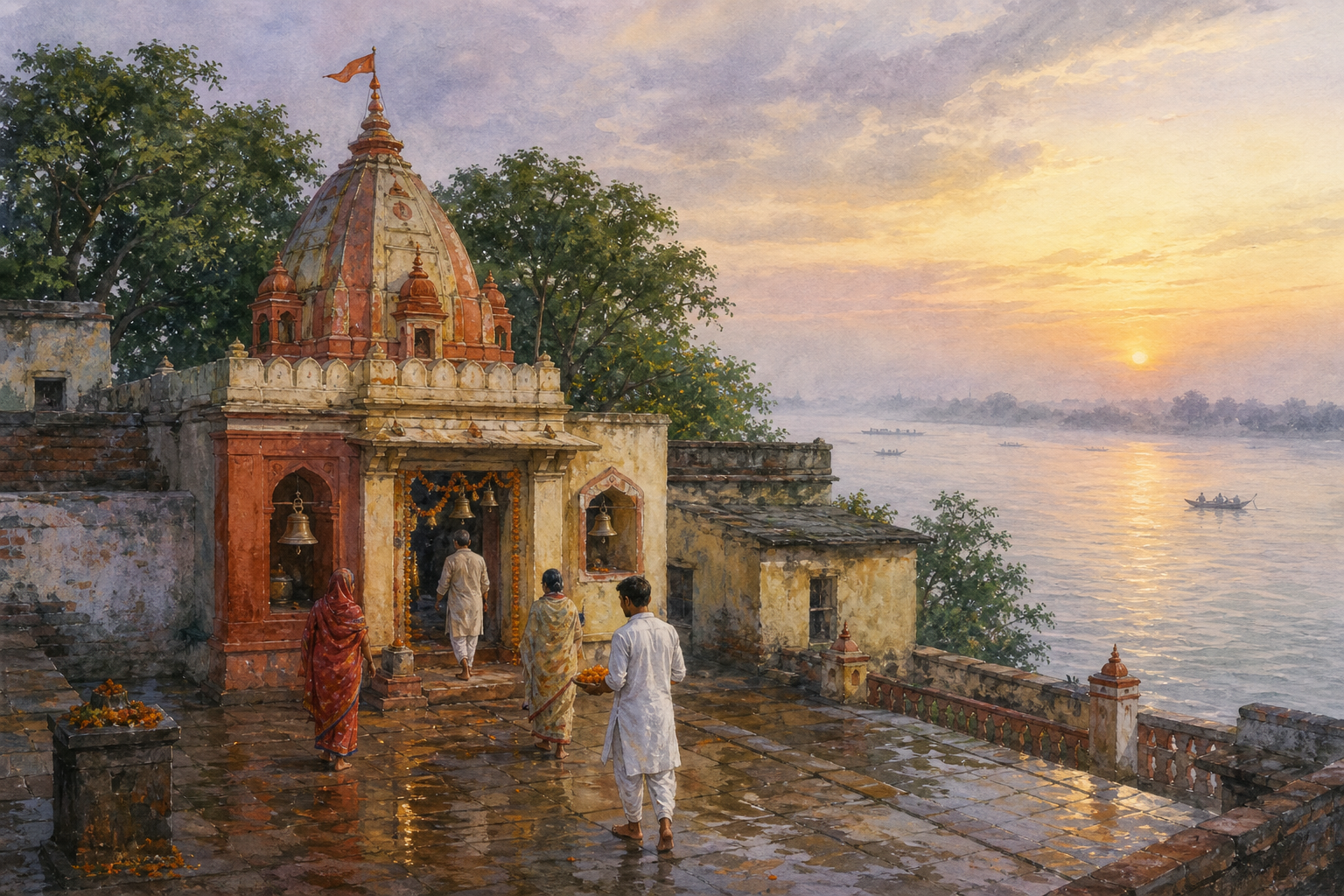
If you are deciding whether Lete Hanuman Ji Mandir belongs in your Prayagraj pilgrimage, its unusual murti is only the beginning of the answer. The temple brings together Hanuman’s reclining form, a living tradition of seva and renewal, and a riverside setting that changes with the monsoon.
You will understand this heritage more clearly if you keep three things distinct: what can be seen, what devotees have preserved through local memory, and what has not been firmly established by archival evidence. That distinction protects the temple from careless claims while allowing its devotional meaning to speak in full.
Key takeaways before you go
- The central murti is approximately 20 feet long and depicts Hanuman reclining rather than standing or seated in meditation.
- Local tradition interprets the posture as restorative repose after Hanuman’s seva to Sri Rama. Receive this as inherited sacred memory, not as a securely dated historical event.
- During the monsoon, rising Ganga waters may partially cover the murti and alter access. Never assume that ordinary darshan arrangements will remain in place.
- Early mornings generally suit visitors seeking quiet contemplation. Tuesdays and Saturdays tend to bring larger crowds and a more intense collective devotional atmosphere.
- Follow temple instructions, ask before taking photographs, and leave enough time for darshan without obstructing the movement of other devotees.
The reclining murti changes how you encounter Hanuman
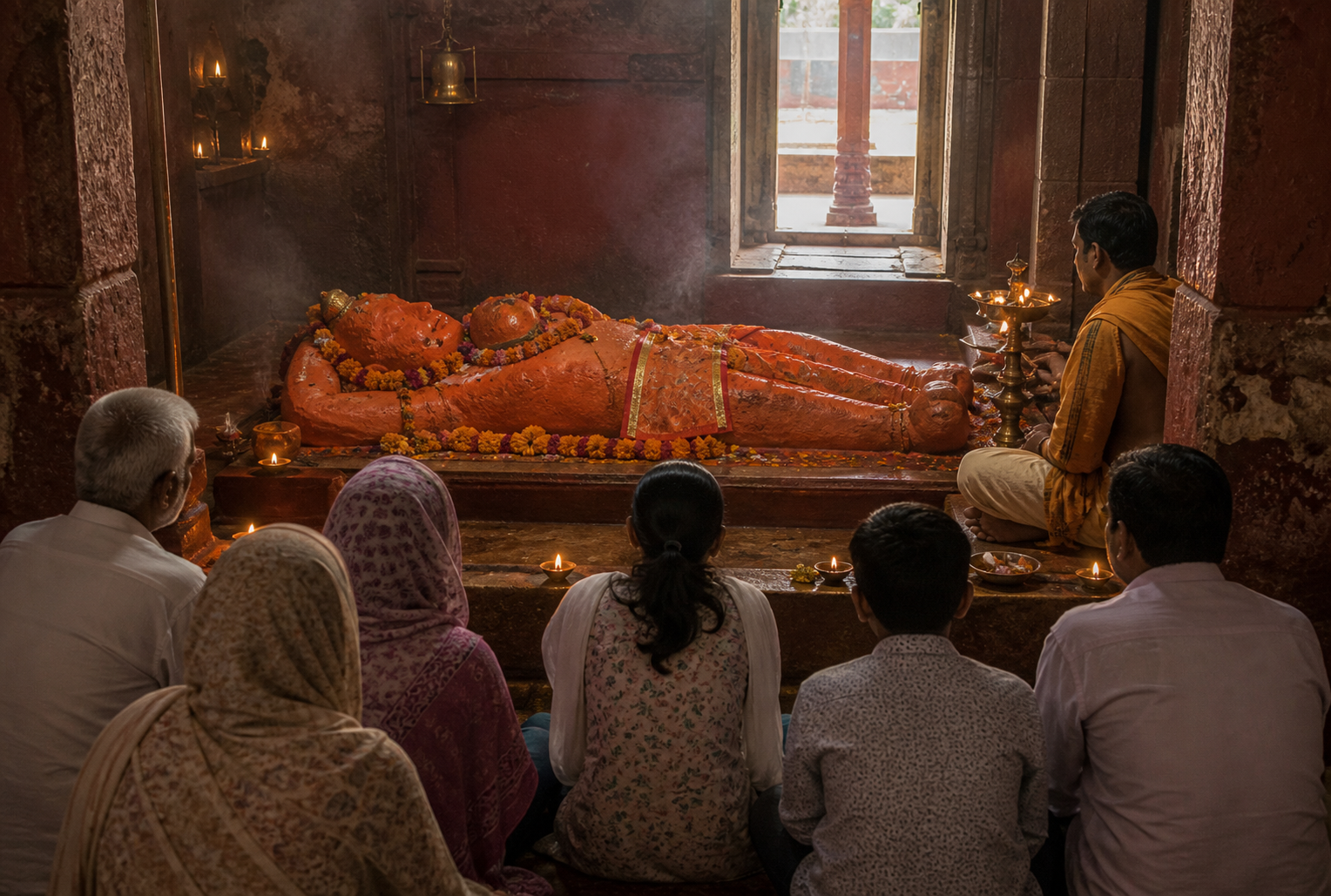
Most familiar images of Hanuman emphasize readiness: he stands in strength, kneels before Sri Rama, sits in disciplined attention, or moves with purposeful energy. At Lete Hanuman Ji Mandir, the approximately 20-foot reclining murti asks you to encounter the same strength in repose.
The difference is not merely iconographic. A standing figure can be grasped in a quick glance. A body extending along the sanctum makes your gaze travel slowly from one end to the other. The physical arrangement encourages a less hurried darshan, and that change of pace is part of the temple’s value. If you enter only to capture the unusual posture on a phone, you may record the feature while missing the experience it creates.
Local memory connects the reclining form with Hanuman resting after completing great acts of service for Sri Rama. The most useful way to approach that tradition is not to treat rest as the opposite of duty. Hanuman’s repose can be read as renewal after duty: strength has been spent in seva, and stillness restores the servant for whatever dharma requires next.
That reading gives you a concrete focus for prayer. Before asking for an outcome, consider the duty you are already carrying. Is your effort disciplined, or merely restless? Are you recovering so that you can return to service, or withdrawing from responsibility? The reclining Hanuman does not make exhaustion sacred by itself. The posture places rest within a larger rhythm of devotion, courage, action, humility, and return.
The ethical vocabulary also gives Dharmic visitors a careful point of connection. Hindus, Buddhists, Jains, and Sikhs do not hold identical theologies, and the differences should not be erased. Yet disciplined service, compassion, humility, courage, and mastery of the self are intelligible across these traditions. If you are explaining the temple to someone from another Dharmic path, begin with those shared ethical concerns while remaining clear that Hanuman and the temple belong to a specifically Hindu sacred world.
The Ganga is not background scenery
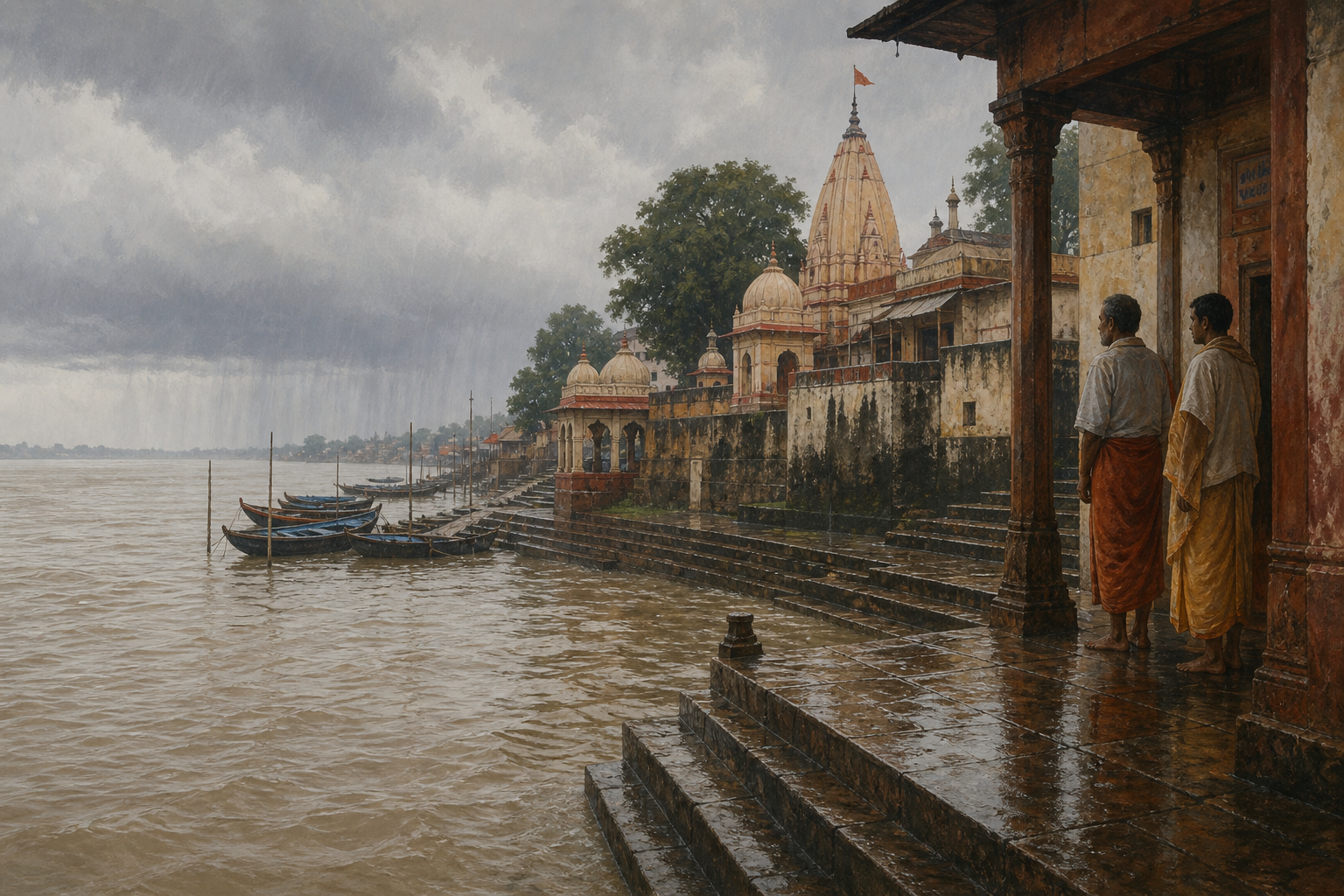
The temple’s riverside location is not a decorative setting around an otherwise self-contained monument. During the monsoon, rising water periodically reaches and partially submerges the reclining murti. Many devotees regard the Ganga’s seasonal arrival as auspicious, and the recurring encounter has become part of the shrine’s living identity.
This matters when you think about heritage. A museum object is usually protected from changes in weather, water, and ritual use. Lete Hanuman Ji Mandir is understood through a different relationship: murti, river, monsoon, darshan, local memory, and temple practice continually meet. The heritage therefore resides not only in the physical form of Hanuman but also in the repeated seasonal pattern through which devotees encounter him.
The monsoon phenomenon should not be turned into a spectacle to be pursued at any cost. Water that deepens the devotional symbolism can also change walking conditions, crowd movement, and access to the sanctum. Temple management may restrict entry or adjust darshan arrangements as the river rises. A closed route is a safety instruction, not an obstacle to outsmart for a better photograph.
If you visit when the water is high, notice how the temple community responds rather than looking only for the most dramatic view. Changes in queues, controlled movement, waiting, and collective patience show how a living shrine adapts without surrendering its sacred purpose. If the murti cannot be approached in the ordinary way, accept the darshan that conditions permit.
This seasonal relationship also corrects a common misunderstanding about preservation. Heritage does not always mean freezing a place into one ideal appearance. At Lete Hanuman Ji Mandir, change itself is part of the continuity: the water rises, access shifts, the river recedes, and worship continues.
Separate visible heritage from inherited memory
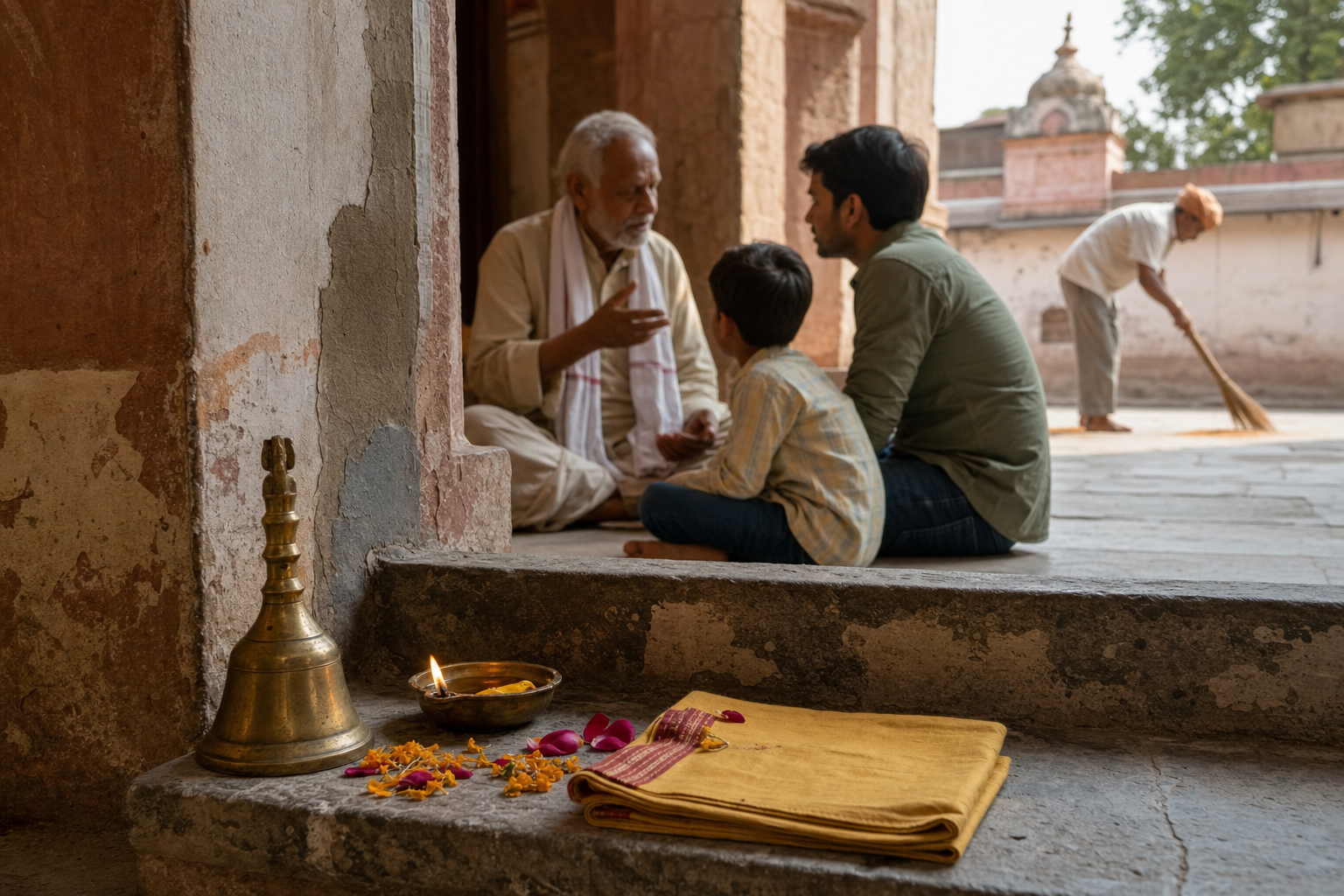
A responsible account of the temple begins with what a visitor can verify directly. The murti is reclining, unusually large, and arranged along the sanctum. The shrine stands within Prayagraj’s sacred riverside landscape, and its ritual life responds to the monsoon. These features do not require an embellished origin story to be significant.
The next layer is living tradition. Devotees associate the posture with Hanuman’s rest after profound service to Sri Rama. That tradition explains how the community receives the image and what spiritual meaning it draws from the form. It deserves respect as oral and devotional memory, but respect does not require relabelling it as a dated archival record.
The final layer is unresolved chronology. A firm founding date and a securely documented early history are not established in the publicly available account used here. You should therefore be cautious with confident claims about a particular century, ruler, artisan, or precise Ramayana episode unless you have a reliable record in front of you. Repetition on travel pages or social media does not turn an unsupported date into history.
This restraint does not diminish the mandir. A living temple can carry substantial cultural heritage through sustained worship, distinctive sacred form, landscape, oral memory, and recurring community practice even when its earliest date remains uncertain. In fact, saying exactly what is known makes the genuine heritage easier to defend.
If you are describing the temple to family, students, or an online audience, use wording such as this: Lete Hanuman Ji Mandir in Prayagraj enshrines an approximately 20-foot reclining Hanuman. Local tradition understands the posture as rest after seva to Sri Rama, while the temple’s firm archival date remains uncertain. During the monsoon, rising Ganga waters may partially cover the murti and affect access.
That short description preserves all three layers. It identifies the visible form, labels tradition as tradition, and acknowledges the limit of present historical certainty. It also leaves room for future archival work without asking the reader to accept an invented pedigree.
Plan around the kind of darshan you want
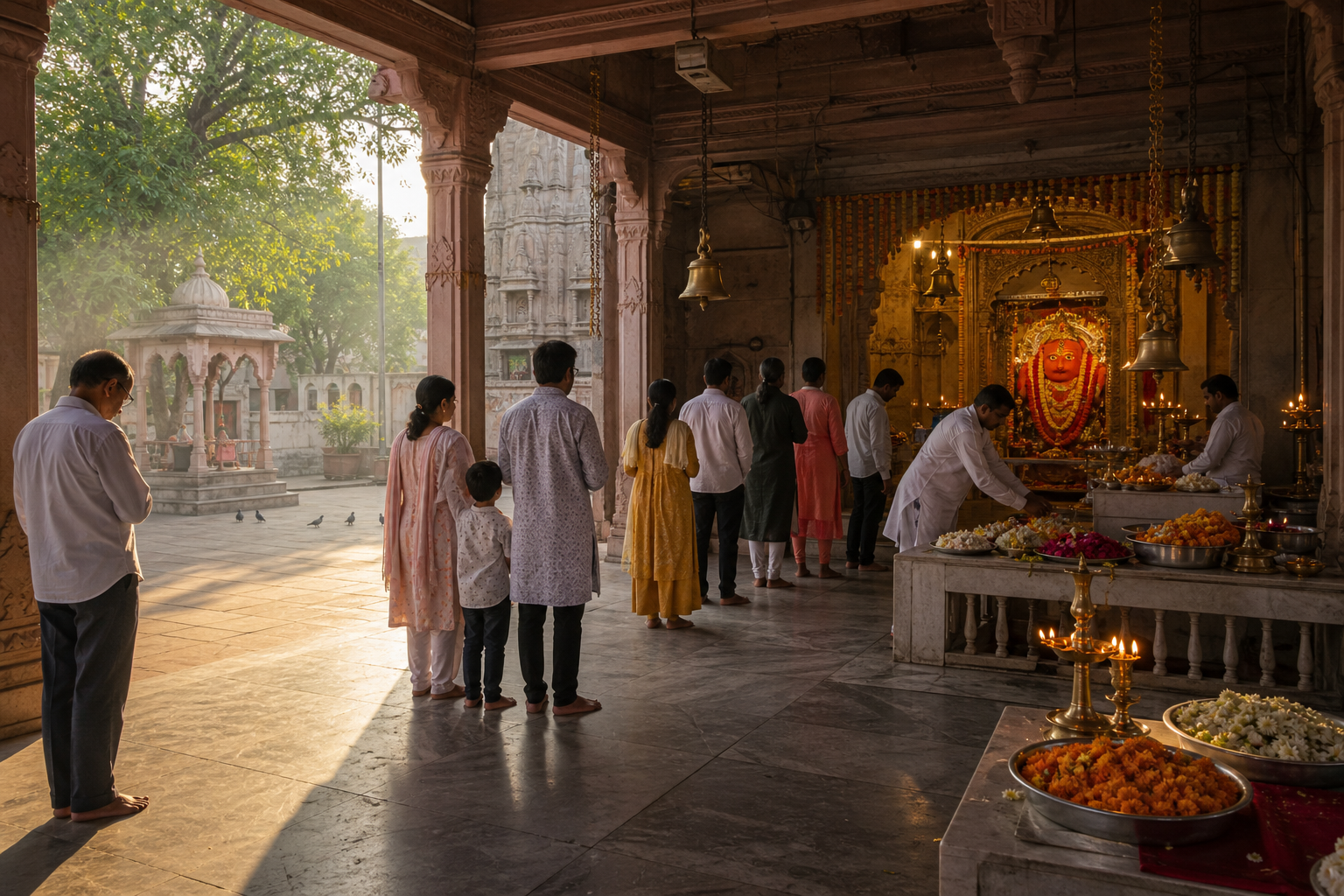
The best time for you depends on whether you want quiet attention or the energy of a major devotional day. Do not treat crowd avoidance as the only measure of a worthwhile visit. A calm morning and a busy Tuesday offer different forms of encounter, and each asks for different preparation.
- Choose your atmosphere. Arrive early if you want enough quiet to observe the reclining form without feeling pressed to move immediately. Choose Tuesday or Saturday if collective Hanuman devotion matters more to you than a shorter queue, but expect larger crowds.
- Check monsoon conditions before leaving. When the river is rising, verify current access locally rather than relying on an old itinerary or photograph. Keep the rest of your Prayagraj schedule flexible because darshan arrangements can change with water levels and crowd flow.
- Do not promise yourself a particular view. The murti may be approached differently during high water, and access can be restricted. Let the temple’s current safety arrangements define the visit.
- Ask before photographing. Photography norms can vary with conditions and temple instructions. Even when a photograph is allowed, take it without blocking the queue or turning another devotee’s worship into background content.
- Give the posture time to work on your attention. First see the full length and placement of the murti. Then put the phone away, allow the line to move, and hold one question about seva, strength, humility, or renewal during darshan.
- Carry the distinction home. When you speak about the temple later, separate observation, devotional tradition, and historical evidence. That is a simple but meaningful act of heritage care.
You do not need to manufacture certainty or chase the most dramatic monsoon image to honour Lete Hanuman Ji Mandir. Go prepared to see a living relationship among murti, worshipper, river, and memory. Then pass on what you learned with the same discipline that the reclining Hanuman invites: attentive in service, measured in speech, and ready to begin again.
References
