-
Seeing the Divine in Everyone: Bhagavatam 3.29 and Timeless Dharmic Ethics for Peers

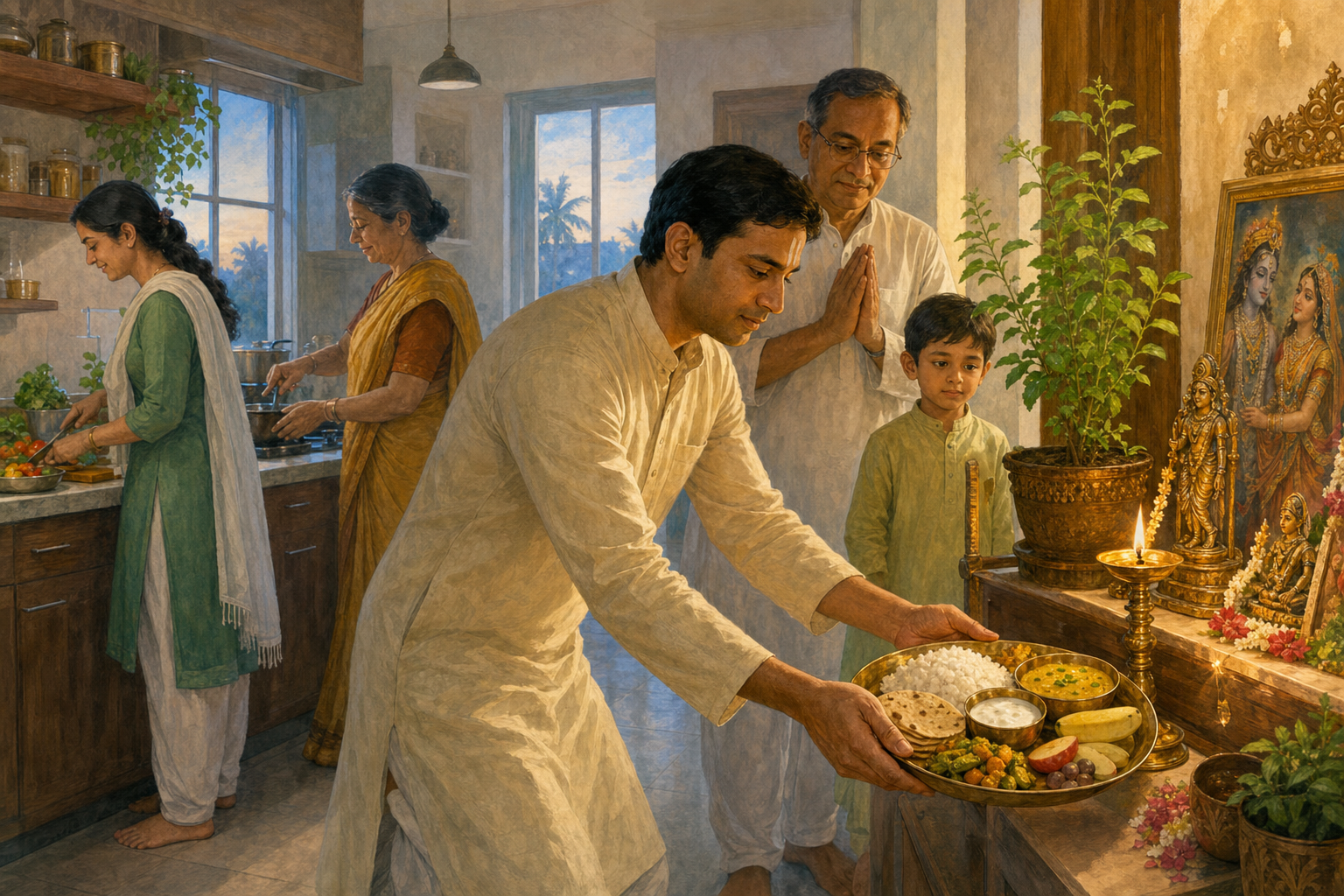
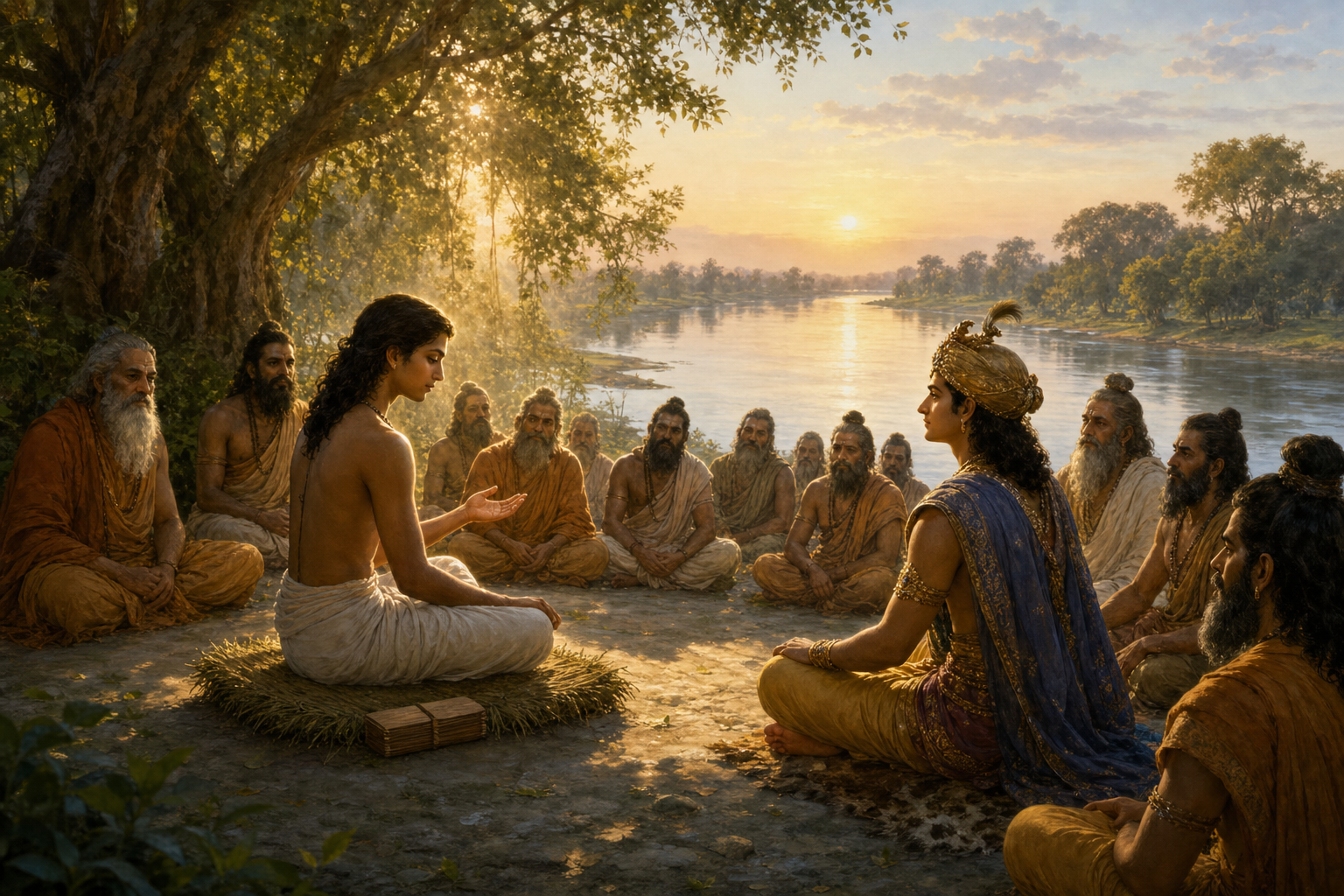
Srimad Bhagavatam 3.29 sets a precise ethic for peer relationships in devotional life: disrespect, disregard, hatred, and criticism are forbidden. Grounded in the vision of Paramatma within all beings, this teaching links authentic Deity worship to universal respect, warning that ritual without compassion is imitation worship. Classical commentaries by Vishvanatha Cakravarti Thakura and Sridhara Svami…
-
Gauranga Meditation Unveiled: Visualize Sri Gaurahari, Ignite Bhakti, and Calm the Heart

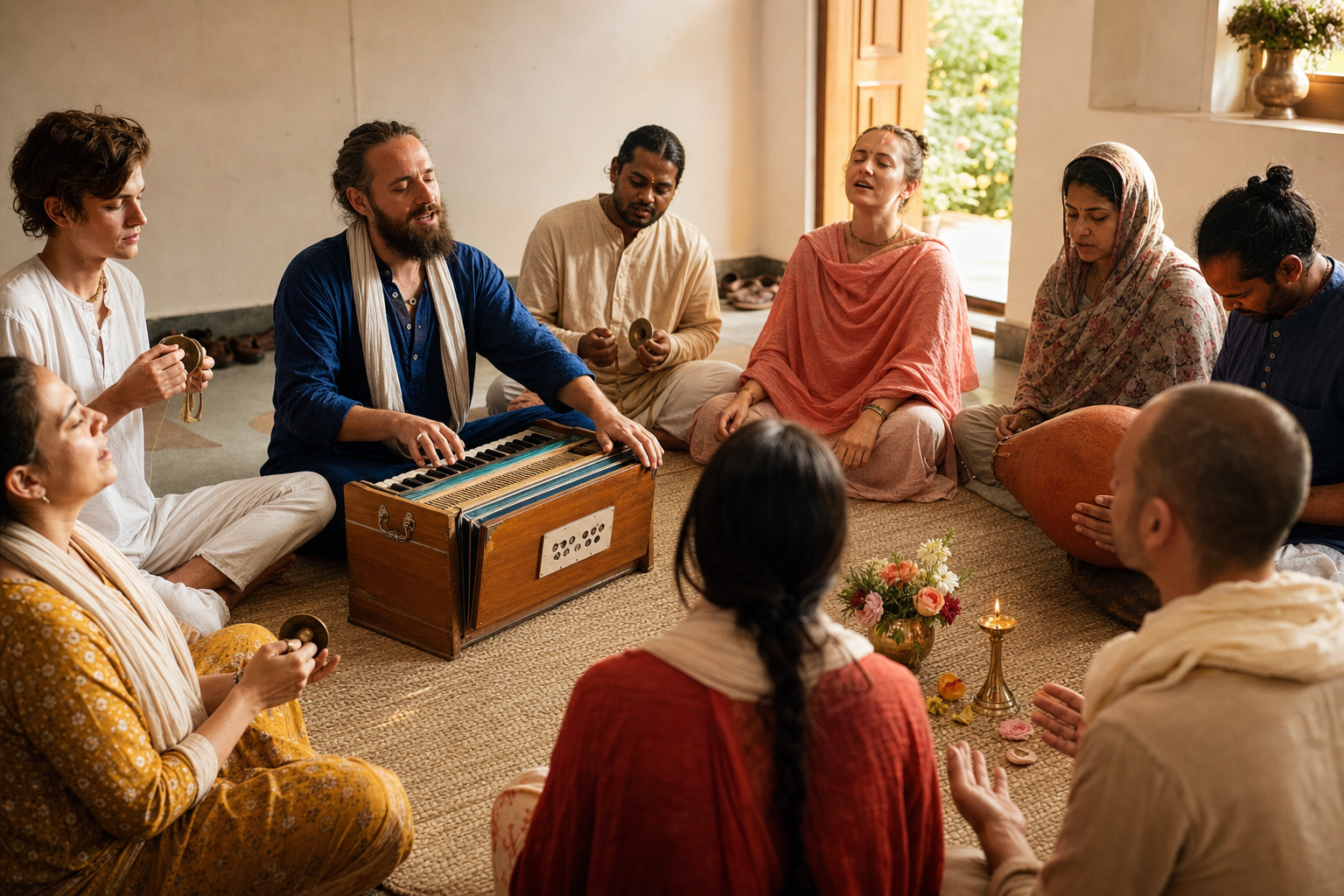
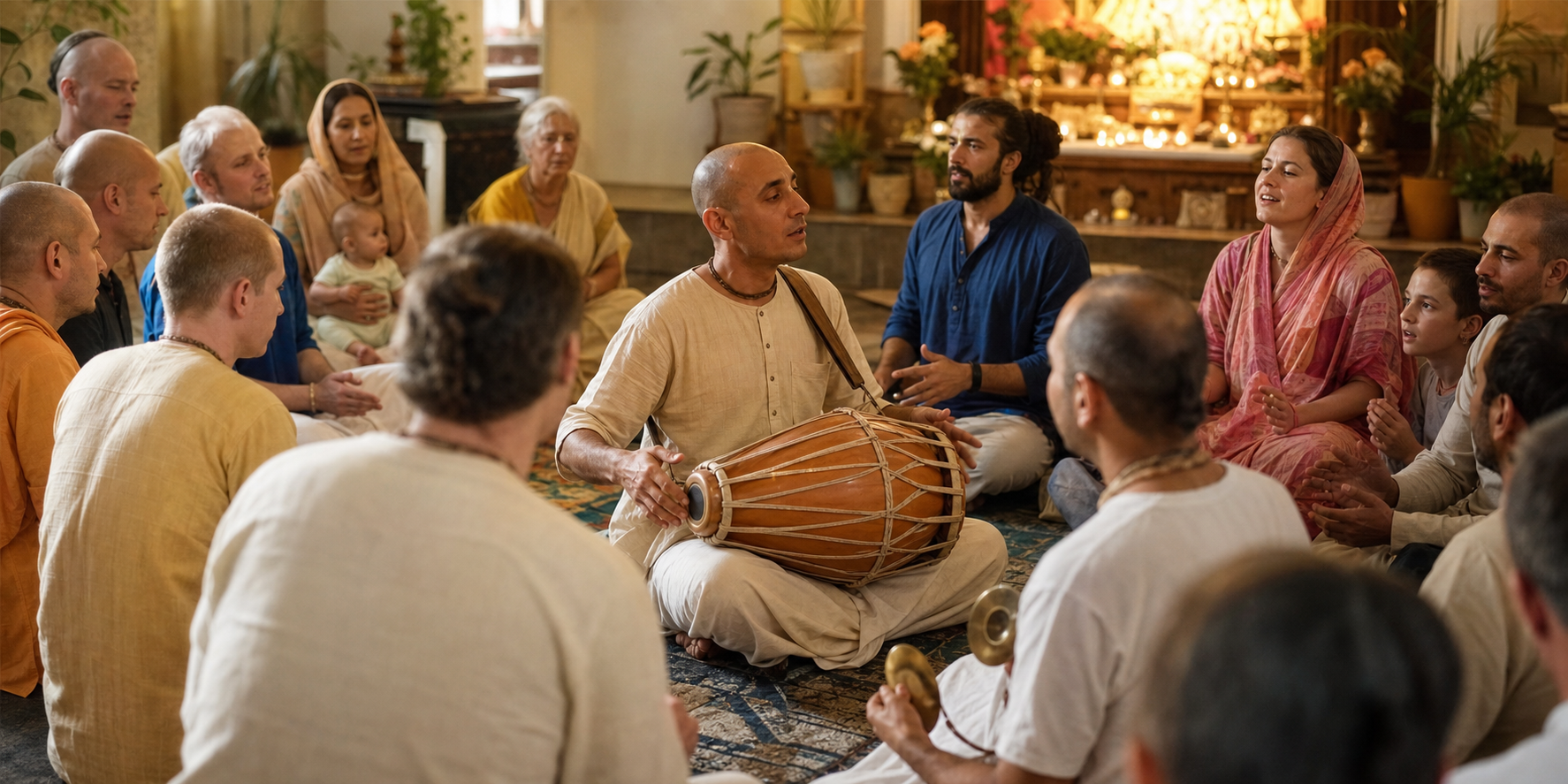
Gauranga Meditation blends visualization, mantra-japa, and kirtan to cultivate humility, clarity, and fearless compassion. Framed by Gaudiya Vaishnava theology yet resonant across Hinduism, Buddhism, Jainism, and Sikhism, its poetic images function as precise contemplative cues rather than literal demands for visions. A step-by-step protocolethical intention, breath regulation, mantra cadence, and heart-centered visualizationmakes the practice accessible…
-
Old Age, Urgency, and Surrender: A Dharmic Reflection on Mortality and Authentic Living

Old age can function as a clarifying blessing that reduces distraction and redirects attention to Bhakti and Krsna consciousness. Drawing on lifespan psychology, the reflection explains how perceived time horizons encourage meaning-centered goals and stable sadhana. It unifies perspectives from the Bhagavad Gita, Buddhist maranassati, Jain anitya-bhavana, and Sikh simran to show how mortality awareness…
-
Nearly 300,000 Spiritual Literatures Shared: WSN March 2026 Sankirtan Highlights and Temple Rankings

The March 2026 World Sankirtan Newsletter records a near-300,000 distribution of spiritual literatures worldwide, highlighting the enduring outreach of ISKCON temples. Mumbai-Juhu, Vrindavan, and Silicon Valley (ISV) lead the large category, while London-Soho, Bengaluru-South, and San Diego top the medium segment. Small centers such as Atlanta Krishna Life, Surat, and Swansea, and maha-small leaders Baltimore,…
-
SB 10.6.22–23 Decoded: Mercy, Protection, and Purification in HG Bhakta Prabhu’s Class

This Śrīmad Bhāgavatam (SB 10.6.22–23) session with HG Bhakta Prabhu at Hare Krishna Melbourne examines the pivotal moments in the Pūtanā narrative when fear turns into faith-guided action. The analysis highlights three core themesdivine protection (rakṣaṇa), maternal compassion (vatsalya), and ritual purification (śuddhi)and shows how they function together in Vraja’s communal response. Drawing on the…
-
Timeless Dharmic Science of Joy: A Sacred Blueprint for Lasting Happiness Within

Hindu philosophy holds that lasting happiness is not acquired but uncovered by cultivating a living relationship with the Divine within. Drawing on the Upanishads, Bhagavad Gita, and Yoga philosophy, this exploration distinguishes fleeting pleasure from the abiding fullness called ānanda. The analysis integrates Advaita, Viśiṣṭādvaita, and Dvaita perspectives, while honoring dharmic unity with Buddhism, Jainism,…
-
Overcoming Egoism and Lethargy in Kali-Yuga: Bhagavad Gita Guidance for Humility and Seva

Egoism and lethargy are two subtle forces that derail spiritual progress in Kali-Yuga. Drawing on Bhagavad Gita teachings and parallel insights from Buddhism, Jainism, and Sikhism, this article explains how false ego (ahankara) reframes practice around I and mine, while tamasic inertia fosters delay and neglect. It then offers an integrated, practical program that combines…
-
Mastering Bhakti Yoga: How Loving Krishna Transforms Stress into Unshakable Peace

Bhakti yoga reframes modern stress by transforming daily work into purposeful seva anchored in Bhagavad Gita teachings. Regulated living in eating, sleep, speech, and activity cultivates sattva and aligns with contemporary research on circadian health. Japa and kirtan enhance attentional control and calm the nervous system, supporting wiser choices in work and relationships. A practical…
-
Seeing the Divine Clearly: Krishna’s Form, Shastra, and Unity Across Dharmic Paths

A precise, sastra-grounded portrait of the Divine emerges in the Krishna-bhakti tradition without negating other dharmic pathways. Drawing on descriptions such as Syamasundara Krishna as Muralidharavenum kvanantam, with lotus eyes and Barhavatamsathe article explains how iconography encodes theology and cultivates transformative devotion. It outlines the epistemic triad of sastra, reason, and realized experience, and shows…
-
Decoding Srimad Bhagavatam 3.26.9: Sankhya, Consciousness, and a Roadmap to Dharmic Unity

This in-depth exploration of Srimad Bhagavatam 3.26.9, inspired by H.H Subhag Swami Maharaj’s discourse at ISKCON Mayapur, unpacks Kapila’s Sankhya as a precise map of consciousness, causality, and liberation. It clarifies how purusha, prakriti, time, and the three gunas co-operate to shape experience, and why that structure makes ethical effort and devotion both meaningful and…
-
Sat Sanga Deep Dive: Tradition, Inclusion, and Purushottama Masa in ISKCON’s Living Dharma

This Sat Sanga (16 May 2026) examines Purushottama Masa with calendrical accuracy, showing how Adhik Jyeshta Maas 2026 becomes a devotional opportunity rather than a mere intercalary fix. It clarifies how ISKCON’s emerging Constitution anchors mission fidelity, transparent governance, and culturally sensitive inclusion without compromising core siddhānta. The guidance on “Try to chant and be…
-
Unlocking the Power of Prayer: Vandanam in Daily Sadhana and Dharmic Unity Practices

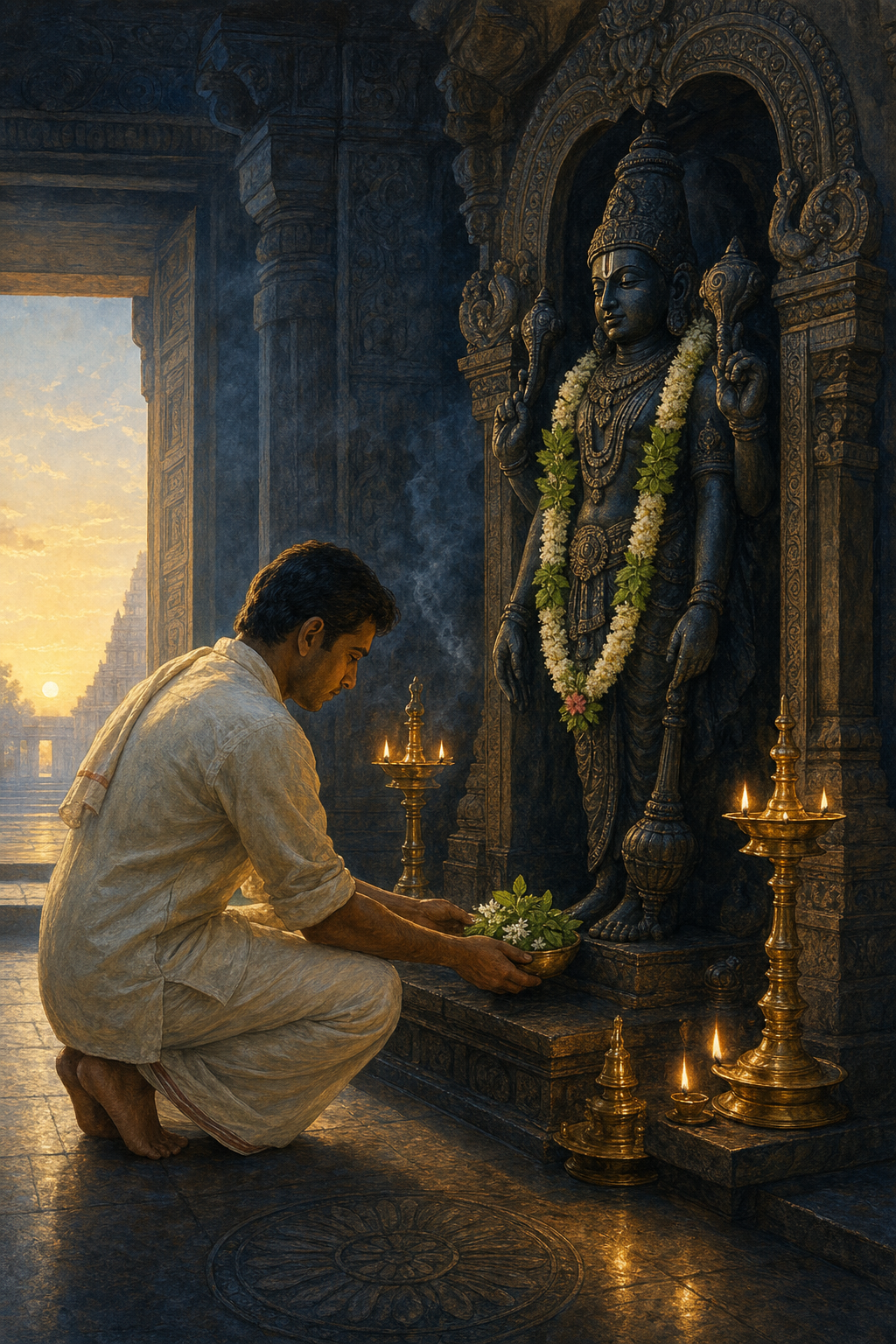
Prayer in the bhakti tradition, known as vandanam, is a core best practice of daily sadhana rather than an optional sentiment. Classical sources present it as one of the nine limbs of bhakti, with the capacitywhen practiced deeplyto orient the whole of spiritual life. Pranama-mantras address Bhagavan, the Deity, the Ācārya, and the Guru, cultivating…
-
The Peril of Vaishnava Aparādha: SB 11.1.13–15 and the Yadu Dynasty’s Devastating Fall

Srimad Bhagavatam 11.1.13–15 warns that mocking saintly personsillustrated by the Yadu youths disguising Samba as a pregnant womancarries devastating karmic and social consequences. Drawing on HH Guru Prasad Swami Maharaj’s insights, this analysis clarifies the doctrine of Vaishnava aparādha and shows how even technical fixes cannot undo moral causes. Readers gain precise context for the…
-
Conquering the Disease of Envy: SB 3.29’s Remedy for Respect, Ahimsa, and Dharmic Unity

This deep-dive, inspired by a Brambleton, VA discourse on May 21, 2026, examines why envy (īrṣyā, asūyā, mātsarya) is the principal obstacle to authentic respect and spiritual growth. Drawing on Srimad Bhagavatam 3.29, it maps how envy aligns with rajas and tamas and why non-envious devotion in sattva is essential. The analysis integrates parallel remedies…
-
“I Feel No Fear”: How the Hare Krishna Maha-mantra Builds Abhaya Across Dharmic Paths

A memorable exchange crystallizes a core promise of mantra meditation: asked what chanting the Hare Krishna maha-mantra feels like, Srila Prabhupada replied, “I feel no fear.” This article unpacks that claim in an academic yet accessible way, explaining how abhaya (fearlessness) emerges at the intersection of Bhakti theology, rhythmic sound, and breath regulation. It clarifies…
-
Bond of Love Part II: HG Jagattarini Dasi on Bhakti, Sacred Art, and Dharmic Unity

This archival overview documents Bond of Love Interview Series ~ Part II – HG Jagattarini dasi (Vaishnavi Ministry NA), a live-streamed conversation centered on bhakti, sacred art, and community formation. It analyzes how narrative pedagogy and devotional aesthetics transmit core Hindu spiritual traditions with clarity and depth. By highlighting women in spirituality, the program strengthens…
-
Karvetinagaram Venugopalaswamy Brahmotsavam 2026: Sacred Dates, Rituals, and a Devotee’s Guide

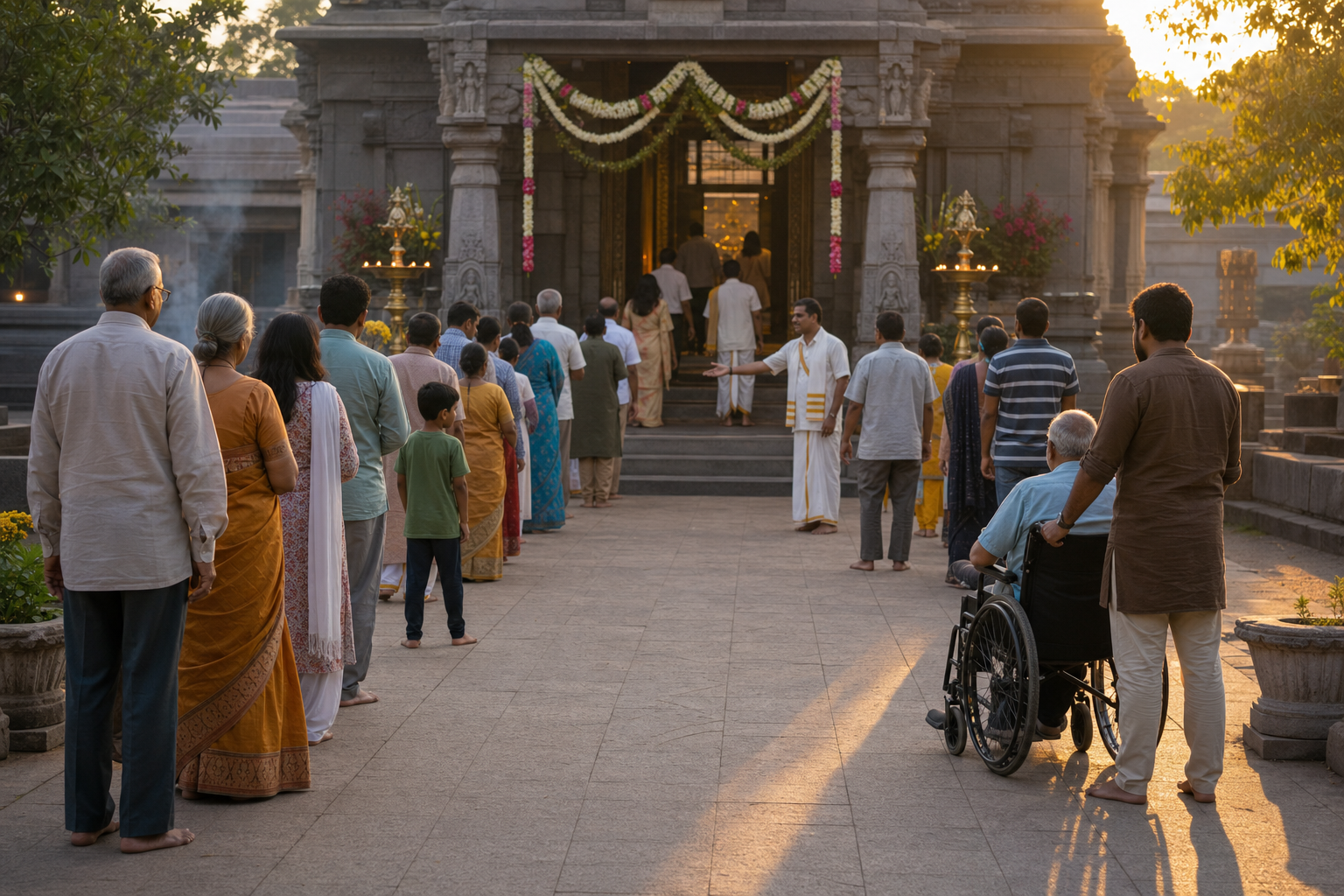
Karvetinagaram’s Venugopalaswamy Temple will celebrate Brahmotsavam from June 6–14, 2026, with Ankurarpanam on the evening of June 5 and Koil Alwar Tirumanjanam observed beforehand. The nine-day festival follows Vaishnava Agamic tradition, combining rigorous ritual structure with the emotive power of bhakti. Devotees can expect daily homas, archana, and morning–evening processions of the utsava murti, with…
-
Kishkindha Kanda Unveiled: Rama–Hanuman Alliance, Vali’s Fall, and Hampi’s Sacred Landscapes

Kishkindha Kanda, the fourth book of the Valmiki Ramayana, turns grief into disciplined action as Rama allies with Sugriva, brings down Vali, and launches a continent-spanning search for Sita. Set against the sacred landscapes around Hampi–Anegundi in Karnataka, it blends political acumen, ethical debate, and ecological poetics. The kanda highlights exemplary speech and statesmanship through…
-
Varsana Parikrama: Ascending Srimati Radharani’s Hill via Jaipur Mandir and Dan garh

This guided overview of the Varsana (Barsana) parikrama presents a clear, research-based orientation to ascending the hilltop temple of Srimati Radharani and visiting Jaipur Mandir and Dan garh. It situates these landmarks within Braj’s sacred geography and explains how architecture, ritual movement, and sound cohere into a contemplative experience. Readers gain architectural insights into North…