Tag: bhakti

  • Bhaktivedanta Manor Classes: Powerful Lessons in Bhakti, Dharma, and Community

    Bhaktivedanta Manor Classes: Powerful Lessons in Bhakti, Dharma, and Community

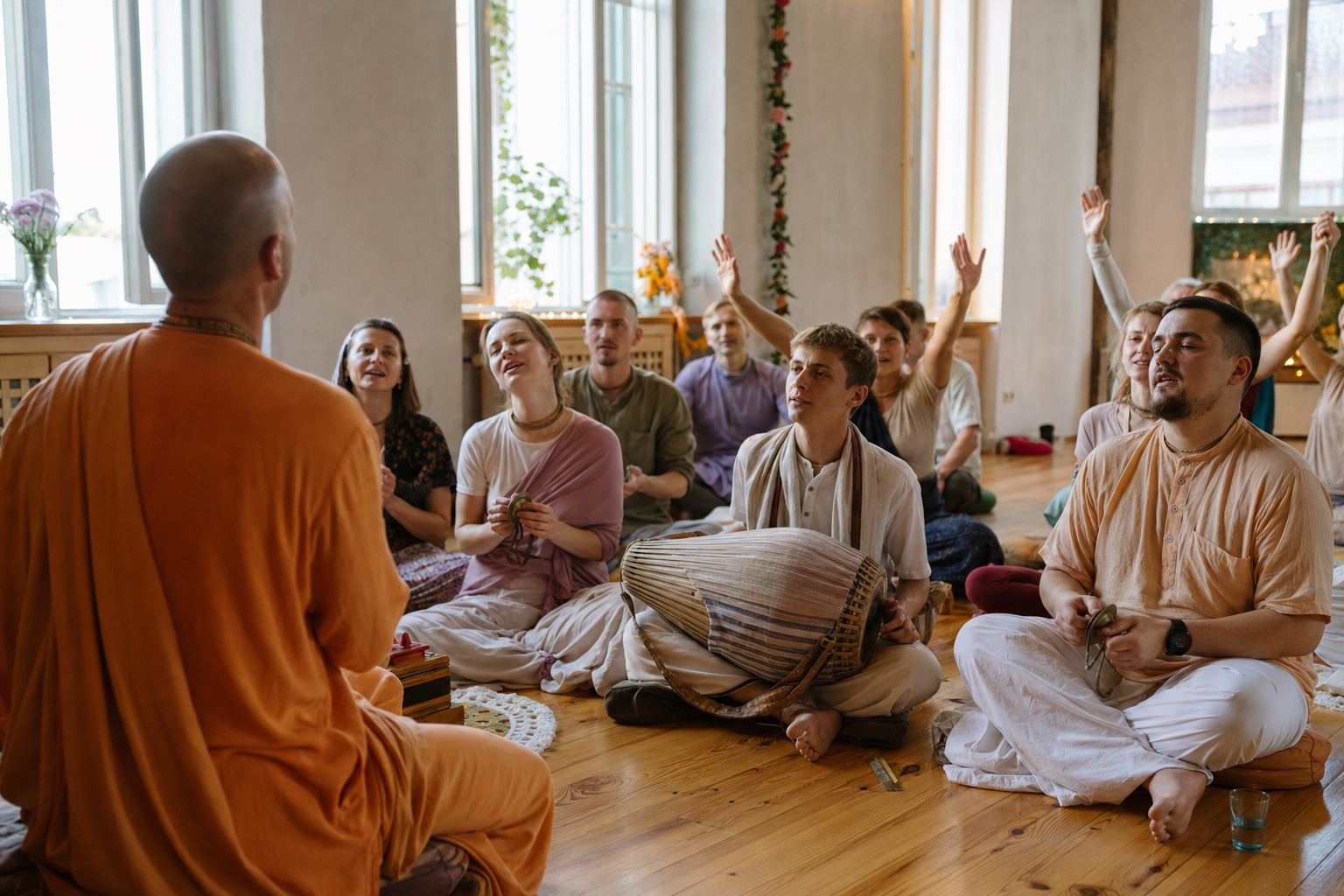
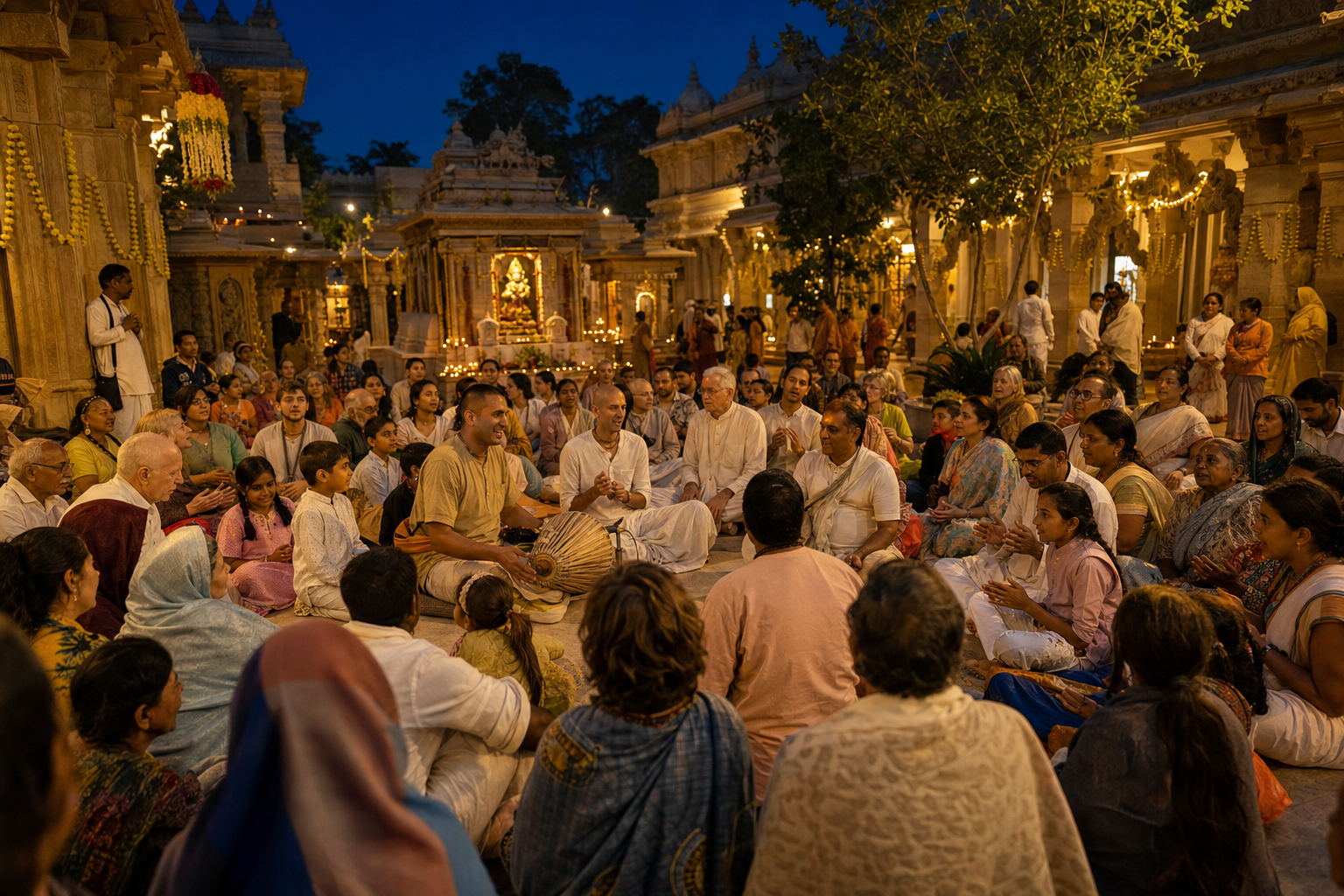
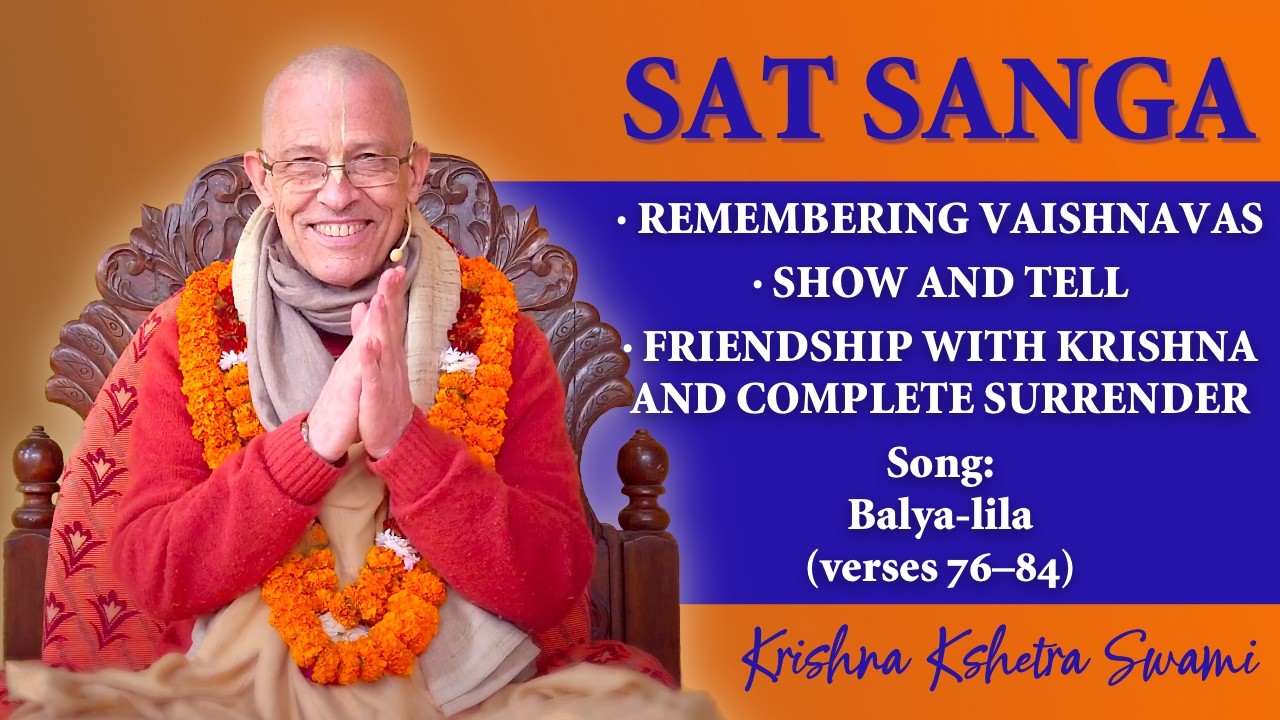
    Bhaktivedanta Manor is one of the most influential centres of Krishna consciousness and Hindu spirituality in the United Kingdom. This article examines the meaning of a Manor class through the wider context of ISKCON, Gaudiya Vaishnavism, bhakti, scripture, seva, and diaspora education. Since the available source contains only a thumbnail and no transcript, the discussion…

  • Powerful Lessons from Śrīmad-Bhāgavatam 11.3.7 on Karma, Time, and Freedom

    Powerful Lessons from Śrīmad-Bhāgavatam 11.3.7 on Karma, Time, and Freedom

    This reflection on His Grace Sarvabhauma Prabhu’s discourse on Śrīmad-Bhāgavatam 11.3.7 explains the verse’s teaching on karma, birth, death, māyā, and cosmic time. It presents the Bhāgavata’s view that action shapes consciousness and that unconscious desire can bind the living being to repeated suffering. The discussion also clarifies that karma is not fatalism, because human…

  • Sri Ramanujacharya’s Rama Bhakti: Powerful Lessons from Vaishnavism’s Living Heart

    Sri Ramanujacharya’s Rama Bhakti: Powerful Lessons from Vaishnavism’s Living Heart

    Sri Ramanujacharya’s legacy reveals how Vaishnavism unites rigorous Vedanta with heartfelt devotion. His name evokes Lakshmana, the devoted younger brother of Sri Rama, and symbolizes service, surrender, and loyalty to dharma. Through Vishishtadvaita Vedanta, Ramanujacharya affirmed the reality of the soul, the world, and the loving relationship between the devotee and the Supreme. His teaching…

  • Krishna’s Complete Divinity: Warrior, Lover, Child, and Infinite Consciousness

    Krishna’s Complete Divinity: Warrior, Lover, Child, and Infinite Consciousness

    Krishna represents one of the most complete visions of divinity in Hindu philosophy: child, lover, warrior, teacher, friend, and cosmic reality. This essay explores how Krishna’s many forms in the Bhagavata Purana, Mahabharata, and Bhagavad Gita reveal a theology of wholeness rather than contradiction. It explains the devotional meaning of Bala Krishna, Radha-Krishna love, Krishna’s…

  • How Dharma Survives: Powerful Oral Traditions That Preserve Living Wisdom

    How Dharma Survives: Powerful Oral Traditions That Preserve Living Wisdom

    Dharma survives through living transmission, not through texts alone. This article explains how oral tradition, Guru-Shishya learning, ritual, Yoga, Katha, pilgrimage, festivals, music, and community practices preserve Sanatana Dharma across generations. It highlights the role of Sampradaya as a disciplined lineage of knowledge, interpretation, and practice. The discussion also shows how Hinduism, Buddhism, Jainism, and…

  • Powerful Vedic Insight: How One Reality Sustains Many Sacred Truths

    Powerful Vedic Insight: How One Reality Sustains Many Sacred Truths

    This article offers a careful, accessible exploration of the Vedic phrase ekaṁ sad viprā bahudhā vadanti and its relevance for religious pluralism. It clarifies why popular renderings such as “Truth is one. Paths are many.” are meaningful but not literal translations. The discussion explains key Sanskrit terms, including ekaṁ, sat, viprā, bahudhā, and vadanti. It…

  • Powerful Tribute to HH Dhirasanta Dasa Goswami’s Life of Bhakti Service

    Powerful Tribute to HH Dhirasanta Dasa Goswami’s Life of Bhakti Service

    HH Dhirasanta dasa Goswami is remembered as a dedicated servant of Srila Prabhupada and a committed preacher of Krishna consciousness. His life began with the powerful impression of hearing the Mahamantra on British television and matured into decades of bhakti, service, and spiritual leadership. He served in many capacities, from agricultural service to guiding devotees…

  • SB 2.1.21 Explained: A Powerful Path from Remembrance to Devotional Shelter

    SB 2.1.21 Explained: A Powerful Path from Remembrance to Devotional Shelter

    Śrīmad-Bhāgavatam 2.1.21 explains how disciplined remembrance leads the yogī toward bhakti, devotional connection, and shelter in the all-auspicious Lord. The verse appears in the Second Canto’s teaching on cosmic contemplation and the universal form, showing how meditation can mature into loving devotion. Its key terms reveal a practical psychology of attention: what the mind repeatedly…

  • A Powerful Evening with HH Candramauli Swami: Bhakti, Discipline, and Inner Renewal

    A Powerful Evening with HH Candramauli Swami: Bhakti, Discipline, and Inner Renewal

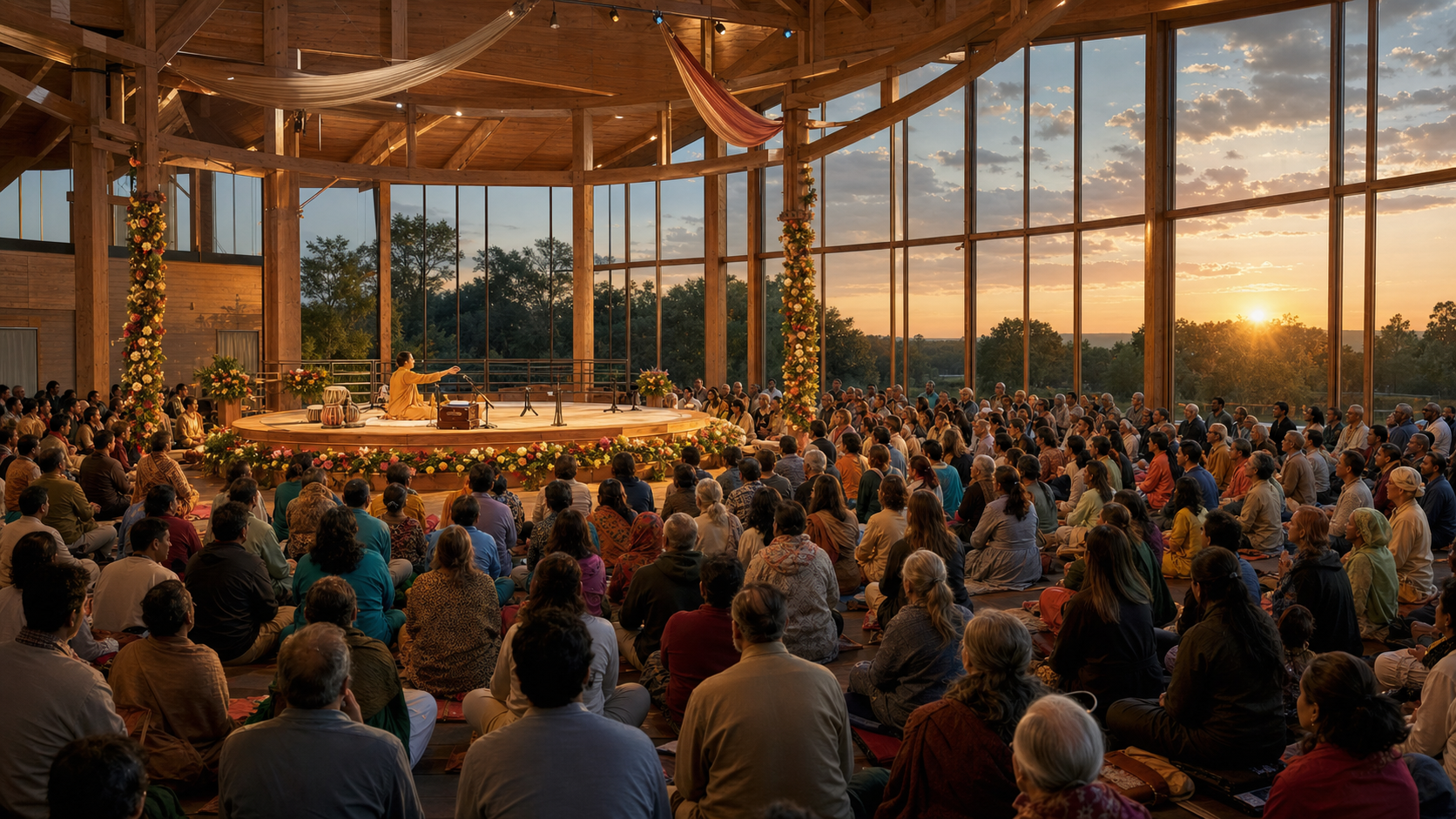
    The June 25, 2026 program Evening With HH Candramauli Swami is best understood as a devotional satsanga rooted in Gaudiya Vaishnava practice and the wider Dharmic tradition. Such an evening brings together hearing, chanting, reflection, guru-shishya learning, and community discipline. The gathering highlights bhakti as a practical path of remembrance, humility, service, and inner transformation.…

  • Lead by Love: Powerful Bhakti Leadership Lessons from ISKCON Houston

    Lead by Love: Powerful Bhakti Leadership Lessons from ISKCON Houston

    This article explores the meaning of “Lead By Love” in the context of ISKCON Houston, Keshava Maharaja, and the wider Gaudiya Vaishnava tradition. It explains how bhakti leadership is rooted in seva, humility, discipline, compassion, and scriptural wisdom rather than control or prestige. The discussion connects Krishna consciousness with practical community life, showing how temples…

  • Powerful Spiritual Lessons From Flying: Faith, Focus, and the Journey to Krishna

    Powerful Spiritual Lessons From Flying: Faith, Focus, and the Journey to Krishna

    A routine flight over Delhi becomes a profound meditation on Krishna consciousness, bhakti, faith, surrender, and the discipline required for spiritual progress. The stages of air travel reveal practical lessons: choosing the right destination, screening the mind, accepting delays, trusting a tested process, and remaining vigilant until the journey is complete. The article explains how…

  • Personal and Impersonal God: A Powerful Vedantic Guide to Divine Reality

    Personal and Impersonal God: A Powerful Vedantic Guide to Divine Reality

    This article explains the personal and impersonal understandings of God in Hindu philosophy with clarity, historical context, and Dharmic sensitivity. It presents Advaita Vedanta, Vishishtadvaita Vedanta, bhakti, guru-shishya tradition, and scriptural themes without reducing them to sectarian conflict. The discussion shows how nirguna Brahman protects divine transcendence, while saguna devotion makes love, worship, service, and…

  • Recognising Paramahamsa Vishwananda: True Guru, Bhakti, and Divine Love

    Recognising Paramahamsa Vishwananda: True Guru, Bhakti, and Divine Love

    This long-form reflection examines how a seeker may recognise Paramahamsa Vishwananda as a guru within the wider Hindu and dharmic understanding of spiritual guidance. It explains the difference between a guru and a satguru, showing why bhakti traditions treat the guru-shishya relationship as a disciplined path rather than a matter of personality preference. The article…

  • Hari Bhakta Lifestyle Explained: Powerful Daily Bhakti, Seva, Dharma and Grace

    Hari Bhakta Lifestyle Explained: Powerful Daily Bhakti, Seva, Dharma and Grace

    A Hari Bhakta lifestyle is a disciplined devotional way of life centred on love for God, daily sadhana, seva, dharma, and reverence for the guru. It is rooted in the Hari Bhakta Sampradaya associated with Paramahamsa Sri Swami Vishwananda and expresses devotion through prayer, japa, puja, scriptural study, festivals, and community service. The path is…

  • Eternal Happiness and the Supreme Goal of Life: A Transformative Dharmic Guide

    Eternal Happiness and the Supreme Goal of Life: A Transformative Dharmic Guide

    This article explores why lasting happiness cannot depend on temporary objects, achievements, or relationships alone. It explains the Bhagavad Gita’s distinction between the perishable body-mind complex, the imperishable atman, and the Supreme Reality known in Vaishnava traditions as Narayana or Paramatma. The discussion presents moksha, Self-Realization, God-realisation, devotion, surrender, grace, and the guru-shishya tradition in…

  • Becoming a Devotee: The Transformative Power of Bhakti, Guru, and Inner Awakening

    Becoming a Devotee: The Transformative Power of Bhakti, Guru, and Inner Awakening

    Becoming a devotee begins with the longing of the atma, the soul, for deeper truth and Divine love. This long-form reflection explains bhakti as a disciplined path of transformation rather than a mere religious identity. It explores the role of the guru, the teachings of the Bhagavad Gita, the meaning of seva, and the importance…

  • Powerful Daily Mantra Practice: A Sacred Path to Inner Peace and Steady Focus

    Powerful Daily Mantra Practice: A Sacred Path to Inner Peace and Steady Focus

    Daily mantra meditation is a practical and sacred discipline for cultivating inner peace, mental clarity, and emotional steadiness. A mantra functions as an instrument for protecting and transforming the mind through repeated sacred sound. Rooted in Yoga, bhakti, Sanskrit tradition, and wider dharmic practice, mantra meditation is more than positive thinking; it is a disciplined…

  • Atma Kriya Yoga Explained: The Powerful Practice of Bhakti, Breath and Inner Realisation

    Atma Kriya Yoga Explained: The Powerful Practice of Bhakti, Breath and Inner Realisation

    Atma Kriya Yoga is a devotional kriya-yoga system that joins bhakti, mantra, pranayama, meditation, mudras, asanas, sound yoga, and Shaktipat Initiation into one integrated spiritual discipline. Its uniqueness lies in treating yoga as “action with awareness of the soul,” not merely as exercise, relaxation, or mental focus. Rooted in the spirit of the Bhagavad Gita,…

  • Powerful Realisation Through Love: How Bhakti Transforms Knowledge into Living Truth

    Powerful Realisation Through Love: How Bhakti Transforms Knowledge into Living Truth

    This long-form reflection explores how realisation emerges when spiritual knowledge becomes lived experience through disciplined love. It explains the distinction between information, Self-realisation, and God-realisation in the context of bhakti, Atma Kriya Yoga, the Bhagavad Gita, and wider dharmic traditions. The article presents bhakti as disciplined Divine Love rather than mere emotion, showing how devotion…

  • Meditation, Bhakti, and the Heart: A Powerful Path to Lasting Inner Peace

    Meditation, Bhakti, and the Heart: A Powerful Path to Lasting Inner Peace

    Meditation is more than a method for relaxation; it is a disciplined return from external dependency to inner awareness. This article explores Atma Kriya Yoga, bhakti, breathwork, mantra, and the dharmic understanding of the soul as pathways to lasting happiness and inner peace. It explains why worldly relationships and achievements, though meaningful, cannot carry the…