-
Forge Unshakable Students: Aashishta, Balishta, Driddhishta as the Pillars of Mastery

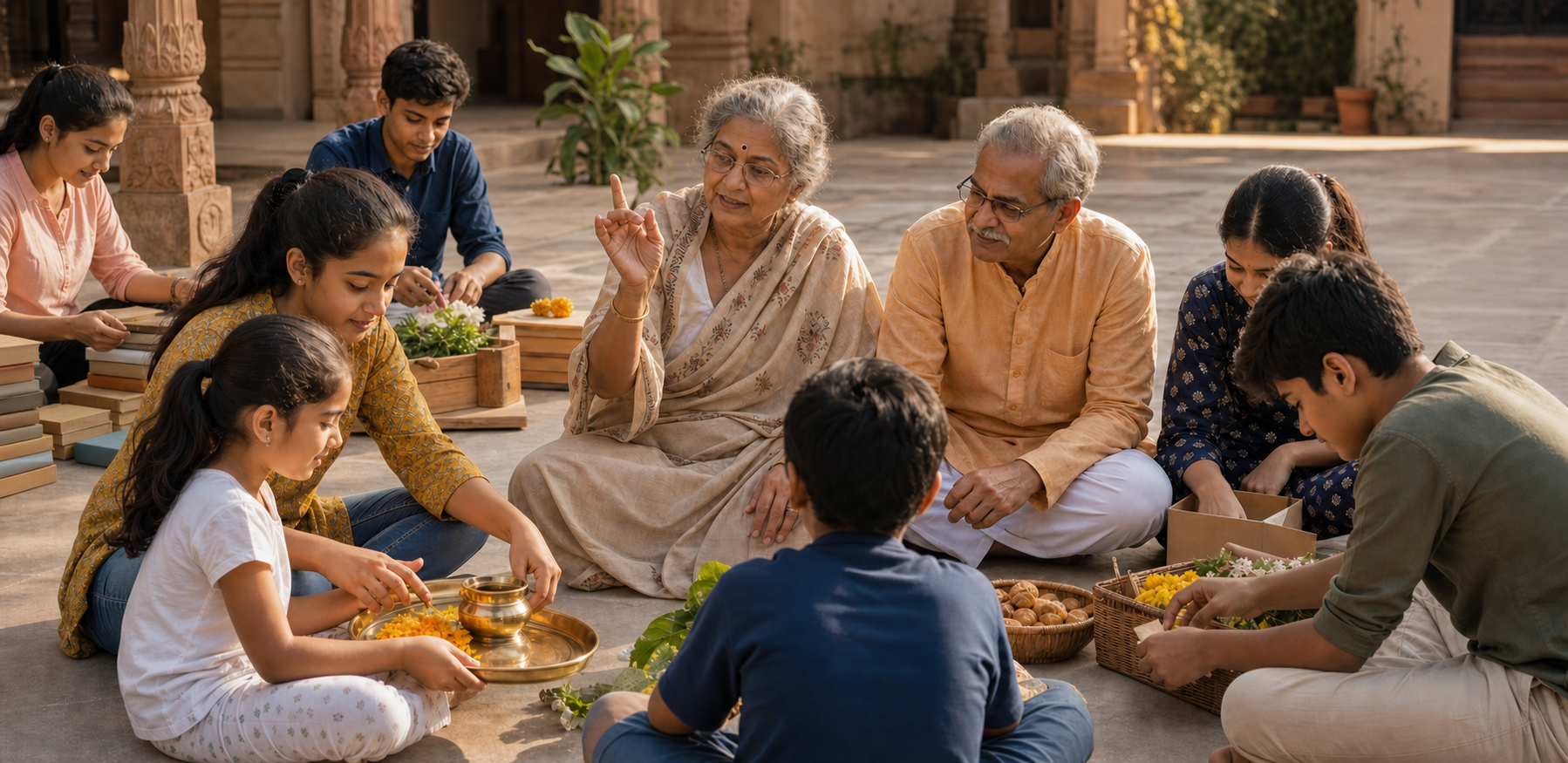
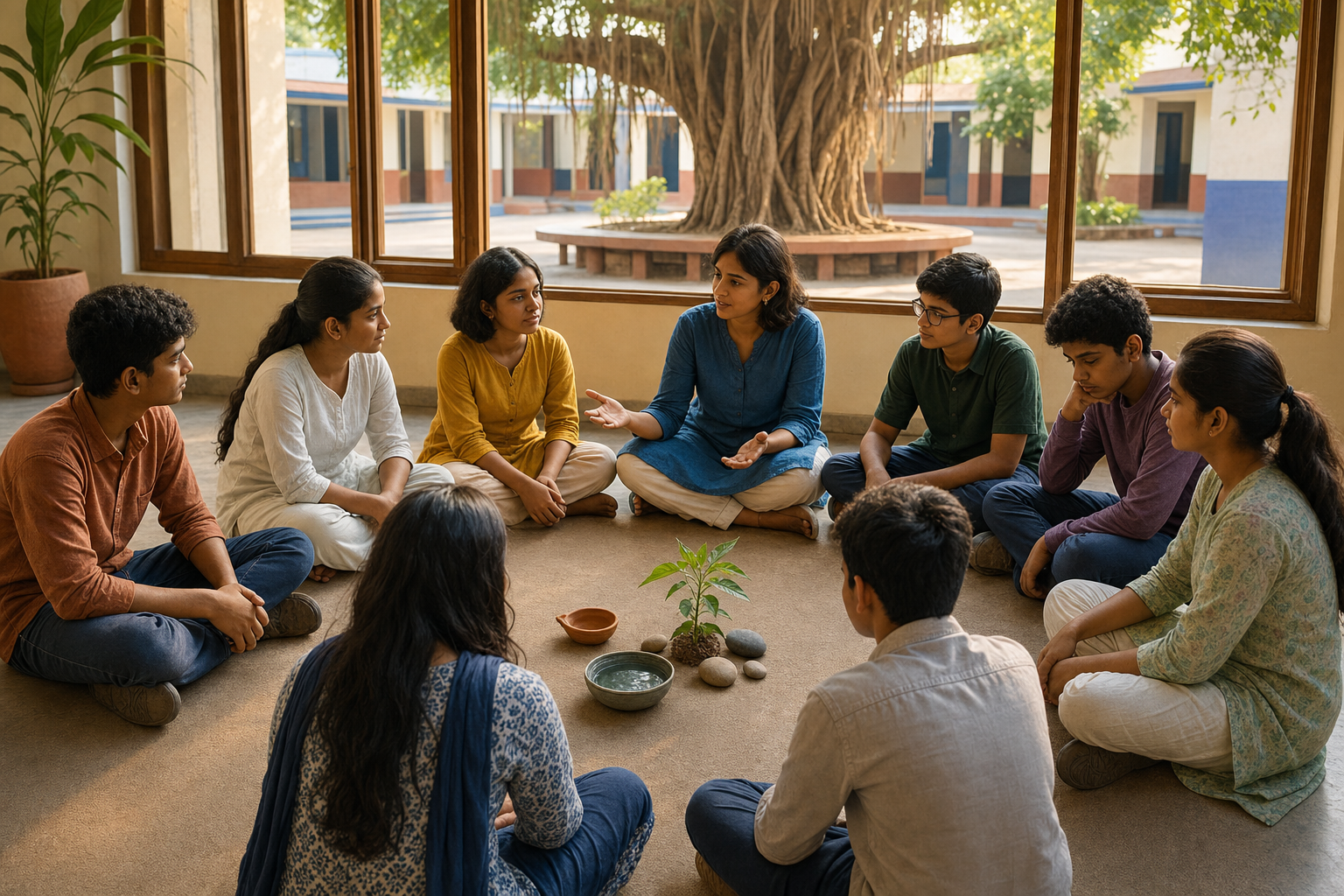
This article distills a timeless triad for student development—Aashishta (complete faith), Balishta (integrated strength), and Driddhishta (stability)—into a practical, research-aligned roadmap. It defines each quality, shows their interdependence, and aligns them with shared values across Hinduism, Buddhism, Jainism, and Sikhism to support unity in diversity. Readers will find implementable school practices: mentorship circles inspired by…
-
Nalanda vs. Takshashila: Inside South Asia’s Legendary Learning Hubs and Their Lasting Legacy

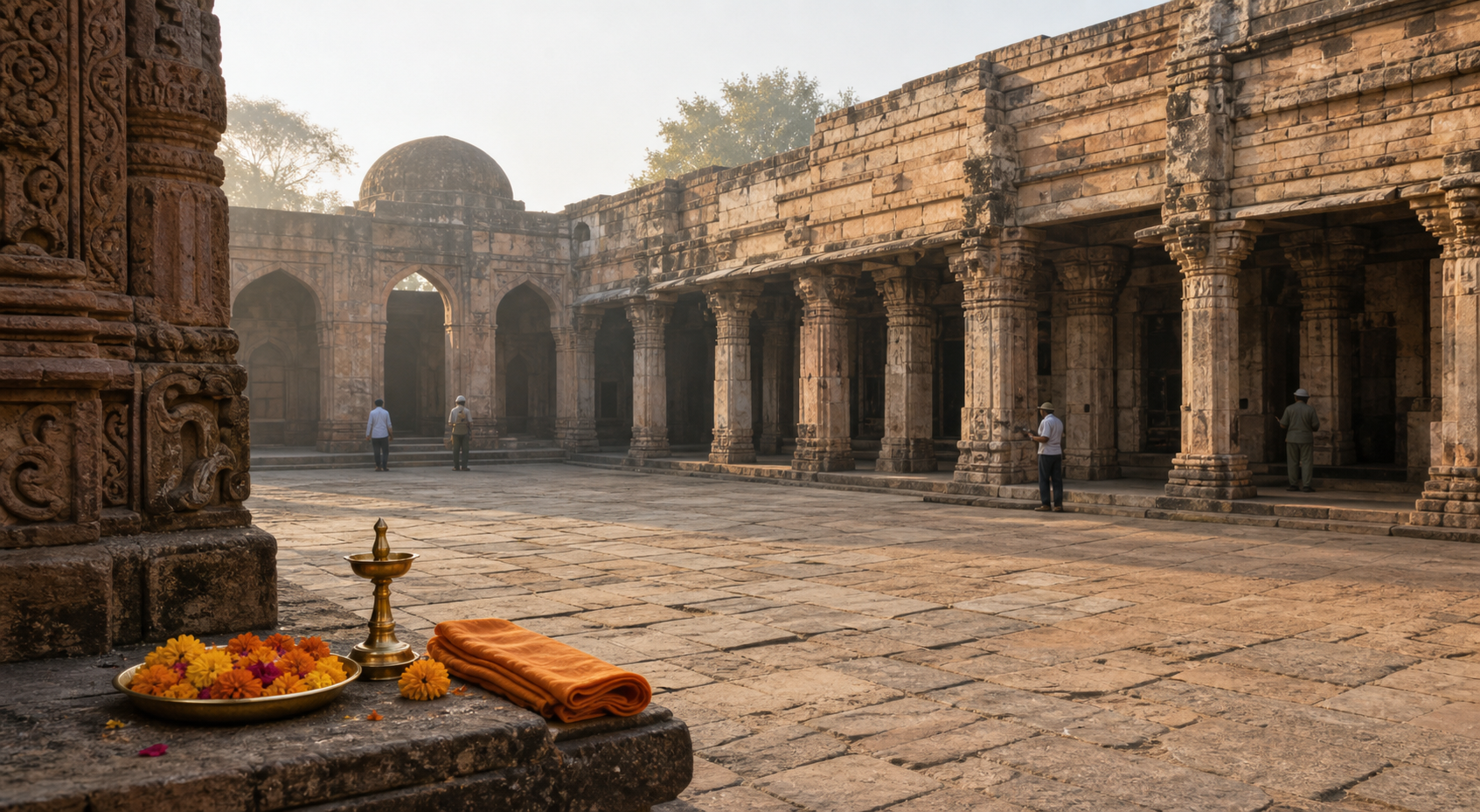
Takshashila and Nalanda illuminate two complementary models of ancient education in South Asia: a teacher‑centered, city‑embedded network and a purpose‑built, campus‑centered Mahāvihāra. Takshashila’s Gandhāran milieu fostered multilingual, practice‑oriented scholarship at a crossroads of Achaemenid, Hellenistic, and Indic worlds. Nalanda, sustained by Gupta, Harṣa, and Pāla patronage, curated advanced specialization, international translation networks, and a renowned…
-
Beyond Facts: Transformative Teaching through Dharma—Timeless Hindu, Buddhist, Jain, Sikh Insights

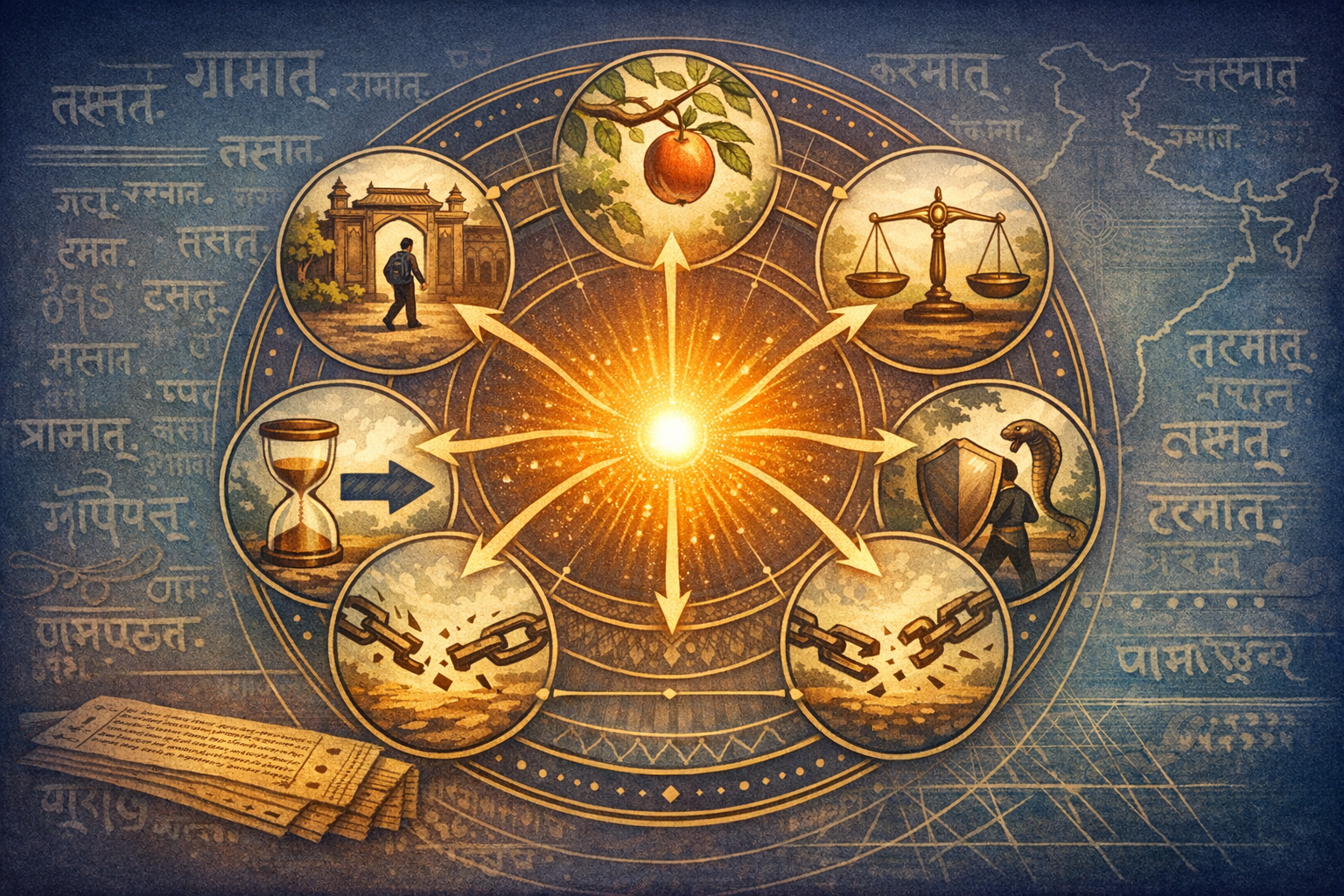
Education is not the mere transfer of facts; in dharmic traditions it is a transformative process that unites knowledge, character, and contemplative depth. Drawing on Hindu, Buddhist, Jain, and Sikh insights, this analysis explains why śravaṇa–manana–nididhyāsana, anekāntavāda, and the triad of śabad–sangat–seva map onto evidence-based practices like active learning and mindfulness. It clarifies the parā/aparā…
-
Timeless Dharma: How Ancient Teachers and Healers Sustained a Compassionate Gift Economy

Ancient Hindu ethical traditions envisioned teachers and healers as custodians of knowledge and care who refrained from demanding fees, receiving voluntary dakshina instead. This gift economy placed dharma and social trust above transactional exchange, preserving the sanctity of education and healthcare. Related principles across Buddhism (dana), Jainism (ahimsa and aparigraha), and Sikhism (seva) reveal a…
-
Ghanapatha: The Brilliant Oral Science That Preserved the Vedas with Unmatched Precision

Ghanapatha is an advanced Vedic recitation method that preserved the Vedas with exceptional precision through patterned repetition and reversal. Situated within the Shiksha Vedanga, it crowns a structured pedagogy—Samhita, Pada, Krama, Jata, and Ghana—that builds redundancy and error-checking into every line. By guarding phonetics and pitch accents (udātta, anudātta, svarita), it retains exact meaning and…
-
Master the Vedic Education Blueprint: The Essential Guru–Shishya System Explained

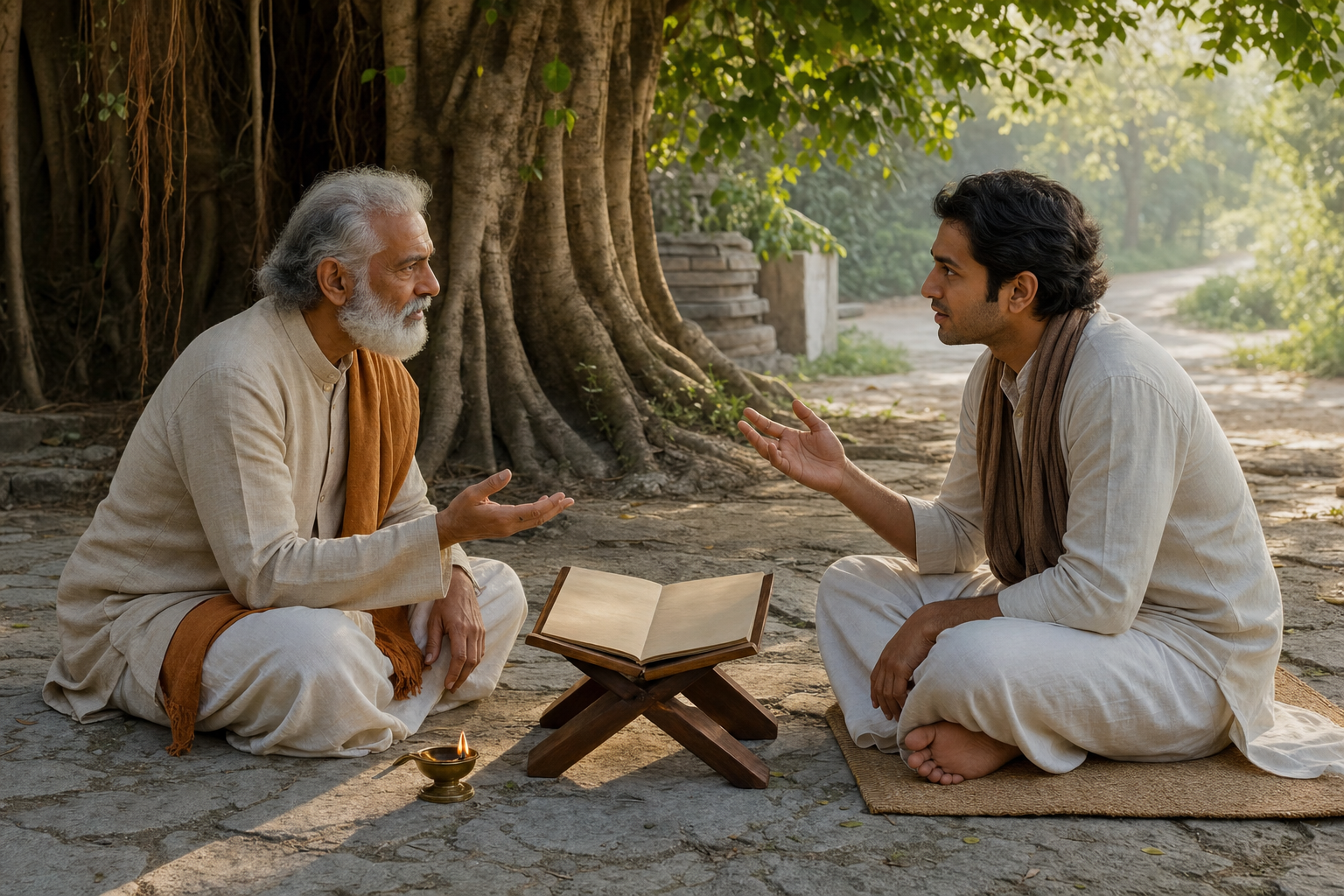
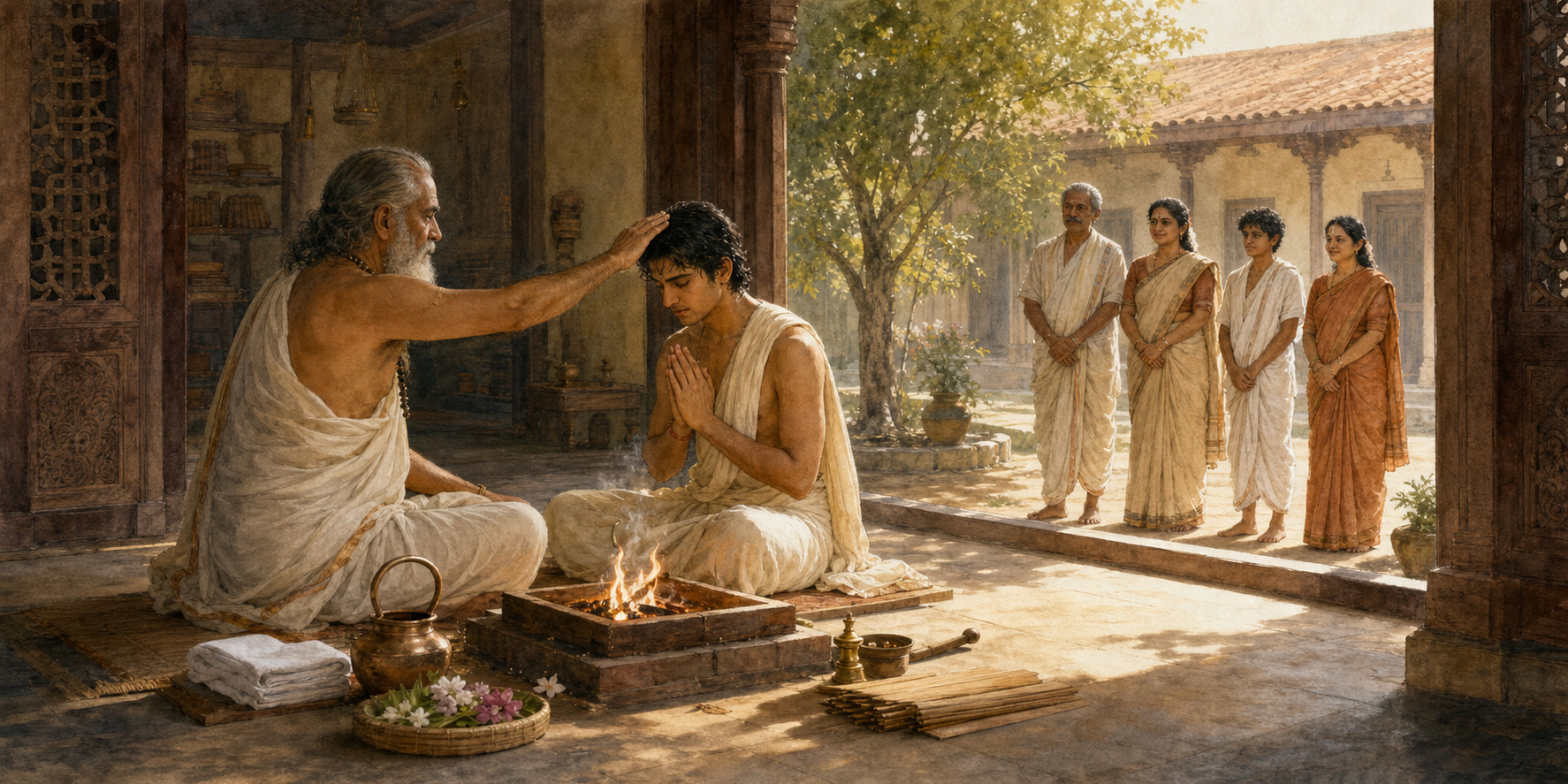
This article presents a clear overview of the Vedic education system, structured around its three essential pillars: Guru (teacher), Shishya (student), and the content and methods of learning. Readers gain a concise understanding of how the Guru–Shishya tradition united intellectual rigor with ethical formation and inner growth. The discussion highlights the breadth of study—from Śruti…
-
Discover the Proven Roots of Learning: Chandogya Upanishad’s Complete Education Blueprint

The Chandogya Upanishad illuminates an ancient yet enduring model of holistic education. It presents dialogic, inquiry-based learning that blends ethics, contemplation, and the arts with conceptual rigor. Through concrete demonstrations—clay, salt, and the banyan seed—it turns philosophical ideas into lived insight. The narrative of Satyakāma Jābāla highlights inclusivity grounded in truthfulness, echoing shared dharmic values…
-
Vyasa Poornima: The Peerless Educational Heritage of India

Explore the profound reverence for Guru Dakshinamurthy, the embodiment of spiritual knowledge and wisdom, in this enlightening blog post. Adi Sankara’s verses pay tribute to the Guru who imparts knowledge through silence, emphasizing the Guru’s role in awakening the inner resplendence of spiritual wisdom. This post delves into the essence of the Guru-Shishya tradition in…