-
Sarpa Abharana Moorthy: Why Shiva Wears Vasuki—and the Powerful Promise of Protection

Sarpa Abharana Moorthy presents Lord Shiva wearing the sacred serpent Vasuki to convey protection, fearlessness, and compassion. This revered image communicates mastery over poison and danger while reassuring devotees facing anxieties about illness and harm. Puranic and Agamic traditions describe Shiva as naga-bhushana, integrating Naga symbolism of wisdom and auspiciousness into Shaiva iconography. Dharmic unity…
-
Dhanurmasa Vratam 2025–2026: Sacred Dawn Devotion, Key Dates, and Scriptural Insights

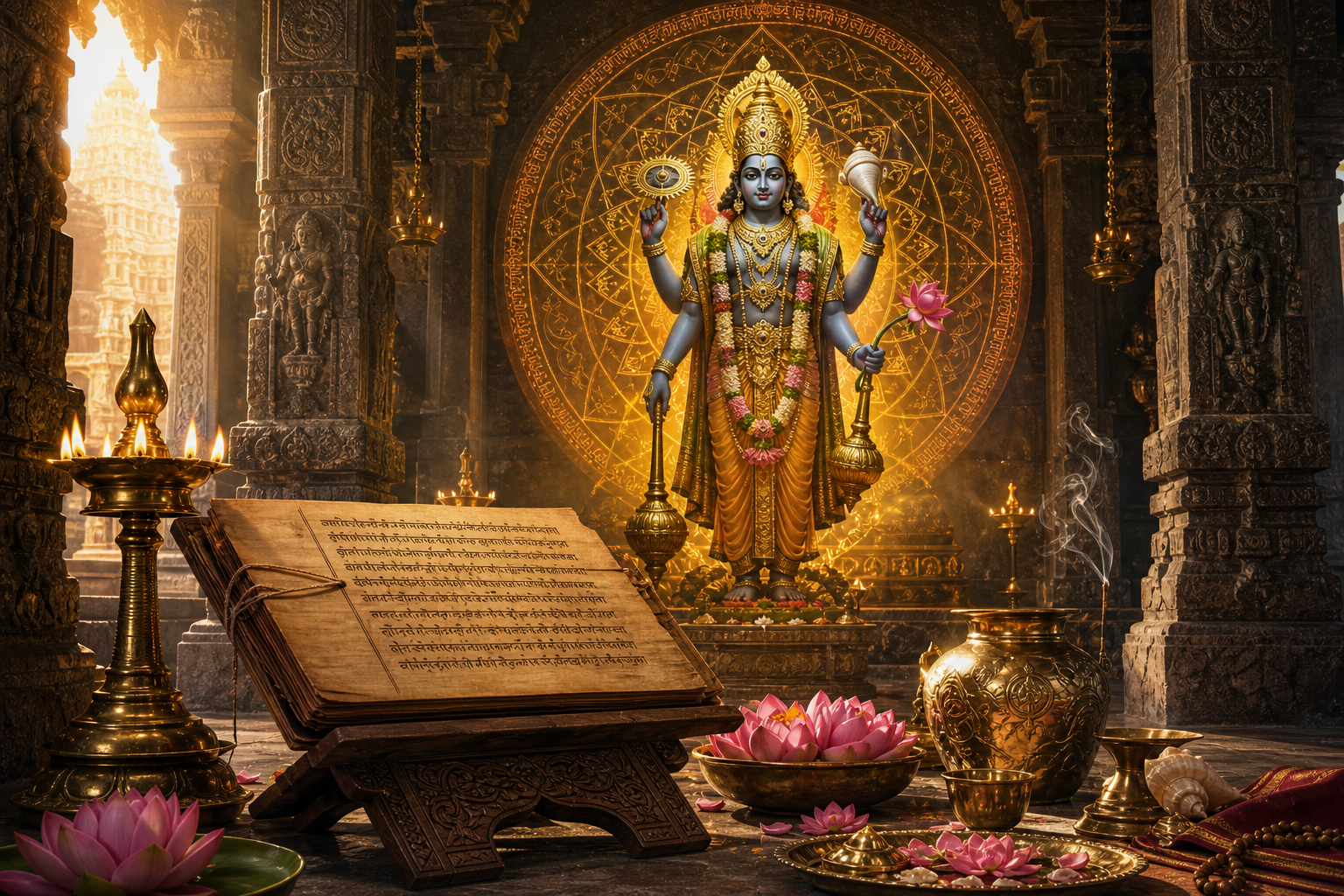
Dhanurmasa Vratam, observed from Dhanu Sankramana to Makara Sankranti, invites dawn-centered devotion, scripturally affirmed in the Brahmanda Purana, Matsya Purana, Sri Bhagavatham, and the Narayana Samhita. For 2025–2026, it runs from 16 December 2025 to 14 January 2026, with regional panchang variations guiding precise timings. Households commonly offer lamp, tulasi, and naivedya to Vishnu, chant…
-
Transformative Lal Kitab Remedies for Mercury in 2nd House: Heal Speech, Wealth, and Family Bonds

This guide distills Lal Kitab insights on Mercury (Budha) in the 2nd house into clear, practical steps. It explains how Ketu’s involvement may appear as delays around children, strained family ease, and risk-prone finances, then reframes these as tendencies that can be improved through ethical remedies. Readers gain speech-focused practices rooted in shared dharmic values—truthfulness,…
-
December 17, 2025 Panchang: Dwadashi to Trayodashi, Auspicious Window, Tithi & Rashi

December 17, 2025 features a tithi shift from Krishna Paksha Dwadashi (until 12:17 AM) to Krishna Paksha Trayodashi in most regions. This phase of the waning moon supports restraint, clarity, and dharmic focus. Readers can align personal observances with local Shubh Muhurat while noting that Nakshatra and Rashi details vary by place. Practical guidance emphasizes…
-
Unlocking Abundance and Serenity: The Profound Significance of Kamalatmika Mahavidya

Kamalatmika Devi, the Kamala Mahavidya, is venerated as a radiant form of Mata Lakshmi who unites prosperity with inner serenity. Her golden iconography—lotuses and gentle elephants—symbolizes purity, auspicious growth, and steady blessings grounded in dharma. In practice, devotees associate her worship with harmonizing Shukra (Venus), especially on Fridays, emphasizing ethical living, charity, and mindful mantra…
-
Lal Kitab Guidance for Shukra in the 4th House: Remedies to Restore Harmony at Home

Lal Kitab views Shukra (Venus) in the 4th house through themes of home, mother, property, and emotional grounding, recommending remedies that are ethical, symbolic, and context-sensitive. Classical notes caution against covering an existing well during construction, a reminder to respect domestic sanctity and natural water sources. Rather than instilling fear, this guidance invites ecological care…
-
Astonished in Vrndavan: Uddhava’s Joy and the Power of Spontaneous, Selfless Bhakti

Uddhava’s experience in Vrndavan illustrates how pure bhakti evokes both astonishment and deep joy. The mood of Vrndavan centers on a natural, spontaneous attraction to Krsna, where each devotee’s unique offering coexists without rivalry or hierarchy. This non-competitive spirit models unity without uniformity and aligns with the shared values of dharmic traditions. It offers a…
-
Anagha Devi, Shakti of Lord Dattatreya: Radiant Grace of the Divine Mother

Anagha Devi is honored as the Shakti of Lord Dattatreya, radiating the Divine Mother’s compassionate energy in the Datta tradition. Her iconography—especially the vessel of divine nectar and luminous countenance—symbolizes healing, insight, and protection. The name “Anagha,” meaning “stainless,” points to an ethical ideal that inspires purity of intention and dharmic conduct. Devotional practice emphasizes…
-
Matangi Mahatmyam: Unlocking Matangi Mahavidya’s Blessings for Wisdom, Music, and Protection

Matangi Mahatmyam presents Matangi Mahavidya as a unifying synthesis of Parvati’s protective grace and Saraswati’s luminous wisdom. Venerated for education, music, knowledge, and courage, Matangi guides seekers toward clarity, refined speech, and ethical action. Devotees commonly report enhanced focus, creativity, and calm through steady remembrance, study, meditation, and music. The Devi’s blessings are associated with…
-
Shiva’s Calm Power: Patience and Compassion as a Motivating Force for Dharmic Life

Lord Shiva, revered in Shaivism as a supreme and guiding presence, embodies calmness, patience, and compassion that motivate ethical living and inner transformation. While his fierce aspect is often emphasized, scriptural narratives highlight Ashutosh—“easily pleased”—whose impartial grace extends even to antagonists, inviting self-correction and growth. Contemplating Shiva’s meditative stillness helps transform anger into tapas and…
-
Sankashti Chaturthi December 2025: Dates, Moonrise Puja Vidhi, and Auspicious Poush Guide

Sankashti Chaturthi in December 2025 falls across 7–8 December (Sunday–Monday), as the Krishna Paksha Chaturthi tithi can span two civil dates and moonrise varies by location. Observed as per the Hindu panchang—Poush month in the North Indian calendar—this vrat honors Shri Ganesha with fasting until moonrise and an evening puja. Devotees typically offer durva grass,…
-
December 15, 2025 Panchang: Krishna Ekadashi, Nakshatra & Rashi, Auspicious Timings

December 15, 2025, is observed as Krishna Paksha Ekadashi until 10:22 PM, after which it shifts to Krishna Paksha Dwadashi. The day emphasizes upavāsa, japa, and dhyāna, with parāṇa typically performed on Dwadashi as per tradition. Readers are advised to consult a location-specific Panchang for exact Shubh Muhurat, Nakshatra, and Chandra Rashi, as these vary…
-
Lord Shiva’s Meditative Focus on Vishnu: Timeless Guidance for Unity and Inner Clarity

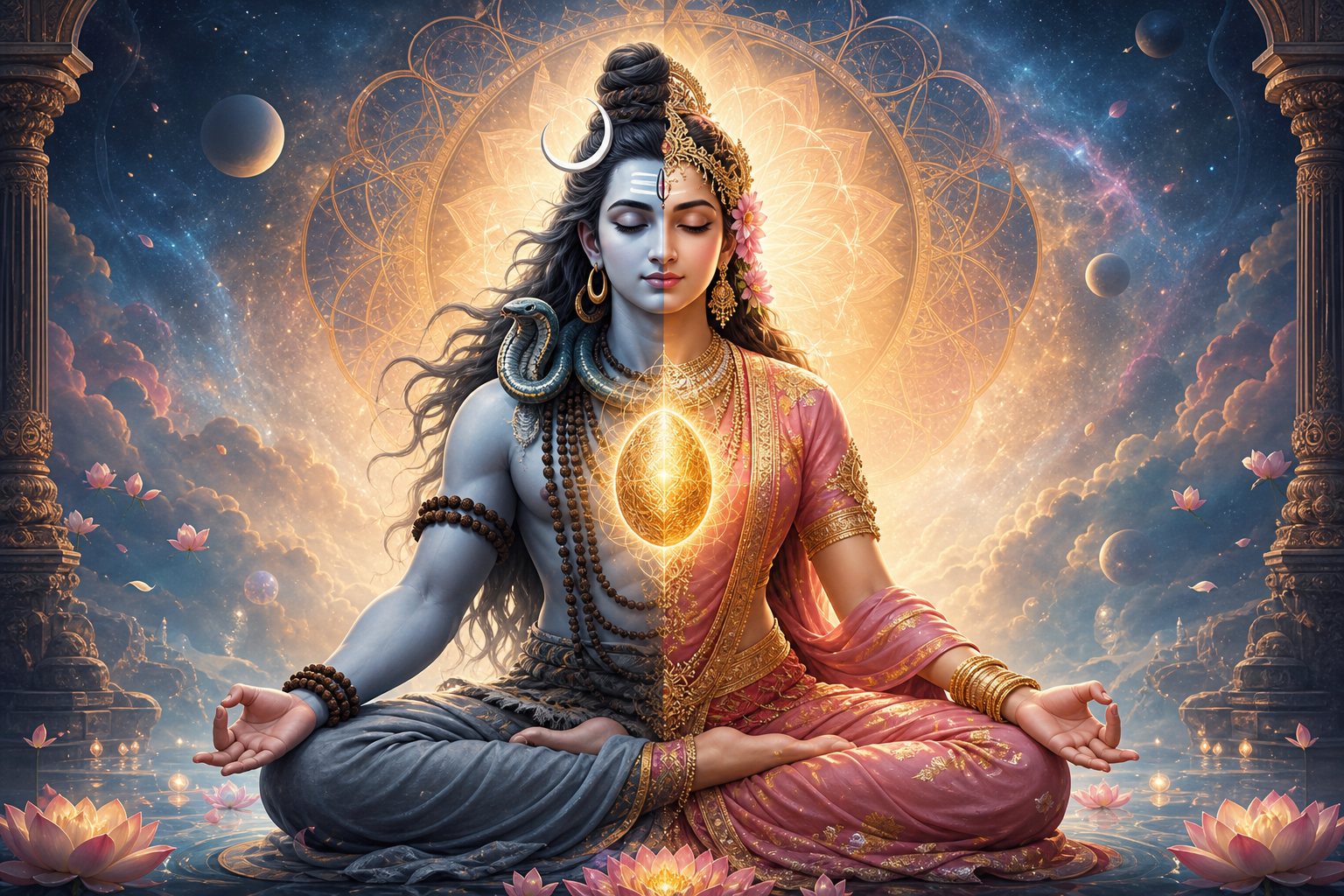
Depictions of Lord Shiva in deep meditation communicate disciplined inner focus and inclusive spiritual ethics. Traditions often describe Shiva’s contemplation as fixed on Lord Vishnu, signaling mutual reverence rather than sectarian hierarchy. The imagery also points to the Supreme Truth beyond names and forms—Brahman, Īśvara, or ātman—supporting devotion to one’s Ishta while honoring other paths.…
-
December 14, 2025 Panchang: Precise Tithi Timing, Ekadashi Onset, and Sacred Guidance

On December 14, 2025, Krishna Paksha Dashami prevails until 8:46 PM, after which Krishna Paksha Ekadashi begins. This precise tithi timing helps devotees plan fasting, puja, and meditation with confidence. The day’s natural rhythm encourages completing responsibilities under Dashami and embracing inward practices as Ekadashi starts. Shubh muhurat choices may be observed, yet the tithi…
-
Anagha Devi, Shakti of Lord Dattatreya: Radiant Compassion, Iconography, and Devotional Significance

Anagha Devi is venerated as the Shakti of Lord Dattatreya, embodying purity, protection, and compassionate grace. Her iconography—serene radiance and the symbolism of amrita—expresses healing and spiritual renewal. Devotees often experience a motherly bond with Maa Anagha, finding steadiness and hope in challenging times. The Anagha–Dattatreya relationship highlights a key dharmic insight: consciousness and Shakti…
-
Lord Shiva’s Calm Power: Inspiring Patience, Courage, and Dharmic Unity in Daily Life

Lord Shiva is portrayed in Hindu philosophy as the tranquil Mahayogi whose calmness and compassion motivate ethical living. Rather than anger, the scriptures emphasize patience, forgiveness, and adherence to dharma, offering a practical model for modern life. Simple practices—such as chanting Om Namah Shivaya, mindful breathing, and daily meditation—can steady attention and reduce stress. The…
-
Matangi Mahatmyam: Unveiling the Tantric Saraswati’s Power for Wisdom, Music, and Courage

Matangi Devi, honored among the Mahavidyas, is celebrated as the Tantric Saraswati who governs education, music, eloquence, and wisdom. Matangi Mahatmyam highlights how devotion refines speech, steadies the mind, and strengthens courage. Practitioners value her blessings for academic excellence, artistic mastery, and ethical discernment. Protective aspects are interpreted as resilience against both outer adversity and…
-
Lalita Tripura Sundari Mahatmyam: Unveiling the Mahavidya’s Transformative Grace and Wisdom

Lalita Tripura Sundari, one of the Mahavidyas, is revered as a unified expression of Devi Shakti—non-different from Pārvatī, Sati, Durga, and Mahakali. Rooted in Sri Vidya, her worship centers on the Śrī Cakra and practices like the Lalita Sahasranama, guiding seekers toward inner clarity and ethical strength. Devotees describe everyday rituals—especially on Fridays and during…
-
Kali Devi Mahatmyam: Transformative Power of Kali Mahavidya for Courage and Healing

Kali Devi Mahatmyam presents Kali as a transformative Mahavidya who dissolves fear and restores balance. Devotees turn to Kali for protection from malefic influences, support during prolonged illness, and the cultivation of enduring mental and physical strength. Practices such as mantra japa and dhyana on Amavasya, Navaratri, and Kali Chaudas reinforce focus, courage, and emotional…
-
Three Forms of Japa: A Practical, Heart-Centered Guide to Vaikhari, Upamshu, Manasika

Japa—repetition of a mantra or divine name—is a core Hindu practice that refines attention, purifies the mind, and deepens connection with the divine. This clear guide explains the three forms: Vaikhari (audible), Upamshu (whispered or barely voiced), and Manasika (mental), showing how each supports concentration and devotion in different contexts. Beginners often stabilize attention with…