-
From Disillusionment to Hare Krishna: A Rigorous Bhakti Path Back to the Eternal Friend

This piece traces a seeker’s movement from worldly disillusionment to a disciplined Bhakti practice in the Hare Krishna tradition. It distinguishes semi-spiritual stimulation from lineage-based transformation, showing how method, community, and scriptural guidance address the hunger for Absolute Truth. Readers learn what a first visit to an ISKCON temple looks like and how kirtan, japa,…
-
Growing Up With Shabad: The Transformative Science, Music, and Devotion Uniting Dharmic Paths

Growing up with Shabad forms attention, identity, and ethics through sacred sound anchored in Sikhism’s Shabad Guru. Musicological rigor—raag, taal, and the interpretive role of rahau—supports cognitive development, Gurmukhi literacy, and stable daily rhythms. Physiological pathways, including breath-synchronized prosody and vagal regulation, help reduce stress and build resilience. Comparative insights show deep kinship with Hindu…
-
Ashtadasa Shakti Peethas: A Definitive, Heartfelt Guide to the 18 Sacred Seats of Shakti

The Ashtadasa Shakti Peethas—eighteen revered seats of the Divine Feminine—form a pan–South Asian sacred geography integrating myth, ritual, and pilgrimage. This comprehensive guide explains their Purāṇic-Tantric origins in the story of Sati, clarifies why some traditions count 18 while others preserve 51/52/64, and outlines a widely cited working list with regional context. It details the…
-
Beyond Fear: Dharmic Pluralism in Hinduism—Ishta, Gita, Upanishads—Uniting Diverse Paths

This analysis explains how Hinduism replaces fear-based religious identity with a rigorous philosophy of unity-in-diversity grounded in the Upanishads and the Bhagavad Gita. It details the Ishta principle, panchayatana-puja, and the four yogas as practical engines of pluralism that honor individual temperament while aiming at a shared telos. It situates Hindu pluralism within the broader…
-
Shani Sade Sati for Meena Rashi: Effects, Timelines, and Remedies for Viraya Shani

Shani Sade Sati for Meena Rashi begins when Saturn enters Aquarius, initiating the first 2½-year phase called Viraya Shani. Aquarius is Saturn’s moolatrikona, so the transit emphasizes discipline, accountability, and karmic closure more strongly than usual. This analysis outlines the 2023–2025 timeline (sidereal), the 12th-bhava themes of expenses, retreat, foreign travel, and spiritual inquiry, and…
-
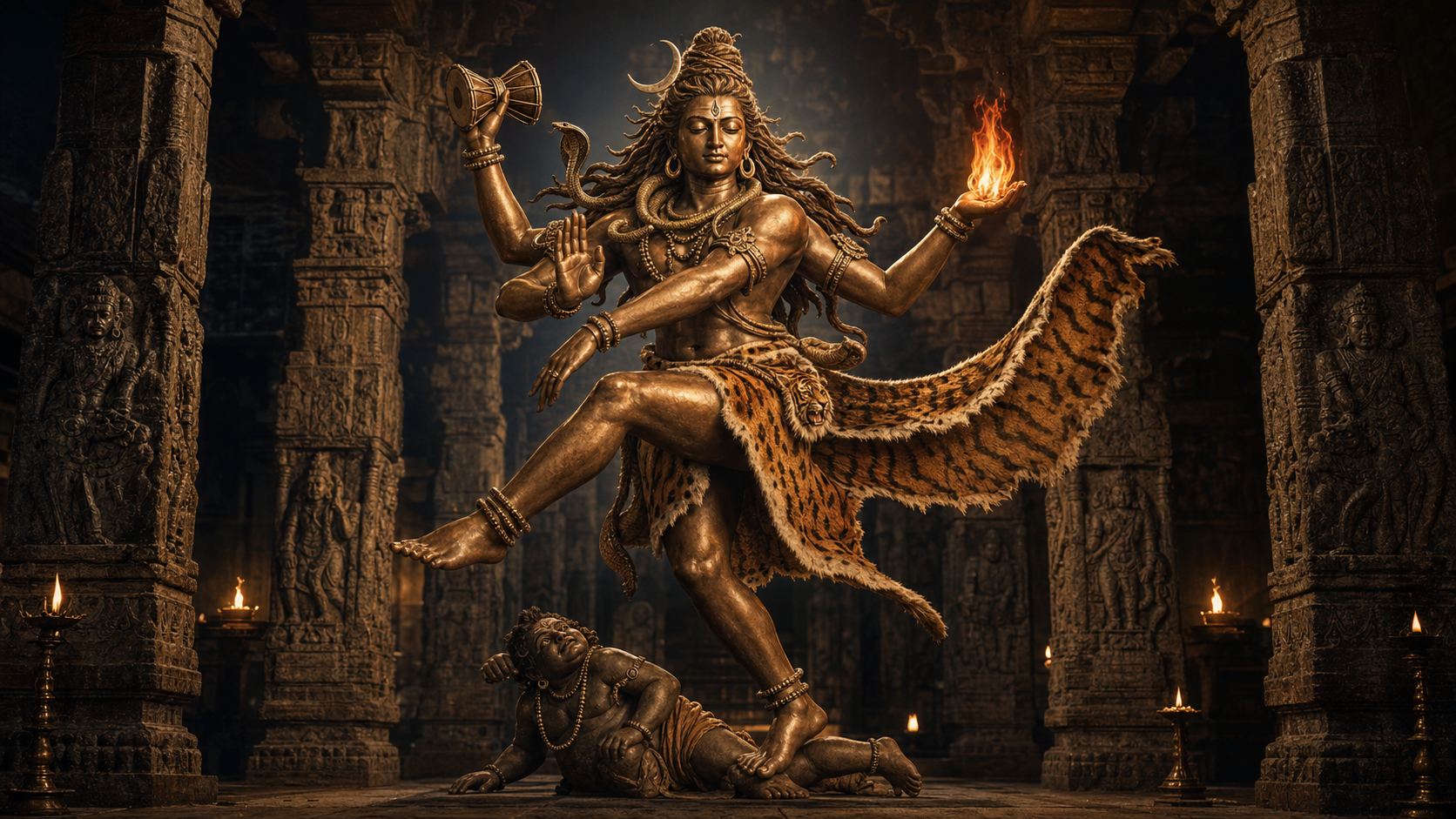
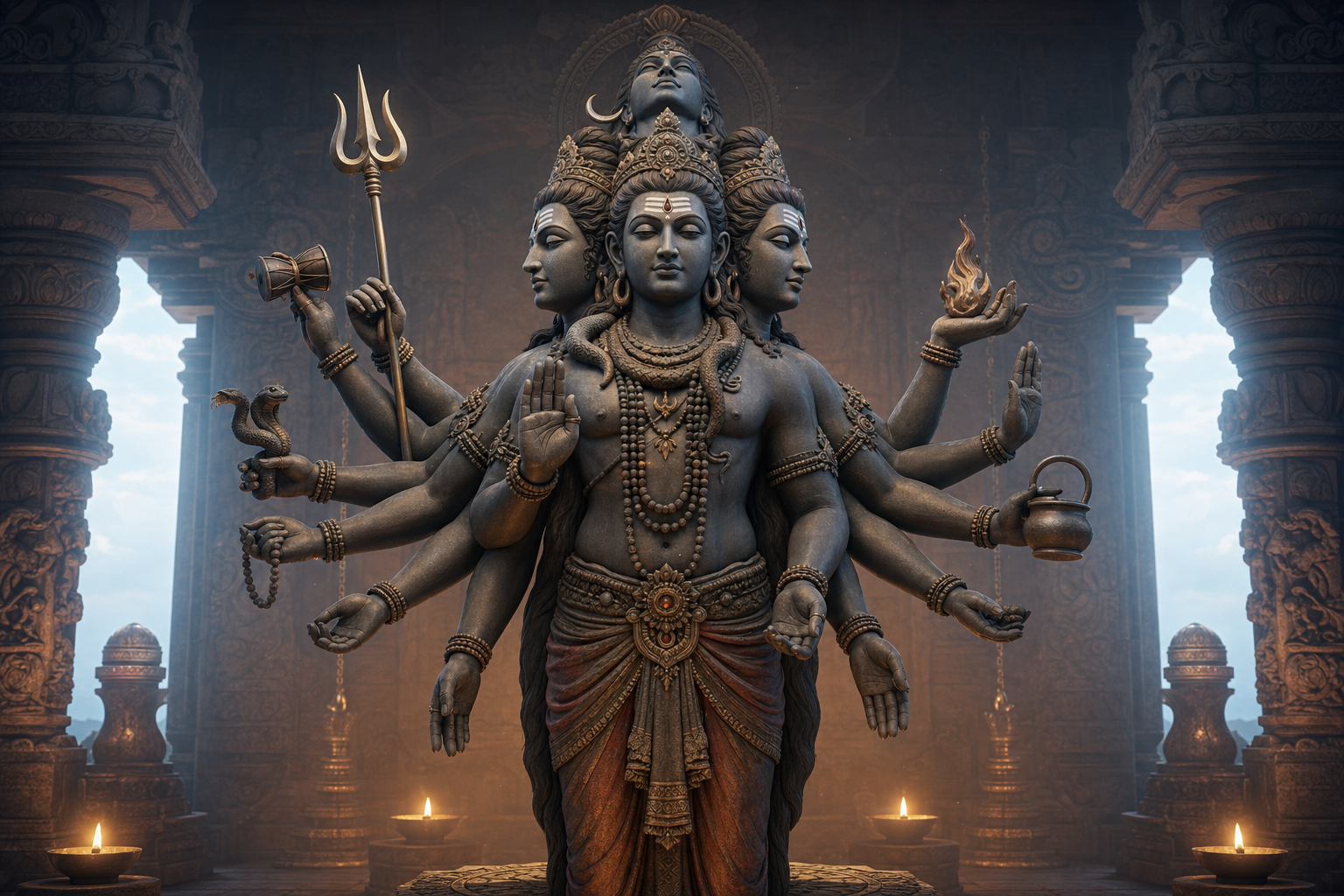
Jagath Samhara Moorthy: How Shiva’s Cosmic Dissolution Fuels Renewal and Liberation

Jagath Samhara Moorthy—Shiva as the cosmic dissolver—expresses a lawlike rhythm in Hindu cosmology where endings prepare the ground for renewal. Drawing on the Puranas, Upanishads, and Shaiva philosophy, the article clarifies how samhara operates within the five divine acts: creation, maintenance, dissolution, concealment, and grace. It explains the four types of pralaya and situates them…
-
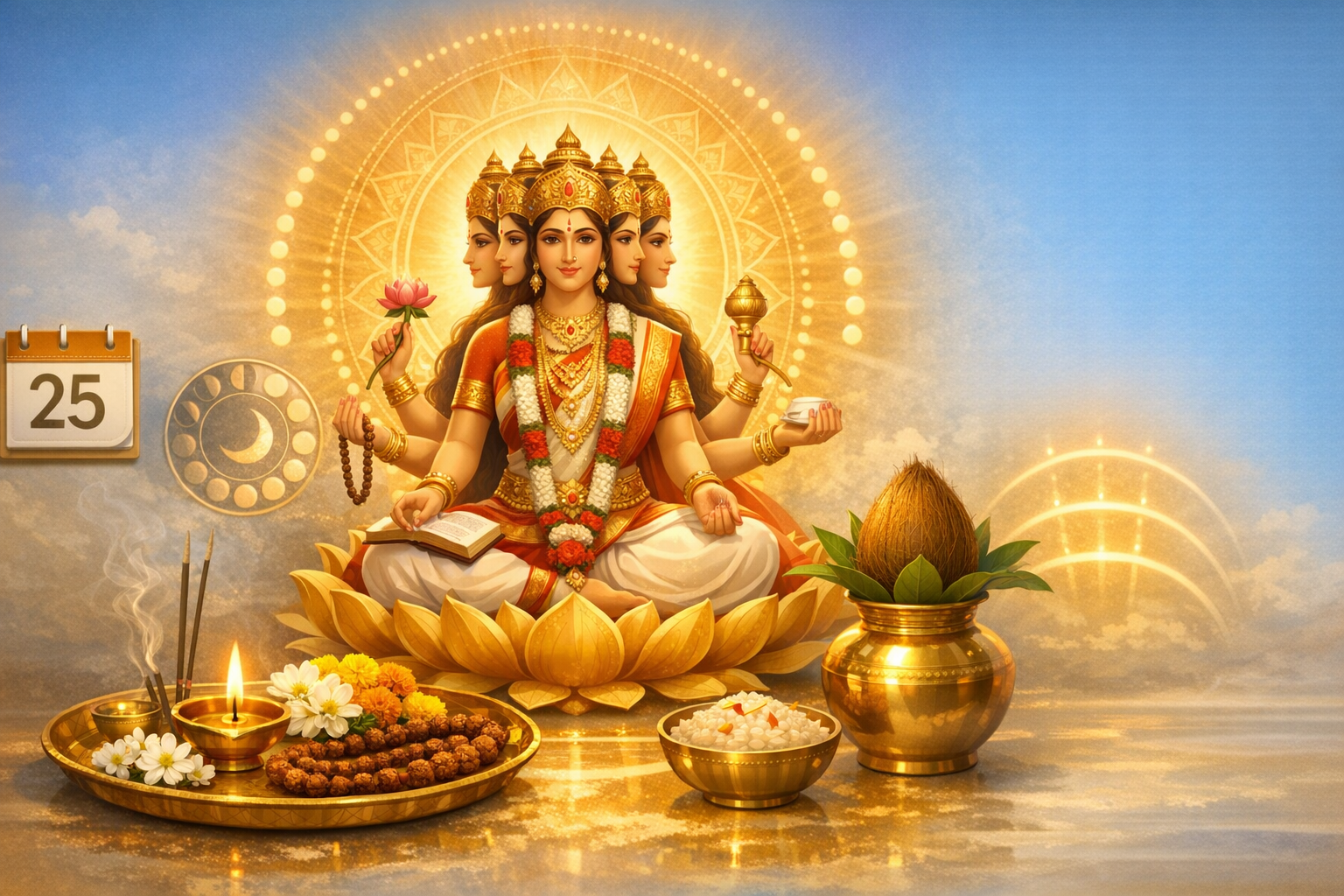
Madhukrishna Trayodashi 2026: Auspicious Date, Calendar Mapping, and Complete Pradosh Puja Guide

Madhukrishna Trayodashi (Madhu Krishna Trayodasi) in 2026 falls on March 17, aligning as Falgun Krishna Trayodashi in the Amanta system (Marathi, Gujarati) and Chaitra Krishna Trayodashi in the Purnimanta system (North India). The observance highlights Trayodashi’s traditional sanctity for Lord Shiva, with Pradosh Vrat performed if Trayodashi prevails during the evening Pradosh Kaal. The article…
-
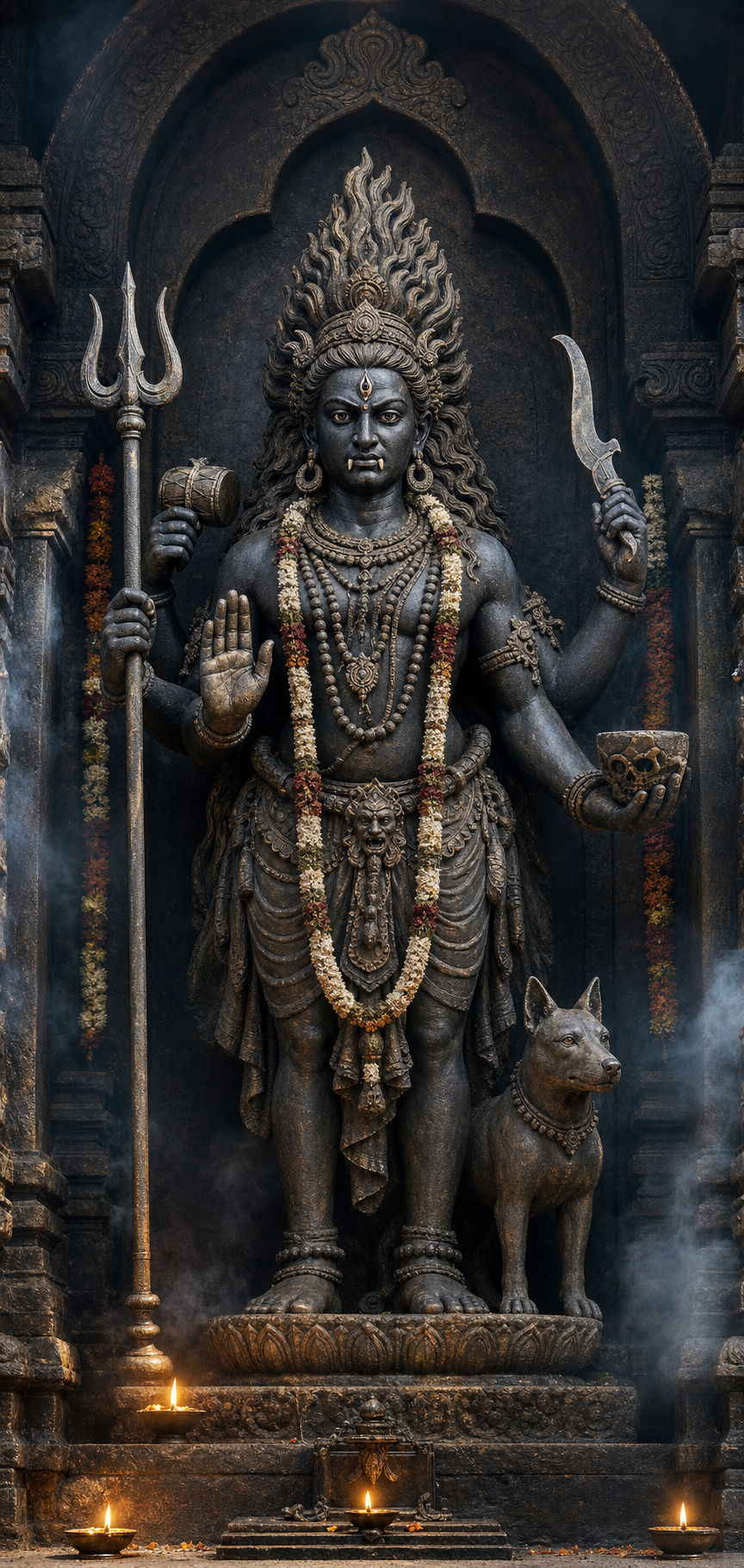
Inside the Kapalikas: Fierce Tantric Shaivism, Bhairava Devotion, and Charnel-Ground Rites

This in-depth overview situates the Kapalikas within Tantric Shaivism and early medieval Indian history, explaining why the ‘skull-people’ carried kapala bowls and worshipped Shiva as Kala Bhairava. It clarifies how cremation-ground observances, bone ornaments, and fierce offerings served a disciplined non-dual soteriology rather than mere spectacle. Readers gain a careful separation of polemic and practice…
-
March 19, 2026 Panchang: Amavasya to Shukla Pratipada, Essential Muhurta, Nakshatra & Rashi

Thursday, March 19, 2026 marks a powerful threshold in the Hindu calendar: Amavasya lasts until 6:40 AM, followed by Shukla Paksha Pratipada. Understanding this tithi shift helps time closure-oriented observances before 6:40 AM and fresh starts afterward. The guide explains key Panchang components—Tithi, Nakshatra, Rashi, Rahukalam, Yamaganda, Gulika, Choghadiya, and Abhijit Muhurta—for precise, location-aware planning.…
-
Laya in Hinduism: The Transformative Power of Dissolution, Rhythm, and Unitive Awareness

Laya, from the Sanskrit root lī, signifies dissolution, absorption, and repose—an idea that unites Hindu cosmology, contemplative practice, yoga, and the aesthetics of Indian classical music. This long-form, technical exploration clarifies how laya differs from pralaya, why Advaita Vedānta treats laya as a potential pitfall without viveka, and how Yoga, Laya Yoga, and Nāda Yoga…
-
Srila Prabhupada’s 2026 Vyasa-puja: Inspiring Guide to Meaning, Homage Writing, and Dharmic Unity

Srila Prabhupada’s 2026 Vyasa-puja is presented as a rigorous, tradition-grounded celebration that unites devotion, scholarship, and community remembrance. This comprehensive guide explains the theology of honoring the guru as representative of Veda Vyasa, with scriptural anchors in Bhagavad-gita and Srimad-Bhagavatam. It clarifies how the Vyasa-puja book serves as a cultural and spiritual archive, preserving lived…
-
Unveiling the Abhūtarājasas: Inside the Fifth Manvantara’s Forgotten Deva Gana

The Abhūtarājasas—also known as Abhutarayas or Abhutarajasas—are a fourteen-member deva-gana assigned to the fifth Manvantara under Raivata Manu, as preserved in Purāṇic sources such as the Viṣṇu Purāṇa and the Bhāgavata Purāṇa. This article clarifies their place in Hindu cosmology, explains the Manvantara framework, and unpacks the philology of their name as a guna-inflected descriptor.…
-
Lauliki (Nauli) in Hatha Yoga: The Fourth Shatkarma to Ignite Digestion, Detoxify, and Focus

Lauliki (Nauli), classically presented as the fourth Shatkarma in several Hatha Yoga lineages, is an advanced abdominal kriyā that refines digestion, steadies the autonomic nervous system, and prepares the mind for deeper practices. Rooted in the Haṭha Yoga Pradīpikā and Gheraṇḍa Saṁhitā, the method isolates and gently churns the abdominal wall on an exhaled retention…
-
From ‘Why Me?’ to ‘What Now?’: Research-Backed Practice for Acceptance and Resilience

A small linguistic pivot from Why me? to What now? can transform adversity into a field of choice. This research-informed narrative examines a real case of Idiopathic Intracranial Hypertension, outlining how acceptance, present-moment awareness, and small, honest steps sustained healing and professional continuity. It clarifies the difference between acceptance and resignation, translating insights from resilience…
-
Goddess Trikala: Uniting Trimurti and Tridevi as the Timeless, All-Seeing Power of Shakti

Goddess Trikala synthesizes Hinduism’s core triads—past, present, future and creation, preservation, dissolution—into a single, time-enfolding vision of Shakti. Drawing on Purāṇic patterns in which the Goddess emerges from aggregated divine energies, Trikala Devi is interpreted as arising from the unified gaze and essences of the Trimurti. The article analyzes iconographic analogies (tri-netra, color triads, composite…
-
Challenging the Divine: How Sacred Confrontation in Hinduism Ignites Profound Enlightenment

Hindu scriptures and the wider dharmic traditions advance a bold claim: authentic enlightenment often arises through disciplined questioning and even confrontation with the divine. Far from promoting irreverence, this dialogical method integrates reason, devotion, and lived experience to clarify dharma and realize moksha. Case studies from the Upanishads, the Bhagavad Gita, and the Mahabharata show…
-
March 18, 2026 Panchang: From Krishna Paksha Chaturdashi to Amavasya—Tithi, Nakshatra & Rashi

March 18, 2026 begins under Krishna Paksha Chaturdashi until about 07:30 local time and then shifts to Amavasya for the remainder of the day in most regions. This Panchang guide explains how tithi is calculated, why times vary by location, and how to combine tithi, Nakshatra, Rashi, Yoga, and Karana to plan practices with confidence.…
-
Aaya Vyaya 2026–2027 Unpacked: Clear Income–Expense Signals for All Moon Signs (Rashis)

Aaya Vyaya (Aadayam & Vyayam) for 2026–2027, aligned with Sri Parabhava Nama Samvatsaram, distills yearly income and expense momentum for each Moon sign (rashi) into two numbers on a 1–14 scale. This guide explains how to read the table, why Moon sign is used, and how to convert the Income–Expense signal into clear budgeting and…
-
Moral Injury and Betrayal Trauma: How Broken Trust Rewires the Nervous System—and How to Heal

Moral injury is not simply fear-based trauma; it is an ethical wound formed when trusted people or systems violate core moral expectations. This long-form analysis explains how betrayal trauma reshapes the nervous system, why shame and withdrawal so often replace fear and anger, and how to distinguish trauma reenactment from trauma repair. Drawing on dharmic…