

An animal injures someone, destroys a garden, or kills prey. Your first response may be practical, but the philosophical question follows quickly: did that being choose adharma, or are you projecting human guilt onto life governed largely by instinct? The answer changes how you protect others, assign blame, and practise ahiṃsā.
Dharmic traditions do not give one unqualified yes or no. They place non-human life within a karmic cosmos, yet differ over whether animals and plants create new karma and how much moral authorship their actions contain. The useful question is therefore not simply whether an action caused harm. You must ask how much intention, discernment, freedom, and self-correction were possible.
Separate physical causation from moral authorship
A falling branch, a hungry tiger, and a calculating human can all cause injury. That shared result does not make the three causes morally equivalent. Physical causation answers, “What produced this event?” Moral authorship asks, “Who understood the alternatives, could regulate the impulse, and chose this course as their own?”
This distinction prevents karma from becoming a loose synonym for anything that happens. In its morally significant sense, karma involves an action that consciousness appropriates through intention and doership. The depth of karmic responsibility grows with reflective awareness and deliberate choice; it does not necessarily grow in direct proportion to the visible size of an outcome.
The Bhagavad Gita 4.17 distinguishes karma, vikarma, and akarma rather than treating every movement as ethically identical. Bhagavad Gita 3.27 also challenges the ego’s claim to be the independent doer when action is unfolding through the guṇas. These distinctions direct attention to the interior structure of action: desire may arise, an impulse may move the body, buddhi may evaluate it, and ahaṅkāra may finally claim, “I choose this.” Moral authorship becomes thicker as more of that sequence is consciously endorsed.
Classical Vedanta makes the same point through three temporal forms of karma:
- Sañcita is the accumulated store of past karma.
- Prārabdha is the portion already bearing fruit in the present embodiment.
- Āgāmi is new karma produced through present action and carried toward a future result.
Āgāmi is the decisive category when you ask whether a non-human being is making fresh moral karma. Many Vedantic accounts say that robust āgāmi requires saṅkalpa, not merely appetite or reaction. Saṅkalpa is a reflective resolve formed in view of ends and values. It also requires some adhikāritva: the eligibility and capacity to understand duty, restrain oneself, and choose in the light of dharma.
This is why human birth is described as both precious and dangerous. A human can enlarge bondage through calculated adharma, but the same powers of viveka and disciplined action can end bondage. An animal acting under an overpowering instinct has a narrower field of authorship. A plant may be alive, responsive, and indispensable to the cosmic order without possessing the deliberative structure needed for moral resolve.
Reduced agency must not be confused with reduced worth. A newborn, an animal, and a tree do not need to pass a test of moral accountability before you owe them care. Responsibility and sanctity answer different questions: the first concerns how an action should be attributed, while the second concerns how a living being should be treated.
Four Dharmic traditions do not use one karmic formula

It is tempting to manufacture a single Dharmic verdict, but doing so erases real philosophical differences. The traditions converge on a morally serious universe, the consequences of action, and the exceptional opportunity of disciplined human life. They do not define non-human karmic participation in precisely the same way.
Many Vedantic Hindu accounts: animals mainly experience karma
Many Vedantic explanations describe animal embodiment as primarily bhoga-yoni, a condition oriented toward experiencing the results and tendencies already in motion. Human embodiment is correspondingly treated as karma-yoni, the field in which dharma-guided choice can generate morally potent new action.
“Primarily” matters. Animals display varying degrees of attention, preference, memory, social response, and learning. The claim is not that every animal is an unconscious machine. It is that animal conduct is generally governed more tightly by instinct and saṃskāra, with less scope for reflective, śāstra-informed self-government. Fresh āgāmi is therefore absent or attenuated in comparison with mature human agency, depending on the Vedantic interpretation being followed.
Plants occupy a still narrower field of moral agency. They manifest life and prāṇa and participate in ṛta, but they do not possess the articulated manas-buddhi capacity needed for a consciously chosen ethical end. Reverence for tulasī, bilva, peepal, and other plant life is not based on imagining that plants deliberate like humans. It arises from their sacred place in worship, ecology, nourishment, and the larger order that sustains embodied life.
Buddhism: animals can form karma through intention
Buddhist ethics explicitly identifies karma with intention, or cetanā. Animals possess intention at their respective levels, so they are not excluded from karmic production. The moral force of an intention nevertheless varies with its clarity, persistence, awareness, and the mental qualities accompanying it. A confused, fear-driven reaction and a lucidly planned act do not make identical imprints merely because both reach the same outward result.
This makes the Buddhist answer more inclusive than the common Vedantic language of animals mainly undergoing prārabdha. Yet the practical convergence remains important: greater mindfulness and freedom bring greater responsibility. Human beings have a correspondingly urgent obligation to cultivate intention rather than letting greed, hatred, or delusion direct action.
Jainism: even plant jīvas participate in karmic bondage
Jain philosophy gives the broadest and most technically rigorous account of non-human karmic participation. Jīvas ranging from one-sensed beings, including plant life, to five-sensed beings bind karmic matter in differing ways. Animals and plants are therefore not placed outside karma.
What varies is the capacity to arrest and shed bondage. Saṃyama, right knowledge, and right conduct expand the possibility of liberation. Anekāntavāda helps preserve both sides of the matter: a common karmic law can embrace all jīvas while responsibility, restraint, and liberative opportunity still differ according to the capacities of the embodied being.
A Jain conclusion should not be casually blended with the Vedantic claim that plants lack robust moral volition. They arise from different accounts of how karma binds. If you are applying a religious vow, follow the precise discipline of your sampradāya rather than constructing a convenient hybrid from incompatible premises.
Sikhism: karma operates within hukam, but grace opens liberation
Sikh teaching affirms karma without leaving liberation to a self-contained system of moral accounting. Embodied life arises in relation to karma, while release opens through divine grace. Non-human life participates in hukam, the Divine Order; human birth offers the rare opportunity to remember the Divine Name, perform sevā, live ethically, and consciously align conduct with that order.
The Sikh emphasis changes the practical centre of gravity. Speculation about an animal’s invisible karmic past matters less than what you do with the awareness available to you now. Karma explains moral consequence, but humility, remembrance, service, and grace keep that explanation from becoming a doctrine of self-righteous blame.
These differences make categorical slogans unreliable. “Animals do not make karma” can express one Vedantic teaching, but it cannot stand as a complete summary of Buddhism or Jainism. “Every living being makes karma in exactly the same way” is equally misleading because it ignores gradations of cognition, restraint, freedom, and liberative capacity.
Use an agency test before assigning moral blame
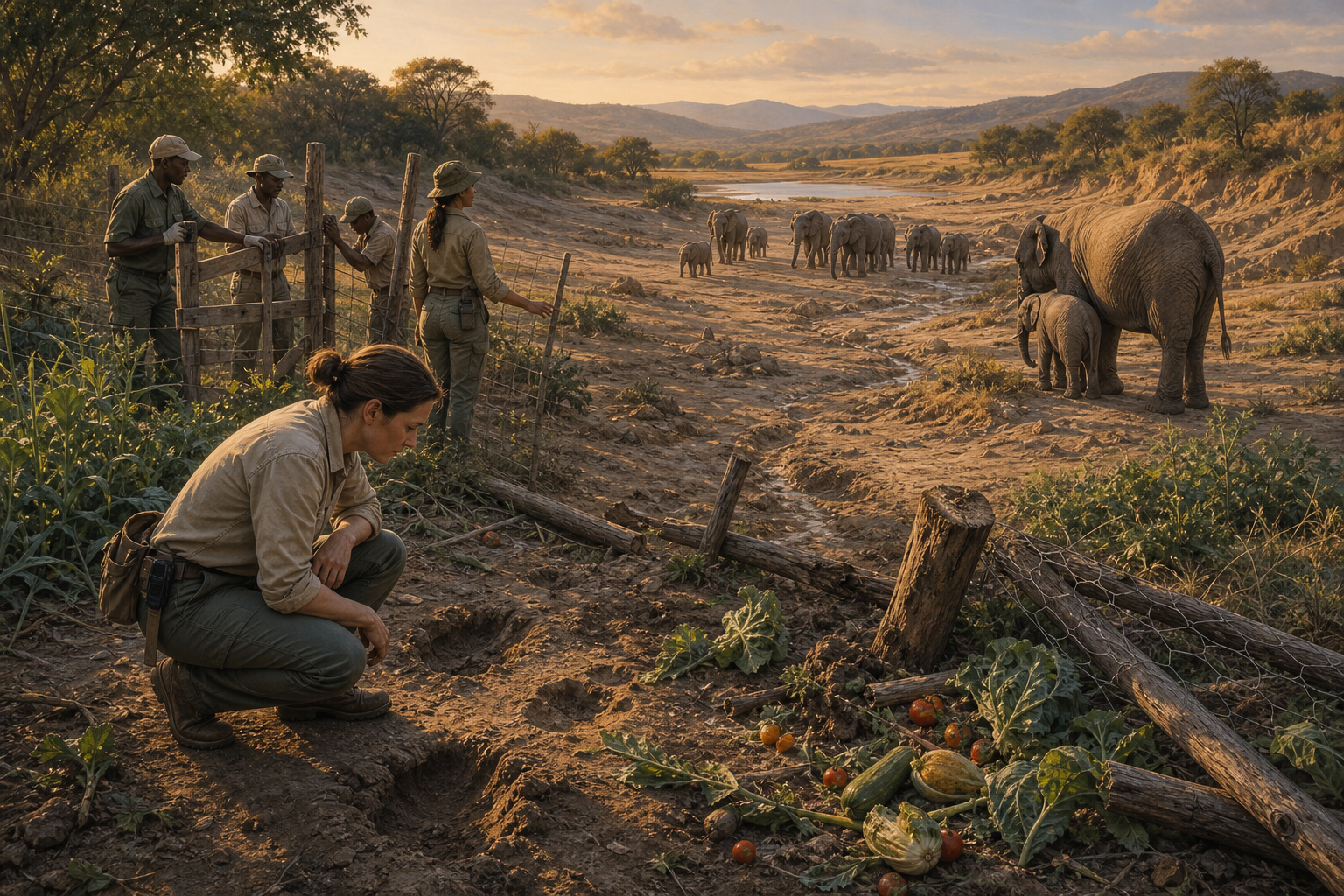
You cannot inspect another being’s karmic ledger, and you should not pretend to know the specific past-life cause of an animal’s birth or suffering. You can, however, judge how to respond in the present. Work through these questions in order:
- Was there goal-directed intention? Distinguish an accidental movement, an automatic response, and conduct directed toward an immediate end. Intention begins the inquiry; it does not by itself prove full moral agency.
- Could the being discern ethically meaningful alternatives? Choosing between two foods is not the same as understanding a duty, recognising another being’s claim, and subordinating appetite to a moral principle.
- How strongly did instinct or compulsion narrow the field? Hunger, fear, territorial defence, reproductive drives, and ingrained saṃskāras can leave little room for reflective consent. Constraint reduces authorship even when the action remains dangerous.
- Could the being foresee consequences beyond the immediate result? Moral responsibility deepens when an agent can anticipate suffering, understand delayed effects, and still proceed.
- Could the being learn, restrain itself, and make amends? The ability to respond to correction reveals some behavioural flexibility. The ability to acknowledge a wrong as wrong and deliberately repair it indicates a much thicker form of moral agency.
Do not turn these questions into a numerical score. They are a discipline for calibrating your response, not a device for issuing metaphysical verdicts. Exact non-human capacities vary, and human observers can easily mistake unfamiliar behaviour for either mindless instinct or human-like deliberation.
Consider a cat defending her kittens. The action can be purposeful, forceful, and responsive to a threat. Its immediate goal does not establish that the cat has weighed a general duty of non-injury against maternal protection. A human parent may feel a similarly powerful impulse, but can also consider proportionality, innocent bystanders, future consequences, legal duties, and non-violent alternatives. The human action therefore contains a wider field of possible authorship.
The same caution applies in the other direction. An animal that can learn a boundary is not thereby eligible for human moral condemnation. Learning makes humane training or environmental management possible; it does not prove comprehension of dharma. A plant’s response to its surroundings establishes responsiveness, not a reflective decision to help, compete with, or injure another being.
Keep outcome and authorship visible at the same time. A being with limited agency may still create a serious danger, so you must address the danger. A human with extensive agency may cause only a small visible injury yet reveal a grave intention. Safety follows the likely consequences; moral judgment follows the quality and freedom of the choice.
Respond to animals and plants without vengeance or indifference

The doctrine becomes useful only when it changes conduct. Thin non-human agency is not permission to ignore harm, and the universality of karma is not permission to punish a creature as though you were enforcing cosmic justice.
When an animal harms someone
- Protect life first. Create distance, attend to any injury, and involve an appropriate local professional when an animal is wild, distressed, or dangerous. Ahiṃsā does not require passive exposure to preventable harm.
- Use proportionate restraint, not retribution. Containment can be necessary. Vengeance assumes a level of malicious authorship that instinctive conduct may not contain.
- Examine the human-controlled conditions. Unsafe boundaries, careless food access, confinement, provocation, neglect, or poor handling can turn a predictable animal response into a crisis. The being with the widest foresight may carry the greater responsibility for preventing recurrence.
- Change the conditions that produced the event. Better separation, supervision, humane training, or expert management addresses future risk more effectively than anger after the fact.
- Describe the behaviour precisely. Say that the animal is frightened, territorial, predatory, or unsafe when that is what you can observe. Calling it sinful, wicked, or morally corrupt adds a human verdict without improving anyone’s safety.
Forgoing moral hatred does not mean tolerating repeated danger. You can restrain an animal firmly while refusing cruelty. That combination is often the clearest practical expression of graded responsibility: prevent the harm that can be prevented, then direct the strongest moral scrutiny toward the humans capable of redesigning the situation.
When you harvest, eat, prune, or offer plants
If plants lack Vedanta’s morally robust volition, the ethical burden does not disappear. It moves toward you. Plant life sustains bodies, habitats, rituals, and communities while being unable to negotiate the terms of its use. Greater human capacity therefore calls for greater restraint.
- Take what the nourishment, treatment, ritual, or practical task actually requires rather than damaging life casually.
- Use what you take with care and avoid waste. Necessity may justify an act that carelessness cannot.
- Preserve or renew the conditions of growth where possible instead of treating living systems as an unlimited stock of objects.
- Let prayers of gratitude or requests for forgiveness discipline your own mind. Their purpose is not to assign guilt to the plant but to prevent entitlement in the person taking from it.
- When more than one viable option is available, choose the course that reduces avoidable injury without pretending embodied life can be maintained through perfect material non-involvement.
A Jain vow may require stricter restraints because Jain karmic ontology includes plant jīvas within material bondage. A Hindu household may express responsibility through reverent harvesting, offerings, gratitude, and ecological care. These practices should not be ranked by extracting them from the philosophy that gives each one meaning.
The practical error to avoid is chasing innocence through denial. Eating, building, healing, farming, and worship all involve material relationships. Dharma asks you to distinguish necessary participation from needless injury, then reduce the latter through awareness and restraint.
Key takeaways for daily moral judgment
- Karma is not identical to physical consequence. An action can cause serious harm without containing the reflective authorship of calculated human conduct.
- Responsibility grows with capacity. Intention, discernment, freedom from compulsion, foresight, and self-correction all make moral agency more substantial.
- There is no single pan-Dharmic verdict. Many Vedantic accounts attenuate fresh animal karma, Buddhism includes animal intention within karma, Jainism includes animals and plants in karmic bondage, and Sikhism places karma within hukam and divine grace.
- Limited agency does not reduce a being’s claim to compassion. It increases the duty of those with greater awareness to prevent suffering and manage shared conditions responsibly.
- Safety and blame are separate decisions. Stop dangerous behaviour proportionately, but do not invent malice where instinct, fear, or limited cognition provides the better explanation.
- Apply the doctrine to your own next choice. Ask which available action protects life, reduces avoidable harm, repairs damage, and prevents recurrence.
Before you call a creature cruel or dismiss a plant as morally irrelevant, pause at the point where your own choice begins. Protect what needs protection, take no more than the situation requires, and use your wider field of awareness to leave less suffering behind. That is the part of the karmic encounter you can actually govern.
References
