-
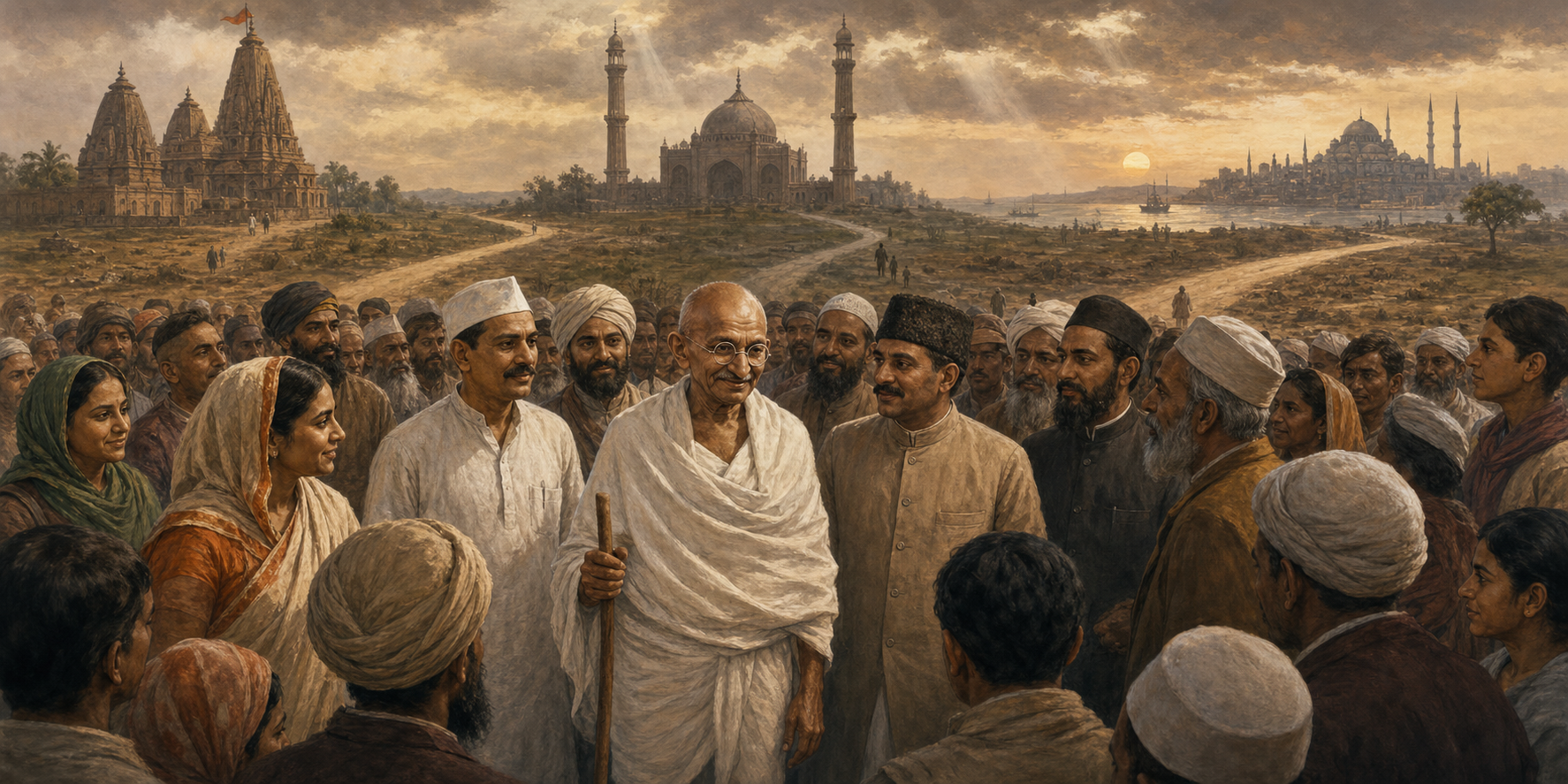
Mohan Bhagwat’s ‘Same DNA’ Thesis: Unifying ‘Hindu’ and Bharat Under a Shared Culture

RSS chief Mohan Bhagwat’s renewed assertion—‘Bharat and Hindu are synonymous’ and ‘Muslims and Christians are Hindu if they love and respect India and its cultural legacy’—is analyzed as a civilizational, not confessional, framing. Read inclusively, it situates ‘Hindu’ as a cultural umbrella that welcomes diverse faiths while honoring distinct religious identities. The piece outlines how…
-
Unmasking Bihar’s Jungle Raj: Shahabuddin, Lalu, and the Price of Criminalized Politics

This analysis revisits Bihar’s “Jungle Raj” to examine how political criminalisation took root in the 1990s and why its lessons remain urgent today. Drawing on reporting by Sankarshan Thakur, a PUCL fact-finding bulletin, and intelligence accounts cited by Arun Shourie, it traces the rise of Mohammad Shahabuddin and the enabling environment that blurred lines between…
-
Raja Bhaiya joins Baba Bageshwar’s Sanatan Hindu Ekta Padyatra, a symbolic push for Dharmic unity
Raghuraj Pratap Singh (Raja Bhaiya) joined Baba Bageshwar’s Sanatan Hindu Ekta Padyatra in a move that blends political timing with a message of cultural unity. The event’s core emphasis on Sanatan Dharma reframed participation as community service and social harmony rather than sectarian signaling. By aligning with Dhirendra Krishna Shastri’s widely attended platform, the outreach…
-
How to Choose the Right MLA/MP: A Practical, Dharma-Centered Checklist for Indian Voters

Voters often feel every candidate looks the same; this guide offers a clear, dharma-centered method to choose an MLA or MP. It draws on shared values from Hinduism, Buddhism, Jainism, and Sikhism—truth, non-violence, compassion, and service—and translates them into democratic criteria. The checklist emphasizes integrity, proven public service, policy competence, inclusivity, accessibility, and financial ethics.…
-
Revisiting ‘Secular’ in India’s Constitution: Sadguru Nilesh Singbal’s Call for Dharmic Unity
Sadguru Nilesh Singbal’s position challenges readers to re-examine how “secular” functions within India’s constitutional framework while calling for reform through Article 368. The analysis situates the debate within the 42nd Amendment and the Supreme Court’s basic structure doctrine, noting that secularism has been judicially recognized as intrinsic to the Constitution. It presents an inclusive, dharmic…
-
Landmark Karnataka HC Ruling Upholds Peaceful Assembly, Nixes Blanket Curbs on RSS March

The Karnataka High Court has signaled that blanket restrictions on public gatherings, including a proposed RSS route march in Bengaluru, cannot replace proportionate, evidence-based safeguards. The ruling centers Article 19 rights, clarifying that peaceful assembly may be regulated but not indiscriminately curtailed. It encourages targeted conditions—route diversions, time limits, and security protocols—over outright bans. The…
-
Virat Hindu Dharmasabha: T. Raja Singh urges vigilant, compassionate unity across dharmic paths
Goshamahal MLA T. Raja Singh’s remarks at the Virat Hindu Dharmasabha in Mangrulnath, Washim, stressed community vigilance and adherence to Sanatani values. This analysis reframes that appeal toward inclusive, evidence-based action that strengthens Hindu Unity and Religious harmony. It emphasizes historical lessons—satya, ahimsa, and seva—as enduring anchors of social resilience. Readers gain practical ways to…
-
Krishnamoorthi Rebukes VP JD Vance, Igniting Demand for Respect for Hindu Faith
US Congressman Raja Krishnamoorthi condemned remarks by US Vice President JD Vance about Usha Vance’s Hindu faith, calling them “deeply disappointing.” The exchange has sparked a wider debate about Religious Freedom, the responsibilities of public officials, and the lived experiences of the Hindu American Community. Reporting attributed to Upananda Brahmachari | HENB | New Delhi…
-
After Yatnal’s Letter, Karnataka’s Certification Debate: A Proven Roadmap to Unity and Trust
Suspended BJP MLA Basanagouda Patil Yatnal’s letter to Union Home Minister Amit Shah, seeking a ban on “halal certification” in Karnataka, has sparked a broader policy discussion on labeling and consumer trust. A standards-led approach, anchored in FSSAI norms and constitutional principles, offers a constructive alternative to prohibition. By establishing a neutral, state-regulated registry of…
-
Christian Nationalism in America: Hinduphobia’s Rise and a Dharmic Call to Unity
America’s founders built a secular republic to prevent sectarian strife; today’s Christian nationalist surge tests that promise for Hindu, Sikh, Buddhist, and Jain Americans. This analysis traces how policy campaigns around schools and public religion intersect with rising Hinduphobia and temple vandalism. It situates current tensions in longer histories—from the Goa Inquisition and Aurangzeb’s era…
-
Hosabale Rebuts Kharge: Courts and Citizens Render an RSS Ban Unworkable, Protecting Pluralism

Dattatreya Hosabale’s response in Jabalpur to Mallikarjun Kharge’s call for an RSS ban situates the issue within India’s constitutional framework and public sentiment. He underscores that decades of administrative scrutiny and judicial oversight have not yielded a lasting, court-sustained prohibition of the Rashtriya Swayamsevak Sangh (RSS). The argument also turns on social legitimacy, noting that…
-
Inside Bangladesh’s ISKCON Ban Push: Essential Facts, Risks, and a Path to Harmony
This analysis clarifies what recent calls to ban ISKCON in Bangladesh mean for religious freedom, minority rights, and social cohesion. Readers gain an evidence-led framework for assessing such demands without resorting to stigmatizing labels. It highlights constitutional principles and practical safeguards that protect worship while maintaining public order. The piece offers community-level strategies—from interfaith dialogue…
-
Essential Clarification to Transform Anti‑Hate Laws: Coalition Urges ‘Hakenkreuz’ Accuracy in Canada
A multi-faith coalition representing more than 70 organizations has called on Canadian lawmakers to correct terminology in Bill C-9 (Combatting Hate Act) and Petition e-6625 by prohibiting the Nazi Hakenkreuz rather than the sacred Swastika. This clarification aligns with historical records showing that Nazis used the term Hakenkreuz, not Swastika, and with police and legislative…
-
Proven Breakthrough for Equality: Why Newsom’s SB509 Veto Protects Diaspora Rights in California
Governor Gavin Newsom’s veto of SB509 marks a proven breakthrough for equality, civil liberties, and community safety in California. CoHNA and allied leaders argued the bill’s vague “foreign proxy” language risked mislabeling lawful advocacy by immigrant and dharmic communities. The decision keeps California aligned with federal TNR frameworks while avoiding duplicative, costly mandates. Documented rises…
-
Discover Assam’s Essential Legal Reforms: A Balanced, Complete Look at Marriage and Land Bills

Assam is preparing to table bills addressing alleged coercive conversion via marriage, uniform regulation of polygamy, and protection of religious endowment lands. Framed in constitutional and rights-based terms, the proposals aim to strengthen consent, equality, and heritage preservation. The approach emphasizes due process, proportionality, and safeguards against misuse, while maintaining space for legitimate interfaith marriages.…
-
Essential Guide to Certification Labels: Navigating UP’s Halal Ban with Harmony in Mind

Uttar Pradesh has restricted the domestic sale of ‘Halal’-certified products, bringing certification labels into sharp public focus. This overview explains the policy context, including export exceptions, and clarifies what consumers are likely to encounter on everyday goods. It outlines simple, practical steps—such as checking FSSAI, ISI, and vegetarian/vegan indicators—to reduce confusion at the point of…
-
Essential Analysis: Yogi Adityanath’s Halal Remarks and a Proven Path to Dharmic Unity

This analysis examines Yogi Adityanath’s recent remarks in Lucknow through a balanced, policy-focused lens. Readers gain a clear distinction between politicization in the name of religion and faith traditions themselves. The piece explains halal certification in the broader context of consumer labeling—alongside vegetarian, vegan, and Jain-friendly standards—and emphasizes transparency, parity, and oversight. It outlines practical…
-
Ultimate Breakdown: Trump’s White House Diwali and the Proven MAGA Backlash Exposed

Diwali 2025 saw unprecedented global greetings, including bipartisan messages in the United States and public recognition at the White House. A small but vocal set of hostile online reactions sought to delegitimize Hindu and broader dharmic celebrations, yet the wider civic response affirmed pluralism and religious freedom. The episode illustrates how fringe digital hostility can…
-
Essential Breakdown of Pune’s Shaniwarwada Namaz Row: Heritage, Law, and Harmony

A viral video of namaz at Pune’s Shaniwarwada Fort led to a police case against three women, focusing attention on both heritage protocols and interfaith harmony. This analysis clarifies what is known, why the site’s conservation rules matter, and how due process safeguards fairness. It outlines practical steps—clear signage, permissions, and even-handed enforcement—to protect historic…
-
Diwali Diplomacy in Pakistan: Proven Ways to Transform Greetings into Minority Safeguards

Shehbaz Sharif’s Diwali message sparked a broader debate about symbolism versus safeguards for Pakistan’s Hindu community and other minorities. This analysis places the greeting in context, emphasizing transparent data, equal citizenship, and rule-of-law reforms as the foundation for trust. It outlines proven, practical steps—from fast-tracking hate-crime prosecutions to protecting temples and strengthening an independent minorities…