Category: History

  • Dandaniti and Rajadharma: Ancient Hindu Statecraft for Just, Stable, Ethical Governance

    Dandaniti and Rajadharma: Ancient Hindu Statecraft for Just, Stable, Ethical Governance

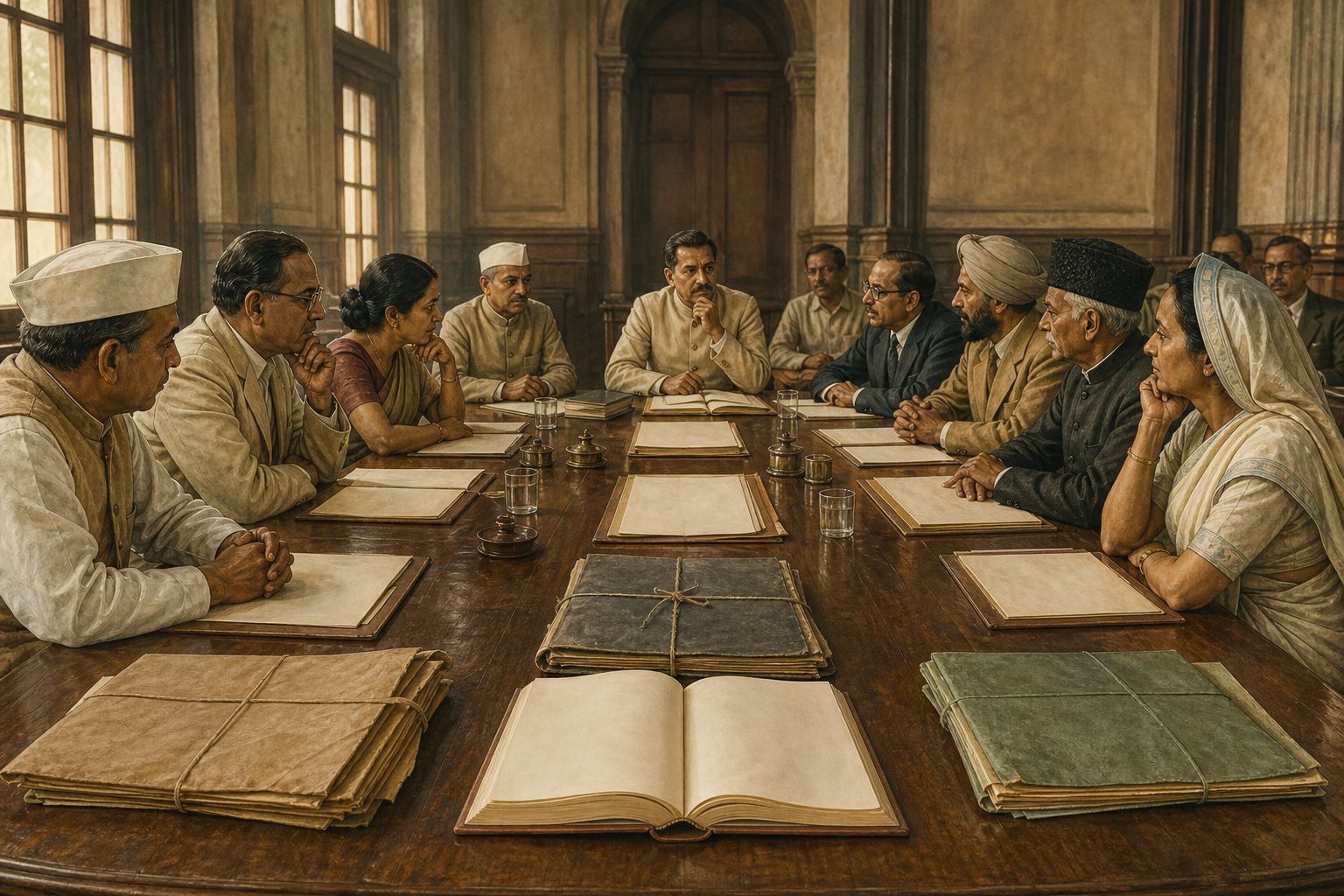
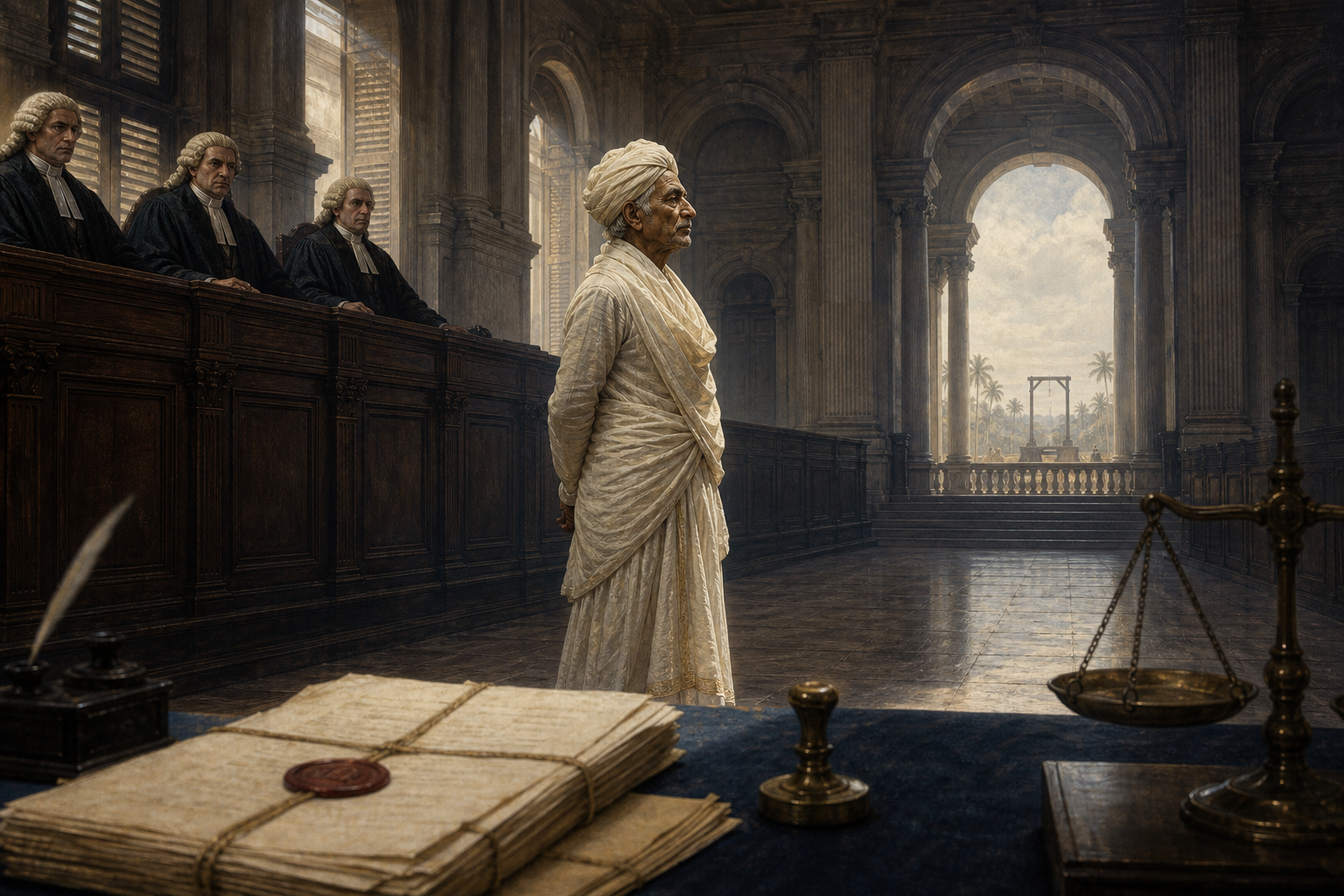
    Dandaniti—ancient India’s science of governance—unites authority with ethics by treating punishment as a disciplined last resort under dharma. Drawing on Arthasastra, Dharmasastra, and Vidura-niti, it details institutions, courts, revenue, internal security, diplomacy, and just war norms. The saptanga model organizes the state’s limbs and anticipates modern concerns for fiscal prudence and checks on power. Procedural…

  • Parashurama: The Saint-Warrior Avatar Who Reset Kshatra Dharma and Reclaimed the Land

    Parashurama: The Saint-Warrior Avatar Who Reset Kshatra Dharma and Reclaimed the Land

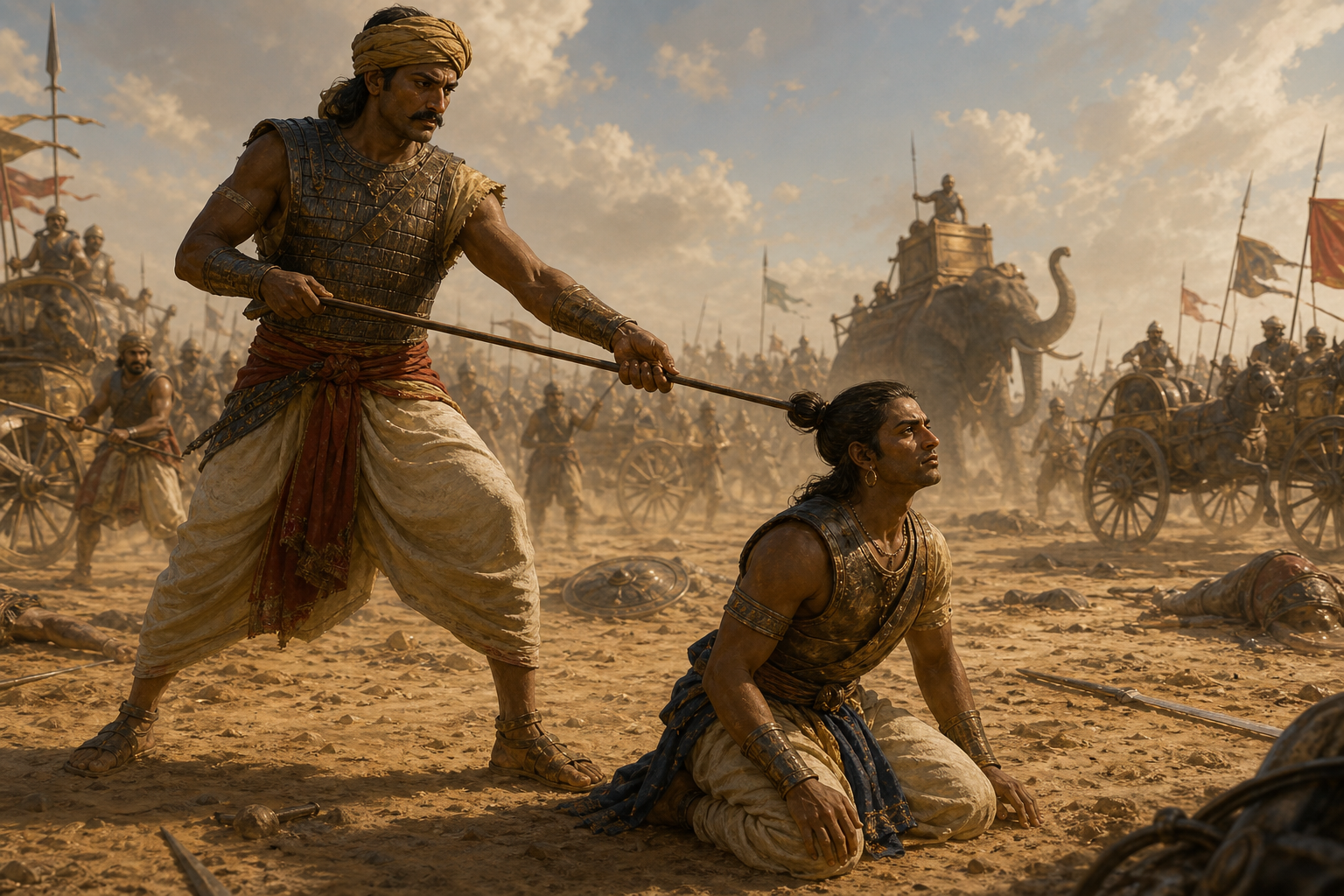
    Parashurama, the sixth avatar of Lord Vishnu and a devoted bhakta of Lord Shiva, embodies the union of spiritual austerity and disciplined strength to restore dharma. Scriptural accounts from the Bhagavata Purana, Vishnu Purana, Ramayana, and Mahabharata portray his mission as a principled reform of Kshatriya power when it strays into adharma. The narrative explores…

  • How Merit Died at Mysore University: Anatomy of Decline and a Dharmic Blueprint to Rebuild

    How Merit Died at Mysore University: Anatomy of Decline and a Dharmic Blueprint to Rebuild

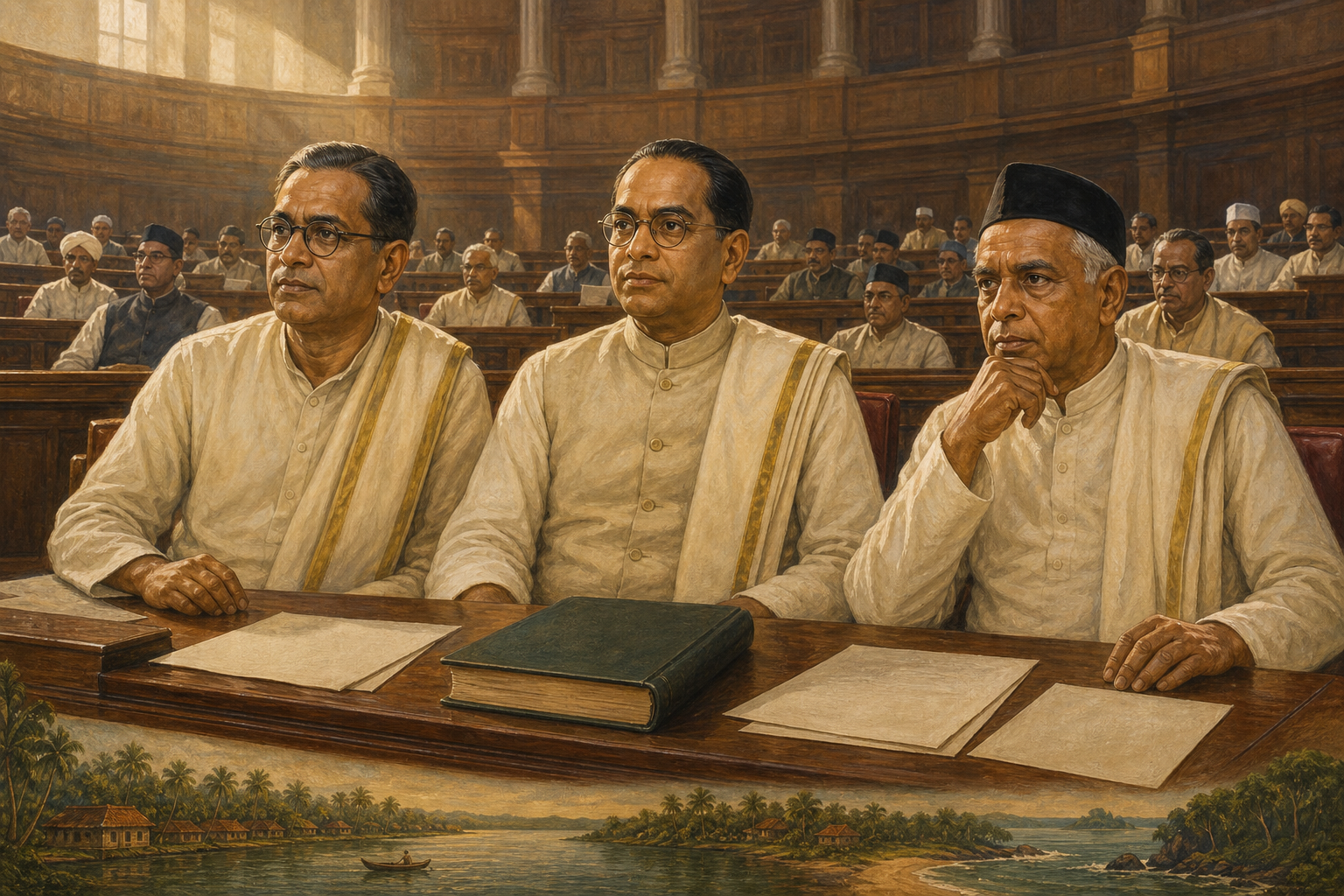
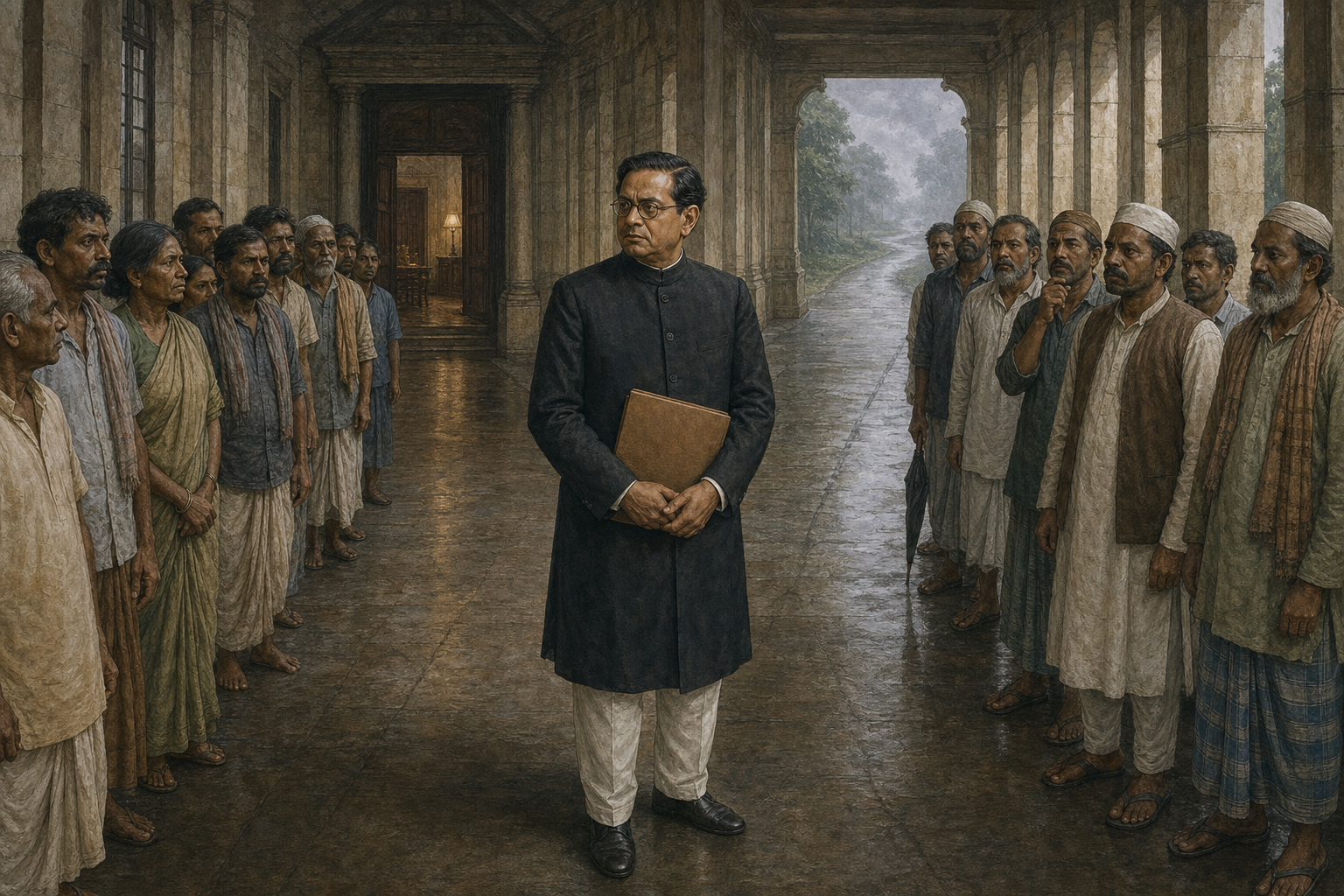
    The University of Mysore’s trajectory—from a ‘Kashi of Knowledge’ to an institution beset by politicization—reveals how academic cultures unravel when identity and expedience eclipse merit. Drawing on testimonies preserved in Bhyrappa’s Bhitti, H.M. Nayak’s Mysore Diary, and accounts linked to B.G.L. Swamy, this analysis traces the sidelining of master teachers, the embittering of scholars like…

  • Aparajita, the Invincible: Ancient Hindu War Rites, Dharma-Yuddha Ethics, and Strategy

    Aparajita, the Invincible: Ancient Hindu War Rites, Dharma-Yuddha Ethics, and Strategy

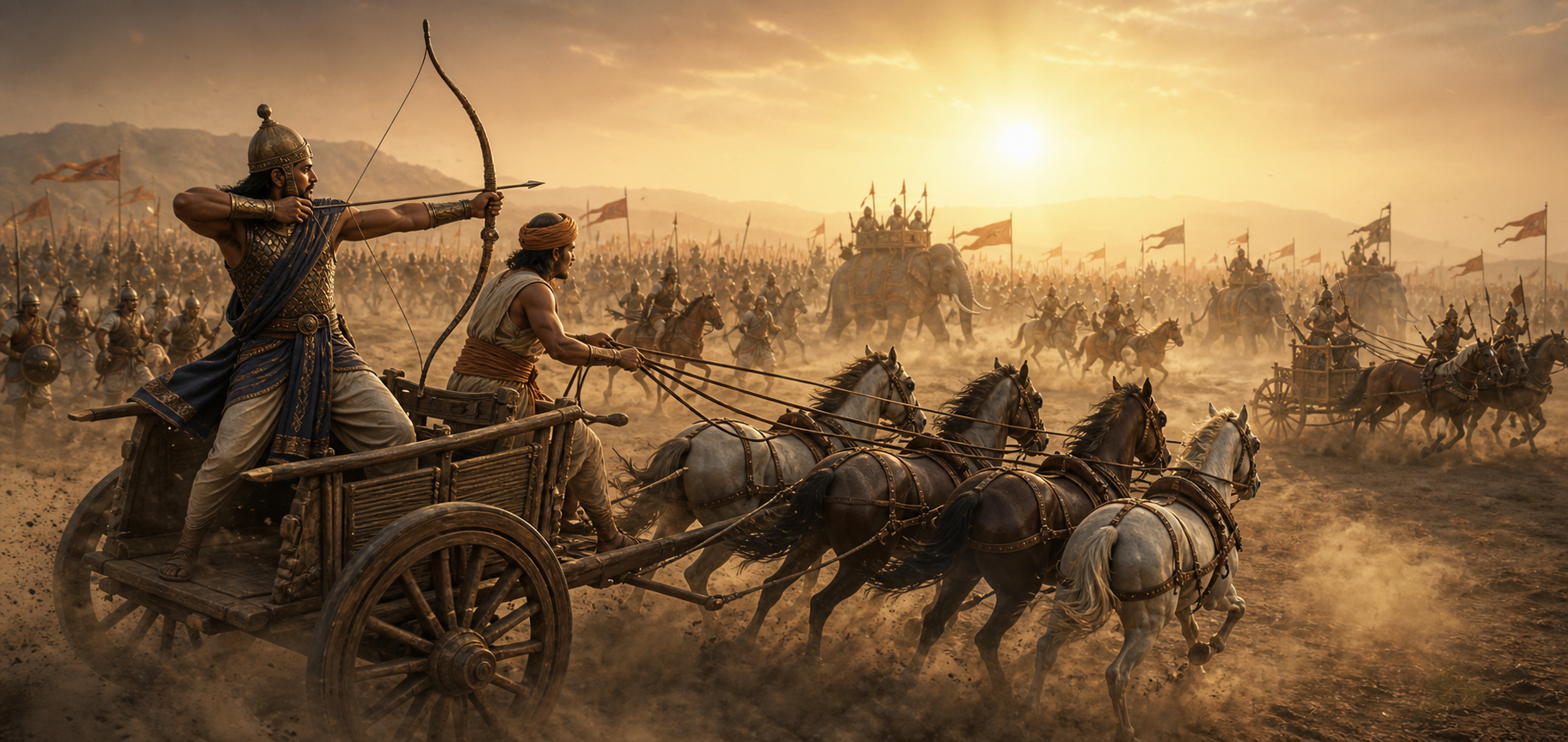
    Aparajita—“the unconquered”—was venerated by kings, commanders, and communities as the victory-bestowing face of the Goddess in ancient India. The worship synchronized statecraft and spirituality, binding warfare to Dharma-Yuddha and Kshatra Dharma. Textual traditions linked Aparajita with Durga and embedded victory hymns from the Devi Mahatmya into pre-campaign rites. Rituals integrated muhurta selection, sankalpa, weapon consecration,…

  • From Temple of Learning to Cattle-shed: How Politics Unmade Mysore’s Maharaja’s College

    From Temple of Learning to Cattle-shed: How Politics Unmade Mysore’s Maharaja’s College

    B.G.L. Swamy’s unforgettable scene of a donkey and two cows in Maharaja’s College is more than shock value; it crystallises a wider institutional decline at the University of Mysore. Drawing on S.L. Bhyrappa’s Bhitti and the memory-portraits of A.N. Murthy Rao, this essay traces how identity blocs, party patronage, and faculty “private durbars” displaced scholarly…

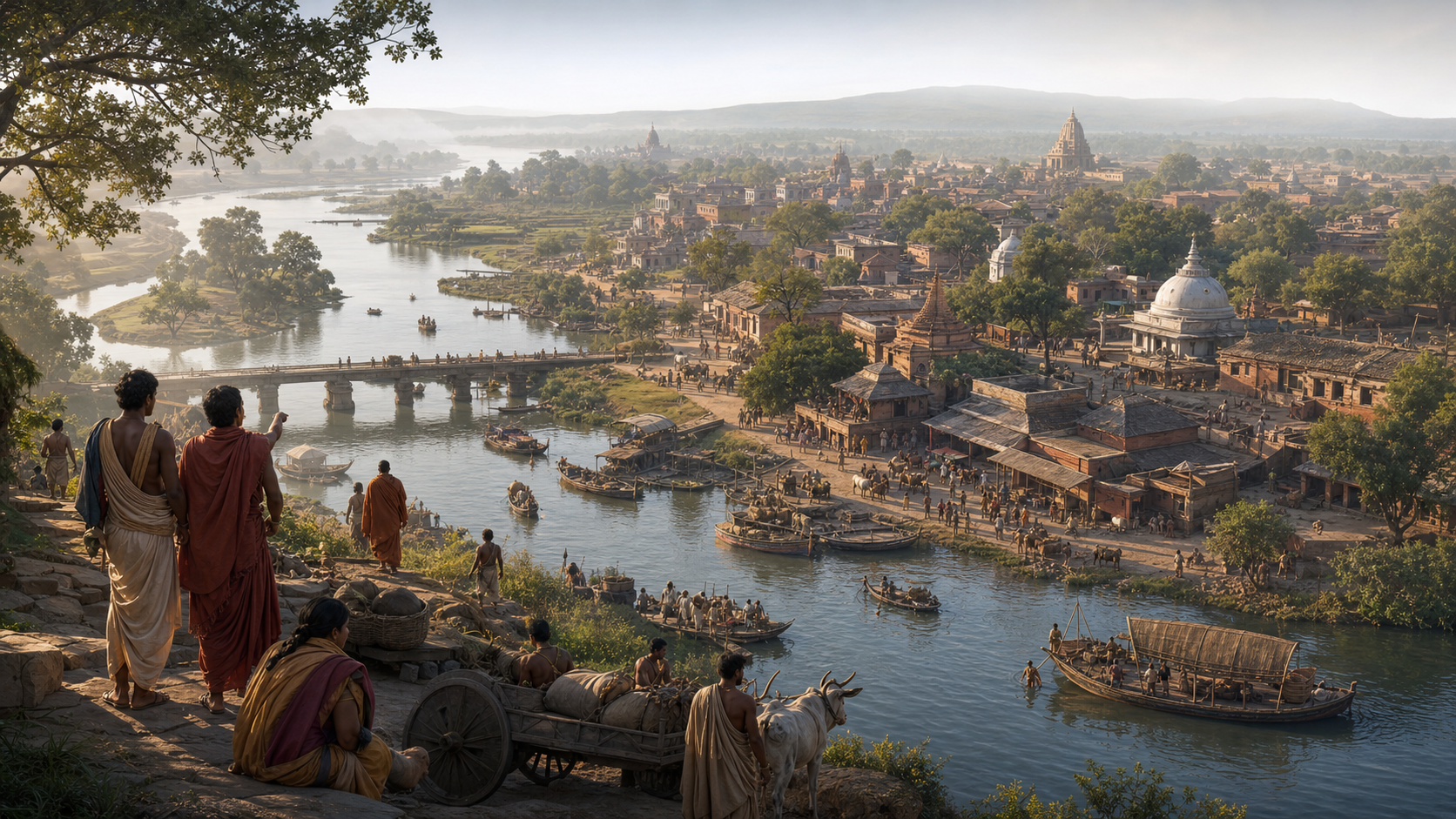
  • Timeless Vedic Currents in the East: Trade, Dharma, and the Making of Asia’s Civilizations

    Timeless Vedic Currents in the East: Trade, Dharma, and the Making of Asia’s Civilizations

    This article presents an academically grounded, long-form analysis of how Vedic culture and allied dharmic traditions shaped the Orient primarily through peaceful trade, scholarship, and religious teaching. Drawing on archaeology, epigraphy, linguistics, architecture, and travelogues, it explains how Indian Ocean trade networks and monastic circuits linked Bharatavarsha to Southeast and East Asia. It details the…

  • Kolhapur Protests over Shivaji’s Legacy: Calls to Ban ‘Shivaji Kon Hota?’ Spark Legal Debate

    Kolhapur Protests over Shivaji’s Legacy: Calls to Ban ‘Shivaji Kon Hota?’ Spark Legal Debate

    Protests erupted at Shivaji Chowk in Kolhapur demanding a ban on Comrade Govind Pansare’s ‘Shivaji Kon Hota?’. Demonstrators allege the book distorts the legacy of Chhatrapati Shivaji Maharaj and hurts religious sentiments, and they submitted a memorandum seeking prohibition and legal action. This analysis explains why Shivaji’s image carries deep emotional weight across Hindu, Buddhist,…

  • From Vidya Kashi to a Graveyard of Knowledge: Politics and Ideology at Mysore University

    From Vidya Kashi to a Graveyard of Knowledge: Politics and Ideology at Mysore University

    This essay examines the University of Mysore’s founding ideal—Na hi jñānena sadṛśam—and contrasts it with the institutional decay chronicled in B.G.L. Swamy’s Mysore Diary (1979–80). Drawing on primary testimony and corroboration from S.L. Bhyrappa’s autobiography, it maps how caste-based mobilizations, ideological capture (including Communist-aligned activism), and party patronage (notably tied to the Congress party’s local…

  • Unraveling Proto‑Indo‑European: A Rigorous, Inclusive Journey through Sanskrit’s Ancestral Web

    Unraveling Proto‑Indo‑European: A Rigorous, Inclusive Journey through Sanskrit’s Ancestral Web

    This article explains why scholars reconstruct a Proto‑Indo‑European (PIE) ancestor to Sanskrit, Greek, and Latin, and how the comparative method, sound laws, and morphology support that model. It clarifies that Indo‑European is a large language family—counted at roughly 439 varieties in some 2009 classifications—within which Sanskrit, Greek, and Latin are sister languages. Readers learn how…

  • Restore Historical Clarity: HJS urges NCERT to reinstate Maratha Empire map in Class 8 textbook

    Restore Historical Clarity: HJS urges NCERT to reinstate Maratha Empire map in Class 8 textbook

    Hindu Janajagruti Samiti (HJS) has requested that NCERT reinstate the Maratha Empire expansion map in the Class 8 history textbook to improve historical accuracy and learning outcomes. Maps help Class 8 learners anchor timelines in geography, making complex eighteenth-century political formations intelligible. A carefully annotated Maratha map would depict core territories, confederal expansions, and key…

  • Sacred Bulls Across Civilizations: Nandi in Ancient Hinduism vs Minoan Crete’s Bull Cult

    Sacred Bulls Across Civilizations: Nandi in Ancient Hinduism vs Minoan Crete’s Bull Cult

    From Indus Valley seals to the palaces of Knossos, this long-form comparative study explores how the bull became a sacred anchor in both ancient Hinduism and Minoan Crete. Readers learn how Nandi, Śiva’s vahana and gatekeeper, embodies dharma, while Minoan bull‑leaping and horns of consecration ritualize courage and communal identity. The analysis integrates archaeology, textual…

  • Nalanda vs. Takshashila: Inside South Asia’s Legendary Learning Hubs and Their Lasting Legacy

    Nalanda vs. Takshashila: Inside South Asia’s Legendary Learning Hubs and Their Lasting Legacy

    Takshashila and Nalanda illuminate two complementary models of ancient education in South Asia: a teacher‑centered, city‑embedded network and a purpose‑built, campus‑centered Mahāvihāra. Takshashila’s Gandhāran milieu fostered multilingual, practice‑oriented scholarship at a crossroads of Achaemenid, Hellenistic, and Indic worlds. Nalanda, sustained by Gupta, Harṣa, and Pāla patronage, curated advanced specialization, international translation networks, and a renowned…

  • Unmasking Hyderabad’s Independence Myth: Evidence-Rich History from Asaf Jah I to 1948

    Unmasking Hyderabad’s Independence Myth: Evidence-Rich History from Asaf Jah I to 1948

    This evidence-driven analysis dismantles the myth that Hyderabad was ever an independent state by tracing its legal position from Asaf Jah I through British paramountcy to 1948. Drawing on Jadunath Sarkar’s core insights and British Residency records, it shows that Hyderabad possessed internal autonomy but lacked external sovereignty—defense, foreign affairs, and treaty-making—throughout its history. Eyewitness…

  • Unveiling the Serpent Divine: Rigorous Comparison of Hindu Nagas and Ancient Greece’s Glycon

    Unveiling the Serpent Divine: Rigorous Comparison of Hindu Nagas and Ancient Greece’s Glycon

    Serpent deities crystallize a universal human intuition about healing, protection, and moral order. This rigorous, evidence-based comparison places Hindu Nagas—plural, ecologically integrated, and cosmologically central—alongside the Greco-Roman Glycon, a historically bounded healing and oracular cult. Drawing on the Mahabharata, Puranas, and living festivals such as Naga Panchami and Nagula Chavithi, it shows how Nagas unify…

  • Somnath Pran Pratishtha 2026: 75 Years of Sacred Resurgence, Unity, and Nation‑Building

    Somnath Pran Pratishtha 2026: 75 Years of Sacred Resurgence, Unity, and Nation‑Building

    Somnath Pran Pratishtha Din 2026 commemorates seventy-five years since Dr. Rajendra Prasad consecrated the present Somnath Temple on 11 May 1951. The day highlights Sardar Patel’s post-1947 resolve, K. M. Munshi’s stewardship, and the Shri Somnath Trust’s model of heritage governance. Readers gain a clear, research-based understanding of Pran Pratishtha’s technical ritual sequence, the temple’s…

  • Ahilyabai Holkar Jayanti 2026: Punyashlok Ahilyadevi’s Legacy of Temples and Dharma

    Ahilyabai Holkar Jayanti 2026: Punyashlok Ahilyadevi’s Legacy of Temples and Dharma

    Ahilyabai Holkar Jayanti 2026 (31 May 2026) commemorates Punyashlok Ahilyadevi Holkar, the visionary Maratha sovereign whose governance and temple-building reshaped India’s sacred geography. The observance highlights her reconstruction of Kashi Vishwanath (1780) and Somnath (1783), the development of Maheshwar as a capital, and a justice-centered administrative ethos. Readers gain a historically grounded understanding of her…

  • Kurukula, Sentinel of the Indian Ocean: The Shakta Goddess Who Shielded Merchants and Mariners

    Kurukula, Sentinel of the Indian Ocean: The Shakta Goddess Who Shielded Merchants and Mariners

    Kurukula (Kurukkula) emerges in medieval Indian Ocean history as a Śākta-Tantric guardian whose magnetizing protection appealed to merchants, navigators, and port communities. Evoked for safe voyages, fair winds, and ethical commerce, she bridged temple worship and mercantile practice across Gujarat, the Konkan, Kerala, Tamil regions, Odisha, and Bengal. Her iconography and mantra-semantics of attraction (ākarṣaṇa)…

  • Ravana’s Deadly Obsession: Why He Hunted Vibhishana on Day Three of the Ramayana War

    Ravana’s Deadly Obsession: Why He Hunted Vibhishana on Day Three of the Ramayana War

    The third day of the Ramayana war is a turning point where Ravana shifts focus from Rama to a high-value insider: Vibhishana. Anchored in the early Yuddha Kanda sequence that follows Prahasta’s fall, the episode shows how a ruler’s fear can reframe an entire campaign. The analysis explains why Vibhishana’s defection mattered—ethically, strategically, and psychologically—and…

  • Indrajit’s Invisible Fury: Astras, Ethics, and Strategy on Day Two of the Lanka War

    Indrajit’s Invisible Fury: Astras, Ethics, and Strategy on Day Two of the Lanka War

    Day two of the Lanka war showcases Indrajit’s mastery of maya-yuddha and astras, culminating in the Naga-pasha binding of Rama and Lakshmana. The narrative explains how divine weapons operate within a rigorous ethical code, illustrating the Ramayana’s union of strategy, spirituality, and restraint. Garuda’s arrival provides the precise counter to serpent energies, reaffirming dharma’s corrective…

  • Ahilyabai Holkar Jayanti 2026: Punyashlok Ahilyadevi’s Legacy of Temples and Dharma

    Ahilyabai Holkar Jayanti 2026: Punyashlok Ahilyadevi’s Legacy of Temples and Dharma

    Ahilyabai Holkar Jayanti 2026 (31 May 2026) commemorates Punyashlok Ahilyadevi Holkar, the visionary Maratha sovereign whose governance and temple-building reshaped India’s sacred geography. The observance highlights her reconstruction of Kashi Vishwanath (1780) and Somnath (1783), the development of Maheshwar as a capital, and a justice-centered administrative ethos. Readers gain a historically grounded understanding of her…