-
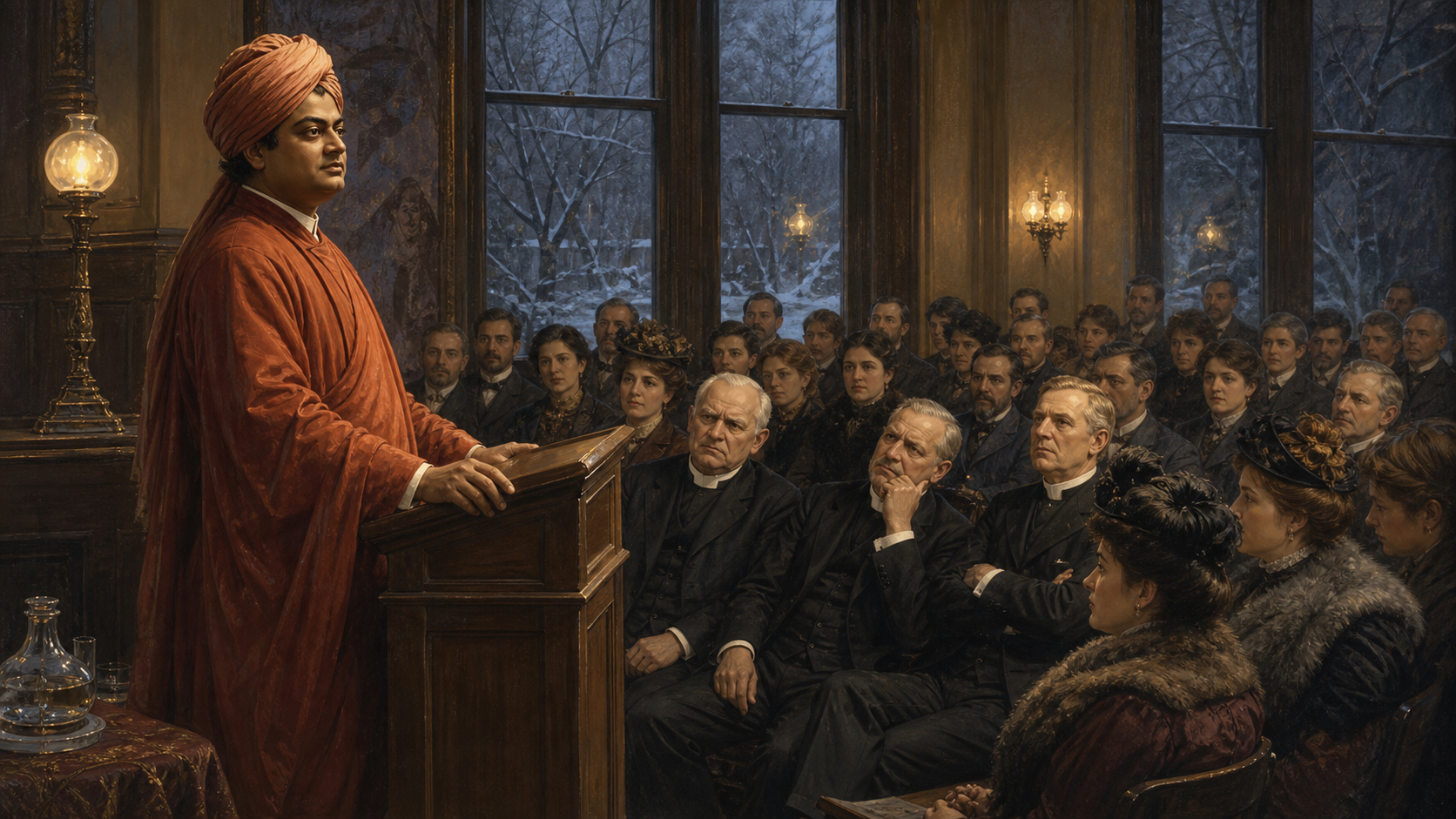
The War They Could Not Win: How Dharmic Resilience Defied Empire and Erasure

This long-form analysis explains why attempts to subdue India’s civilizational core repeatedly failed. It argues that dharmic polycentricity—rooted in Hindu, Buddhist, Jain, and Sikh traditions—produced resilient networks of ethics, learning, and care beyond the reach of central control. Drawing on the Revolt of 1857, British Colonial Rule, and the intellectual countercurrents of Vivekananda and Aurobindo,…
-
Hard Realities of the Bengali Bhadralok: From British Raj Brokers to Mamata Banerjee’s West Bengal

This long-form analysis offers a rigorous, non-polemical history of the Bengali Bhadralok from the late colonial period to the Trinamool era. It defines the Bhadralok as an intermediary elite shaped by British institutions yet rooted in a rich civilizational matrix, and explains why Marxist ideas resonated in Bengal’s post-famine and post-Partition moral economy. Readers gain…
-
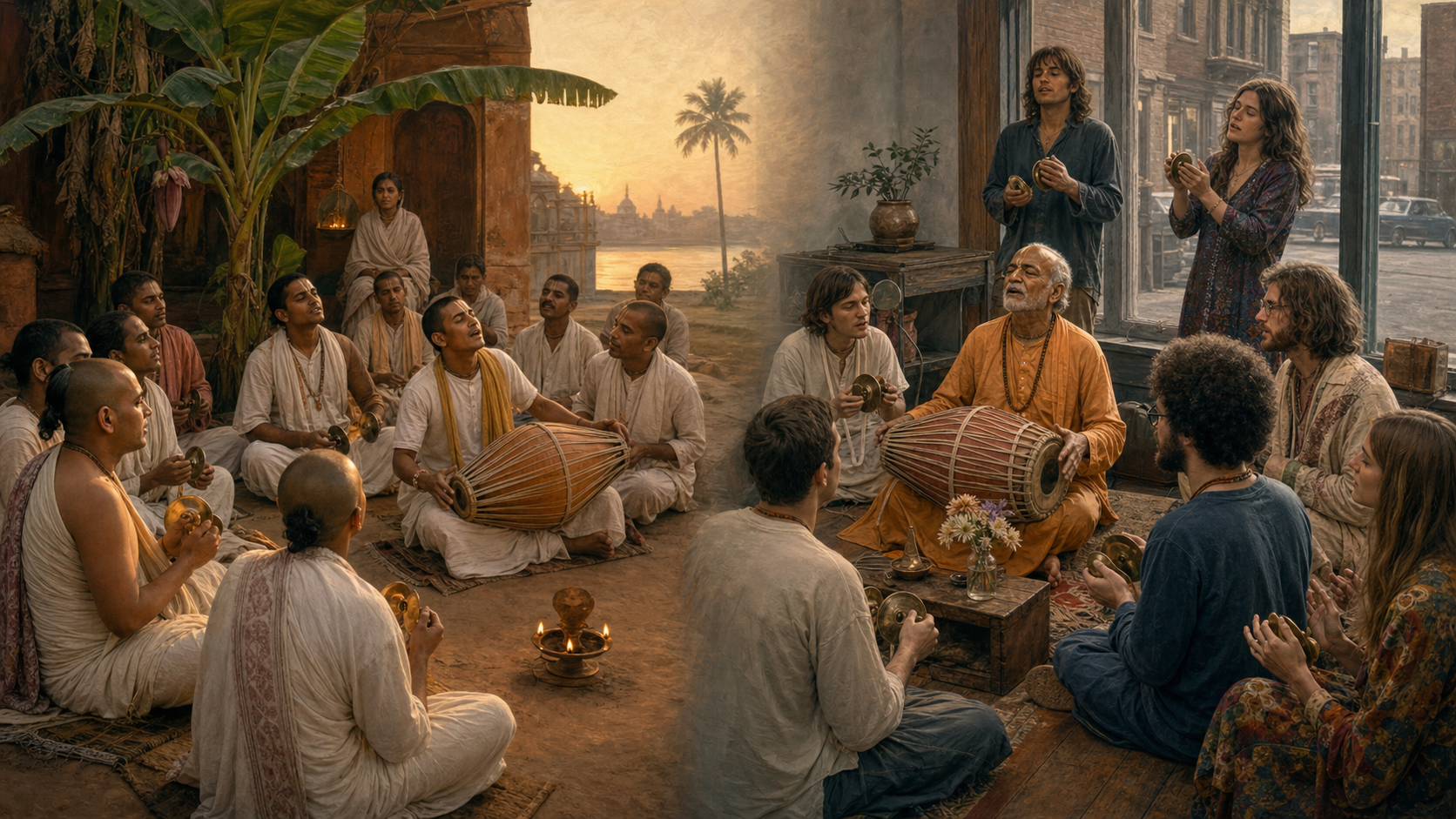
From $150 to 20,000: Srila Prabhupada’s daring print strategy that built Back to Godhead

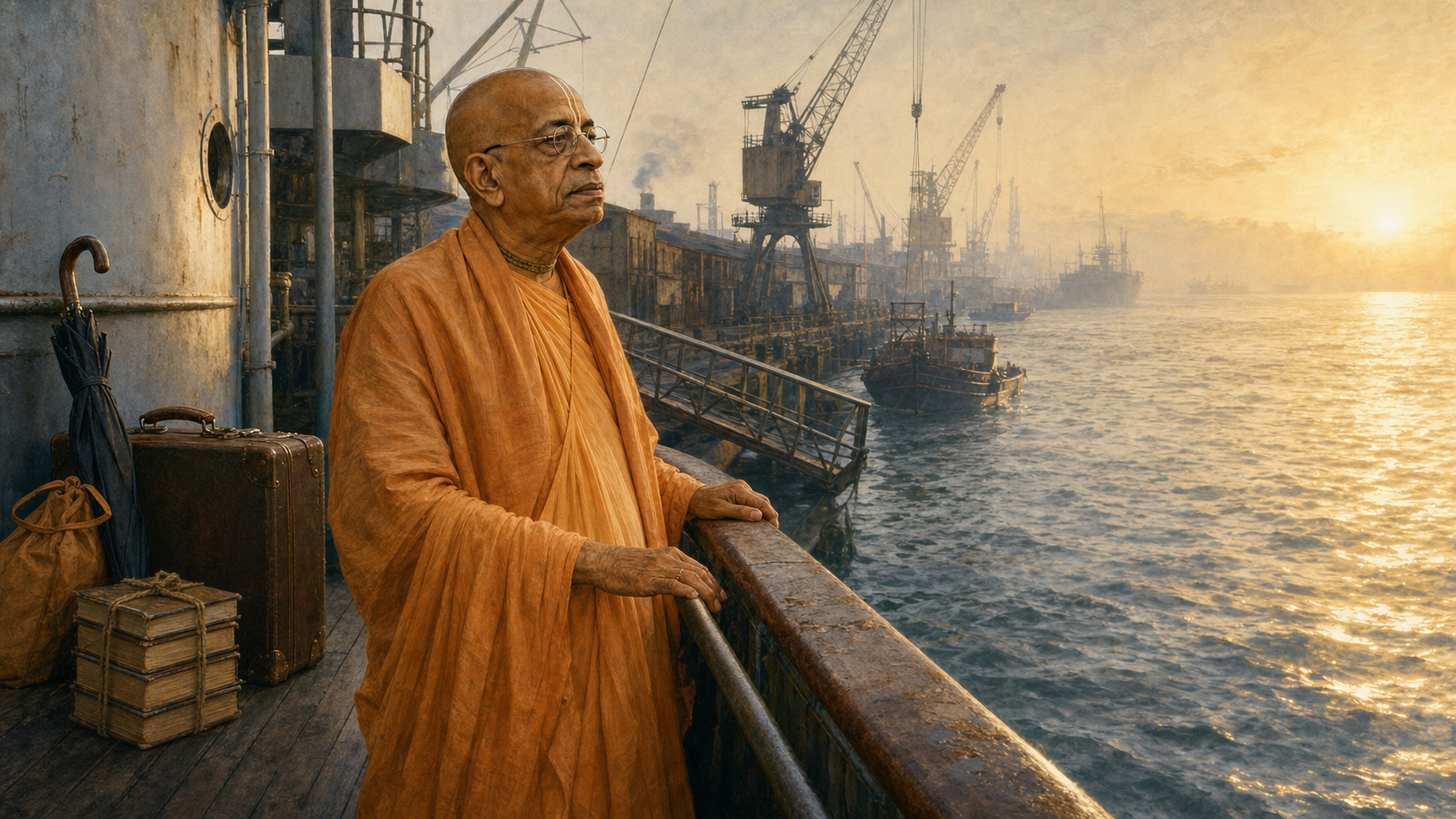
This article reconstructs Srila Prabhupada’s account of how a $150 equipment purchase on Long Island seeded the U.S. growth of Back to Godhead magazine. It traces the leap from five hundred early copies to multi-thousand runs and the decisive instruction to order twenty thousand. The narrative explains why offset printers require minimums, how fixed setup…
-
Mayasura: Legendary Demon Architect of Maya Sabha, Mandodari’s Lineage, and Vastu Shastra

Mayasura (Maya Dānava) stands at the confluence of epic imagination and technical science—an unrivaled asura architect who builds palaces, aerial cities, and enduring canons of design. The Mahabharata’s Maya Sabha showcases optical and spatial ingenuity while warning against hubris. The Ramayana’s lineage threads—through Mandodari, Mayavi, and Dundubhi—demonstrate how moral counsel and unchecked pride shape political…
-
Unraveling Mayasura, the Demon Architect: Epic Engineering, Sacred Geometry, and Maya Sabha’s Legacy

Mayasura—Maya Dānava in the epics—emerges as a master engineer whose works combine optics, hydrology, geometry, and ethics. The Mahabharata’s Khandava-daha and Maya Sabha episodes showcase advanced architectural thinking framed by Dharma: perception can be trained or misled, and design must answer to conscience. Purāṇic narratives such as Tripura reaffirm this ethic by sparing the architect…
-
16 May as ‘Black Day’: Unflinching History of the Goa Inquisition and a Roadmap to Reconciliation

The Hindu Ekta Manch has asked Goa to mark 16 May as ‘Black Day’, linking it to a 1546 letter in which Francis Xavier is widely understood to have advocated an Inquisition in Portuguese India. This analysis situates the demand within the documented history of the Goa Inquisition, clarifies the tribunal’s jurisdiction and colonial-era restrictions,…
-
Reclaiming India’s Dharmic Sense of History: Evidence, Empathy, and Method

This essay offers a rigorous, empathetic roadmap to reclaim India’s Dharmic sense of history. It dismantles the colonial trope that Hindus lacked historical consciousness by surveying Itihasa, Puranas, caritras, inscriptions, and temple records across Ancient India and Medieval India. It explains why certain indigenous archives thinned during the medieval era and shows how to read…
-
Ahura vs Deva: The dramatic Indo‑Iranian reversal—and what it reveals about Dharma

Why do Zoroastrian sources revere Ahura while condemning daevas, even as Hindu texts honor devas and oppose asuras? This long-form analysis traces the shared Indo-Iranian roots of these terms and explains how later reforms, rituals, and ethical priorities reversed their valuations. It clarifies early Vedic usage where asura could be a noble epithet, outlines Zarathustra’s…
-
Baba Deep Singh Ji: Scholar‑Warrior who safeguarded the Guru’s Word and Amritsar’s sanctity

Baba Deep Singh Ji (1682–1757) embodies the Sikh Sant‑Sipahi ideal, uniting rigorous scholarship with principled courage. This comprehensive account situates his formation at Anandpur Sahib and Damdama Sahib, his role in scribing and standardizing Gurbani manuscripts, and his leadership within the Dal Khalsa and the Shaheedan Misl. It presents the 1757 defense of Amritsar with…
-
Baba Deep Singh Ji: Scholar‑Soldier of the Khalsa and Guardian of the Golden Temple

Baba Deep Singh Ji embodied the Sikh sant‑sipahi ideal by uniting deep scholarship with principled courage, ensuring the protection of sacred spaces and the continuity of learning. Set against the turbulence of eighteenth‑century Punjab, his work at Damdama Sahib safeguarded scriptural integrity while his leadership helped restore access to Harmandir Sahib after its desecration in…
-
Beneath the Conqueror’s Shadow: Unflinching South Asian History and Dharmic Resilience

This long-form analysis interprets South Asian history through five “folds” of the Conqueror’s Shadow—material, institutional, ritual, intellectual, and ethical—showing how Hindu, Buddhist, Jain, and Sikh communities adapted with resilience rather than rupture. It synthesizes inscriptions, archaeology, and historiography to avoid simplistic narratives while honoring lived memory. Readers gain clear frameworks for understanding revenue systems, sacred…
-
D.B. Parasnis: The tireless collector who transformed Maratha archives and Indian historiography

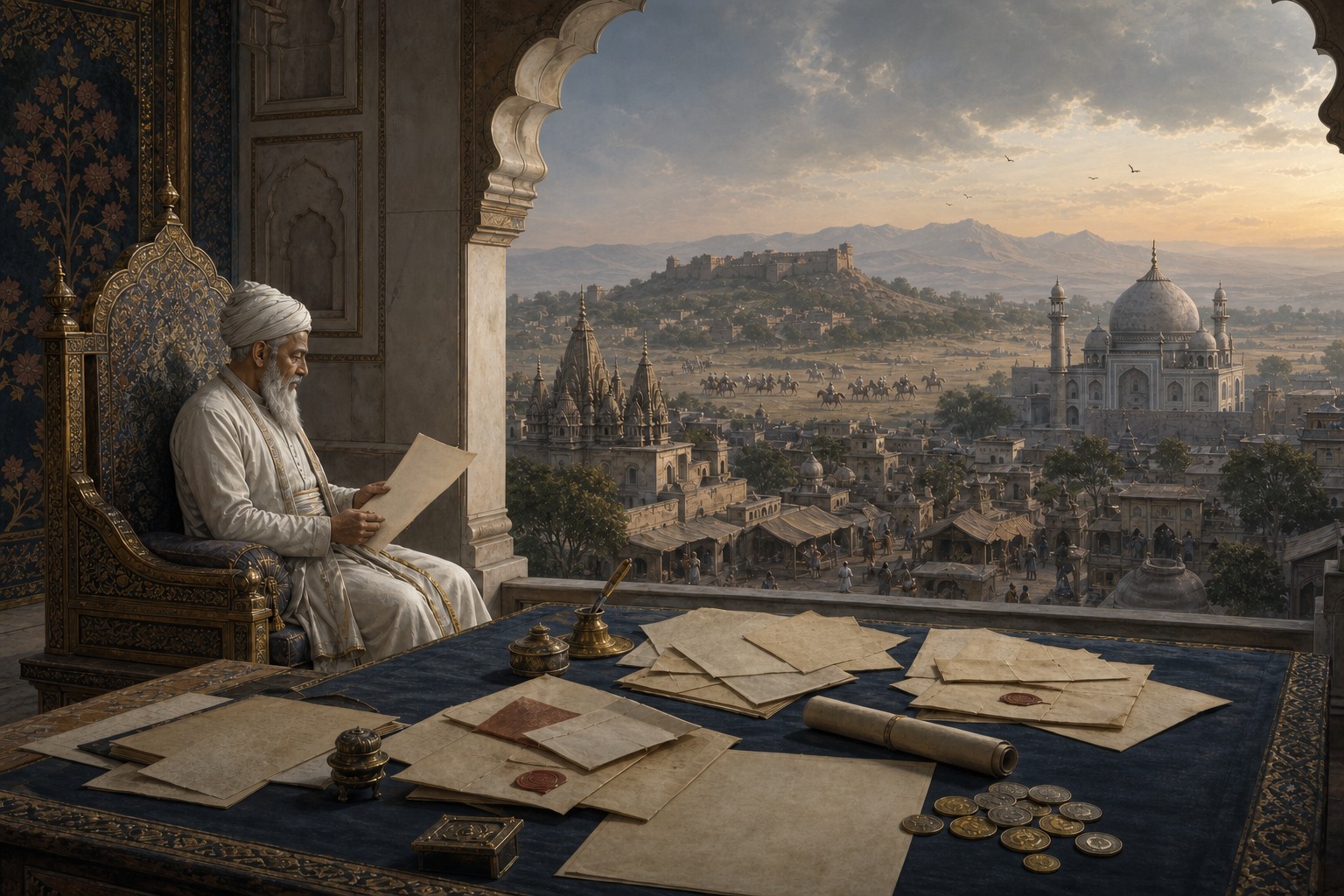
Dattatreya Balawant Parasnis stands out as a transformative force in Indian historiography, above all for rescuing and publishing primary sources at risk of loss. His acquisitions—from the Second Sikh War letters to Sir Frederick Currie, to Mughal and Deccani portraiture, to Marathi bakhar manuscripts—elevated the evidentiary standard of research on the Maratha Empire and beyond.…
-
Somnath at 75: A Millennium of Resilience, Reconstruction, and Dharmic Unity (1026–2026)

May 11, 2026 marks 75 years since the Pran Pratishtha of the rebuilt Somnath Temple and a millennium since the 1026 CE assault, making this a rare vantage point to study resilience across ten centuries. Set at Prabhas Patan on the Arabian Sea, Somnath’s role as a jyotirlinga, maritime-linked pilgrimage hub, and architectural landmark illuminates…
-
Women in Vedic Culture: Rights, Scholarship, and Sacred Agency Across Dharmic Traditions

A society’s civility is often measured by the dignity it grants to women. Vedic culture, read alongside the Upanishads, Dharmashastras, and epigraphic records, presents women as scholars, ritual partners, property holders, and moral exemplars. From Rigvedic ṛṣikās and the Devī Sūkta to the Upanishadic debates of Gārgī and Maitreyī, the textual record documents rigorous female…
-
From Vijayanagara’s Malenadu Revolt to Bengal Ballots: Lessons in Statecraft and Security

A 15th-century crisis in the Vijayanagara Empire—Praudha Devaraya’s rapid suppression of the Araga-Rajya revolt—offers enduring lessons in governance. The episode highlights the value of swift decision-making, district-level institutions such as the Kampana, and locally informed leadership. These principles illuminate contemporary electoral security in West Bengal, where high turnout and large-scale deployments by the Election Commission…
-
When Indore’s Bureaucracy Burned History: The Lost Holkar Archives and Parasnis’s Crusade

The near-total loss of the Holkar Archives at Indore, following years of official obstruction and a fire in a substandard repository, remains a defining lesson in how bureaucratic negligence can erase civilizational memory. This narrative situates D. B. Parasnis within that tragedy and highlights his lifelong effort to rescue, professionalize, and open Indian historical records…
-
NCERT Removes Maratha Expansion Map: Why the Attock–Cuttack Legacy Matters to India’s Students

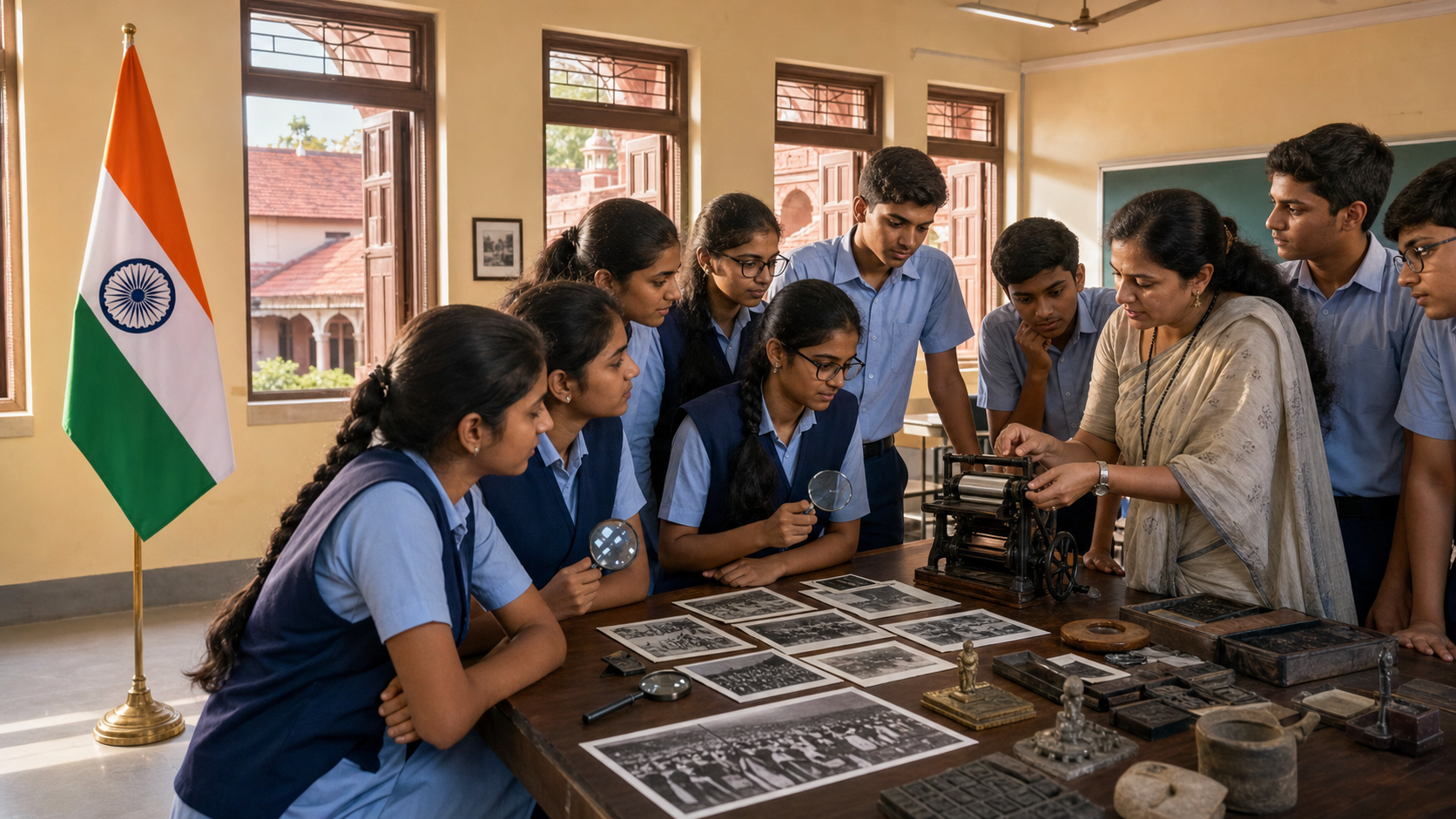
NCERT’s removal of the map showing Maratha expansion from Attock to Cuttack has sparked a vital discussion about how Indian textbooks balance accuracy, pedagogy, and heritage. This analysis explains what changed, why maps matter for spatial learning, and how the petition before the Bombay High Court frames the issue. It clarifies the historical context—brief Maratha…
-
Bhagavan Parashurama: Warrior‑Sage Avatar of Vishnu Who Restored Dharma and Balance

Bhagavan Parashurama, the sixth avatar of Vishnu and a devoted worshipper of Shiva, embodies the Hari–Hara unity at the heart of Sanatana Dharma. Drawing on the Bhagavata Purana, Vishnu Purana, the Mahabharata, and the Ramayana, this comprehensive essay explains how Parashurama restored ethical order when royal power became predatory, then withdrew in penance to model…
-
Unsung Guardian of Maratha Archives: D.B. Parasnis and Acharya Jadunath Sarkar’s Salute

This essay examines Acharya Jadunath Sarkar’s tribute to D. B. Parasnis, highlighting the latter’s pivotal role in preserving primary sources central to Maratha history. It traces Parasnis’s early literary ventures, his collaborations around the Peshwas’ Daftar in Poona, and his Marathi publications that made crucial documents—sanads, kaifiyats, yadis, diaries, and despatches—available to scholars. The discussion…