-
Safeguard Sanskrit with ‘Special Heritage’ Status: A Blueprint for Dharmic Cultural Revival

On 11 May 2026, the Hindu Shree Foundation called for a “Special Heritage” status for Sanskrit, framing it as a pragmatic route to cultural revival and inclusive nation-building. The proposal, distinct from Sanskrit’s existing Classical Language recognition, targets preservation ecosystems—manuscripts, scripts, pedagogy, research, and digital infrastructure. Designed well, such a framework would unify Dharmic traditions—Hindu,…
-
Lakshmana in Sacred Art: Powerful Iconography, Proportion Rules, and Spiritual Meaning

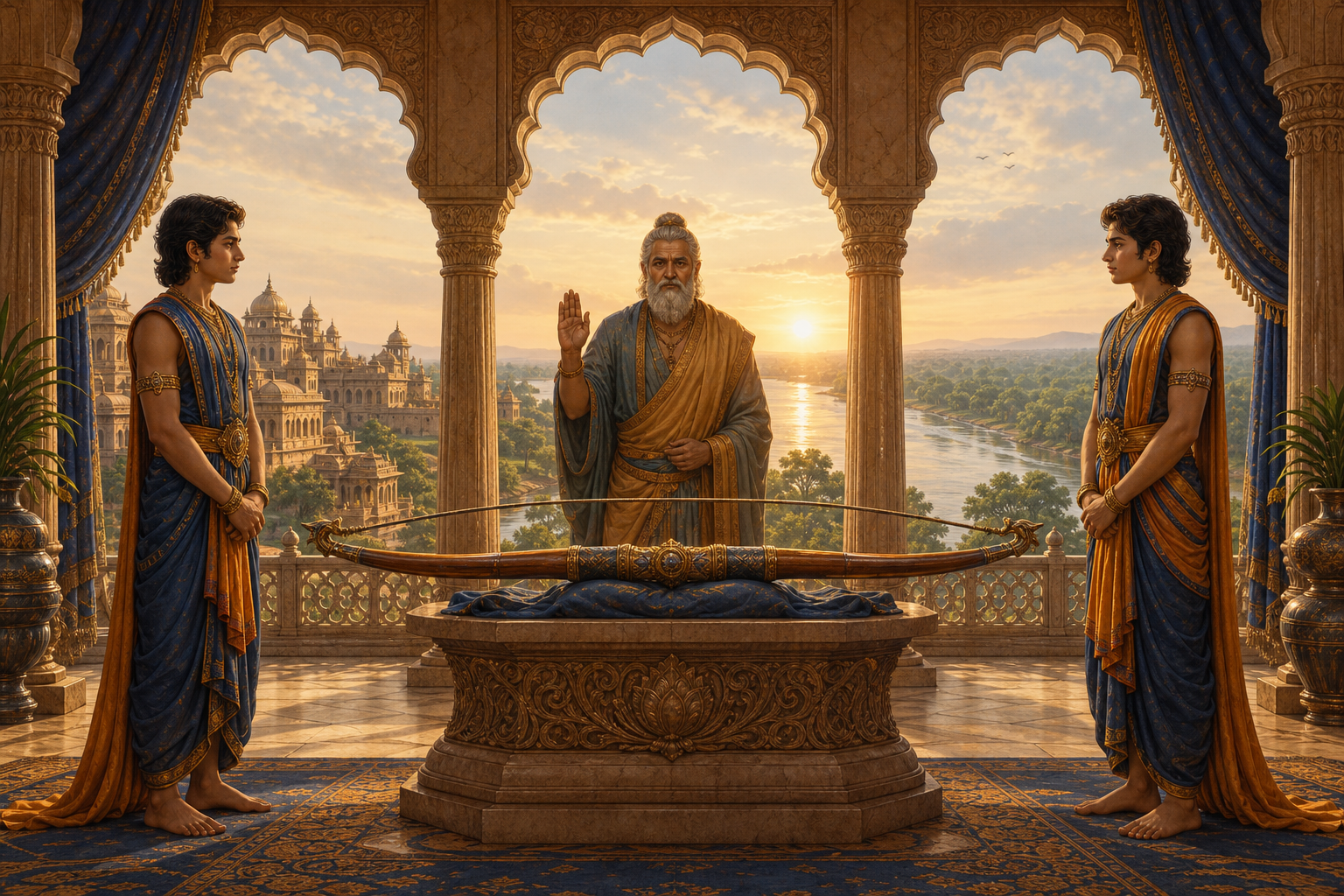
Lakshmana’s sacred form in Hindu sculptures fuses epic narrative with precise Shilpa Shastra proportion rules to communicate seva, discipline, and fraternal loyalty. Typically positioned to Sri Rama’s left (viewer’s right) with bow, arrows, and quiver, Lakshmana’s slightly reduced scale expresses devoted service rather than sovereignty. Regional schools—from Chola bronzes to Hoysala stone and Vijayanagara ensembles—retain…
-
From Oath to Pilgrimage: WB CM Suvendu Adhikari’s Temple-Ashram Tour Redefines Politics in Bengal

Suvendu Adhikari’s transition from constitutional oath to a visible temple–ashram tour signals a strategic realignment of West Bengal’s politics around heritage governance, sacred geography, and social-service partnerships. The approach blends symbolic legitimacy with actionable policy on pilgrimage infrastructure, conservation, and community welfare. Engaging institutions such as Bharat Sevashram Sangh, and spiritual leaders including Swami Pradiptananda…
-
Brazil’s First Ganesha Consecration? Indian Envoy Joins Sacred Pran Pratishtha in Petrópolis

Indian Ambassador Dinesh Bhatia joined Brazilian teacher Jonas Masetti in Petrópolis for a widely noted Pran Pratishtha of a Lord Ganesha murti, marking a milestone for Hinduism in Brazil. Readers will learn what Pran Pratishtha is, how Agama Shastra and Shilpa Shastra guide the rite, and why Ganesha’s symbolism suits the inauguration of sacred spaces…
-
Women in Vedic Culture: Rights, Scholarship, and Sacred Agency Across Dharmic Traditions

A society’s civility is often measured by the dignity it grants to women. Vedic culture, read alongside the Upanishads, Dharmashastras, and epigraphic records, presents women as scholars, ritual partners, property holders, and moral exemplars. From Rigvedic ṛṣikās and the Devī Sūkta to the Upanishadic debates of Gārgī and Maitreyī, the textual record documents rigorous female…
-
When Indore’s Bureaucracy Burned History: The Lost Holkar Archives and Parasnis’s Crusade

The near-total loss of the Holkar Archives at Indore, following years of official obstruction and a fire in a substandard repository, remains a defining lesson in how bureaucratic negligence can erase civilizational memory. This narrative situates D. B. Parasnis within that tragedy and highlights his lifelong effort to rescue, professionalize, and open Indian historical records…
-
ISKCON Helsinki Launches Ambitious Malmi Manor Temple Restoration to Safeguard Living Heritage

ISKCON Helsinki has launched a multi-year restoration and modernization of its Malmi Manor temple complex, uniting rigorous heritage conservation with contemporary performance standards. The program balances minimal intervention and reversibility with essential upgrades to structure, envelope, and building services suited to Nordic climate demands. Kirtan hall acoustics, fire safety, and accessibility receive focused attention, improving…
-
Srila Prabhupada’s Anga-Raga Masterclass: Painting Radha‑Krishna Deities, Meaning, and Mudra

This analysis distills a rare episode in ISKCON history where Srila Prabhupada personally demonstrated Anga-Raga, the liturgical “painting of the body” for Radha‑Krishna Deities bound for Hamburg. It explains the method’s theological foundation within Gaudiya Vaishnavism, the disciplined use of black, white, and red pigments, and the devotional perception of form as presence. The discussion…
-
Vaikuntha Chaturmukha Vishnu Revealed: The Majestic Four-Faced Theophany of Kashmir

Vaikuntha Chaturmukha Vishnu—Kashmir’s four-faced theophany—unites avatara potency and Vaishnava theology in a single, compelling icon. Anchored in the Vishnudharmottara Purana and refined by early medieval Kashmiri ateliers, the image integrates the human, Narasimha, Varaha, and a hidden fierce face to express omnidirectional vision and cosmic guardianship. Readers gain a technical grasp of attributes, styles, and…
-
Sri Varahaswami Temple, Tirumala: Timeless Legends, Sacred Routes, and Ritual Significance

Sri Varahaswami Temple in Tirumala stands on the northern bank of Swami Pushkarini and preserves the hill’s identity as Adi Varaha Kshetra. Drawing on the Venkatachala Mahatmya traditions of the Varaha Purana and Padma Purana, it explains why many pilgrims first worship Varaha before proceeding to Sri Venkateswara Temple. The guide clarifies iconography, ritual order,…
-
Awe-Inspiring Padalathri Narasimhar Temple: Pallava Rock-Cut Sanctum at Singaperumal Koil

Padalathri Narasimhar Temple (Singaperumal Koil) near Chennai is a rare Pallava-era rock-cut Vaishnava sanctuary carved into a red hill, with Lord Narasimha and Ahobilavalli Thayar presiding. The 8th‑century CE cave sanctum, later Dravidian additions, and continuous worship offer a compact study in South Indian temple architecture and living heritage. Devotees consistently describe the ascent as…
-
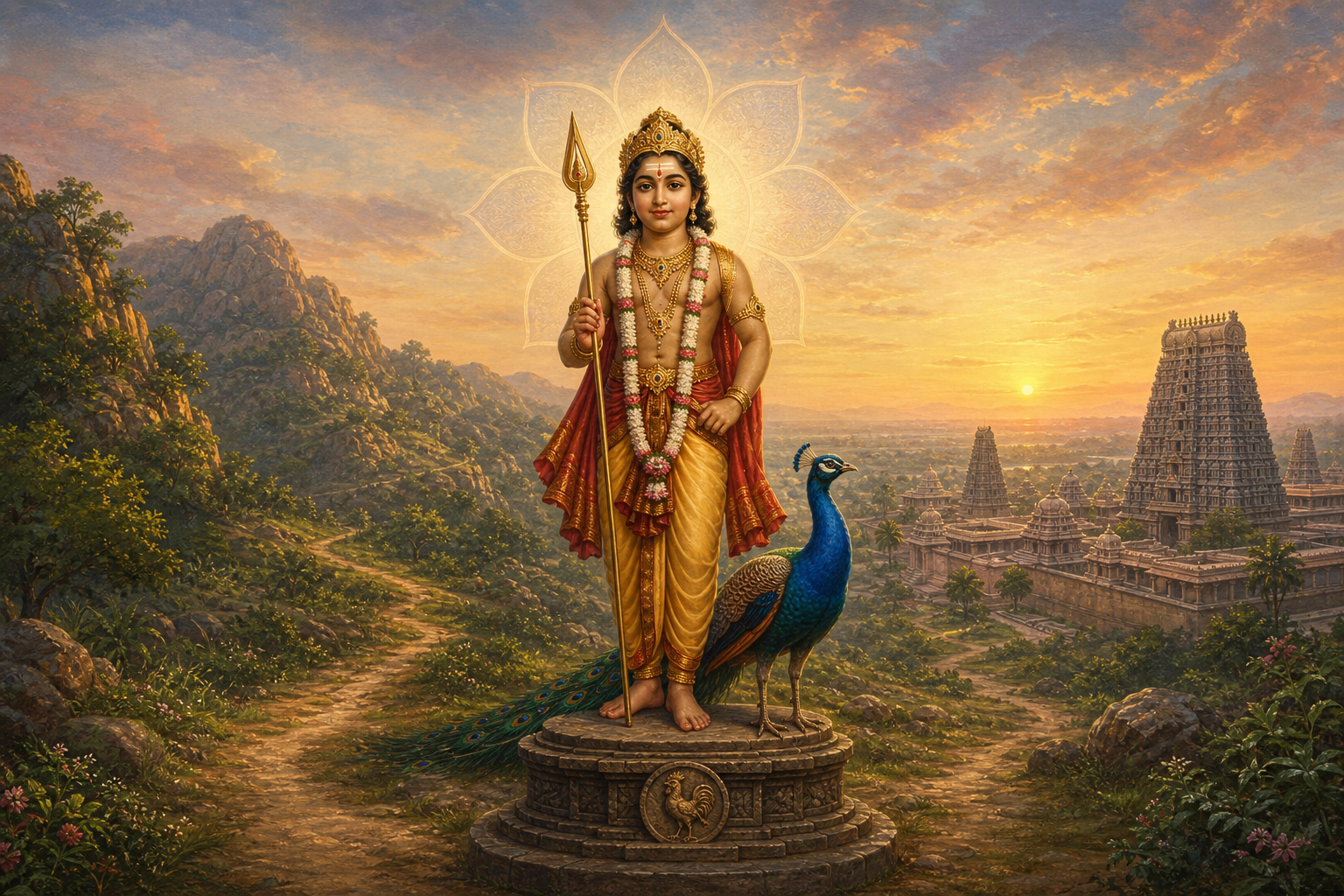
Thiruporur Kandaswamy Temple: Legends, Ritual Science, Darshan Timings, and Festival Guide

Thiruporur Kandaswamy temple (Thiruporur Murugan Temple) in Chengalpattu, Tamil Nadu, is a living center of Murugan worship renowned for Dravidian architecture, precise Agamic ritual, and a vibrant festival calendar. Visitors can plan around clear darshan timings (6:30 am–12:30 pm; 3:30 pm–8:00 pm) and four daily pujas that culminate in abhishekam and deepa aradhana. The temple’s…
-
Channa Vira Unveiled: The Cross‑Body Ornament of Valor, Protection, and Dharma in Hindu Art

Channa Vira is a defining vaksha-ābharaṇa—a cross-body chest ornament—in Hindu iconography that signals protection, valor, and sacred duty. Unlike the yajnopavita, it forms an X-shaped harness across the torso, often centered by a jewel or rosette. Appearing on Śaiva, Vaiṣṇava, and Śākta images—and on guardians such as dvārapālas—it evolved across Pallava, Chola, Hoysala, and Vijayanagara…
-
Why Hanuman’s Lanka Infiltration Seemed Impossible: Fortifications, Yogic Science, and Bhakti

Hanuman’s entry into Lanka in the Sundara Kanda is a tightly orchestrated mission that combined strategic insight, advanced fortifications, yogic mastery, and unflinching bhakti. Lanka’s defenses—attributed in origin to Vishwakarma’s design and later fortified by Ravana—made infiltration rather than siege the rational first move. The ocean crossing presents a trilogy of tests (Mainaka, Surasa, Simhika)…
-
Modhera’s Maa Modheshwari: Origins, Kuldevi Traditions, and the Living Shakti Heritage of Gujarat

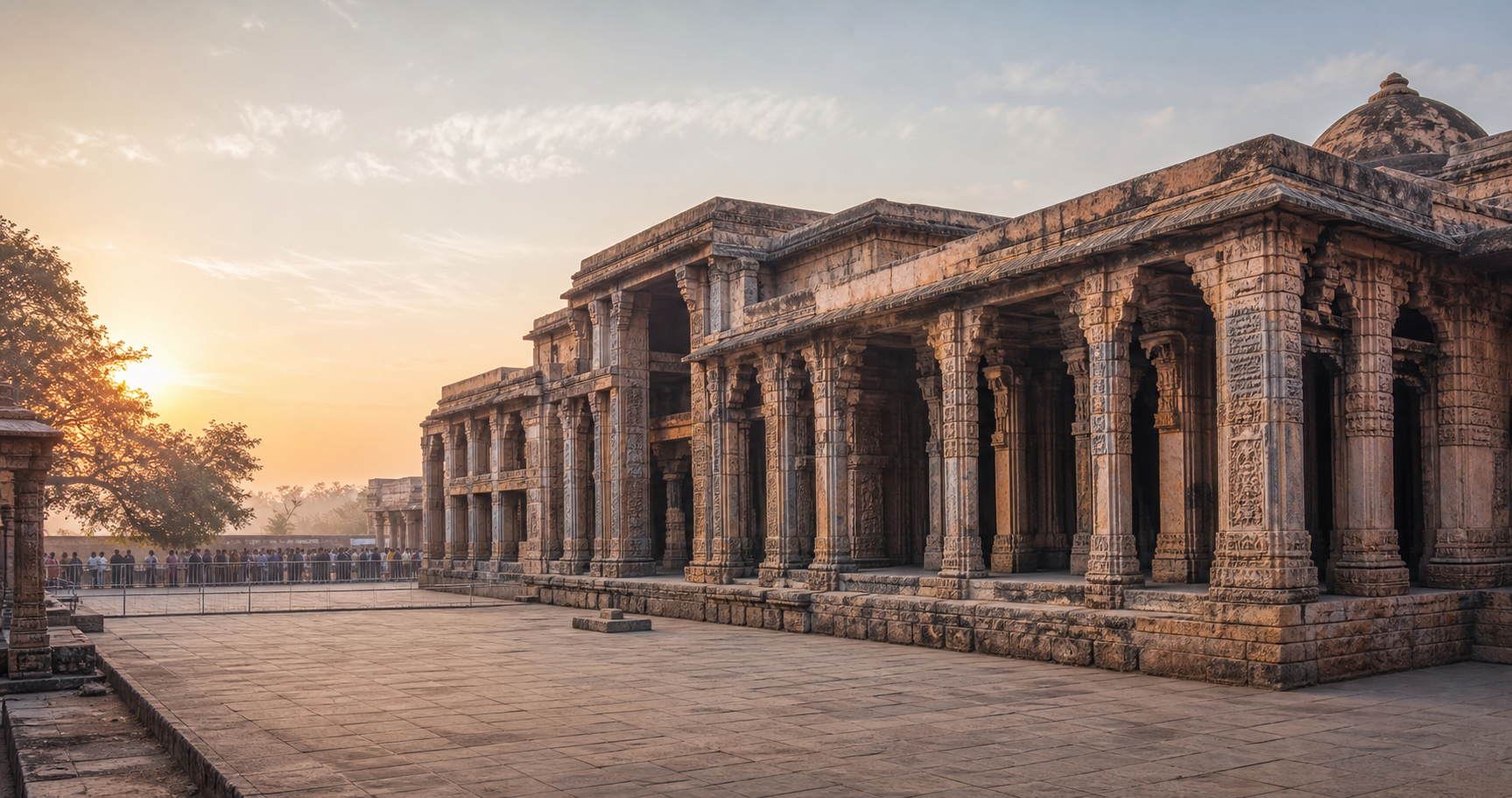
Maa Modheshwari’s shrine at Modhera, Gujarat, is widely regarded as the most ancient seat of Her pragatya and as the kuldevi for Modh Brahmin, Vaishya, and Kshatriya lineages. Set within the celebrated cultural landscape of the Modhera Sun Temple, the tradition balances Surya and Shakti symbolism in a single heritage corridor. The article clarifies how…
-
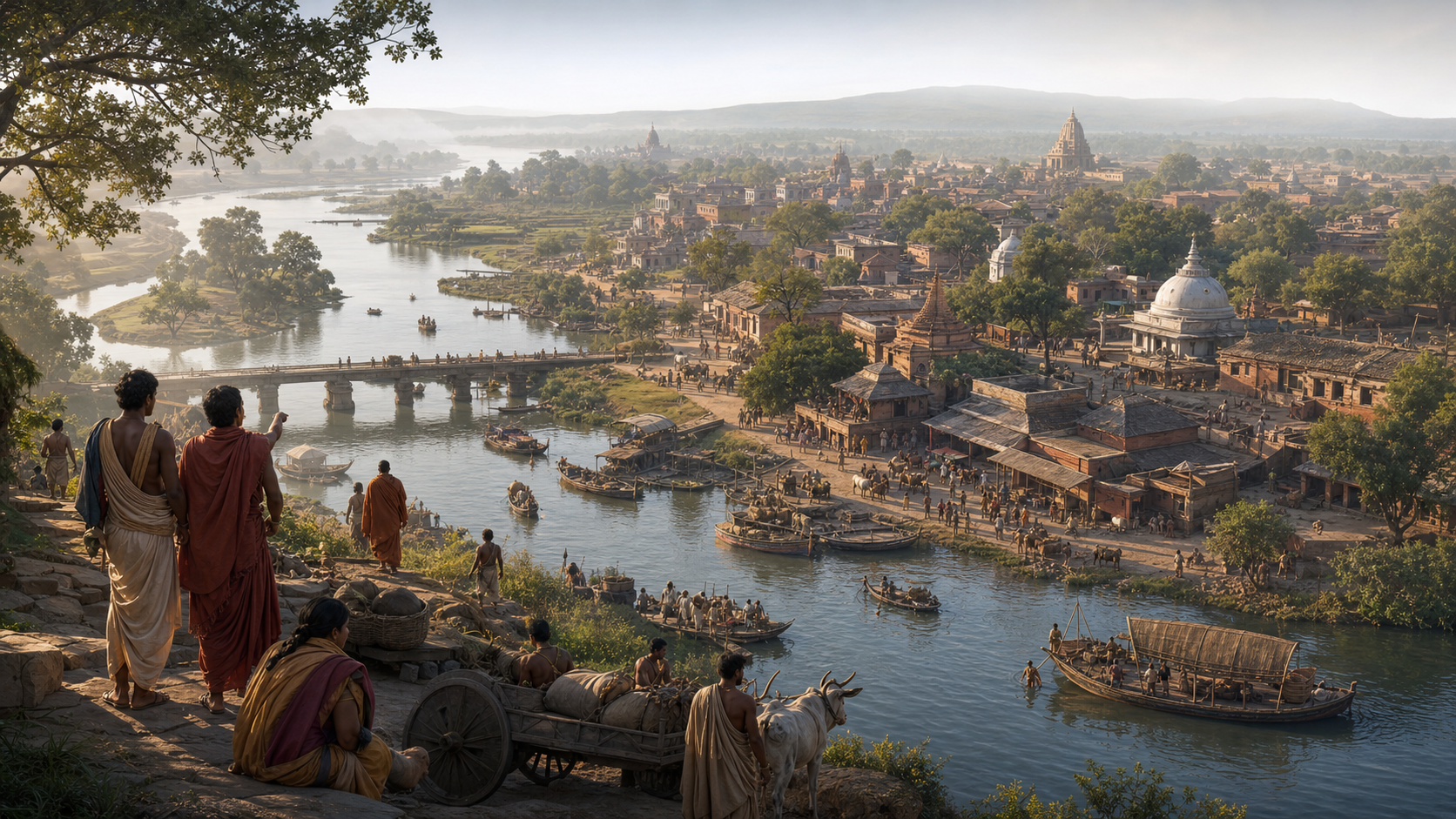
Why India Reveres Its Rivers: Sacred Geography, Living Heritage, and Dharmic Unity

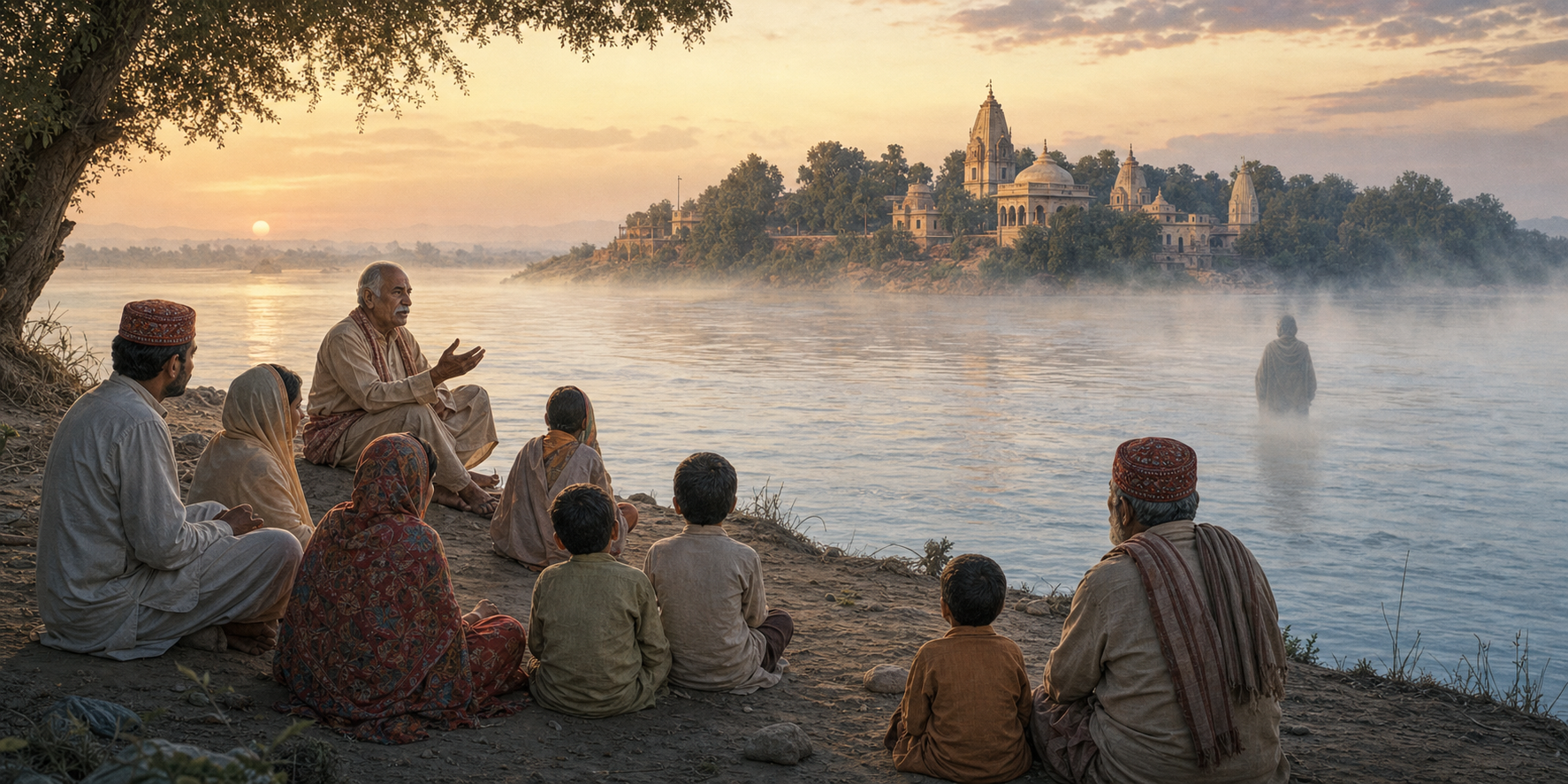
This in-depth exploration explains why India venerates its rivers as living presences that sustain ecology, economy, and ethics. It traces scriptural roots from the Rigveda to the Puranas, highlights major rivers such as Ganga, Yamuna, Saraswati, Godavari, Narmada, and Kaveri, and shows how sacred geography shapes towns, festivals, and civic infrastructure. It demonstrates unity among…
-
Devantaka’s Fall in the Ramayana: Hanuman’s Decisive Blow Against Ravana’s Mighty Son

Devantaka’s fall in the Yuddha Kanda of the Ramayana captures a decisive moral and strategic lesson: disciplined strength, anchored in dharma, defeats ferocity untethered to ethics. Classical sources consistently pair Devantaka with Narantaka, Trisira, and Mahodara as Lanka’s shock corps, yet it is Hanuman’s single, precisely timed strike that ends Devantaka’s assault. The episode’s symbolism…
-
Inside Los Angeles’ Srila Prabhupada Festival: Kirtan, Bhakti, and Community in Action

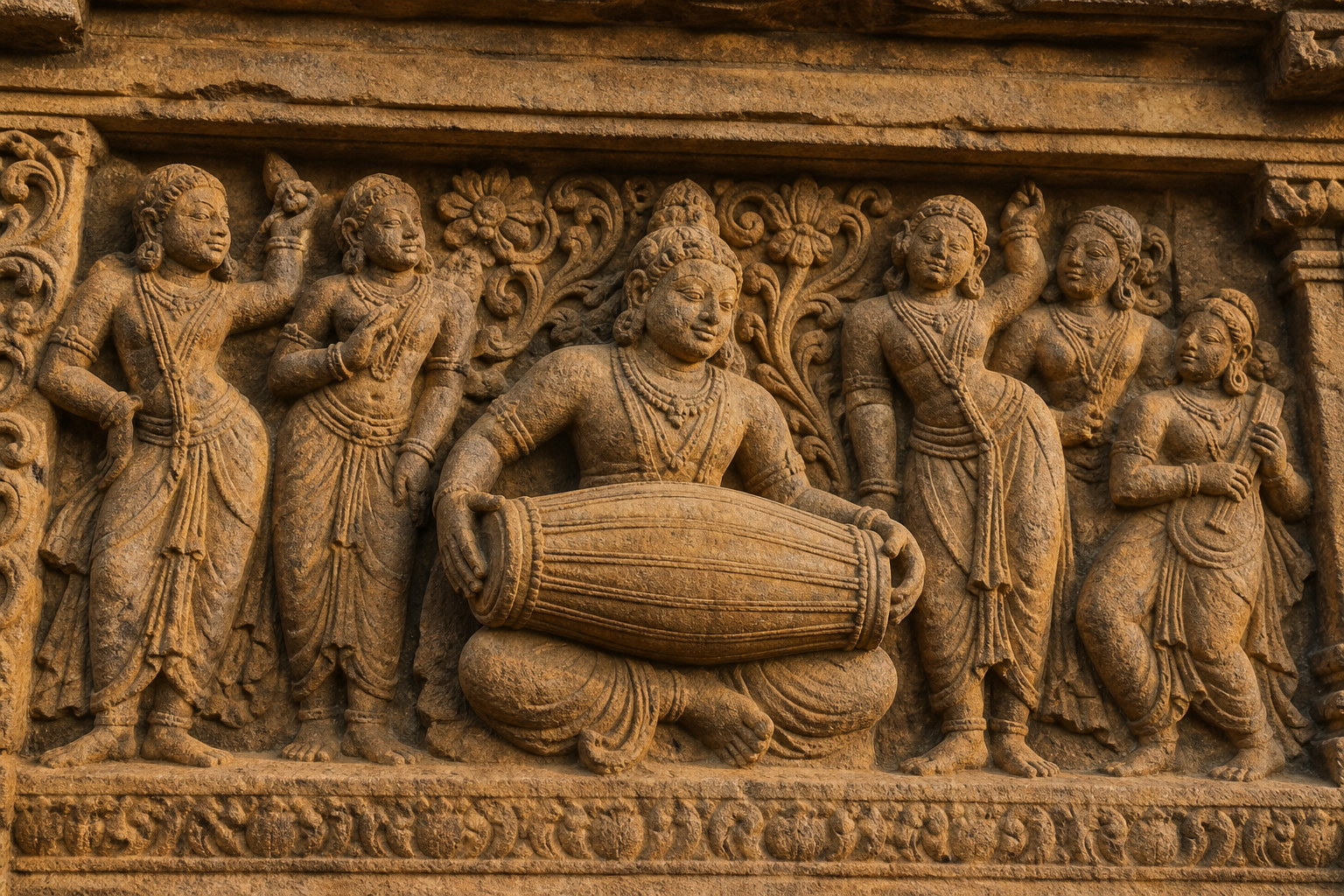
The 35th Annual Srila Prabhupada Festival in Los Angeles showcases a living tradition of kirtan, devotion, community, and remembrance centered on the legacy of His Divine Grace A.C. Bhaktivedanta Swami Prabhupada. Set within ISKCON’s New Dvaraka community, the event integrates philosophy, ritual, aesthetics, and hospitality into an accessible pedagogy of bhakti-yoga. Kirtan’s call-and-response structure, rhythmic…
-
Build Sacred Spaces: Apply—TTD SV Temple Architecture & Sculpture College 2026–27

Applications are open from May 04 to June 20, 2026 for the 2026–2027 session at the TTD-run Sri Venkateswara Traditional Temple Architecture & Sculpture College, Tirupati. The College offers a four-year Diploma and a two-year Certificate, with eligibility for 10th-pass candidates and free accommodation for admitted students. Training in this field blends Vedic and Śilpa-śāstra…
-
Shakhas of the Vedas: How Living Lineages Preserved Sacred Knowledge Across Millennia

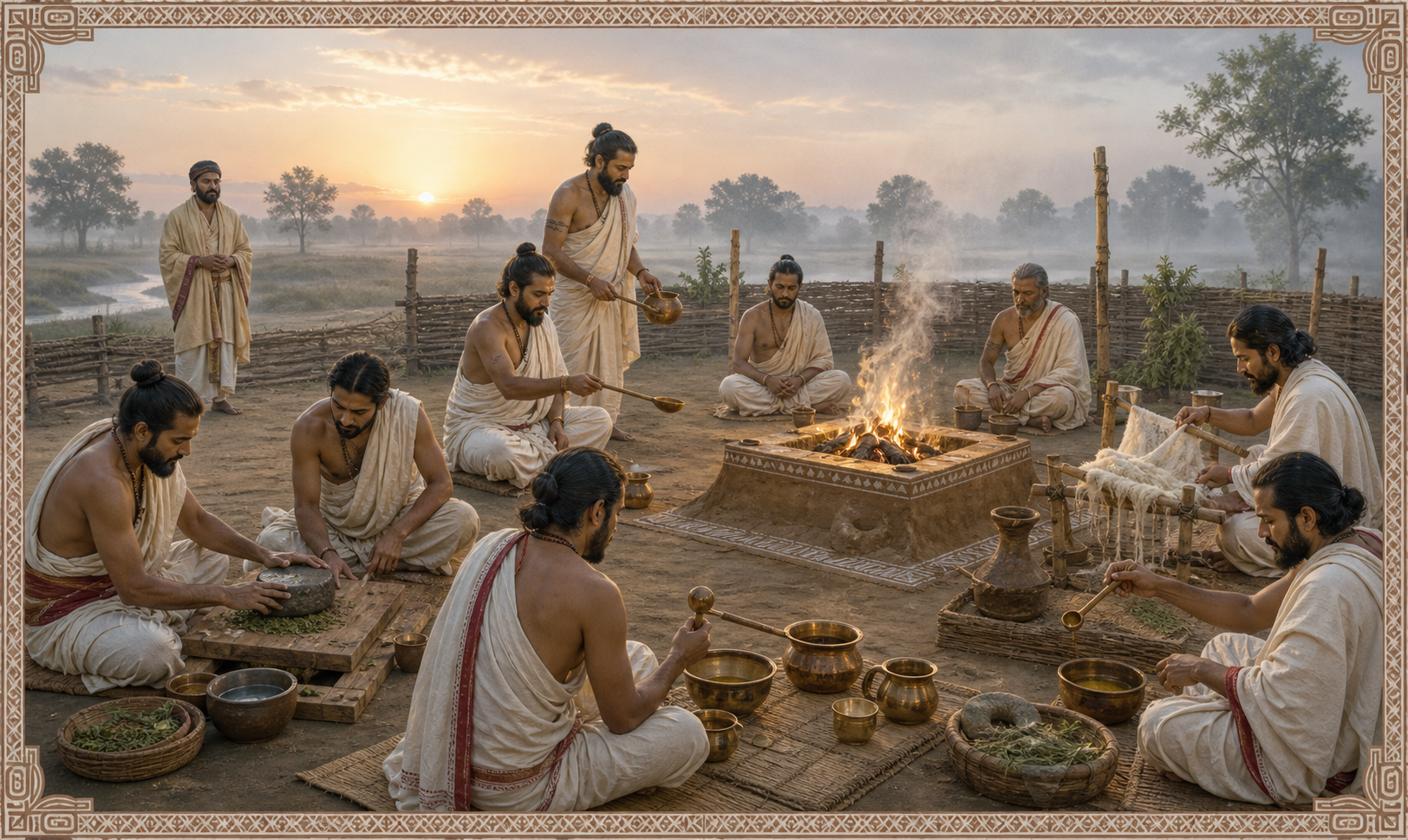
The Vedas endured across millennia through shakhas—living lineages that safeguarded sound, meaning, and ritual with extraordinary precision. This article explains how each shakha integrates Samhita, Brahmana, Aranyaka, and Upanishad texts, supported by Vedangas, Pratisakhyas, and Sutras to ensure error-free oral transmission. It surveys the surviving recensions of the Rigveda, Samaveda, Yajurveda (Shukla and Krishna), and…