-
Maharashtra ATS Exposes Football-Based Radicalisation: Safeguarding Youth, Sport, and Unity

Maharashtra’s Anti-Terrorism Squad has highlighted the risk of violent extremist recruitment exploiting football clubs, demanding a precise and rights-respecting response. This analysis explains why sports ecosystems can be vulnerable, how offline grooming fuses with online radicalisation, and which behavioral indicators merit attention without profiling. It outlines practical safeguards that clubs, coaches, and families can adopt,…
-
Inside West Bengal’s Quiet Mobilization: RSS ‘jagaran,’ Identity Politics, and 2026 Stakes

Reports from West Bengal point to a quiet, neighborhood-level mobilization linked to RSS affiliates, popularly described as a ‘jagaran’ or awakening campaign. This long-form analysis separates organizational mechanics, legal-constitutional boundaries, and socio-cultural textures from partisan claims. It explains how booth-level turnout engineering, welfare credibility, and trusted intermediaries often shape outcomes more than large rallies. It…
-
Telangana on Edge: Police detain T. Raja Singh en route to Banswada to prevent unrest

On 22 February 2026, Telangana Police detained former BJP MLA T. Raja Singh en route to Banswada after reports of a communal clash. This in-depth analysis explains the legal basis for such preventive action (CrPC §§149, 151, 144, 129), how Security Forces calibrate de-escalation, and why swift, proportionate steps can avert wider violence. It clarifies…
-
Maharashtra urged to pass anti-conversion safeguards: HJS leads 75-site drive for consent and faith

Hindu Janajagruti Samiti (HJS) and allied organisations have submitted memorandums at more than 75 locations in Maharashtra urging immediate anti-conversion safeguards. The analysis situates this demand within India’s constitutional framework—Articles 25–28, Article 21, and privacy—while highlighting Supreme Court guardrails from Rev. Stanislaus (1977) and Shafin Jahan/Hadiya (2018). It maps the national patchwork of state laws…
-
Shankhnad Mahotsav grant: constitutional tests, political critique, and dharmic unity

A ₹63 lakh Union grant to the Sanatan Rashtra Shankhnad Mahotsav sparked charges of unconstitutionality and hate speech risks. This analysis clarifies the constitutional position under Articles 14, 25–27, and 282, explains Indian hate speech jurisprudence, and sets out administrative safeguards under the General Financial Rules. Readers gain a standards-based checklist to assess whether cultural…
-
Pune’s Saswad Bhairavnath Mandir: Timeless Shaiva Heritage, Warrior Ethos, and Sacred Rituals

Saswad Bhairavnath Mandir near Pune—revered as Kalbhairavnath Mandir—embodies Maharashtra’s living Shaiva and Nath Panth heritage. Dedicated to Kal Bhairav, the shrine preserves a protective, ethical ethos (kshetrapāla) that serves both household devotion and civic life. The article situates the temple within the historic Pune–Saswad corridor, explains Bhairava’s iconography and role in daily and annual rituals…
-
Festivals Under Strain: Evidence-Based Ways to Defuse Communal Tensions Across Three States

Reports from three Indian states indicate short-duration confrontations during overlapping Shivaji Jayanti and Ramzan observances, with police restoring order swiftly. This analysis explains how route alignment, soundscapes near prayer venues, and chokepoint congestion can become flashpoints without effective risk controls. It outlines event-safety principles, the role of the Incident Response System, and the importance of…
-
Jabalpur Sihora Temple Stone-Pelting: Urgent Calls for Justice, Peace, and Interfaith Unity

Reports from Sihora in Jabalpur, Madhya Pradesh, describe alleged stone pelting near a Mandir during Aarti, prompting peaceful demonstrations and calls for swift, lawful action. The analysis separates allegations from verified facts, emphasizing due process and the need for impartial investigation. It outlines relevant legal provisions (IPC 153A, 295/295A, Arms Act, PDPP Act) and procedural…
-
Viral video of Ghaziabad ‘mazar’ demolition sparks detentions; police say incident older

A viral video of a “mazar” demolition in Ghaziabad, Uttar Pradesh, triggered multiple detentions, with police clarifying the event occurred about two months earlier. This report explains the legal architecture governing unauthorized religious structures and the due-process requirements that place responsibility squarely on state authorities—not private actors. It outlines potential penal provisions that may apply…
-
TTD May 2026 Darshan and Accommodation: Official Process, Release Windows, and Planning Guide

This practical guide explains how TTD generally releases monthly quotas for May 2026 darshan, Arjitha Seva, and accommodation, and how phased online windows support fairness and system stability. It clarifies the booking workflow, from account setup and KYC-ready profiles to payment, e-ticket download, and on-site verification. It outlines documentation norms, dress code, reporting times, and…
-
Population Policy, Principle, and Unity: A Data-Driven Appraisal of the RSS ‘Three-Child’ Call

A renewed three-child call linked to the Rashtriya Swayamsevak Sangh (RSS) has sparked debate about demography, ethics, and unity. This analysis clarifies India’s fertility transition using NFHS-5 and other indicators, explains replacement fertility, and maps state-level differences. It weighs normative appeals against constitutional protections for reproductive autonomy and the voluntary ethos of the National Population…
-
What Macron’s Mumbai Jog Reveals about Leadership Fitness, Soft Power, and India–France Ties

French President Emmanuel Macron’s late-morning jog through Mumbai’s Churchgate district, during a visit associated with the AI Impact Summit, offered a concise case study in soft power and public diplomacy. The moment projected leadership fitness and approachability while showcasing coordination by Indian security and civic agencies. It also served as earned media, linking a policy-focused…
-
125+ Global Hindu Organizations Urge Swift Global Action to Safeguard Hindus in Bangladesh

A coalition of more than 125 global Hindu organizations has called for urgent international action to halt violence against Hindus in Bangladesh, warning that inaction risks a systematic erasure of minorities. This analysis situates the crisis within Bangladesh’s constitutional commitments, recent incident patterns, and the demographic pressures facing Hindu communities. It clarifies the legal meaning…
-
Data-Driven Look at Pew’s Projections: Rapid Muslim Growth and India’s Demographic Turning Point

Pew Research Center’s projections consistently identify Muslims as the fastest-growing major religious group globally, driven primarily by higher fertility and a younger age structure. This technical, data-driven overview explains why that pattern does not imply alarmist interpretations and why phrases like “aggregate growth of Christians, Hindus, and Jews” are not part of Pew’s methodology. For…
-
Ghaziabad ‘Love Jihad’ Claim Spurs Mob Attack: Police Probe, Legal Framework, and Harmony First

A reported mob assault in Ghaziabad, allegedly led by a Hindutva activist after a ‘Love Jihad’ claim, has triggered a police investigation and a wider conversation about law and order. The analysis clarifies how POCSO, kidnapping provisions, and child marriage laws protect a 17-year-old, while vigilante violence attracts rioting, hurt, and intimidation charges. It outlines…
-
BNP’s 2026 Landslide in Bangladesh: Democracy on Trial, Dharmic Minorities and Security

Bangladesh’s 2026 general election produced a BNP landslide, prompting urgent debate over electoral integrity, minority rights, and regional security. This analysis explains how first-past-the-post rules can compress representation for Dharmic communities—Hindus, Buddhists, Jains, and Sikhs—and why party nomination patterns matter when national swings are large. It details practical safeguards to prevent communal violence in the…
-
Full ‘Vande Mataram’ Mandatory at Govt Functions: MHA’s 3:10 Unified Version for National Unity

The Union Home Ministry has mandated the full six-stanza Vande Mataram at specified government functions, issuing a unified 3:10 reference version to ensure consistency and dignity. The move situates the national song within a clear ceremonial framework alongside the Flag Code and established anthem protocols. Historically rooted in the freedom struggle and acknowledged by the…
-
Congressional Briefing Flags State-Backed Attacks on Bangladesh Hindus, Urges Targeted U.S. Action

A Washington, DC congressional briefing organized by CoHNA and HinduAction presented detailed testimony alleging state-enabled violence against Hindus and other religious minorities in Bangladesh ahead of the February 12 election. Speakers urged U.S. policymakers to condemn abuses, hold hearings, designate Bangladesh as a Country of Particular Concern, consider a Foreign Terrorist Organization designation for Jamaat-e-Islami,…
-
Safeguarding Religious Freedom: Outrage in Chhatrapati Sambhajinagar over Mangalsutra Row

A large protest in Chhatrapati Sambhajinagar, led by Hindu Janajagruti Samiti (HJS), condemned the alleged forced removal of mangalsutras at CTET centres and demanded suspension and criminal charges against officials. The episode underscored the constitutional imperative to balance exam security with religious freedom and women’s dignity. Community voices stressed calm, lawful accountability and called for…
-
Delhi Arrest in Car-Death Case Triggers Multi-State Probe; Communities Urged to Stay United

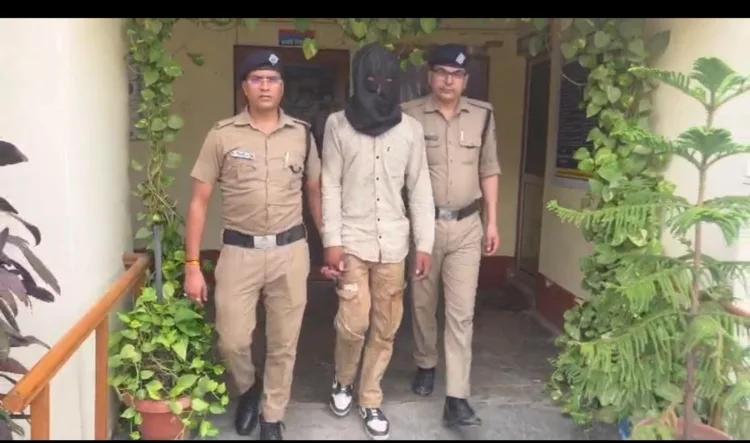
Delhi Police arrested a self-styled tantrik practitioner in a car-death case, prompting a coordinated, multi-state probe into possible links with fatalities in Uttar Pradesh and Rajasthan. All connections are allegations under investigation, with no judicial determination of guilt to date. The analysis emphasizes due process, evidence-based conclusions, and restraint in public discourse to reduce misinformation.…