
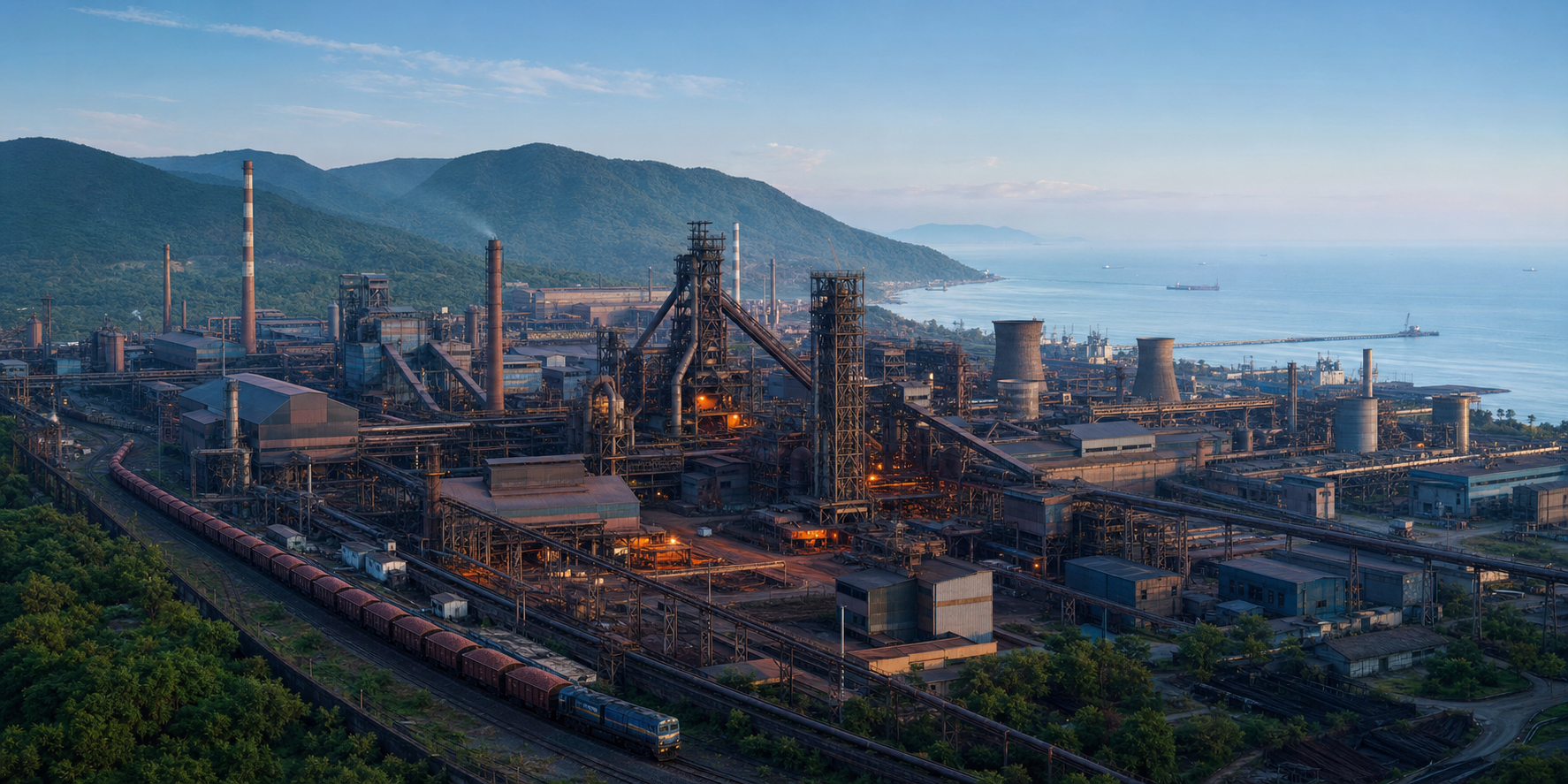
If you are wondering whether the ₹11,440 crore rescue means Vizag Steel Plant has been saved, the honest answer is: it has been given a credible chance. Production has recovered sharply, but the conditions that pushed the plant into crisis have not all disappeared.
You can separate political claims from durable progress by watching four things: furnace use, access to affordable iron ore, debt discipline and the formal status of privatization.
Key takeaways
- The revival is operationally real: all three blast furnaces are running and production has reached roughly 93–94% of installed capacity.
- The ₹11,440 crore package restored room to buy raw materials and keep production moving, but government capital is not the same as operating profit.
- RINL still lacks a captive iron ore mine. Until that changes, the plant remains exposed to external prices and a structural cost disadvantage.
- The 2021 strategic-disinvestment approval has not been formally withdrawn. Revival funding therefore does not, by itself, settle the ownership question.
From shutdown risk to a credible operating recovery
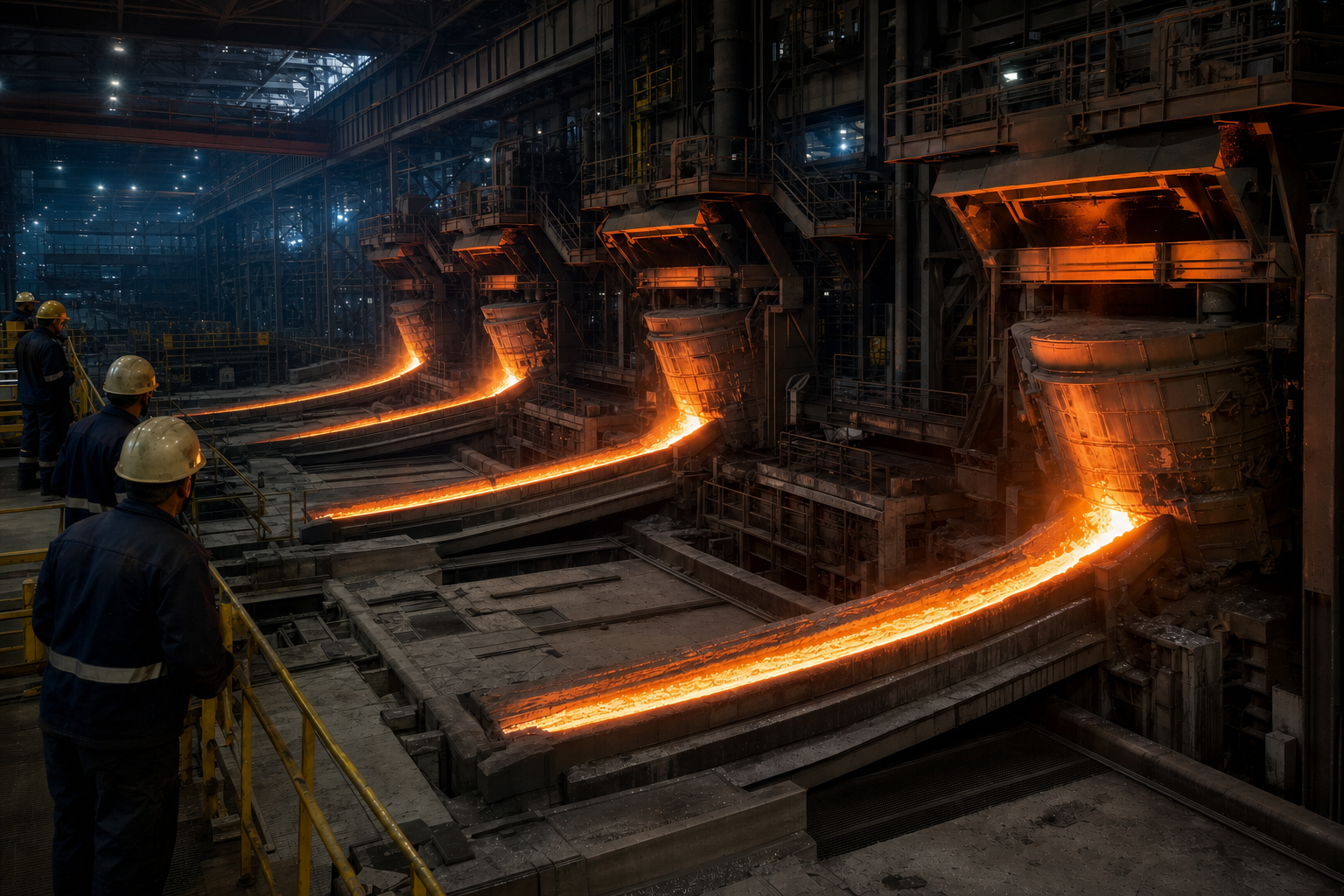
To understand the improvement, start with how close RINL came to an operating breakdown. By 31 March 2024, it had exhausted bank borrowing limits, defaulted on loan repayments and faced acute shortages of working capital and raw materials. Blast furnaces were periodically shut because the plant could not secure enough coking coal.
The Union Government approved a ₹11,440 crore revival package on 17 January 2025. Of that amount, ₹10,300 crore was designated as equity infusion, while ₹1,140 crore converted a working-capital loan into preference-share capital. The immediate purpose was practical: restore working capital, procure raw materials, restart production and stabilize the company.
That intervention has produced a measurable operating result. As of mid-2026, BF-1, BF-2 and BF-3 were all functioning. Output had risen to about 93–94% of the plant’s 7.3 million-tonne annual installed capacity. This is more than a promise of recovery: steel is being made at close to the plant’s existing scale.
But restart and revival are different tests. Working capital can bring an idle furnace back. A lasting revival requires the plant to purchase inputs, service its obligations, maintain equipment and sell steel without repeatedly returning for emergency support. When you encounter a claim that Vizag Steel is fully revived, ask whether it refers only to production or also to sustainable finances.
Iron ore and ownership remain the decisive tests
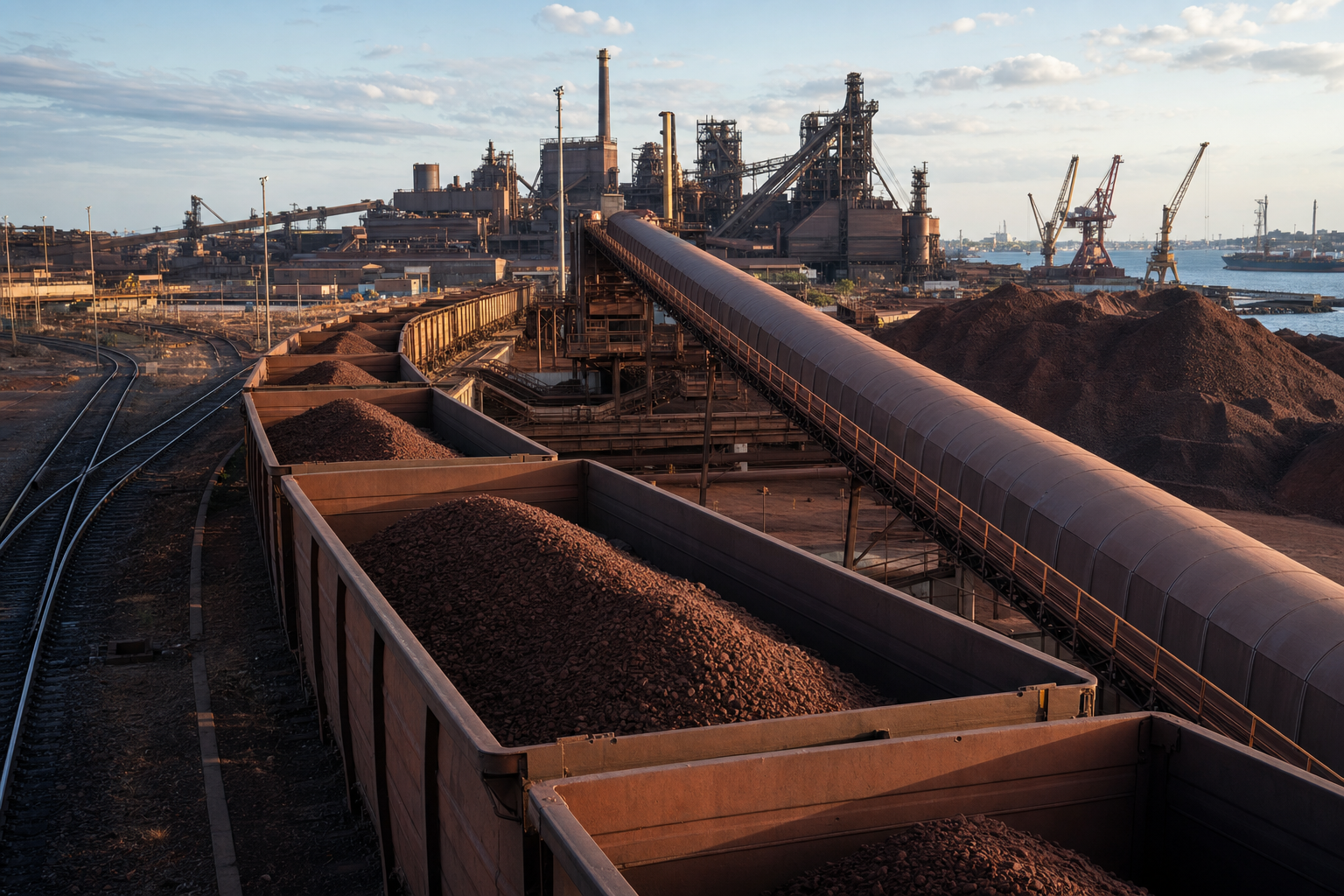
Vizag Steel’s largest unresolved structural problem is unusually clear: it has no captive iron ore mine. RINL must buy ore from outside suppliers, leaving it exposed to price movements and putting it at a cost disadvantage against integrated producers with their own mineral access, including SAIL, Tata Steel and JSW Steel.
This problem has been recognized for years. A parliamentary committee strongly reiterated the need for an iron ore allocation in May 2015. RINL has approached Odisha, Chhattisgarh and Andhra Pradesh, while the Ministry of Steel has sought an Odisha block for the company through the reservation route. Requests and recommendations, however, are not mineral security. The meaningful milestone is a formal allocation on terms that actually reduce delivered ore costs.
The second unresolved test is ownership. The Cabinet Committee on Economic Affairs gave in-principle approval on 27 January 2021 for complete strategic disinvestment of the Government of India’s RINL shareholding, including a transfer of management control. The later rescue marked a major policy shift toward keeping the public enterprise operating, but the Cabinet decision itself has not officially been rescinded.
You should therefore treat statements that privatization has ended with caution unless they point to a formal government decision. Likewise, the existence of an older disinvestment approval does not prove that a sale is imminent. The accurate position is narrower: public money is supporting a government-owned recovery while the earlier authorization remains on the books.
Public memory should strengthen accountability
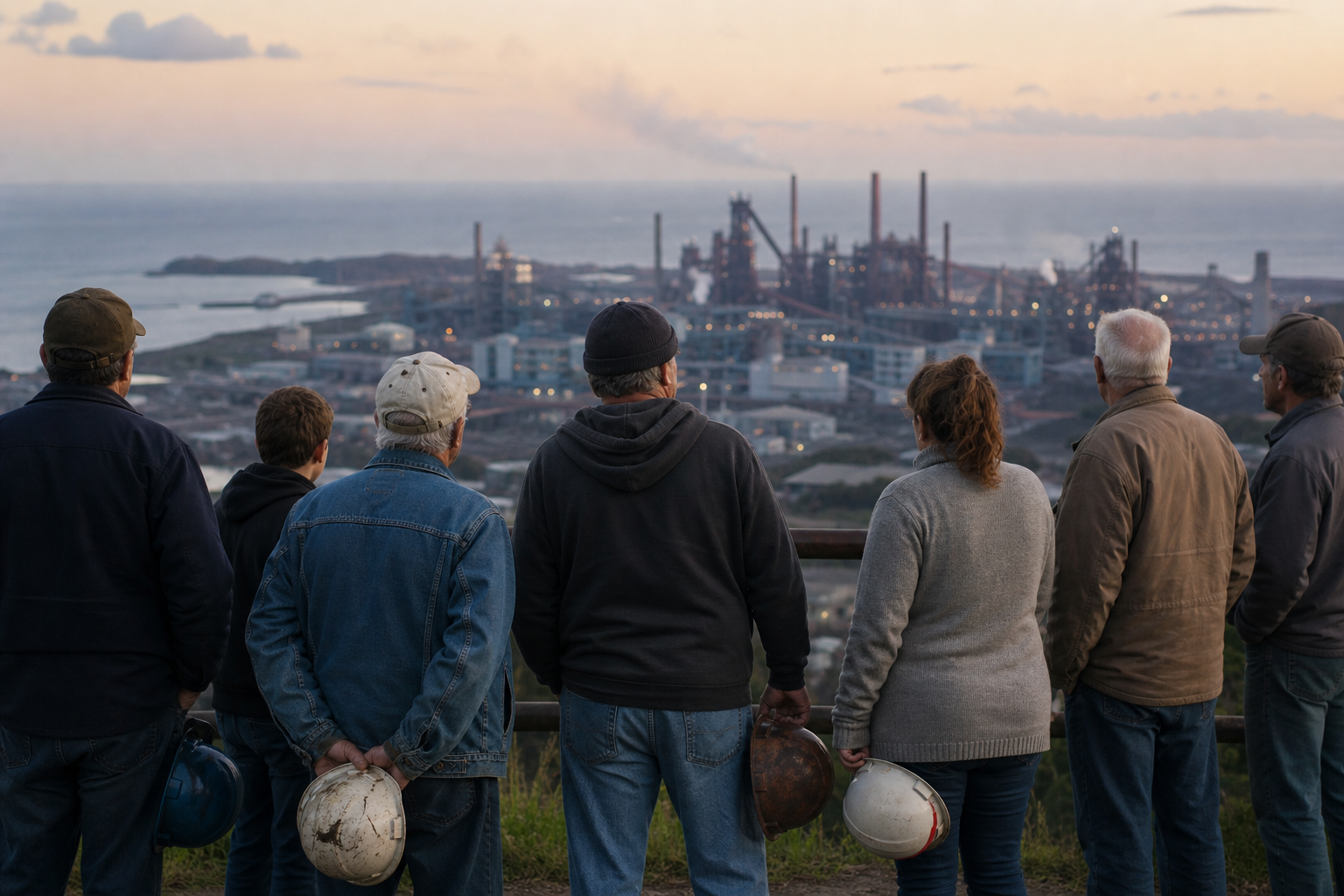
Vizag Steel cannot be judged as an interchangeable industrial property. It emerged from the Visakha Ukku – Andhrula Hakku movement, in which students, workers, farmers and political groups demanded a steel plant for Andhra Pradesh. More than 30 people lost their lives during the agitation, and Prime Minister Indira Gandhi laid the foundation stone on 20 January 1971.
Around 16,000 families gave up land for the project. The plant went on to support a major industrial ecosystem in Visakhapatnam, with direct employment, contracted work and ancillary businesses tied to its survival. That history explains why many people see privatization as a question of public trust rather than a routine change in shareholding.
Respect for that sacrifice should not become an excuse to ignore inefficiency. It should raise the standard of stewardship. For Bharat, preserving a strategic public asset means making it productive, technologically current and financially answerable—not merely retaining its name while liabilities accumulate.
Land claims require the same discipline. RINL holds approximately 19,730 acres. Industry observers and employee unions have placed its value above ₹1 lakh crore, but no official valuation has been released. An unofficial land estimate is not cash available for coal, ore or debt service. It should neither be presented as proof that the company is financially healthy nor used casually to justify disposing of an industrial base built for future capacity.
The land does provide strategic room. RINL says the integrated plant occupies 11,794 acres, enough to expand capacity to around 11 million tonnes annually. Expansion becomes credible only after the current operation can fund reliable inputs, maintenance and debt obligations. Until then, it is an option—not a revival plan.
A practical scorecard for the next phase
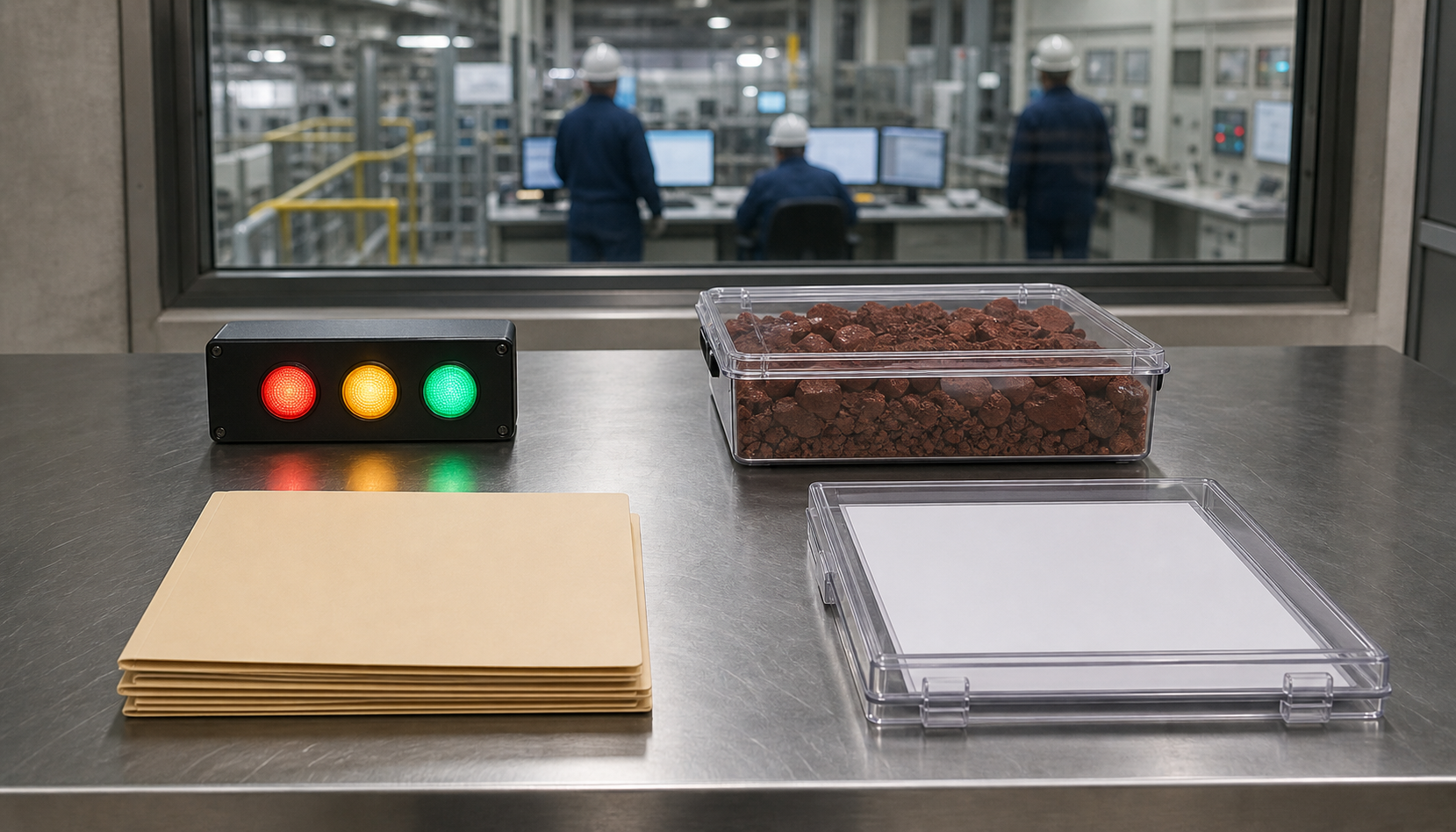
You do not need to choose between declaring the rescue a triumph and dismissing it as another bailout. Use a scorecard that distinguishes operating momentum from structural repair.
| Question to ask | Current position | Evidence of durable revival |
|---|---|---|
| Is the plant operating near its installed scale? | All three blast furnaces are working, with production around 93–94% of capacity. | High output continues without renewed raw-material stoppages. |
| Has the iron ore disadvantage been removed? | No captive mine has been secured. | A formal block allocation or another dependable arrangement materially lowers delivered ore costs. |
| Has emergency funding become financial stability? | The government has infused equity and converted part of a loan into preference capital. | RINL can fund inputs, meet obligations and contain its interest burden from operations. |
| Is the ownership policy clear? | The plant remains government-owned, while the 2021 disinvestment approval has not been formally withdrawn. | A clear official decision resolves whether RINL will remain public or proceed toward strategic sale. |
| Is modernization disciplined? | The site has room for future expansion. | Investment first improves cost, reliability and product competitiveness before adding capacity. |
For now, the sound description is recovering, not recovered. When the next official update arrives, look past the size of any new package. Check whether all furnaces remain productive, whether ore costs have been structurally reduced, whether financial obligations are being met and whether New Delhi has clarified the ownership question. Those signals will tell you whether Vizag Steel is building an independent future or merely receiving more time.