
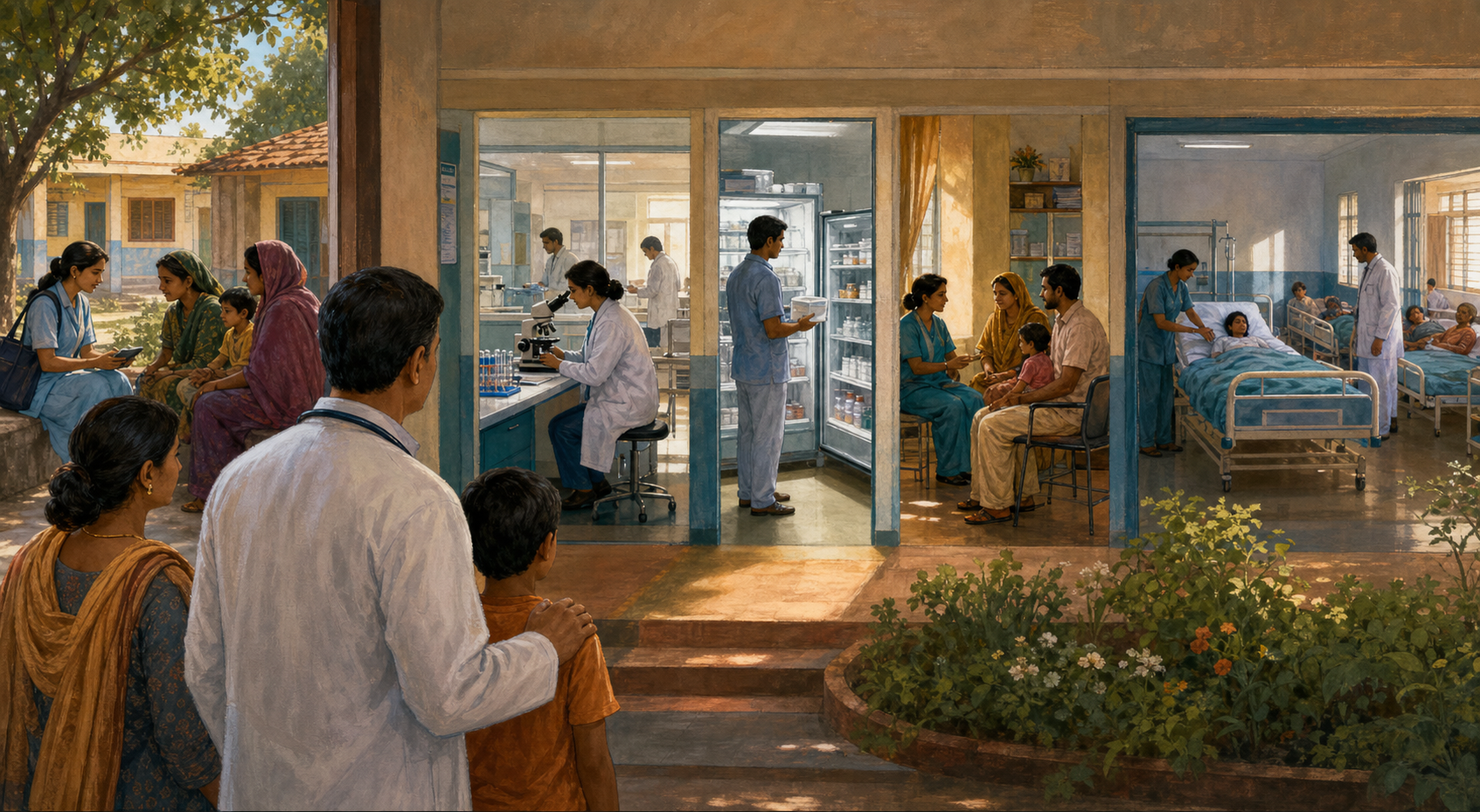
If you have ever wondered how one doctor can change care beyond the patients sitting in front of him, Dr Suresh Hanagavadi’s life offers a practical answer. The decisive step is not simply treating more people. It is building a dependable path from recognition and diagnosis to medicine, family support and public policy.
His work also gives you a useful test for any service initiative: does it relieve suffering for a day, or does it change what the next patient will encounter? By turning his own experience of hemophilia into organised action, Dr Hanagavadi has spent decades working on that second, harder task.
From personal pain to shared infrastructure
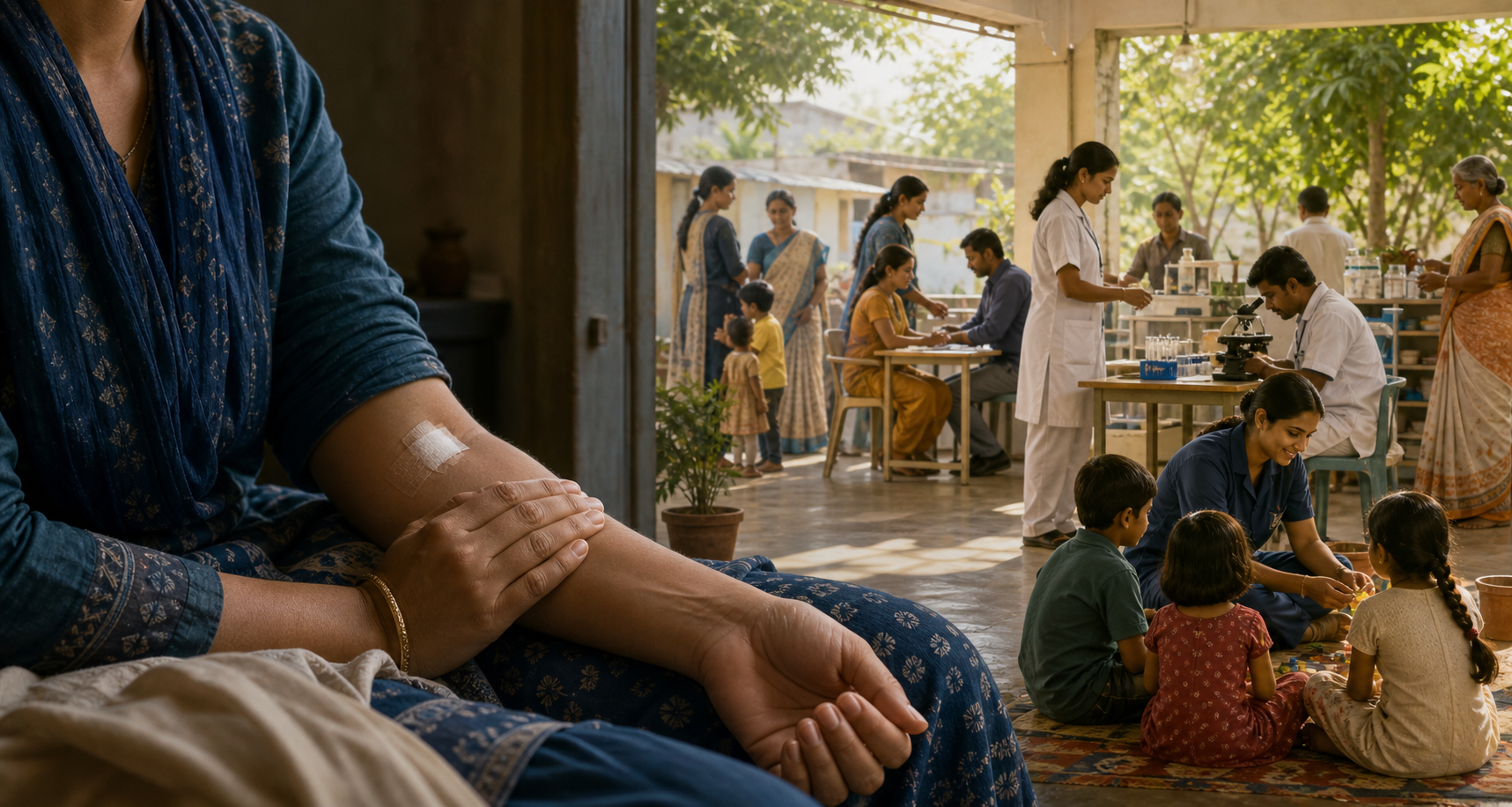
Dr Hanagavadi did not approach hemophilia as a distant administrative problem. He was diagnosed with the inherited bleeding disorder when he was young. Recurrent bleeding, pain and hospital visits disrupted his childhood at a time when specialised diagnosis and treatment were difficult to obtain in Karnataka.
The death of his maternal uncle, who also had hemophilia, gave that experience a direction. A lack of awareness and timely medical intervention contributed to the tragedy. Dr Hanagavadi subsequently pursued medicine, specialised in pathology and became a professor at JJM Medical College in Davanagere.
It would be easy to reduce this journey to a story of individual resilience. That would miss its public-health importance. Personal adversity does not automatically reform a system. It becomes socially transformative when someone identifies the recurring barriers behind it and builds institutions capable of removing them for strangers.
That is what happened when Dr Hanagavadi founded the Karnataka Hemophilia Society around 1990. The society created a structure through which patients could be identified, families counselled, health workers educated and access to treatment pursued. A private experience had become organised public service.
Hemophilia reveals every weak link in a health system
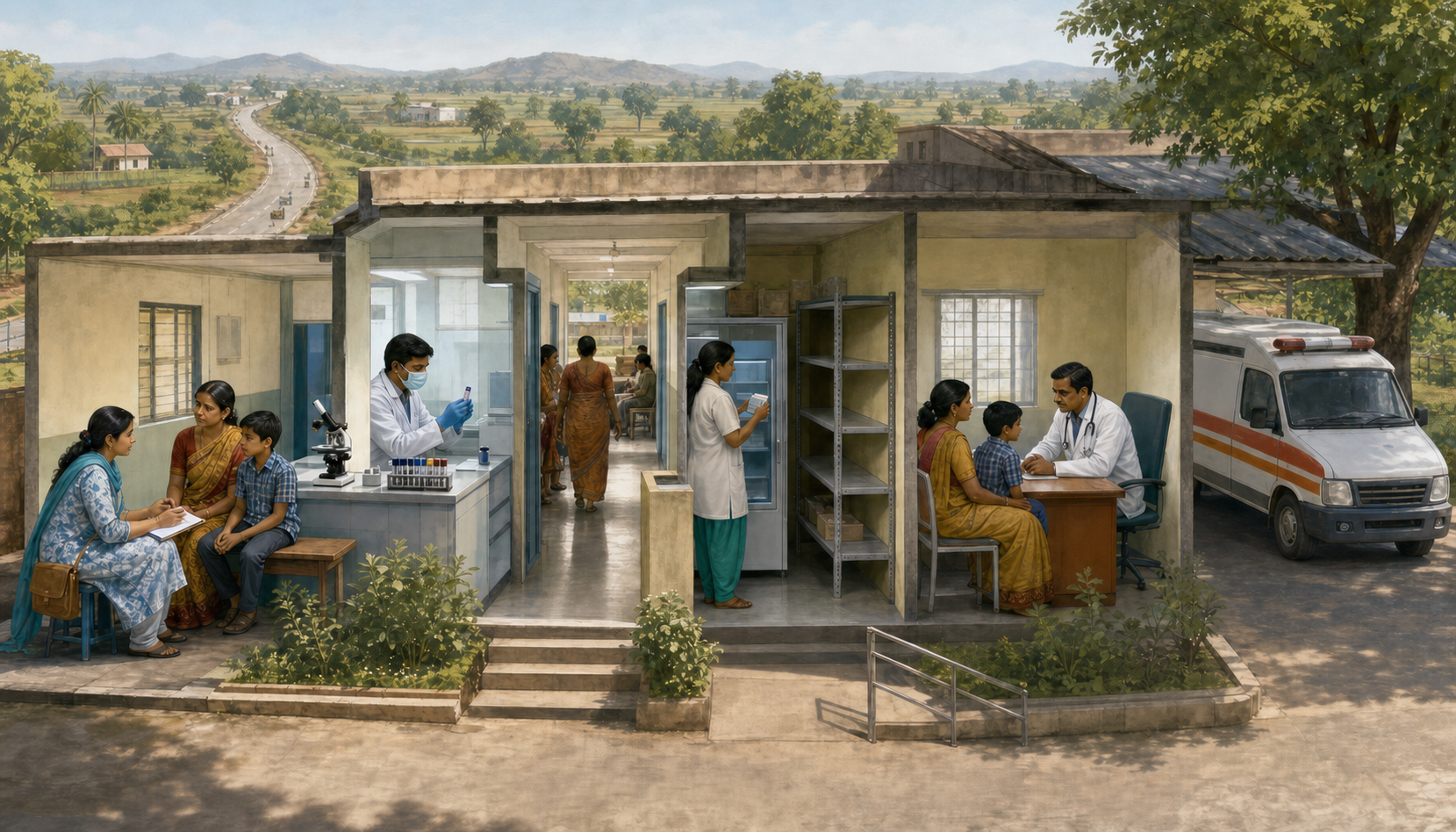
Hemophilia is a rare inherited disorder in which the blood does not clot properly. Its management can depend on several parts of the health system working together. A family must recognise that repeated or unusual bleeding needs investigation. A clinician must consider the disorder. Appropriate diagnostic facilities and trained personnel must be accessible. Treatment must then remain financially and geographically within reach.
A break at any point has consequences. A child may remain undiagnosed. Repeated bleeding can interrupt schooling and daily life. Delayed or inadequate care can contribute to pain and long-term disability. Even after diagnosis, the cost of clotting-factor concentrates can put treatment beyond a family’s means.
A functioning hemophilia programme therefore needs more than a specialist consultation. You should look for five connected capabilities:
- Awareness that helps families and frontline health workers recognise when testing may be needed.
- A clear referral route to qualified clinicians and appropriate diagnostic laboratories.
- Reliable access to prescribed clotting-factor treatment, including financial support for families who cannot afford it.
- Follow-up and specialist-guided preventive care intended to reduce bleeding and avoid disability.
- Support that helps children remain in school and enables patients to pursue education, employment and social participation.
This chain also explains why a one-day awareness camp is insufficient if people who are identified have nowhere to go next. Awareness without referral creates concern. Diagnosis without affordable treatment gives a condition a name but may not change its course. Medicine without follow-up leaves families to navigate a complex condition alone.
If you or someone in your family has unexplained, repeated or severe bleeding, do not use a public profile or general information to diagnose the cause. Seek assessment from a qualified medical professional. Active or severe bleeding can require urgent care; use the appropriate emergency service rather than waiting for a community programme or routine appointment.
A service blueprint communities can adapt
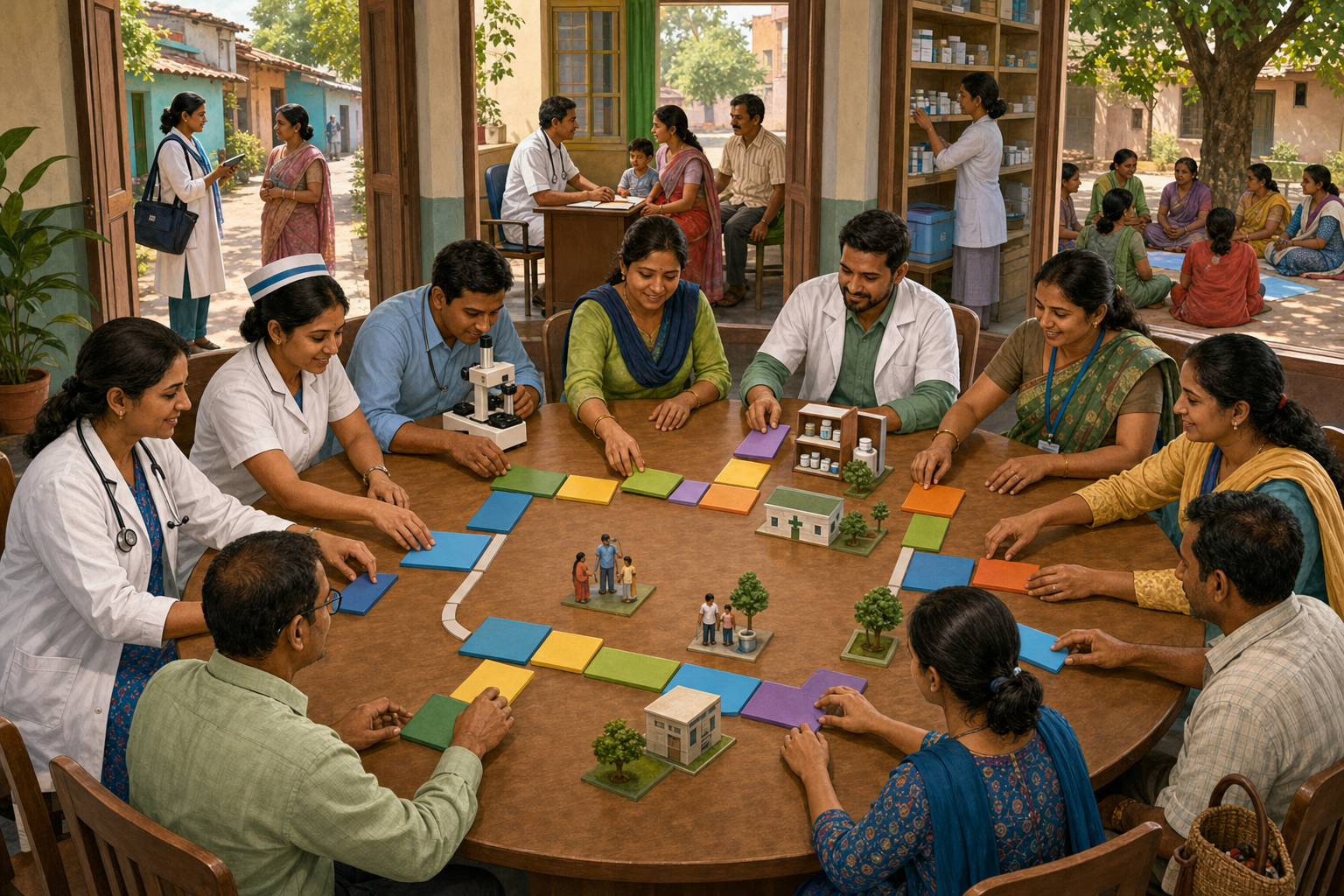
Dr Hanagavadi’s method is relevant well beyond one disorder. If you are a clinician, medical student, community organiser, donor or trustee deciding how to serve, you can apply the same sequence without pretending that goodwill alone is a health programme.
- Map the patient’s full journey. Begin before diagnosis and continue through treatment, follow-up, education and livelihood. Ask where families lose time, money or confidence. The most visible problem may not be the decisive bottleneck.
- Pair every awareness effort with a destination. Before asking people to come forward, identify who can evaluate them, where testing is available and how results will lead to appropriate care. Outreach should open a pathway, not merely distribute information.
- Build an institution that can outlast one person’s energy. The Karnataka Hemophilia Society gave patients and families an organisational home. A durable mission needs defined responsibilities, clinical relationships, continuing education and a way to remain accountable to the people it serves.
- Combine immediate service with policy advocacy. Counseling and medical guidance help the person already seeking care. Procurement and public funding can change access for an entire patient population. Dr Hanagavadi’s sustained engagement with health authorities helped expand government support for the purchase and distribution of essential treatment.
- Measure life restored, not activity completed. The number of meetings or camps held is an administrative count. The meaningful questions concern earlier diagnosis, fewer disabling complications, continuity in school, access to work and the ability to participate in society.
This is the distinction between episodic charity and public-health service. Charity can answer an immediate need. Public-health service also asks why that need repeatedly becomes a crisis, which institution can prevent it and what public decision would make prevention available to more families.
Key takeaways
- The hard problem in rare-disease care is often the entire pathway from recognition to sustained treatment, not a single medical consultation.
- Lived experience becomes public service when it is converted into patient organisation, professional education and institutional accountability.
- Awareness should always be linked to diagnosis, referral and an affordable treatment route.
- Direct patient support and government advocacy solve different parts of the same problem; a mature programme needs both.
- Quality of care should be judged by whether patients can remain in school, avoid preventable disability, work and participate in community life.
The Padma Shri is a signal, not a finish line

Dr Hanagavadi was named a Padma Shri recipient in 2026 after more than four decades of work for people living with hemophilia. The honour matters because it places patient advocacy, rare-disease care and the slow work of building access within Bharat’s understanding of national service.
Recognition does not mean the underlying problem has disappeared. People in rural and underserved areas may still remain undiagnosed, while district-level care depends on laboratories, trained personnel, referral arrangements and treatment availability. The proper response to the award is therefore not admiration alone. It is closer attention to the unfinished chain.
Choose the action closest to your role:
- If your family is affected: ask the treating clinician or specialist centre for a clear diagnosis record, an individual care plan, instructions for urgent situations and information about verified financial or government support. Do not change treatment without professional guidance.
- If you work or study in healthcare: learn the appropriate recognition and referral pathway for inherited bleeding disorders. Find out whether your institution knows where diagnostic testing and prescribed factor treatment can be accessed.
- If you organise or fund community service: support patient identification, counseling, professional training, diagnostic linkage and treatment access. Before funding an awareness event, require a written answer to what happens to a suspected patient afterward.
- If you influence public policy: examine the whole district-level pathway. Procurement is essential, but medicine cannot help an unidentified patient or one who cannot reach a trained facility.
For a Dharmic reader, this is seva joined to institutional discipline: compassion made dependable. The lesson is not that every person must become a doctor or create a statewide organisation. It is that service should leave the next vulnerable person with a clearer path than the one available before.
Start with one local question this week: if a child in your district were suspected of having an inherited bleeding disorder, where exactly would diagnosis, counseling and continuing treatment occur? If no one can describe the complete route, you have found a public-health gap worth helping a credible medical institution or patient organisation to close.