
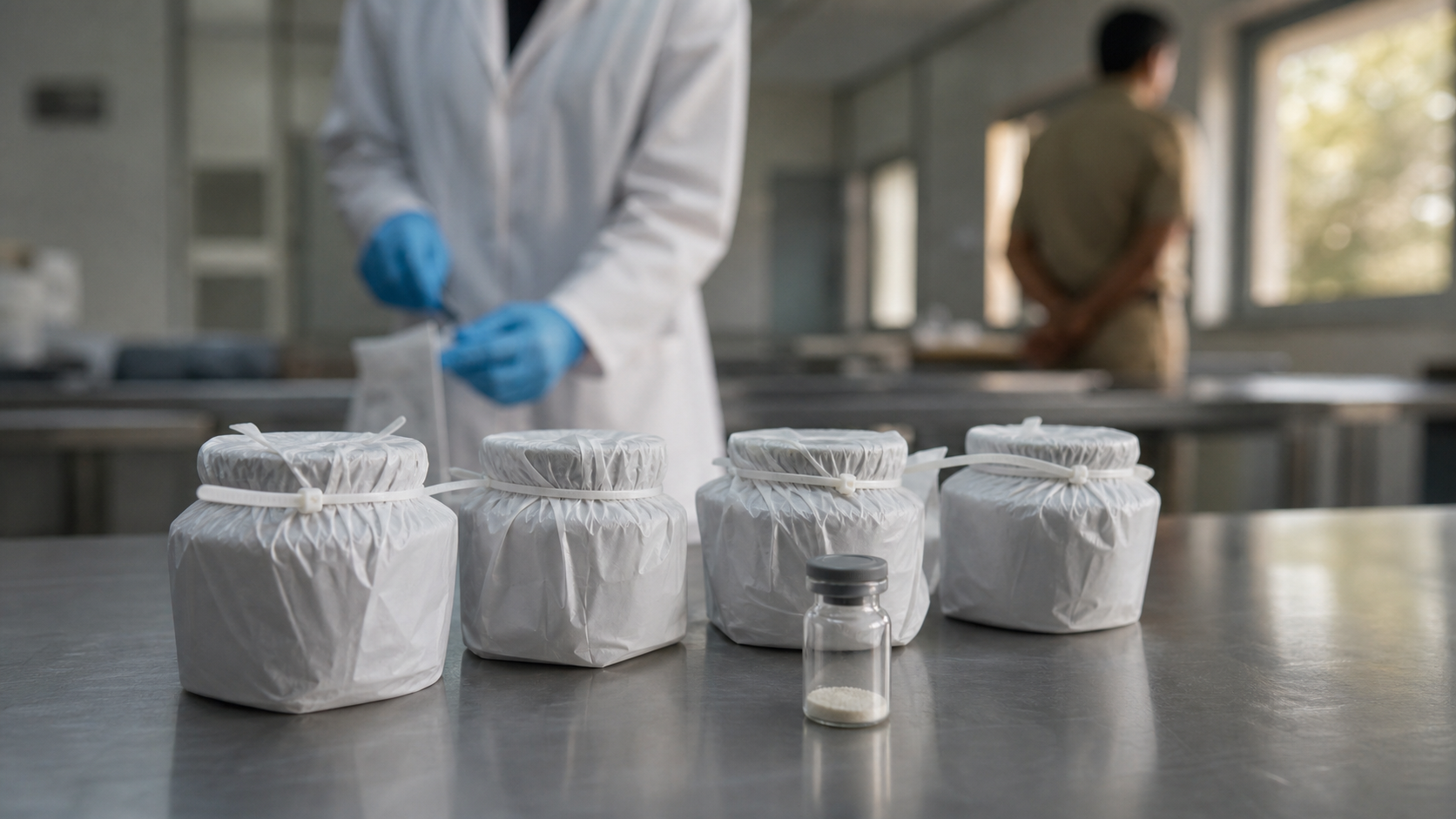
If you arrived after seeing a message declare that beef had been caught in Bhopal, pause at one word: suspected. Police seized meat and sent samples for laboratory examination, but they had not confirmed the animal species. Turning an allegation into a verdict would misstate the case and could weaken the demand for lawful action.
If you care about gau raksha, you do not have to choose between vigilance and accuracy. You can insist on a complete investigation while keeping a firm boundary between what happened, what activists alleged, and what evidence must still establish.
Key takeaways
- An auto containing a large quantity of suspected meat was intercepted in the Kamal Nagar area under Nishatpura police station. The driver abandoned the vehicle and fled.
- Vishva Hindu Parishad and Bajrang Dal workers alleged that the material was meat from cattle. Police had not confirmed that allegation when the case status was disclosed.
- Police seized the auto and meat, collected samples and sent them to a laboratory. Species identification therefore remained pending.
- Two cattle were found tied at the home of a person being examined during the investigation. The allegation that they were about to be slaughtered was also unconfirmed.
- The most accurate public wording is that police seized suspected meat and were awaiting laboratory identification. It is premature to call it a confirmed beef seizure.
What is established in the Bhopal incident
The incident occurred in the early hours of Friday in Kamal Nagar, within the Nishatpura police station area of Bhopal. After receiving information about the vehicle, workers associated with the Vishva Hindu Parishad and Bajrang Dal surrounded the auto. Its driver left the vehicle at the scene and escaped.
A search of the auto found a large quantity of suspected meat wrapped in a yellow tarpaulin on the rear seat. Nishatpura police then took possession of both the vehicle and the material. These are the central observed events; they do not depend on the eventual laboratory result.
The investigation then moved along two tracks. Police sent samples for testing and began using the auto’s registration number to search for the driver and other people who might be connected to it. During those inquiries, police reached the home of a person under suspicion and found two cattle tied there.
That sequence supports concern and further investigation. It does not establish every conclusion now circulating. The workers’ claim that the seized material came from cattle remains an allegation. Their further claim that the two animals were being prepared for slaughter also remains an allegation. Police explicitly withheld confirmation of both claims.
Why “suspected” is the decisive word
Four different stages are easily collapsed into one viral headline. Keeping them separate protects the credibility of anyone seeking action:
- Observation: A vehicle contained material that appeared to be meat, and police seized it.
- Allegation: Activists identified the material as meat from cattle and asked for strict action.
- Verification: A laboratory must identify the animal species represented by the sample.
- Legal finding: Investigators must connect evidence to particular people and determine what offences, if any, can be proved.
The case had reached the third stage, not the fourth. Even a laboratory finding would answer only the species question. It would not, by itself, identify who obtained the meat, who loaded it, who knew what the cargo was or who was legally responsible for transporting it.
The same discipline applies to the auto’s registration number. It is a useful lead, but it is not automatic proof that the registered keeper was driving, loaded the cargo or knew what was inside. Police still need evidence connecting people to conduct.
If you share the development, say: “Police seized suspected meat from an auto, activists alleged that it was cow meat, and laboratory confirmation was pending.” Do not shorten that to “police caught beef” or “a cow-slaughter gang was exposed.” The first removes the unresolved species question; the second additionally invents a group, an offence and guilt before those facts have been established.
The next evidence will answer different questions
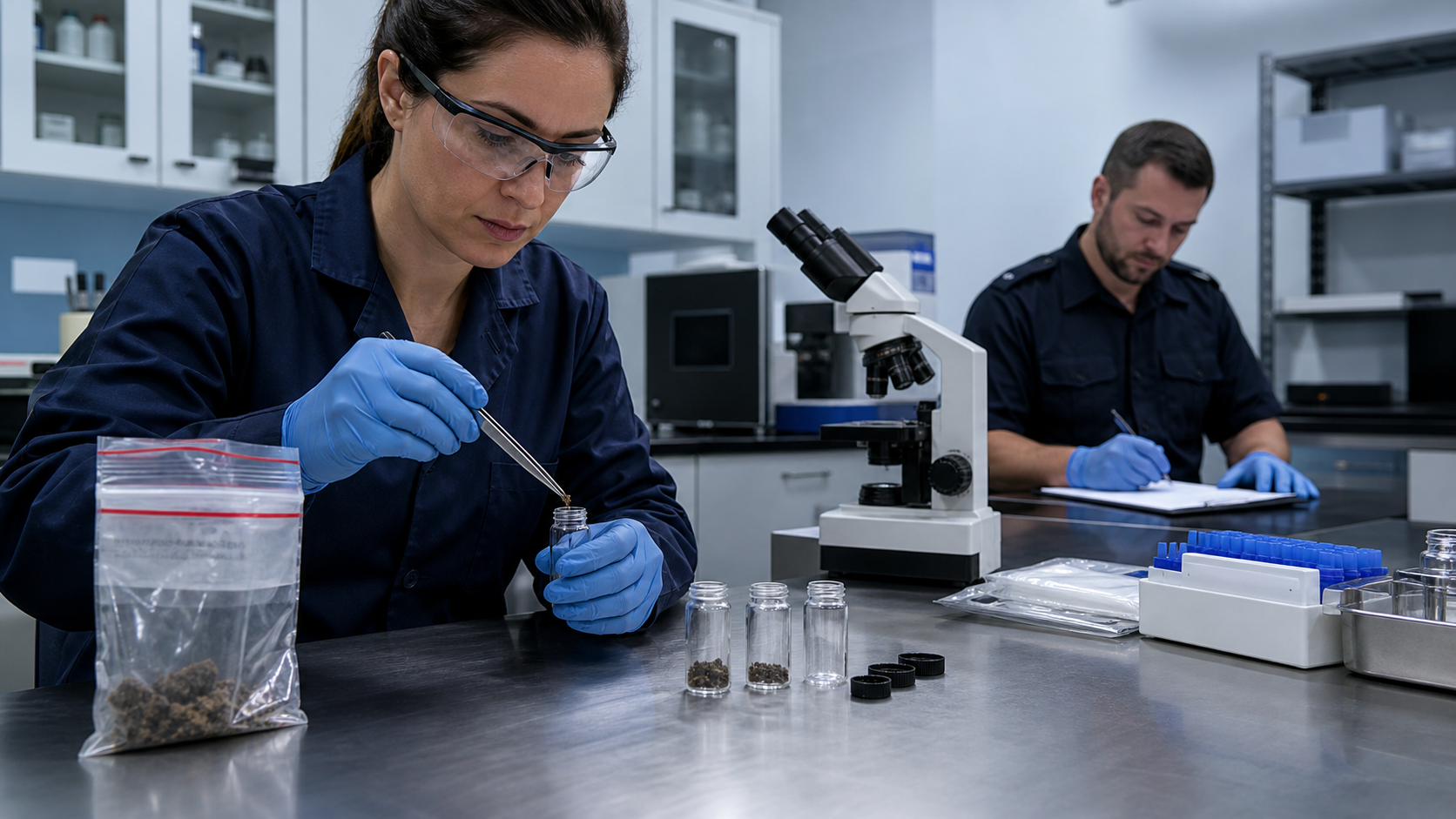
Do not treat the awaited laboratory result as a single document that will settle the entire matter. Each part of the investigation has a narrower job:
| Question | Present position | What could resolve it |
|---|---|---|
| What animal did the seized meat come from? | Cattle meat has been alleged but not confirmed. | The laboratory’s species identification. |
| Who was driving or controlling the auto? | The driver fled, and police were searching through the registration details. | Evidence linking a particular person to the vehicle at the relevant time. |
| Who loaded, supplied or was meant to receive the material? | Not established in the disclosed facts. | Further police investigation and corroborating evidence. |
| What do the two tied cattle prove? | Their presence at the examined premises is confirmed; an intended slaughter was alleged. | Independent evidence of preparation or intent, not mere proximity. |
| What legal action follows? | No final action was announced. | The forensic result considered with the remaining evidence. |
If testing does not identify the material as alleged, responsible people should correct earlier claims through the same channels in which they shared them. If testing does support the allegation, the public should still wait for police to establish custody, knowledge, source and responsibility. Confirmation of species would strengthen one part of the case; it would not make every named or suspected person guilty.
Watch for two concrete updates rather than another round of anonymous messages: the laboratory finding and a police statement explaining what action the combined evidence supports. A photograph of wrapped meat cannot substitute for the first, and a photograph of tied cattle cannot substitute for the second.
How you can support lawful gau raksha now
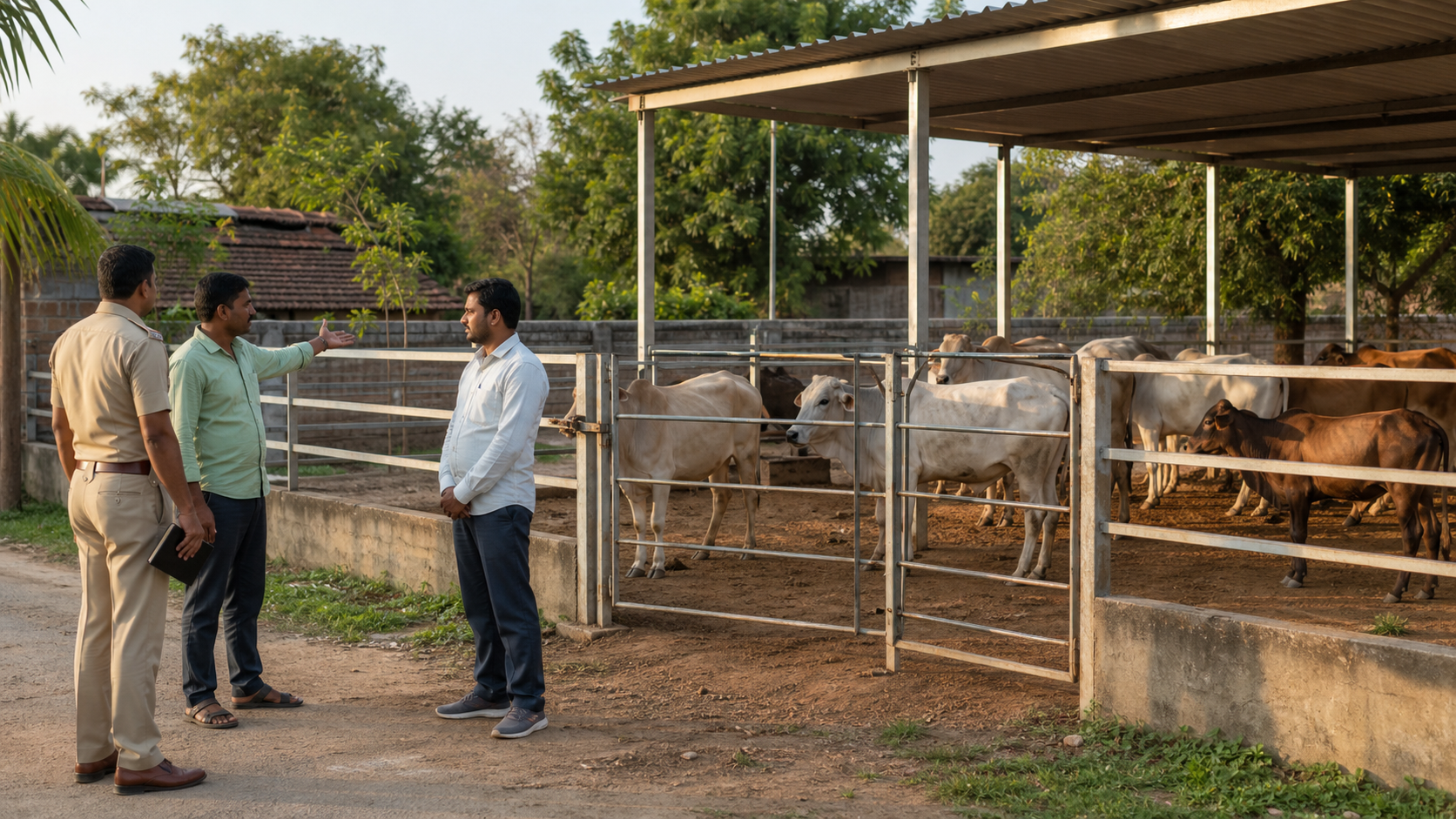
A strong response protects cattle, preserves evidence and refuses to turn suspicion into collective punishment. If you encounter a comparable situation, use this sequence:
- Report precise information. Give police the location, time, vehicle details and conduct you directly observed. Separate what you saw from what somebody forwarded to you.
- Preserve original material. If you have relevant photographs or video, retain the original files and provide them to investigators. Repeatedly edited clips and captions can strip away time, place and context.
- Do not tamper with the vehicle or cargo. Once police are involved, allow them to control the scene and samples. Handling or moving material can complicate the evidence.
- Reject assault, threats and forced confessions. Suspicion is not permission for violence. Physical confrontation can injure people, create additional legal problems and distract from the alleged animal-protection offence.
- Do not publish an unconfirmed identity or address. A registration lead, a police visit or the presence of cattle does not establish guilt. Public identification can expose uninvolved people and make a fair investigation harder.
- Ask for specific follow-through. Seek the laboratory result, the status of the search for the driver and the action supported by the evidence. “Investigate fully and disclose the result” is a stronger demand than repeating an untested claim.
- Correct the record visibly. If later evidence changes the position, amend the original post instead of placing a quiet correction where its audience will never see it.
Gau seva and concern for the protection of cattle are legitimate Hindu concerns. Satya requires that we do not declare an animal species before it is identified. Ahimsa requires that suspicion never become a licence for violence. Accountability requires the authorities to investigate the seizure, trace the people involved and act on evidence rather than pressure or rumour.
For now, share the qualified facts, watch for the laboratory result and insist that police explain the eventual action. If the evidence changes the picture, update your words with it. A cause rooted in dharma should become more precise, not more reckless, as facts emerge.