-
Gujarat ATS Disrupts Alleged Jihadi Cell; NIA Exposes Bengaluru Prison Radicalisation Network

Two developments—the Gujarat ATS disruption of an alleged jihadi module and the NIA’s exposure of a prison-based radicalisation network in Bengaluru—highlight the dual front of India’s counterterrorism challenge: online grooming of youth and covert recruitment behind bars. This analysis explains how investigators typically blend HUMINT, OSINT, SIGINT, and digital forensics under the UAPA and NIA…
-
Chhattisgarh forms ‘Hindu Rashtra Samanvay Samiti’ to protect Hindus, fortify dharmic unity

Chhattisgarh has formed the ‘Hindu Rashtra Samanvay Samiti’ to coordinate lawful, community-led responses to reported attacks on Hindus and to strengthen social cohesion. Framed as a cultural–civilizational initiative consistent with the Constitution of India, it emphasizes Ahimsa, Anekantavada, seva, and Vasudhaiva Kutumbakam. The analysis outlines a practical architecture: incident reporting, helplines, volunteer training, festival safety…
-
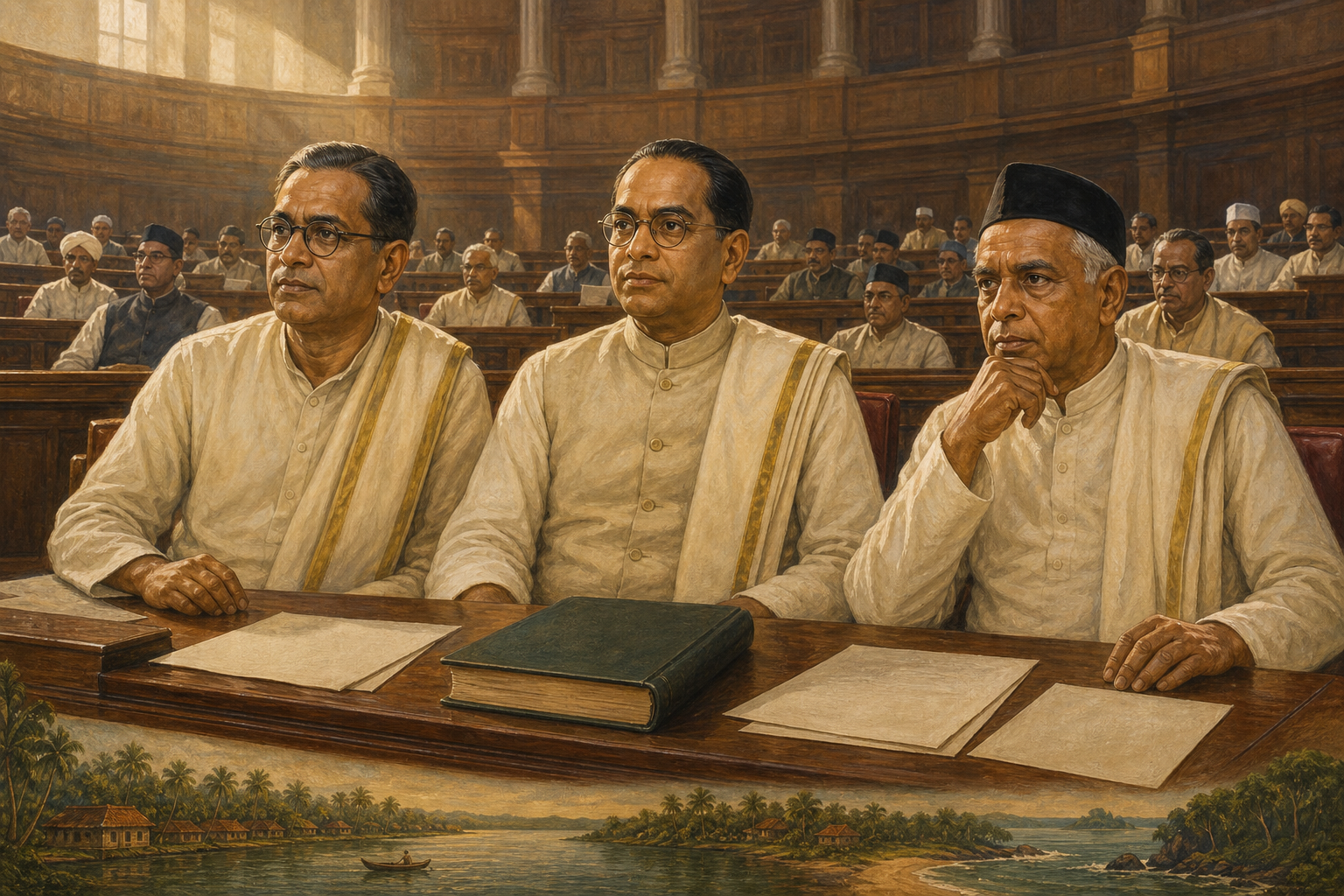
Unmasking Hyderabad’s Independence Myth: Evidence-Rich History from Asaf Jah I to 1948

This evidence-driven analysis dismantles the myth that Hyderabad was ever an independent state by tracing its legal position from Asaf Jah I through British paramountcy to 1948. Drawing on Jadunath Sarkar’s core insights and British Residency records, it shows that Hyderabad possessed internal autonomy but lacked external sovereignty—defense, foreign affairs, and treaty-making—throughout its history. Eyewitness…
-
Safeguarding Dignity at Work: VHP’s Nationwide Corporate Outreach on Hindu Women’s Safety and Rights

VHP’s plan to engage corporates nationwide on workplace concerns involving Hindu women is best understood through a rights-based, evidence-driven lens. This long-form analysis situates the initiative within India’s constitutional protections and statutes such as the POSH Act, along with NGRBC, BRSR, and the UNGPs. It differentiates key risk categories spanning harassment, grooming, coerced proselytization, retaliation,…
-
Urgent Call to Enforce Maharashtra’s Anti-Conversion Law in Nashik TCS Case, With Due Process

The Nashik TCS case has prompted a focused demand to apply Maharashtra’s emerging anti-conversion framework with rigor and due process. Grounded in Article 25 and the Supreme Court’s jurisprudence, the analysis explains how state Freedom of Religion Acts are designed to deter force, fraud, and allurement without chilling voluntary faith choices. It outlines practical steps…
-
Delhi Police foil alleged Ghazwa-e-Hind plot: four arrested; recce, sleeper cells, financing probed

Delhi Police Special Cell has arrested four individuals for an alleged Ghazwa-e-Hind-inspired plot, with early leads pointing to reconnaissance near the Red Fort and India Gate, as well as possible sleeper cells and terror-financing channels. The analysis explains how recce, digital forensics, and layered intelligence (HUMINT, SIGINT, OSINT) inform modern counterterrorism without compromising civil liberties.…
-
Lenskart revises style guide: Bindi, Sindoor, Tilak, Kalwa affirmed for inclusive workplaces

Lenskart has reportedly revised its style guide to explicitly permit Bindi, Sindoor, Tilak, and Kalwa, offering a practical blueprint for how consumer brands in India can respect religious expression without compromising safety or professionalism. The episode highlights the importance of clarity in corporate dress code and grooming policies to avoid discretionary enforcement at store level.…
-
Criminal Complaint Against Prakash Raj Over Ramayana Video Ignites Legal and Social Firestorm

Reports indicate a criminal complaint has been filed against actor Prakash Raj after a video linked to the Ramayana—perceived by some as mocking Prabhu Shri Ram—went viral. The case spotlights India’s legal thresholds for speech touching religion, especially Section 295A IPC, and Supreme Court precedents that demand proof of deliberate and malicious intent. It also…
-
TCS Nashik row: Bajrang Dal protest over alleged conversion, harassment; impartial probe urged

A peaceful yet high-stakes protest by Bajrang Dal outside the TCS office in Nashik spotlighted two serious and distinct allegations: coerced religious conversion and workplace sexual harassment. The most constructive response is an impartial, time-bound investigation under the POSH Act for harassment claims, with criminal due process where coercion or intimidation is alleged. India’s constitutional…
-
High-Stakes TCS Nashik Row in Supreme Court: Plea Seeks Terror Tag for Coercive Conversions under UAPA/NSA

A petition before the Supreme Court of India relating to allegations at TCS Nashik seeks to classify organised, coerced conversions as a “terrorist act” under UAPA and to trigger action under the NSA. This analysis explains the constitutional backdrop (Articles 25–26), the bar against forced conversions affirmed in Rev. Stainislaus, and the protection of adult…
-
Amravati cyber-grooming arrest: Alarming exploitation of 180 minors—legal deep-dive and safeguards

A 19-year-old man in Amravati has been arrested for allegedly grooming and exploiting minors via fake social media profiles, with investigators reportedly assessing claims that up to 180 children were targeted. This analysis explains the grooming lifecycle, the status of any imagery as CSEM irrespective of consent, and how POCSO and the IT Act (including…
-
HJS urges ‘Drug-Free Maharashtra’ mission to protect youth; stricter checks on rave festivals

Hindu Janajagruti Samiti (HJS) has urged a statewide ‘drug-free Maharashtra’ campaign, alongside stricter, risk-based oversight of rave parties and large music festivals, including Sunburn. The analysis explains how a balanced strategy—combining supply suppression under the NDPS Act with robust health interventions—can deliver better outcomes. It outlines how event licensing, on-site medical protocols, and post-event audits…
-
Amravati Investigation: Protecting Teens from Grooming, Voyeurism, and Digital Abuse

Reports from Amravati, Maharashtra describe an investigation into alleged sexual exploitation of minors and the circulation of illicit recordings, with several unverified numbers circulating in media. This analysis explains the applicable Indian legal framework (POCSO, IT Act, BNSS, BNS, BSA, and JJ Act) and outlines how digital forensics, privacy safeguards, and trauma-informed procedures should guide…
-
Inside the Nashik TCS allegations: Why an ATS–NIA terror-angle probe could be decisive

An advocate’s call for an ATS–NIA probe into alleged sexual exploitation at a TCS office in Nashik reframes the incident as a potential counterterrorism risk with national-security implications. This analysis explains ATS and NIA mandates, the legal thresholds that would justify a terror-angle inquiry, and how UAPA, POSH, ITPA, IT Act, and DPDP intersect. It…
-
Lenskart Dress Code Controversy: Evidence-Based Roadmap for Inclusive, Rights-Aligned Workplaces

Allegations in April 2026 that Lenskart circulated an “anti-Hindu” dress code underscore a broader national need for inclusive, rights-aligned uniform policies in retail. This analysis avoids polarisation and instead offers an evidence-based roadmap grounded in India’s constitutional guarantees, ILO Convention 111, and the UN Guiding Principles on Business and Human Rights. It synthesizes court signals…
-
Inside the Nashik BPO Allegations: SIT Probe, Workplace Harassment, and Paths to Justice

Allegations of workplace harassment and religiously charged misconduct at a Nashik BPO have prompted multiple FIRs and, according to reports, an SIT probe. This analysis avoids sensational framing and centers due process, survivor dignity, and organizational accountability. Readers gain a clear view of India’s PoSH Act requirements, relevant IPC provisions, and how internal and criminal…
-
Gujarat video on Ahmedabad vendor expulsions: law, rights, and paths to communal harmony

A viral clip from Ahmedabad allegedly showing Muslim vendors being told “Only Hindus Can Work Here” has ignited debate about law, livelihood, and communal harmony in Gujarat. This analysis clarifies what the Constitution and the Street Vendors Act, 2014, actually permit—and what they prohibit—regarding vending in public spaces. It outlines relevant Supreme Court jurisprudence, highlights…
-
Nashik MNC row: urgent call for impartial probe into alleged corporate proselytization

Hindu Janajagruti Samiti has demanded urgent action over alleged religious conversion activities at a Nashik-based multinational firm and warned of statewide agitation absent a broader probe. This analysis outlines why evidence-based, impartial investigation—rather than incendiary language—is essential to protect workplace dignity and freedom of conscience. It explains the constitutional and corporate-governance frameworks relevant to religious…
-
Nashik SIT Row over ‘Corporate Jihad’: Fact-Checking Claims, Protecting Women, and Fixing Compliance

The Nashik ‘Corporate Jihad’ row requires an evidence-led, survivor-centered response rather than rhetorical escalation. This long-form analysis separates allegations from legally cognizable offenses, explains how an SIT should proceed, and outlines the criminal and POSH frameworks that protect women at work. It details corporate duty of care across vendor ecosystems, from third-party risk management and…
-
Alleged Nashik BPO harassment: religious coercion claims expose urgent HR compliance gaps

Allegations from a Nashik BPO facility have spotlighted the intersection of workplace harassment, religious coercion, and HR compliance in India. This analysis centers on employee dignity, freedom of conscience under Article 25, and the employer’s legal duties under the POSH Act and broader anti-harassment norms. It outlines how to design robust redress systems, conduct impartial…