-
MP ‘Changai’ meet sparks high-stakes probe: decoding anti-conversion law, rights, and harmony

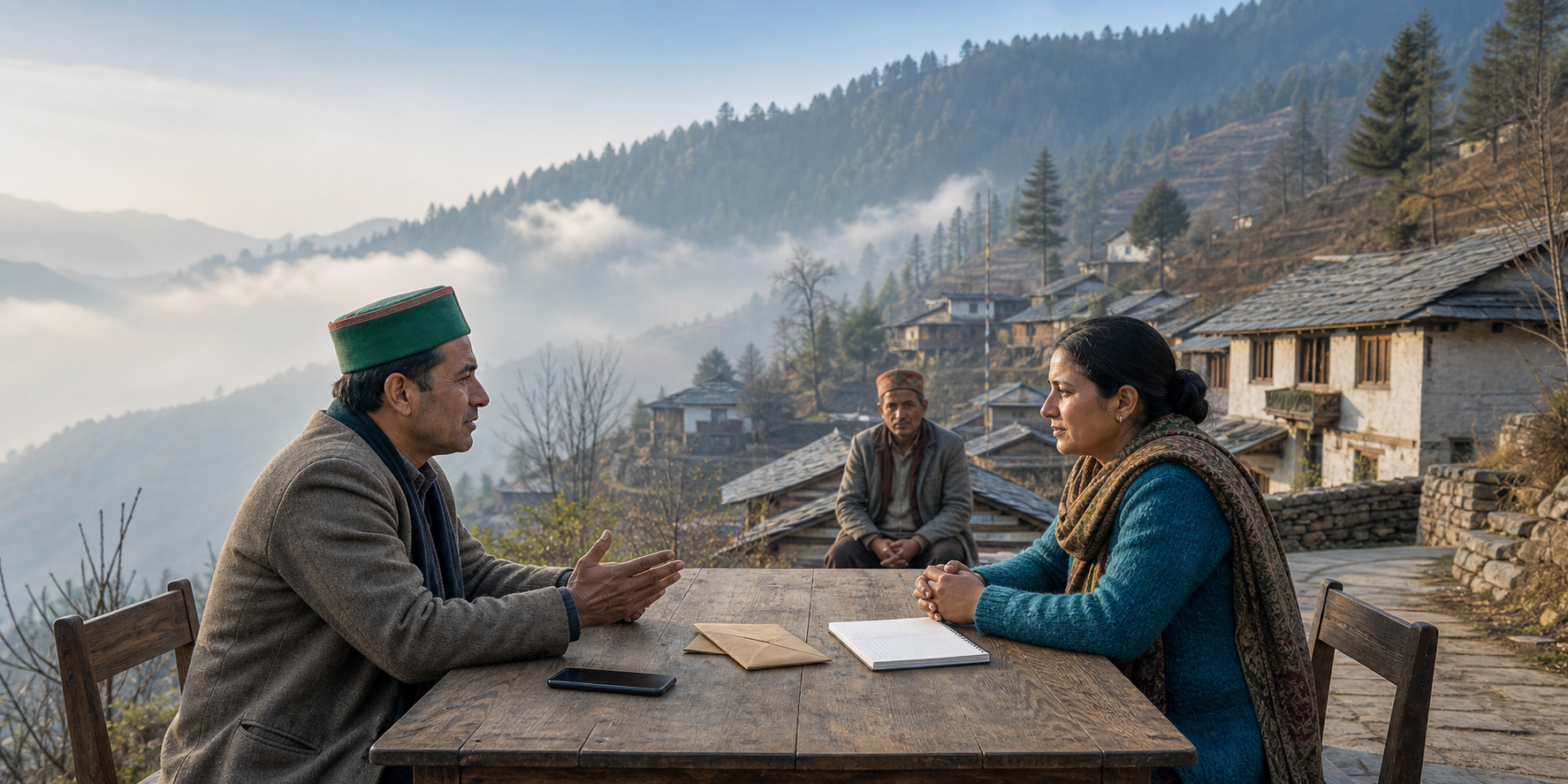
Reports from Guna, Madhya Pradesh, describe a ‘Changai’ faith-healing meet that led police to arrest two pastors and probe an alleged conversion network, reigniting debate on religious freedom and anti-conversion law. This analysis explains the constitutional framework under Article 25 and the Supreme Court’s Stanislaus precedent, and outlines how the Madhya Pradesh Freedom of Religion…
-
Saints Power a Nationwide Dharmic Renaissance: Alok Kumar on Ethical, Voluntary ‘Ghar Wapsi’

Advocate Alok Kumar (VHP) noted in Goa that saints are catalyzing a nationwide wave of ‘ghar wapsi’ by expanding Dharmic awareness at the grassroots. This analysis frames ‘ghar wapsi’ as a voluntary, plural, and constitutionally grounded homecoming to Dharmic heritage encompassing Hinduism, Buddhism, Jainism, and Sikhism. It explains the legal context (Articles 25–28 and state…
-
Post–Bill C-9 in Canada: Temple Protests, Hinduphobia Fears, and a Roadmap to Hindu–Sikh Unity

Coordinated demonstrations outside Triveni Mandir (Brampton) and Lakshmi Narayan Mandir (Surrey) shortly after Canada’s Bill C‑9 advanced have heightened concerns about Hinduphobia and worship‑site safety. This analysis explains what happened, why the timing matters, and how police mitigated risks with 100‑metre safety buffers. It clarifies the legal thresholds that separate protected protest from criminal conduct…
-
Operation Durga in Maharashtra: Safeguarding Women’s Autonomy with Law, Care, and Unity

Rajya Sabha MP Dr. Medha Kulkarni has launched Operation Durga in Maharashtra to support women who report coercion, deception, or exploitation in intimate relationships. The initiative, positioned within India’s constitutional framework, emphasizes lawful redress, psychosocial care, and non-discriminatory practices. It distinguishes coercion from consensual interfaith choice, reinforces the Special Marriage Act as a consent-first pathway,…
-
High-Stakes West Bengal 2026: BJP’s Hindutva–Bengali Identity Pitch vs TMC Corruption Overhang

West Bengal’s 2026 Assembly election is coalescing around two powerful narratives: the BJP’s fusion of Hindutva with a confident Bengali identity and the TMC’s defence of expansive welfare amid a corruption overhang. This long-form analysis explains how a polarised minority vote, border-state security anxieties, and women-centric welfare will shape margins. It maps the state’s decisive…
-
NCST confirms minor status in Kerala interfaith marriage; forged certificate, POCSO case

The NCST has confirmed that Monalisa Bhosle was 16 years old at the time of her marriage to Farman Khan on 11 March 2026 in Kerala, amid allegations of a forged birth certificate. Khargone Police have registered a POCSO case, placing the matter within India’s strong child protection framework. The analysis clarifies how POCSO and…
-
Pune’s Hadapsar Hosts 11,000+ at Hindu Rashtra-Jagruti Sabha for a Powerful Dharma Pledge

More than 11,000 participants gathered in Hadapsar, Pune, at the Hindu Rashtra-Jagruti Sabha to take a collective pledge to protect Dharma. The event highlighted Dharma as an inclusive ethical framework shared across Hinduism, Buddhism, Jainism, and Sikhism, emphasizing non-violence, service, and constitutional citizenship. Framed within India’s constitutional guarantees of peaceful assembly and freedom of religion,…
-
Virat Hindu Sammelan, Pune: A Bold Call for a Constitutional Hindu Rashtra—And Its Pathways

At a Virat Hindu Sammelan near Pune, Sunil Ghanwat called for collective, democratic efforts to pursue a constitutional Hindu Rashtra. This analysis clarifies what “Hindu Rashtra” can mean within India’s legal framework, distinguishing a civilizational, dharma-guided ethic from any theocratic model. It explains constitutional constraints—Articles 25–28, equality provisions, and the basic structure doctrine—while mapping lawful,…
-
Delhi High Court flags Rana Ayyub’s X posts as “derogatory, communal,” seeks swift action

Media reports indicate that the Delhi High Court has flagged certain past X posts attributed to Rana Ayyub as “derogatory” and “communal,” asking Delhi Police and the platform to act per law. This long-form analysis explains the legal framework—Article 19(1)(a) and 19(2), IPC Sections 295A, 153A, 505(2), and the IT Rules 2021—that guides such decisions.…
-
Bharuch conversion case: Gujarat High Court’s decisive ruling on discharge, rights, and harmony

In April 2026, the Gujarat High Court declined discharge pleas in the Bharuch conversion case, allowing prosecution to proceed while expressly not determining guilt. The ruling reflects settled criminal procedure: at discharge, courts look for a prima facie case or strong suspicion, not proof beyond reasonable doubt. The case sits at the intersection of anti-conversion…
-
Boishakh Mash 2026, Bengali Calendar 1433: Dates, Poila Boishakh 2026, Rituals, and Dharmic Unity

Boishakh Mash—also known as Baisakh or Baishakh—opens Bengali Calendar 1433 in mid-April 2026, setting the cultural and seasonal tone for West Bengal and Bangladesh. This guide clarifies region-specific dates (15 April–15 May in West Bengal; 14 April start in Bangladesh), explains the sidereal solar mechanics behind Mesha Saṅkrānti, and shows how time zones and civic…
-
Toy Car IED Plot Foiled: Mumbai Arrests Expose Evolving Terror Tactics, Digital Trail to Delhi

Reports indicate that two suspects linked to Jaish-e-Mohammad were detained in Mumbai in a foiled toy car IED case reportedly aimed at Delhi, highlighting the shift toward concealed, low-signature devices in crowded urban spaces. The analysis explains how such IEDs can be engineered, why encrypted apps complicate investigations, and how Indian agencies combine cyber forensics…
-
Bahadur Shah Zafar and 1857: Evidence-Driven Reassessment Beyond Heroics and Betrayal

Bahadur Shah Zafar’s role in the Revolt of 1857 defies simple labels. Rather than casting him as either a heroic liberator or a betrayer, this analysis situates the last Mughal emperor within the material constraints of siege warfare, fractured command, and colonial-era power asymmetries. It traces the uprising’s structural causes—from annexations and revenue extraction to…
-
Hubballi-Dharwad Showdown: Karnataka Police, Gyms, and a Calm, Lawful Path to Communal Harmony

Karnataka Police convened gym owners in Hubballi-Dharwad after protests linked to “Love Jihad” put fitness centers under an intense spotlight. Moving beyond rhetoric, the meeting focused on lawful, practical steps to de-escalate tensions and protect fundamental rights. Police emphasized non-discrimination, PoSH and POCSO compliance, privacy-aware CCTV practices under the Digital Personal Data Protection Act, and…
-
Hubballi gym case ignites outcry: calls for NIA probe, survivor protection, and harmony

The reported Hubballi gym exploitation case has sparked public outcry, a visit by the Ranaragini wing of Hindu Janajagruti Samiti (HJS), and calls for an NIA-led investigation. This analysis explains the legal thresholds for NIA involvement, outlines applicable state and central statutes, and details a victim-centric investigative roadmap. It highlights digital, physical, and financial forensics,…
-
Bihar Madrassa Sealed After Arms Haul; Andhra Links Probed as Authorities Urge Calm and Unity

Bihar Police sealed a madrassa in West Champaran on April 6, 2026, after an arms recovery, detaining three individuals for questioning and probing possible links to Andhra Pradesh. This analysis explains how Indian counterterrorism investigations proceed under the Arms Act, UAPA, and the NIA framework, highlighting forensic protocols and chain-of-custody safeguards. It emphasizes the presumption…
-
A Vision for Bharat: Shivamogga Sammelan Calls for Dharmic, Constitutional, Unifying Governance

At a provincial Hindu Rashtra Sammelan in Shivamogga on April 6, 2026, the Hindu Janajagruti Samiti (HJS) called for “Hindu Ideology-Based Governance” in Bharat. Read through a constitutional and inclusive lens, this can be translated into a broader, dharmic governance model that upholds pluralism, compassion, and rule of law for Hindus, Buddhists, Jains, Sikhs, and…
-
Shobha Karandlaje’s Kerala claims of ‘Love, Land, Business’: evidence, law, and dharmic unity

Reports attributing to Union Minister Shobha Karandlaje claims of “Love, Land, and Business Jihad” in Kerala have ignited debate. This analysis replaces rhetoric with a rigorous, law-and-data framework that separates allegations into three testable domains: intimate-partner coercion, property intimidation or illegality, and unfair or illicit business practices. It outlines applicable statutes, proposes investigation protocols, and…
-
Bhopal Hanuman Jayanti Row: Viral Speech Sparks Legal Scrutiny and Dharmic Harmony Call

A viral video from a Hanuman Jayanti rally in Bhopal has intensified debate over public speech, alleged slaughterhouse illegality, and online misinformation. This analysis explains the constitutional boundaries of expression, the penal provisions that may apply when rhetoric crosses the line, and the administrative protocols that govern religious processions. It also summarizes the licensing and…
-
LeT Handler Arrested Near Delhi; Kolkata Hub Exposed, ‘Kalkaji Temple Among Targets’ Reported

A reported arrest near Delhi of LeT-linked Shabbir Ahmed Lone has drawn attention to a suspected Kolkata facilitation hub and the Bangladesh–Kolkata–Delhi corridor, with ‘Kalkaji Temple Among Targets’ cited in public narratives. This analysis explains how handlers segment recruitment, logistics, and reconnaissance while relying on encrypted communications to evade detection. It outlines how Delhi Police,…