-
Shraban Month 2026: Essential Srabon 1433 Dates, Rituals and Calendar Guide

Shraban Month 2026, or Srabon 1433, begins on 18 July and ends on 17 August under the West Bengal-oriented Bengali calendar used in this guide. This comprehensive reference provides the complete Bengali-to-Gregorian date conversion for all 31 days. It identifies the five Shraban Mondays and explains the significance of Shiva worship, Manasa Devi Puja and…
-
Tri-Yuga Wisdom: Powerful Lessons from Śrīmad-Bhāgavatam 3.16.22

Śrīmad-Bhāgavatam 3.16.22 offers a profound meditation on dharma, divine protection, and the purification of consciousness. The verse addresses the Lord as Tri-yuga and asks that rajas and tamas be removed through the grace of pure sattva. This reflection explains the theological importance of the verse in the story of the four Kumāras, Jaya and Vijaya,…
-
Powerful Simhachalam Giri Pradakshina: Ashada Pournami Pilgrimage Explained

Giri Pradakshina at Simhachalam Temple is a major Ashada Pournami pilgrimage centered on Sri Varaha Lakshmi Narasimha Swamy. The sacred walk around Simhagiri covers more than 30 kilometers and transforms the hill, the city, and the devotee’s body into parts of one devotional act. This article explains the ritual meaning of pradakshina, the importance of…
-
Bhagavad Gita 2.28 Onward: Powerful Lessons on Duty, Death, and Inner Courage

Bhagavad Gita 2.28 onward presents a profound teaching on death, duty, courage, and disciplined action. Krishna guides Arjuna from grief and moral confusion toward a clearer understanding of the atman, dharma, and Karma Yoga. These verses explain that embodied life is temporary, while the true self is not destroyed by bodily change. The teaching does…
-
Remembering S. Kuldeep Singh Ji: A Powerful Legacy of Gurmat Camps in North America

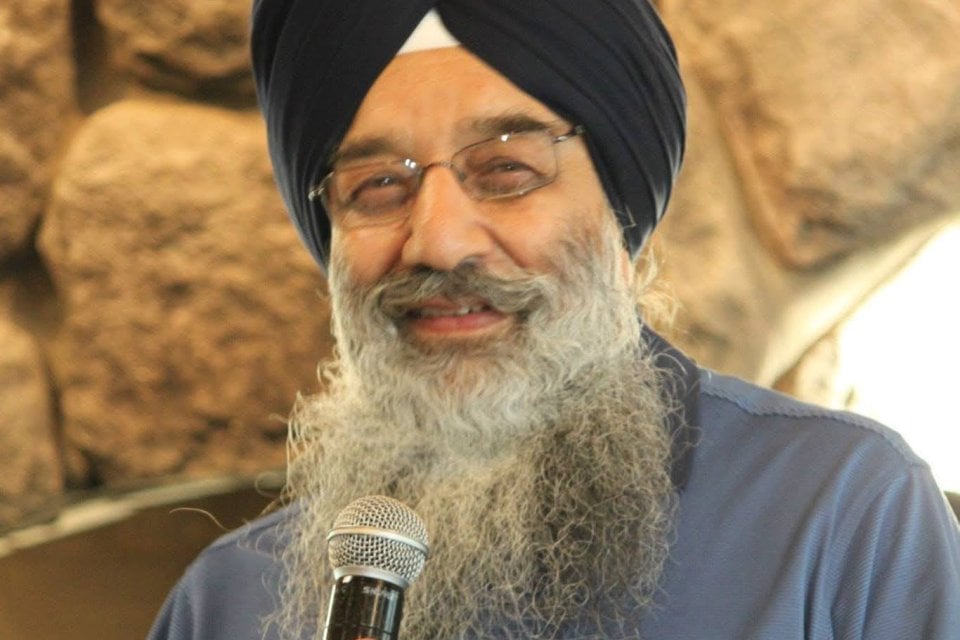
S. Kuldeep Singh Ji is remembered as a pioneer of Gurmat camps in North America, a contribution that helped shape Sikh education and identity in the diaspora. His legacy highlights the importance of teaching Gurmat through lived practice, seva, kirtan, Sikh history, language, and community discipline. Gurmat camps gave young Sikhs a space to understand…
-
SB 4.8.53 Revealed: The Transformative Power of Sacred Japa and Guru-Guided Bhakti

Śrīmad-Bhāgavatam 4.8.53 presents Nārada Muni’s confidential instruction to Dhruva Mahārāja on the power of mantra-japa and focused meditation. The verse teaches that sacred sound is not a mechanical formula but a disciplined practice received through guru-paramparā and lived with sincerity. Its reference to extraordinary yogic vision is best understood within the wider Bhāgavatam emphasis on…
-
July 4, 2026 Panchang: Essential Tithi Guide for Mindful Hindu Planning

This detailed July 4, 2026 Panchang guide explains the transition from Krishna Paksha Chaturthi to Krishna Paksha Panchami at 9:42 AM. It clarifies that July 4, 2026 falls on a Saturday in the Gregorian calendar, correcting the weekday mismatch found in the source text. The article explains the technical meaning of tithi, Krishna Paksha, Shubh…
-
You Are My Heroes: Radharaman Prabhu’s Powerful Lesson in Devotional Courage

Radharaman Prabhu’s message, centered on the phrase “You are my Heroes,” offers a meaningful reflection on devotional courage, seva, and the quiet strength of spiritual communities. This article explores how heroism in Sanatana Dharma is rooted in humility, discipline, gratitude, and service rather than public recognition. It connects the theme to Vaishnava bhakti, the Bhagavad…
-
ISKCON Juhu Live Darshan: A Powerful Window Into Mumbai’s Radha Rasabihari Worship

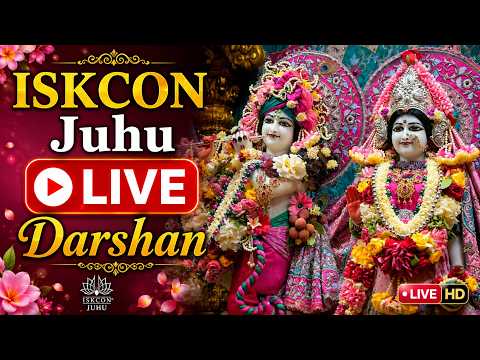
This post expands the original ISKCON Juhu Mumbai Live Darshan video into a detailed, factual reflection on the spiritual, cultural, and technical significance of digital darshan. It explains the importance of Sri Sri Radha Rasabihari worship, the Gaudiya Vaishnava tradition, and the role of ISKCON Juhu in Mumbai’s devotional landscape. The article clarifies how live…
-
Snan Yatra 2026 in Zurich: ISKCON, Jagannath Devotion and the Power of Kirtan

Snan Yatra 2026 in Zurich highlights the global reach of ISKCON, Lord Jagannath devotion, and Mahamantra chanting. The festival, traditionally connected with Debasnan Purnima and the ceremonial bathing of Lord Jagannath, carries deep theological and cultural significance. In Switzerland, it becomes a powerful example of how Hindu festivals adapt across borders while preserving their devotional…
-
Complete 2026 Srivari Pournami Garuda Seva Dates: A Devotee’s Essential Guide

This guide presents the complete 2026 Srivari Pournami Garuda Seva schedule at Tirumala in a clear and devotional format. It lists all seven scheduled Garuda Vahana Seva dates and explains the two cancellations in November and December. The article also explores the spiritual meaning of Garuda Vahana in Vaishnava tradition and the importance of Pournami…
-
ŚB 4.19.14–22 decoded: Pṛthu’s Aśvamedha, Indra’s Envy, and the Ethics of Dharma

Śrīmad-Bhāgavatam (ŚB) 4.19.14–22 examines how power and piety interact when public ritual becomes a theater for rivalry. Set during King Pṛthu’s aśvamedha-yajñas, these verses depict Indra weaponizing ascetic symbols to mask sabotage, thereby illustrating the danger of kūṭa-dharmacounterfeit religiosity. The passage distinguishes authentic renunciation from its costume, urging institutions to anchor trust in conduct, not…
-
Universal Hope in Dharmic Thought: Jiva Goswami on Why Every Soul Is Destined for Freedom

This essay presents a clear, research-grounded account of why hope is universal in Dharmic thought, drawing on Śrī Jīva Goswami’s Paramatma Sandarbha and aligned teachings from the Bhagavad-Gita, the Upanishads, Buddhism, Jainism, and Sikhism. It explains how Paramatma’s immanence, the jīva’s intrinsic luminosity, and the contingency of ignorance together secure the eventual liberation of all…
-
Jalna School Row: Students Danced to ‘Sar Tan Se Juda’; Probe Sought, Safety Reforms Urged

A widely shared video from a Jalna school event, allegedly featuring students performing to ‘Sar Tan Se Juda’ alongside an image of Mumtaz Qadri, has triggered public concern and calls for an official probe. This analysis explains why such content conflicts with child safeguarding, constitutional values, and India’s inclusive education ethos. It outlines due-process steps…
-
Why We Suffer: Tiruvalluvar on Raga, Dvesha, Avidyaand a Dharmic Path Beyond Sorrow

Human suffering, Dharmic traditions teach, begins within. Tiruvalluvar’s Tirukkural aligns with a shared analysis across Hinduism, Buddhism, Jainism, and Sikhism: three inner blemishesraga (clinging likes), dvesha (aversive dislikes), and avidya (mis-knowing)distort perception and seed fresh sorrow. Read alongside Patanjali’s kleshas and the Bhagavad Gita’s cascade from attachment to downfall, the Kural’s ethics map a precise…
-
From ‘Laziness’ to Nervous System Regulation: Trauma, Dopamine, and Dharmic Paths to Change

Many people who call themselves lazy are living with nervous systems tuned by early unpredictability, not moral failings. This article reframes apathy and inconsistency through neurosciencehighlighting neuroplasticity, allostasis, dopamine dynamics, executive function, and polyvagal theory. It explains why high-pressure contexts can boost performance while calm routines feel draining, and how this is a state-dependent pattern…
-
Why Science and Technology Cannot Eclipse the Upanishads: Enduring Dharma for a Digital Age

Scientific breakthroughs have expanded humanity’s power without settling questions of consciousness, purpose, or liberation. This article explains why the Upanishads, as the heart of Vedanta and Indian philosophy, remain indispensable in a high-tech world. It outlines complementary domainsscience explains mechanisms while the Upanishads illuminate meaning, ethics, and Self-knowledgeand details classical Indian epistemology (pramāṇa) as a…
-
Comprehensive Guide to Ashadha 2026: Exact Dates, Key Festivals, Tithis, and Regional Nuances

Ashadha 2026 (Ashad Month/Ashada masam) spans June 30 to July 29 in North India’s Purnimanta (Hindi) calendars, aligning with the monsoon and a rich cycle of vrat and yatra. This comprehensive guide explains how Purnimanta and Amanta systems differ, why intercalation (Adhik Maas) shapes 2026’s timing, and how local sunrise and time zones affect observance…
-
Decoding the Root of Anger: A Compassionate, Science‑Backed Path to Calm and Control

An eleven-year-old’s hospital outburst becomes a precise lens for understanding the root of anger and how to transform it. Drawing on neuroscience, child psychology, and dharmic wisdom from Hinduism, Buddhism, Jainism, and Sikhism, this analysis explains why anger surges, how it narrows judgment, and how to widen the window of tolerance. It details body-first regulation…
-
Amazon India Aryabhata Ad Backlash: What Happened, Why It Hurt, and How We Heal

A June 2026 Amazon India advertisement featuring Aryabhata sparked sharp public backlash and calls to #BoycottAmazon, highlighting expectations for cultural sensitivity in mass communication. This analysis contextualizes the incident with a rigorous overview of Aryabhata’s scientific legacyfrom the Aryabhatiya’s structure to kuṭṭaka methods, early sine tables, and an accurate approximation of π. It clarifies the…