
-
Decoding SB 11.02.23–26: Transformative Bhakti, Sādhu-Lakṣaṇa, and Dharmic Unity

This analysis presents SB 11.02.23–26 as a compact, rigorous guide to how bhakti becomes visible in character and community. Situated in the Nimi–Nava-yogendra dialogue of the Bhagavata Purana’s eleventh canto, the verses map the progression from inner devotion to stable virtues such as compassion, restraint, and truthfulness. The discussion clarifies the synergy of bhakti, realization,…
-
Unveiling Prishni: The Speckled Celestial Mother of the Maruts in Rigvedic Cosmology

Prishni, the “speckled” celestial mother of the Maruts in the Rigveda, illuminates how Hindu scriptures bind natural phenomena to sacred meaning. This analysis clarifies her etymology, traces her presence in Vedic hymnody, and examines her relationship to Indra, Rudra, and the storm-host. Readers gain a precise understanding of how “speckling” functions as Vedic symbolism for…
-
Transcend Forms, Find Clarity: Hindu Wisdom for Locating the Cause Behind All Phenomena
This article examines a central teaching of Hindu philosophy: look past nāma-rūpa (names and forms) to the abiding kāraṇa (cause). Drawing on the Upaniṣads and Bhagavad Gītā, it explains how Vedānta distinguishes empirical from ultimate reality and why māyā is a principle of appearing rather than mere illusion. It shows how forms function as upāya—means…
-
Kamsa Syndrome: How Fear Breeds Tyranny and How Dharmic Wisdom Defuses It
The Bhagavata Purana’s portrait of Kamsa presents a precise psychology of tyranny: fear, mishandled as policy, becomes a self-fulfilling catastrophe. This article defines the “Kamsa syndrome” and analyzes how a single prophecy, filtered through insecurity, produced surveillance, purges, and escalating violence in Mathura. It reads the narrative alongside the Bhagavad Gita’s ethics of abhaya and…
-
Krishna’s Birth Reimagined: Jain Mahabharata on Karma, Kamsa, Jarasandha, and Destiny

The Jain Mahabharata reframes Krishna’s birth through the lenses of karma, Anekantavada, and ethical responsibility while honoring narrative motifs cherished across India. It presents Krishna as a Vasudeva, Balarama as a Baladeva, and Jarasandha as a Prativasudeva, aligning familiar events with a precise moral taxonomy. Rather than divine interruption, the sequence unfolds as the fruition…
-
From Oath to Pilgrimage: WB CM Suvendu Adhikari’s Temple-Ashram Tour Redefines Politics in Bengal
Suvendu Adhikari’s transition from constitutional oath to a visible temple–ashram tour signals a strategic realignment of West Bengal’s politics around heritage governance, sacred geography, and social-service partnerships. The approach blends symbolic legitimacy with actionable policy on pilgrimage infrastructure, conservation, and community welfare. Engaging institutions such as Bharat Sevashram Sangh, and spiritual leaders including Swami Pradiptananda…
-
Brazil’s First Ganesha Consecration? Indian Envoy Joins Sacred Pran Pratishtha in Petrópolis
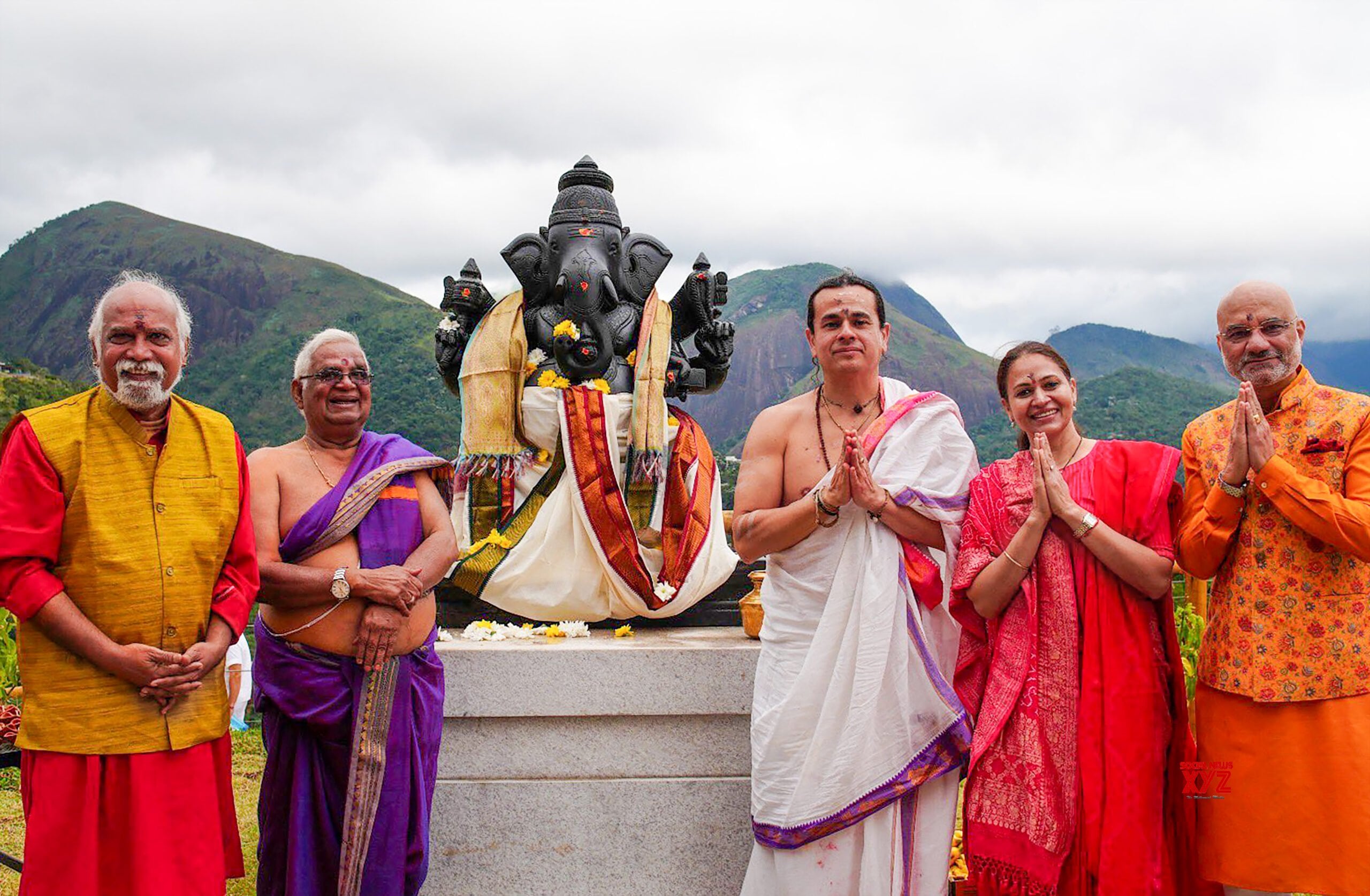
Indian Ambassador Dinesh Bhatia joined Brazilian teacher Jonas Masetti in Petrópolis for a widely noted Pran Pratishtha of a Lord Ganesha murti, marking a milestone for Hinduism in Brazil. Readers will learn what Pran Pratishtha is, how Agama Shastra and Shilpa Shastra guide the rite, and why Ganesha’s symbolism suits the inauguration of sacred spaces…
-
May 17, 2026 Panchang: Precise Tithi Timings, Auspicious Muhurat Guide, and Ritual Insights

On Sunday, May 17, 2026, the Panchang marks Amavasya tithi until 1:37 AM and Shukla Paksha Pratipada from 1:37 AM to 11:14 PM, after which Dwitiya begins. The day’s civil hours largely align with the auspicious, initiating quality of Pratipada, making it suitable for sankalpa, study, and constructive beginnings. For sensitive undertakings, refine planning with…
-
Vaigasi Masam 2026 (Vaikasi): Definitive Guide to Dates, Vaikasi Visakam & Temple Festivals
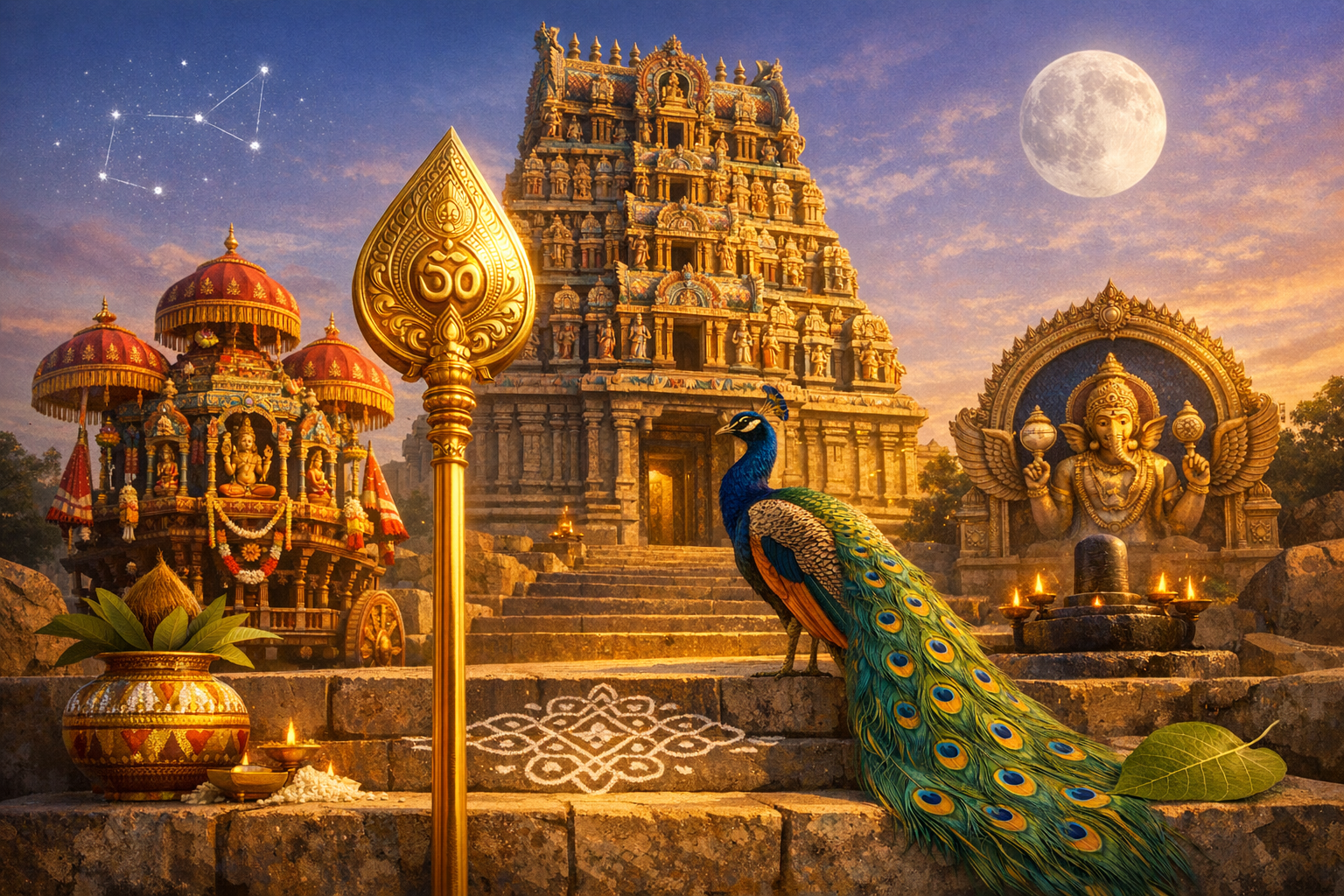
Vaigasi masam (Vaikasi) 2026 spans 15 May to 14 June in the Tamil Calendar, anchored by Vrishabha Sankranti and culminating just before Aani. This authoritative guide explains how the Tamil Panchangam maps the solar month to the Vaishakh–Jyeshtha lunar cycle, ensuring clarity for temple and family planning. It highlights Vaikasi Visakam 2026 (around 31 May,…
-
Kalika Tandava Decoded: Shiva’s Eight‑Armed Cosmic Dance of Renewal and Liberation
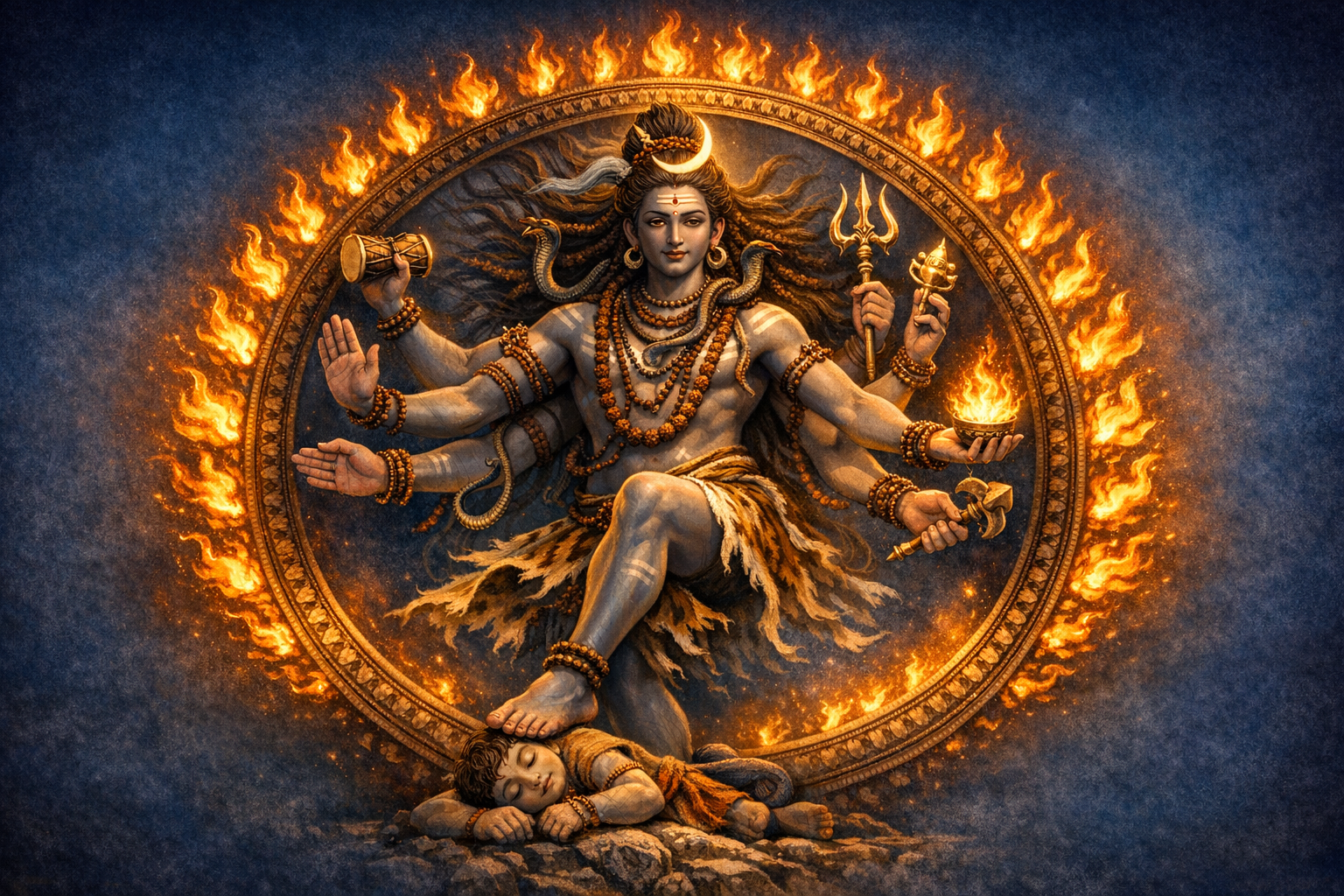
Kalika Tandava presents Shiva’s eight‑armed dance as a rigorous map of cosmic processes and inner transformation. The iconography—Abhaya and Varada mudras, damaru, agni, trishula, kapala, and more—translates metaphysics into a readable visual grammar. Drawing on Shaiva Agamas, Shilpa‑Shastras, and the Natya Shastra, the form aligns creation and dissolution with a living rhythm practitioners can contemplate…
-
Honoring Her Grace Krishna Kirtan devi dasi (ACBSP): Sankirtan Heroine of France’s ISKCON Legacy

Her Grace Krishna Kirtan devi dasi (ACBSP), a first-generation disciple of Srila Prabhupada and a distinguished member of the French ISKCON yatra, passed away today. This tribute situates her legacy within the theology and practice of sankirtan in Gaudiya Vaishnavism and the growth of ISKCON France. It explains the meaning of ACBSP, outlines the modalities…
-
Bhudharaya Bhairava: The Unmoving Ground of Being for Stability, Courage, and Clarity
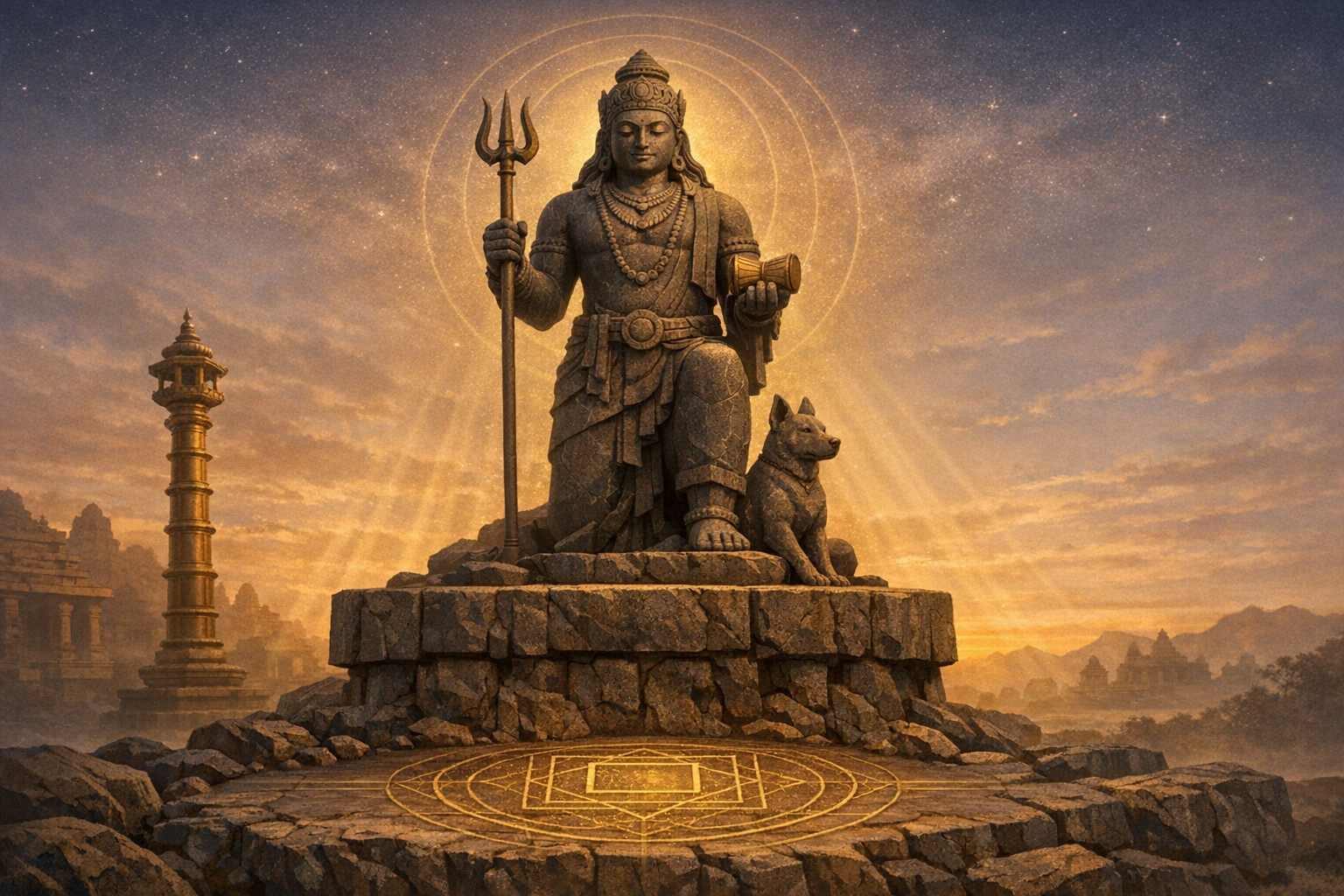
Bhudharaya, a revered name in the Bhairava sahasranama, proclaims Bhairava as the immovable ground of existence — the adhara that sustains all. This essay clarifies the term’s etymology and scriptural roots, linking Skanda Purana narratives and stotra traditions to a coherent Shaiva metaphysics. It explores how prithvi-tattva, Mūlādhāra, and tantric practices like bhūta-śuddhi translate the…
-
Maya’s Illusion of ‘Normal’: A Dharmic Inquiry into Avidya, Bhakti, and Our True Belonging

This essay examines how Maya manufactures a persuasive sense of normalcy in material life and how dharmic traditions respond. Drawing on Gaudiya Vaishnava insights and Srila Prabhupada’s teachings, it argues that life without love and service to the Divine is an abnormal state for consciousness. It synthesizes parallel perspectives from Buddhism, Jainism, and Sikhism, showing…
-
The Sacred Power of One’s Word: Dharmic Vows, Truth, and Reunion with Krsna at Goloka
A vivid return-to-Goloka meditation becomes a precise inquiry into how a kept promise transforms the practitioner across Hinduism, Buddhism, Jainism, and Sikhism. The analysis maps satya, vrata, sankalpa, sīla, anuvrata, samaya, and rehat into a shared grammar of integrity that links devotion to Krsna with truthful living. Drawing on Bhagavad Gita themes and contemporary behavioral…
-
Women in Vedic Culture: Rights, Scholarship, and Sacred Agency Across Dharmic Traditions
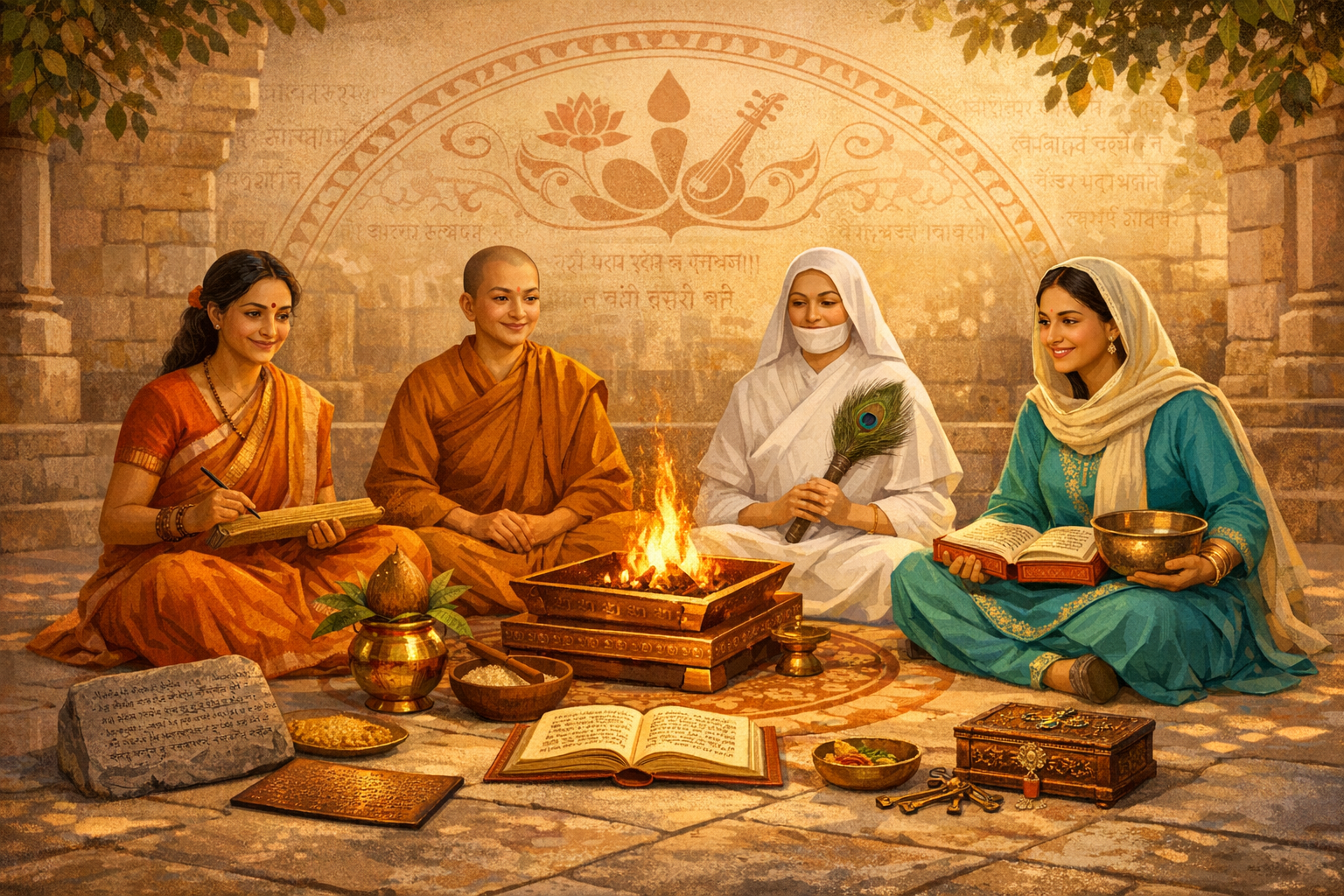
A society’s civility is often measured by the dignity it grants to women. Vedic culture, read alongside the Upanishads, Dharmashastras, and epigraphic records, presents women as scholars, ritual partners, property holders, and moral exemplars. From Rigvedic ṛṣikās and the Devī Sūkta to the Upanishadic debates of Gārgī and Maitreyī, the textual record documents rigorous female…
-
Narashamsa in the Rig Veda: The Sanctifying Voice Bridging Human Praise and the Divine
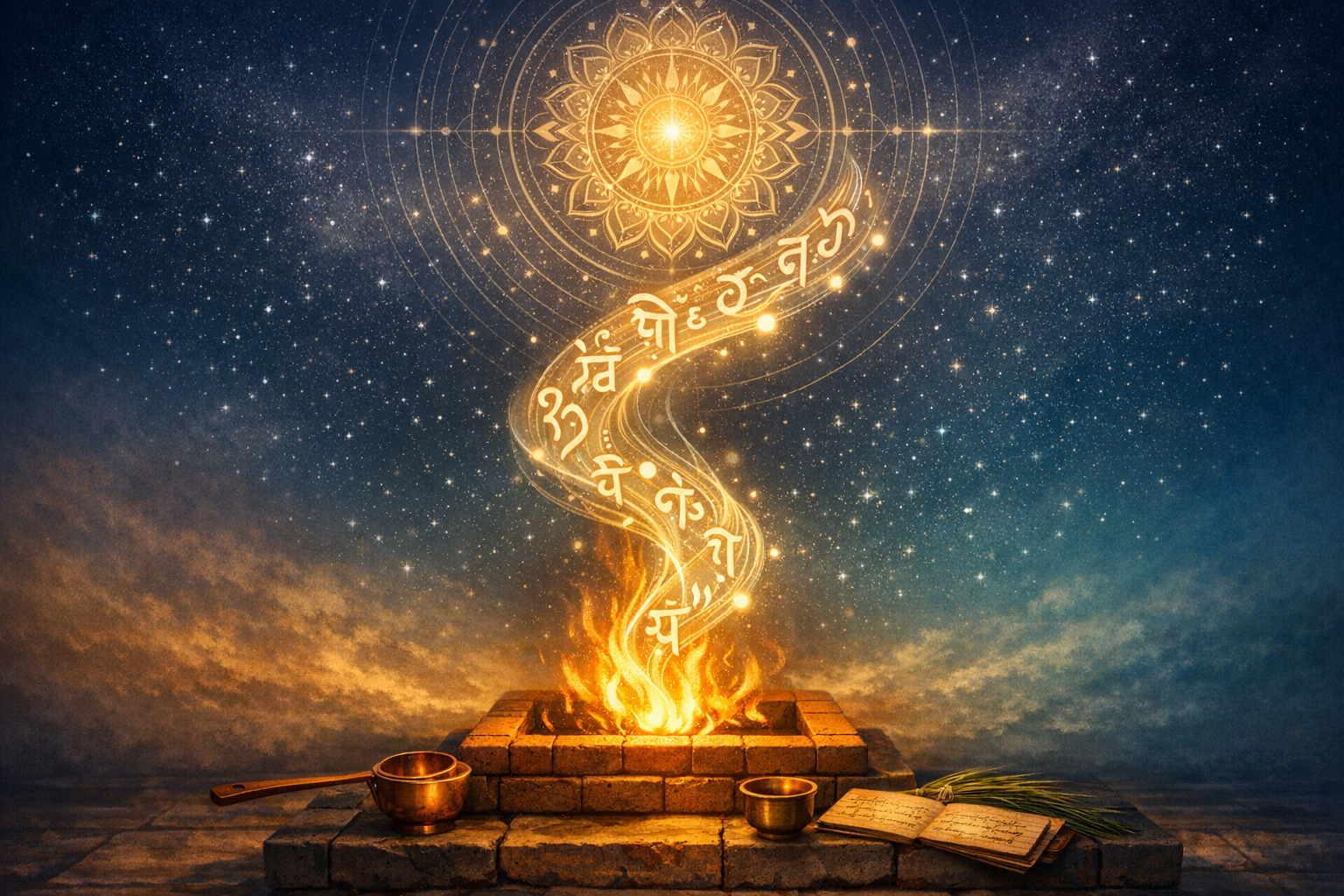
Narashamsa (Naraśaṁsa) in the Rig Veda personifies sanctified praise, revealing how Vedic ritual transforms human voice into a potent bridge to the divine. Etymology and liturgical usage in the Aprī hymns show a deity defined less by myth and more by function: protecting and amplifying rightly formed invocation. Closely allied with Agni, Narashamsa safeguards the…
-
Self‑Born, Mind‑Born, Womb‑Born: Decoding the Profound Hindu Cosmology and Sanat Kumaras
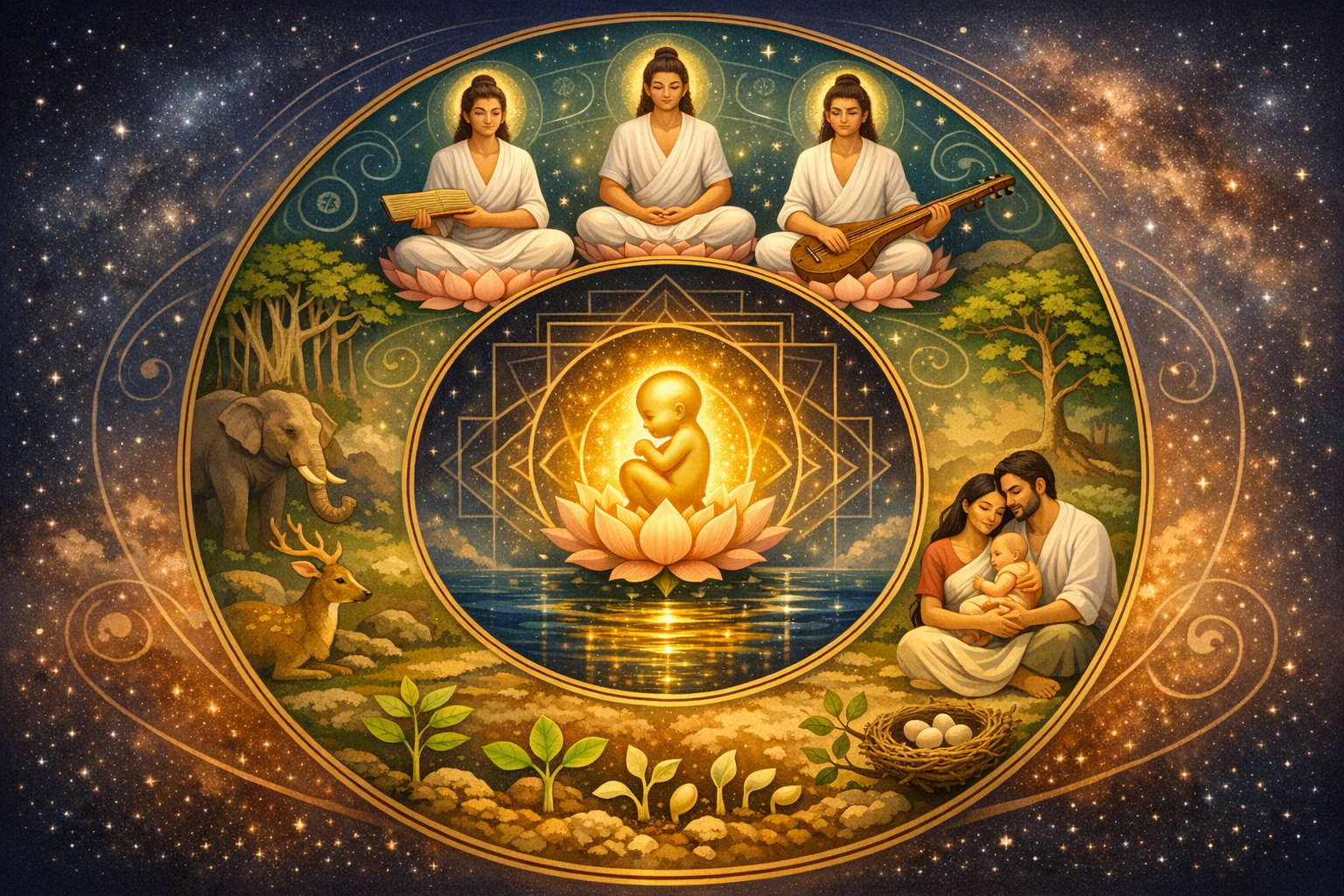
Hindu cosmology describes creation in three interlinked stages: self-born (svayambhū), mind-born (mānasa), and womb-born (jarāyujā). Drawing on the Viṣṇu Purāṇa, Śrīmad-Bhāgavatam, and allied texts, this analysis shows how sarga (primary emanation) and visarga (secondary diversification) structure a descent from subtle principle to mental formation and biological life. The Sanat Kumaras and Nārada exemplify the mind-born…
-
Sahasramukharavana’s Fierce Tapas: Decoding the Thousand-Headed Ravana’s Cosmic Power

Sahasramukharavana, the thousand-headed Ravana, expands the Ramayana’s ethical and metaphysical concerns through the language of tapas, number symbolism, and cosmic sovereignty. The figure is situated in later and regional narrative ecologies, where a thousand heads and two thousand hands encode cognition and agency magnified to the edge of hubris. Anchored in the wider Indic use…
-
Jyeshtha Purnima 2026: Sacred Dev Snan and Vat Purnima—Rituals, Significance, and Observance

Jyeshtha Purnima 2026 (Pournami) falls on Monday, 29 June 2026, uniting Dev Snan Purnima at Puri and Vat Purnima observances across western India. The Full Moon concludes the Jyeshtha lunar month and is tied to the Jyeṣṭhā nakshatra, with observance guided by precise tithi rules in regional panchangams. At Puri Srimandir, the Snana Yatra features…
-
Ganga Dussehra 2026: Sacred Dates, Shukla Dashami Significance, Puja Vidhi, and Eco‑Seva

Ganga Dussehra 2026 spans 15–24 June and culminates on Jyeshta Shukla Dashami, observed on 24 June, with morning snana, puja, and dana as core practices. Rooted in the Purāṇic descent of Ganga and the ideal of tenfold purification, the festival blends inner discipline with outward charity. Panchang guidance suggests observing the day when Dashami prevails…