
-
Decoding ‘One in a Million’ Knows God: A Vedantic Blueprint for Rare Realization

The ancient saying that “one in a million knows God in reality” is best read as a diagnostic of depth rather than an exclusionary claim. Grounded in Bhagavad Gita 7.3 and clarified by Upanishadic methods, it highlights why direct realization is rare: the path requires exacting qualifications, disciplined practice, and tested guidance. This article unpacks…
-
Dissolve Thoughts at Their Source: Hindu Wisdom and Dharmic Science for a Clearer Mind

Ancient Hindu wisdom teaches that thoughts gain power only when grasped; dissolving them at inception restores clarity and self-mastery. The method aligns with Yoga Sutra principles of vritti-nirodha, abhyasa, and vairagya, and is reinforced by Upanishadic and Bhagavad Gita guidance. Practical protocols—breath coherence, light labeling, mantra gating, atma-vichara, and somatic defusion—make the technique accessible in…
-
May 16, 2026 Amavasya Panchang: Timings, Shubh Muhurat, Rituals, and Nakshatra–Rashi Guide

Saturday, May 16, 2026 features Krishna Paksha Chaturdashi until 03:51 AM IST, followed by Amavasya until 01:37 AM IST on May 17. The Panchang framing makes this a contemplative, service-oriented day ideal for pitru-kārya, quiet puja, and satvika charity. Because much of Amavasya spans the daylight hours, families can schedule Darsha Shraddha and tarpan with…
-
Kapal‑Muni in Bhagat Maalaa: Unifying Hindu, Buddhist, Jain, and Sikh Wisdom Today

This article examines the Kapal‑Muni motif within the broader Bhagat Maalaa/Bhaktamal tradition as a didactic lens on impermanence, ego, and compassion. It clarifies how skull‑cup symbolism functions ethically rather than sensationally, inviting readers to privilege inner transformation over outward austerity. The discussion surveys convergences and distinctions across Hindu Śaiva and Vaishnava currents, Sikh teachings centered…
-
Warangal’s 800-Year-Old Kakatiya Shiva Temple Razed: Urgent Lessons for Heritage Protection
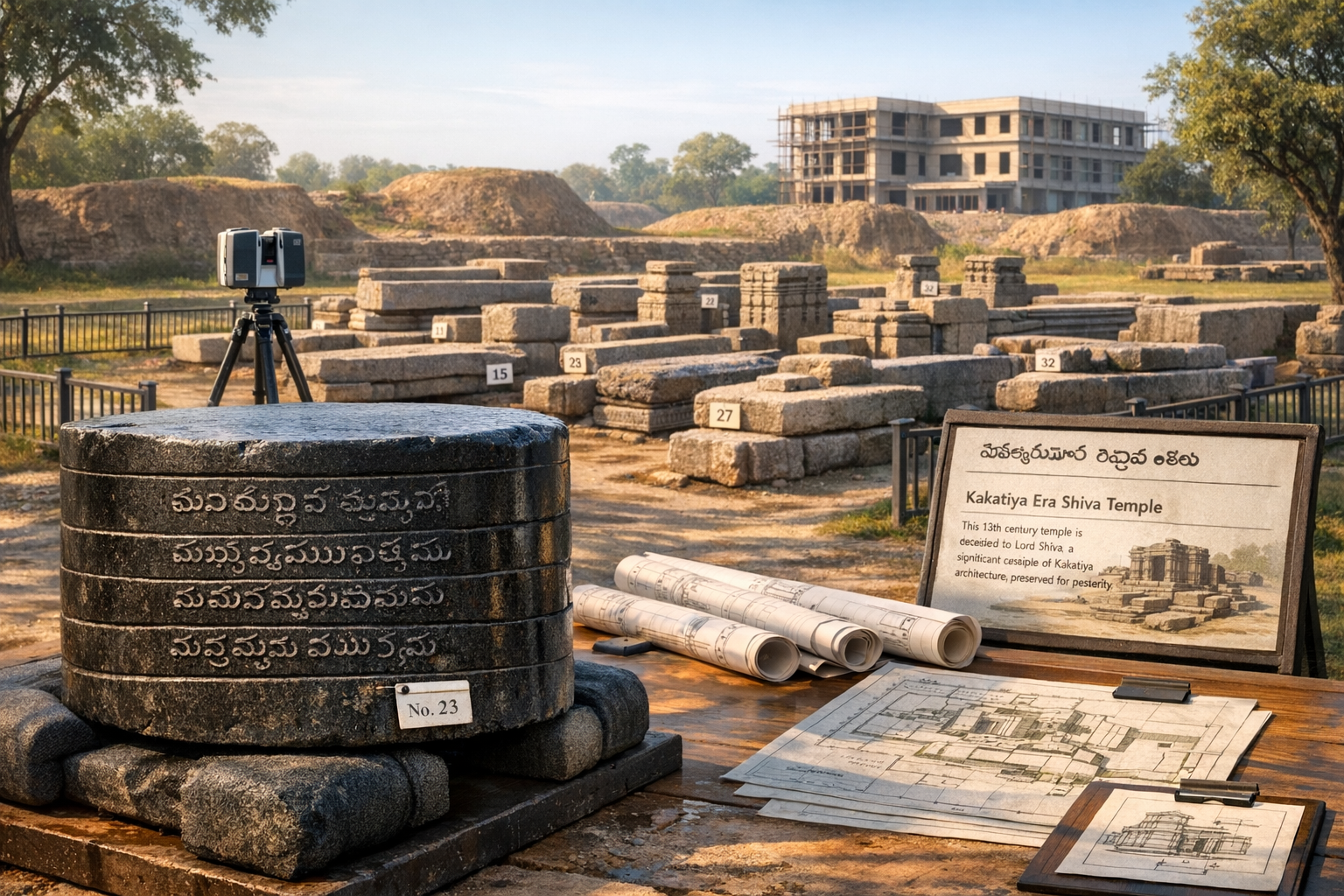
An 800-year-old Kakatiya-era Shiva temple in Ashok Nagar (Khanapur Mandal, Warangal) was demolished during a government Integrated School project, despite the presence of a rare 1231 A.D. Telugu inscription referencing Ganapatideva as “Maharaja” and “Rajadhirajulu.” Heritage experts, including Sreeramoju Haragopal and historian D. Satyanarayana, underscored that the shrine could have been conserved in situ or…
-
Ohio Primary Win Triggers Hinduphobic Smears: Ramaswamy, Religious Freedom, and Dharmic Unity

After Vivek Ramaswamy’s Ohio primary win, a viral temple video drew Hinduphobic smears that questioned belonging rather than debating policy. This analysis situates the episode within U.S. constitutional guarantees—no religious test for office and robust free exercise protections. It clarifies core elements of Hindu practice, from puja to the role of murtis, and explains how…
-
Historic Turning Point in West Bengal: Suvendu Adhikari to be sworn in as first BJP CM on May 9
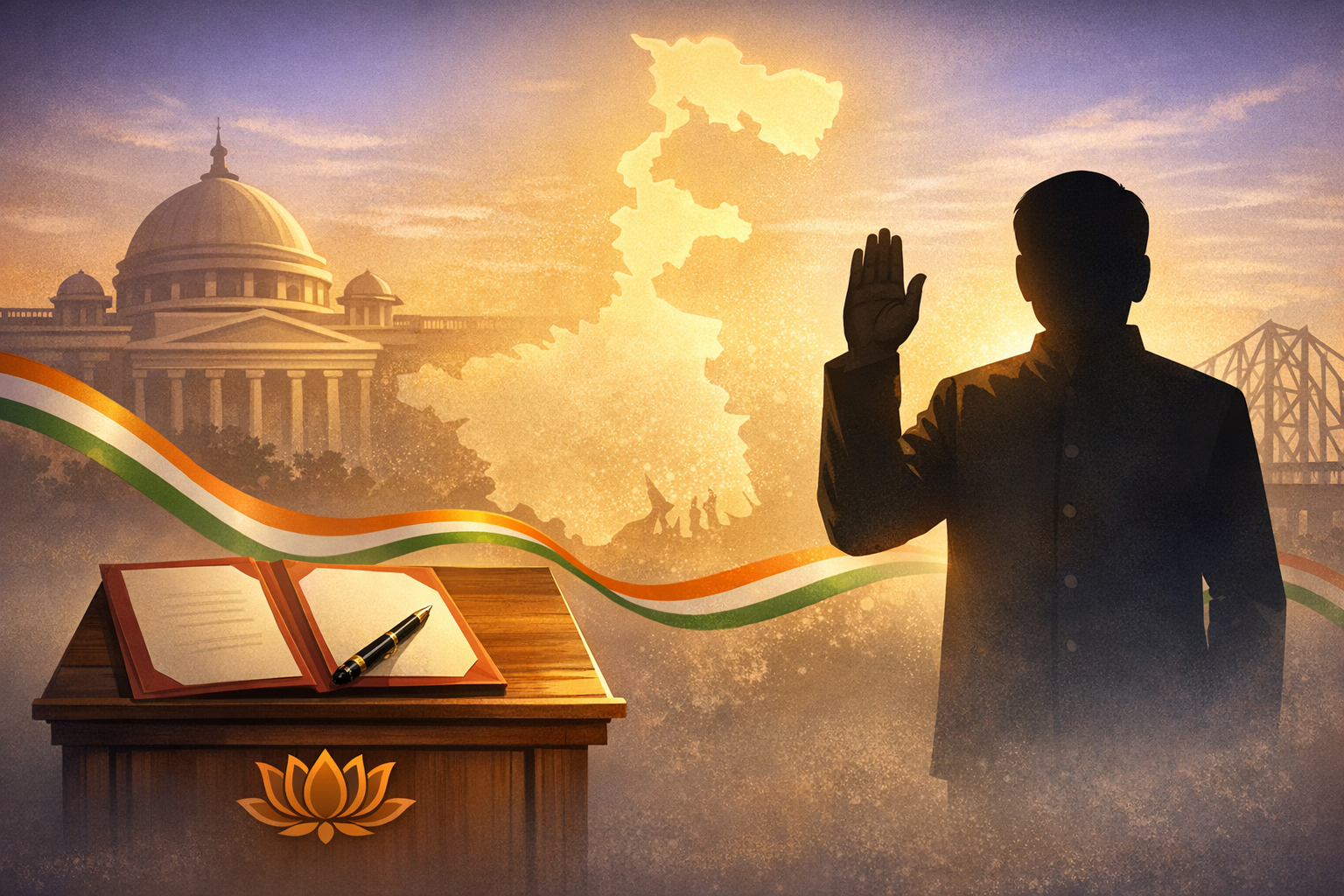
Reports from Kolkata indicate that Suvendu Adhikari is slated to take oath on May 9 as West Bengal’s first BJP Chief Minister, pending formal confirmation by Raj Bhavan. The moment marks a historic turning point in a state long led by the Left Front and TMC, and it will test a new model of governance,…
-
The Day Anger Lost Its Grip: Choosing Restraint Turned a Road Crisis into Clarity

A real-world traffic incident shows how choosing restraint over confrontation can neutralize road rage, protect safety, and salvage an otherwise derailed day. The analysis unpacks anger management through physiology (amygdala–prefrontal dynamics), breath awareness that enhances vagal tone, and cognitive reappraisal that opens better choices. It demonstrates naturalistic decision-making under pressure and why a satisficing, safety-first…
-
From Vijayanagara’s Malenadu Revolt to Bengal Ballots: Lessons in Statecraft and Security

A 15th-century crisis in the Vijayanagara Empire—Praudha Devaraya’s rapid suppression of the Araga-Rajya revolt—offers enduring lessons in governance. The episode highlights the value of swift decision-making, district-level institutions such as the Kampana, and locally informed leadership. These principles illuminate contemporary electoral security in West Bengal, where high turnout and large-scale deployments by the Election Commission…
-
Sandhya Tandava at Dusk: Decoding Shiva Nataraja’s Twilight Dance and Its Living Wisdom
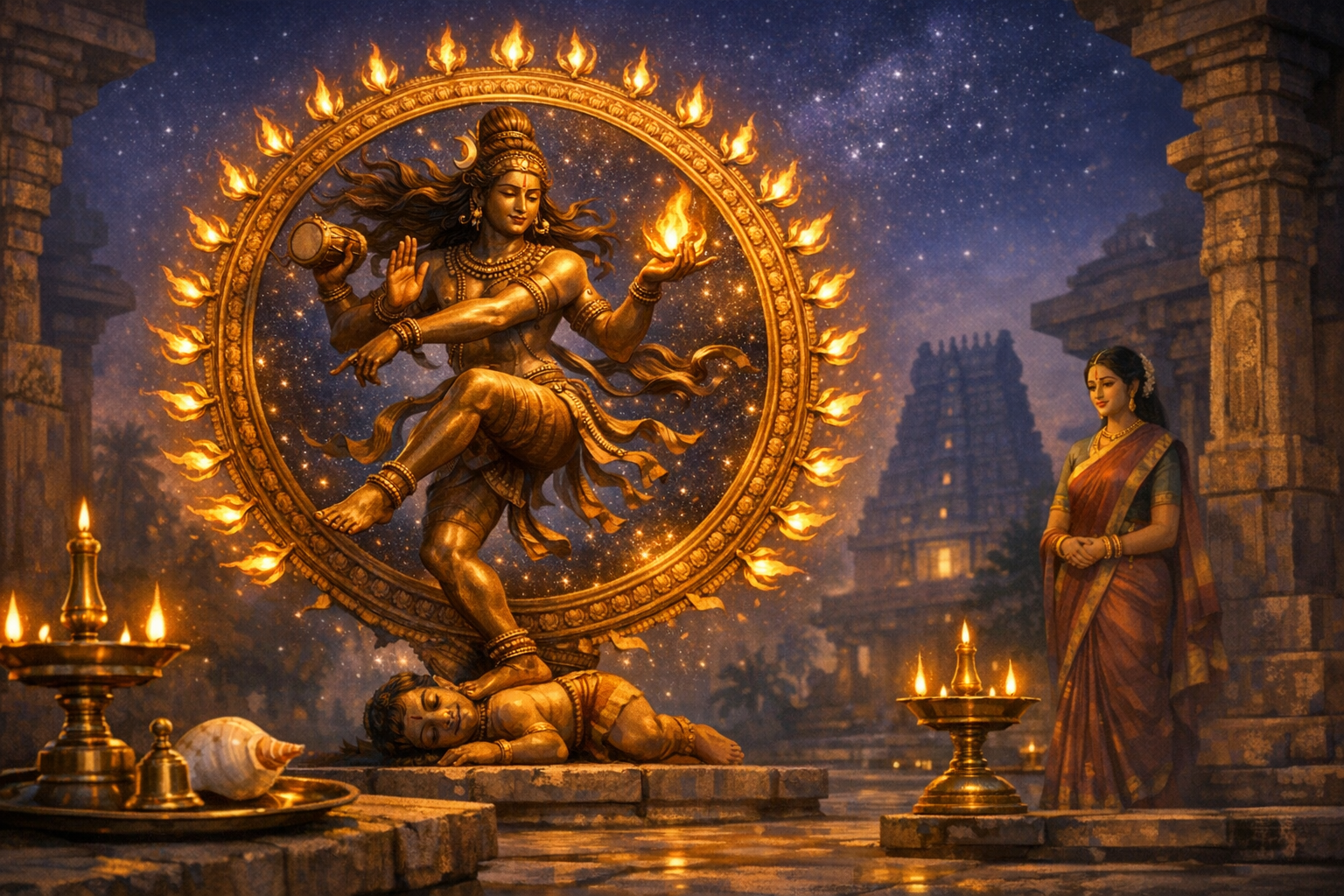
Sandhya Tandava is the twilight expression of Shiva Nataraja’s cosmic dance, performed before an illustrious assembly with Goddess Parvati as witness. It ritualizes the liminal hour when day turns to night, aligning personal worship with cosmic rhythm. Iconography—damaru, flame, abhaya mudra, and Apasmara—maps directly to the five divine acts and becomes especially evocative at dusk.…
-
Nīti in Hindu Thought: Timeless Ethics, Just Governance, and Dharmic Unity Explained

Nīti, from the Sanskrit nī (to lead), is the applied ethics of Hindu thought that unites personal virtue, just governance, and jurisprudence. This comprehensive overview clarifies how nīti relates to dharma, nyāya, rājadharma, and daṇḍanīti, explaining why means matter as much as ends. It surveys Vidura-nīti, the Arthasastra, Nītisāra, and narrative texts like the Pañcatantra…
-
Krishna’s Heart in Kali Yuga: How Jagannath Puri Safeguards Compassion and Unity

This article explores the Jagannath tradition at Puri as the living repository of Bhagavan Sri Krishna’s heart, identified in temple lore as the Brahma Padartha. Drawing on the Skanda Purana (Purushottama-khanda), it explains how Purushottama-kshetra was destined to anchor compassion and accessibility in Kali Yuga. Readers will learn the technical contours of Nabakalebara, the secret…
-
Bhagavad Gita at New Govardhana: Profound Bhakti-Yoga Insights by HG Caitanya Caran das
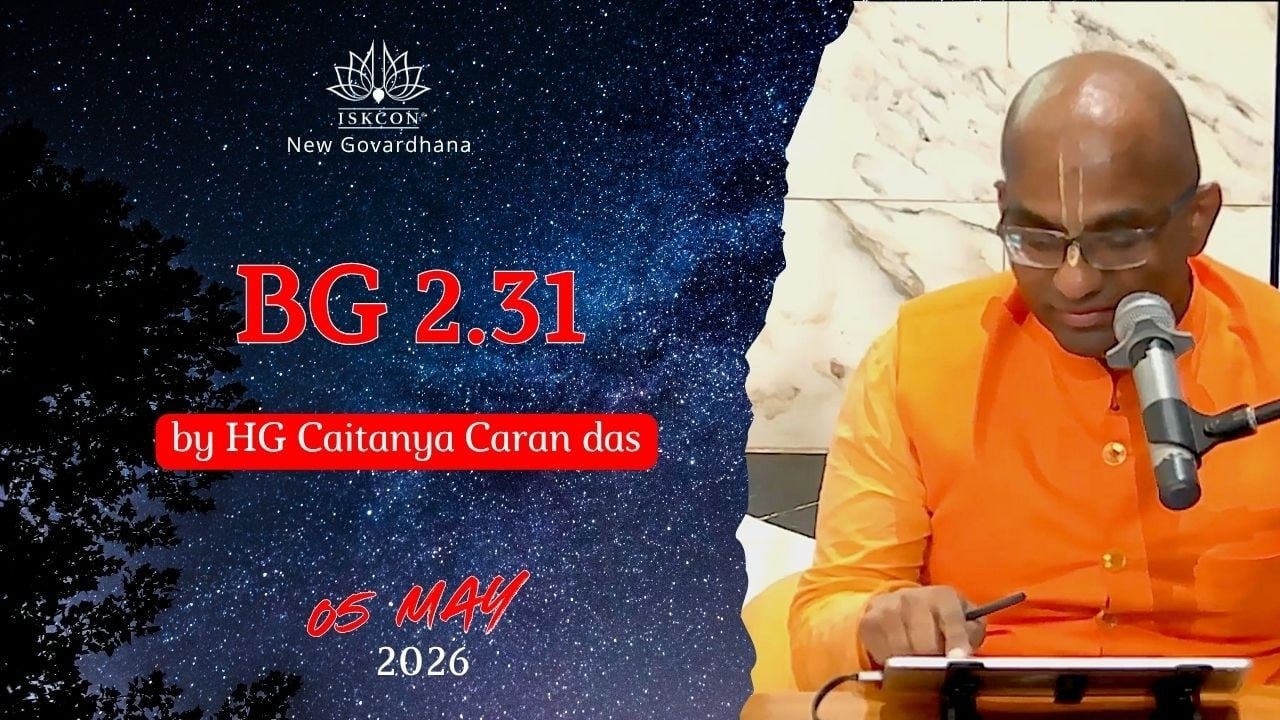
On 05 May 2026, ISKCON New Govardhana Temple hosted a Bhagavad Gita class by HG Caitanya Caran das that united rigorous exegesis with practical Bhakti-Yoga. The session mapped Karma, Jnana, and Bhakti as an integrated pathway, grounding ethical action in devotion and clear discernment. Attendees received a concise practice blueprint: daily japa, structured reading, reflective…
-
SB 3.28.29 Unpacked: Kapila’s Powerful Dhyana Blueprint and Devamrita Swami’s Transformative Insights
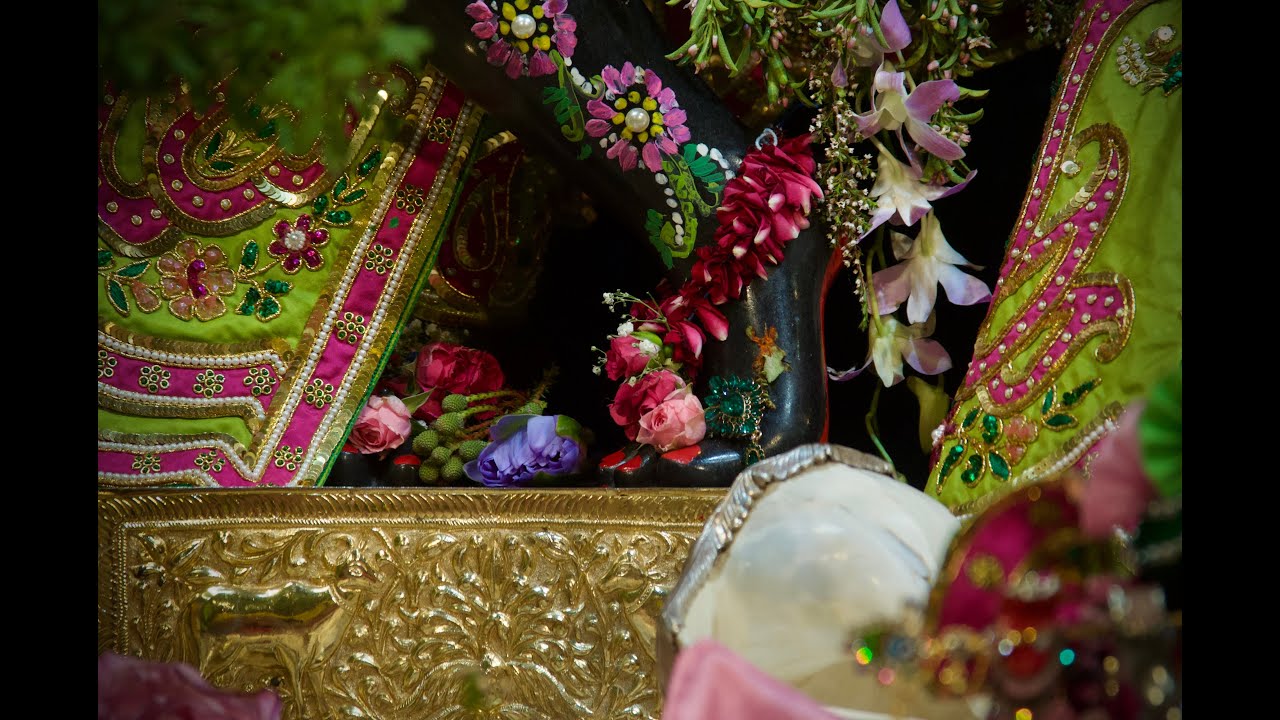
This in-depth analysis of Śrīmad-Bhāgavatam 3.28.29—highlighted in a 08 May 2026 discourse by HH Devamrita Swami—clarifies Kapila Muni’s precise blueprint for meditation within a bhakti-yoga framework. It explains how ethical grounding, breath regulation, attentional training, and sacred sound combine to steady the mind and soften the heart. Readers gain a practical 30-minute protocol, neurophysiological context…
-
Trust in Krishna’s Protection and the Dharma of Duty: Srila Prabhupada on Nrsimhadeva

This article analyzes the Vaishnava synthesis of divine protection and human duty through Srila Prabhupada’s assurance regarding prayers to Nrsimhadeva. It explains how confidence in Krishna’s guardianship aligns with the Bhagavad Gita’s ethics of disciplined action without attachment to results. It clarifies that surrender is not fatalism but a stance that deepens responsibility, courage, and…
-
From ‘Fatwas’ to Vikas: Deoband as Yogi Adityanath’s Bridge to Western UP’s Unity and Growth

Deoband became a deliberate stage for reframing Western Uttar Pradesh’s political conversation from identity-first rhetoric to development-first delivery. The speech architecture—encapsulated in “No Fatwa- Only Development”—matched temple heritage with modern infrastructure, law-and-order confidence, and welfare saturation. The analysis details how connectivity (RRTS, expressways), MSME upgradation (sports goods, woodcraft), and human development (water, health, skilling) form…
-
Decoding the Fourth Khanda of Nrisimha Tapaniya Upanishad: Protective Mantra, Dhyana, Relevance

The Nrisimha Tapaniya Upanishad’s Purva section reaches practical culmination in its Fourth Khanda, which integrates mantra, nyasa, and dhyana into a coherent path of protection and insight. It presents the Nṛsiṁha Gāyatrī and allied formulas as tools that refine attention and dissolve fear at its root. The Khanda’s nyasa anchors awareness in the body, while…
-
Surajkund Hanuman Temple, Mandla: Experience Hanuman’s Three Timeless Forms Revealed Daily

Surajkund Hanuman Temple in Mandla, Madhya Pradesh, is famed for a living tradition in which devotees perceive Hanuman’s murti in three forms across a single day—Bala (child), Yuva (youth), and Vriddha (elder). Set near a ritual water body and open sky, the temple’s environment lets sunlight, reflection, and lamp glow shape a uniquely dynamic darshan.…
-
Beyond Guru Worship: Living Sanatana Dharma through Practice, Pluralism, and Service

Public celebrations of guru anniversaries have grown spectacular, but the risk of drifting from teachings to personality worship is real. This essay reframes devotion through a Dharmic lens shared by Hinduism, Buddhism, Jainism, and Sikhism: live the message, not the messenger. It maps classical yardsticks of authentic progress—yamas and niyamas, lokasangraha, simran and seva, sīla…
-
Kumbhakarna and Vikarna: Tragic Brothers of Conscience, Loyalty, and Dharma in the Epics

Kumbhakarna (Ramayana) and Vikarna (Mahabharata) embody the epic dilemma between loyalty to kin and loyalty to dharma. This rigorous, text-grounded comparison explains how each man speaks the truth, anticipates disaster, and yet dies fighting for causes he judged unjust. Readers gain a practical framework—kṣātra-dharma, bandhu-dharma, rāṣṭra-dharma, and ātma-dharma—to evaluate conflicts of duty. The analysis connects…