
-
When Do Our Actions Bear Fruit? Unraveling Karma’s Timing with Profound Dharmic Insights

A perennial dharmic question asks when the actions of this lifetime truly bear fruit. Drawing on Hindu sources such as the Bhagavad Gita, Upanishadic thought, the Yoga Sutras, and dharmashastra, this analysis explains how outcomes may manifest immediately, over time, or in future births through the interplay of sanchita, prarabdha, and agami karma. It integrates…
-
Why Karthikeya Has Six Heads: Puranic Origins, Iconographic Meaning, and Dharmic Unity
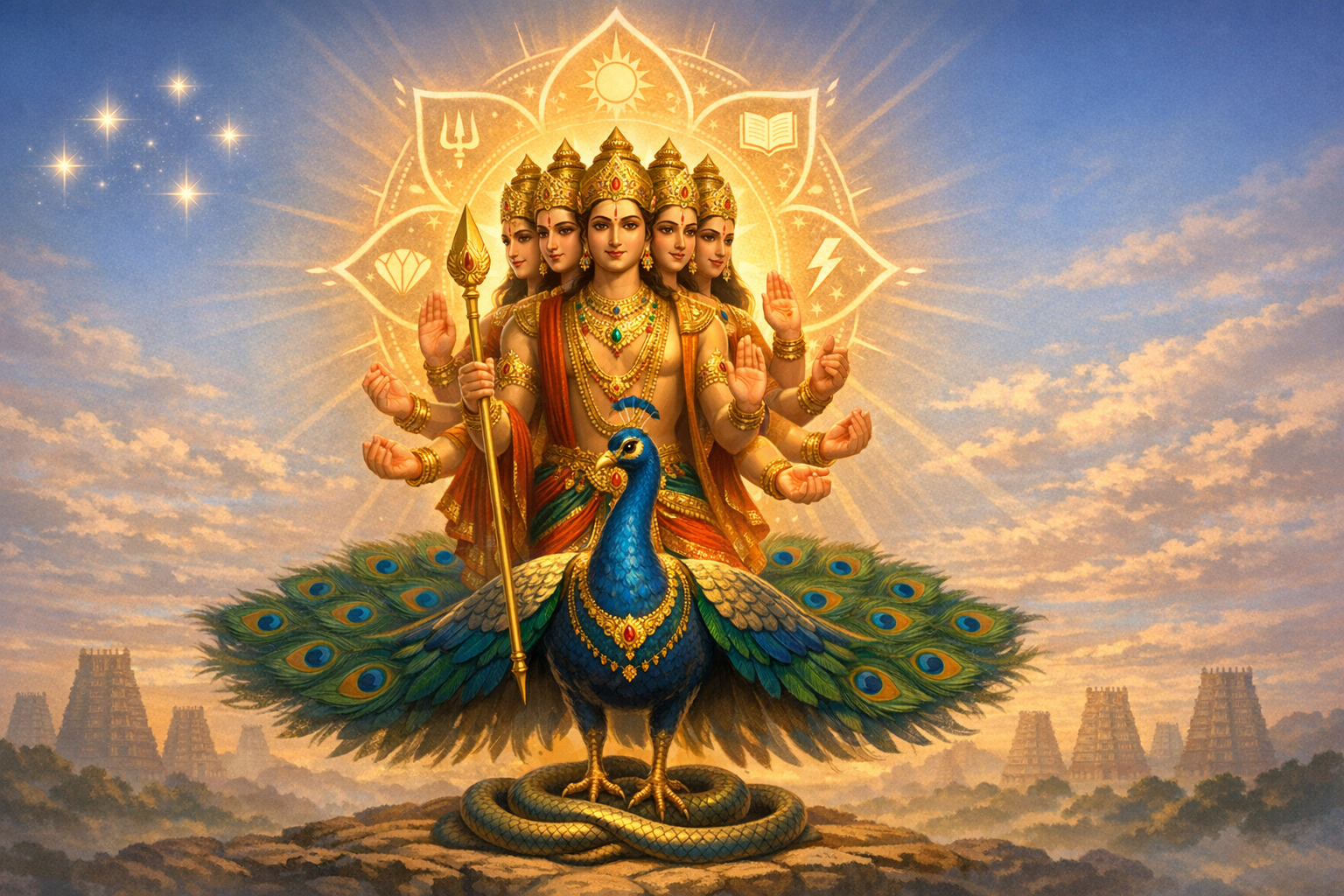
Karthikeya’s six heads—Shanmukha—are not an artistic flourish but a layered pedagogy rooted in scripture, philosophy, yoga, and living festival practice. Puranic narratives explain the six-faced form through the Krittikas and Parvati’s embrace, while martial symbolism emphasizes omnidirectional awareness for a divine commander. Liturgical traditions map the six faces to the Saravana-bhava mantra; philosophers read them…
-
Hanuman Jayanti 2026 at Tirumala: TTD silk vastrams for Japali Hanuman, auspicious pujas
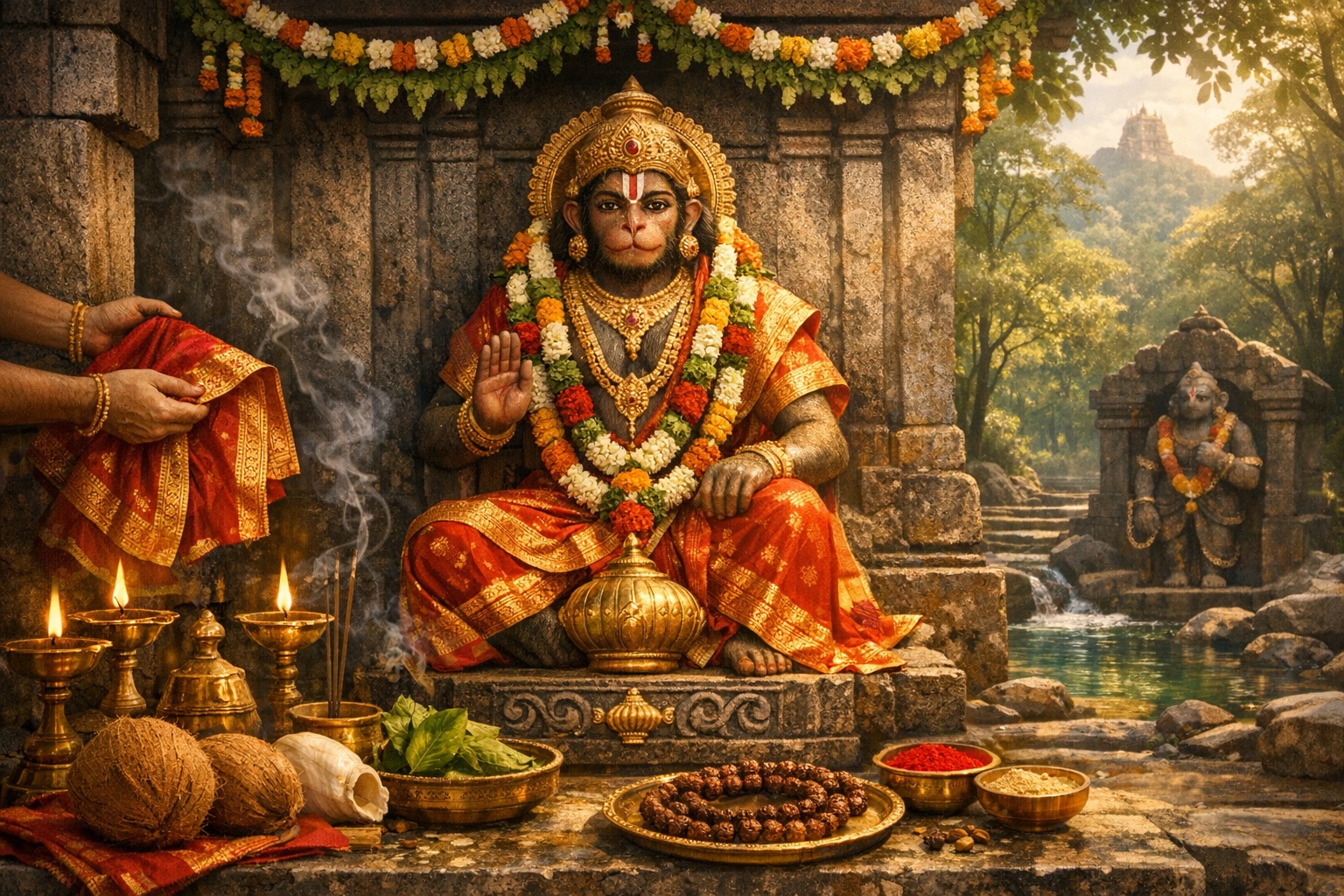
On 12 May 2026 (Vaishakha Bahula Dasami), TTD will present Pattu Vastrams to Sri Japali Hanuman in Tirumala and conduct special pujas to Sri Bedi Anjaneya Swamy. The observance blends Agama-based worship with local sacred geography at Japali Theertham, emphasizing Abhishekam, alankaram, and collective parayanam. Devotees can expect a dignified liturgy, responsible crowd management, and…
-
Build Sacred Spaces: Apply—TTD SV Temple Architecture & Sculpture College 2026–27
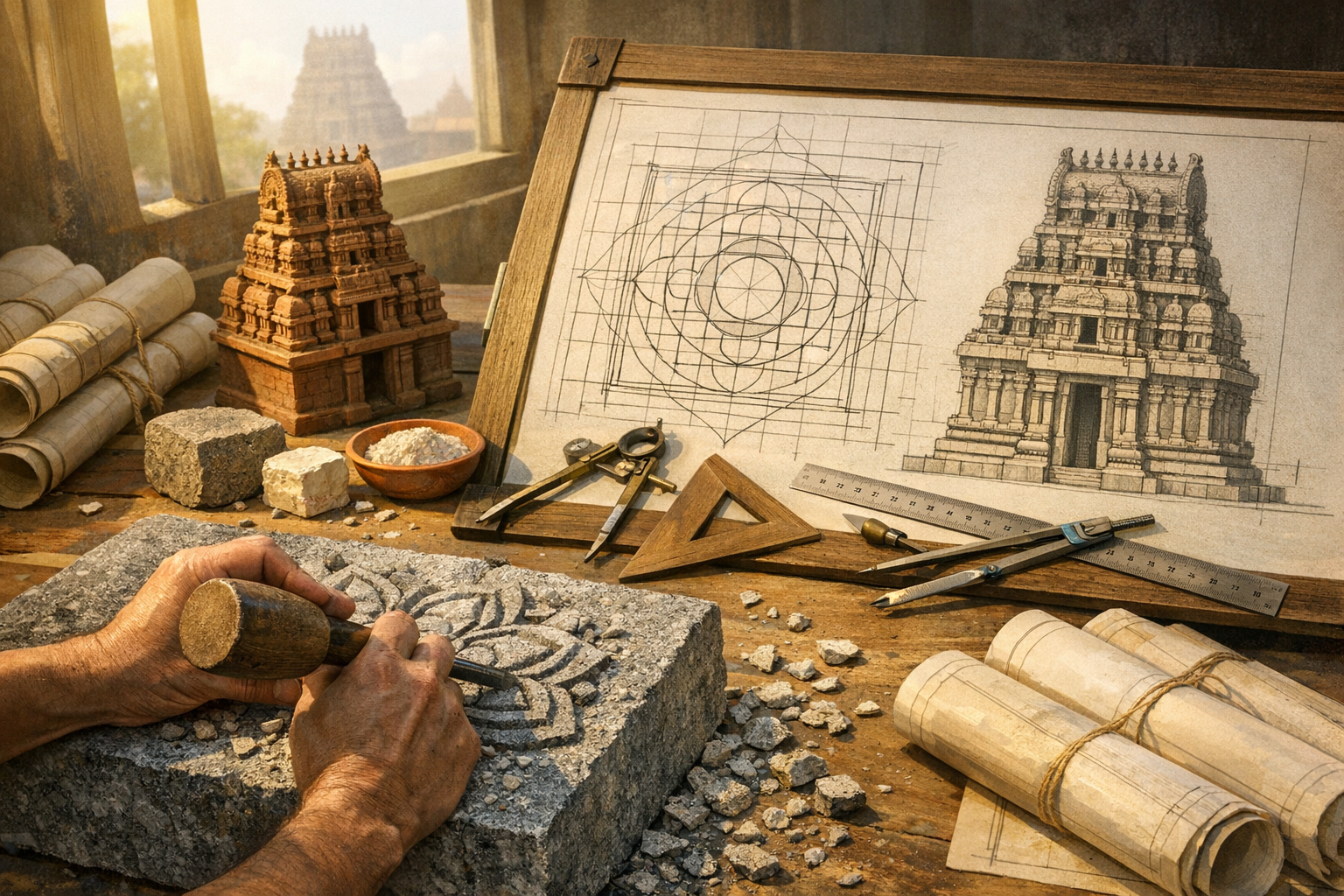
Applications are open from May 04 to June 20, 2026 for the 2026–2027 session at the TTD-run Sri Venkateswara Traditional Temple Architecture & Sculpture College, Tirupati. The College offers a four-year Diploma and a two-year Certificate, with eligibility for 10th-pass candidates and free accommodation for admitted students. Training in this field blends Vedic and Śilpa-śāstra…
-
Stop People-Pleasing for Good: Neuroscience-Based Boundaries, Healing, and Dharmic Wisdom

People-pleasing is less a personality trait than a trauma-shaped survival response that the nervous system automates to keep relationships feeling safe. This article reframes people-pleasing through neuroscience and dharmic ethics, explaining how unconscious patterns become entrenched “brain ruts” and why willpower alone rarely works. A practical, four-step protocol combines self-regulation, targeted visualization, consistent repetition, and…
-
Aparajita, the Invincible: Ancient Hindu War Rites, Dharma-Yuddha Ethics, and Strategy
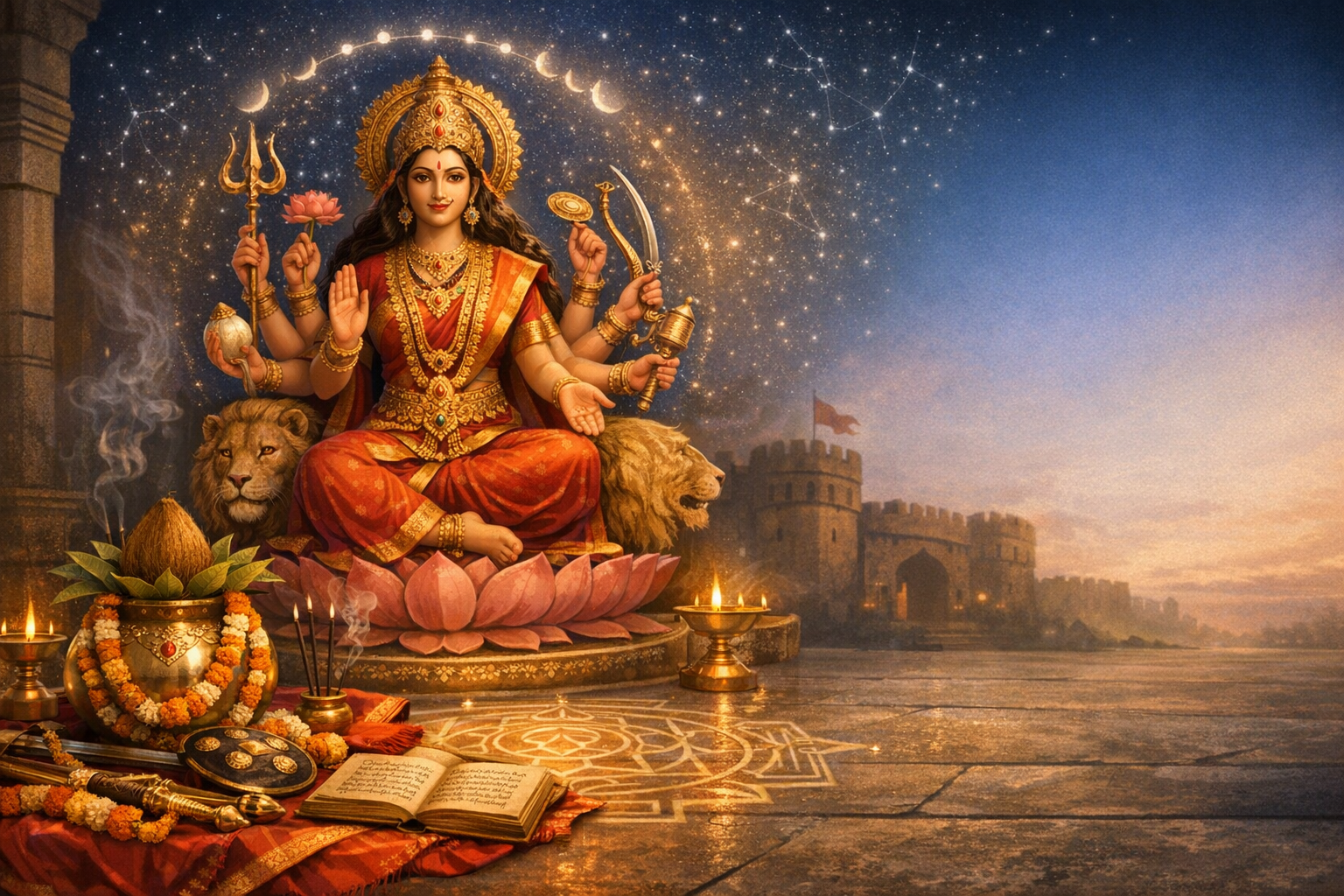
Aparajita—“the unconquered”—was venerated by kings, commanders, and communities as the victory-bestowing face of the Goddess in ancient India. The worship synchronized statecraft and spirituality, binding warfare to Dharma-Yuddha and Kshatra Dharma. Textual traditions linked Aparajita with Durga and embedded victory hymns from the Devi Mahatmya into pre-campaign rites. Rituals integrated muhurta selection, sankalpa, weapon consecration,…
-
Mira Road stabbing in Mumbai: fact-based analysis of alleged religious coercion, unity paths

A recent stabbing in Mira Road, Mumbai—reportedly following an alleged demand to recite “kalma”—underscores the need for a fact-based, law-centered response that avoids communal generalizations. This analysis situates the incident within India’s constitutional protections for freedom of conscience and outlines relevant IPC provisions that may apply, depending on evidence. It highlights best-practice investigative steps, from…
-
Urgent Kolkata HJS Briefing on Corporate Extremism: Ethics, Red Flags, and Dharmic Unity

A Kolkata gathering hosted by HJS (Hindu Janajagruti Samiti) highlighted growing concerns about ideologically driven behaviors in India’s corporate sector and urged calm, rights-respecting vigilance. The discussion reframed the term ‘corporate jihad’ in neutral, academic language as corporate extremism that can arise from any rigid ideology. It outlined how narrative seeding, closed-group exclusivity, procurement capture,…
-
‘Gavyapataye’ Bhairava: Tantric Guardian of Cows, Compassion, and Sacred Ecology

Gavyapataye Bhairava reveals Bhairava’s Tantric role as guardian of cattle, food purity, and sacred ecology. The epithet’s Sanskrit morphology (gavya + pati) ties devotion directly to agrarian life and ritual substrates like pañcagavya. Set within Bhairava-sahasranāma practice, it unites vigilant protection with compassionate stewardship. Textual, iconographic, and ethnographic threads—spanning Skanda Purāṇa references, temple sub-shrines, and…
-
Shakhas of the Vedas: How Living Lineages Preserved Sacred Knowledge Across Millennia

The Vedas endured across millennia through shakhas—living lineages that safeguarded sound, meaning, and ritual with extraordinary precision. This article explains how each shakha integrates Samhita, Brahmana, Aranyaka, and Upanishad texts, supported by Vedangas, Pratisakhyas, and Sutras to ensure error-free oral transmission. It surveys the surviving recensions of the Rigveda, Samaveda, Yajurveda (Shukla and Krishna), and…
-
Facing Impermanence Now: Urgent, Courageous Surrender to Krishna—and Dharma’s Unifying Path

Srila Prabhupada’s call for urgent surrender to Krishna, echoed by Radhanath Swami, is best understood as a clear-eyed response to life’s impermanence rather than as fear or fatalism. This essay situates sharanagati within a unifying dharmic framework shared by Hinduism, Buddhism, Jainism, and Sikhism, highlighting convergences around anitya/anicca, aparigraha, Hukam, and refuge. It explains maya…
-
Beyond Ashes: Dharmic Wisdom on Death, Rebirth, and Why Restraint Sustains Our World

Modern discourse often assumes that death ends consciousness. Dharmic traditions—Hinduism, Buddhism, Jainism, and Sikhism—offer a rigorous alternative: the body returns to elements while awareness continues in accordance with karma. This article explains the classical Vedic framework (sthula, sukshma, and karana sharira), unpacks the memorable triad of the body’s material end—stool, ashes, or earth—and situates it…
-
Harnessing Divine Strength: How a Vaishnava Visionary Married Bhakti with Modern Science
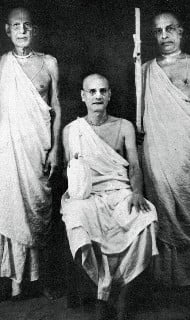
This essay examines how Abhay unified uncompromising fidelity to the Bhakti Tradition with practical adaptation to a world led by science and technology. It explains why accepting sannyasa under Kesava Maharaj functioned as a disciplined, operational commitment rather than mere withdrawal. Readers gain a clear view of how Guru–Shishya guidance, yukta-vairagya, and Bhagavad Gita principles…
-
Unlocking Chandesha Anugrahamurti: Divine Grace, Iconography, and Chola Temple Legacy
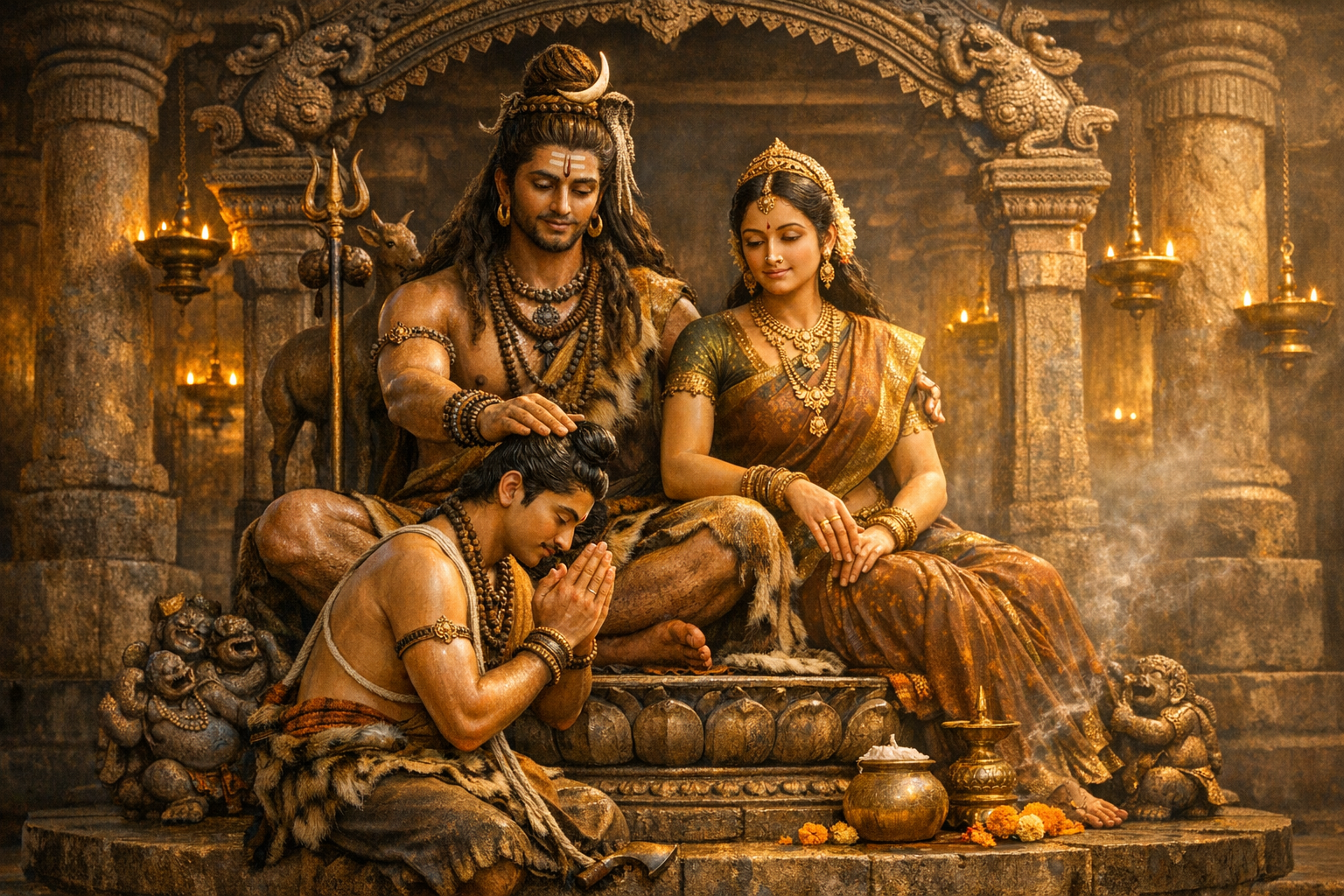
Chandesha Anugrahamurti encapsulates Shiva’s tender bestowal of grace upon the devotee Chandesha, weaving together personal bhakti and institutional dharma. Readers will learn the origin story from the Periya Puranam, the ethical meaning behind Shiva’s restorative intervention, and why Chandesha becomes the temple’s vigilant steward. The article decodes the iconography—Shiva’s head-blessing, Uma’s composed presence, and the…
-
Rgvidhana of Śaunaka: Unlocking Rigvedic Mantras for Healing, Prosperity, and Dharma

The Rgvidhana of Śaunaka is a seminal Hindu scripture that adapts Rigvedic mantras for everyday healing, protection, prosperity, and inner steadiness. Often dated to the late Vedic period, it exemplifies how sacred sound moved from public sacrifice into household and civic life. The manual’s method is exacting—clear intention, careful pronunciation, appropriate timing, and ethical restraint—yet…