-
Falgun Mela 2026 at Khatu Shyamji: Nishan Yatra, Lakkhi Mela Dates, Rituals & Guide

Falgun Mela 2026 at Khatu Shyamji Temple runs from 18 to 28 February, uniting lakhs of devotees in Nishan Yatra, kirtan, and seva. The Lakkhi Mela’s inclusive ethos exemplifies dharmic unity and shared values of compassion and service. This guide explains the festival’s significance, expected peak days, rituals at the temple and Shyam Kund, and…
-
Puthandu 2026 on April 14: Chithirai 1 Mesha Sankranti, Rituals, and Parabhava Samvatsara

Puthandu 2026 (Varusha Pirappu/Chithirai Vishu) falls on 14 April, coinciding with Mesha Sankranti—the Sun’s sidereal ingress into Mesha Rashi (Aries)—and inaugurates Parabhava Nama Samvatsaram. The article explains the Tamil Sauramana (solar) calendar’s reliance on the sidereal zodiac, why the New Year clusters around mid-April, and how local panchangams use the precise Sankranti moment to guide…
-
Who Was Madhava Dasar? A Profound Bhakti Legacy Across Vedas, Vedanta, and Vaiseshika

Madhava Dasar is remembered as a Brahmin exemplar who harmonized Vedic learning, Vedanta, and Vaiseshika with an accessible Bhakti ethos. Hagiographic accounts compare his householder ideal to Janaka, signaling ethical engagement in the world without attachment. His devotional legacy—evoked in searches for “who is Madhava Dasar,” “Madhava Dasar Katha,” and “Madhava Dasar bhakti songs”—illustrates how…
-
Sri Hanuman Das: A 1st-century Devotee-Poet of Rama and Hanuman—History, Poetics, Legacy

Sri Hanuman Das is remembered as a Hindu saint and Sanskrit poet from present-day Uttar Pradesh, traditionally dated to the 1st century CE and celebrated for deep devotion to Lord Rama and Lord Hanuman. The devotional name “Hanuman Das” reflects dāsya-bhāva—service as a spiritual path—linking Hanuman’s exemplary loyalty to Rama-bhakti. While the precise chronology remains…
-
Narottama Dasa Thakura: Unifying Gaudiya Bhakti Through Timeless Kirtana and Scholarship

Narottama Dasa Thakura (16th–17th century) helped translate Shri Chaitanya’s vision into enduring practice by uniting theology, kirtana, and community-building across Bengal and present-day Bangladesh. Born into an aristocratic family in Kheturi, he received advanced training in scripture and music, studied in Vrindavan under Jiva Goswami, and accepted initiation from Lokanatha Goswami, remaining celibate throughout life.…
-
Tarigonda Lakshmi Narasimha Swamy Brahmotsavams 2026: Sacred Spectacle, Schedule & Visitor Guide

The Tarigonda Sri Lakshmi Narasimha Swamy Temple will observe its annual Brahmotsavams from February 24 to March 5, 2026, with Ankurarpanam on February 23. TTD has organized extensive arrangements including pandals, rangolis, queue lines, barricades, water points, and basic medical support to ensure safe and orderly darshan. This guide outlines the festival’s Agamic framework, expected…
-
Sankalpa to Samadhi: How Focused Intention Forges Divine Union Across Dharmic Paths

This article examines how strong intention—saṅkalpa, cetanā, bhāvanā, or alignment with Hukam—becomes the central engine of transformation across Hinduism, Buddhism, Jainism, and Sikhism. It explains the shared architecture that links ethics, attention training, contemplative absorption, and compassionate action, showing how these elements cohere into divine union or ultimate realization. Drawing on the Bhagavad Gita, the…
-
Ravana’s Fatal Breach of Rajadharma: Desire Over Duty and the Ruin of Lanka’s Statecraft

This long-form analysis examines Ravana’s breach of rajadharma in the Ramayana as a rigorous lesson in Dharmic statecraft. It situates kingship within Hindu, Buddhist, Jain, and Sikh ethical frameworks, showing how a ruler’s personal desire must remain subordinate to public duty. It explains how Ravana’s abduction of Sita, dismissal of counsel, and politicization of private…
-
The World as a Roadside Inn: A Dharmic Guide to Impermanence, Detachment, and Freedom

This essay explores the classic dharmic metaphor of the world as a roadside inn to clarify impermanence, detachment, and ethical action. A teaching story of a mendicant and a king introduces the theme, which is then examined through the Bhagavad Gita, Upanishads, Patanjali’s Yoga Sutra, and Jain, Buddhist, and Sikh perspectives. Readers learn how anitya…
-
Break Free from Fragmentation: Seeking the Whole in Vedanta and Dharmic Paths for Inner Peace

This article unpacks the insight that suffering arises from fragmentation and shows how Vedanta and the broader dharmic traditions offer a precise remedy by seeking the whole. It explains avidya through the Upanishads and the Bhagavad Gita, connects Yoga’s kleshas and eightfold discipline to integration, and brings in Buddhist, Jain, and Sikh perspectives that converge…
-
Puthandu 2026: Definitive Guide to Varusha Pirappu, Chithirai Vishu, Mesha Sankranti & Parabhava

Puthandu 2026 (Varusha Pirappu), also known as Chithirai Vishu or Chithirai 1, falls on 14 April and is anchored in Mesha Sankramana—the Sun’s ingress into sidereal Aries. The festival inaugurates the samvatsara year Parabhava and unites astronomical exactitude with Tamil ritual life, from kani arrangements and maanga pachadi to temple abhishekam and panchanga pāṭhanam. This…
-
Madhava Dasar: Timeless Vedantic Scholar and Bhakti Luminary Bridging Knowledge and Devotion

Madhava Dasar is remembered as a Brahmin exemplary in morality, a Janaka-like householder-sage, and a scholar steeped in the four Vedas, Vedic Vedantas, and Vaiseshika. Traditional accounts place him at the confluence of Vedantic insight and bhakti expression, where rigorous philosophy meets accessible devotional song. His remembered teachings integrate knowledge (jnana), disciplined action (karma), and…
-
Sri Hanuman Das: Enigmatic Early Bhakti Poet of Uttar Pradesh and Rama-Hanuman Devotion

Sri Hanuman Das is remembered as a Hindu saint and Sanskrit poet from Uttar Pradesh, celebrated for ardent devotion to Lord Rama and Lord Hanuman. While a 1st-century CE date appears in some traditions, available evidence suggests this chronology is hagiographic, not epigraphically confirmed. Placed within the broader Bhakti Tradition and the ritual geography of…
-
Narottama Dasa Thakura: Architect of Gaudiya Bhakti, Kirtan Pioneer, and Kheturi Revival

Narottama Dasa Thakura (c. 1534–early 17th century) stands as a principal architect of Gaudiya bhakti, translating Shri Chaitanya’s ecstatic devotion into lasting institutions of song, scholarship, and pilgrimage. Born in Kheturi (present-day Bangladesh) to a zamindar family, he trained under Lokanatha Goswami and Jiva Goswami, mastering the theology of achintya-bhedabheda and the practice of raganuga-bhakti.…
-
Tarigonda Lakshmi Narasimha Brahmotsavams 2026: Dates, Rituals, TTD Arrangements & Darshan Guide

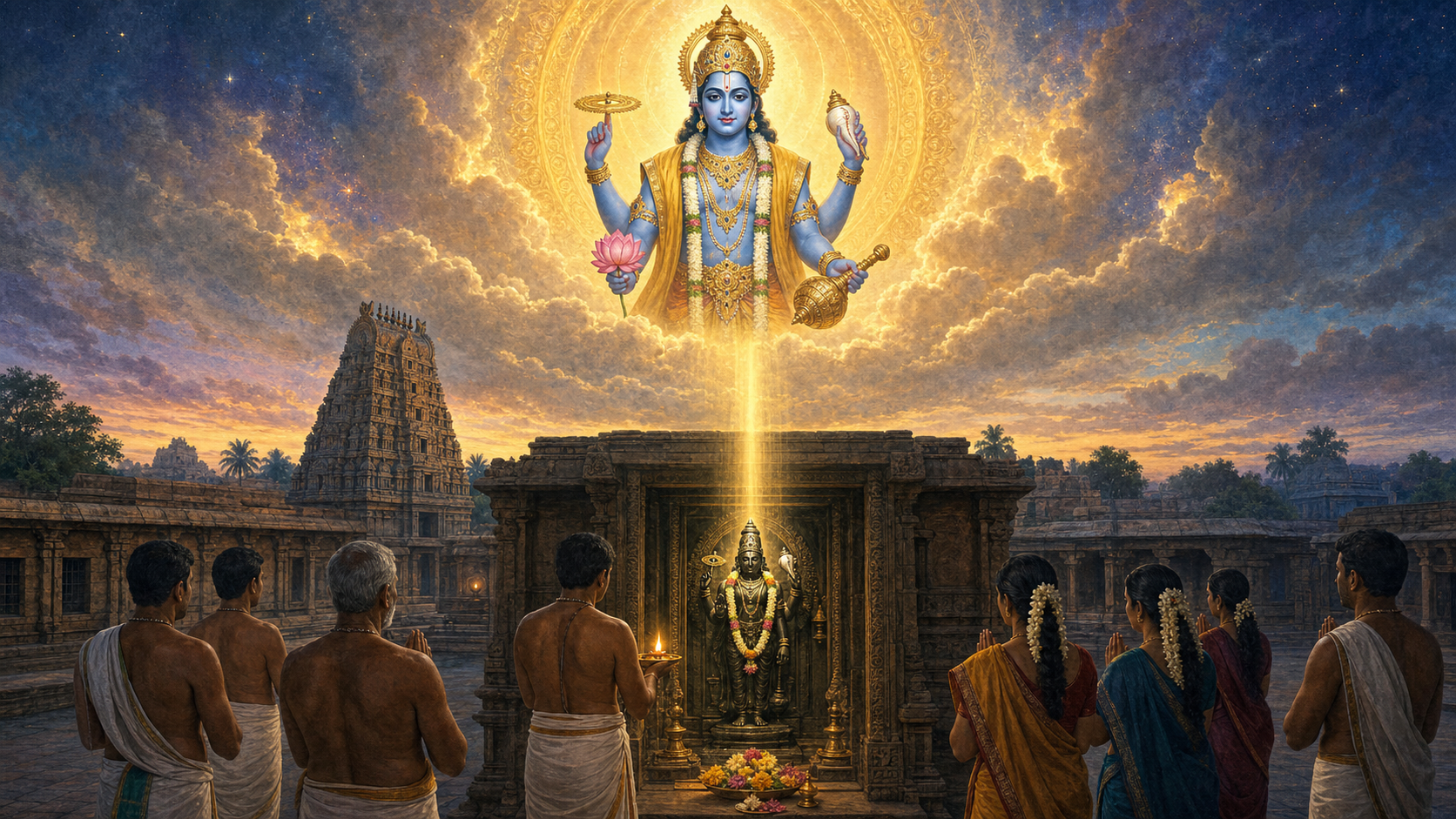
Tarigonda Sri Lakshmi Narasimha Swamy Temple will observe Brahmotsavams from 24 February to 05 March 2026, with Ankurarpanam on 23 February. TTD has organized comprehensive arrangements—pandals, rangolis, queue lines, and barricades—for an orderly and comfortable darshan. The festival sequence typically features Dhwajarohanam, daily vahana-sevas (including the popular Garuda Seva), Rathotsavam, and Chakrasnanam. Devotees can expect…
-
February 27, 2026 Panchang: Auspicious Shukla Paksha Ekadashi Timing, Rituals, Nakshatra & Rashi

Friday, February 27, 2026 marks Shukla Paksha Ekadashi in most Indian regions, beginning at 12:06 AM IST and prevailing at sunrise—making it the principal day for Ekadashi vrata. Commonly known as Amalaki Ekadashi, the observance emphasizes sattva, Tulasi and āmalakī offerings, and Vishnu-centered worship. The post explains how tithi is computed in the Panchang, why…
-
Decoding the Karaga: Draupadi’s Living Shakti, Symbolism, and Community Unity in South India

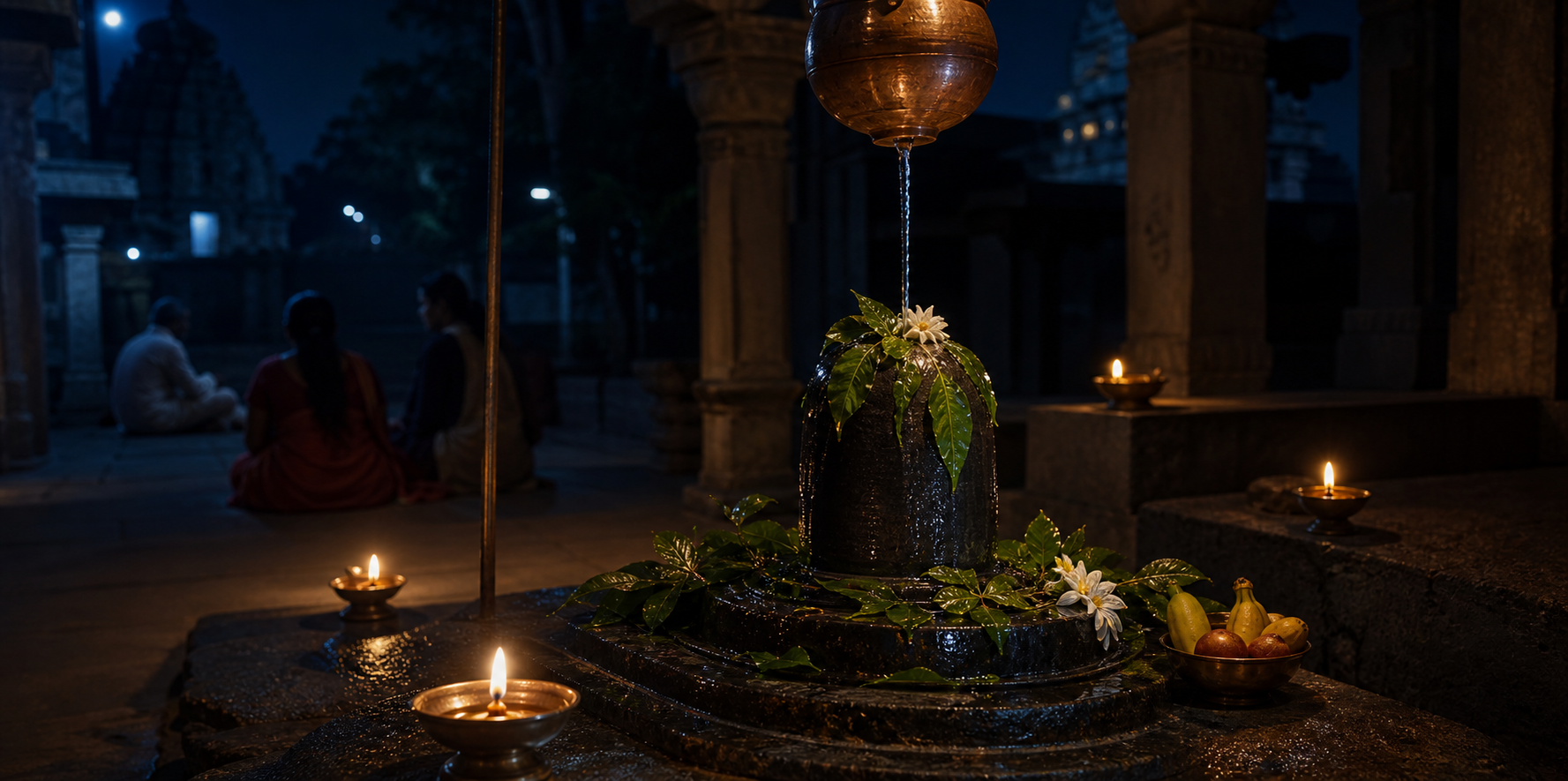
The Karaga festival venerates Draupadi Amman as living Shakti through a sophisticated Shakta ritual centered on a sanctified earthen pot crowned with jasmine and neem. Anchored in Bengaluru’s Sri Dharmaraya Swamy Temple and observed across South India, it integrates vows, purity codes, and processional choreography to transform urban space into a sacred field. The martial…
-
Kuravi Veerabhadra Swamy Temple: Fierce Grace, Living History, Rituals, and Travel Guide

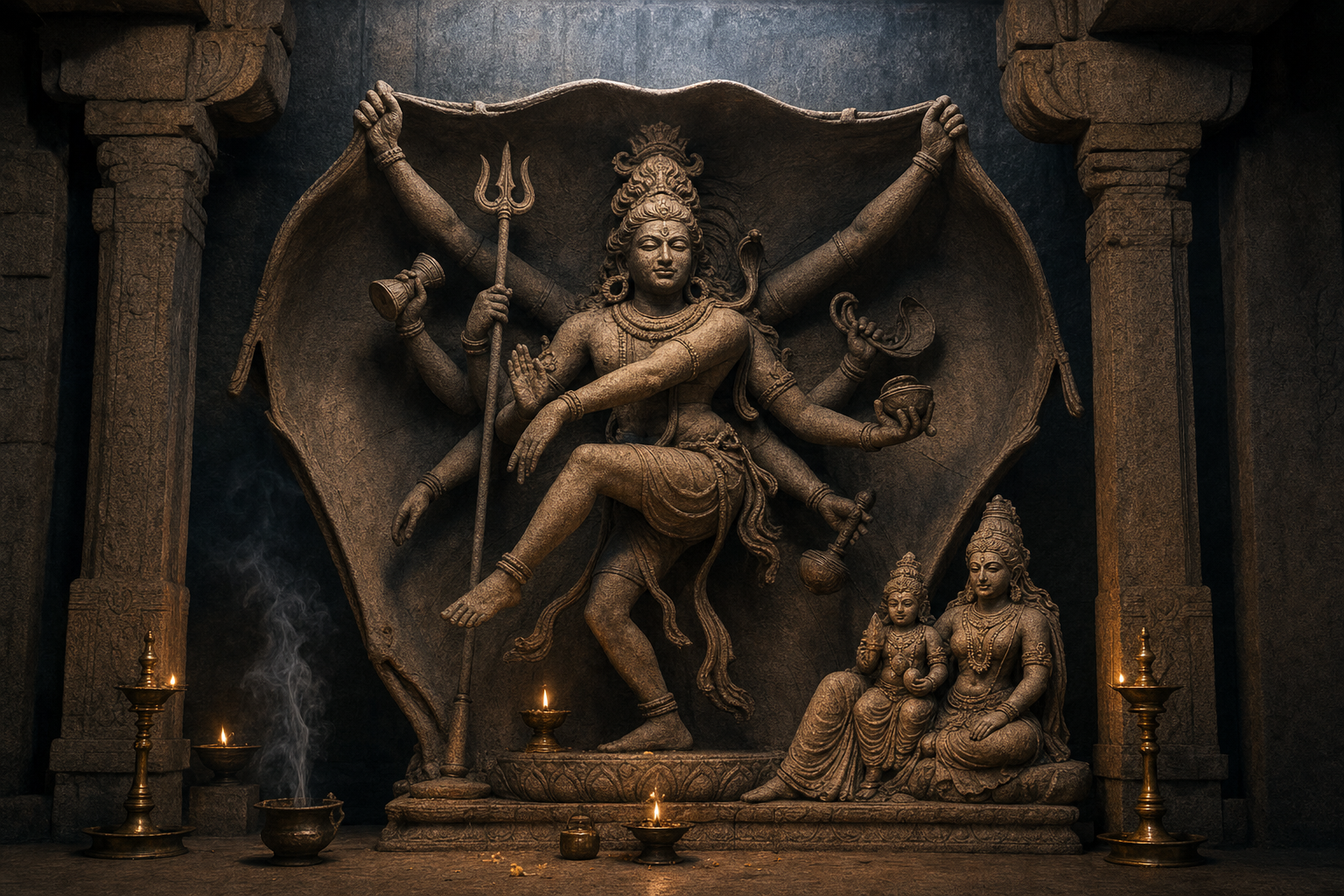
Kuravi Veerabhadra Swamy Temple in Mahabubabad, Telangana, is a living Shaivite sanctuary where fierce grace meets compassionate protection. Dedicated to Veerabhadra Swamy, iconographically known for three eyes and ten arms, the shrine embodies the Daksha Yajna narrative as a lesson in restoring balance through dharma. Visitors encounter a contemplative experience shaped by daily abhishekam, Sri…
-
Mahabharata Made Clear: A Comprehensive, Soul-Stirring Summary of Dharma, War, and Wisdom

This academically grounded summary presents the Mahabharata’s eighteen parvas with clarity, linking narrative, statecraft, and spirituality into a single, coherent guide. Readers gain a concise understanding of the Kuru lineage, the Kurukshetra War, and the Bhagavad Gita’s integrated path of action, knowledge, and devotion. The overview highlights Vidura-niti and Bhishma’s lectures on just governance, ethical…
-
Falgun Mela 2026 at Khatu Shyamji: Nishan Yatra, Lakkhi Mela Dates, Rituals, Travel Guide

Falgun Mela 2026 at Khatu Shyamji Temple in Rajasthan runs from 18 to 28 February, aligning with the Phalguna bright fortnight and culminating near Dwadashi. The festival—also called Nishan Yatra and Lakkhi Mela—honors Shyam Baba (Barbarika), a benevolent form of Krishna revered for compassion and grace. This guide explains the festival’s significance, daily aarti framework,…