

If the Ghaziabad video has reached your family or community group, your first duty is not to decide whether the label “Love Jihad” fits. It is to protect the minor’s identity, alert the authorities to any continuing danger, and refuse every invitation to join a crowd.
The publicly available account of the Ghaziabad incident is limited: a married man identified as Imran was allegedly assaulted by a crowd reportedly mobilized by Hindutva activist Daksh Chaudhary after a claim that he had eloped with a 17-year-old Hindu girl. Police opened an inquiry. These remain allegations, not judicial findings. You can take the possible exploitation of a Hindu minor seriously without treating a viral video, a slogan, or a beating as a substitute for evidence.
Key takeaways
- A 17-year-old is a child for the purposes of the Protection of Children from Sexual Offences Act. If sexual activity is alleged, apparent agreement by the minor does not remove the need for a POCSO investigation.
- The allegation concerning the minor and the reported assault on the adult are separate legal matters. Possible wrongdoing in one does not excuse violence in the other.
- The proper route is an immediate call to 112, an FIR or zero FIR when appropriate, police-led recovery, Child Welfare Committee involvement, and a protected statement before a magistrate.
- Do not publish the minor’s name, photograph, school, address, social-media account, or any clue that could identify her. Do not forward violent footage merely to express outrage.
- Preserve original messages, call records, links, timestamps, and location information. Give them privately to investigators rather than conducting a public “investigation” online.
- Ahimsa does not require passivity, and nyaya does not permit vengeance. A dharmic response acts firmly through lawful institutions while preventing further harm.
Two legal questions must be kept separate

The most damaging mistake is to collapse the entire episode into one communal story. The law must answer two different questions: what happened to the child, and what did each member of the crowd do? Each question requires its own evidence, witnesses, procedure, and accountability.
A 17-year-old is a child, not a communal symbol
Under POCSO, the relevant age boundary is 18. When sexual activity involving someone below that age is alleged, claims that the child agreed do not end the legal inquiry. That rule exists because an adolescent may be vulnerable to pressure, inducement, grooming, dependency, or unequal power even when the situation is described publicly as a romance.
This does not make the girl’s own account unimportant. Her statement is essential to establishing what happened and what protection she now needs. It must be obtained in a protected, trauma-informed setting through competent authorities, not extracted by relatives, activists, television panels, or people holding phones in her face.
Kidnapping from lawful guardianship may also be investigated if evidence shows that the minor was taken or induced to leave. It should not be assumed merely from an interfaith relationship or from the fact that she left home. If any marriage ceremony was attempted, the Prohibition of Child Marriage Act may become relevant. Age, conduct, inducement, movement, sexual activity, and any attempted solemnization are factual elements for investigators to establish separately.
The phrase “Love Jihad” proves none of those elements. It may express a family’s or community’s fear, but fear is not evidence. The religious identities of the people involved may explain the public tension; they do not lower the evidentiary burden or authorize collective punishment.
The reported mob assault is a separate case
Even if every allegation concerning the minor were eventually proved, members of the public would acquire no authority to beat, restrain, confine, threaten, or publicly punish the accused. Conduct of that kind can raise offences involving unlawful assembly, rioting, hurt, wrongful restraint or confinement, intimidation, and communal incitement. Liability depends on what each person said, did, carried, encouraged, or intended.
That individual assessment matters. Investigators should distinguish an organizer from a participant, a person delivering blows from a bystander, and deliberate incitement from mere presence. Witness accounts, CCTV, phone records, messages, uploaded videos, and other digital material can help establish those roles. Neither communal suspicion nor guilt by association is an acceptable shortcut.
Arrest is also a legal process, not a public demand to be satisfied on camera. The safeguards associated with the Supreme Court’s Arnesh Kumar ruling require authorities to justify arrest rather than use it automatically. Those safeguards do not trivialize a possible offence against a child; they protect the legitimacy of the investigation.
The Supreme Court’s 2018 Tehseen S. Poonawalla decision established a broader preventive, remedial, and punitive framework for mob violence. It includes preventive intelligence and nodal responsibility, prompt registration and investigation of offences, victim compensation, and accountability where officials fail in their duties. The pretext for the crowd – cow protection, moral policing, or an allegation involving an interfaith relationship – does not remove the state’s obligation to stop the violence.
These are general legal pathways, not advice for deciding an individual case. Exact offences, arrest requirements, and remedies depend on verified facts and the law in force. A guardian, accused person, organizer, participant, or material witness who faces legal exposure should obtain advice from a qualified Indian lawyer rather than rely on social-media interpretations of section numbers.
The lawful response begins with one factual phone call
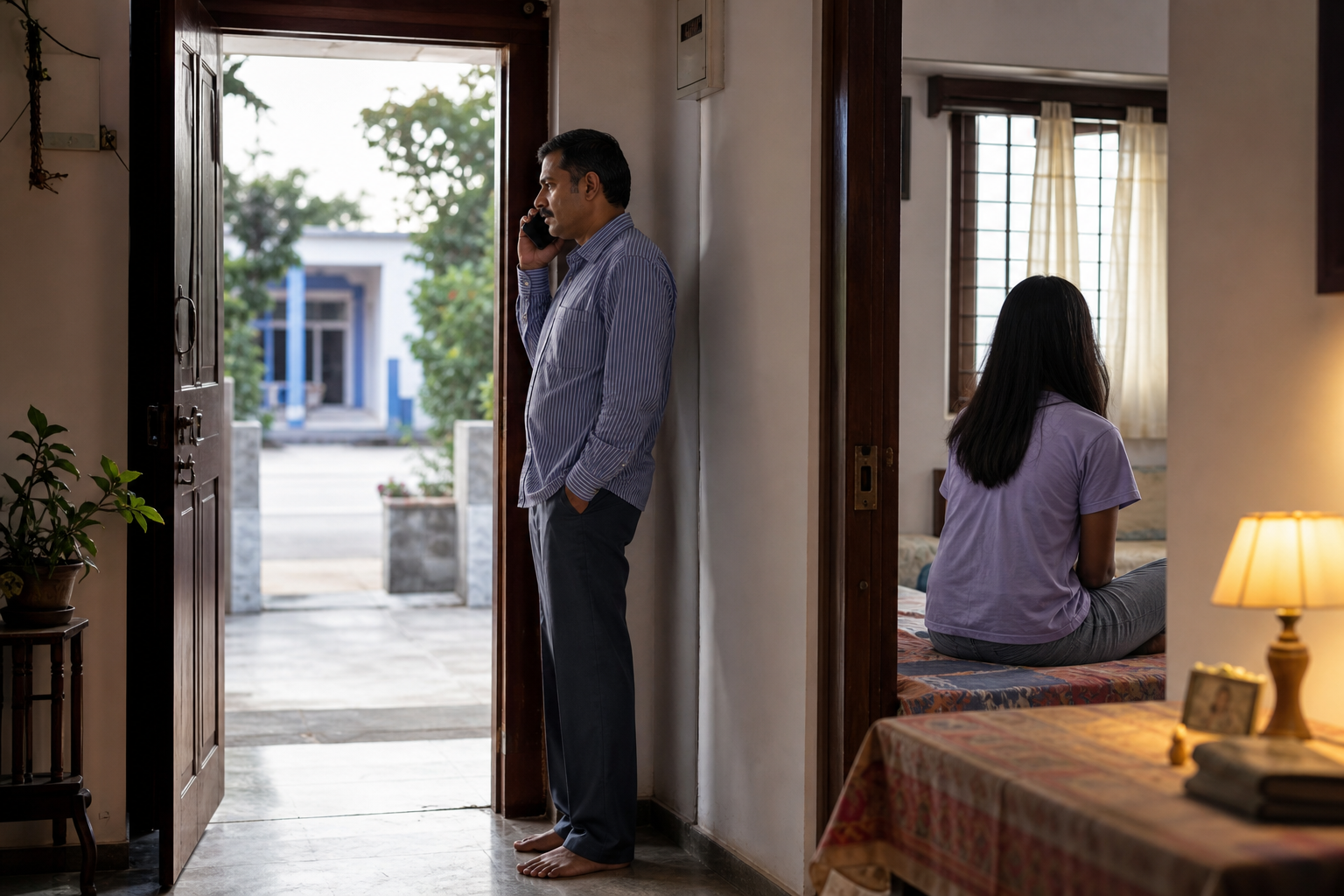
If you genuinely believe a minor is missing or in danger, speed matters. Public mobilization does not make the response faster; it can warn suspects, frighten the child, distort witness accounts, and create a second emergency. Use this sequence instead:
- Call 112 when there is an immediate safety or public-order risk. State the reported age, last verified contact or location, any immediate threat, and which facts you know firsthand. Separate what you saw from what someone forwarded to you.
- Report the missing or endangered child to police. Ask for an FIR. If territorial jurisdiction is uncertain, ask about a zero FIR so that the report can be registered without losing time to a station-boundary dispute.
- Use the child-protection channel. Contact Childline at 1098 and give the same factual account. Do not embellish it with communal assumptions or a conclusion about guilt.
- Do not attempt a private recovery. Do not assemble outside a home, hotel, police station, or place of worship. Do not confront the suspected adult or pressure the minor to perform a preferred account before a crowd.
- Let the authorities secure the child-protection process. Police should conduct the search and recovery, bring the minor into the Child Welfare Committee framework within the required timeline, and arrange a protected statement before a magistrate. Counseling and any medical examination should follow POCSO-sensitive procedures.
- Ask for institutional follow-through. Retain the complaint or FIR details and provide any new verified information to the assigned officer. If a crowd is threatening violence, report that separately rather than treating it as part of the missing-child complaint.
This sequence does not ask a worried Hindu family to suppress a legitimate concern. It gives that concern the best chance of producing a safe recovery, usable evidence, and an enforceable result. A crowd may produce a spectacle within minutes; only a lawful record can support protection and prosecution after the spectacle ends.
Handle the video as evidence, not as content
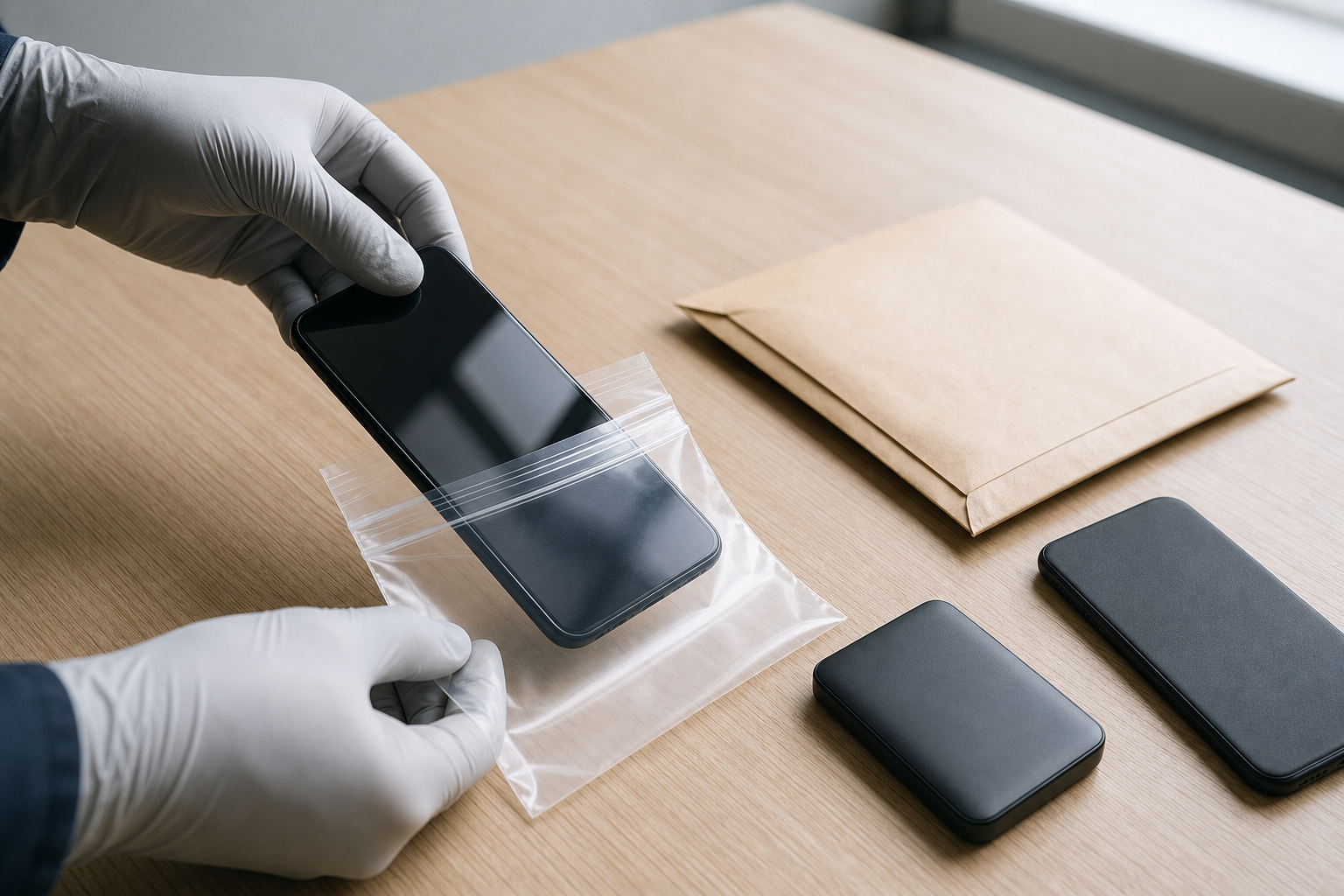
A viral clip creates the illusion that everyone who watches it is now an investigator. In reality, every repost can strip context, compress the file, detach it from its original timestamp, expose the child, intensify communal anger, or alert someone who may destroy evidence.
If the material may be relevant, preserve it without turning it into a public campaign:
- Keep the original file or message where possible. Do not crop it, add captions, combine it with other clips, or overwrite it with an edited version.
- Record the account or phone number that sent it, the link, the date and time received, and any location information that accompanied it.
- Preserve related call logs and messages. Do not impersonate anyone, threaten a person, or provoke a fresh exchange to obtain more dramatic material.
- Send the evidence privately to the investigating officer. Investigators can use formal preservation requests, hashing, chain-of-custody records, and the required certification process to support admissibility.
- Report posts that identify the minor or call for violence. A takedown request should not replace evidence preservation; authorities may need both the content and its metadata.
- Do not name the minor even if other accounts already have. Repetition creates fresh exposure and can become a form of secondary victimization.
Before forwarding anything, apply three checks: Is the person in the clip certainly identified? Is the date and place verified? Does sharing it help an official response, or does it merely recruit more spectators? If you cannot answer all three, stop the forward and preserve the material privately.
Community leaders and media workers have an added responsibility. They should distinguish an allegation from a verified fact, remove identifying details about the child, avoid headlines that assign communal guilt, and direct people toward 112, 1098, the police, and the Child Welfare Committee. A peace committee or trained liaison can help families reach those institutions; it should never become an unofficial court or enforcement squad.
Dharmic firmness means protecting without becoming the mob
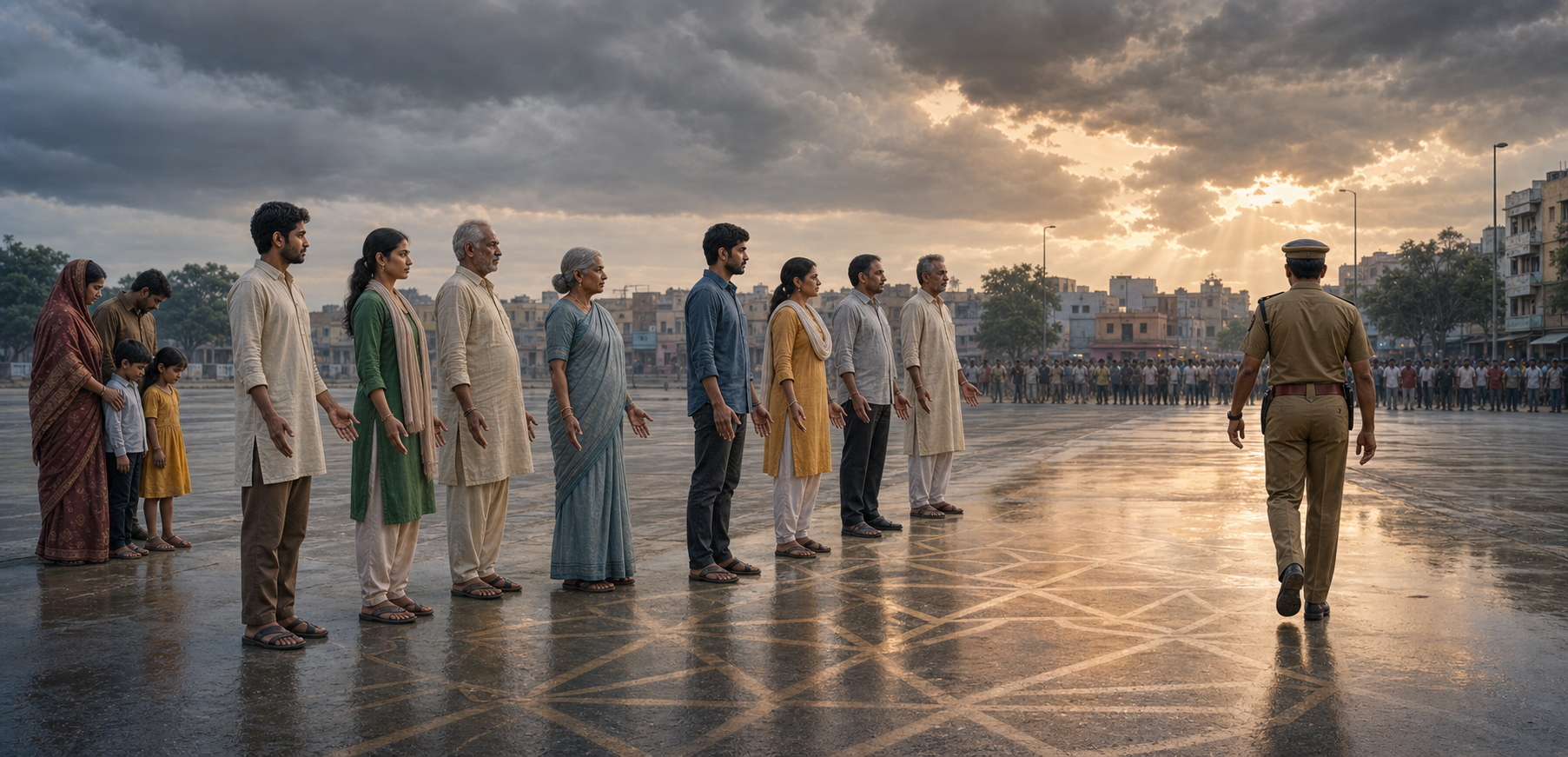
There is a false choice at the center of arguments like this one: either dismiss every concern about a Hindu minor as communal prejudice, or endorse people who claim to defend her through force. We should accept neither. A minor’s safety deserves serious investigation. So does violence committed in the name of protecting her.
Ahimsa is not indifference to exploitation. It restrains the impulse to add avoidable injury. Nyaya is not softness toward an accused person. It is the disciplined work of establishing age, conduct, intent, evidence, individual responsibility, and proportionate legal consequences. When force is necessary to rescue or prevent harm, that authority belongs to lawful institutions operating under review – not to whoever can gather the largest crowd.
Vigilantism also weakens the cause it claims to serve. It can shift attention from the child to the assailants, expose her identity, frighten witnesses, divide neighbors, and turn a specific allegation into suspicion of an entire community. If the original allegation is false, an innocent person may have been attacked. If an offence against the child did occur, mob action still risks damaging the calm, evidence-led process needed to prove it.
If another such message reaches you, make three choices immediately: do not forward it, report any danger through 112 or 1098, and preserve the original evidence for investigators. That is not retreat. It is how you protect a child, refuse communal contagion, and put dharma on the side of justice that can endure scrutiny.
References
