-
Kaisika Ekadashi 2025: Date, Rituals, and South Indian Temple Traditions That Inspire Devotion

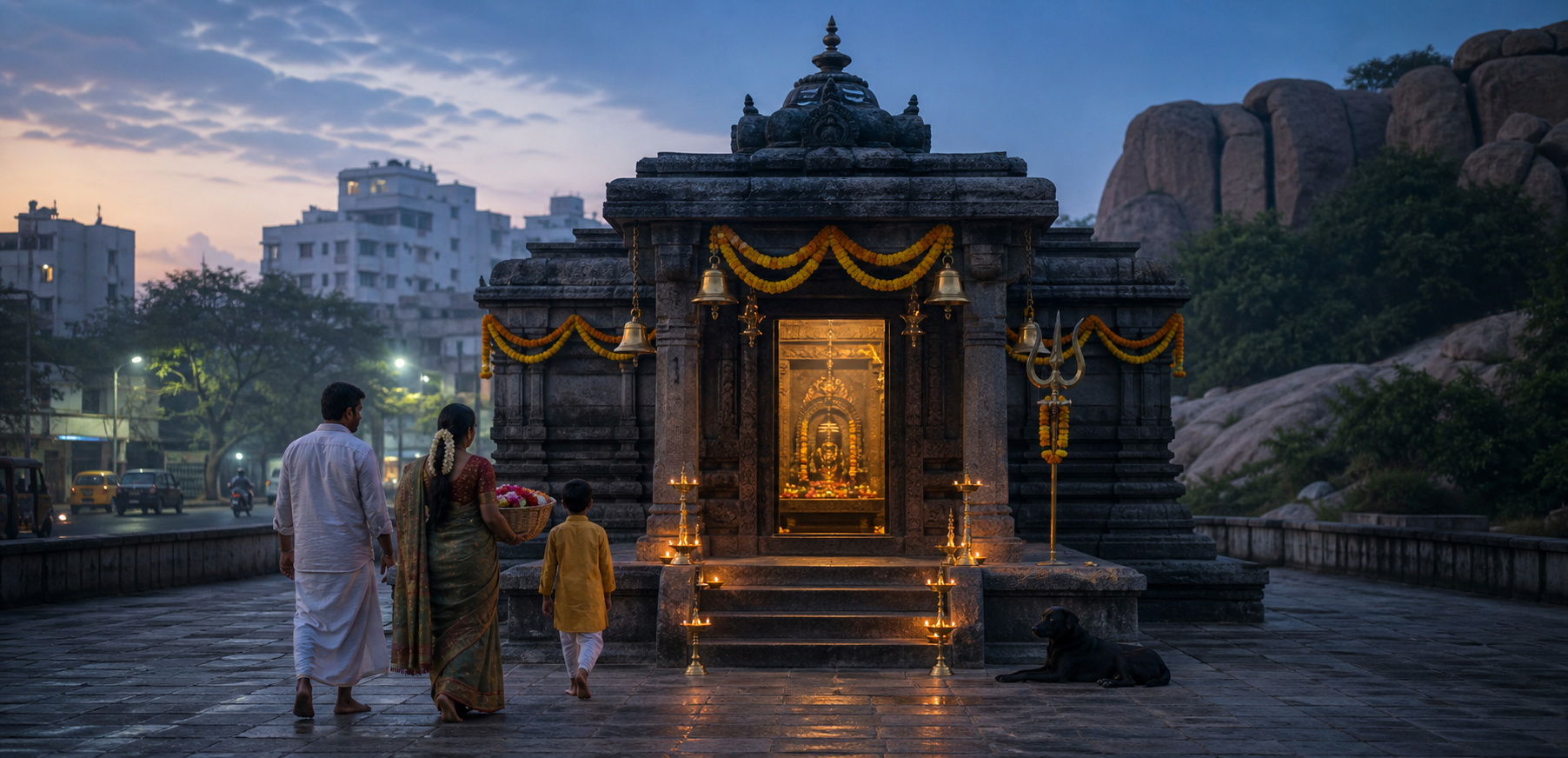
Kaisika Ekadashi 2025 falls on November 1, aligning with Shukla Paksha Ekadashi in Kartika Masam as per the Telugu calendar. The vrata is observed with devotion and fasting, with special significance at Tirumala Tirupati (TTD), Srirangam Ranganathar, and other Vaishnavite temples in South India. Rituals include Vishnu puja with tulasi, Vishnu Sahasranama chanting, lamps, kirtan,…
-
Do Not Panic: Bhagavad Gita’s Timeless Counsel for Clarity, Courage, and Inner Calm
Unnecessary panic rarely solves problems; it narrows focus and amplifies stress. The Bhagavad Gita’s counsel emphasizes equanimity—“samatvam yoga ucyate”—as the ground for clear, courageous action. Practical steps such as pausing, breathing, observing facts, and acting with intention transform reactivity into composure. This approach improves decision-making, communication, and outcomes in everyday challenges like missed deadlines or…
-
Karma and Innocent Suffering: A Compassionate Dharmic Guide to Miscarriage and Child Loss

This reflection explores how karma is understood when young children die painfully or a baby passes in the womb, emphasizing humility before the mystery of cause and effect. It unifies perspectives across Hinduism, Buddhism, Jainism, and Sikhism, highlighting compassion rather than blame. Readers learn how dharmic traditions approach grief with practices such as prārthanā, dāna,…
-
Spiritually Rich, Politically Vulnerable: Why India Fell to British Rule—and Rose United

This analysis examines why a spiritually rich India became vulnerable to British Colonial Rule while preserving civilizational continuity. Drawing on Sri Sri Ravi Shankar’s cyclical metaphor of the seasons, it situates conquest within broader structural forces—East India Company strategy, technological-military advantage, and administrative codification. It highlights how dharmic traditions—Hinduism, Buddhism, Jainism, and Sikhism—sustained social cohesion…
-
Tulsi-Shaligram Vivah Muhurat 2025: Key Dates, Ritual Guidance, and Heartfelt Tips for Kartik Observance

Tulsi Vivah in 2025 can be observed on Prabodini Ekadashi (1 November), Ksheerabdhi Dwadashi (2 November), Chilku Dwadashi (2 November), and Kartik Purnima (5 November). The guide clarifies how to align the ritual with location-specific muhurat using a reliable Panchang. It outlines a clear, eco-conscious ritual flow—from Tulsi alankara to kanyā-dāna symbolism and parikrama—fostering family…
-
Who Orchestrates Creation and Destruction? Dharmic Wisdom That Empowers Young Minds

Young seekers often ask who is responsible for creation and destruction. Dharmic wisdom responds with clarity: these are complementary movements within a moral cosmos, governed by Brahman, Dharma, or hukam. Hindu scriptures such as the Upanishads and the Bhagavad Gita frame this as a purposeful cycle, while Buddhism, Jainism, and Sikhism add insights on impermanence,…
-
TTD November 2025 Utsavams: Sacred Karthika Celebrations at Srivari Temple, Tirumala

November 2025 at Tirumala brings Karthika Masam alive with daily Srivari Temple Utsavams, centering on the Varsha Tirunakshatrotsavams of Sri Vaishnava acharyas, Alwars, and Viswaksena. Devotees can expect refined rituals, evening lamp ceremonies, and a deep devotional cadence throughout the month. Karthika Purnima 2025 provides a luminous climax, often aligning with Guru Nanak Jayanti to…
-
Kartik Purnima 2025 (Tripuri/Tripurari): Auspicious Date, Dev Deepavali, Sacred Rituals, and Unity

Kartik Purnima 2025, also called Tripuri Poornima or Tripurari Purnima, falls on November 5 and is celebrated as the most auspicious Full Moon of the Kartik month. North Indian calendars mark it as the month’s close, while Amanta systems observe it as Kartik maas day 15. The festival commemorates Shiva’s triumph over Tripurasura and is…
-
Chiluku Dwadashi 2025: Sacred Tulsi–Damodar Vivah, Date, Meaning, and Vrat Guide

Chiluku Dwadashi (Ksheerabdi Dwadashi or Yogini Dwadashi) in 2025 falls on November 2, the Dwadashi tithi after Prabhodhini Ekadashi in the bright half of Karthik. The day honors Tulsi and Damodar (Lord Vishnu) with home-centered rituals, deep-daan, and the symbolic Tulsi–Saligram marriage. Set within Karthika masam, the vrat emphasizes serenity, satvik living, and ecological reverence.…
-
Tamil Nadu Temple Governance Standoff: Devotees Challenge HR&CE at Pachaivazhi Amman near Vadalur

A measured protest unfolded in Abatharanapuram near Vadalur as villagers and members of Hindu Munnai opposed a proposed HR&CE takeover of the Pachaivazhi Amman Temple. The gathering emphasized community stewardship, transparent administration, and continuity of village-based traditions. Organizers framed their stance as a call for due process and consultation rather than confrontation. The episode highlights…
-
From Brain Fog to a Midlife Roar: Transforming Perimenopause into Grounded, Wise Power

Perimenopause can feel like an existential storm—brain fog, insomnia, and mood swings woven into caregiving pressures and shifting identities. Framed as a rite of passage, midlife becomes a portal to grounded power, embodied truth, and fierce compassion. This narrative shows how symptoms often mirror unspoken burdens and how the body signals when responsibilities grow too…
-
Dhara in Ayurveda: The Calming Kerala Ritual Bringing Deep Relaxation and Clarity
Dhara is a renowned Kerala Ayurveda therapy in which a warm, medicated herbal oil flows in a continuous stream over the forehead to encourage calm and clarity. Conducted for about 60–120 minutes without interruption, it exemplifies Ayurveda’s precise, holistic approach to relaxation and mind–body balance. Traditionally associated with relief in stress-related states, tension, and chronic…
-
Alvars and Maharashtrian Bhakti Saints: Parallels in Devotion, Poetry, and Social Reform

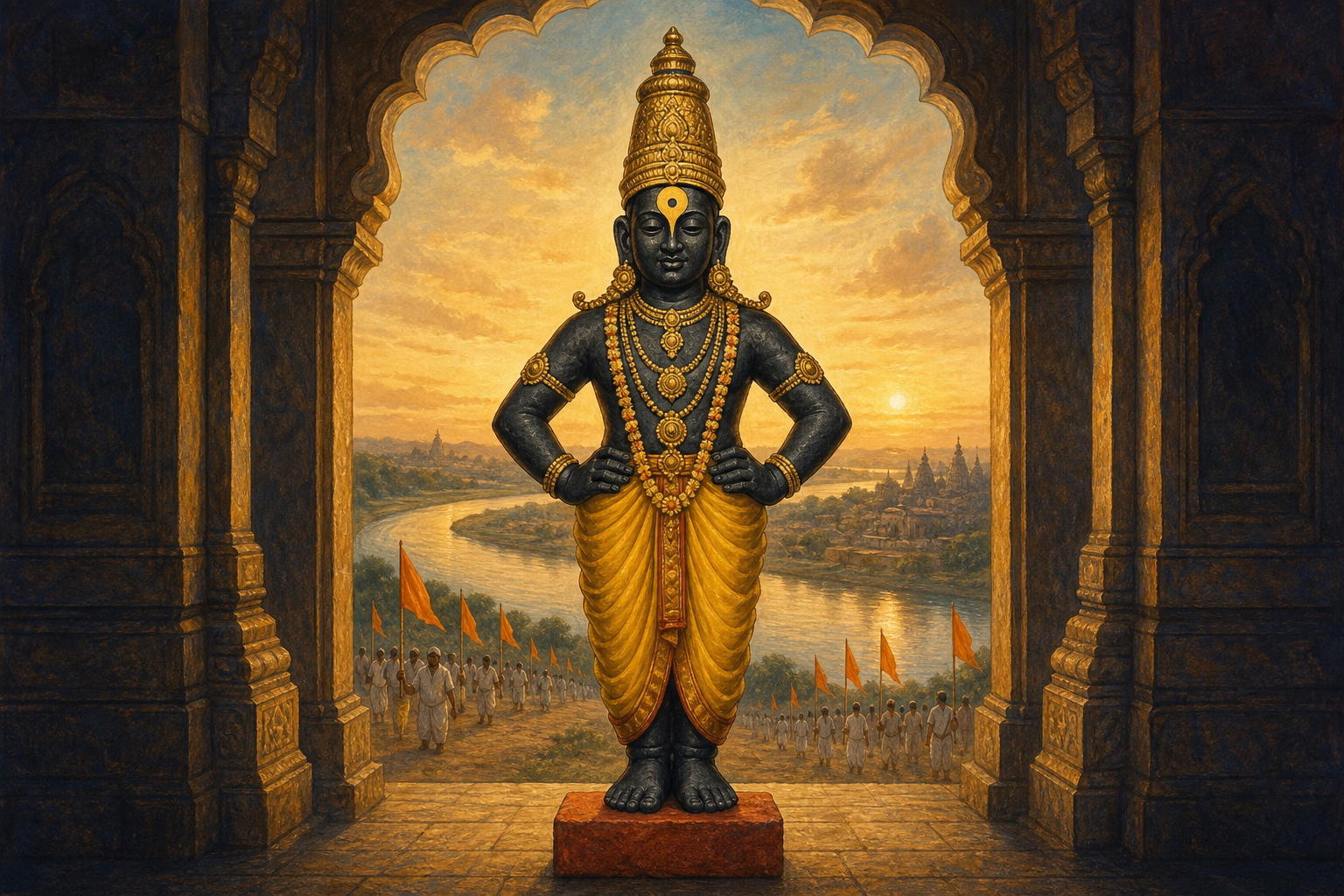
This comparative study explores how the Tamil Alvars and Maharashtrian Bhakti saints shaped devotional culture, social ethics, and vernacular literature in medieval India. It highlights shared Vaishnava foundations, yet distinct accents—temple-based Prabandham recitation in the South and Varkari abhang–kirtan in the West. Readers learn how both traditions democratized spirituality through Tamil and Marathi, expanded participation…
-
Thursday Lakshmi Puja in Bengal: Enduring Homely Worship of the Goddess of Grain and Grace

Thursday Lakshmi Puja in Bengal is a gentle, homely observance that complements the luminous Kojagari Lakshmi Puja after Durga Puja. The tradition often venerates Dvi-bhuja Lakshmi, emphasizing nourishment, ethical prosperity, and household harmony. Weekly practices—cleaning, alpona, simple offerings, and a diya—transform daily life into a pedagogy of gratitude and balance. Memories of dhuno, conch sounds,…
-
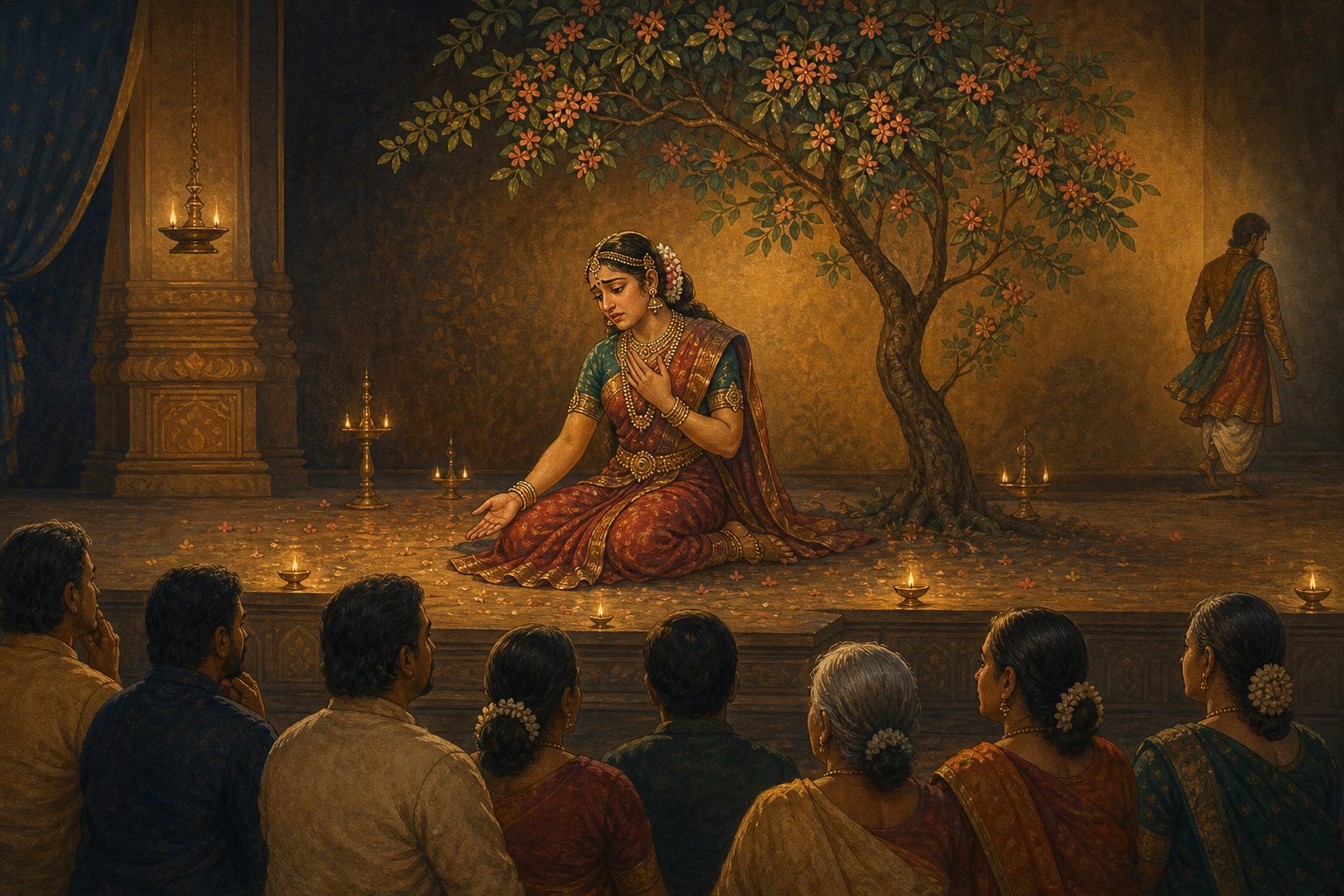
Kopavana in Ancient Hindu Palaces: Symbolism, Architecture, and Queens’ Dignified Dissent

Kopavana—often discussed alongside the kopa-bhavana or “chamber of anger”—emerges in ancient Indian courtly culture as a refined system for turning anger into dialogue. This article clarifies terminology, situates the practice in the Ramayana, and traces architectural cues that staged a journey from tension to reconciliation. It explains how queens exercised agency through ritualized withdrawal, prompting…
-
Srimad Bhagavatam 3.21.32: Unveiling Divine Expansions and the Unity of Dharmic Paths

Srimad Bhagavatam 3.21.32 explains how the Supreme is one yet manifests as many through kalā, svāṁśa, and vibhinnāṁśa. The passage distinguishes viṣṇu-tattva forms like Vāmana, Govinda, and Nārāyaṇa (svāṁśa-kalā) from ordinary living beings (vibhinnāṁśa). This precise vocabulary aids careful study and deepens devotional focus. Readers find that these insights foster humility, compassion, and ethical service…
-
Gajendra Moksha: Lord Vishnu’s Swift Compassion and the Timeless Path to Liberation

This retelling of Gajendra Moksha presents a clear, academically grounded account of Lord Vishnu’s swift response to sincere devotion. It explains the symbolism of the lotus, Garuda, and the Sudarshana Chakra to illuminate how bondage is cut and moksha is revealed. Readers gain practical insights—mindful remembrance, meditation, and service—to navigate modern challenges. The narrative highlights…
-
SB 3.19.35 Deep Dive: Adikarta Dasa on Hiraṇyākṣa, Dharma, and Dharmic Unity in Alachua

This post presents a clear, academically grounded synopsis of a class by Adikarta dasa on Srimad-Bhagavatam (Bhagavata Purana) 3.19.35, delivered on October 23, 2025 at the Hare Krishna temple in Alachua, Florida. Readers gain contextual orientation to “The Killing of the Demon Hiraṇyākṣa” and how Varaha’s protective compassion restores cosmic order. The analysis emphasizes bhakti…
-
Rutgers Event on ‘Hindutva’ Triggers Outcry, Lawmaker Scrutiny, and Calls for Dialogue
A recent Rutgers University event on “Hindutva” sparked strong reactions from the Hindu community and drew scrutiny from U.S. lawmakers concerned about student safety and campus climate. The debate highlights a core campus challenge: protecting academic freedom while preventing Hinduphobia and the profiling of Hindu students. Community voices urged precise language that distinguishes political ideologies…