
-
Saints Power a Nationwide Dharmic Renaissance: Alok Kumar on Ethical, Voluntary ‘Ghar Wapsi’
Advocate Alok Kumar (VHP) noted in Goa that saints are catalyzing a nationwide wave of ‘ghar wapsi’ by expanding Dharmic awareness at the grassroots. This analysis frames ‘ghar wapsi’ as a voluntary, plural, and constitutionally grounded homecoming to Dharmic heritage encompassing Hinduism, Buddhism, Jainism, and Sikhism. It explains the legal context (Articles 25–28 and state…
-
Re-reading Guru Tegh Bahadur: A Fearless Beacon of Religious Freedom and Dharmic Unity

This interdisciplinary re-reading of Guru Tegh Bahadur situates his life and bani within history, music, philosophy, and public ethics. It explains how his teachings on detachment, compassion, and fearlessness formed a coherent ethic of conscience, culminating in a martyrdom for the protection of others’ faith. The narrative highlights how Sikhism’s sarbat da bhala converges with…
-
Sikhi Through Story: Evidence‑Based, Gurmat‑Aligned Narratives for a Dharmic Unity Vision

This message articulates how SikhNet Stories approaches children’s narratives as rigorous, Gurmat-aligned pedagogy. It roots storytelling in the Guru Granth Sahib’s inclusive vision while honoring Sikh maryada and the lived practices of Naam, Seva, and Sangat. Drawing on research in educational psychology, it explains why narrative transportation, dual-coding, and social learning improve attention, retention, and…
-
Bringing Sikh Stories to Screen: Authentic Representation, Dharmic Unity, and Cultural Power
This article outlines a research-led, production-ready framework for bringing nuanced Sikh stories to screen while advancing unity across dharmic traditions. It details how respectful depiction of articles of faith, language authenticity, and community consultation improve cinematic representation and trust. Practical guidance covers writing-room research, casting and wardrobe, sound and music ethics, location protocols in gurdwaras,…
-
Hubballi gym case ignites outcry: calls for NIA probe, survivor protection, and harmony

The reported Hubballi gym exploitation case has sparked public outcry, a visit by the Ranaragini wing of Hindu Janajagruti Samiti (HJS), and calls for an NIA-led investigation. This analysis explains the legal thresholds for NIA involvement, outlines applicable state and central statutes, and details a victim-centric investigative roadmap. It highlights digital, physical, and financial forensics,…
-
Protecting Goa’s Inquisition-Era Memory: Preserve ‘Hat Katro Khamba’ and Confront the Past
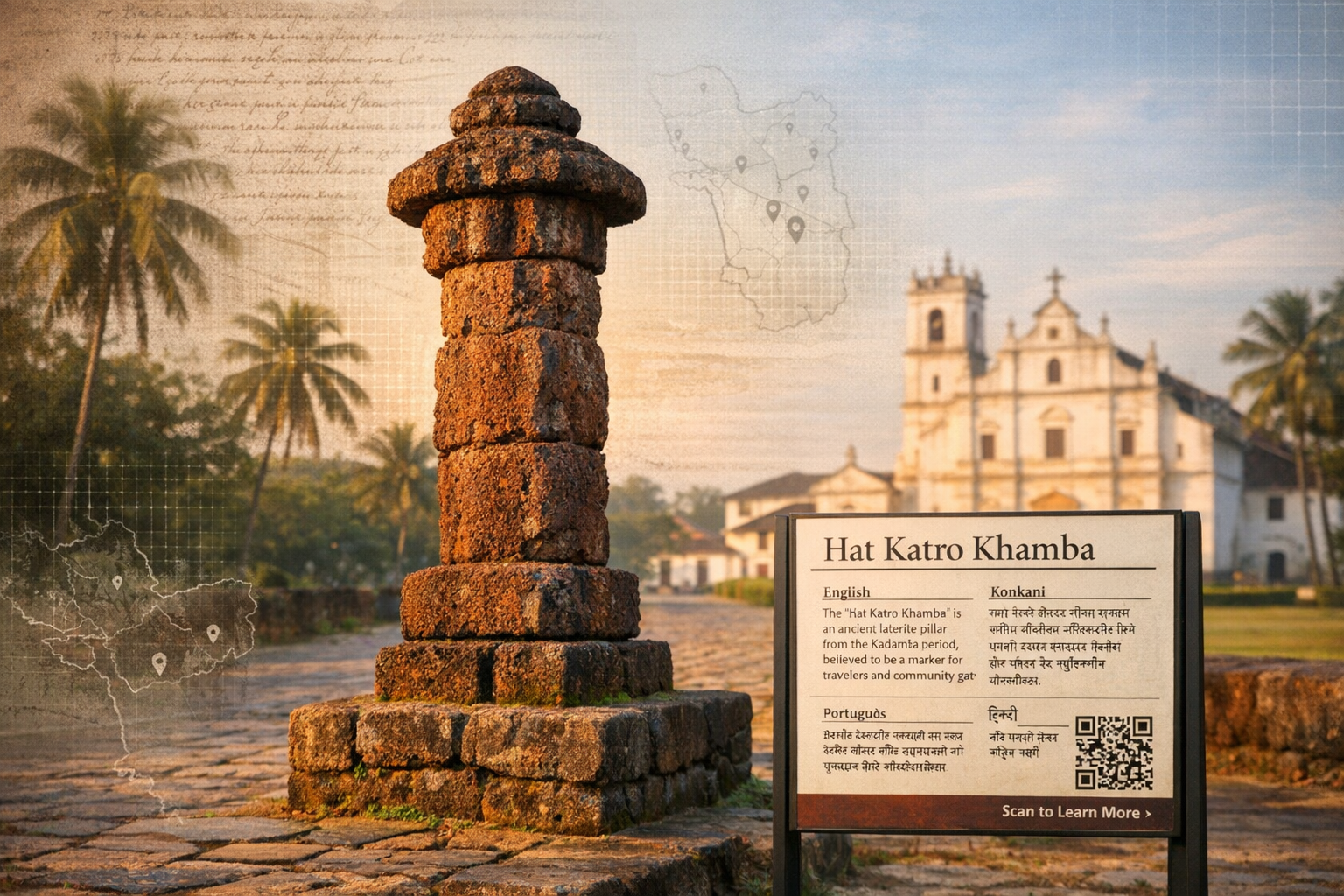
Hindu Raksha Maha Aghadi has urged the Goa Government to retain the historical name ‘Hat Katro Khamba’ and to protect Inquisition-era evidence through rigorous, public-facing interpretation. The debate underscores why toponyms are historical sources that anchor social memory and guide research. Global conservation principles recommend documentation, context, and consultation rather than nominal erasure through renaming.…
-
Shobha Karandlaje’s Kerala claims of ‘Love, Land, Business’: evidence, law, and dharmic unity

Reports attributing to Union Minister Shobha Karandlaje claims of “Love, Land, and Business Jihad” in Kerala have ignited debate. This analysis replaces rhetoric with a rigorous, law-and-data framework that separates allegations into three testable domains: intimate-partner coercion, property intimidation or illegality, and unfair or illicit business practices. It outlines applicable statutes, proposes investigation protocols, and…
-
Transforming Conflicts with Dharma: Inside ISKCON Resolve’s Foundation Course (Apr 5)
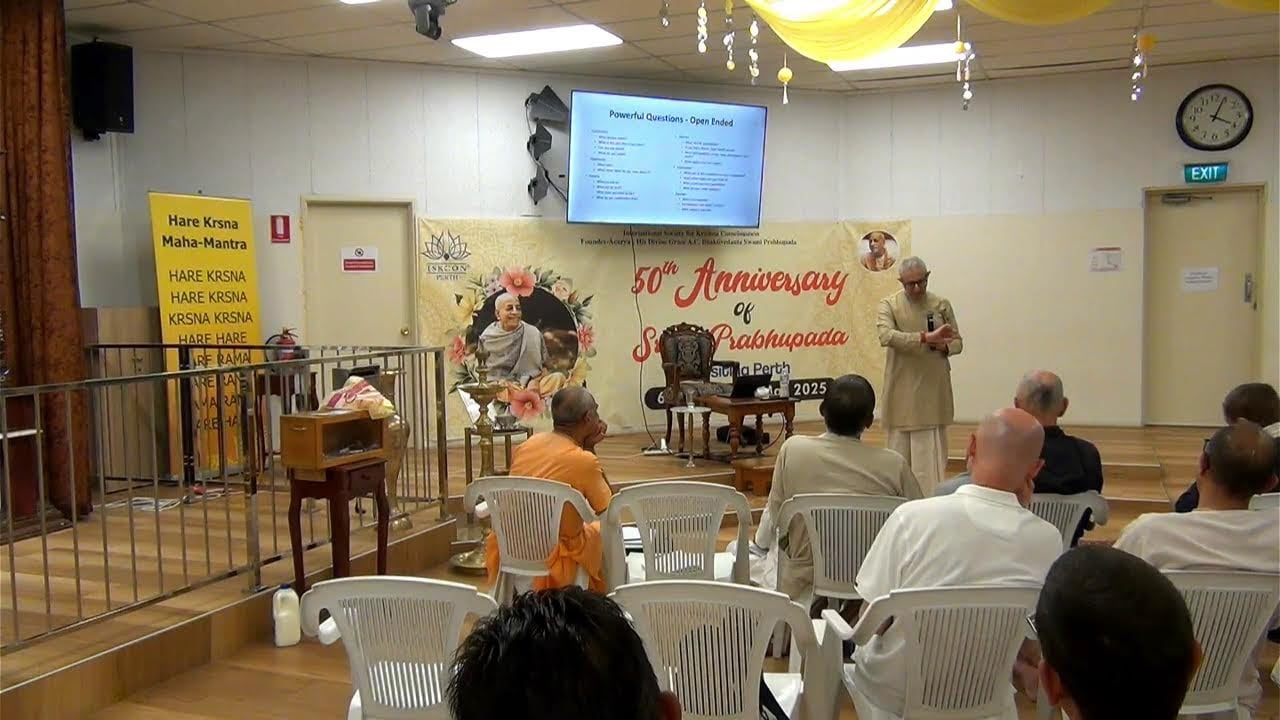
ISKCON Resolve’s Foundation Course led by HG Vraj Vihari Prabhu (Apr 5) introduces a dharmic, evidence-informed approach to mediation and dialogue inside the International Society for Krishna Consciousness. Participants learn conflict literacy, active listening, interest-based negotiation, and restorative practices aligned with Srila Prabhupada’s emphasis on cooperative service. The program’s ombuds-style design safeguards confidentiality, neutrality, and…
-
Bhopal Hanuman Jayanti Row: Viral Speech Sparks Legal Scrutiny and Dharmic Harmony Call

A viral video from a Hanuman Jayanti rally in Bhopal has intensified debate over public speech, alleged slaughterhouse illegality, and online misinformation. This analysis explains the constitutional boundaries of expression, the penal provisions that may apply when rhetoric crosses the line, and the administrative protocols that govern religious processions. It also summarizes the licensing and…
-
Hyderabad Cancels Naseef Akhtar Show After Dharma Complaints: Law, Ethics, and the Way Forward

Authorities in Hyderabad cancelled comedian Naseef Akhtar’s show following complaints that certain remarks were disrespectful to Dharma and culture. This analysis explains how India’s constitutional framework (Article 19) and penal provisions (including Section 295A IPC) shape such decisions while courts insist on a proximate threat standard. It outlines practical steps artists, organizers, and authorities in…
-
Transforming Longing into Living Presence: Arcana, Bhakti-Yoga, and Inclusive Community Darshan
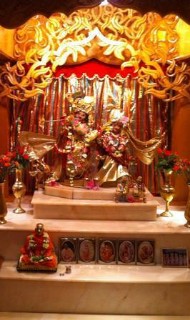
This essay examines why humanity’s longing to see the Divine is a significant experiential datum and explains how arcana (Deity Worship) in bhakti-yoga translates that longing into a disciplined, living encounter. It clarifies the archa-avatara understanding of the deity, situates arcana among the nine processes of devotion, and outlines a rigorous, scalable model for congregational…
-
From Faith to Fellowship: A Family’s Peaceful Embrace of Sanatan Dharma at Bageshwar Dham

A family publicly embraced Sanatan Dharma at Bageshwar Dham in Chhatarpur, Madhya Pradesh, on April 1, 2026, with reported name changes to Arjun Singh and Priya Singh. This analysis situates the event within India’s constitutional protections for freedom of conscience while emphasizing state-level compliance requirements that guard against force, fraud, or inducement. It explains the…
-
Bihar cleric’s arrest after remarks on Yogi Adityanath’s mother: law, free speech, and civility
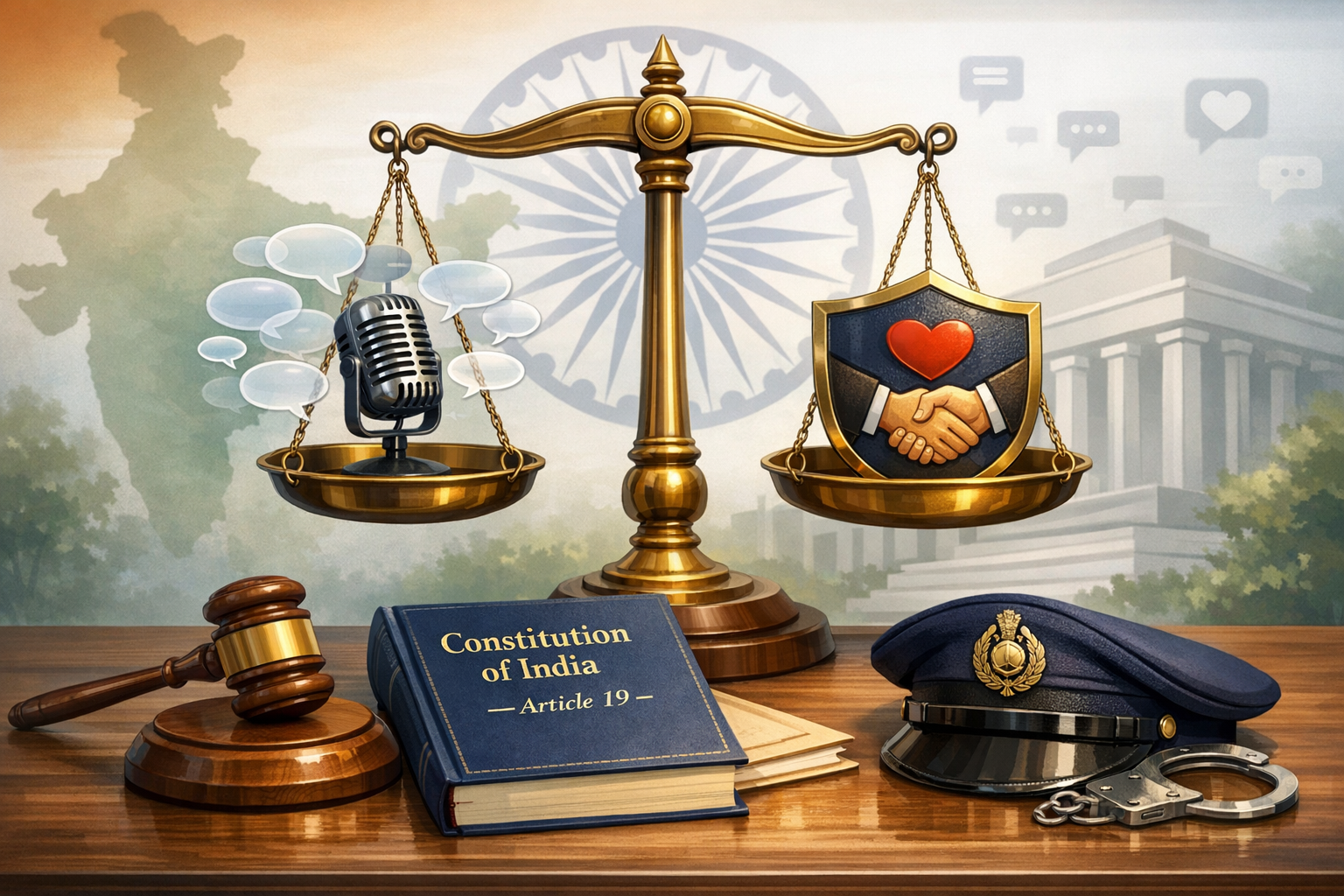
A Bihar-based cleric’s arrest after remarks targeting the mother of Uttar Pradesh Chief Minister Yogi Adityanath, followed by a public apology, has reignited India’s debate over free speech, dignity, and public order. This analysis explains how Articles 19(1)(a) and 19(2) of the Constitution frame the balance between expression and legal limits. It outlines common penal…
-
The Eternal Now: Guru Nanak’s Mindfulness for Fearless Clarity and Compassionate Living

Guru Nanak’s teachings present a precise, research-aligned path to mindfulness that integrates attention training (Naam Simran), ethical action (Kirat Karo, Vand Chhako, Seva), and wise acceptance (Hukam). By cultivating fearless clarity (nirbhau) and non-resentment (nirvair), practitioners stabilize presence in the “eternal now” and translate inner poise into compassionate service. The approach resonates with dharmic practices…
-
ISKCON Chaplaincy in UK Hospitals: Elevating Compassionate Hindu Care Across London

Bhaktivedanta Manor’s Devotee Care Team is building a professional Hindu–Vaishnava chaplaincy pathway to serve NHS hospitals, hospices, and care homes across London and other UK cities. The initiative aligns with NHS chaplaincy guidance and UKBHC competencies, ensuring safe, consent-based, and non-proselytising care. Training covers safeguarding, confidentiality, cultural fluency, end-of-life support, and evidence-informed spiritual assessment tools…
-
Ram Navami Clashes, Nitesh Rane’s ‘Equal Rules’ Call, and a Blueprint for Harmony
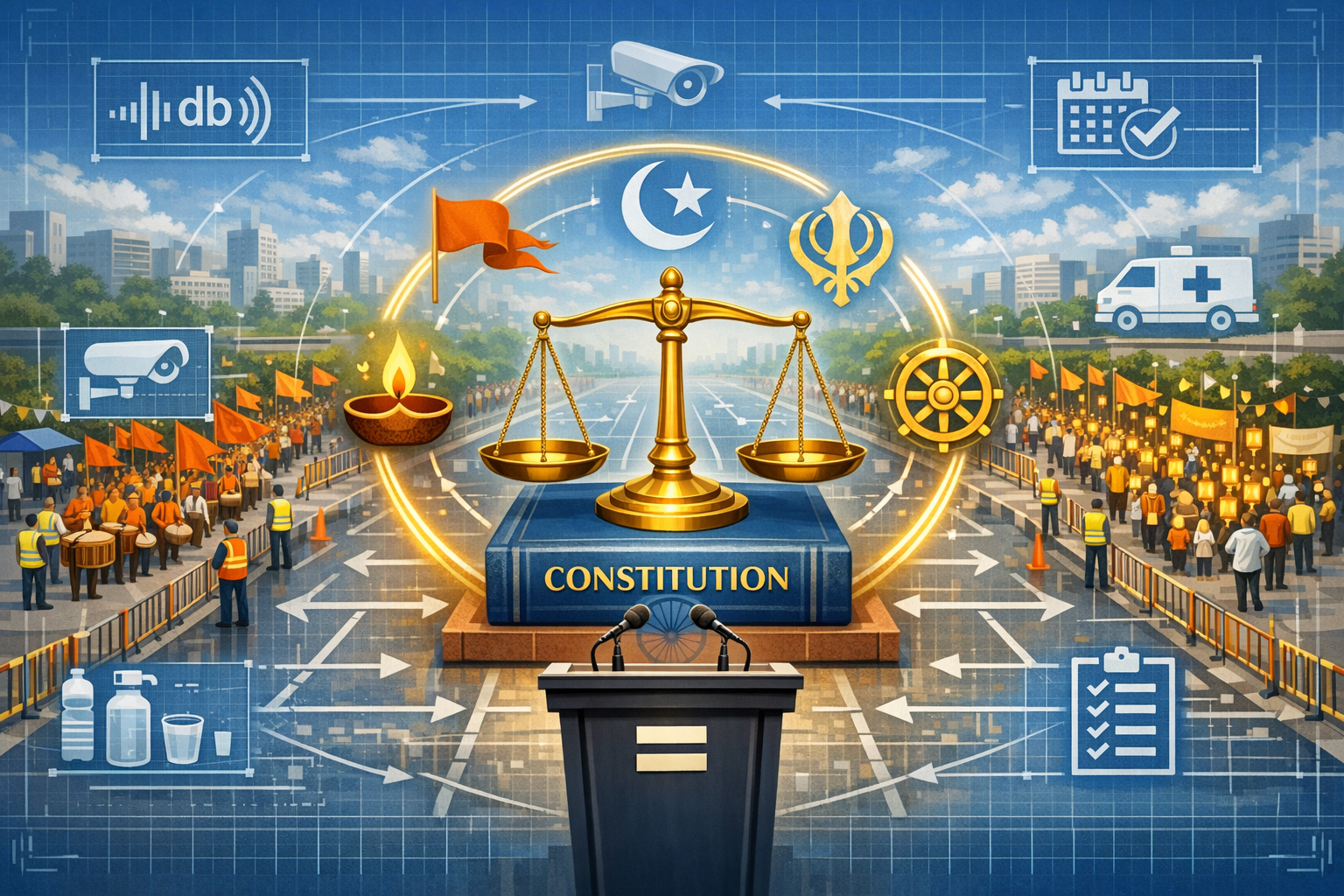
A heated exchange around Ram Navami 2026 and Nitesh Rane’s call for “equal rules” across festivals highlights a core civic challenge: protecting religious freedom while ensuring public order. This analysis maps the constitutional framework (Articles 14 and 25–28), explains content-neutral, time–place–manner regulation, and outlines how parity looks in real operations. It details actionable steps—single-window permissions,…
-
Kashmir’s ₹500 crore lifeline to Iran: community-driven humanitarianism at unprecedented scale

Kashmir’s community networks mobilized more than ₹500 crore (≈ USD 60 million) in humanitarian aid for Iran, combining cash, household gold, and essential items through a region-wide infrastructure of neighborhood collection points and civic associations. The effort reflects a sophisticated blend of moral commitment and logistical discipline, with potential alignment to recognized humanitarian clusters such…
-
Mani Shankar Aiyar’s temple remarks rekindle debate on Indian secularism and Dharmic pluralism

Reported remarks by Mani Shankar Aiyar about not relating to Hindu Dharma and seeing no divinity in temple icons have sparked debate about Indian secularism in a Dharmic society. This analysis distinguishes personal disbelief from public responsibility, showing how language about sacred symbols can affect social harmony. It explains the philosophical basis of murti-puja, prāṇa-pratiṣṭhā,…
-
Stone-pelting mars Ram Navami in several states: patterns, causes, and safeguards for harmony

Clashes and stone-pelting reported during Ram Navami processions highlight a recurring risk pattern that can be managed with foresight and fairness. This analysis explains why disruptions recur, mapping spatial, temporal, informational, and organizational drivers. It details the legal architecture that protects religious freedom while preserving public order, and outlines evidence-informed policing that prevents escalation. Organizers…
-
Char Dham at a Crossroads: ‘Panchgavya’ at Gangotri and the High‑Stakes Debate on Entry Norms

As Char Dham Yatra 2026 nears, this analysis examines reports that the Gangotri Temple Committee may incorporate ‘Panchgavya’ into reopening rites, while debates on entry norms intensify across the Himalayan corridor. It explains the ritual and symbolic logic of Panchgavya within Hindu practice and outlines modern governance measures for ethical sourcing, hygiene, and ecological safeguards.…