
-
Bridging God and Science: Vaishnava Sāṅkhya’s Insights for Christian Theologies of Nature

This essay explores how Christian models of divine action engage modern science and shows how the theistic Sāṅkhya of the Bhagavata Purana (Srimad-Bhagavatam) deepens that conversation. It clarifies primary and secondary causation, non-interventionist action, and kenotic/panentheistic intuitions in light of Vaishnava metaphysics. By mapping guṇa-based regularities to scientific laws and explaining non-physical causation through the…
-
Ahilyanagar Ganga Udyan Namaz row: safeguarding religious freedom, public order, harmony
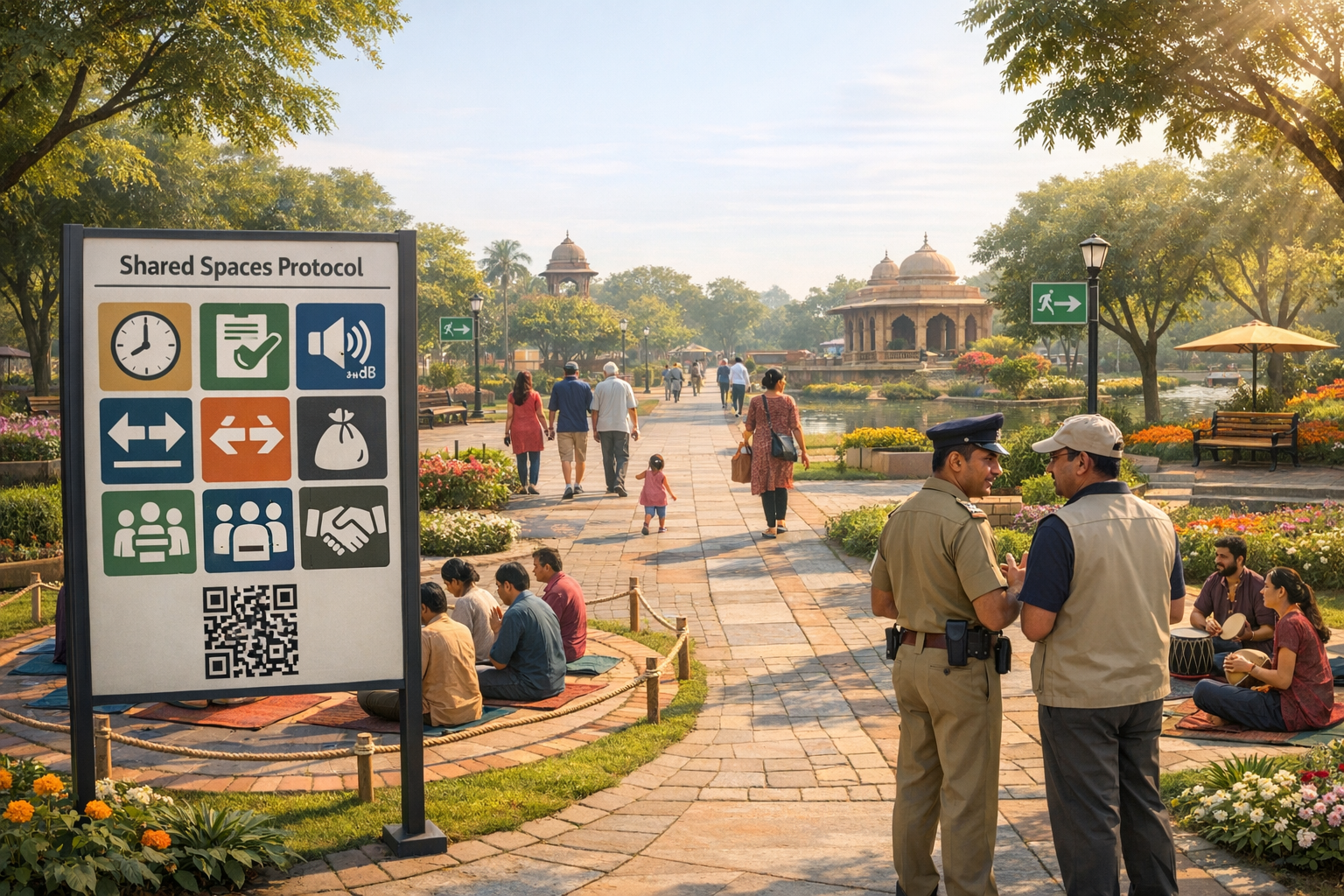
Reports of collective Namaz at Ganga Udyan in Ahilyanagar sparked protests by local Hindu organisations and criticism from MLA Shri. Sangram Jagtap over administrative handling. This analysis explains how Article 25 protects religious freedom while allowing neutral, time-place-manner regulation to uphold public order and equitable access to parks. It outlines applicable frameworksstate police permissions, municipal…
-
Gaighata Wall Dispute Resolved: Decisive Police Mediation Restores Calm After Deity-Image Row
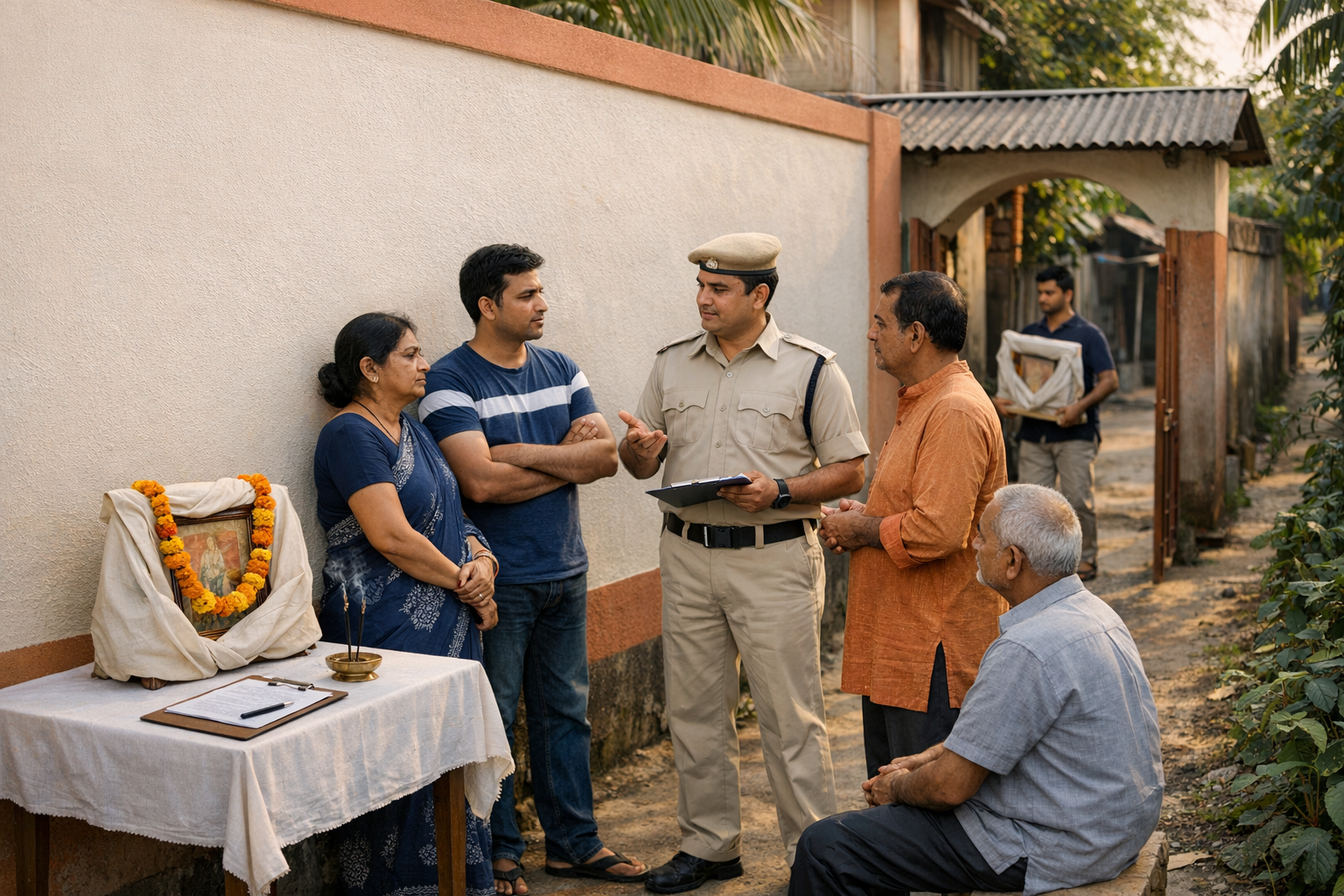
A brief dispute in Gaighata, North 24 Parganas, over deity images on a street-facing wall was peacefully resolved through police mediation, with the resident voluntarily removing the images. The episode highlights how constitutional rights under Article 25 and Article 19 intersect with public-order concerns and municipal rules. It demonstrates why community policinglistening sessions, neutral venues,…
-
Sant Kabir’s Enduring Bridge: How Nirgun Bhakti Shaped Sikh Thought and Dharmic Unity

Sant Kabir’s nirgun devotion offers a rigorous, unifying grammar for Bhakti and Sikh thought, anchoring spiritual life in naam, ethical conduct, and interior transformation. Set in fifteenth–sixteenth-century North India, his bani engages Vaishnava Bhakti, Sufi mysticism, and the Upanishadic, Jain, and Buddhist legacies without erasing real doctrinal distinctions. The Guru Granth Sahib’s inclusion of Kabir’s…
-
Watering the Tree of Love: Seeing Sri Krishna in Every Heart and Practicing Universal Compassion

True bhakti cannot be confined to temple walls; it must recognize Sri Krishna in every heart. Drawing on the Bhagavad-gita and the Bhagavata Purana, this article clarifies the famous “water the root, nourish the leaves” metaphor and its limits, showing why neglecting people while worshipping the Divine renders devotion spiritually ineffective. It integrates Lord Kapiladeva’s…
-
Allegations at Wipro Pune ignite debate on religious bias: law, due process, and inclusive fixes

Allegations of religion-based harassment at a Wipro campus in Hinjawadi, Punefollowing earlier controversies in Nashik and Mumbaihave reignited an urgent discussion on how Indian workplaces manage belief and difference. This analysis clarifies what constitutes religious harassment, explains the Indian legal and corporate governance context, and outlines due-process investigations that protect all parties. It highlights data…
-
Narayanpet, Telangana Tragedy: Seeking Justice, Safety, and Communal Harmony After a Teen’s Death

On 2 June 2026, a teenage girl’s death in Narayanpet, Telangana triggered grief, protests, and a swirl of allegations. This analysis separates facts from speculation, explains the applicable legal framework (including Section 306 IPC, POCSO, and cyber-abuse provisions), and outlines best-practice investigative steps that build public trust. It highlights WHO- and Press Council–aligned guidance for…
-
Detentions at Durgadi Fort: Kalyan’s Temple Access vs Eid PrayersA Test of Harmony

Police detained several Shiv Sena and allied Hindu organization workers during a Ghantanad protest near Kalyan’s Durgadi Fort after demonstrators opposed temporary restrictions on access to Shri Durgadevi Temple during Eid prayers. The episode highlights India’s constitutional balance between Freedom of worship (Articles 25–26) and public order, underscoring the need for proportional, time-bound, and non-discriminatory…
-
Krishna Katha at ISKCON Silicon Valley: Radhanath Swami on Nāma, Kīrtana, and Inner Resilience
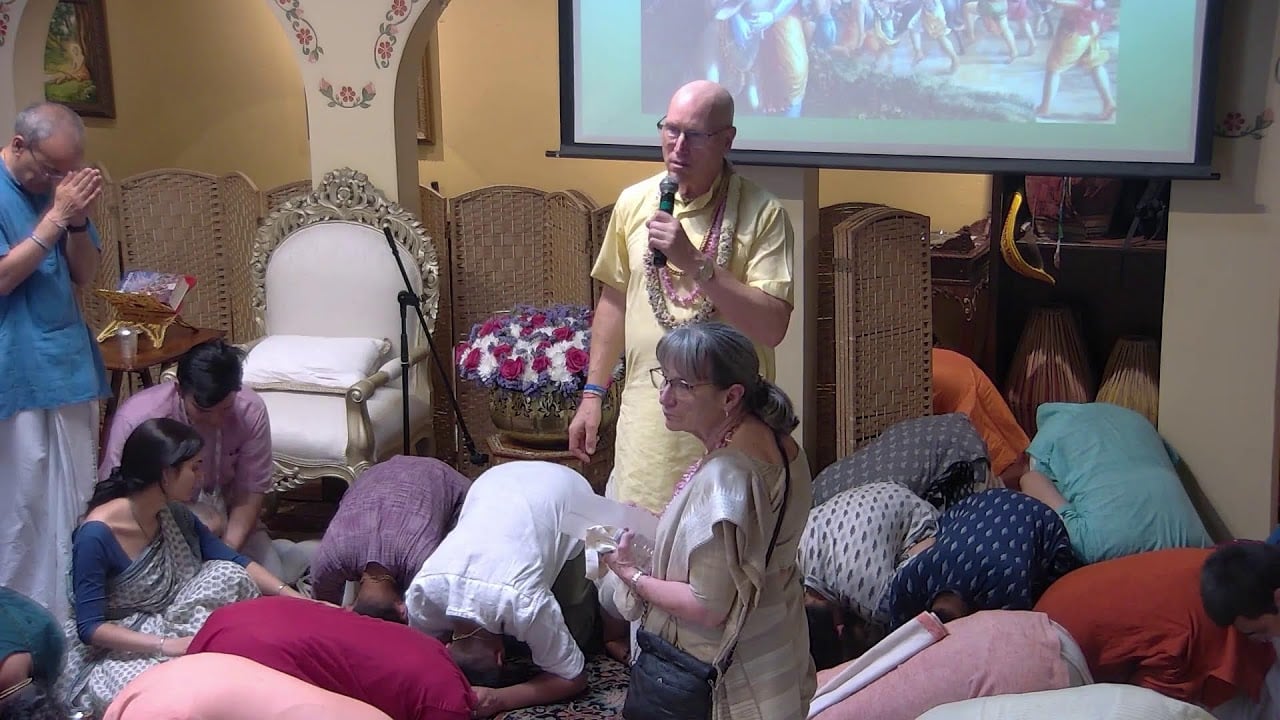
A Krishna Katha by H.H. Radhanath Swami at ISKCON Silicon Valley (31 May 2026) explored why hearing (śravaṇa) and chanting (kīrtana) of Krishna’s names and teachings constitute the methodological core of bhakti-yoga. Grounded in Bhagavad-Gita and Srimad Bhagavatham, the session presented nāma-sankīrtana as a rigorous, repeatable practice for clarity, steadiness, and ethical purpose. It outlined…
-
Safeguarding teens in Noida: School hosts vital session on interfaith awareness, consent, cyber safety

A Noida school hosted a student-safety awareness sessiondescribed in public discourse as a lecture on ‘Love Jihad’attended by nearly 100 students. The programme reframed the topic through a safeguarding lens that emphasized consent education, cyber safety, and legal literacy without stereotyping any community. Students learned how to recognize coercive red flags, protect privacy online, and…
-
SBI Harassment Allegations in Mumbai: Safeguarding Staff, Due Process, and Interfaith Harmony

Amid online claims about an alleged coercion and intimidation case involving an SBI employee in Mumbai, this analysis reframes the conversation around law, employee safety, and interfaith harmony. It explains the POSH Act 2013, outlines relevant IPC and IT Act provisions, and clarifies procedural routes through Internal Committees, police, and the cybercrime portal. It offers…
-
‘Gokul’ Dairy’s Halal Certification Explained: Facts, Fears, and a Roadmap to Harmony

A measured look at “Gokul” dairy’s Halal certification separates fact from speculation and explains what Halal entails in dairy: ingredient vetting, cross-contact controls, and documentation layered over FSSAI and green‑dot mandates. It clarifies why cooperatives seek such certification for export or tender-led business and notes that staples like milk, ghee, and curd generally remain unchanged…
-
USCIRF, Diaspora Campaigns and Hindutva: How Overseas Targeting Imperils Dharmic Unity

Uttarakhand BJP leader Mahendra Bhatt’s description of perceived overseas targeting of Hindutva voices via USCIRF highlights a wider challenge: how global advocacy, media narratives, and diaspora life intersect. This analysis explains USCIRF’s mandate, clarifies the distinction between Hinduism and Hindutva, and shows how labels can migrate from policy briefs to classrooms and workplaces. It grounds…
-
Overcoming Egoism and Lethargy in Kali-Yuga: Bhagavad Gita Guidance for Humility and Seva

Egoism and lethargy are two subtle forces that derail spiritual progress in Kali-Yuga. Drawing on Bhagavad Gita teachings and parallel insights from Buddhism, Jainism, and Sikhism, this article explains how false ego (ahankara) reframes practice around I and mine, while tamasic inertia fosters delay and neglect. It then offers an integrated, practical program that combines…
-
Pride Is Not Supremacy: Debunking Smears‑by‑Association Against Hindu American Communities

This evidence-driven analysis explains why smears-by-association misrepresent Hindu American community life and fuel Hinduphobia. It clarifies the difference between heritage and ideology, showing how family ties, youth camps, and diaspora networks are normal civic features, not pipelines to extremism. Readers learn practical standards for ethical journalismquote the person, document conduct, triangulate recordsand how these protect…
-
Mira Road on Edge Before Bakri Eid: Urgent Call for Dialogue, Lawful, Humane Solutions

Ahead of Bakri Eid (Eid-ul-Aazha), Mira Road faces rising tensions over temporary goat sheds and the prospect of public sacrifice in housing societies. This article maps the legal and civic terraincovering constitutional protections, municipal by-laws, animal welfare norms, and housing society ruleswhile offering a practical, peace-first roadmap. It argues against provocative counter-actions, including introducing pigs…
-
Bhai Kanhaiya Ji: Sevapanthi Saint Who Healed Friend and Foe, Inspiring Interfaith Unity

Bhai Kanhaiya Ji (1648–1718) is revered in Sikh history for serving water and aid to all the woundedfriend and foeduring the battles around Anandpur Sahib, earning explicit endorsement from Guru Gobind Singh. His example seeded the Sevapanthi tradition, which institutionalized non-sectarian seva through hospices, piyaus, and relief networks. This essay situates his life within the…
-
At Bhojshala After MP High Court Order: Uninterrupted Hindu Worship and a Call for Harmony
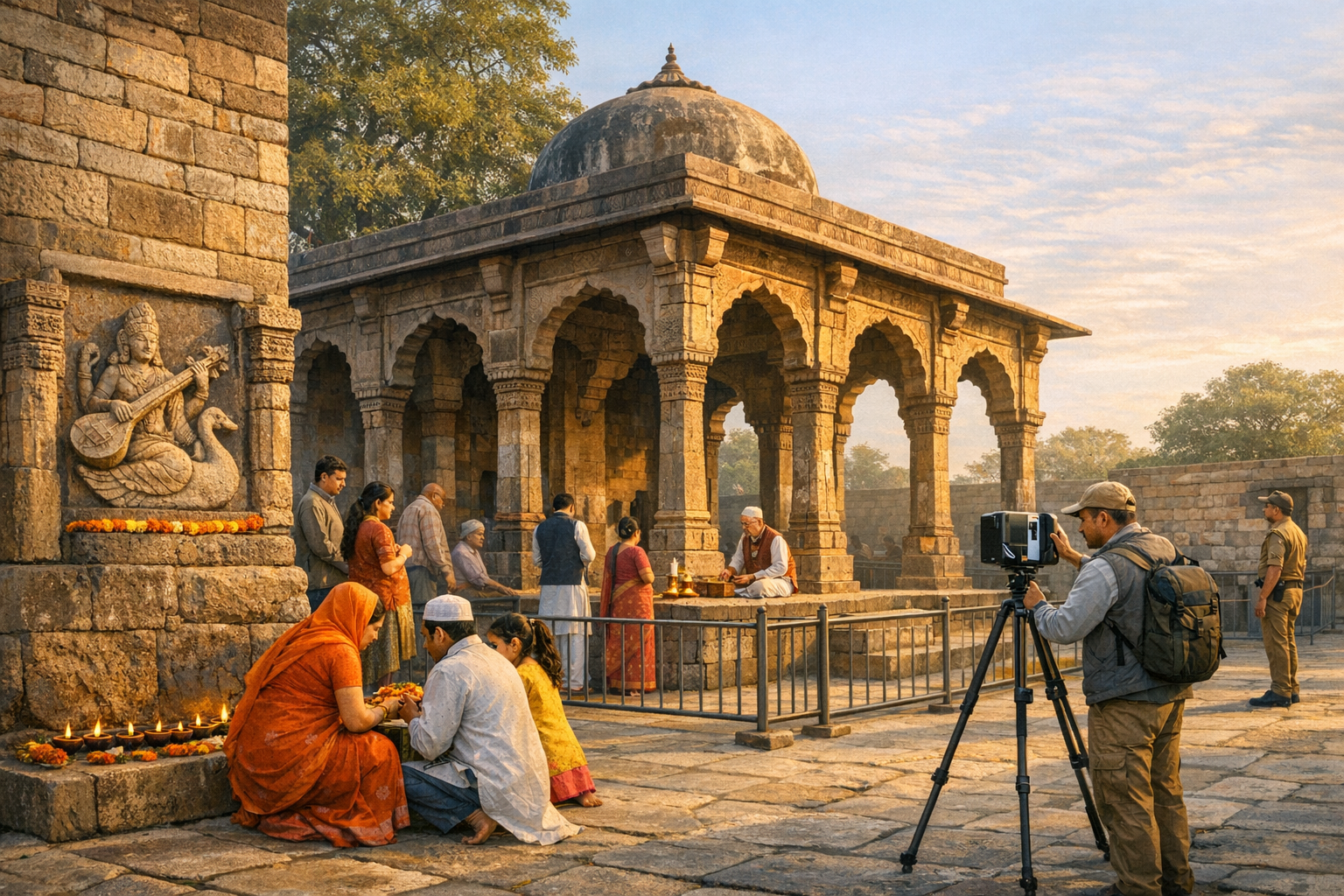
Following the Madhya Pradesh High Court’s directives, Bhojshala in Dhar hosted uninterrupted Hindu worship on the first Friday after the order, while Friday namaz did not occur at the monument that day, according to official reports. This analysis explains why the moment is significant, distinguishing symbolic claims (such as “700 years”) from verifiable chronology. It…
-
Sadhu Sanga 2026 Day 3: Immersive Kirtan, Dharmic Unity, and Practical Sadhana Framework
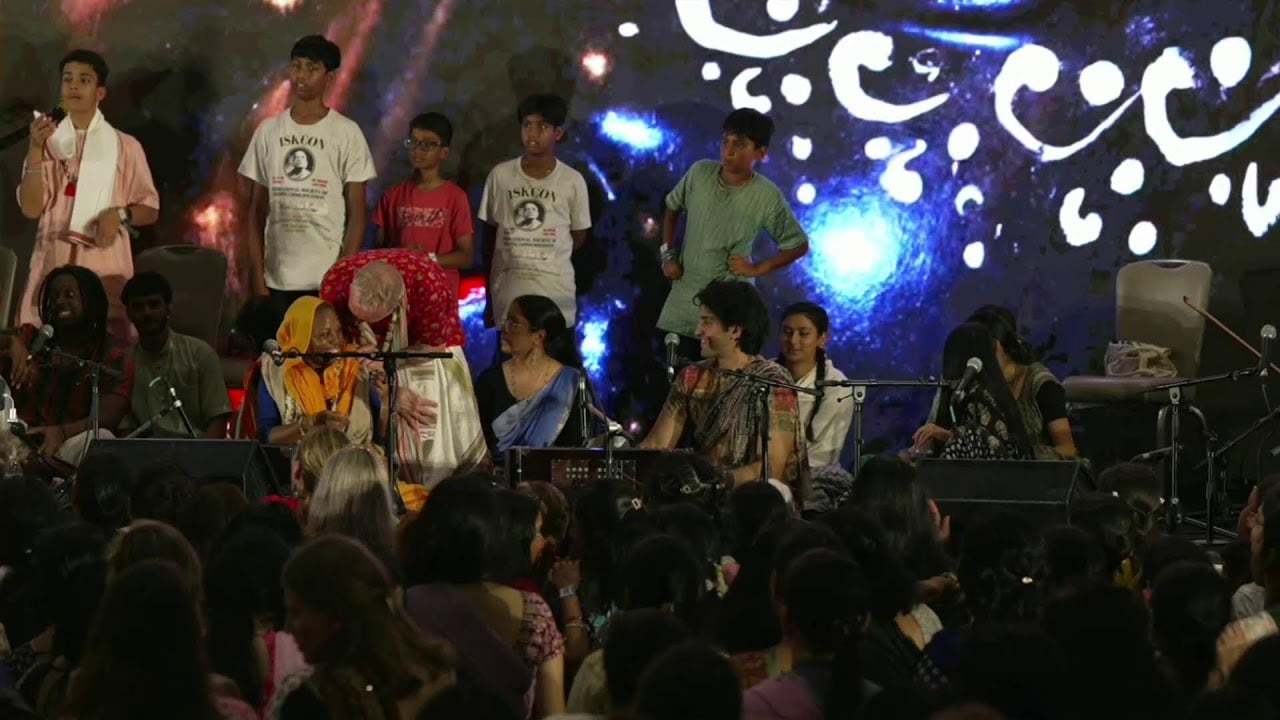
Day 3 of Sadhu Sanga 2026 distilled multi-day practice into a clear, actionable sadhana framework rooted in kirtan, nama-japa, scripture, and seva. It clarified how sadhu-sanga in the Bhakti Tradition intersects meaningfully with Buddhist Sangha, Jain samayik, and Sikh sangat, strengthening unity in spiritual diversity. The analysis explains the musical and acoustic architecture of kirtan…
-
2026 Sadhu Sanga Day 1: Transformative Kirtan, Deep Bhakti, and Dharmic Unity Insights
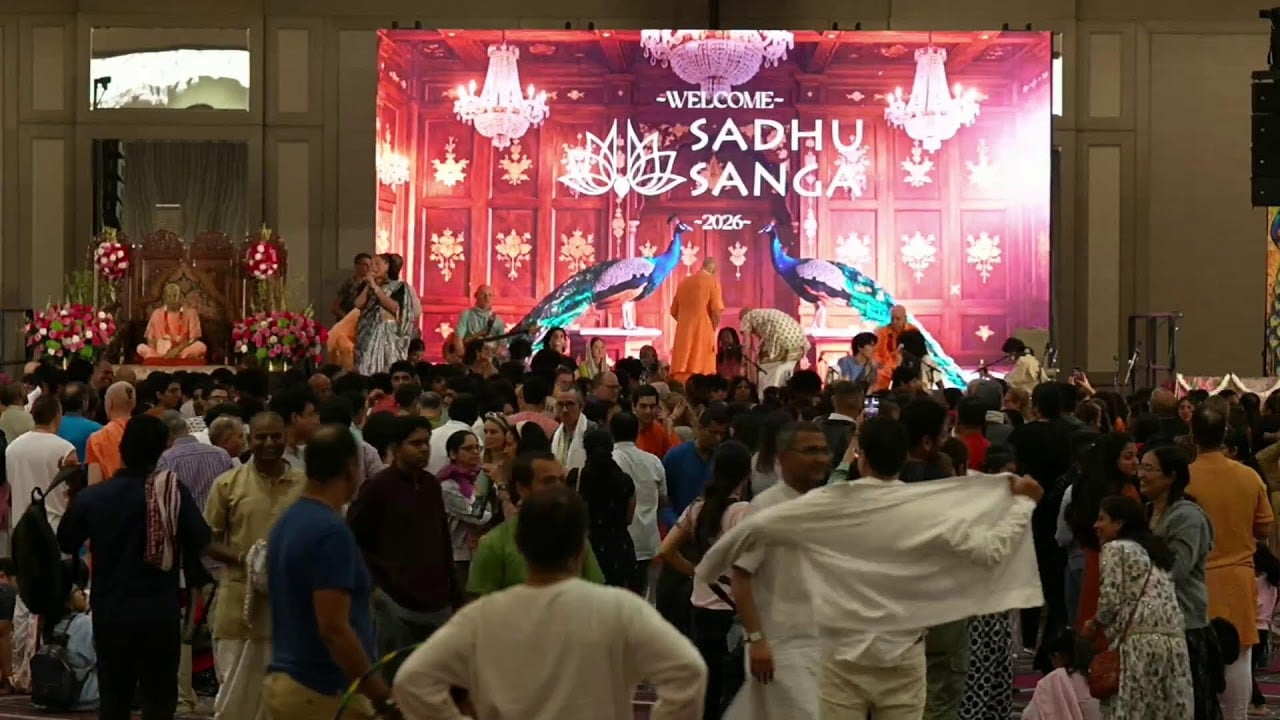
2026 Sadhu Sanga – Day 1 establishes a clear, practice-centered foundation for the retreat by combining immersive kirtan, structured japa, and scriptural framing from Bhagavad-gita and Śrīmad-Bhāgavatam. The opening day focuses on sādhu-saṅgauplifting associationas a catalyst for devotion and ethical conduct. Participants benefit from accessible orientation, inclusive spaces, and community norms that translate humility and…