
-
Lotus of Wisdom in Durga’s Hand: Padma, Shakti, and the Defeat of Mahishasura
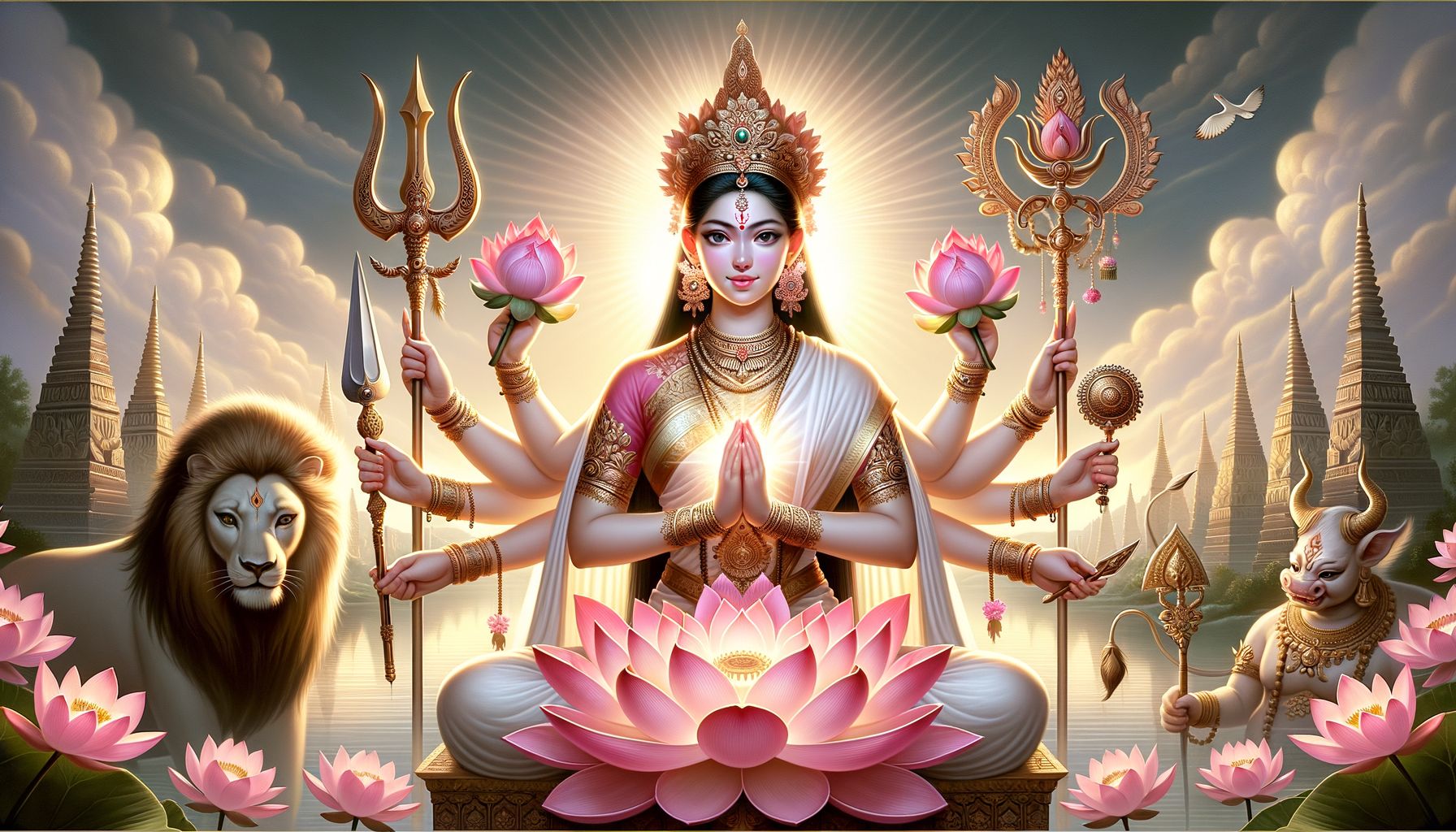
Goddess Durga’s Padma (lotus) in the Devi Mahatmya is more than ornamentit is a compass of consciousness guiding Shakti’s righteous action against Mahishasura. The lotus’s rise from mud to light illustrates clarity amidst chaos and courage tempered by wisdom. Across Hinduism, Buddhism, Jainism, and Sikhism, the shared lotus motif promotes unity, detachment, and compassionate awareness.…
-
Mahamaya’s Triumphant Illusion: How Adi Shakti Humbled Madhu-Kaitabha and Ego
The Devi Mahatmyam’s account of Mahamaya and the defeat of Madhu–Kaitabha illuminates how Adi Shakti restores balance when arrogance threatens creation. The narrative shows Maya as both veil and revealer, empowering discernment (viveka) and humility over ego. Readers gain a clear retelling of the episode, a careful unpacking of Hindu symbolism, and practical ways to…
-
Kapalini Kali Symbolism Decoded: The Skull-Bearer’s Fierce Compassion and Inner Freedom

Kapalini, the Skull-Bearer form of Goddess Kali, is more than a fearsome image; it is a rigorous teaching on impermanence, ego-transcendence, and compassion. The kapala (skull-cup) symbolizes the power to receive and transform fear, while the mundamala (garland of heads) gestures to the Sanskrit varnamala and the severing of ignorance. Read in context, these symbols…
-
Ekajata’s Single Braid: Powerful Symbolism of Focus, Protection, and Supreme Consciousness
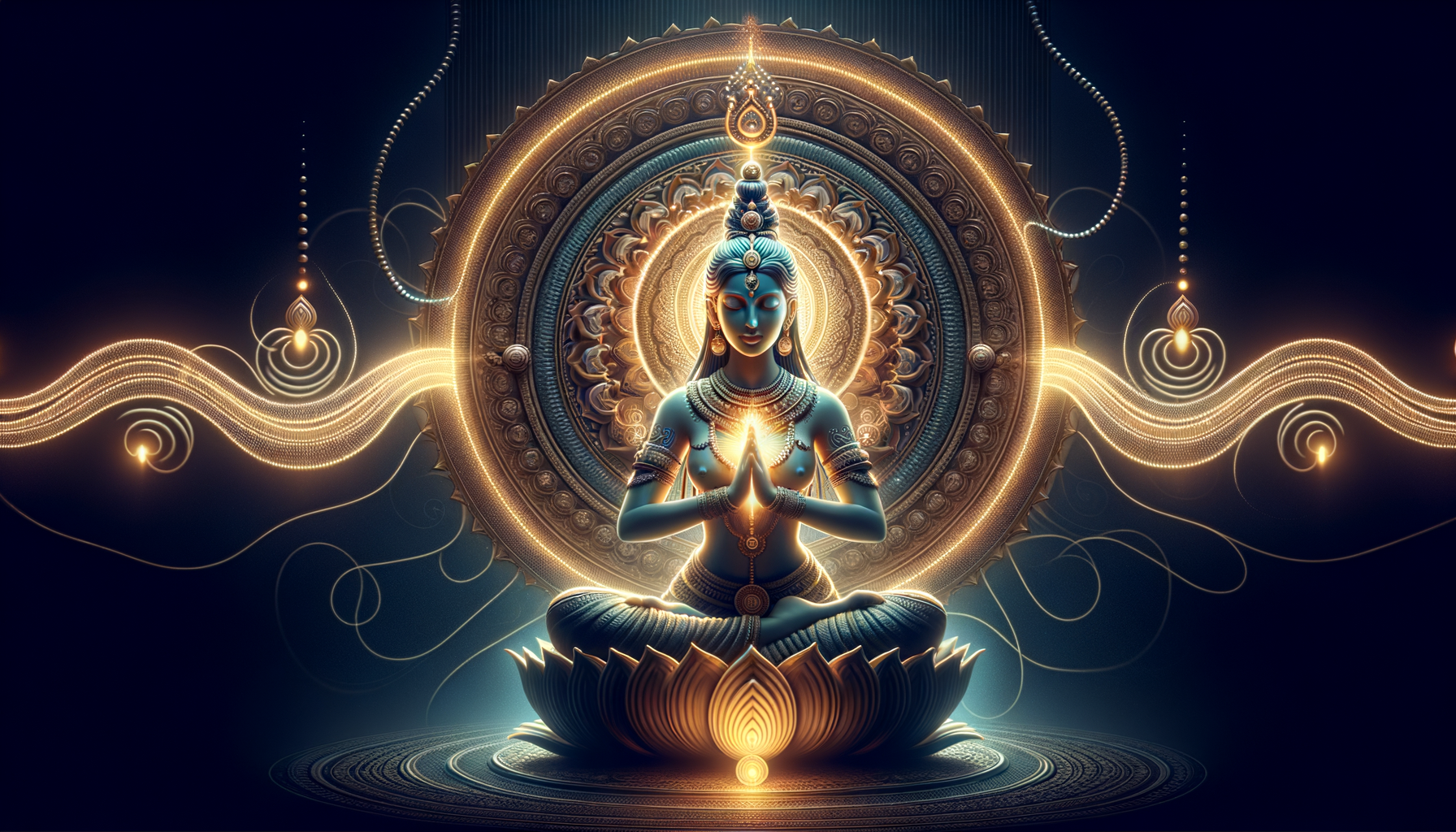
Goddess Ekajata’s single braid is a concentrated teaching in Hindu Tantra: a symbol of supreme consciousness, one-pointed focus (ekagrata), and vigilant spiritual protection. Read as Tantric anatomy, it reflects the unification of ida and pingala within the sushumna nadi, supporting sustained dhyana and the ascent of Kundalini. The braid’s tightly bound form evokes vows, secrecy,…
-
Hindu Gods and Their Vahanas: Timeless Symbolism, Deeper Meaning, and Dharma in Daily Life
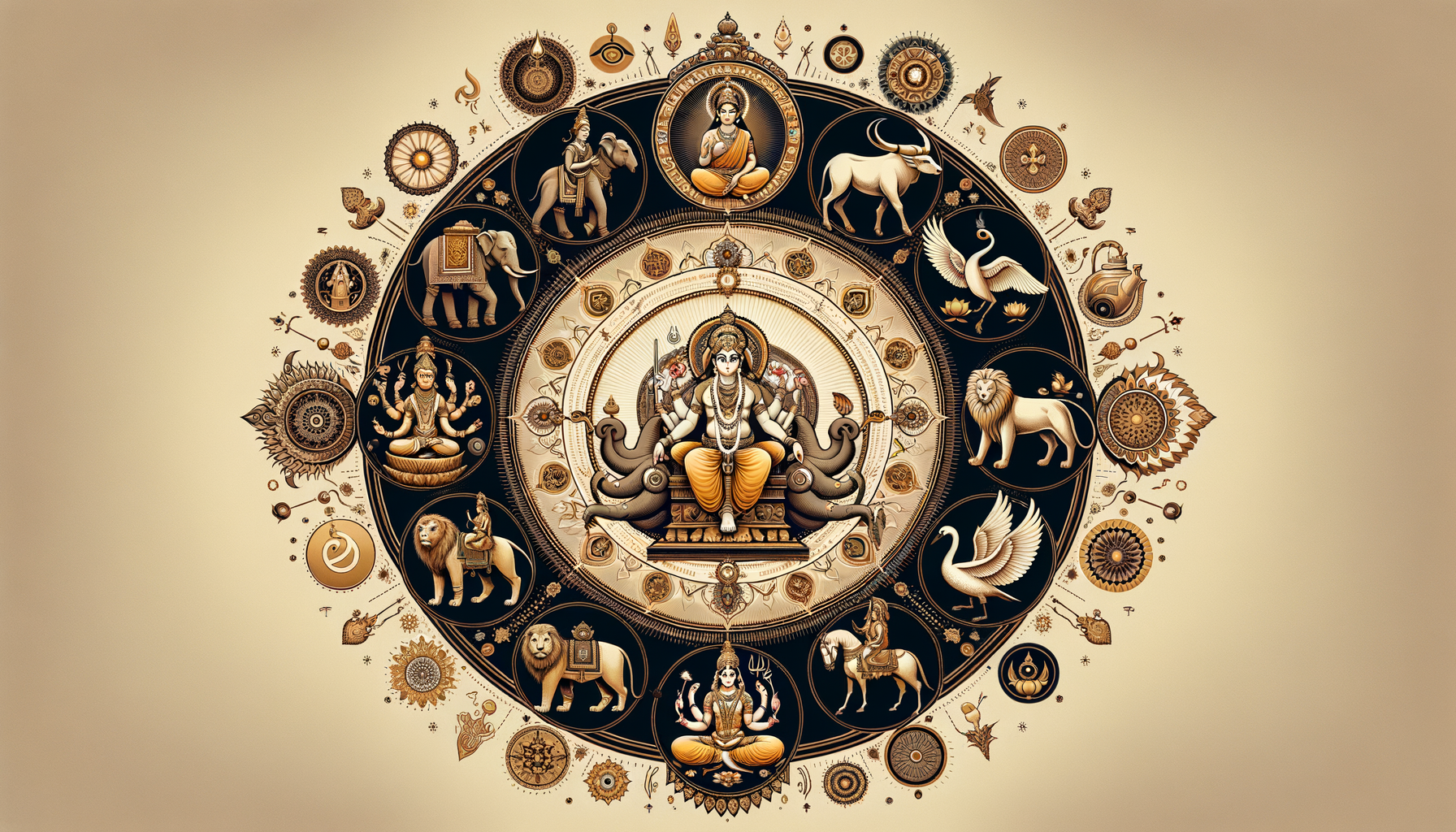
The vahanas (vehicles) of Hindu gods are not literal transport but layered symbols that teach ethics, ecology, and inner balance. Each deity–vahana pairing encodes a virtue to cultivate and an impulse to master, turning metaphysical insight into daily practice. Ganesha’s mouse models focused intellect; Shiva’s Nandi, disciplined strength; Vishnu’s Garuda, protective clarity; Durga’s lion or…
-
Severed Head of Daksha: Powerful Symbolism of Ego, Humility, and Sacred Reconciliation
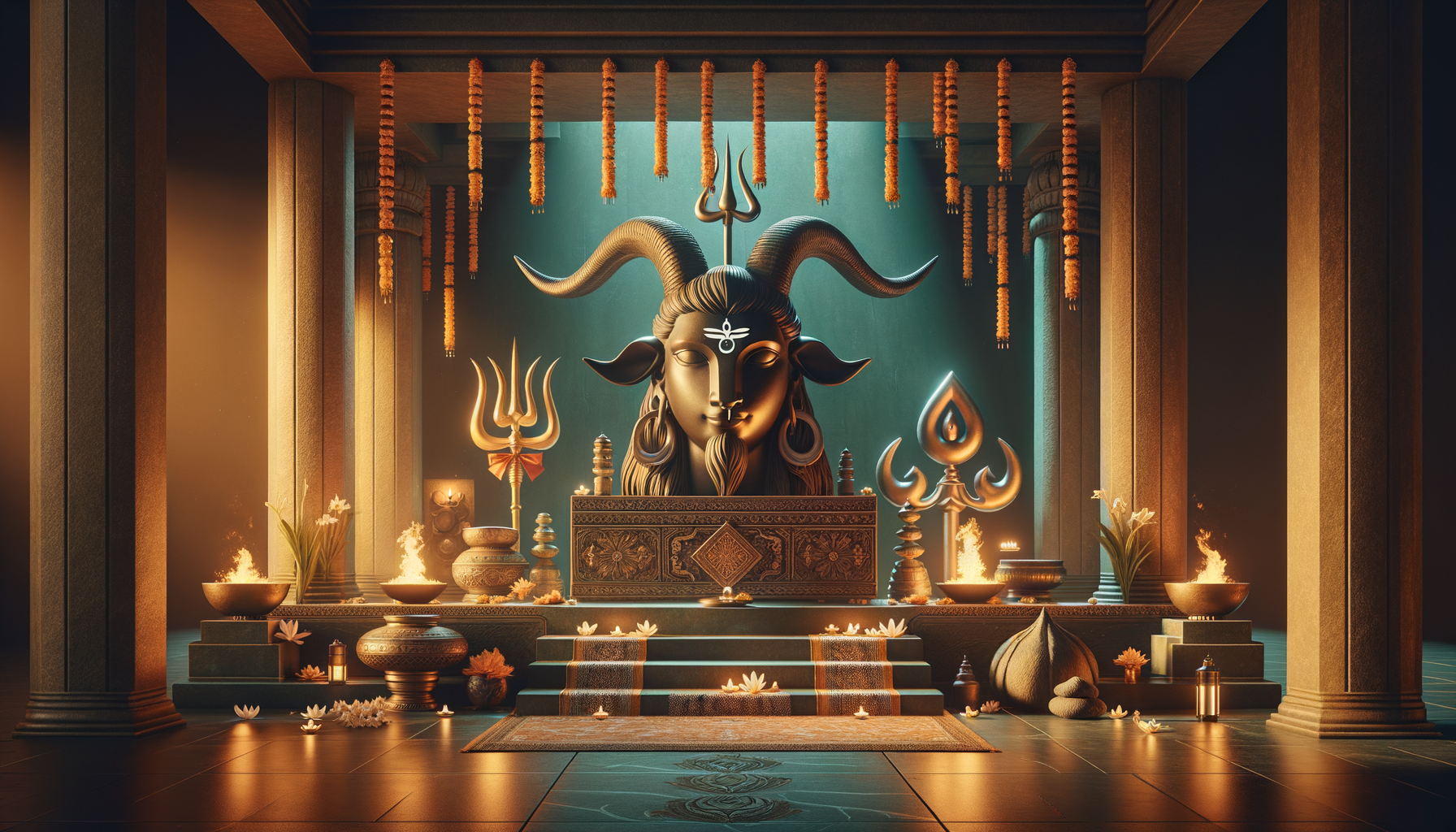
This analysis examines the Daksha Yajna narrative to explain why the severed head of Daksha endures as a powerful Hindu symbol of ego-transformation and humility. It clarifies how the head signifies pride cut away and how the goat’s head marks renewed, service-oriented understanding. The discussion connects ritual and devotion, showing that intention and reverence outweigh…
-
Six-Armed Dhanalakshmi Decoded: Powerful Symbols of Fearlessness, Prosperity, and Dharma
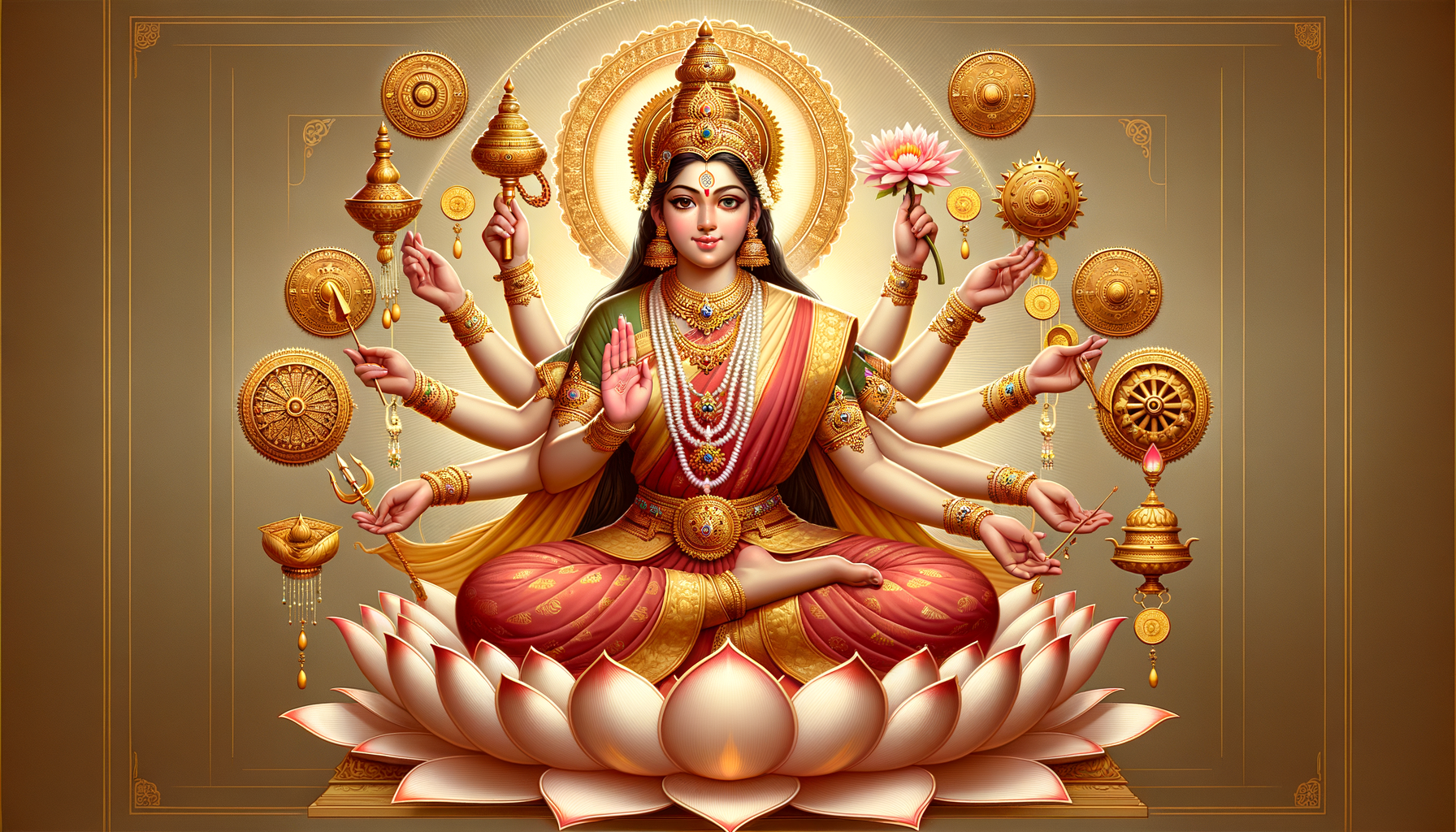
This article clarifies the two principal iconographic forms of Dhanalakshmifour-armed and six-armedand decodes the meaning of each sacred attribute. Readers learn how the chakra, padma, shankha, kalasha, bow and arrow, and abhaya mudra together convey prosperity grounded in dharma. The discussion highlights practical applications: ethical earning, mindful use of resources, and generosity. It also connects…
-
Kali Yantra Unveiled: Sacred Geometry, Bindu Power, and the Living Symbolism of Shakti
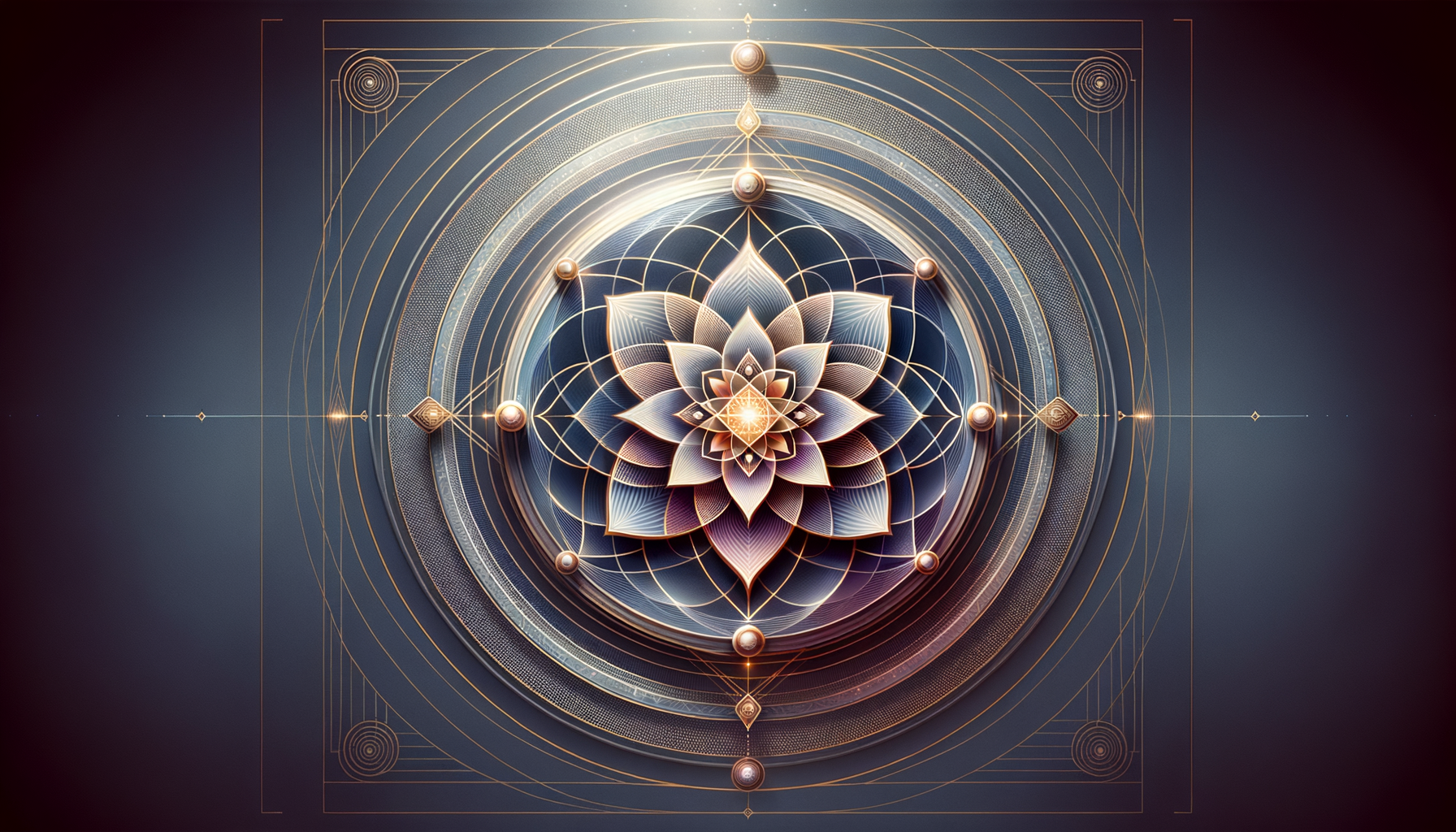
The Kali Yantra presents a precise map of sacred geometrysquare, circles, lotus petals, triangles, and a central binduguiding attention from multiplicity to unity. The bindu functions as a powerful focal point that many practitioners experience as a gateway to calm, clarity, and compassion. Each geometric form carries layered symbolism: the bhupura stabilizes, circles harmonize, lotus…
-
Panchamundi Asana Symbolism: The Goddess’s Awe-Inspiring Throne and the Triumph Over Human Limits

The Panchamundi AsanaGoddess Kali or Durga seated upon five skullsfunctions as a precise Tantric statement about transcendence in Hindu temples. The five can represent senses, elements, sheaths, or afflictions, each pointing to mastery of inner limitations. Rather than glorifying death, the icon uses mortality as a mirror that cultivates fearlessness, clarity, and compassion. The symbolism…
-
Kali’s Fearless Sword: Symbolism that Cuts Ignorance and Awakens Dharmic Wisdom
Goddess Kali’s sword (kripana) symbolizes the discerning power that cuts through avidya while illuminating jnana, transforming a seemingly fearsome image into a compassionate guide to freedom. The severed head (chinnamunda) represents the surrender of constricting ego and the release of fear-driven patterns. Her right-hand mudrasabhaya and varadaassure protection and grace, balancing courage with compassion. Read…
-
Hamsa in Hinduism: Sacred Swan Symbolism and the Vahana of Saraswati, Brahma, Gayatri, Vishwakarma

The hamsa (swan) holds a sacred place in Hindu scriptures and iconography, especially as the vahana of Saraswati, Brahma, Gayatri, and Vishwakarma. Legends situate divine swans in the Himalayan ranges and at Manasarovar Lake, where they signify purity and transcendence. As a symbol of viveka (discriminative wisdom), the hamsa aligns naturally with learning, truthful speech,…
-
Tarapith’s Maha Smasan: Where Goddess Tara Dwells and Tantric Sadhana Transforms Fear

Tarapith’s Maha Smasan in Bengal is revered in Shakta Tantra as a transformative sacred space where impermanence is faced and fear yields to wisdom. The cremation ground complements the temple’s compassionate iconography of Goddess Tara, offering a complete pedagogy of tenderness and fearlessness. Historically associated with Bamakhepa’s sadhana, the site illustrates the synthesis of devotion…
-
Goddess Tara at Tarapith: Decoding the Divine Symbolism of the Twin Murti Forms

Tarapith Temple in West Bengal venerates Goddess Tara through two complementary imagesan aniconic essence and an anthropomorphic Murtioffering a layered experience of darshan. The maternal icon of Tara nursing the infant Shiva symbolizes compassionate wisdom sustaining consciousness. Cremation ground motifs and skull garlands invite reflection on impermanence and fearlessness, common themes in Shakta Tantra. Rituals…
-
Daivatha Linga: Unveiling Shiva’s Sacred Emblem and the Universe’s Return to Source

This article explores the Daivatha Linga as the consecrated heart of Shiva temples and a profound symbol of the Supreme Powersummarized by “liyate asmin iti lingah.” It clarifies the difference between chala (movable) and achala (immovable) lingas and explains how prana-pratishtha and abhisheka shape temple worship. Readers gain a clear view of the linga’s philosophical…
-
From Trishul to Pinaka: Unveiling Shiva’s Supreme Weapon and Its Sacred Evolution
This essay explores the sacred relationship between Shiva’s Trishul and Pinaka as complementary symbols of transformation and protection. It shows how the Trishul dissolves ignorance and disorder, while Pinaka channels disciplined force to safeguard dharma. Drawing on Puranic and epic references, including the famed episode of the Śiva Dhanush in the Rāmāyaṇa, it highlights how…
-
Decoding Shiva’s Timeless Jata Mukuta: Kaumudi, Kapala, Sarpa and Dharmic Unity
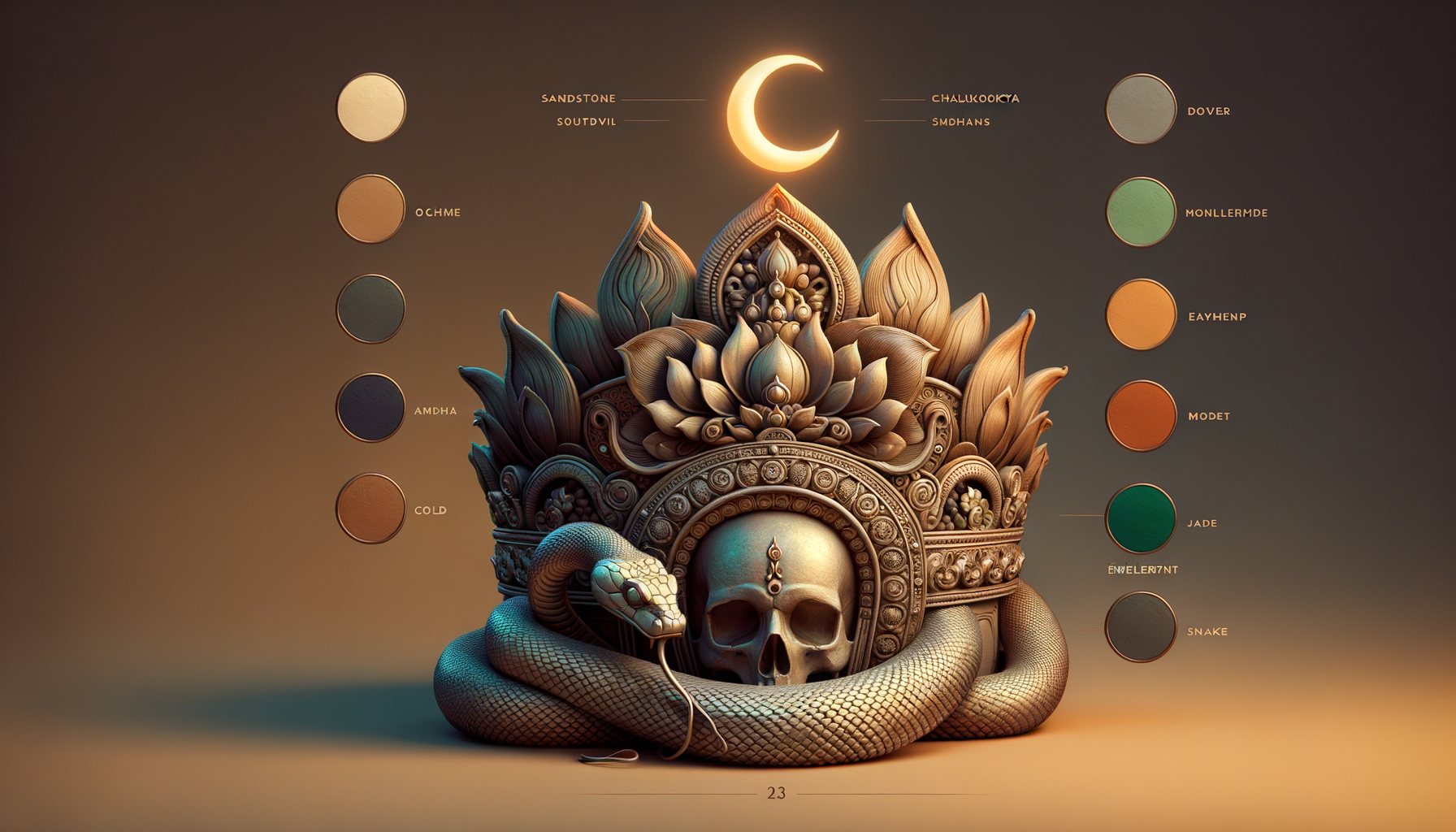
Shiva’s Jata Mukuta, adorned with Kaumudi – Kapala – Sarpa, distills a deep program for inner clarity, ethical grounding, and courageous transformation. The crescent moon cools the mind and aligns attention to nature’s rhythms; the skull teaches humility through impermanence; the serpent awakens vigilant, protective awareness. Early Chalukya sculptures at Badami preserve this iconographic triad…
-
Chilling Symbolism of Asipatra: The Sword-Leaf Forest and Dharma’s Call to Compassion

The Asipatra or sword-leaf forest is a powerful Purāṇic symbol that dramatizes the consequences of harmful actions and the neglect of dharma. Rather than a literal geography of the afterlife, it functions as a moral pedagogy illustrating ethical cause and effect. Readers gain a clear understanding of how the image aligns with ahimsa, satya, and…
-
Narayana and the Waters of Creation: Profound Symbolism, Etymology, and Shiva Purana Insights

This article explores Narayana as a symbol of creation through water, uniting Sanskrit etymology, Hindu symbolism, and Puranic cosmology. It explains how the roots “nara” (water) and “ayana” (abode) reveal a precise theological insight anchored in the Shiva Purana (2.1.6). Readers gain a clear view of Vishnu iconography and Kshira Sagara as metaphors for potentiality…
-
Varuna’s Pasha Unveiled: How the Celestial Noose Sustains Dharma and Cosmic Order

Varuna’s pasha, the sacred rope, symbolizes the bonds that sustain dharma and cosmic order in Vedic thought. Far from punitive, it represents restorative justice: transgression entangles, truth and repentance release. The symbol extends to the natural world, where cycles of rain, rivers, and seasons reveal a universe held together by relation. Ethically, the pasha calls…