
-
Straight Trunk Ganesha: Profound Symbolism, Yogic Meaning, and Life‑Enhancing Benefits
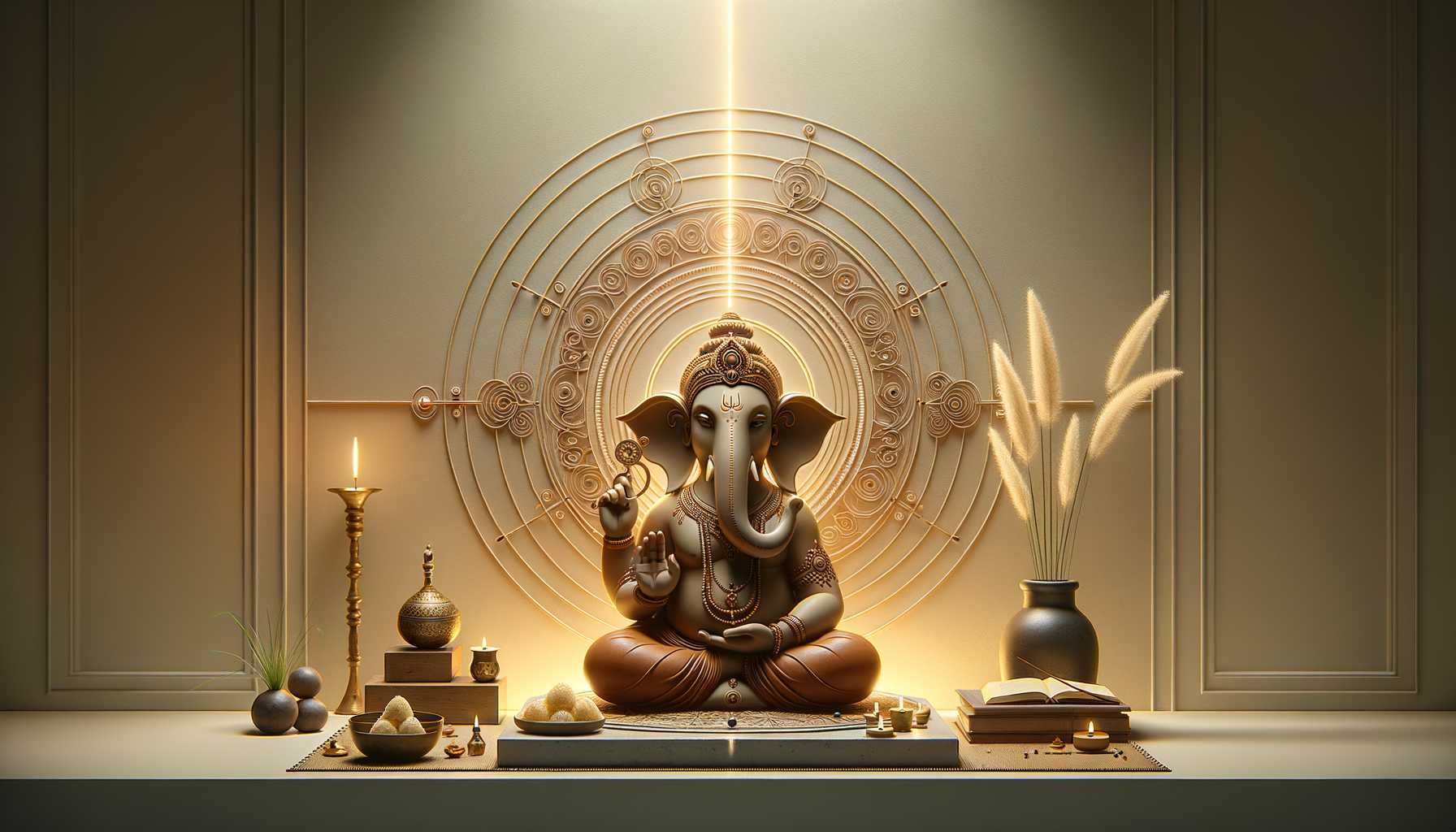
The straight-trunk form of Shri Ganesha symbolizes yogic balance, evoking the sushumna nadi and the transcendence of duality through dhyana. Traditionally associated with sattva and inner clarity, this rare depiction supports focused study, calm decision-making, and steady spiritual practice. Devotees value it for harmonizing everyday responsibilities with inner stillness, reinforcing ethical living and compassionate action.…
-
Chunri and Coconut Offerings: Unveiling the Sacred Symbolism in Devi Worship

The offering of chundri (red cloth) and coconut to the Divine Mother is a profound, living tradition in Hindu worship, especially across northern and western India. The chunri embodies Devi’s protective shakti and auspicious energy, while the coconut (shriphal) represents purity, completeness, and the softening of ego. Together they guide devotees from ritual form to…
-
Vel of Murugan: Unlocking Inner Clarity, Courage, and the Compassionate Slaying of Ego
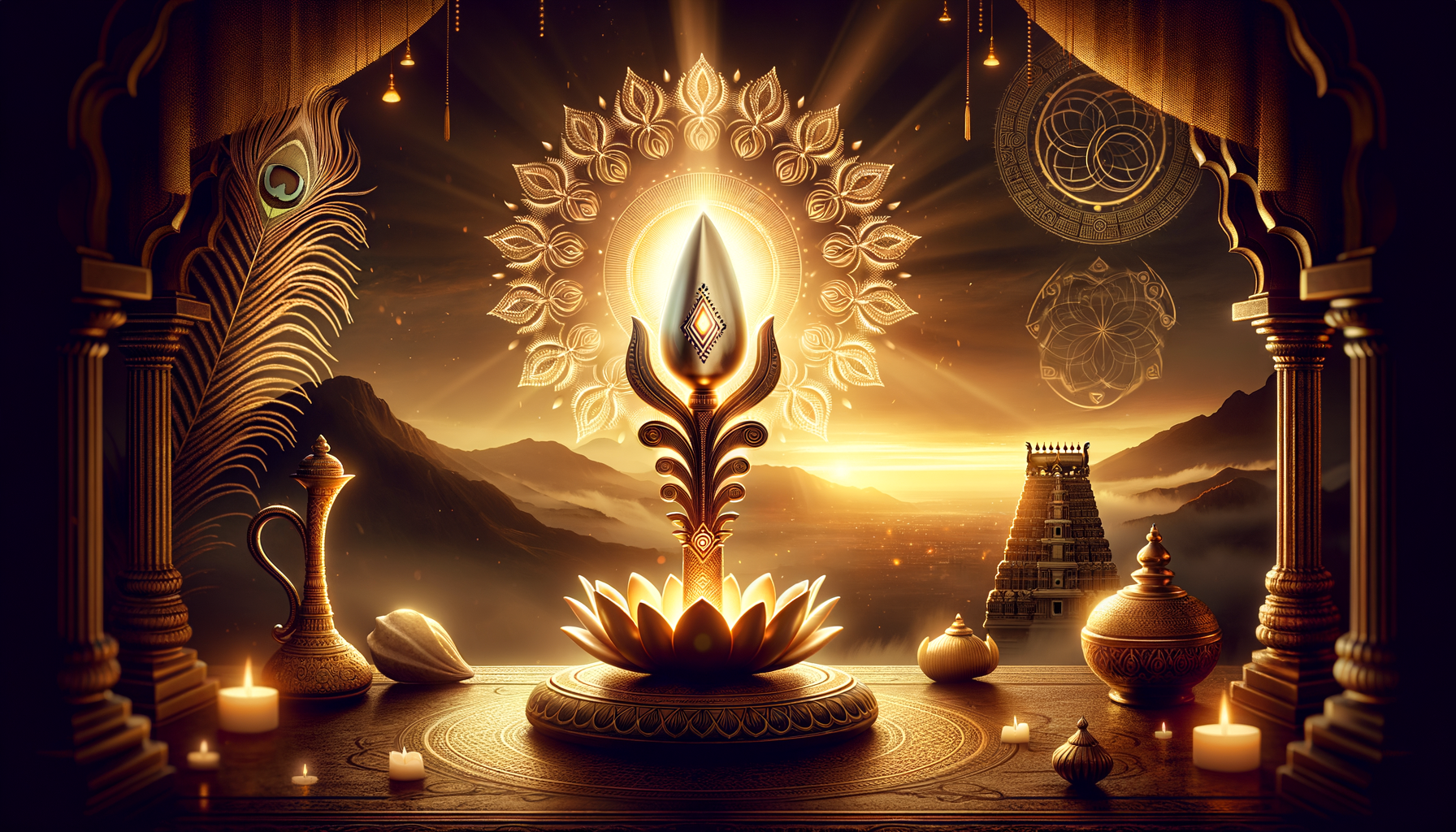
The Vel of Lord Murugan is more than a spear; it is a precise symbolic tool for cultivating inner clarity, dissolving egoic patterns, and aligning life with dharma. Its single-pointed tip represents focused attention and discerning wisdom, transforming philosophy into lived practice. Ritual observances such as Thaipusam and Karthigai reveal the Vel as a visible…
-
Why Devotees Offer 21 Durva Blades to Ganesha: Analasura Legend, Symbolism, and Meaning
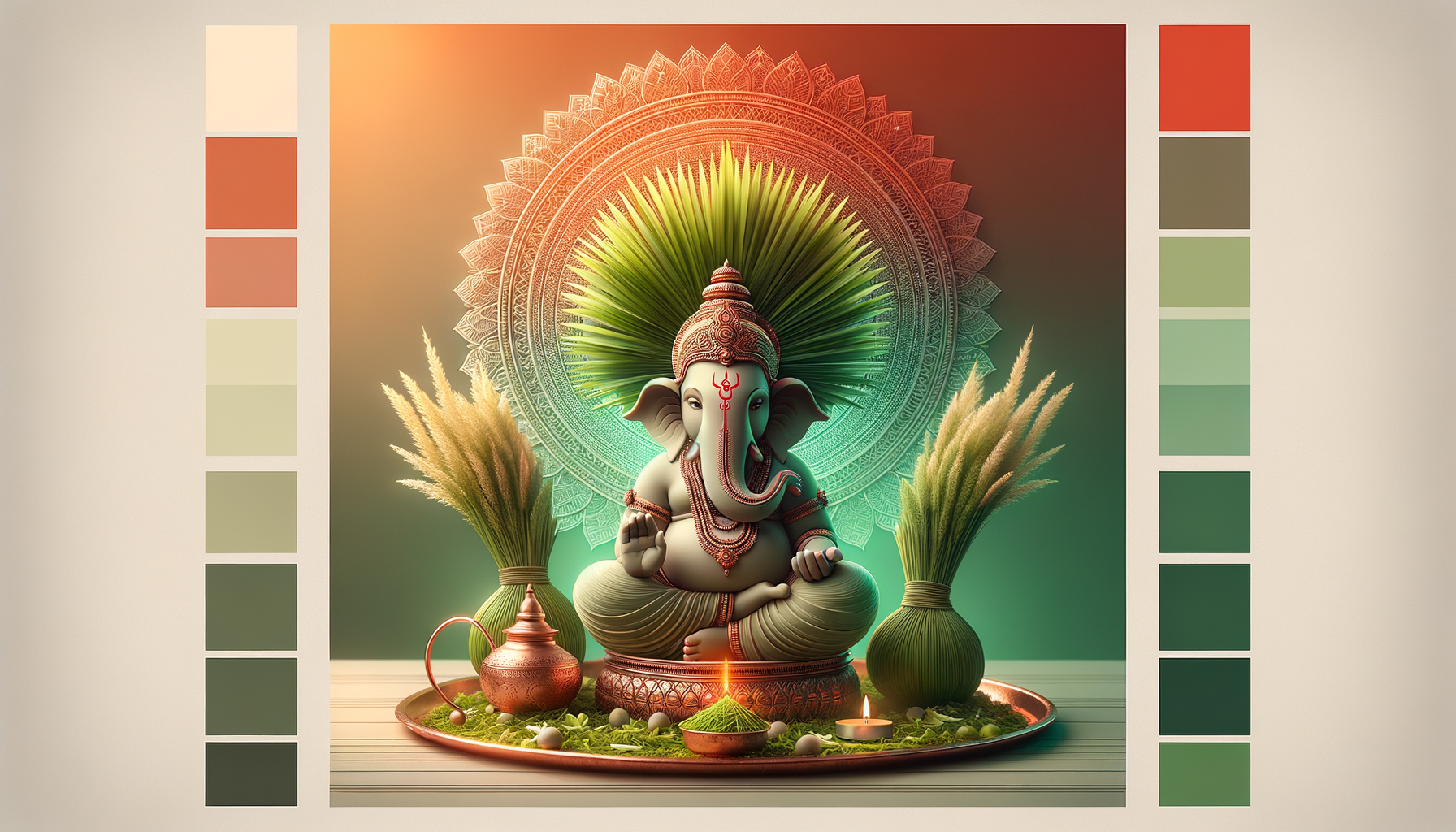
The offering of twenty-one durva blades to Ganesha, rooted in the Analasura legend, unites narrative, symbolism, and practice into a single, accessible ritual. It teaches that humility and sincerity can resolve what grandeur cannot, cooling intense inner heat with nature’s simplest gift. Interpreted philosophically, twenty-one represents the totality of human faculties and cosmic principles surrendered…
-
Goddess Shavavahini Kali: Tantric Symbolism to Transform Fear, Ego, and Death into Wisdom

Shavavahini Kali (Shabavahini) reveals a compassionate Tantric teaching: by bearing the corpseshavashe transforms fear of death into wisdom and steadiness. The cremation-ground symbolism is not morbid but clarifying, pointing to the union of consciousness and matter and the dissolution of egoic rigidity. This image resonates across dharmic traditions: Buddhist maranasati, Jain anitya-bhavana within the 12…
-
Shiva’s Serpent Sacred Thread: Timeless Symbolic Power, Protection, and Unity in Hinduism

Shiva’s serpent as a sacred thread (yajnopavita) encodes a living synthesis of Hindu symbolism, yogic practice, and cosmic vision. The serpent signifies awakened awareness, mastery of prana, and the transformation of fear into protection and compassion. As an image of cyclical time and eternity, it invites practitioners to see renewal, not threat, in life’s changes.…
-
White Lotus in Hindu Iconography: Divine Thrones, Pure Radiance, and Spiritual Awakening

The white lotus in Hindu iconography signifies purity, sattva, and spiritual awakening, offering a visual guide to living unstained by the world. Depictions of Saraswati, Lakshmi, Vishnu, and Brahma with a white lotus highlight ethical clarity, wisdom, and compassionate abundance. This symbolism resonates across Hinduism, Buddhism, Jainism, and Sikhism, affirming unity in diversity through a…
-
Thousand Hands of Kartaviryarjuna: A Powerful Symbol of Ambition, Dharma, and Restraint

Kartaviryarjuna (Sahasrabahu Arjuna) embodies a profound Hindu symbol: the “thousand hands” as a metaphor for vast capability, desire, and duty. The Puranic narrativehis rise under Dattatreya’s grace, his famed prowess, and the ethical turning point culminating in Parashurama’s retributionillustrates the line between dharma and adharma. Interpreted across dharmic traditions, the motif aligns with Buddhist compassion…
-
Boiling Milk in Griha Pravesh: Sacred Symbolism, Abundance, and Dharmic Unity
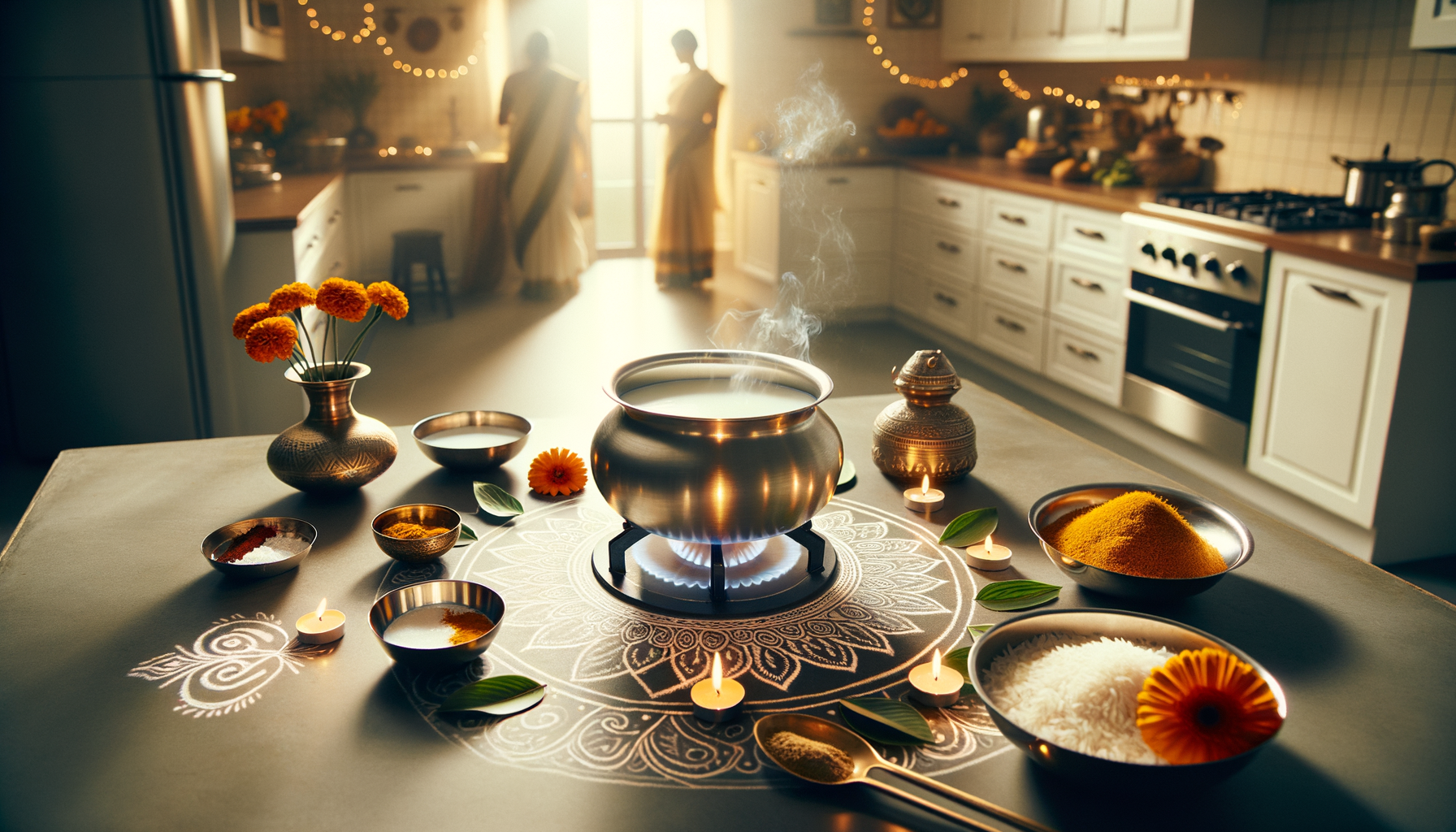
Boiling milk during Griha Pravesh symbolizes abundance, purity, and auspicious beginnings in the Hindu housewarming ceremony. The rising milk signifies prosperity and generosity, invoking blessings associated with Lakshmi and household harmony. As a first act in the new kitchen, it sanctifies domestic life and invites Agni as witness to a dharmic way of living. The…
-
Parashurama Iconography Decoded: Powerful Symbols of Vishnu’s Warrior-Sage Avatar
This article decodes the iconography of Parashurama, Vishnu’s sixth avatar, to reveal how the warrior-sage form unites austerity (tapas) with protective strength (kshatra). Readers learn the meaning of the parashu (axe), bow and arrow, attire, and posture, and how these symbols teach disciplined action aligned with dharma-yuddha. The analysis situates regional motifs such as the…
-
Vajramukha: The Fearless Guardian of Hindu Temples and Shiva’s Ego-Devouring Grace

Vajramukha, often identified with Kirtimukha, crowns Hindu temple gateways as a sacred guardian linked to Śiva’s myth of ego-devouring grace. This concise guide explains its origin, meaning, and role as a threshold protector that transforms anxiety into reverence. Readers discover where to find the guardian in Dravidian and Nagara architecture and how its fierce visage…
-
Palani Hill’s Sacred Names: Unveiling Murugan’s Timeless Symbolism and Living Devotion

Palani Hill in Tamil Nadu, closely associated with the Palani Murugan Temple, carries four evocative namesSivagiri, Saktigiri, Idumban Malai, and Siddhan Vaazhvuthat map a complete path of spiritual ascent. Each name holds distinct symbolism: contemplation and clarity (Sivagiri), balanced energy and compassionate action (Saktigiri), vow and service through the kavadi tradition (Idumban Malai), and lived…
-
Why the Gauripatta Faces North: Sacred Geometry of the Shivling and Temple Vastu

The Gauripatta (yoni/Argha) at the base of the Shivling is traditionally oriented toward the north, uniting symbolism, ritual function, and Vastu principles. North evokes stability, prosperity, and ascentlinked to Dhruva, Kubera, and the Himalaya, the realm of Pārvatī. This orientation channels abhisheka offerings through the Somasutra without disrupting the Nandi–Linga darshan line, preserving sanctity and…
-
Why Vishnu Rests on Cosmic Waters: Deep Symbolism, Dharmic Unity, and Living Wisdom

The image of Vishnu reclining on the cosmic waters conveys a complete philosophy of preservation, balance, and conscious repose. Scriptural narratives from the Puranas situate this scene in the primordial ocean, where yoga-nidra, Ananta Shesha, and the lotus of creation converge. Water symbolizes undifferentiated potential, while the lotus represents pure emergence and order. Psychologically, the…
-
Decoding Dakshinakali: The Powerful Tantric Meaning of Jackals in Cremation-Ground Iconography

Tantric depictions of Dakshinakali with jackals in the cremation ground form a precise symbolic language that teaches fearlessness, compassion, and inner integration. The jackals signify liminality, time’s change, and the recycling of what is discardednothing lies outside the Goddess’s compassionate gaze. This iconography affirms ecological and ethical interdependence by revering even life’s overlooked processes. Parallels…
-
Kurukshetra Within: How the Mahabharata’s Battlefield Guides Courageous Spiritual Growth

Kurukshetra in the Mahabharata can be read as the inner field of Dharma where ethical dilemmas, emotional turbulence, and spiritual aspiration meet. The Bhagavad Gita’s counsel reframes conflict as an opportunity for clarity, courage, and disciplined action. Arjuna’s hesitation mirrors modern experiences of doubt and responsibility, while Krishna’s guidanceKarma Yoga, Jnana, and Bhaktioffers practical tools…
-
Sindoor’s Sacred Power: Reasons, Meaning, and Symbolism of Hindu Married Women’s Mark
Sindoor, the vermilion mark worn by many Hindu married women, symbolizes auspiciousness, Shakti, and the shared responsibilities of the grihastha stage. Its placement along the hair parting and sometimes at the forehead connects daily life with yogic symbolism at the ajna chakra. The practice is rooted in classical literature and regional samskaras, including the wedding…
-
Dogs in Hinduism: Sacred Companions, Loyal Guardians, and Kalabhairava’s Vahana
Dogs hold a revered place in Hinduism as the vigilant vahana of Lord Kalabhairava, reflecting values of loyalty, protection, and compassionate guardianship. Their presence in iconography and living practice conveys the safeguarding of dharma through alertness and service. Community observances such as Kukur Tihar honor dogs with garlands and tika, deepening ethical awareness toward animals.…
-
Why Sri Krishna’s Yellow Pitambara Still Inspires: Sacred Symbolism, Dharma, and Unity

Sri Krishna’s yellow pitambara is more than attire; it is a layered symbol of sattva, wisdom, and compassionate action. Rooted in Vaishnava texts and art, the garment visually echoes the Bhagavad-Gita’s call to clarity and dharma. Its earth-toned associations connect spiritual insight with ecological stewardship and community care. Rituals and festivals amplify these meanings through…
-
Respect Sacred Symbols: Hindus Urge Shein to Apologize, Withdraw Lord Ganesha Doormat
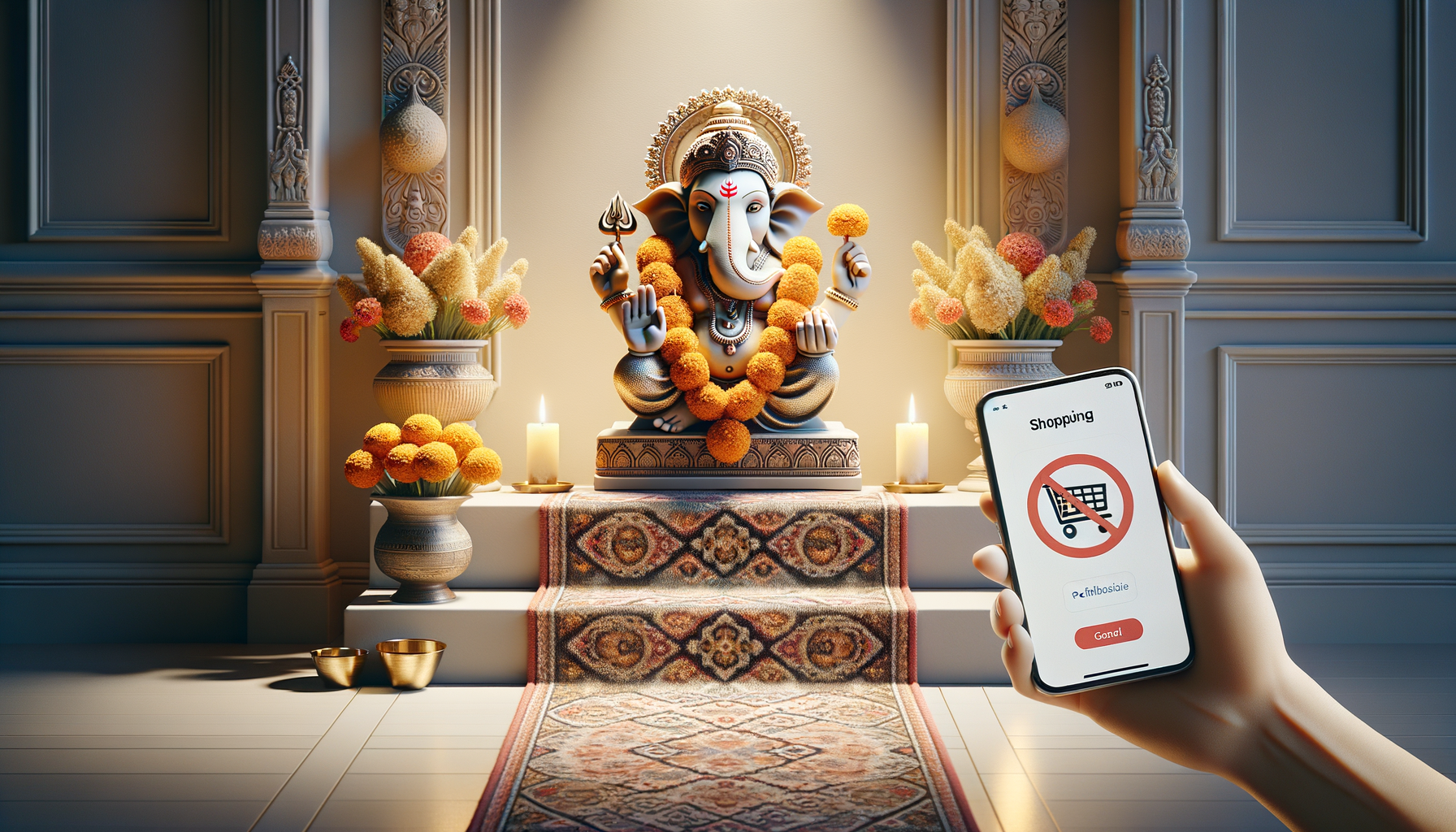
Hindu community members have asked Shein to apologize and remove a Lord Ganesha doormat deemed culturally insensitive. The request emphasizes that sacred imagery should not appear on items meant to be stepped upon, a view shared across dharmic traditions. Citing a statement by Rajan Zed, the appeal highlights the ethical imperative to prioritize respect over…