
-
Goddess Chinnamasta and the Jackals: Tantric Symbolism, Fierce Grace, and Inner Transformation

Goddess Chinnamasta’s self-decapitated form and the presence of jackals create a profound Tantric teaching on ego-transcendence, impermanence, and compassionate energy. The three blood streams symbolize iḍā, piṅgalā, and suṣumṇā, suggesting redistribution of prāṇa rather than loss. Jackals, as cremation-ground denizens, represent threshold spaces and the recycling of form, turning fear and instinct into wisdom. Psychological…
-
Hindu Goddess Kali’s Fifty-Skull Garland: Fearless Wisdom on Creation, Death, and Renewal
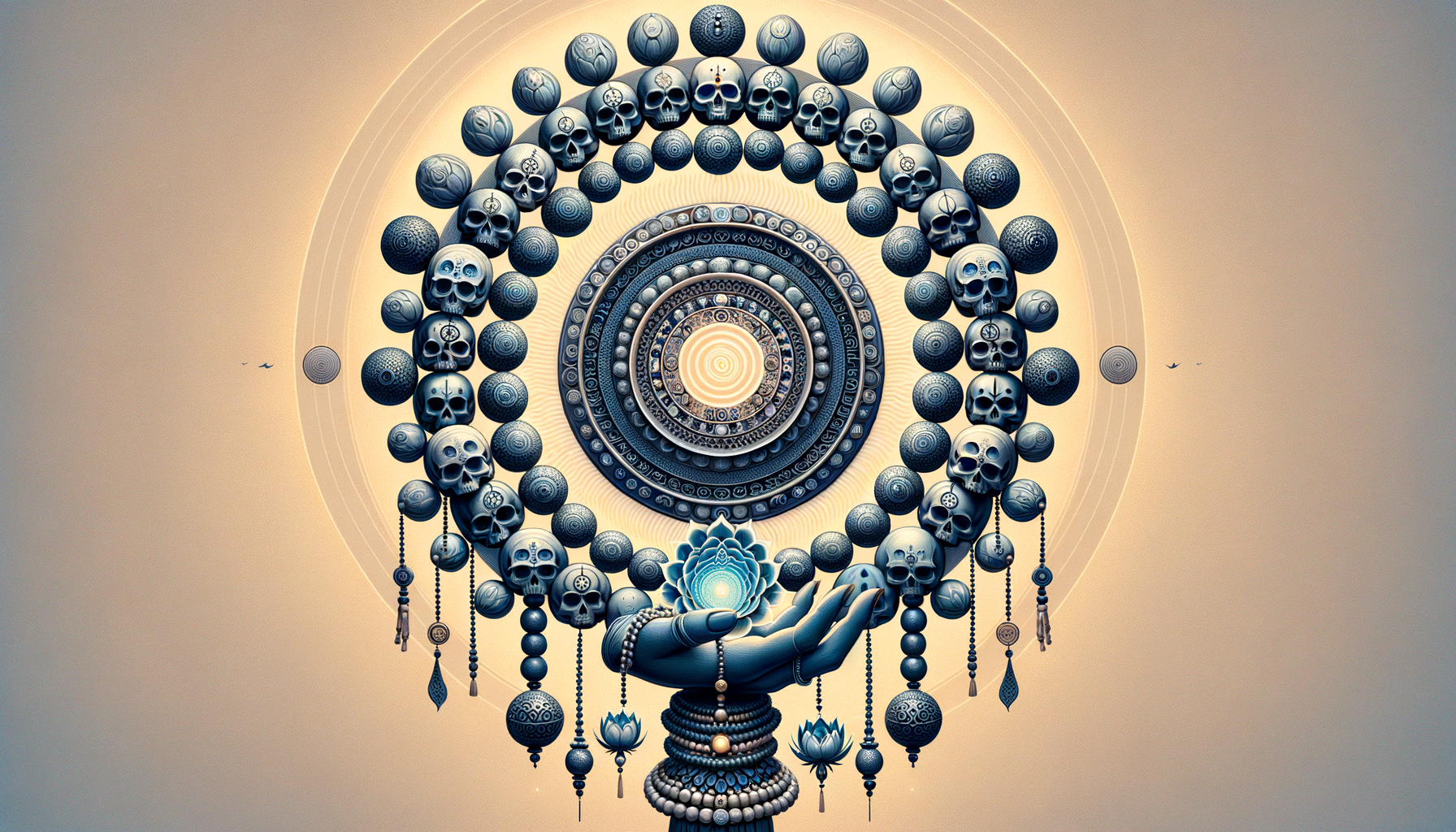
Kali’s mundamala, the garland of fifty skulls, is a precise philosophical symbol rather than a macabre accessory. Each skull corresponds to a Sanskrit phoneme, expressing the creative power of Vāk and the sovereignty of Shakti over time and form. The image teaches fearlessness, non-attachment, and ethical clarity by confronting impermanence and dissolving ego. Variations in…
-
Achyuta Unveiled: Meaning, Symbolism, and the Imperishable Grace of Vishnu
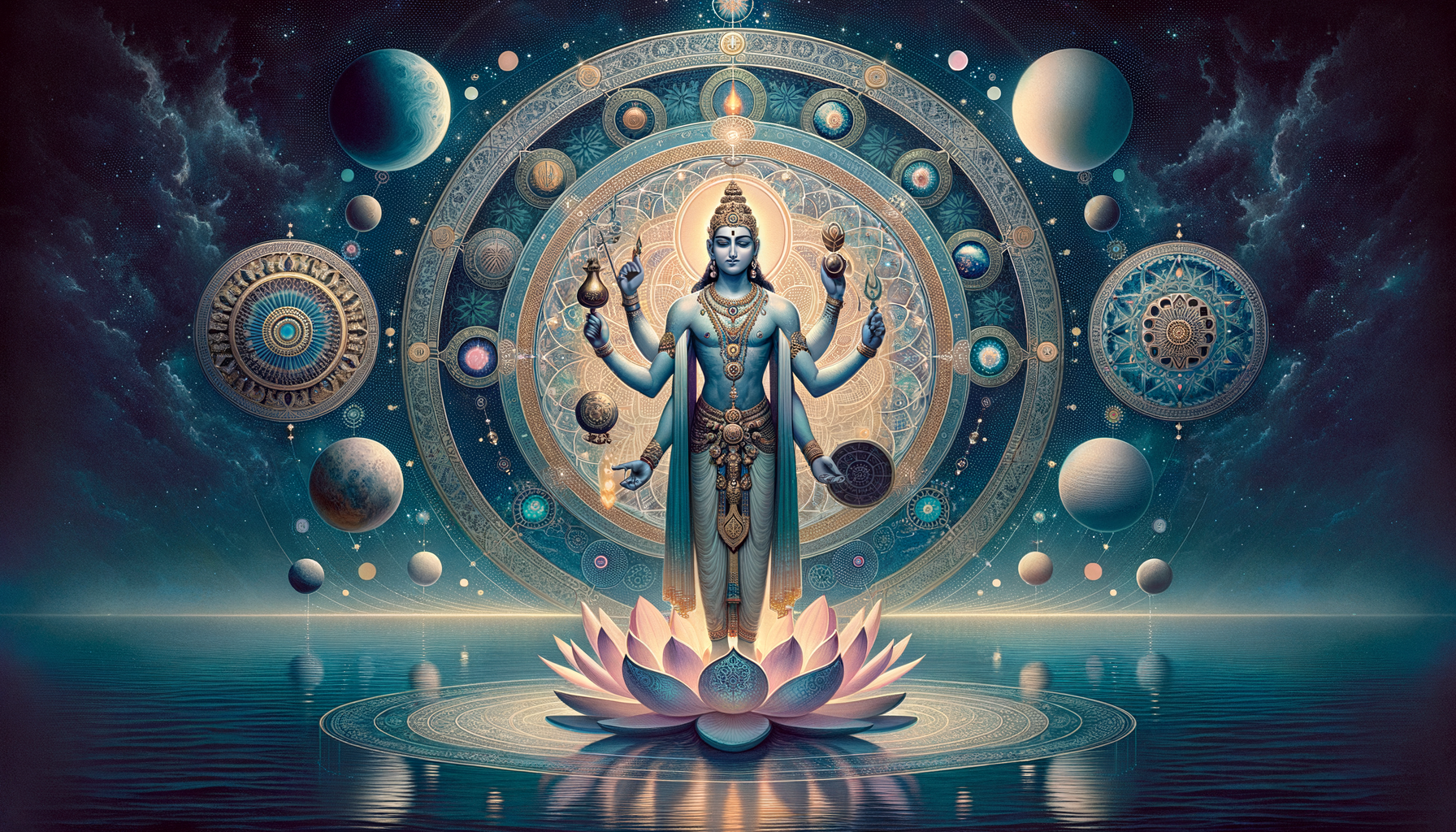
Achyutameaning “the unfallen”is a profound Sanskrit name of Lord Vishnu and Sri Krishna that conveys imperishability and unwavering grace. Scriptural anchors such as Bhagavad Gita 1.21 and the Vishnu Sahasranama highlight its theological depth and devotional relevance. The name’s symbolism nurtures steadiness, moral clarity, and resilience, guiding practitioners through uncertainty. Its core intuition of a…
-
MuktakeshiKali’s Disheveled Hair: A Fearless Symbol of Liberation, Compassion, and Power

Muktakeshi“one with disheveled hair”illuminates the fearless, compassionate power of Goddess Kali. Unbound hair signifies boundaryless śakti, autonomy, and the dissolution of fear and attachment. Shakta and Tantric readings frame this iconography as a metaphysical lesson in freedom, courage, and renewal rather than mere aesthetic. Devotees engage the symbol as a meditative cue to loosen rigid…
-
Gadadhara Vishnu: The Awe-Inspiring Power of Kaumodaki and the Protection of Dharma
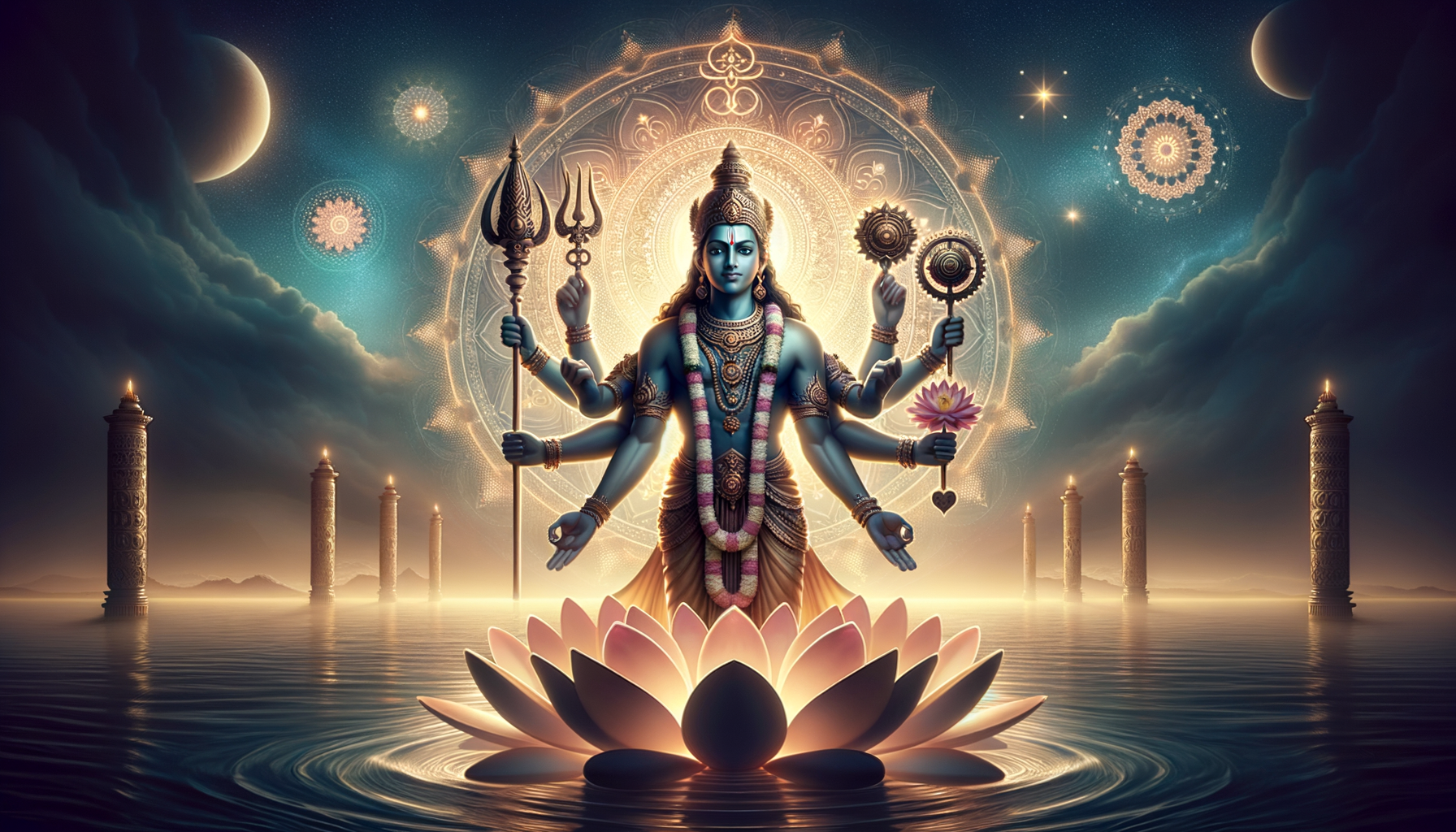
Gadadhara Vishnu, “He who holds the mace,” highlights Vishnu’s protective strength through the sacred Kaumodaki. In Hindu symbolism, the mace represents moral discipline, the power to dispel ignorance, and the guardianship of Dharma. Temple darshan and classical iconography communicate reassurance: strength aligned with compassion. This theme resonates across dharmic traditionsHinduism, Buddhism, Jainism, and Sikhismemphasizing ethical…
-
Rudra from Brahma’s Third Eye: Profound Symbolism and Cosmic Balance in the Devi Bhagavata Purana
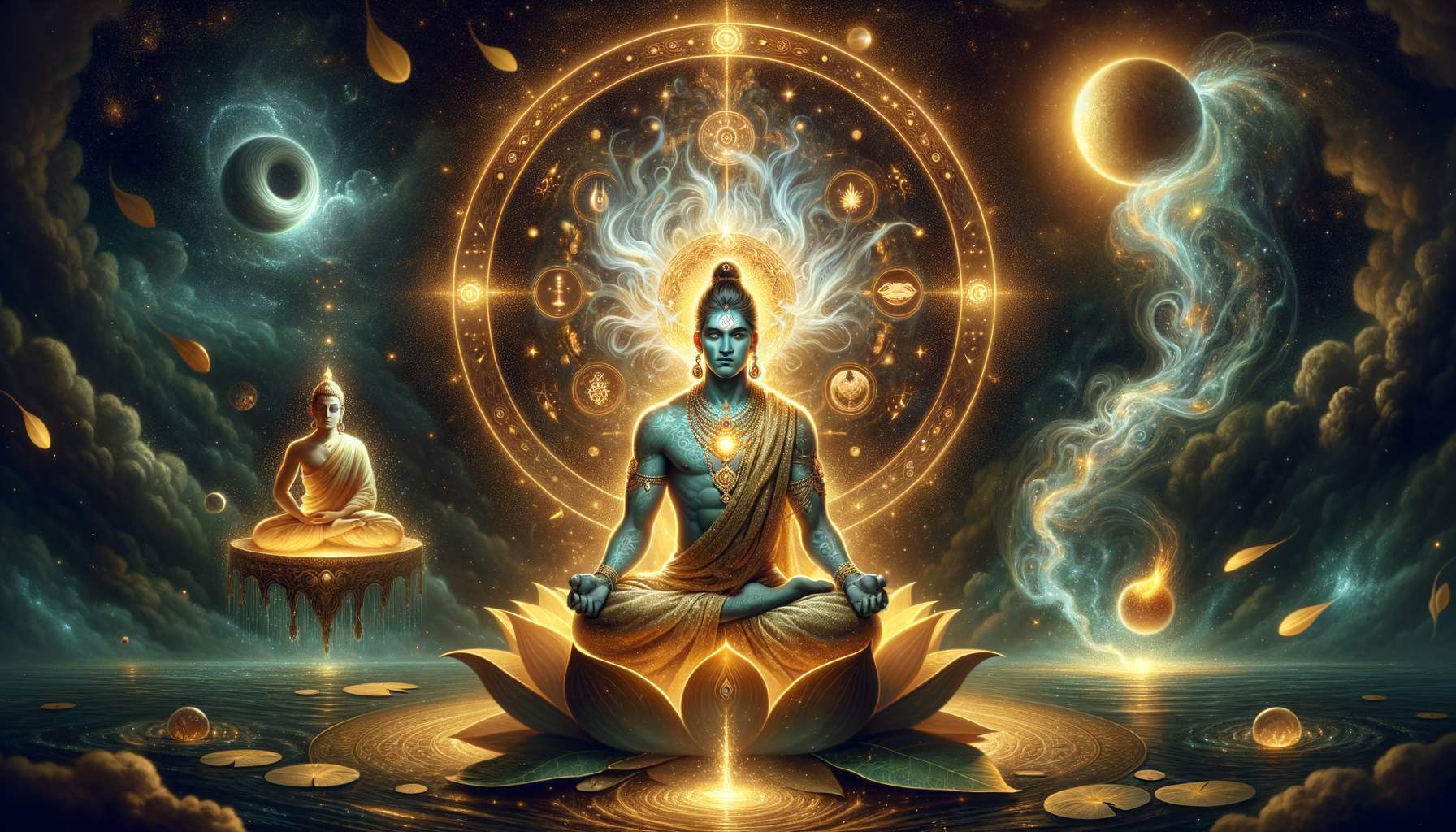
This analysis explores the Devi Bhagavata Purana’s account of Rudra emerging from Brahma’s third eye, highlighting its profound symbolism for cosmic balance and inner transformation. It explains how the narrative frames creation, preservation, and transformation as a harmonious continuum within the Trimurti. Readers gain practical insights into the third eye as discernment, the pancha mahabhutas…
-
Maha Kali’s Ten Heads and Ten Legs: Profound Symbolism of Power, Time, and Liberation
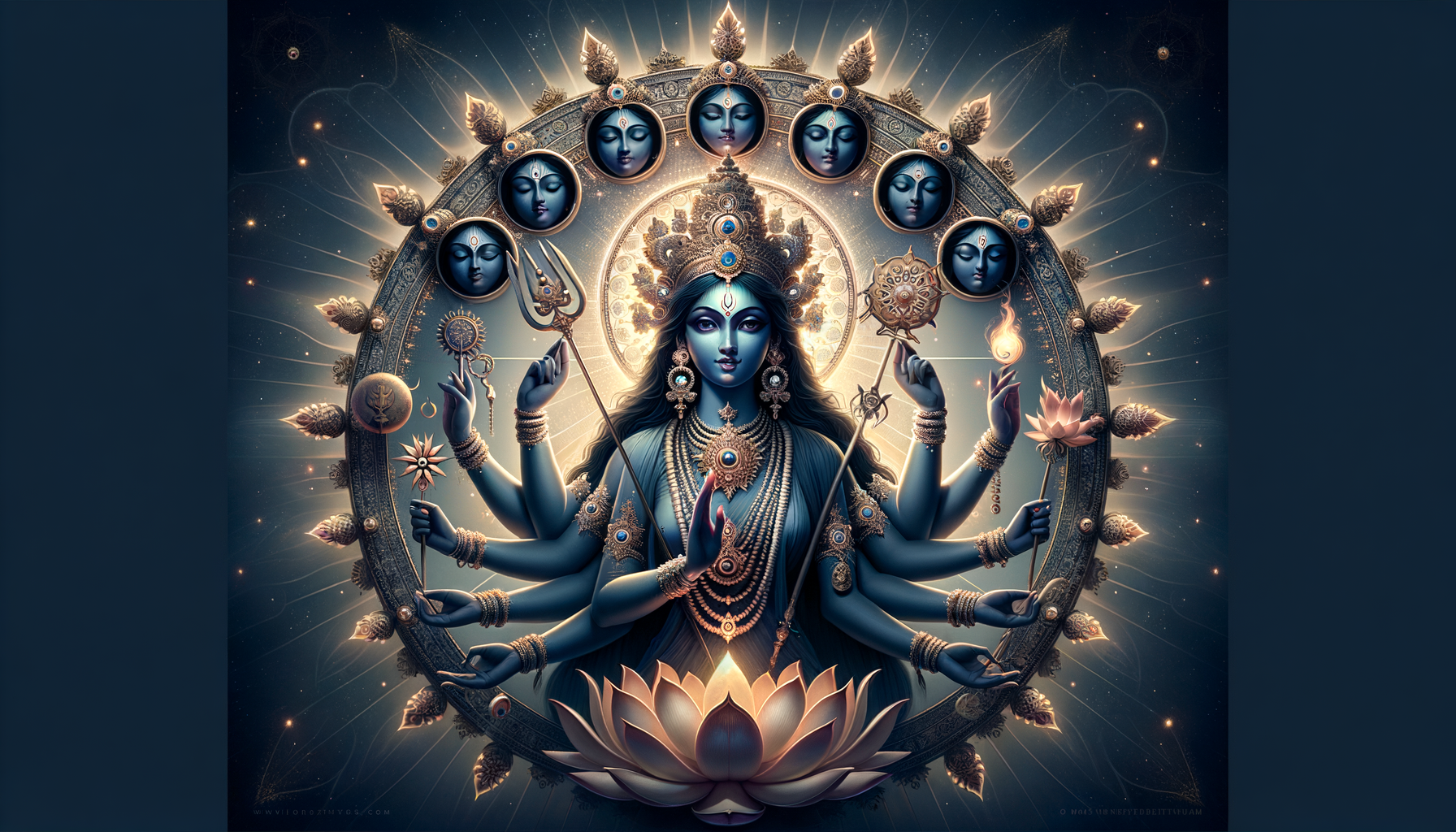
Maha Kali’s rare iconography with ten heads, ten arms, and ten legs encodes a complete path of wisdom, courage, and liberation. The ten heads symbolize panoramic awareness and the integration of the Mahavidyas, while the ten arms and legs express skillful action and stability in all directions. Read devotionally and philosophically, the form teaches how…
-
Andal’s Radiant Devotion: The Transformative Symbolism of Wearing Vishnu’s Garland First
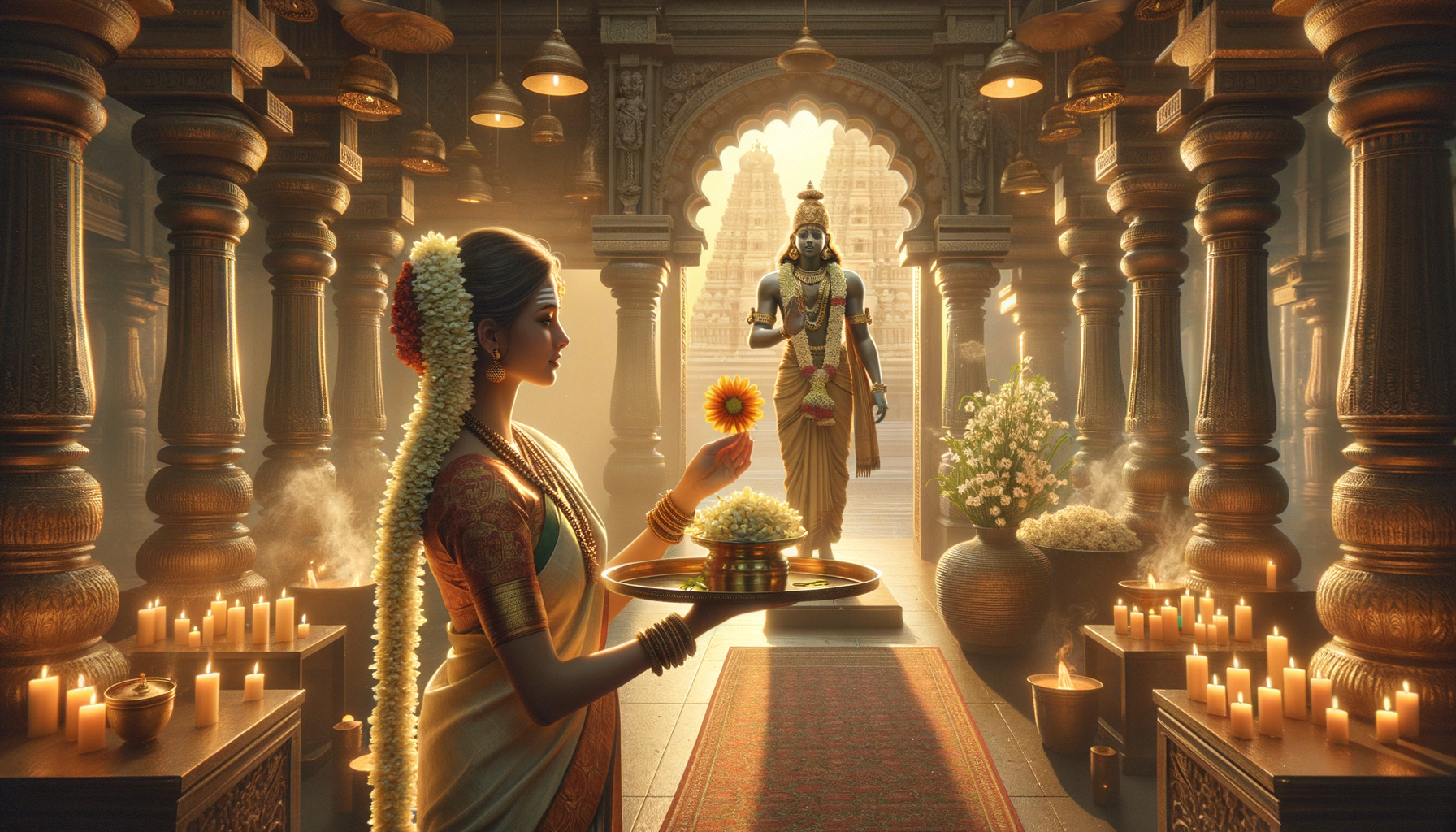
Andal (Goda), the only female Azhwar of the Tamil Bhakti movement, is remembered for the profound symbolism of wearing garlands meant for Vishnu before offering them. This gesturesanctified by tradition and temple loreembodies atma-nivedana, where authentic intention elevates ritual into intimate devotion. Her Thiruppāvai and Nācciyār Tirumozhi give poetic voice to this theology, uniting aesthetics,…
-
Chamunda’s Sacred Elephant: Fierce Shakti, Ego’s Undoing, and the Path to Inner Freedom
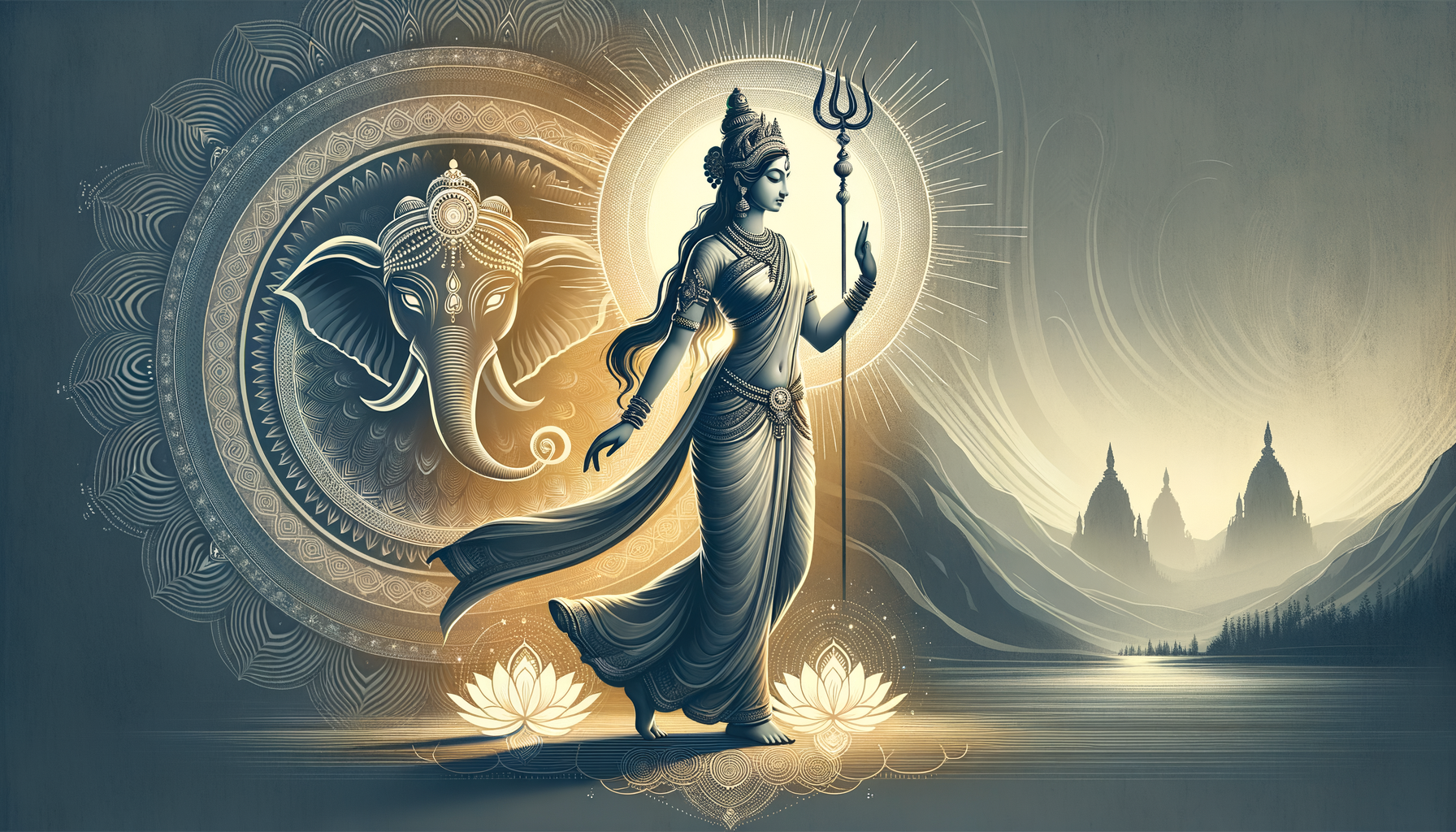
Goddess Chamunda’s association with the elephant in select iconography conveys a profound lesson: the fierce subjugation of ego, pride, and inertia that obstruct spiritual growth. Read as a visual theology of Shakti, the motif transforms heaviness into purposeful clarity aligned with dharma. The symbolism resonates psychologically, echoing Vedantic neti neti and Yogic pratyahara as disciplined…
-
Who Created Brahma? Unveiling Devi, the Supreme Mother and Cosmic Source of All
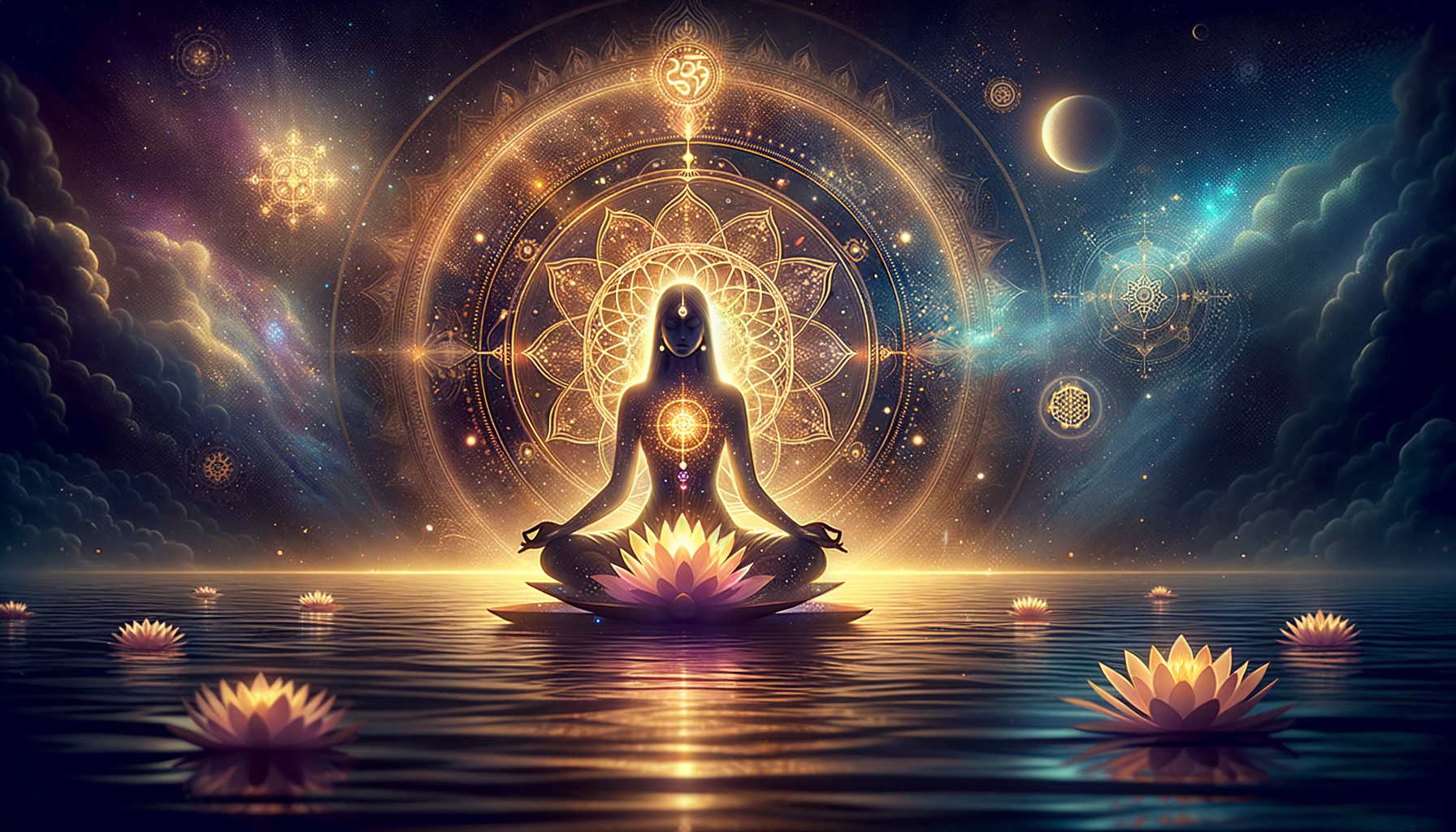
Hindu cosmology addresses the classic questionwho created Brahma?by pointing to Devi, the Divine Mother, as the primordial creative potency (Shakti) behind all manifestation. Purāṇic narratives and Vedic philosophy converge on a hierarchy of emanation rather than a simplistic creator-of-creator chain. Symbols like the lotus and the Śri Yantra, and texts such as the Devi Mahatmya…
-
Chamunda Devi’s Skull Cup (Kapala): Fierce Symbolism of Protection, Purification, and Grace
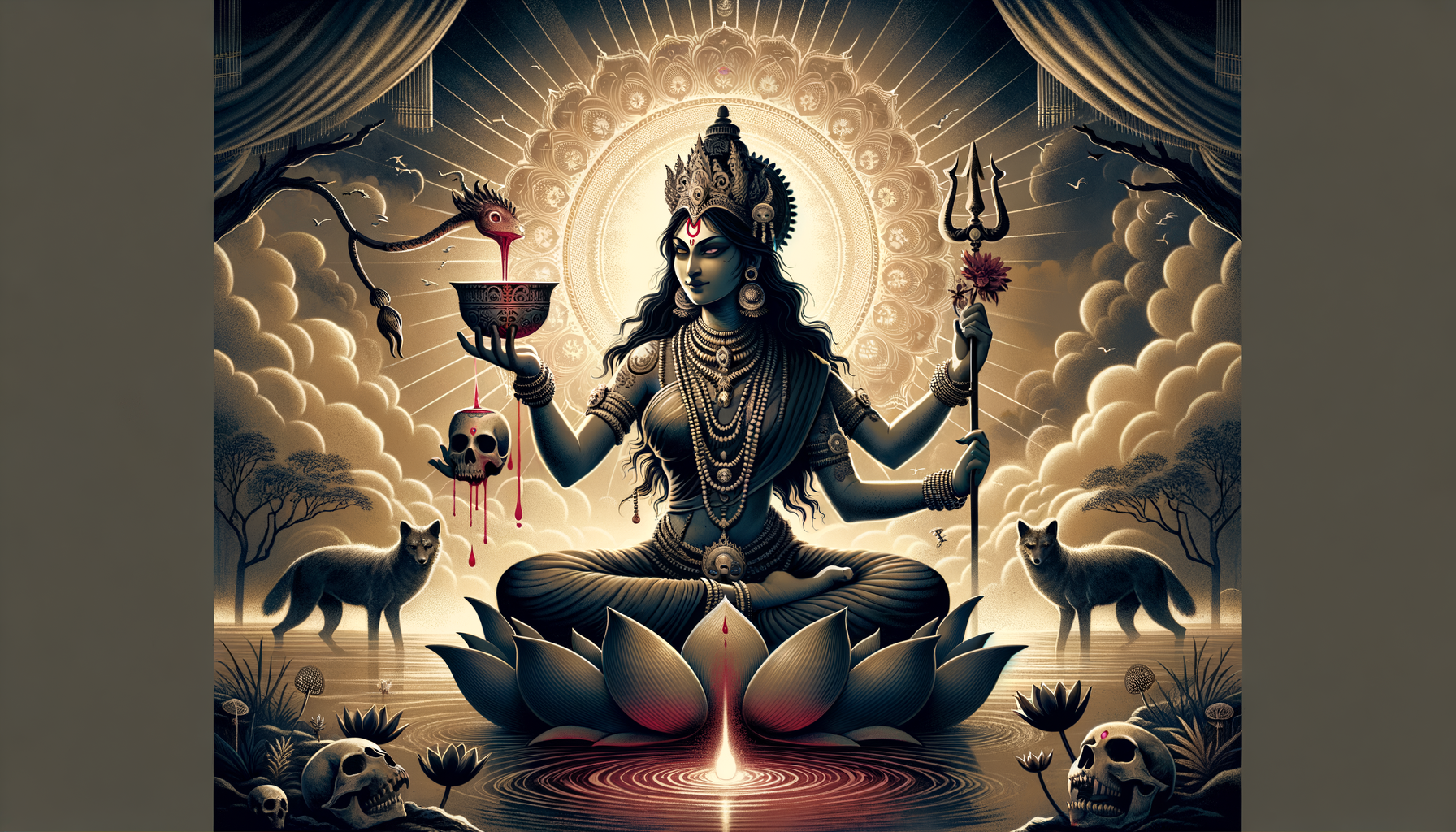
Chamunda Devi’s skull cup (kapala) encapsulates a powerful teaching from the Devi Mahatmya and Tantric scriptures: transform fear and impurity into wisdom and compassionate strength. The blood within the kapala symbolizes prana and ego, consciously purified in the goddess’s grasp to protect and uplift. Read through a dharmic lens, this fierce icon harmonizes with Vajrayana…
-
Aruna’s Incomplete Form: Hindu Symbolism of Patience and Dharma in Surya’s Charioteer
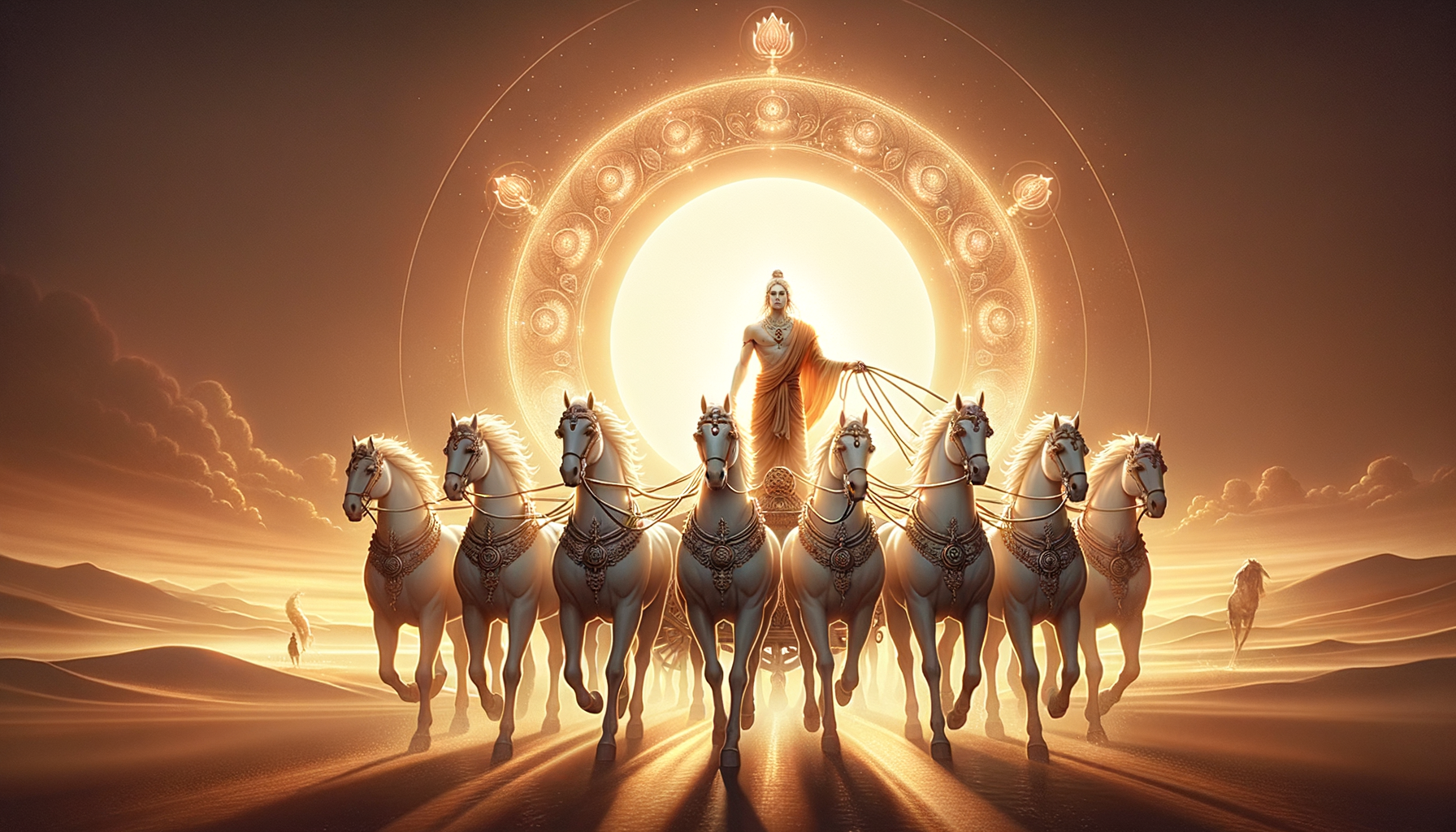
Aruna, the charioteer of Surya, is portrayed with an incomplete lower body to convey a precise ethical message: impatience deforms outcomes, while patience enables wholeness. Rooted in Ancient Hindu Texts and the Mahabharata, the narrative of Vinata’s premature act and Aruna’s emergence becomes a timeless lesson in timing, restraint, and service. As the personification of…
-
Ganesha’s New Head and the Grace of Correction: A Dharmic Meditation on Second Chances
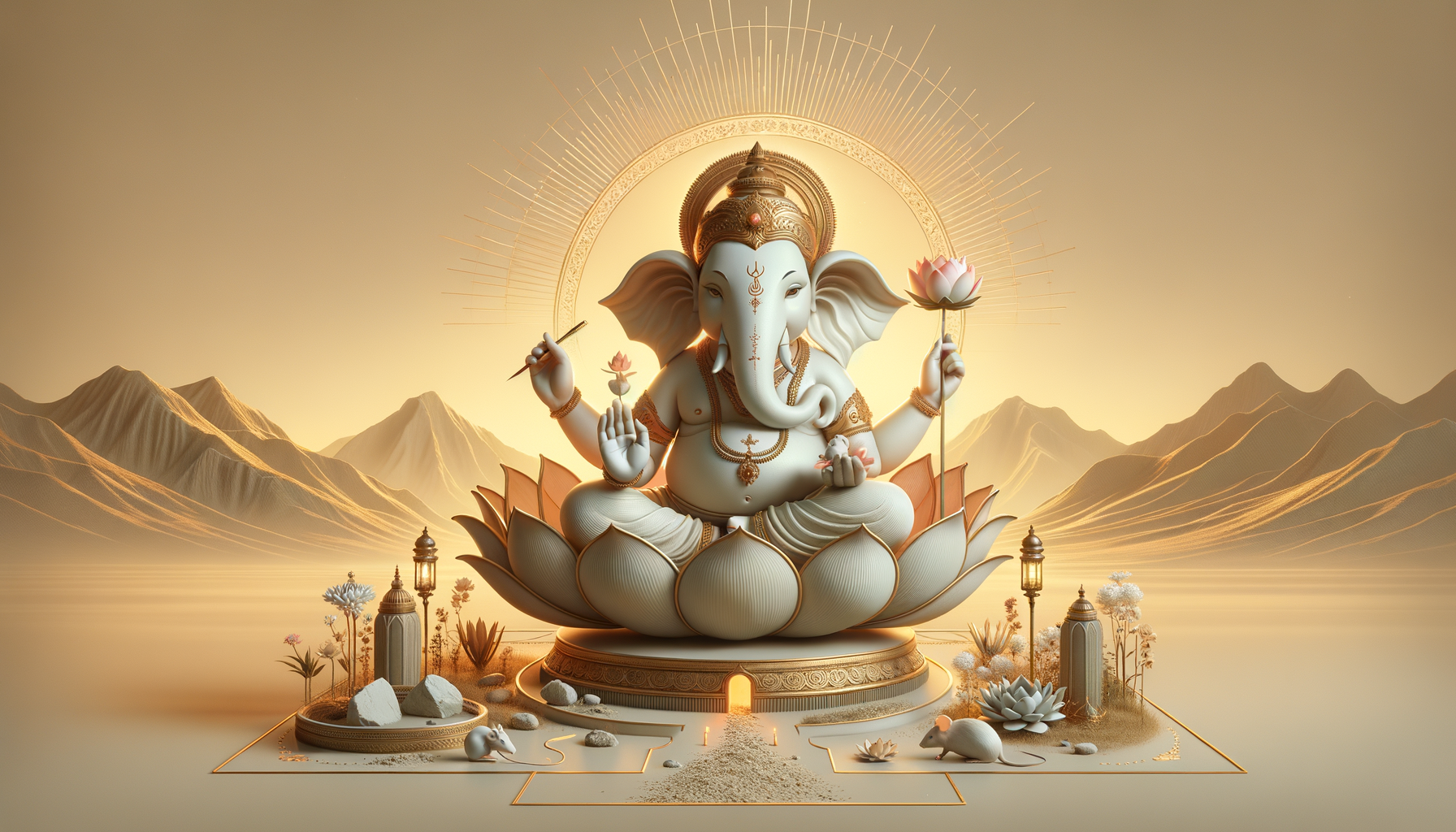
Ganesha’s birth and rebirth offers a timeless guide to human fallibility, emotional intelligence, and the ethics of second chances. The story highlights accountabilityrecognizing harm, accepting responsibility, and making meaningful amends. As a Hindu symbol, the elephant head teaches deep listening, measured speech, and adaptable strength. The narrative’s restorative vision resonates across Buddhism, Jainism, Sikhism, and…
-
Panchmukhi Hanuman Unveiled: Powerful Symbolism of Five Divine Directions and Protection
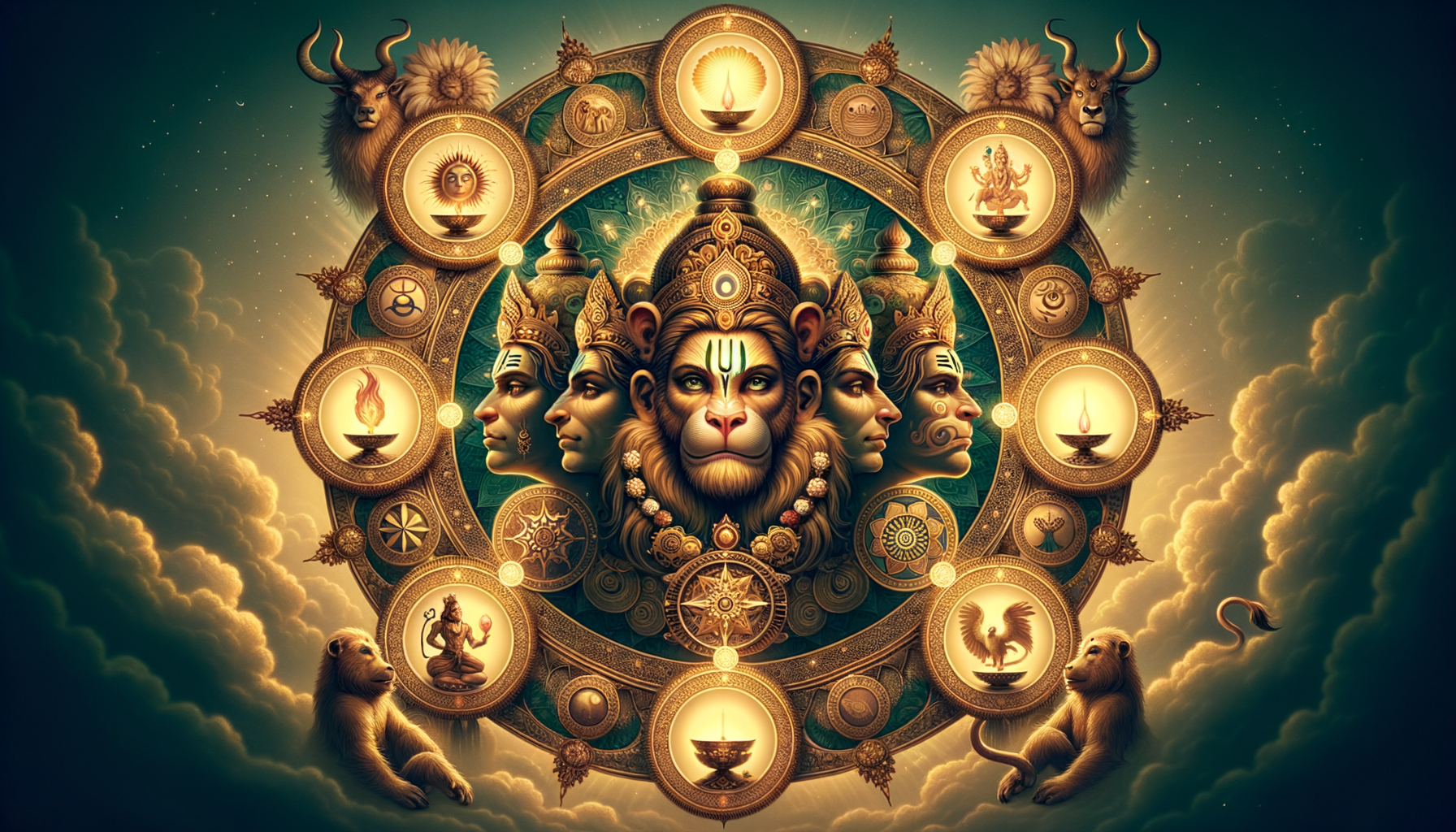
Panchmukhi Hanuman, the five-faced form of Hanuman, symbolizes protection and guidance across the five directions while uniting devotion, courage, vigilance, stability, and knowledge. Each faceHanuman, Narasimha, Garuda, Varaha, and Hayagrivaembodies a distinct spiritual energy that supports daily practice and contemplative focus. The form resonates with core Indic ideas such as the five elements, five vital…
-
Satyaloka Unveiled: The Awe-Inspiring Symbolism of Brahma’s Highest Realm of Truth

Satyalokaalso known as Brahmalokastands at the summit of Hindu cosmology as the realm where truth shines unobscured by illusion. This article explains why it is called the “abode of truth,” linking its symbolism to sattva, Vedic wisdom, and the integrative path of knowledge, devotion, and duty. It clarifies how Brahmaloka functions as a gateway to…
-
Goddess Nirrti Unveiled: Transformative Power and the Haunting Symbolism of Riding a Ghost

Goddess Nirrti (Nirṛti) is often misread as a force of misfortune, yet Hindu symbols and Purāṇic references present a more profound role: a guardian of thresholds who transforms fear and loss into clarity. The occasional motif of riding a “ghost” (preta) in certain traditions is symbolic, representing mastery over unassimilated fears and destructive impulses. As…
-
Kapalins’ Sacred Black Visage: Unveiling Shaivism’s Fierce Compassion and Symbolic Power
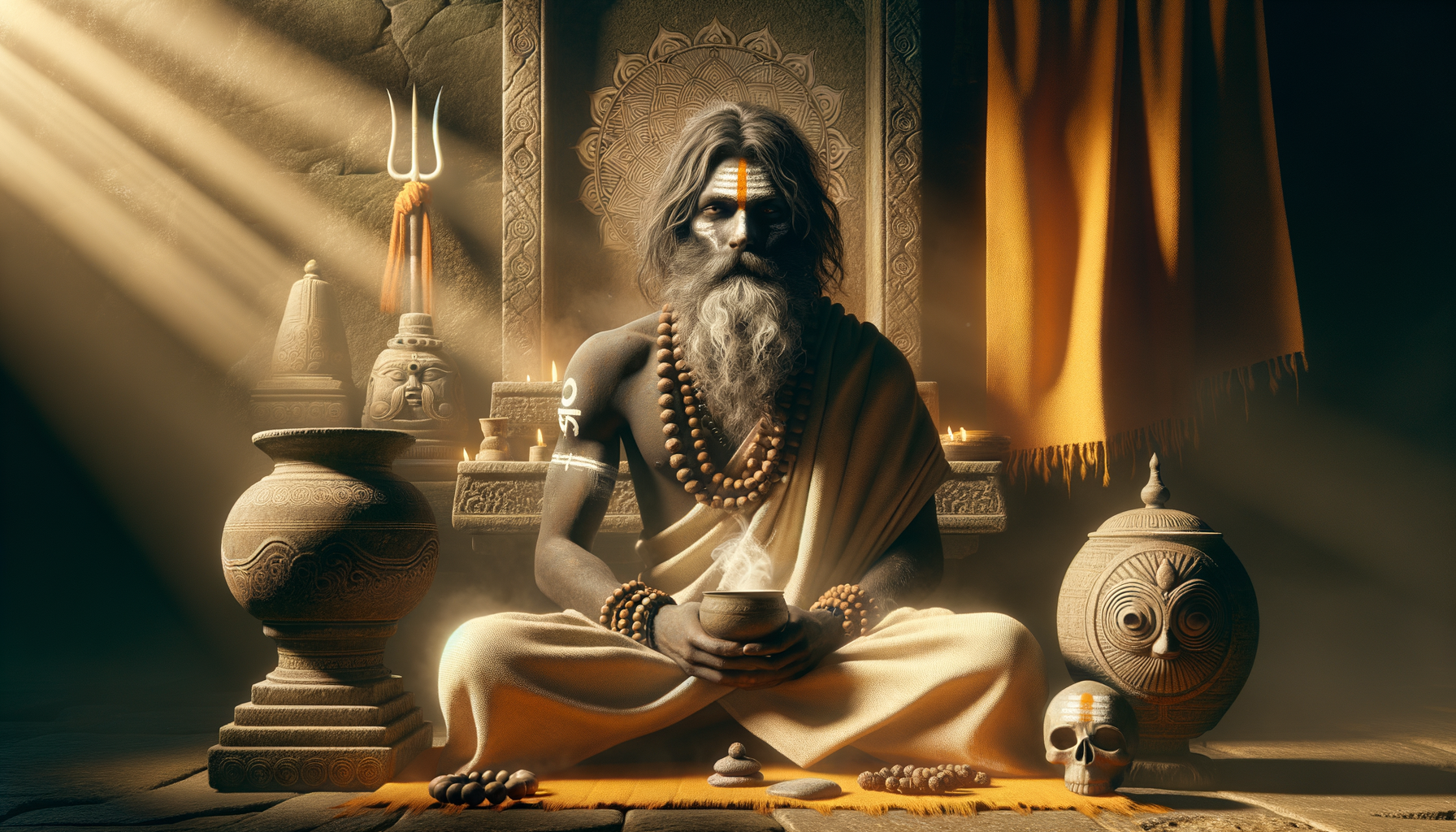
The Kapalin tradition in Shaivism uses stark symbolsthe darkened visage and the skull-cupto teach impermanence, humility, and ethical responsibility. Read as pedagogy rather than spectacle, these Hindu Symbols focus attention on inner transformation and compassion. The Bhairava framework clarifies their aim: to confront fear and ego through disciplined practice and reflection. Parallels in Vajrayana Buddhism,…
-
Peacock Symbolism in Hinduism: Majestic Vahana of Subrahmanya Swamy and Auspicious Grace
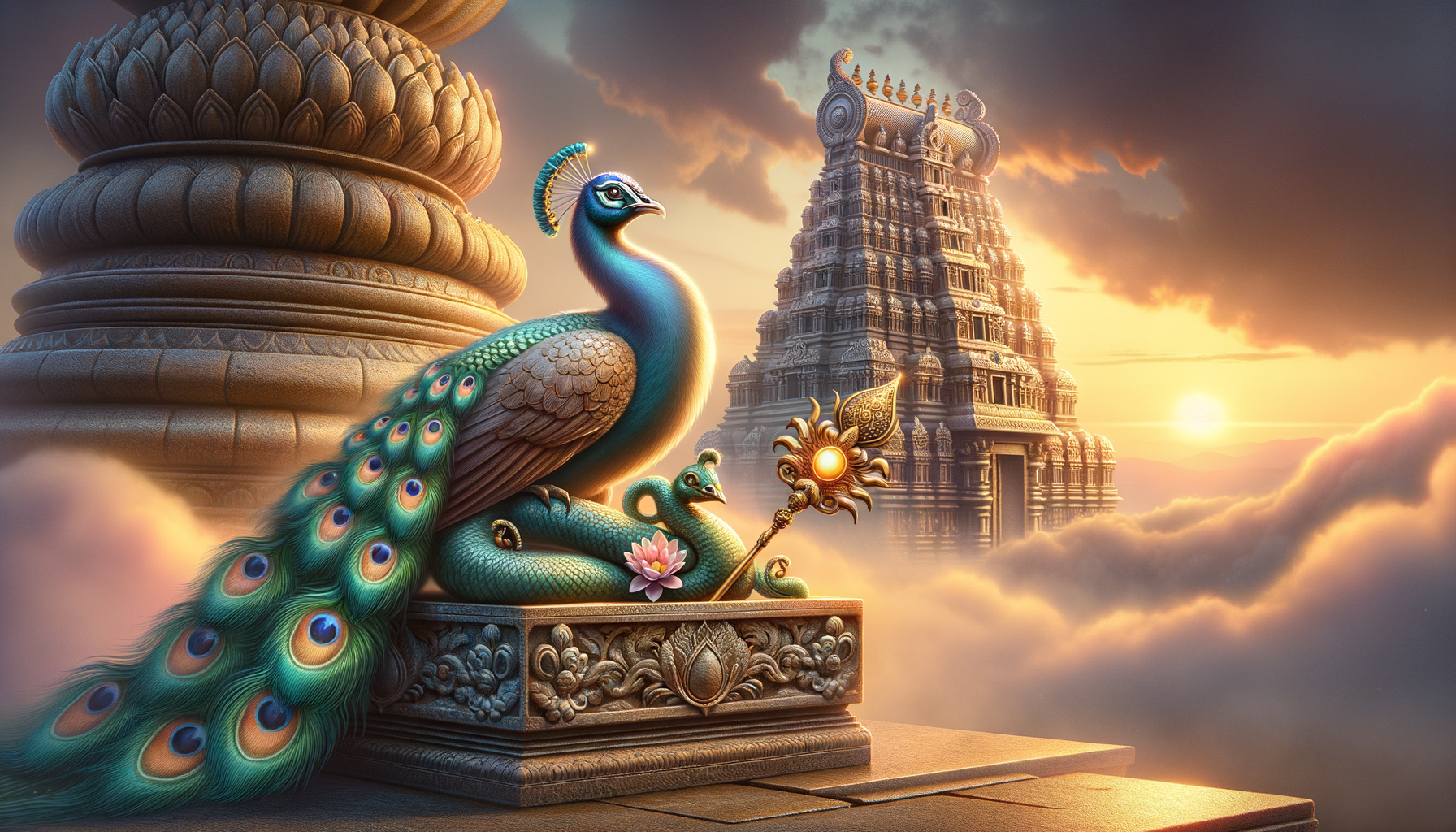
The peacock, vahana of Subrahmanya Swamy (Lord Muruga), symbolizes beauty, courage, and ethical clarity in Hinduism. Its iconographyoften subduing a serpentsignifies victory over ego and ignorance, aligning aesthetics with spiritual discipline. Devotees regard the peacock’s dance and call as auspicious, a sentiment reflected in festivals like Skanda Shashti and Karthigai, as well as in arts…
-
Why Temples Offer Alcohol to Kal Bhairav: Tantric Symbolism, Fearlessness, and Grace
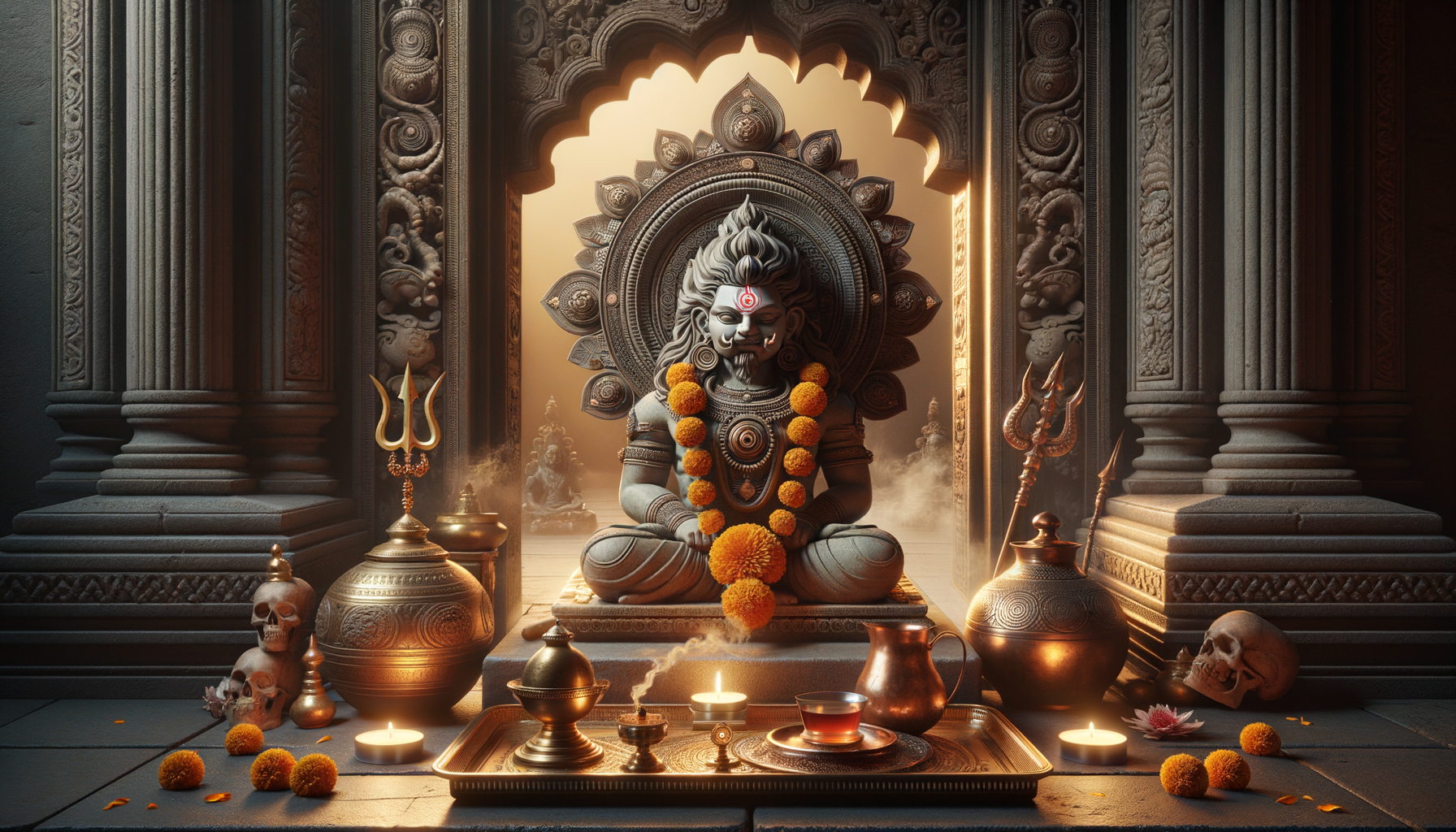
Kal Bhairav’s acceptance of alcohol offerings in select Hindu temples embodies a Tantric teaching: transforming raw, potentially destabilizing energies into fearlessness and moral clarity. Rooted in Shaiva and Shakta traditions, and resonant with Vajrayana Buddhism, the ritual encodes the alchemy of turning “poison” into medicine through consecration and disciplined intent. Temples such as Ujjain’s Kal…
-
Seval Kodi: Murugan’s Rooster Emblem and the Triumphant Conquest of Maya’s Illusion

Seval Kodi, the rooster emblem on Murugan’s banner, symbolizes the victory of awakened consciousness over Maya. Rooted in Tamil tradition and Skanda narratives, it encodes vigilance, clarity, and the ethical transmutation of hostile forces into good. The emblem complements the vel, where piercing insight is proclaimed as triumphant by the rooster’s dawn-cry. Devotees describe relatable,…