
-
Chamunda’s Fiery Crown: Transformative Agni, Shakta Iconography, and Inner Alchemy
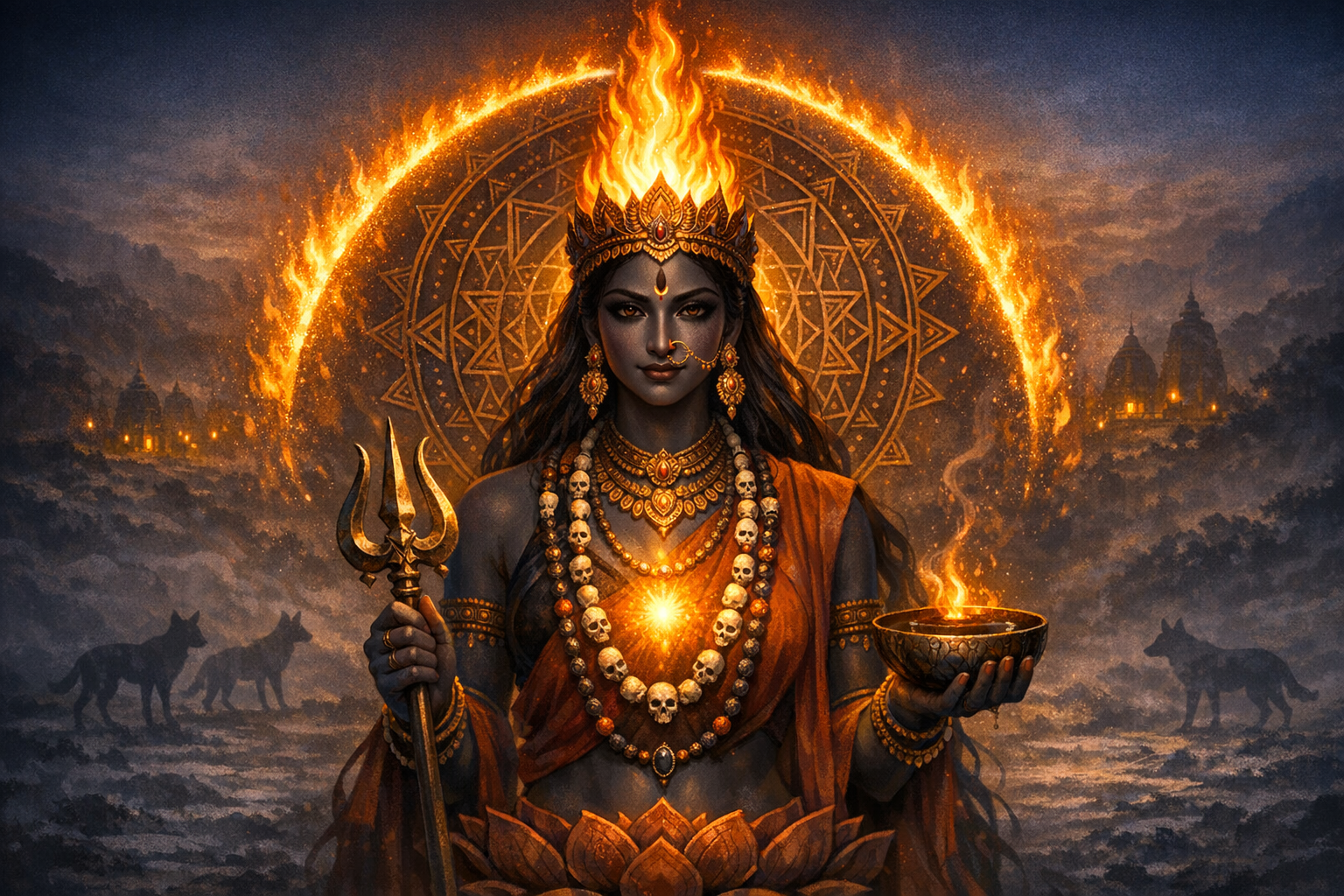
Chamunda’s crown of flamejvālāmukuṭapresents a precise theological statement: power governed by wisdom. Rooted in the Devi Mahatmya, this Shakta iconography aligns with Vedic and Yogic accounts of purificatory fire (Agni, jñānāgni), showing how disciplined luminosity transforms fear and anger into moral clarity. The cremation-ground setting, skull garland, and pañchamuṇḍi āsana frame the flame as sovereignty…
-
Madanikas in Hindu Temples: Sacred Feminine in StoneSymbolism, History, and Devotional Aesthetics
Madanikasalso known as śālabhañjikāsare among the most evocative symbols in Hindu temple architecture, uniting beauty, devotion, and metaphysics. This comprehensive overview traces their origins in early yakṣī imagery at Bharhut and Sanchi, follows their classical flowering in Hoysala temples at Belur, Halebidu, and Somanathapura, and situates related figures at Khajuraho, Konark, and Warangal. It explains…
-
Shiva as Shava Beneath Kali’s Feet: Decoding the Cosmic Union of Consciousness and Shakti
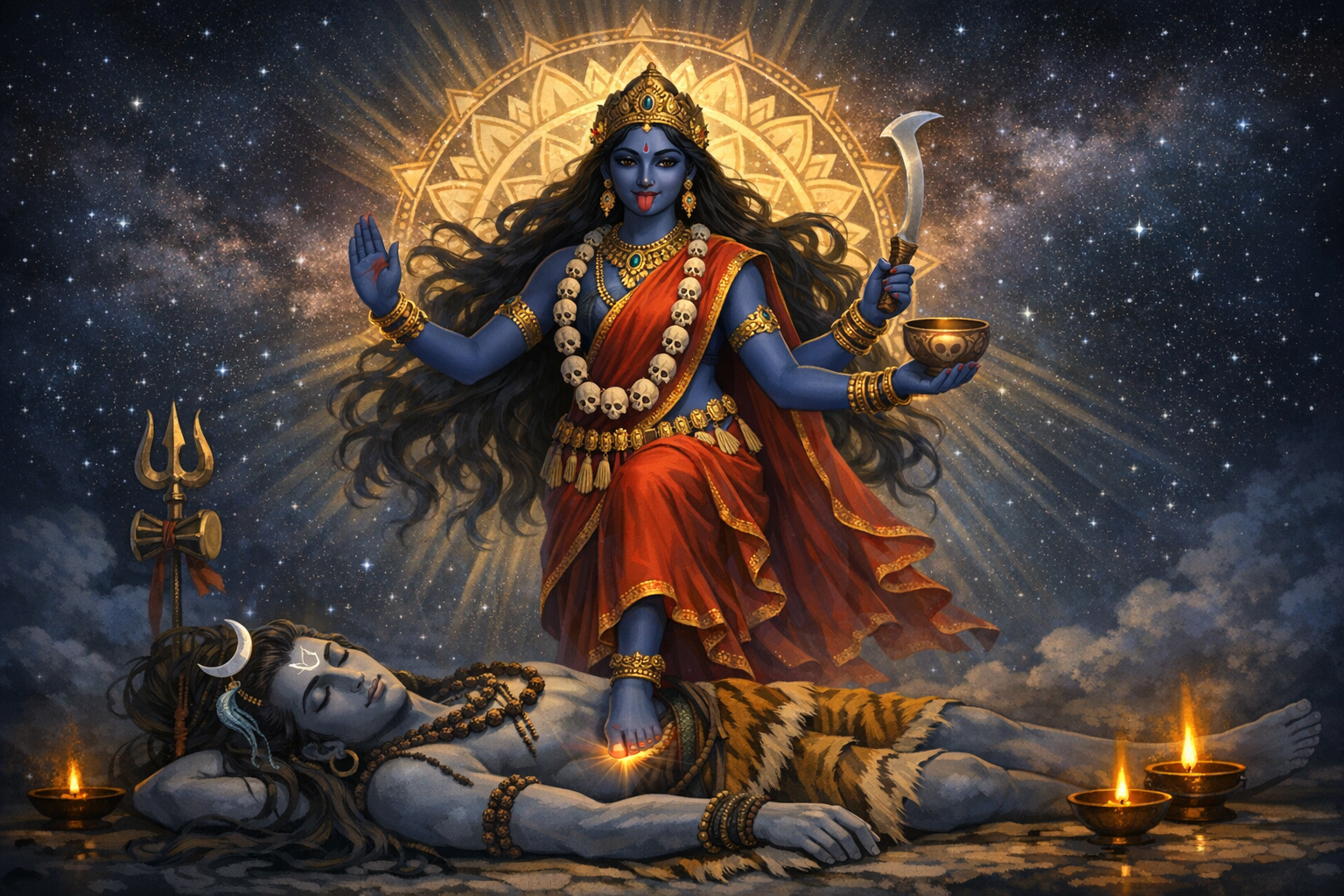
This essay decodes the renowned icon of Mother Kali standing upon Lord Shiva as a precise visual theology of consciousness and energy. It integrates insights from Shaktism, Shaivism, Tantra, Advaita Vedanta, and Kashmir Shaivism to clarify why the image symbolizes complementarity, not domination. Readers gain a technical understanding of the śava–śiva pun, the role of…
-
Decoding the Charchika Mudra: Chamunda’s Fearless Iconography and the Science of Inner Purification
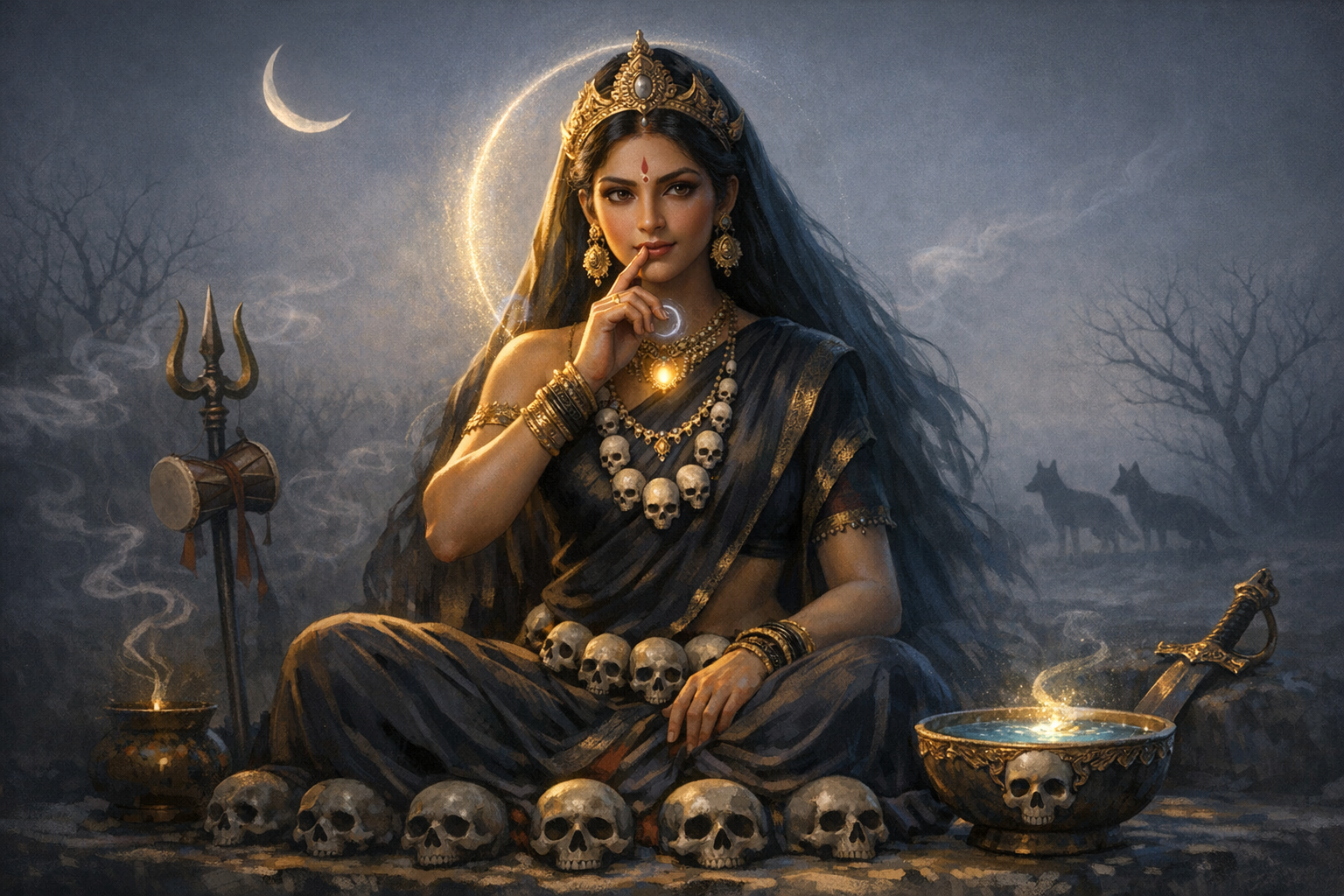
The Charchika MudraChamunda cleaning her teeth with the left little fingercondenses a complete Shakta theology of protection and purification into one subtle gesture. Read against the Devi Mahatmyam and Shakta iconography, it signifies post-conflict cleansing, non-attachment to the taste of violence, and disciplined speech and appetite. Jackals, cremation ground, and skull garlands frame a fearless…
-
Unveiling Pushpaka Vimana: Adivasi Ass-Drawn Chariot Symbolism and Ramayana’s Living Tapestry

Pushpaka Vimana is widely known from the Ramayana as a self-moving, flower-decked aerial vehicle, yet in central India’s Adivasi traditions it is reimagined as a humble ass-drawn chariot. This long-form analysis explains how that shift is a culturally precise translation rather than a loss of meaning. Drawing on philology, iconography, and cultural anthropology, it shows…
-
Supari’s Sacred Power in Ganesha Puja: Betel Nut as Living Symbol of Riddhi–Siddhi and Vows

The betel nut (supari), referenced as Poogiphal in Sanskrit, serves as a durable, auspicious symbol in Ganesha Puja. Placed in pairs beside Ganapati, it represents Riddhi and Siddhiethical prosperity and perfected capabilitygiving form to a complete spiritual aspiration. The nut’s wholeness supports sankalpa (vow) and steadiness, while its longevity makes it ideal for ongoing domestic…
-
Unveiling Meenakshi’s Fish-Eyed Gaze: Compassion, Protection, and Madurai’s Living Temple

This in-depth exploration decodes why Goddess Meenakshi is praised as the fish-eyed queen of Madurai, revealing how her unblinking gaze symbolizes ever-watchful compassion, civic guardianship, and spiritual assurance. It traces the epithet’s etymology, links it to Pandya dynastic emblems and South India’s riverine culture, and explains how darśana transforms devotees through a felt experience of…
-
Ugra Narasimha of Maddur: Fierce Divinity, Temple History and Arjuna’s Living Legend
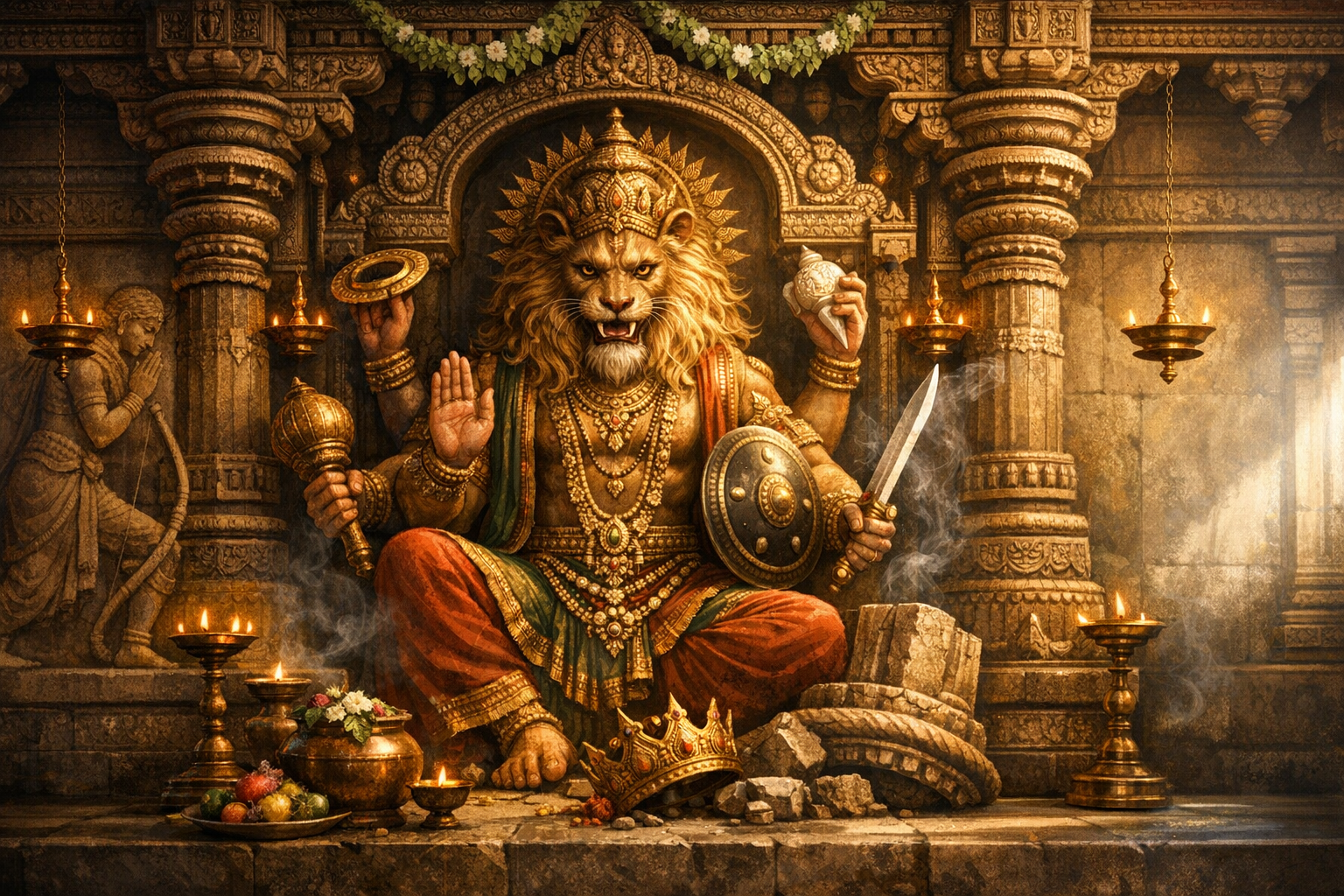
Maddur’s ancient Ugra Narasimha Murty in Karnataka presents Vishnu’s half-man, half-lion avatar at the very instant of protecting Prahlada and ending Hiranyakashipu’s tyranny. This in-depth study situates the shrine within regional temple history, explains the murti’s technical iconography through Puranic and Pancharatra lenses, and evaluates the local oral tradition linking Arjuna of the Mahabharata to…
-
Ganesha’s Sacred Sacrifice: How Parvati’s Creation and Shiva’s Gift Illuminate Transformation
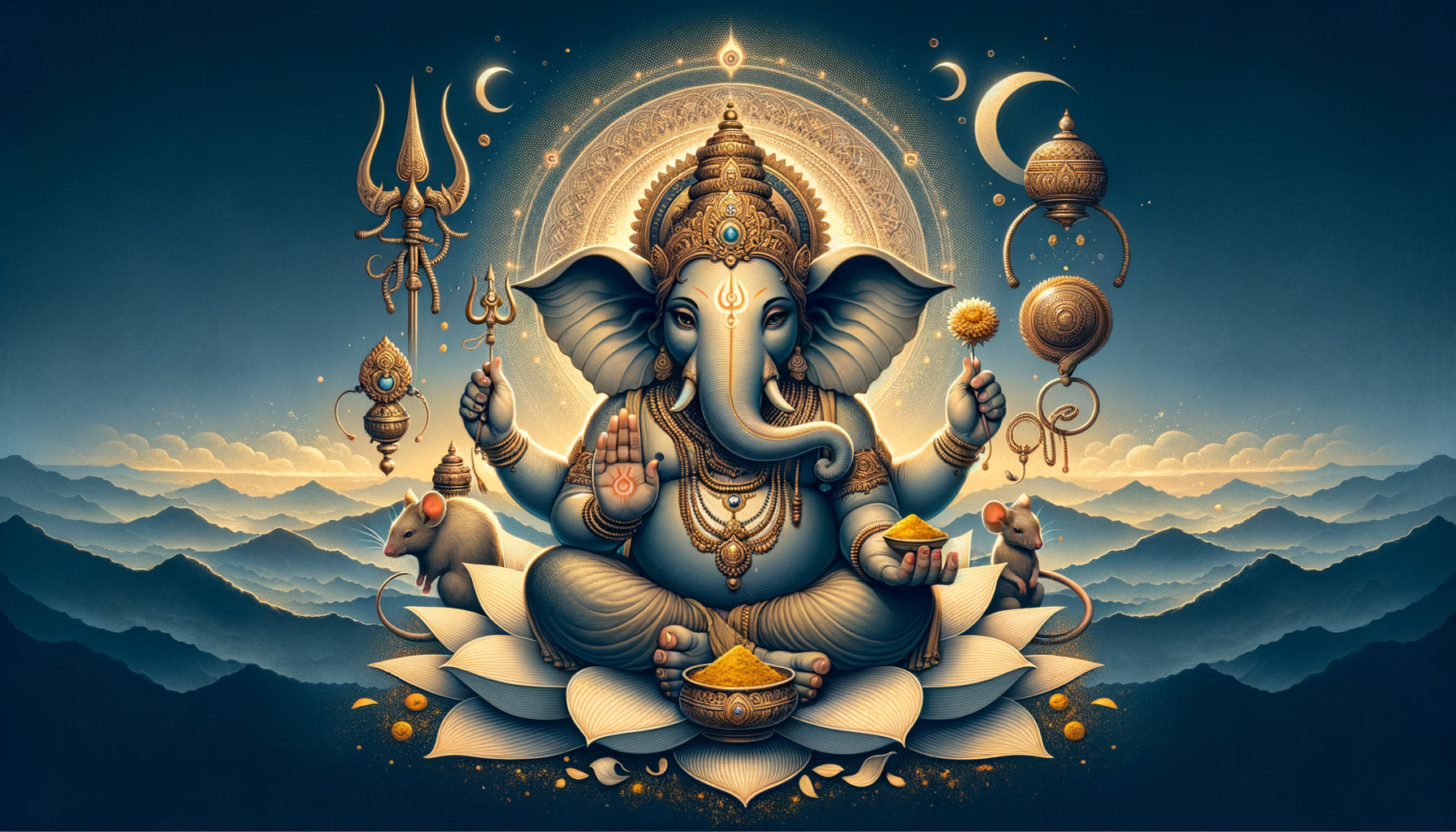
This essay explores the sacred symbolism of Ganesha’s birth, showing how sacrifice, dissolution, and rebirth illuminate a practical path of transformation. Readers learn how the beheading symbolizes the release of ego and the elephant head signifies the arrival of discerning wisdom. The analysis decodes Ganesha’s featuresears, eyes, trunk, belly, and single tuskas teachings in focus,…
-
Shiva’s Third Eye and the Ashes of Desire: Profound Symbolism Behind Kamadeva’s Fall

Shiva’s incineration of Kamadeva is a profound Hindu symbol of transforming craving into clarity. The third eye represents the fire of insight (jñāna-agni) that burns compulsion to ash (vibhūti) without rejecting love or life. Variations across Puranic and poetic retellings agree on a core teaching: desire is refined, not denied. The story models how tapas,…
-
Maa Durga’s Shankha: Sacred Sound of Liberation, Dharma, and Victory Over Evil

The Shankh (Shankha) in Maa Durga’s hand symbolizes the sacred sound that restores dharma and proclaims victory over adharma. Gifted by Lord Varuna, it links purity, water, and cosmic order to Durga’s restorative power in the Devi Mahatmyam. As a manifestation of nāda and the primordial Om, the conch dispels fear, clarifies intent, and anchors…
-
Nabapatrika and Shakambhari: How Durga Puja Honors Earth’s Harvest and Sacred Ecology
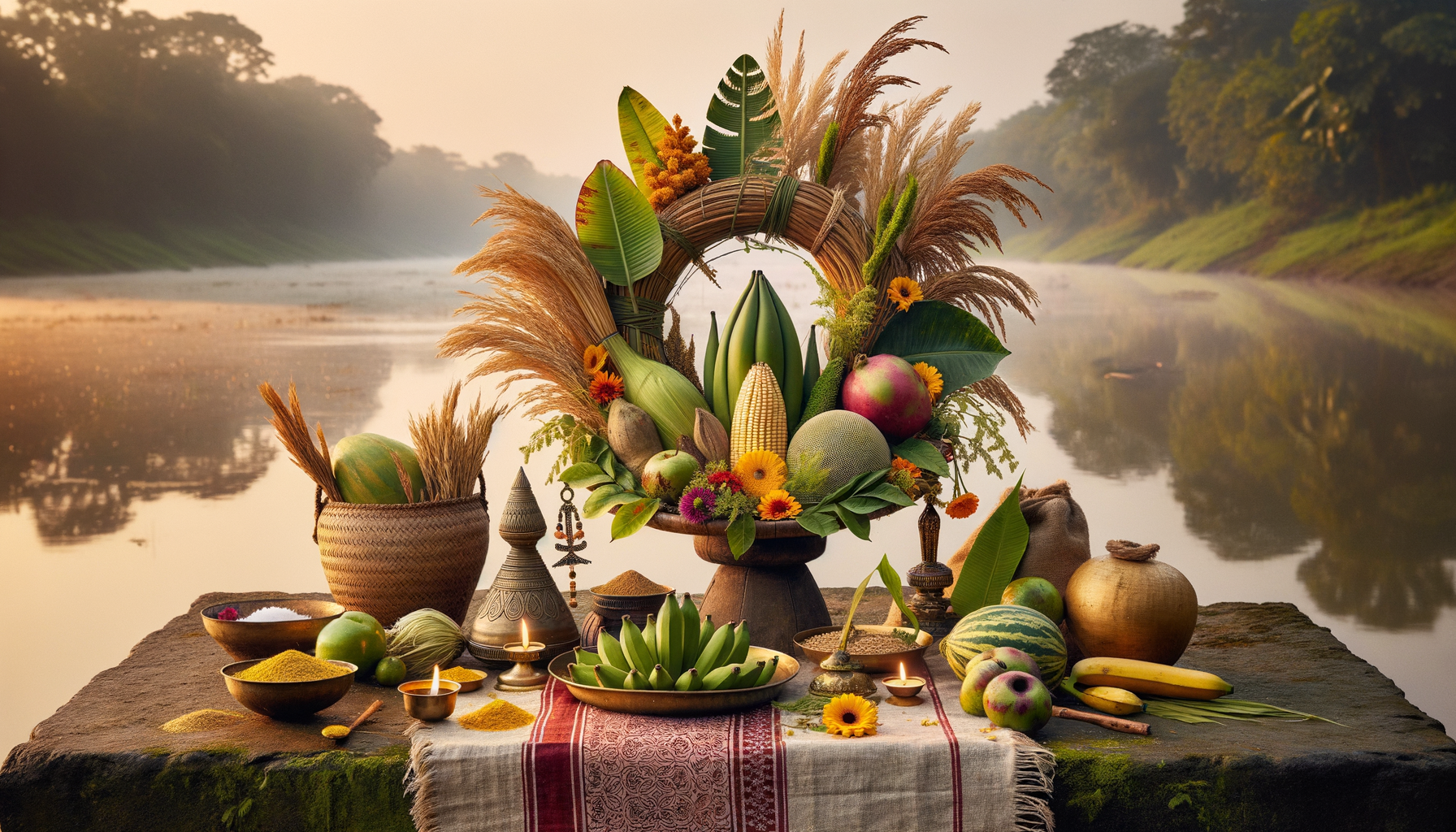
Nabapatrika and Shakambhari reveal Durga Puja’s living dialogue with agriculture and ecology. Through nine sacred plants bathed at dawn, households ritualize gratitude for soil, seed, and monsoon rhythms in the Ganga-Brahmaputra delta. Shakambhari Devi’s nourishment of the world through vegetation broadens this vision into an ethic of biodiversity and care. The rites resonate across dharmic…
-
Durga’s Sacred Mace (Gada): A Powerful Emblem of Strength, Justice, and Living Dharma

The gada (mace) in Goddess Durga’s hands signifies ethical strength guided by justice and compassion. Rooted in the Devi Mahatmya, it recalls how Yama endowed Durga with the power to restore order against adharma. The mace symbolizes grounded resolve, impartial accountability, and the stabilizing force of dharma in public and personal life. Beyond martial imagery,…
-
Unveiling Tripura Sundari: Profound Symbolism of Shodashi on Shiva’s Navel Lotus
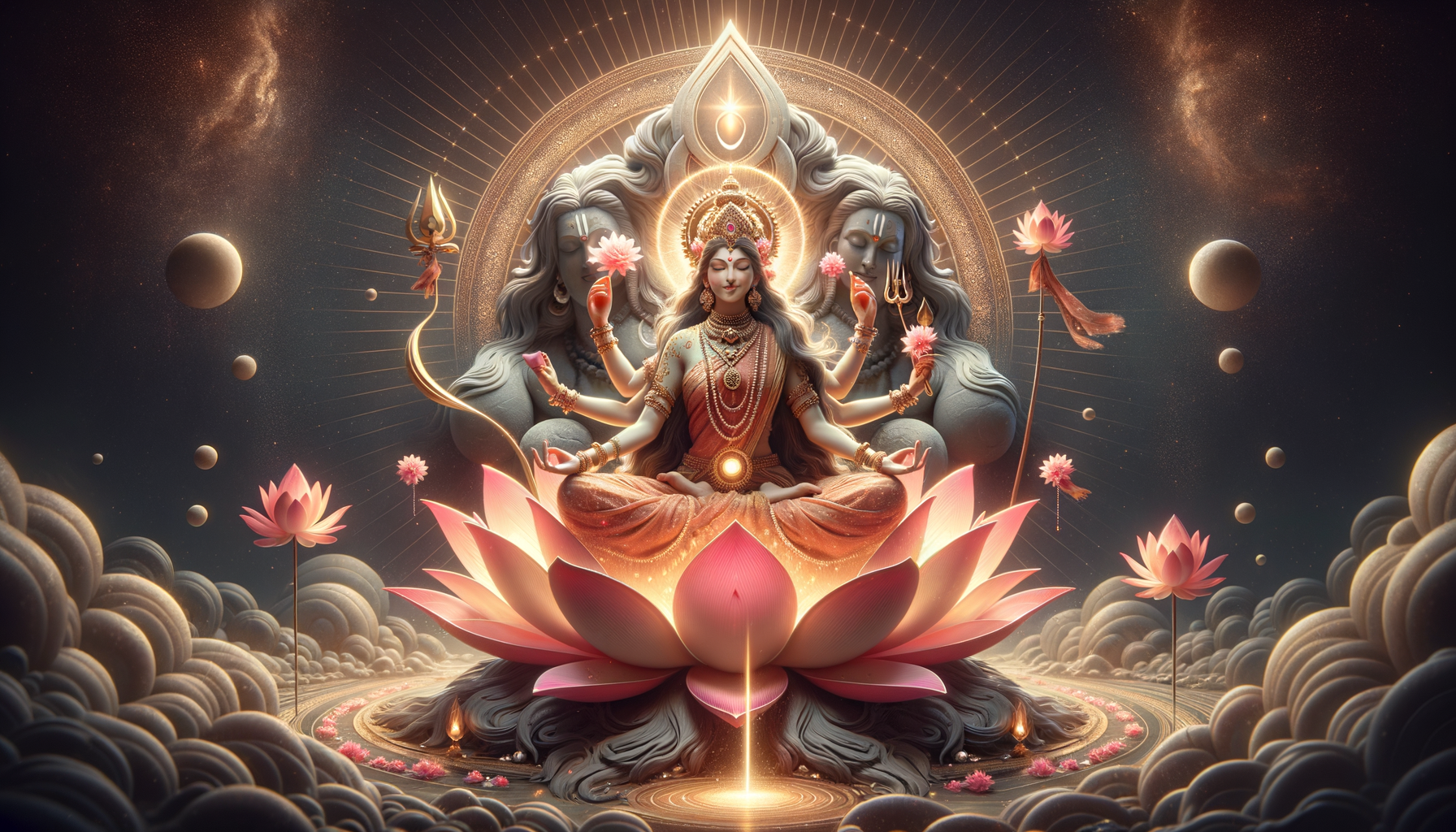
This exploration unpacks the symbolism of Goddess Shodashi (Tripura Sundari) seated on a lotus above Shiva’s navel, showing how Shakti’s luminous wisdom flowers from the stillness of consciousness. It clarifies the lotus as a shared dharmic emblem of purity and awakening across Hinduism, Buddhism, Jainism, and Sikhism. Readers gain a coherent understanding of Shiva’s nabhi…
-
Nagapasha in Durga’s Hand: Unleashing Conscious Power and the Serpent’s Victory Over Evil

The serpentSarpain Goddess Durga’s hand is not mere ornament but Nagapasha, the symbol of conscious power and ethical control. It signifies the binding of ego and disorder through lucid awareness rather than brute force. A yogic reading links the serpent to Kundalini rising from the muladhara through the sushumna nadi, illustrating disciplined Shakti in service…
-
Sacred Hearth of Bengal: How the Kitchen Stove Embodies Goddess Manasa’s Protection

The sacred hearth in rural Bengal carries a profound symbolism: the kitchen stove (chulha) doubles as a domestic altar that invokes the protection of Goddess Manasa. This article explains who Manasa isBishahari, Jagat Gauri, Padmavatiand why her worship intensifies during the monsoon. It shows how daily acts of cleaning, marking, and offering from the first…
-
Elephant, Swan, or Horse? Decoding Vishwakarma’s Vahana and Its Sacred Symbolism
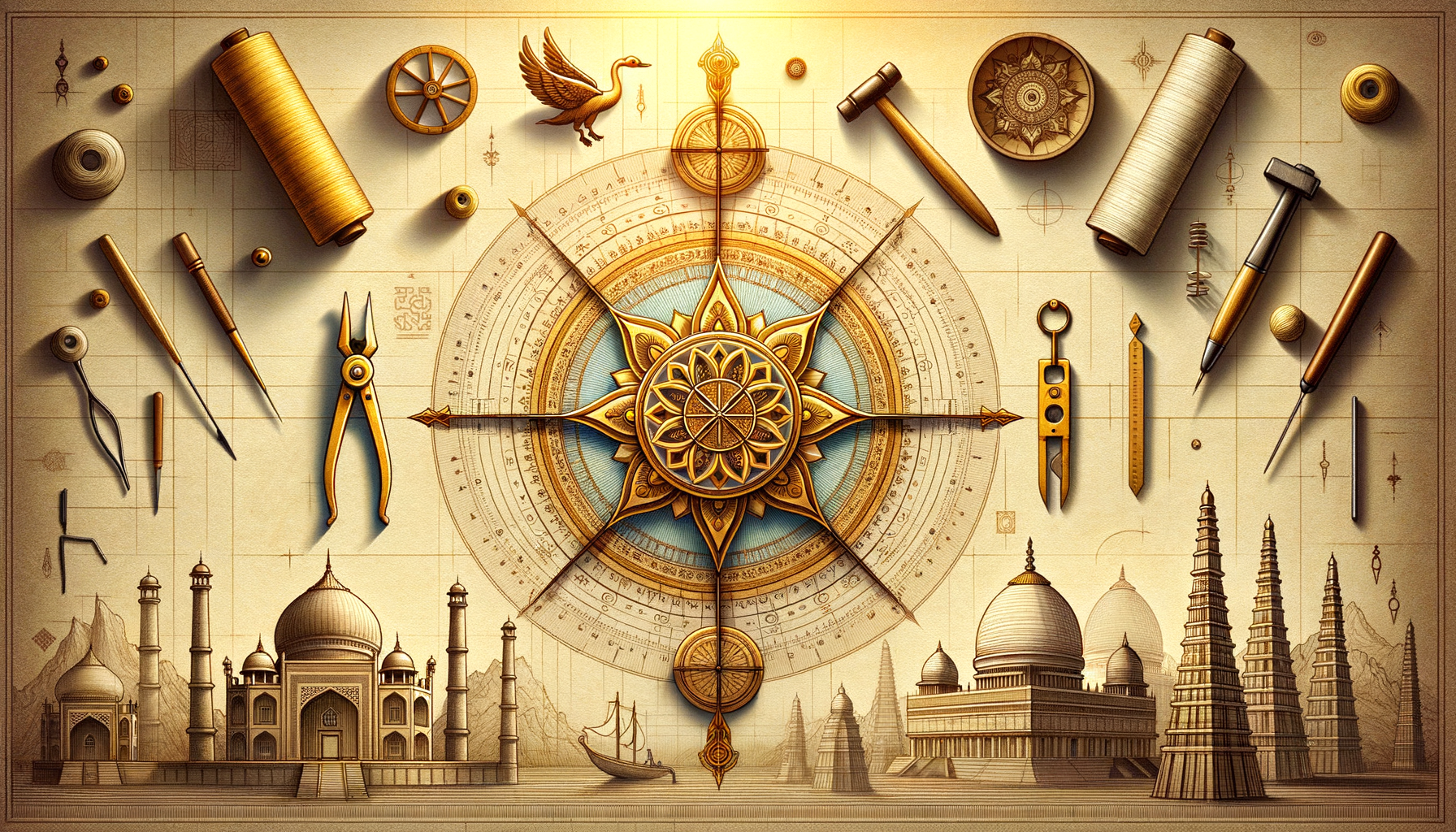
Vishwakarma’s vahana is not fixed to a single form; Hindu iconography across regions presents the divine architect with an elephant, a swan, or a horse. Each vehicle encodes a distinct facet of sacred craftsmanship: the elephant symbolizes stability and strength, the swan represents discernment and knowledge, and the horse conveys mobility and industrious energy. Puranic…
-
Kabandha as Kali’s Vahana: Tantric Symbolism of Ego-Transcendence and Inner Liberation
This exploration unpacks the esoteric image of Kabandha as Kali’s vahana as found in certain Shakta-tantric interpretations. It clarifies how headlessness symbolizes cutting through ego, aligning the body-mind as the disciplined “vehicle” of Shakti. Readers discover how this symbolism resonates with shared dharmic insights across Hindu, Buddhist, Jain, and Sikh traditions, emphasizing humility, fearlessness, and…
-
Vajra in Durga’s Hands: Indestructible Power, Sacred Courage, and Dharmic Unity
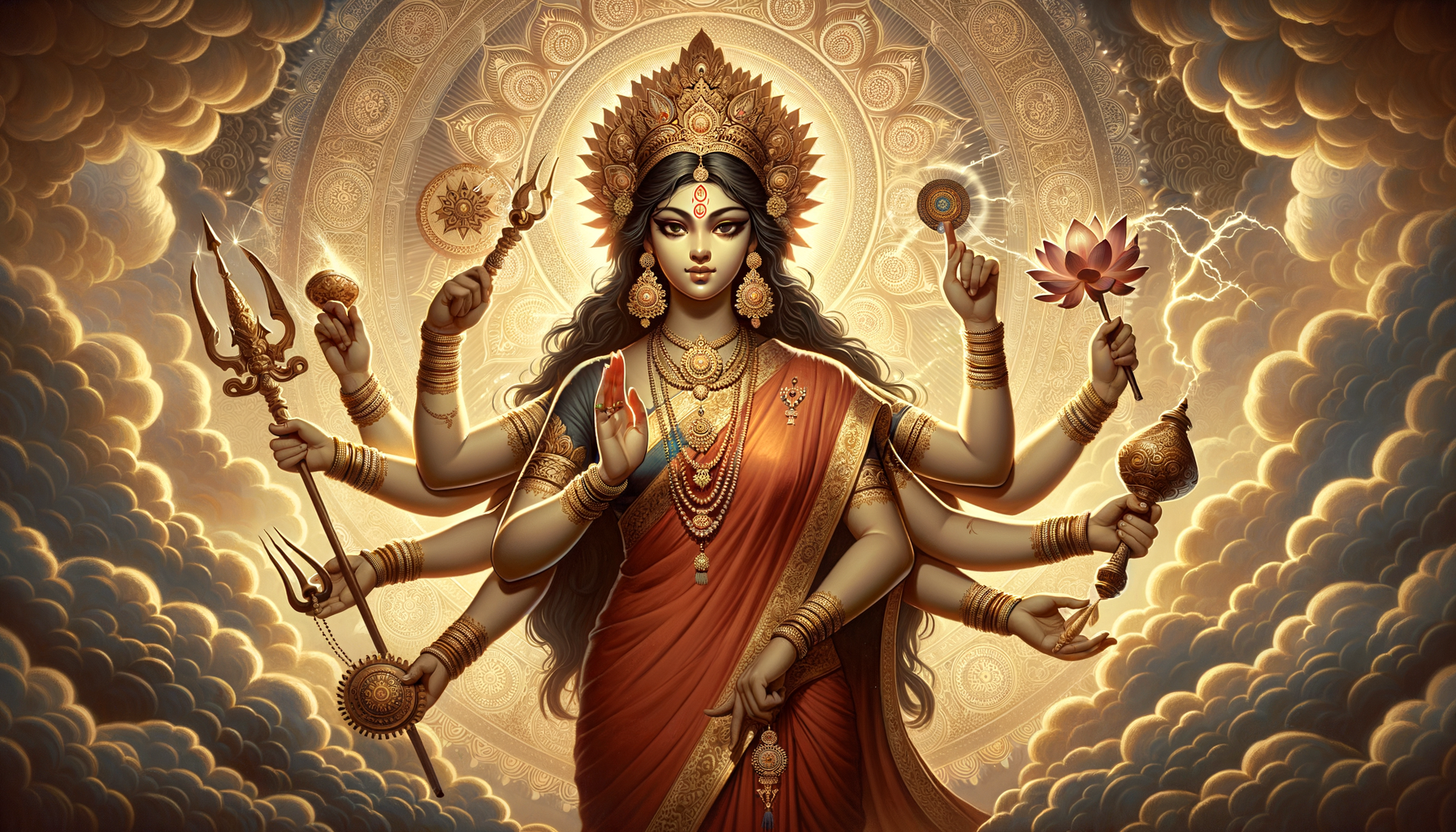
The Vajra in Goddess Durga’s hands symbolizes indestructible power guided by wisdom, as narrated in the Devi Mahatmyam of the Markandeya Purana. Indra’s gift of the thunderbolt links Durga’s protective mission with earlier Vedic and puranic themes of sacrifice, courage, and cosmic balance. Readers gain a clear understanding of how the Vajra denotes sudden illumination,…
-
Durga’s Bow and Arrow: Unveiling the Power of Universal Will and Spiritual Discipline
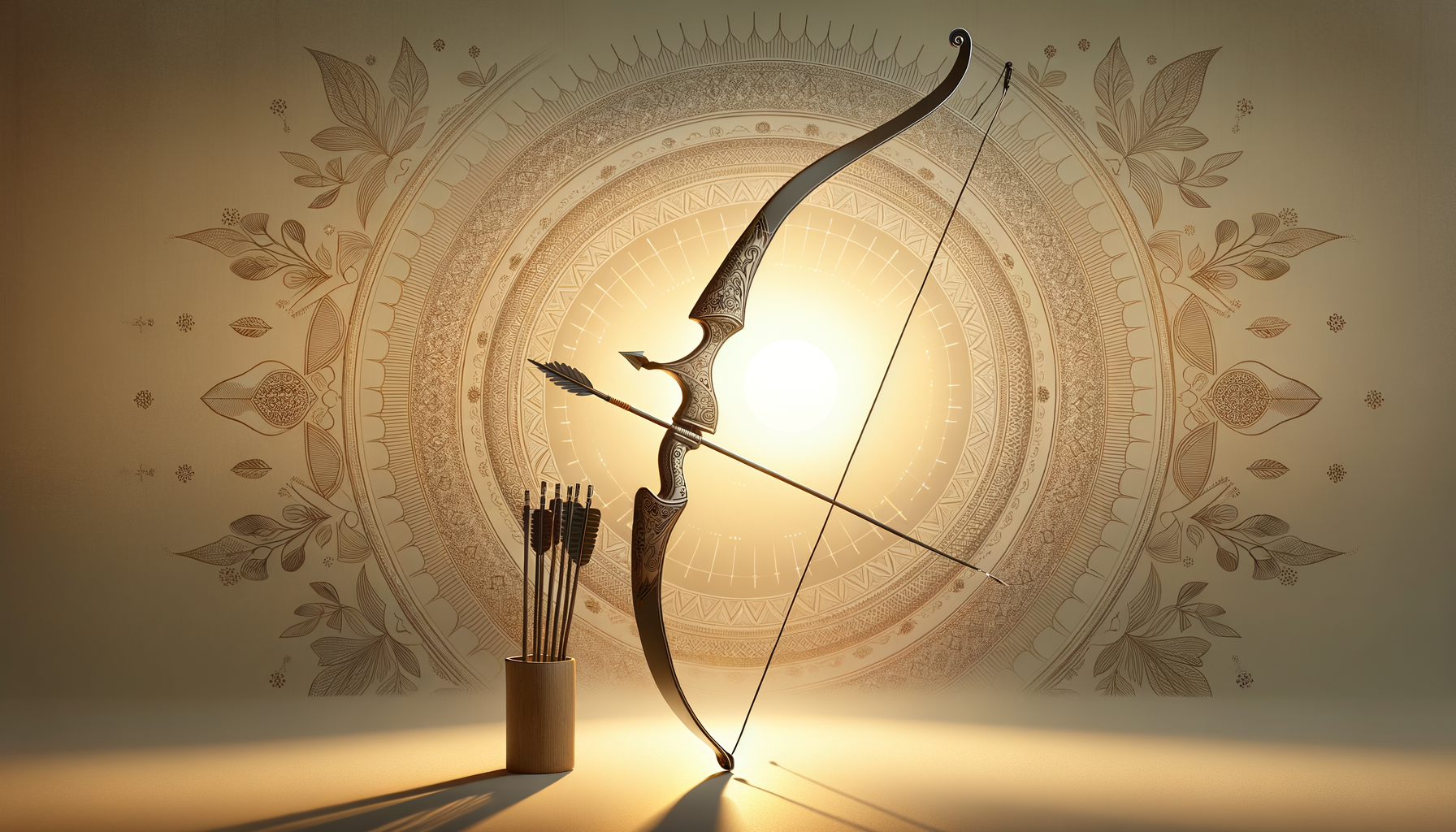
Goddess Durga’s bow and arrow symbolize the union of universal will and disciplined focus. The bow represents restrained power aligned to dharma, while the arrow embodies one-pointed concentration and purposeful action. Read through yoga, they mirror pratyāhāra, dhāraṇā, and dhyāna culminating in right action. During Navaratri and Durga Puja, this iconography becomes a practical guide…