
-
Broken Pot in Hindu Death Rituals: Powerful Symbolism of Impermanence, Grief, and Liberation

In Hindu death rituals, the breaking of a clay pot during Antyeṣṭi powerfully symbolizes impermanence, the release of attachments, and the soul’s onward journey. The water’s steady drip reflects the fading of prāṇa, while the final shatter marks the clear separation of body and atman. This rite provides emotional structure for mourners, transforming raw grief…
-
Shein Urged to Apologize and Remove Lord Ganesha Doormat Amid Outrage and Calls for Respect

Hindu community members are urging Shein to withdraw a doormat bearing the image of Lord Ganesha and to issue a formal apology, citing the placement of a sacred deity underfoot as deeply inappropriate. A statement by Rajan Zed underscores the need for cultural sensitivity in global retail and calls for immediate corrective action. The post…
-
Amrita Kalasha Revealed: Origin in Samudra Manthan, Brahma’s Creative Power, and Living Rituals

The Amrita Kalasharooted in the Samudra Manthanembodies life, knowledge, and renewal in Hindu tradition. Linked to Brahma’s creative power, its components symbolize earth, water, vitality, and fruition. From Navaratri kalasha sthapana to temple Brahmakalashabhisheka, the sanctified pot brings cosmic order into daily life. The narrative of Dhanvantari emerging with the nectar vessel explains why the…
-
Pot-Bellied Deities in Hinduism: Profound Symbolism of Abundance, Restraint, and Wisdom
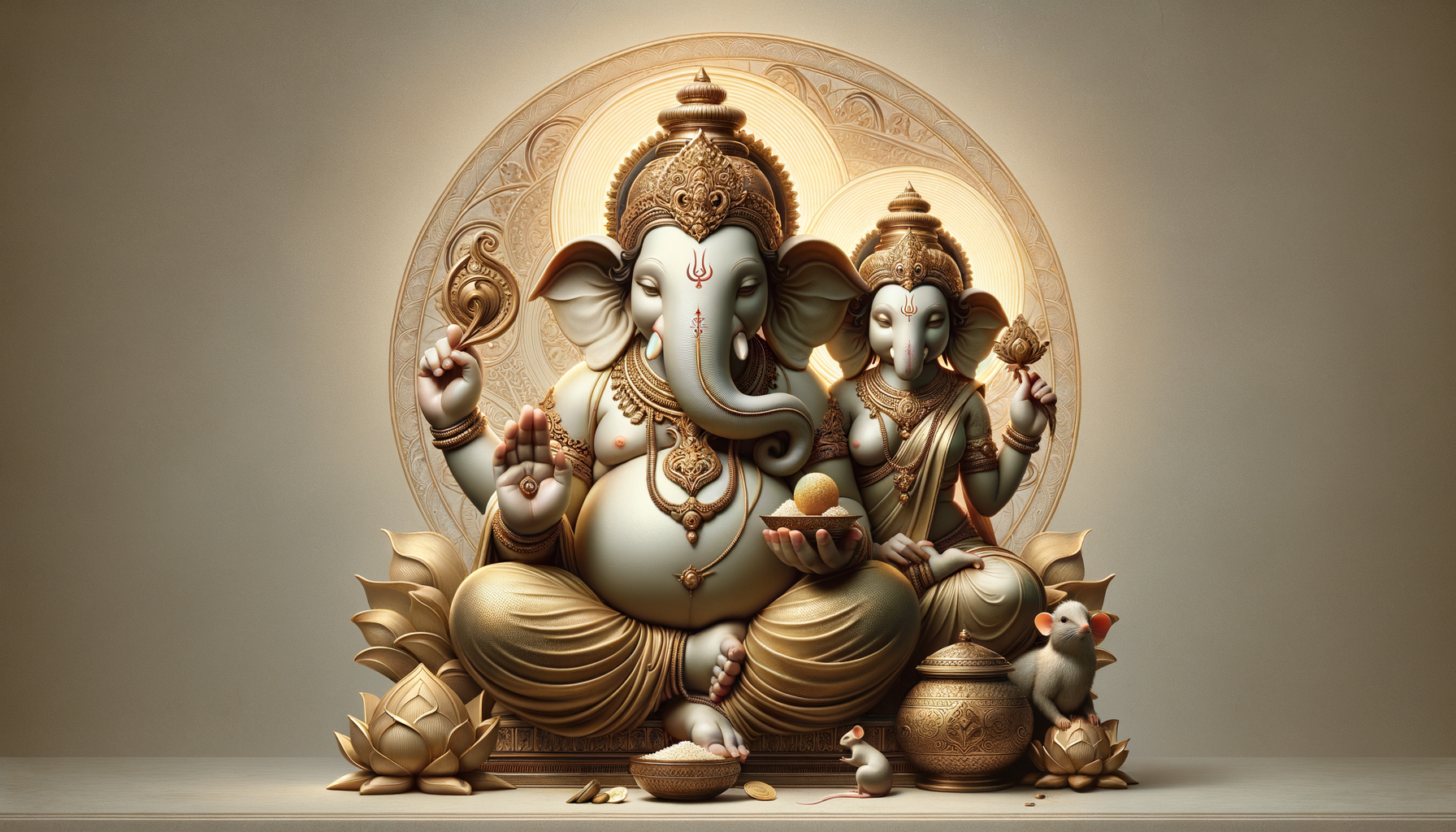
The pot belly in Hindu iconographyseen in deities like Ganesha and Kuberaembodies profound teachings on abundance, restraint, and inner integration. Rather than signaling excess, it symbolizes ethical wealth, contentment (santosha), and the yogic power to assimilate experience through jatharagni and mindful breath. The form also implies groundedness in muladhara, creative potential in the garbha, and…
-
Dakini as Supreme Knowledge: Profound Symbolism, Timeless Etymology, and Dharmic Unity
This article clarifies the Sanskrit etymology of Dakini (‘Dak’ as knowledge or Jnana) to ground its meaning in Hindu spiritual traditions. It explains why Dakini functions as a symbol of supreme knowledge and primordial wisdom, uniting insight with ethical responsibility. Readers gain a clear view of Dakini’s role in Tantra and mandala symbolism, where wisdom…
-
Decoding the Sacred Names of Pandharpur: Vithoba’s Symbolism, Bhakti, and Shared Unity
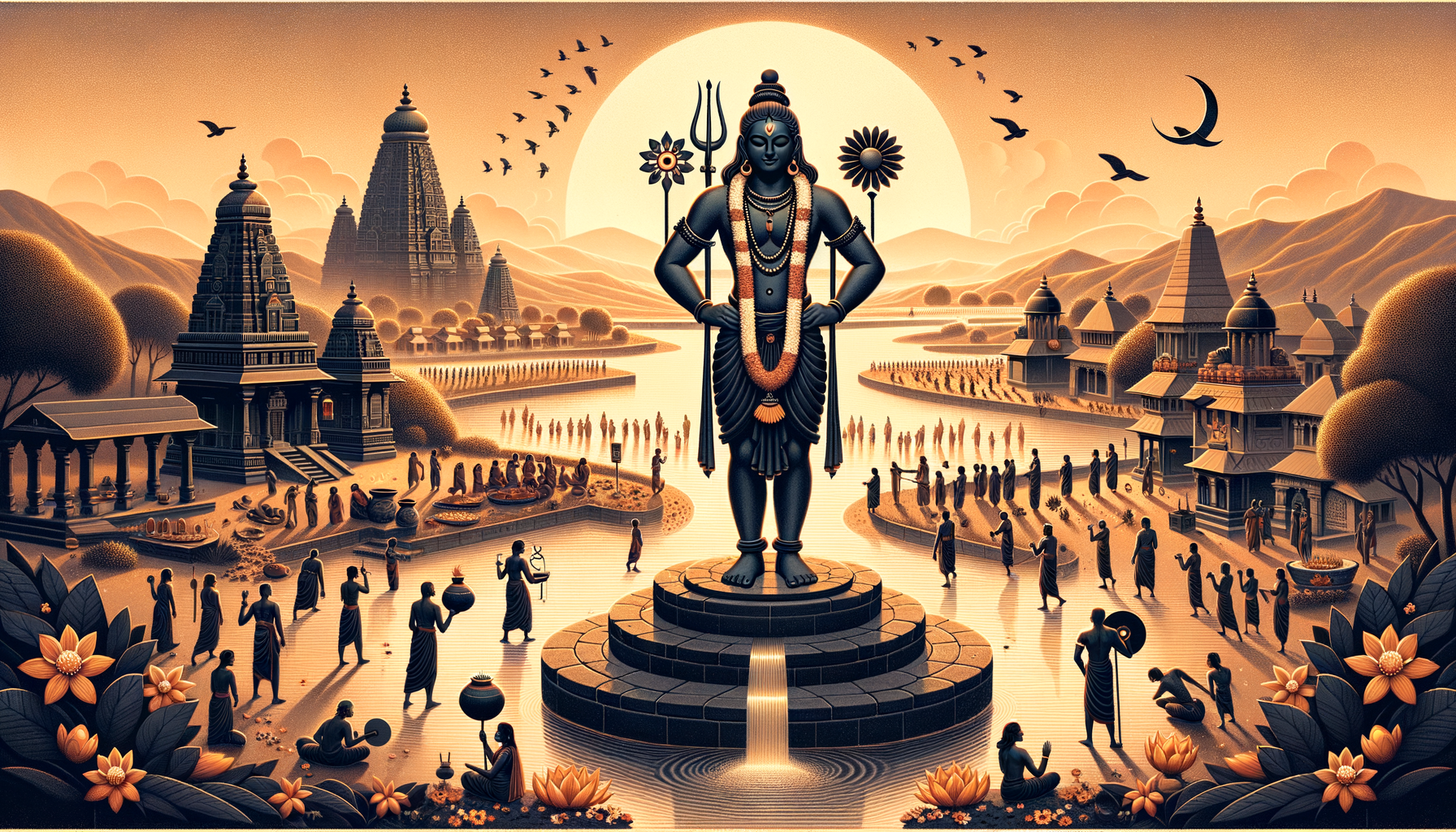
Pandharpur’s sacred names preserve a living archive of Bhakti wisdom and inclusive practice. Each epithetPanduranga, Vithoba/Vitthal, Pandharināth, Pundalikavarada, Rakhumāī-Rāyā, and Maulicarries symbolism that is both philosophically rich and emotionally resonant. The well-known brick, Pundalik’s seva, and the hands-akimbo stance together portray a deity who is steadfast, accessible, and intimately present. Etymological nuances are presented with…
-
Master the Panchamahabhuta: The Complete Guide to Five Elements, Deities, and Symbolism
This complete guide explains the Panchamahabhutathe five elements of Hindu philosophyand their associations with deities across major sampradayas, including the Shaiva Pancha Bhoota Sthalams. It clarifies how earth, water, fire, air, and space relate to senses, ethics, and yogic centers (muladhara, swadishtana, manipura, anahata, visudha). The discussion connects Hindu symbols with Vedic and Upanishadic insights…
-
Essential Guide to Yantras in Hindu Tantra: Discover Sacred Geometry for Transformative Worship
This article presents an essential, academically grounded guide to yantras in Hindu Tantric puja and worship. It explains the Sanskrit roots of the term, clarifies how sacred geometry structures attention, and shows how yantra, mantra, and mudra function together in ritual. Readers discover why the Sri Yantra is considered archetypal and how its inward journey…
-
Complete Guide to Kali’s Jackal Vahana: Discover Transformative smasana Symbolism

Goddess Kali’s association with the smasana (cremation ground) reveals a rigorous yet consoling lesson on impermanence, ego-dissolution, and compassionate presence. The jackal as Vahana functions as a precise Hindu symbol of transformation, liminality, and ecological renewal. This analysis clarifies how Tantric symbolism turns fear into insight and darkness into ethical action. It highlights shared values…
-
Complete Guide to Pundra: Discover the U‑Shaped Vishnu Mark and Its Living Meaning

This complete guide explains the Pundra (Urdhva Pundra), the U-shaped forehead mark of Vishnu devotees, as a sacred Hindu symbol of remembrance and devotion. Readers learn how its placement at the brow center expresses focus and the body-as-temple ideal. The article clarifies materials and methodstiruman, gopi-chandana, and sandalwoodalong with key lineage variations among Sri Vaishnava,…
-
Complete Guide to Panchayatana Puja Symbols: Discover the Sacred Power of Nature
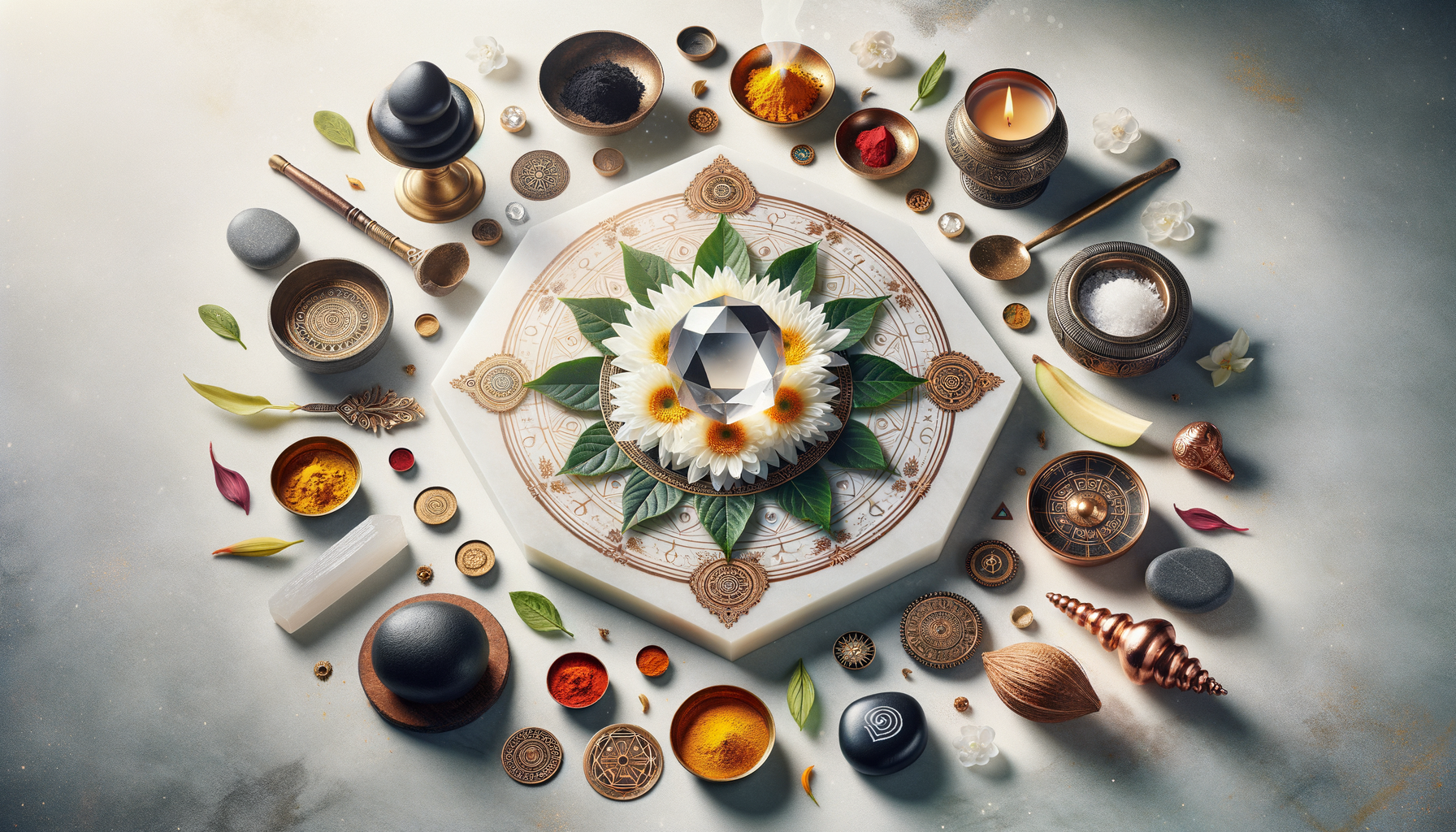
Panchayatana Puja offers a clear, inclusive framework for Hindu worship that honors five deities while centering one’s Ishta Devata. By employing natural elementswater, fire, flowers, and sacred stonesit translates profound philosophical insights into everyday practice. The quincunx altar design models cosmic harmony and invites steady contemplation. Symbolic objects like the kalasha, deepa, shaligrama, and bana-linga…
-
Complete Guide to Jyeshta Lakshmi Iconography: Discover Proven Symbols of Prosperity and Wisdom

Goddess Jyeshta Lakshmi’s iconography encodes a practical theology of ethical prosperity and reflective wisdom. The lotus seat models purity amidst change, while the kalasha, lotus, and knowledge emblems unite abundance with study and restraint. Abhaya and varada mudrās teach fearlessness and generosity, reframing wealth as a responsibility grounded in dharma. Attire, radiance, and Gaja-Lakshmi motifs…
-
Discover Tatpurusha: The Complete Guide to Shiva’s Eastern Face on the Shivalinga

This exploration of Tatpurushathe eastern face of Shiva on the Panchamukha Lingaclarifies its sacred symbolism, directional meaning, and contemplative value. It explains why east-facing worship aligns with dawn’s illumining power and how the Rudra Gayatri supports breath-centered focus. The discussion situates Tatpurusha within the five cosmic functions of Shaiva theology and shows how disciplined practice…
-
Essential Lessons from the Yadavas’ Fall: Discover the Proven Dharma of Unity and Restraint

The Yadavas’ fall in the Mahabharata’s Mausala Parva offers a precise and enduring lesson: communities collapse from within when unity, restraint, and ethical speech are neglected. This post clarifies the narrative’s symbolismthe iron club, the reeds, and intoxicationand links it to practical conflict prevention. It highlights convergent values across Hinduism, Buddhism, Jainism, and Sikhism, showing…
-
Discover the Ishana Face of Shivling: The Ultimate Guide to Its Symbolism and Practice

This article explores the Ishana face of the Shivling as the upward, transcendental dimension of Shiva that serves as a gateway to divine consciousness. It clarifies the five faces of Shiva (Panchamukha) and situates Ishana as the integrative apex associated with ākāśa, jñāna, and moksha. Readers gain practical ways to engage this symbolism through mantra,…
-
Master the Complete Symbolism of Panchamukhi Gayatri: Five-Colored Faces Explained
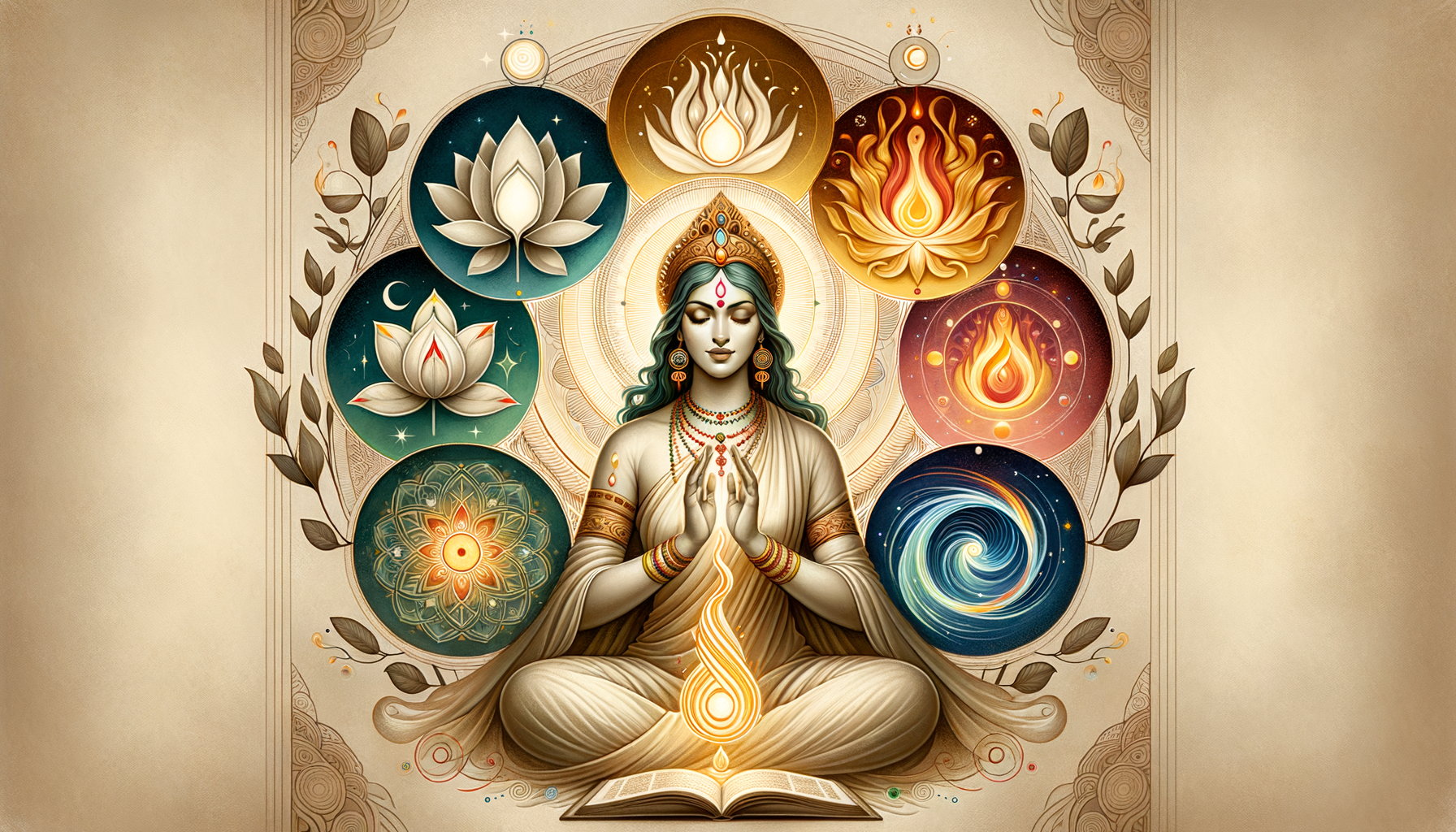
Goddess Gayatri, revered as Veda Mata and Brahma Shakti, is traditionally depicted with five faces in five colours, a visual pedagogy that unites Vedic knowledge, contemplative practice, and ethical living. Classical commentaries link these faces to the four Vedas and the transcendent Om, while the colours symbolize guṇas, elements, and the ascent from the gross…