
-
Thai Amavasya 2026 (January 18): Auspicious Utharayanam New Moon for Ancestor Rites

Thai Amavasya (Thai Amavasai) in 2026 falls on January 18, marking the first Amavasya of Utharayanam and an especially auspicious time for Tharpanam (Pitru Tarpanam). Rooted in the Tamil calendar and closely following Pongal and Makara Sankranti, this new moon day blends seasonal transition with spiritual focus. Families honor ancestors with simple, accurate, and locally…
-
Invoking the Divine in Hinduism: Symbolism, Inner Awakening, and Inclusive Dharma Paths

Deity invocation in Hinduism aligns devotion with inner divinity while honoring inclusive, pluralistic practice. Through puja, mantra, meditation, and seva, practitioners cultivate clarity, compassion, and ethical steadiness. Symbolic offerings like light, water, and flowers transform everyday actions into sacred gestures. The Ishta-devata principle affirms unity in spiritual diversity, enabling practitioners to choose a path that…
-
Magh Snan Mahatmya: Transformative Power of Magha Snanam and the Sacred Pre‑Dawn Holy Dip

Magh Snan (Magha Snana) during Magh month is honored for its capacity to purify, calm the mind, and align daily conduct with dharma. Performed ideally before sunrise during Brahma Muhurta, the snana is complemented by japa, vrata, and daana for deeper spiritual impact. Traditionally undertaken in sacred rivers like Ganga, Yamuna, Brahmaputra, Narmada, and Godavari,…
-
Agni Purana’s Sacred Guidance for Disposing Broken Murtis: Reverent Steps for Homes and Temples

The Agni Purana offers dignified, text-rooted guidance for disposing of old or damaged murtis through deconsecration followed by immersion or burial. It emphasizes Prana Pratishtha and prana-uddhara as essential steps that honor the murti’s living presence. Methods such as jalavisarjana and bhumisamarpana are presented with ecological sensitivity and respect for local regulations. Metal murtis may…
-
TTD Srivari Akshintalu for Newlyweds (Nava Vadhuvarulaku): Divine Blessings with Kumkum & Kankanam

TTD’s Srivari Aseervadam, known as “Srivari Akshintalu for NewlyWed Couples” and “Nava Vadhuvarulaku TTD Akshintalu,” offers newlyweds Akshintalu (sacred rice), a kumkum packet, kankanam (sacred thread), a blessing letter, and photographs of Sri Venkateswara Swamy. The initiative has received an overwhelming response, demonstrating the continued relevance of temple blessings in family life. Each item carries…
-
Kamyeshti (Kameshti) in Hinduism: A Sacred Guide to Vedic Desire-Rituals and Their Ethics

Kamyeshti (Kameshti) signifies desire-motivated Vedic rituals that align personal aims with dharma. Grounded in Hindu scriptures and Shrauta traditions, it is exemplified by the Putrakameshti in the Ramayana. Practitioners emphasize sattvic offerings, ethical intent, and the welfare of society, integrating ritual precision with responsibility. The sequence often includes sankalpa, mantras, and oblations into the Havan…
-
Pavitraropana Vrata: A Powerful Temple Ritual of Purification, Renewal, and Unity

Pavitraropana Vrata is a sacred Hindu ritual in which a sanctified pavitra (thread) is invested on the deity to purify, rectify, and renew temple worship. Grounded in Agamic practice and Purana references such as the Skanda Purana and Padma Purana, it serves as a formal prayaścitta for inadvertent ritual lapses. The ceremony typically includes mantra,…
-
Sacred Pavitra in Hindu Rituals: Purity, Protection, and a Living Bridge to the Divine

The pavitra, or kusha ring, is a sacred implement in Hindu rituals that signals purification, focus, and spiritual readiness. Traditionally made from kusha (darbha) grass, Desmostachya bipinnata, it supports puja, homa, Sandhyavandanam, mantra-japa, vratas, samskaras, and pitṛ-karmas with an emphasis on śuddhi and steadiness. Lineages prescribe how and when it is worn, commonly on the…
-
Sacred Kolam at Dawn: How Rice-Powder Geometry Cleanses Karma and Blesses Homes
Across South India, the pre-dawn kolam transforms thresholds into living geometry that unites aesthetics, ecology, and spirituality. Drawn with rice powder, kolam and rangoli invite auspiciousness, welcome guests, and model daily renewal through impermanence. Many lineages teach that sustained practice can cleanse karmic residueseven across seven janmasan ethical insight embodied in attention, non-harm, and generosity.…
-
Bhogi Festival Explained: Significance, Bhogi Mantalu, Bhogi Pallu, and Pongal Traditions
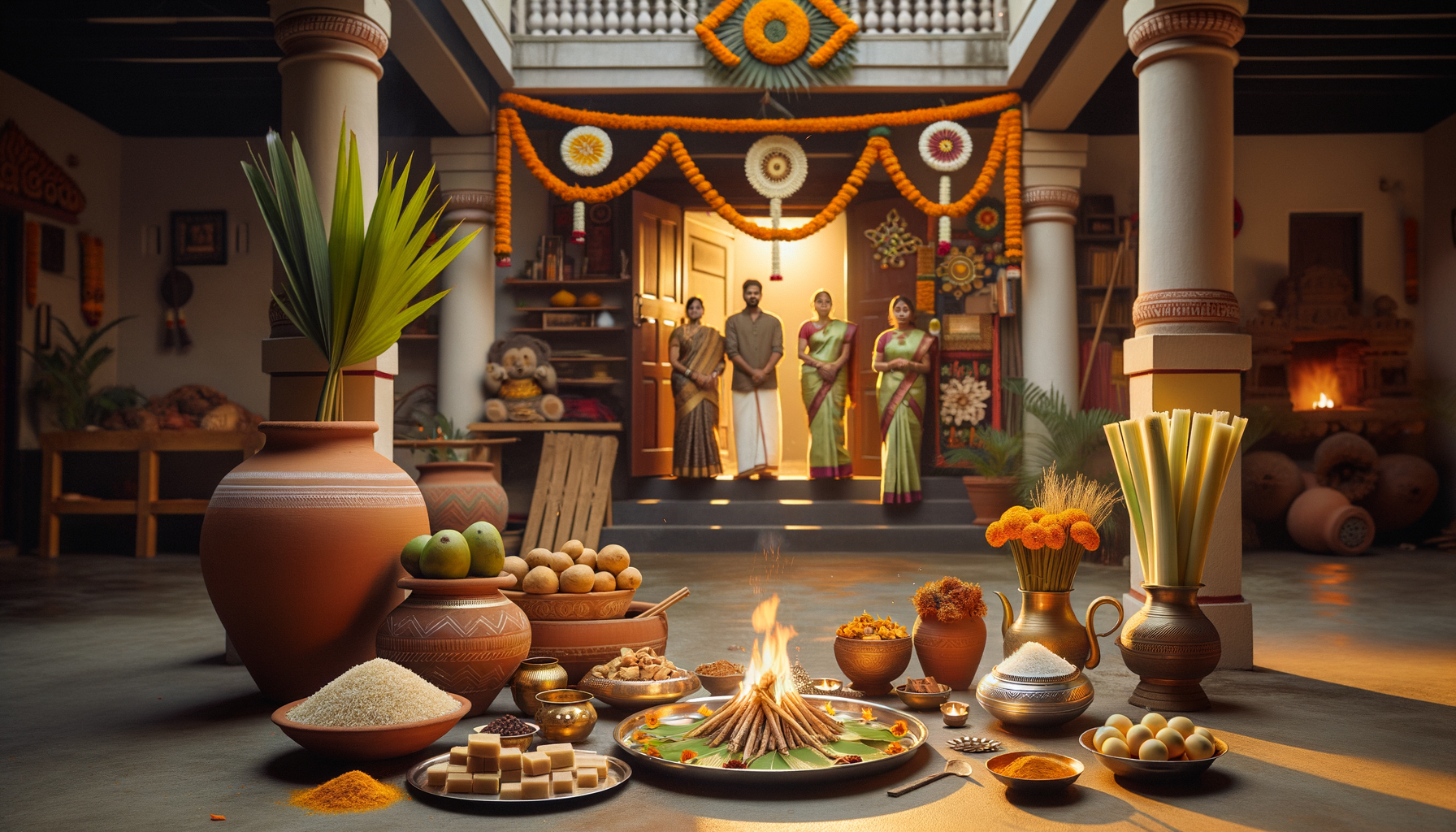
Bhogi is the first day of the South Indian Sankranthi season and is observed as Bhogi Pongal among Tamil communities. The festival emphasizes renewal and gratitude through rituals such as Bhogi Mantalu (a sacred pre-dawn bonfire) and Bhogi Pallu (a blessing ceremony for children). Homes are cleansed and decorated with muggulu/kolam, gobbemmalu, and mango-leaf torans,…
-
Dec 25, 2025: Koil Alwar Tirumanjanam at Govindarajaswamy Temple for Vaikuntha Ekadasi

Koil Alwar Tirumanjanam will take place at Sri Govindaraja Swamy Temple, Tirupati, on December 25, 2025, from 7 a.m. to 9 a.m., as a prelude to Vaikuntha Ekadasi on December 30, 2025. The ritual renews sanctity across the temple complex through structured cleansing with a traditional Parimalam mixture. Visitors can expect limited access during the…
-
Pancha Ganapati (Dec 21–25): Five Days of Ganesha Puja for Harmony, Prosperity, and Peace
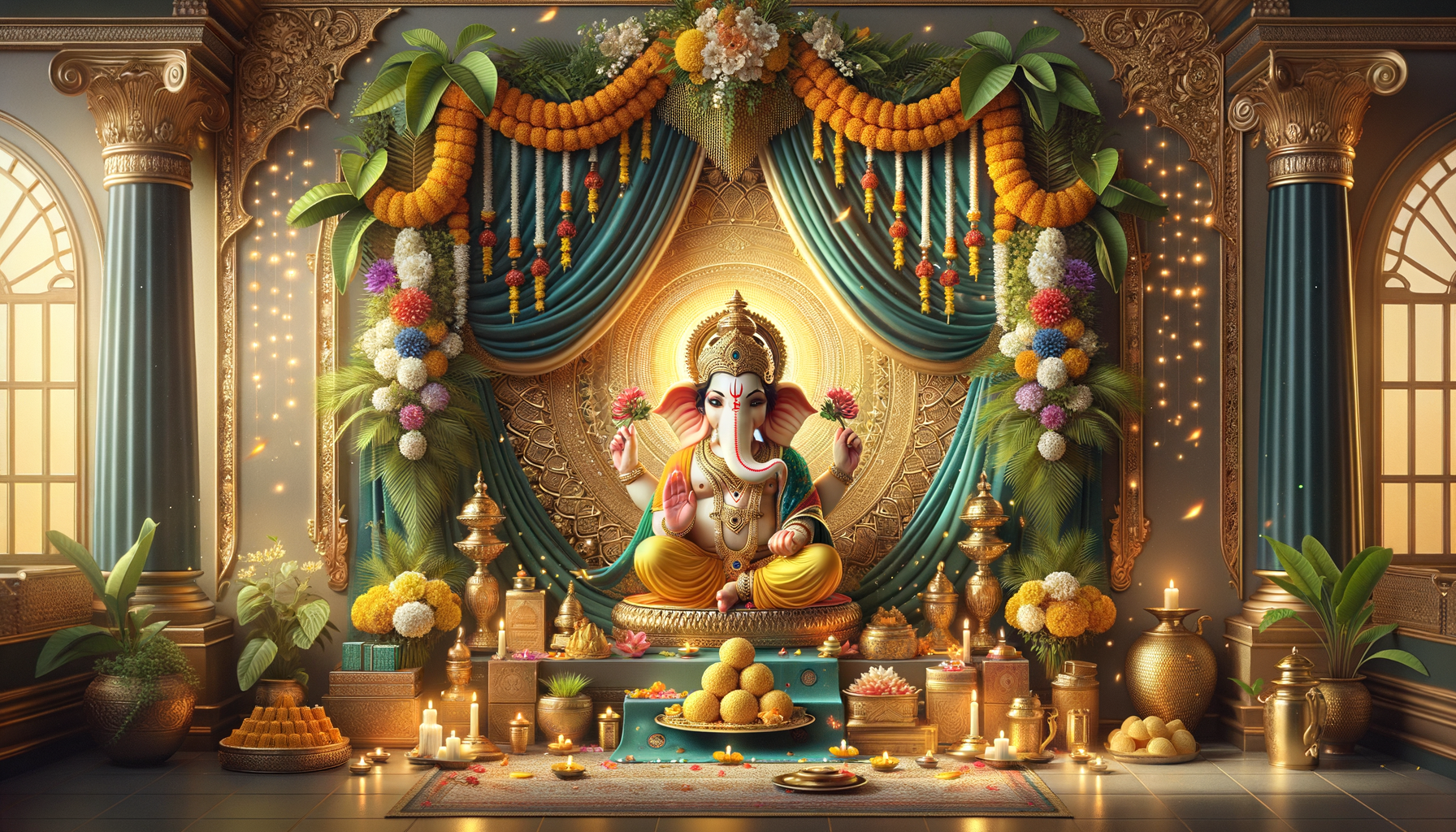
Pancha Ganapati (Dec 21–25) is a five-day Hindu festival honoring Panchamukha Ganapati through daily puja, sadhana, and acts of reconciliation. Each day carries a distinct color and focusfamily, friends and neighbors, professional integrity, culture and charity, and spiritual renewal. Households set up a Ganesha altar, offer sweets, flowers, and lamps, and conclude with arati and…
-
Chidambaram Nataraja’s Six Maha Abhishekams: Sacred Calendar, Profound Symbolism, Shared Dharma
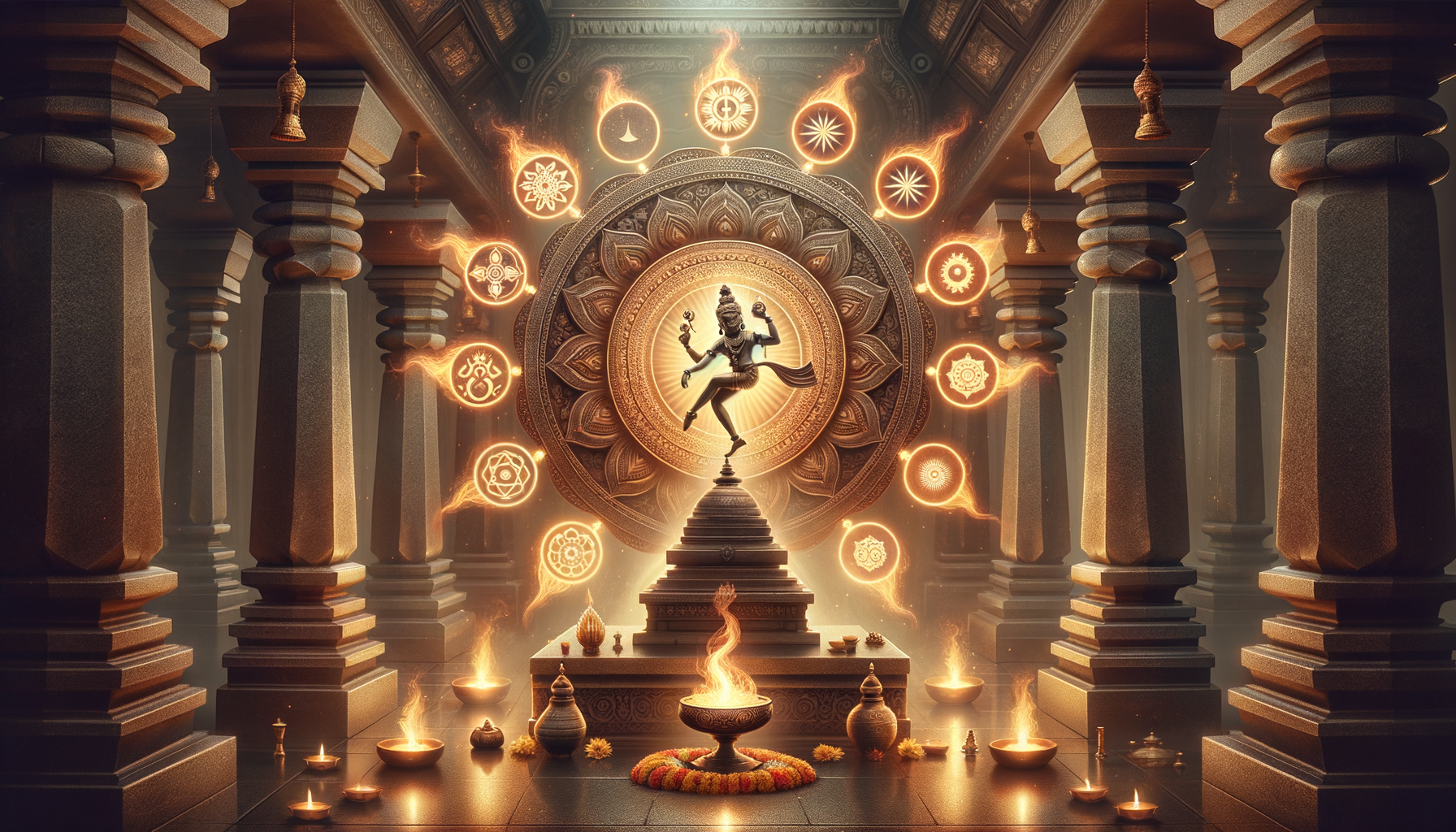
Chidambaram Nataraja Temple conducts six Maha Abhishekams annually, synchronizing sacred ritual with the Tamil Hindu calendar. This overview explains their symbolismcleansing, energizing, and ceremonially enthroning the Cosmic Lordand situates them within the temple’s enduring liturgical tradition. It highlights key anchor points such as Arudra Darisanam (January 3, 2026), Aani Thirumanjanam, and Maha Shivaratri in Maasi,…
-
Ucchista Ganapati Revisited: Beyond Stereotypes, the Inclusive Tantric Wisdom of Ganesha

Ucchista Ganapati, the eighth of Ganesha’s 32 forms, is often miscast as merely an “unclean” Tantric deity. Drawing on the ancient “Ucchista Ganapathi Puja Vidhanam,” this analysis clarifies that the practice is scripturally grounded, disciplined, and transformative. The term ucchista“that which remains”signals a theology of sanctifying remainders, not endorsing impurity. Framed by mantra, nyasa, and…
-
Trikala Puja in Hindu Temples: Embracing Time’s Sacred Rhythm for Daily Inner Harmony

Trikala Puja aligns daily life with the sacred cadence of dawn, midday, and dusk, transforming time into a framework for devotion and inner balance. Rooted in Agamic guidance, it harmonizes diverse Hindu temple traditions through shared upacharas, naivedya, and dīpa-ārati. The triadic rhythm cultivates sattva at dawn, sanctifies action at noon, and invites gratitude and…
-
Lal Kitab Moon in 3rd House: Powerful Chandra Remedies, Pujas, Vratas, and Gem Guidance

Lal Kitab views Moon in the 3rd house as a placement that heightens sensitivity in communication, initiative, and sibling ties while noting possible 8th-house vulnerabilities. Practical remedies emphasize Somvar Vrat, Shiva and Chandra worship, and mantra recitation such as “Om Chandraya Namah.” Charity with Moon-friendly items (milk, rice, white sweets) and mindful conduct support emotional…
-
Jivat Shraddha Explained: The Profound Hindu Rite of Honoring One’s Life Before Death

Jivat Shraddha describes a rare, context-specific Hindu ritual in which a living person performs Shraddha for oneself to acknowledge impermanence, resolve obligations, and recommit to dharma. Grounded in Dharmashastra discussions and later ritual digests, it is typically associated with life transitions such as vanaprastha or sannyasa and with prāyaścitta. The rite resembles elements of conventional…
-
Paryagnikarana Explained: Sacred Ghee Purification That Elevates Vedic Yajna and Devotion

Paryagnikarana, the Vedic rite of purifying ajya (ghee) before offering it into the sacred fire, shows how material preparation and mental intention unite to elevate yajna. The procedure integrates clarity of substance, mantra recitation, and reverence for Agni to transform an ordinary ingredient into a consecrated medium. Beyond technical steps, the rite embodies an inner…
-
Eighteen-Faced Rudraksha (Astadasa Mukhi): Earth-Energy Significance, Identification, and Mantras
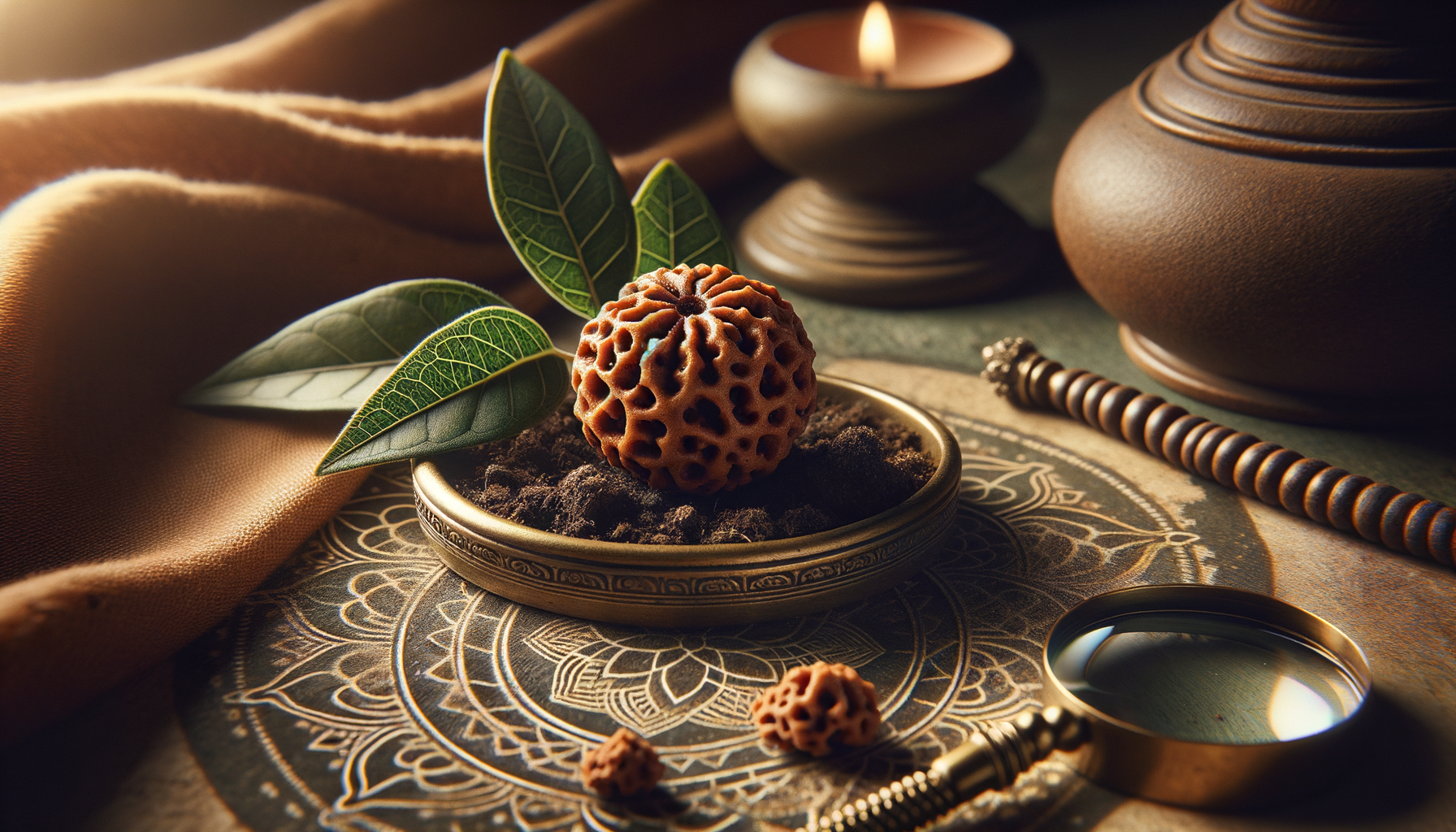
The eighteen-faced Rudraksha (Astadasa Mukhi) is revered as an embodiment of BhumiMother Earthsymbolizing stability, nourishment, and patient strength. Identified by its eighteen natural lines extending end-to-end, it is valued for grounding practitioners in clarity, resilience, and responsible action. Puranic narratives, including accounts involving Madhu and Kaitabha, highlight Earth’s sanctity and the bead’s profound earth-energy symbolism.…
-
Toe Rings (Metti) in Hinduism: Timeless Symbolism, Ritual Power, and Marital Grace

Toe ringsMetti in Tamil, bichiya in North Indiaare worn on the second toe by married Hindu women as a sacred marker of marriage within Hindu customs. Typically fashioned in silver, they symbolize auspiciousness, fidelity, and the sanctity of household life. Ritual placement during the vivaha ceremony blends duty with emotional resonance, making the moment memorable…