
-
Lal Kitab Guidance for Shukra in the 4th House: Remedies to Restore Harmony at Home

Lal Kitab views Shukra (Venus) in the 4th house through themes of home, mother, property, and emotional grounding, recommending remedies that are ethical, symbolic, and context-sensitive. Classical notes caution against covering an existing well during construction, a reminder to respect domestic sanctity and natural water sources. Rather than instilling fear, this guidance invites ecological care…
-
Sacred Water Circles at Mealtime: The Hindu Ritual Uniting Mindfulness, Ahimsa, and Ecology

Sprinkling water around food in Hindu households consecrates the meal, creating a mindful boundary that elevates eating into a sacred practice. The ritual blends spiritual symbolism with practical wisdom, reinforcing cleanliness, gratitude, and ecological responsibility. It often includes mantras such as Brahmārpaṇaṃ and prāṇa invocations, centering nourishment around prāṇa and dharma. Across dharmic traditions, similar…
-
Annapurna Jayanti 2025: Date, Powerful Mantra, Vrat Guide, Significance and Sacred Symbolism
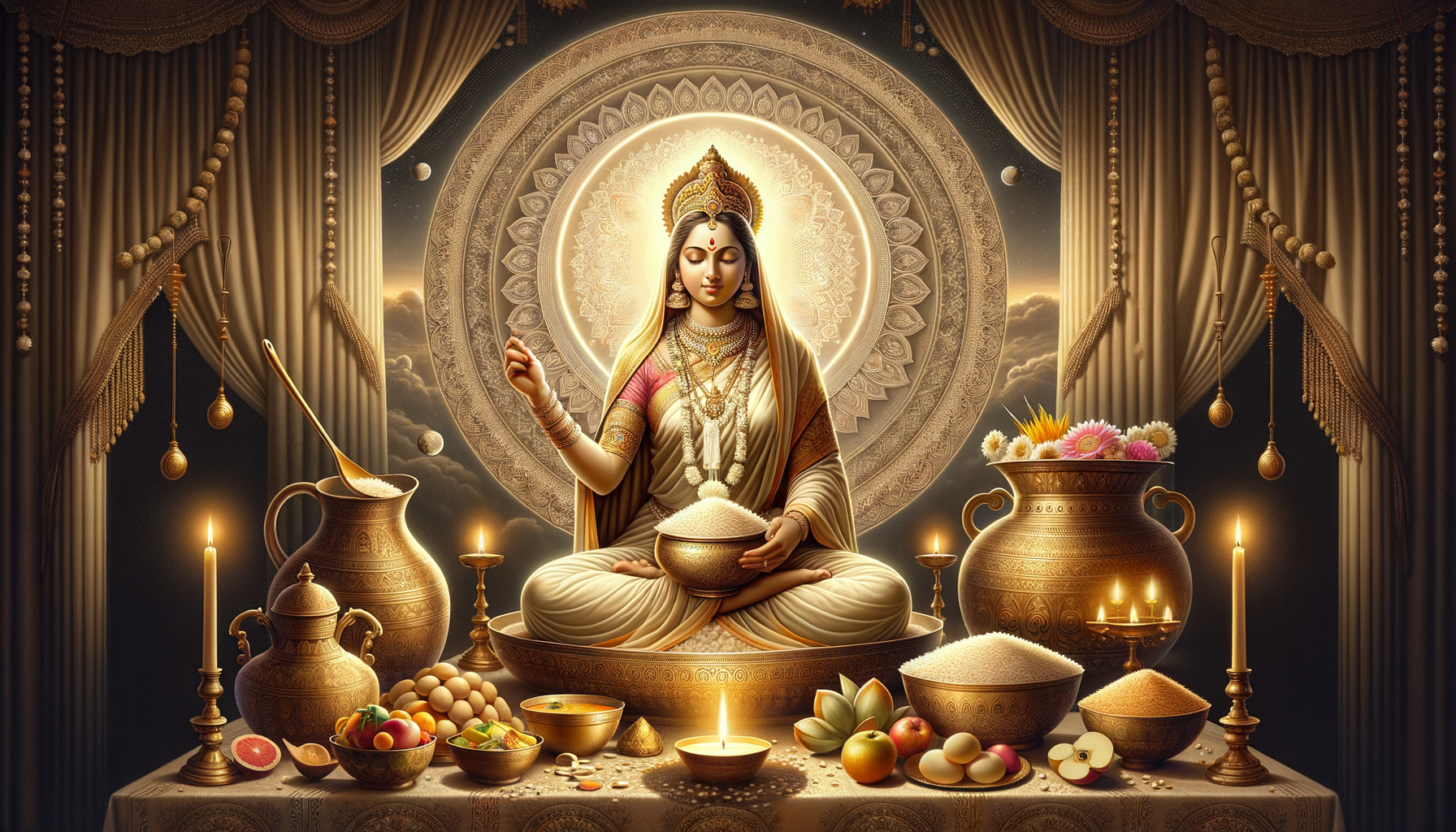
Annapurna Jayanti 2025 falls on December 4, coinciding with Margashirsha Purnima in the Hindu calendar. The festival venerates Goddess Annapurna, celebrating the sacredness of food, gratitude, and community care. Devotees observe Annapurna Vrat, offer naivedya, and prioritize annadanam, affirming compassion through the act of feeding. The mantra ह्रीं अन्नपूर्णायै नम:॥ is chanted to invoke abundance…
-
Ishtapurta Unveiled: Powerful Harmony of Vedic Offerings and Social Charity in Hinduism

Ishtapurta (Ishta Purta) unites two essential dimensions of Hindu practice: Vedic offerings (Ishta) and charitable works for public welfare (Purta). This balanced ideal frames spiritual merit (punya) as the fruit of aligning ritual discipline with social responsibility. In lived tradition, devotees often integrate pūjā and mantra with seva, philanthropy, and ecological care, experiencing a felt…
-
Katyayani Vratam 2025–2026: Auspicious Dhanurmasa Dates, Rituals, and a Sacred Path to Unity

Katyayani Vratam in 2025–2026 falls from 16 December 2025 to 14 January 2026, aligning with Dhanurmasam and the lunar month of Margashirsha/Margazhi. This auspicious window emphasizes pre-dawn worship, simple fasting, and mindful offerings to Goddess Katyayani. The observance strengthens inner discipline, family harmony, and community bonds through seva and shared prayer. A concise at-home puja…
-
Angalamman Kavacham: Powerful Protective Prayer for Strength, Inner Courage, and Navaratri

Angalamman Kavacham is a revered protective prayer to the guardian mother goddess Angalamman, celebrated as Devi Shakti within Tamil traditions. It is commonly chanted for protection from harm, removal of obstacles, and cultivation of inner strength, particularly during Navaratri. Devotees often experience emotional resilience and calm through mindful, rhythmic recitation. The hymn’s salutations to the…
-
Pradakshina Unveiled: Why Temple Circumambulation and Arunachala Girivalam Transform Devotion

Pradakshinacircumambulation around a sacred centeranchors Hindu temple worship and extends to Arunachala Girivalam in Tiruvannamalai. Moving clockwise places the heart toward the Divine and aligns a devotee with the order of dharma. The practice spans inner and outer temple enclosures and culminates, for many, in the 14-kilometer Girivalam around the sacred hill. Parallel forms in…
-
Why Temples Offer Alcohol to Kal Bhairav: Tantric Symbolism, Fearlessness, and Grace
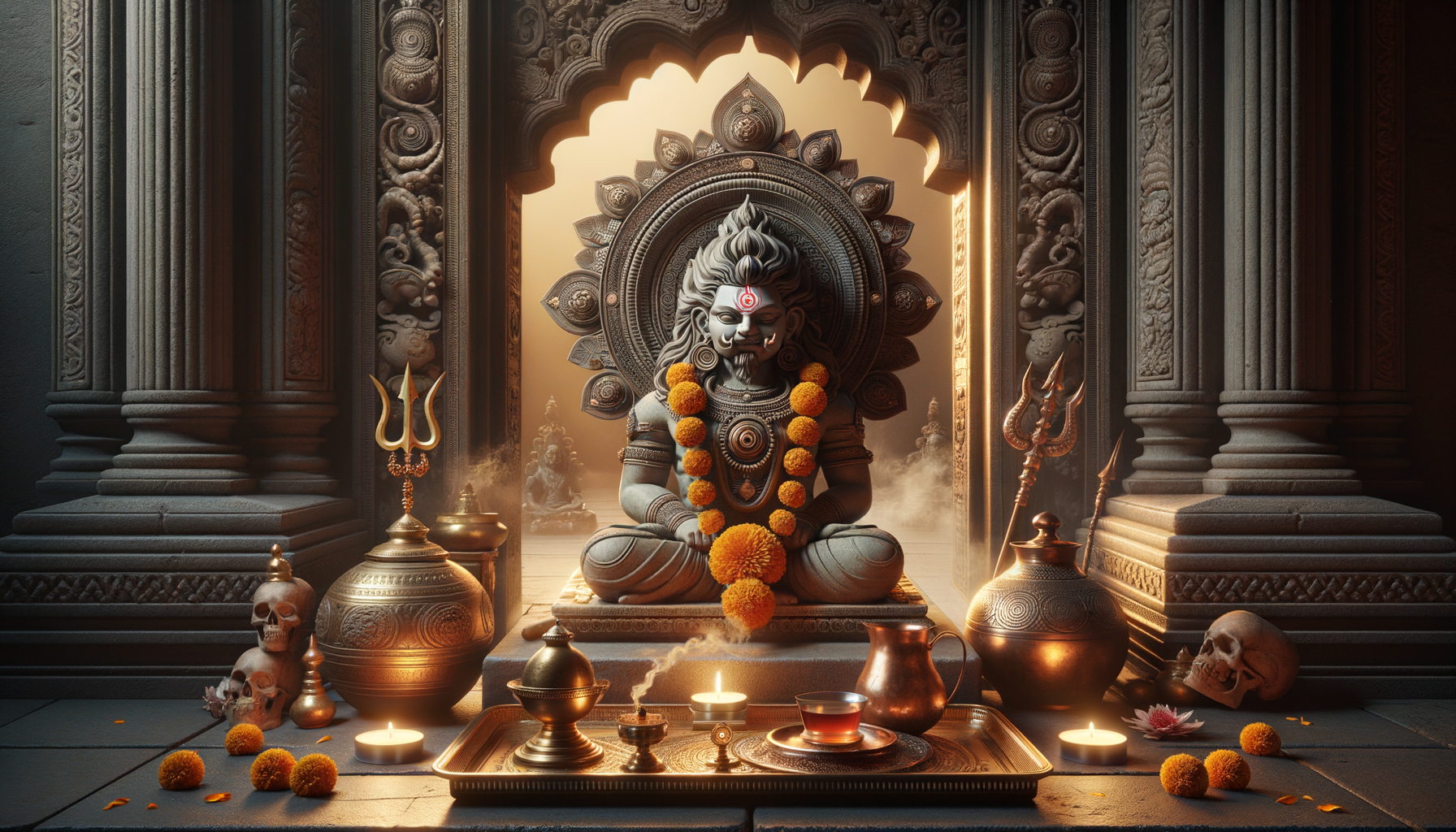
Kal Bhairav’s acceptance of alcohol offerings in select Hindu temples embodies a Tantric teaching: transforming raw, potentially destabilizing energies into fearlessness and moral clarity. Rooted in Shaiva and Shakta traditions, and resonant with Vajrayana Buddhism, the ritual encodes the alchemy of turning “poison” into medicine through consecration and disciplined intent. Temples such as Ujjain’s Kal…
-
TTD’s 16-Day Sundarakanda Parayanam 2025: Dates, Ankurarpanam, and Devotional Grace at Tirumala

TTD will conduct the Shodasha Dina Sundarakanda Parayanam at Tirumala’s Vasantha Mandapam from November 28 to December 13, 2025, with Ankurarpanam on November 27 at Dharmagiri Veda Vignana Peetham (7–8 PM). The programme offers a focused, daily recitation window between 8:30 and 9:30, enabling devotees to engage deeply with the Sundara Kanda of the Valmiki…
-
Ganeshotsav Aftermath in Navi Mumbai: Urgent Call for Scriptural, Eco‑Safe Idol Immersion
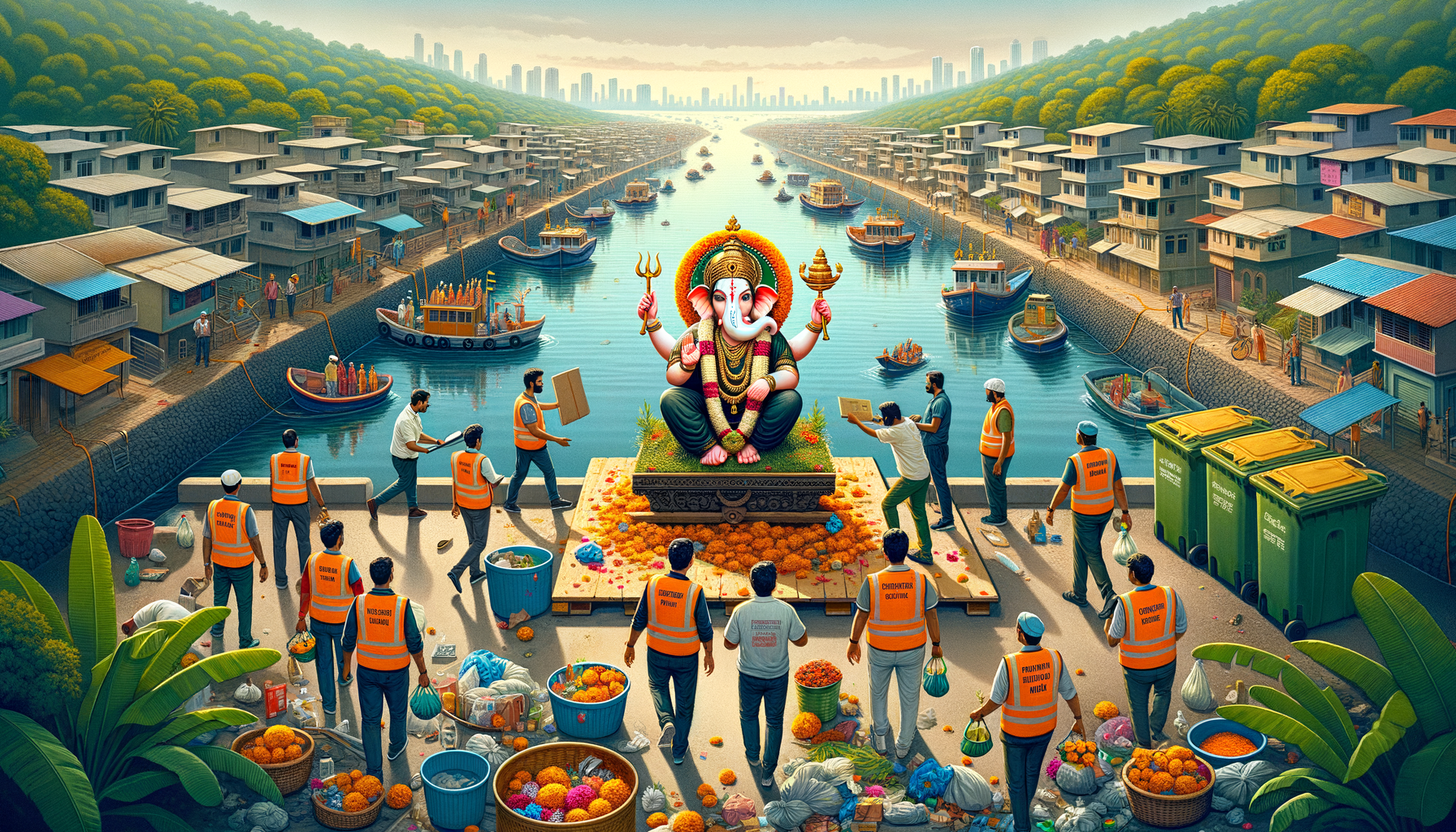
Three months after Ganeshotsav, thousands of Shree Ganesh idols reportedly remain unimmersed in Navi Mumbai. Hindu Janajagruti Samiti has called for immediate, scripturally aligned Visarjan that respects faith and safeguards the environment. The post explains the religious significance of timely immersion and outlines practical, eco-safe steps for municipal coordination. It emphasizes transparencytimelines, updates, and datato…
-
Ari Lakshmi of Bengal: The Humble Bamboo Basket Ritual That Radiates Prosperity
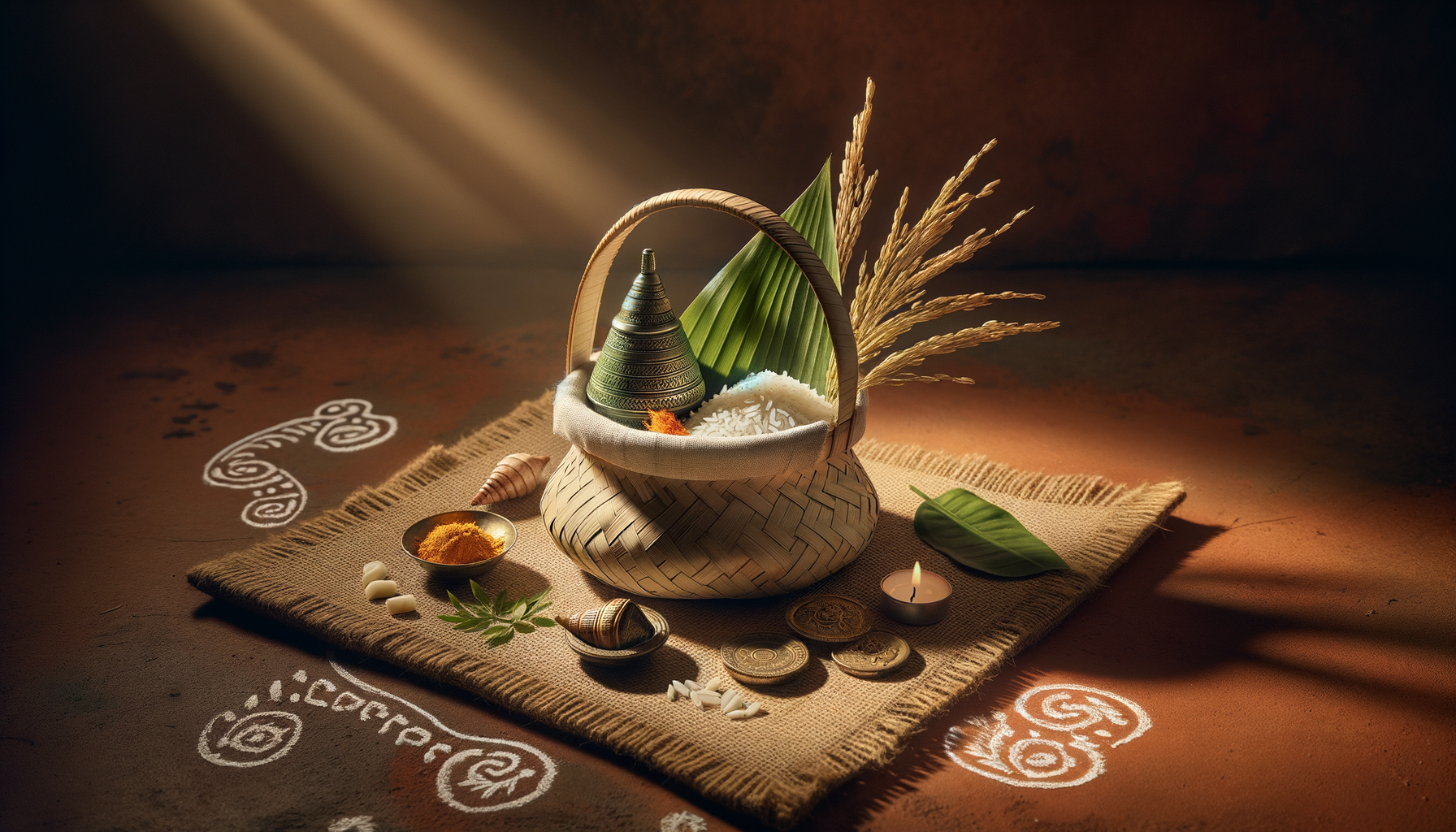
Ari Lakshmi is a Bengali household tradition that invokes Goddess Lakshmi using a small bamboo basket filled with rice, turmeric, and other auspicious items. The ritual, associated with Dhaka and Comilla family lineages, transforms agrarian materials into a focused shrine of prosperity and ethical wealth. Each elementbasket, grains, lamp, and alponacarries layered symbolism that honors…
-
Havirdhana in Somayaga: Sacred Logistics, Symbolism, and Precision in Vedic Rituals

Havirdhana, the dedicated enclosure within Somayaga, safeguards the transport, protection, and sanctification of the soma creeper and offerings in Vedic sacrifices. It aligns spatial design with priestly roles so that logistics become liturgy and preparation becomes prayer. By emphasizing purity, precision, and unity of purpose, the enclosure serves as a living metaphor for Vedic insight:…
-
Eternal Bonds in Hinduism: Rituals and Dharma That Sustain Connections with the Departed

Hinduism teaches that the bond with a loved one endures beyond death, transforming rather than ending. Rooted in the concepts of ātman, karma, dharma, and moksha, this view honors grief while encouraging ethical remembrance. Rituals such as Antyeṣṭi, Pinda Daan, Tarpana, Shraddha, and Pitru Paksha provide structure and meaning to mourning. Home practiceslighting a diya,…
-
Chunri and Coconut Offerings: Unveiling the Sacred Symbolism in Devi Worship

The offering of chundri (red cloth) and coconut to the Divine Mother is a profound, living tradition in Hindu worship, especially across northern and western India. The chunri embodies Devi’s protective shakti and auspicious energy, while the coconut (shriphal) represents purity, completeness, and the softening of ego. Together they guide devotees from ritual form to…
-
Sarpa Vratam on Sundays: A Powerful Path to Grace, Protection, and Inner Renewal
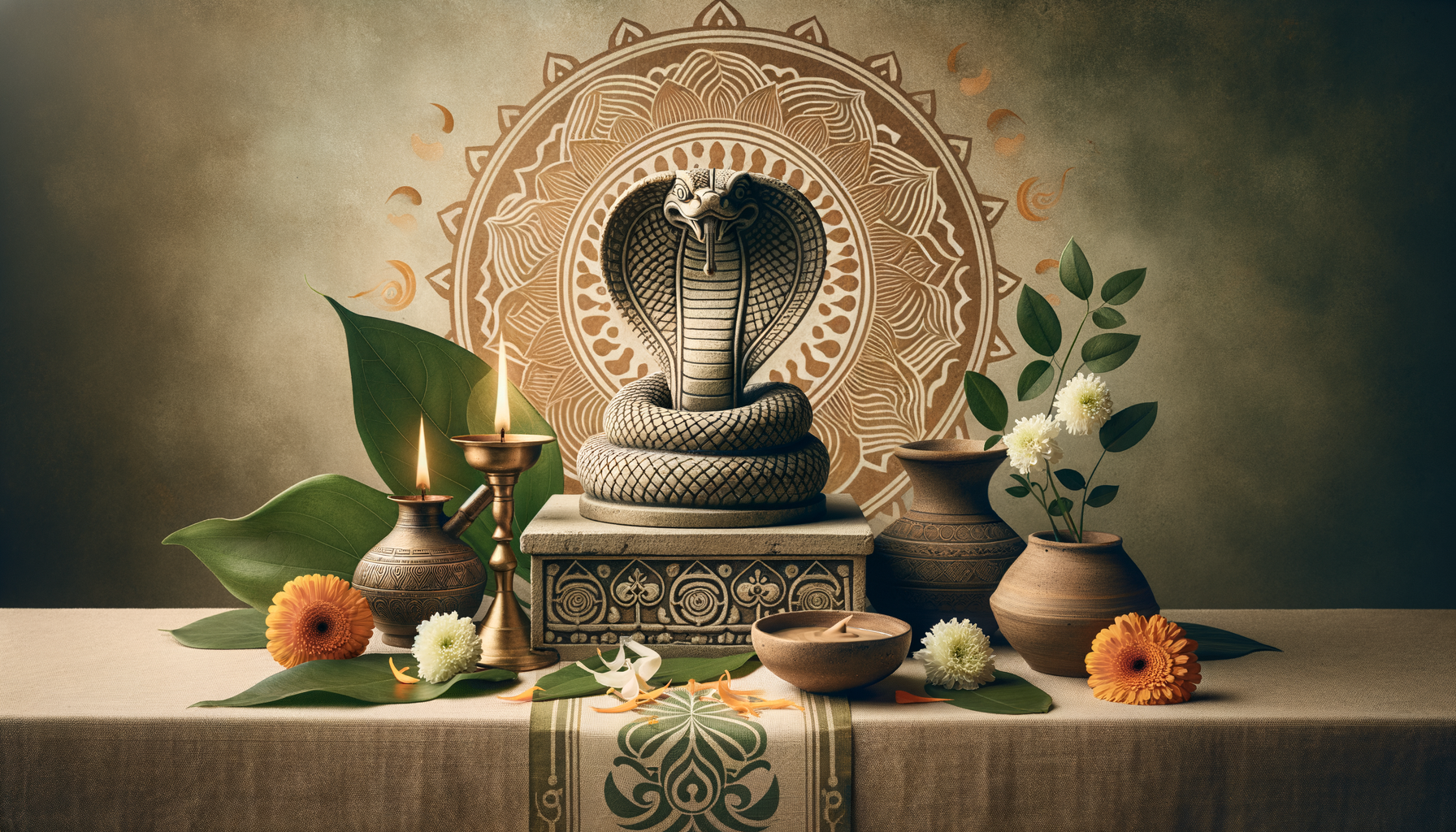
Sarpa Vratam (Naga Vratam) is a Sunday observance within Hindu traditions that honors serpent deities as symbols of fertility, protection, and cosmic balance. The practice unites fasting, prayer, and ecological reverence, encouraging ahimsa and responsible stewardship of nature. Devotees prepare with sattvic discipline, offer worship at Naga shrines, and recite traditional stotras, aligning intention with…
-
Grahayajna and the Navagrahas: A Timeless Vedic Path to Balance, Healing, and Harmony
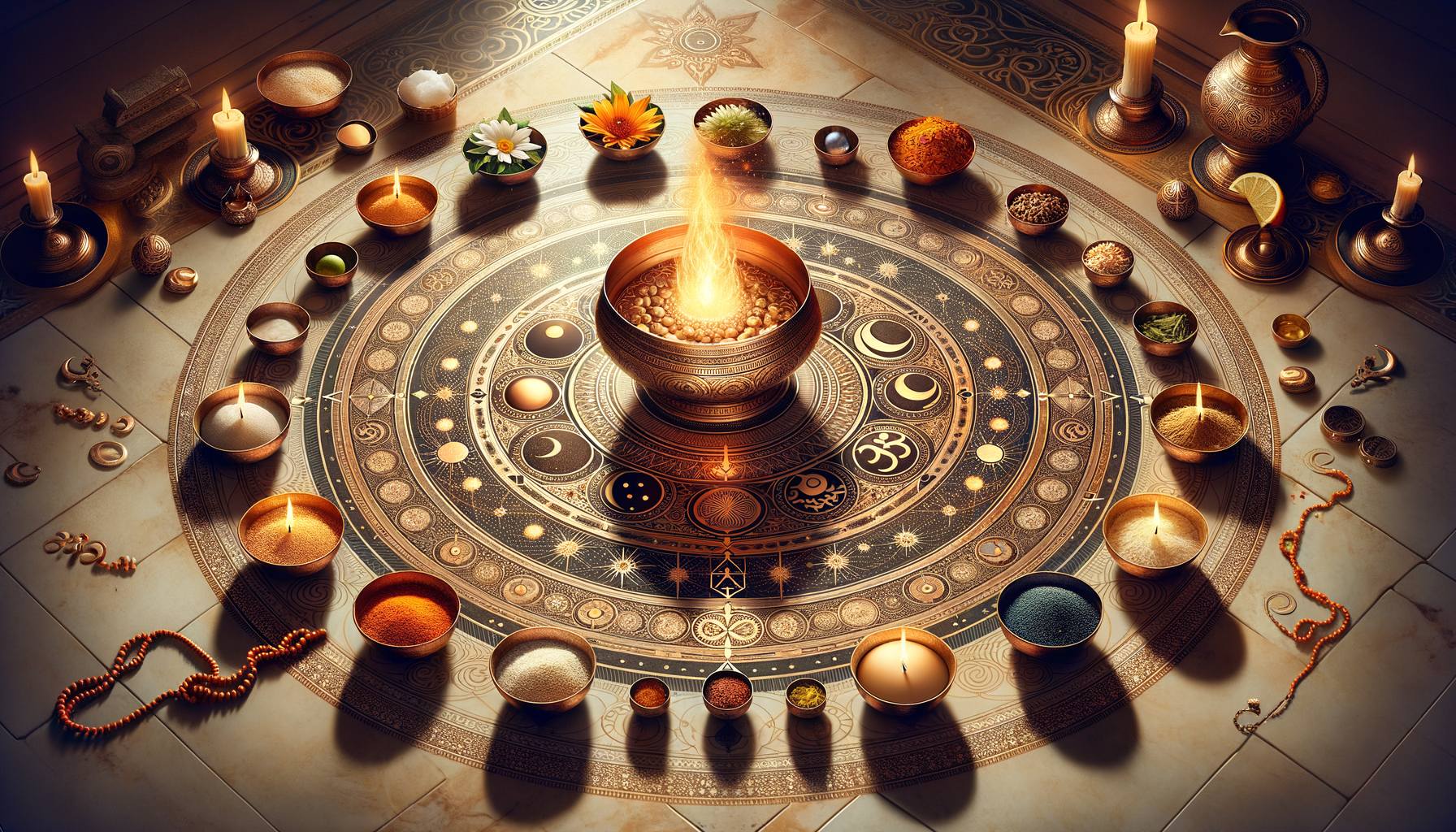
Grahayajna is a refined Vedic ritual tradition dedicated to the Navagrahas, practiced to harmonize life with cosmic order and cultivate inner balance. Anchored in Jyotish Shastra, it frames planetary influences as ethical invitations rather than fixed destinies. The rite unites homa, mantra, daana, vrata, and seva, emphasizing moral self-correction alongside precise ritual steps. Families and…
-
पितृ ऋण के कारण: संतान व मान–प्रतिष्ठा पर गहरा प्रभाव, Pitru Runa remedies और व्यावहारिक उपाय

यह लेख “पितृ ऋण (Pitru Runa)” की धारणा को स्पष्ट करते हुए कारण, प्रभाव और व्यावहारिक उपायों का संतुलित, अकादमिक विश्लेषण प्रस्तुत करता है। इसमें बताया गया है कि कृतज्ञता, सेवा और पारिवारिक उत्तरदायित्व के क्षीण होने पर मान–प्रतिष्ठा व संतान-सुख प्रभावित हो सकते हैंजैसे संतानाभाव, संतान का स्वास्यि खराब होना या बुरी संगति में…
-
Sacred Meaning Revealed: Why Hands Are Wiped Before Chandikeswarar in Tamil Nadu Shiva Temples

In Tamil Nadu Shiva temples, the hand-wiping gesture before Chandikeswarar is a concise ritual rich in meaning. It signals non-possession, affirming that no temple property is taken after worship. The act also embodies karmasamarpanaoffering one’s actions to Shivaby symbolically removing the residue of ego. Rooted in Shaiva Siddhanta and Agamic practice, the custom complements broader…
-
Yajna, Yaga, and Homam Explained: Vedic Fire Rituals, Inner Tyaga, and Dharmic Unity
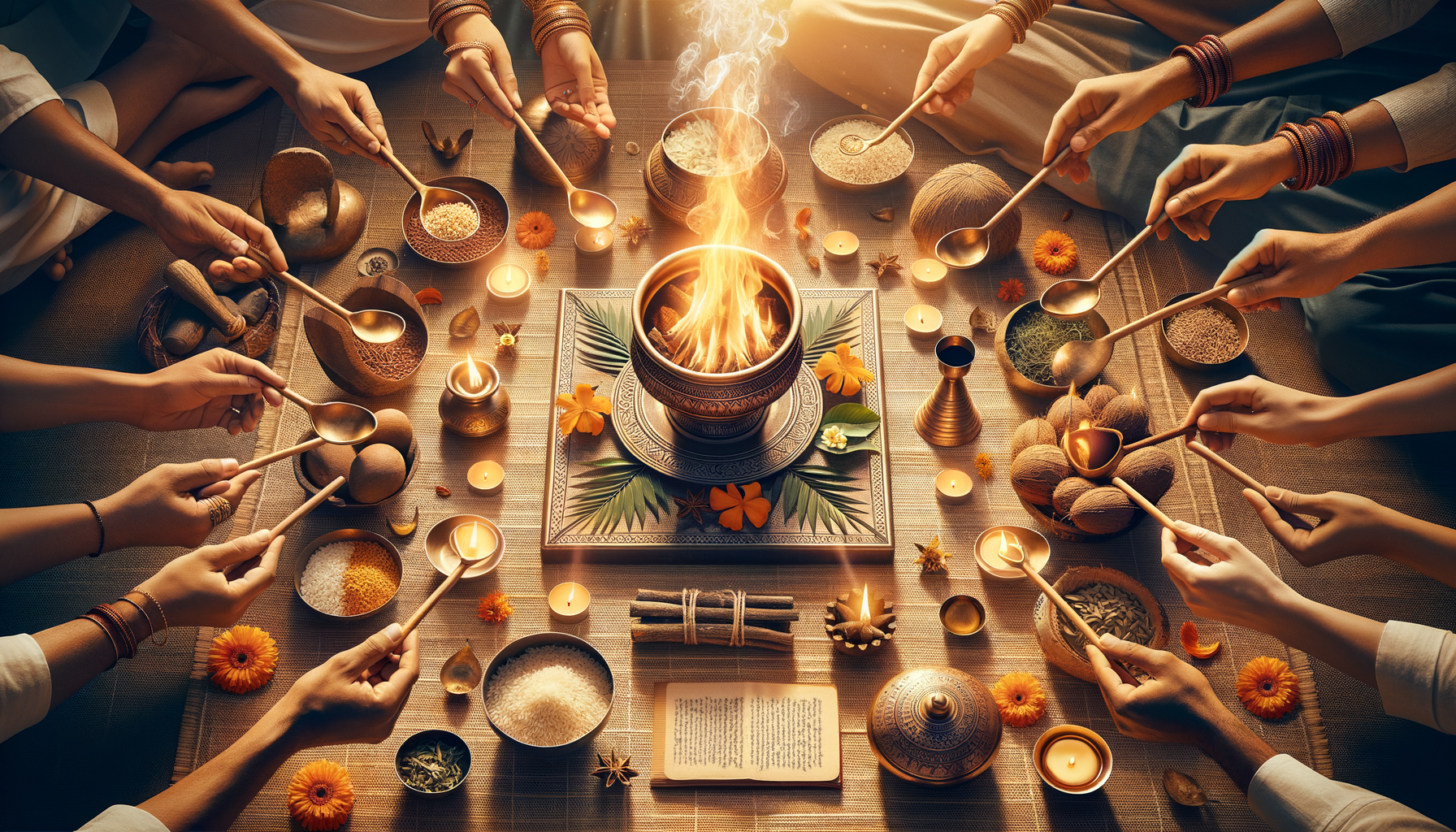
Yajna (Yagna), Yaga, and Homam originate from the root ‘yaj’ and denote Vedic worship through offerings, with Agni as the conduit. The rites embody Tyagagiving up a dravya to a devatauniting intention, mantra, and action. Beyond material offerings, the fire symbolizes inner transformation and ethical alignment. Practiced in both solemn and domestic settings, these rituals…
-
Sindoor’s Sacred Power: Reasons, Meaning, and Symbolism of Hindu Married Women’s Mark
Sindoor, the vermilion mark worn by many Hindu married women, symbolizes auspiciousness, Shakti, and the shared responsibilities of the grihastha stage. Its placement along the hair parting and sometimes at the forehead connects daily life with yogic symbolism at the ajna chakra. The practice is rooted in classical literature and regional samskaras, including the wedding…