
-
Soubhagya Gauri Vratam Vidhanam: Precise Puja Steps, Auspicious Timings, Meanings, and Benefits

Soubhagya Gauri Vratam (Sowbhagya Gouri Vratham) is a widely observed vrata dedicated to Devi Gauri for sowbhāgya, family well-being, and inner steadiness, with many traditions highlighting a principal date in the Chaitra Month. This academically structured guide explains the complete vidhanamfrom muhurta selection via the Panchang to altar setup, kalasha-sthapana, Pasupu Gauri preparation, and either…
-
Ganesha Damana Puja 2026: Damanak Chaturthi Date, Dhavanam Significance, Complete Vidhi
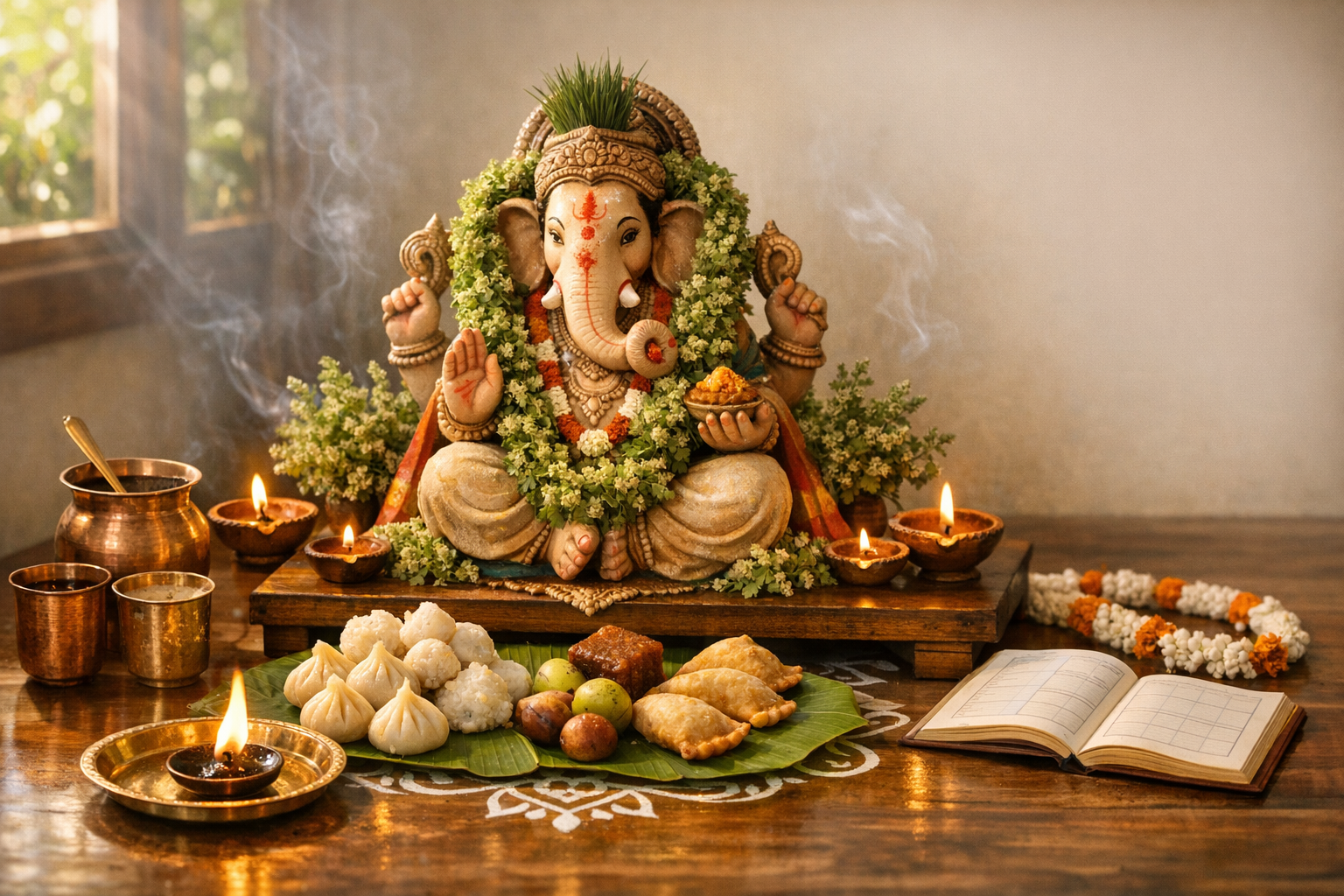
Ganesha Damana Puja (Damanak Chaturthi) in 2026 falls on 22 March, observed on Chaitra Shukla Chaturthi with the central offering of Dhavanam (Artemisia pallens). The rite follows the Vinayaka Chaturthi rule of performing the puja during the Madhyahna period on the day when Chaturthi prevails locally. This long-form guide explains the botanical identity and aromatic…
-
Tirumala Koil Alwar Tirumanjanam, 17 Mar 2026: Sacred Cleansing & Darshan Guide for Ugadi
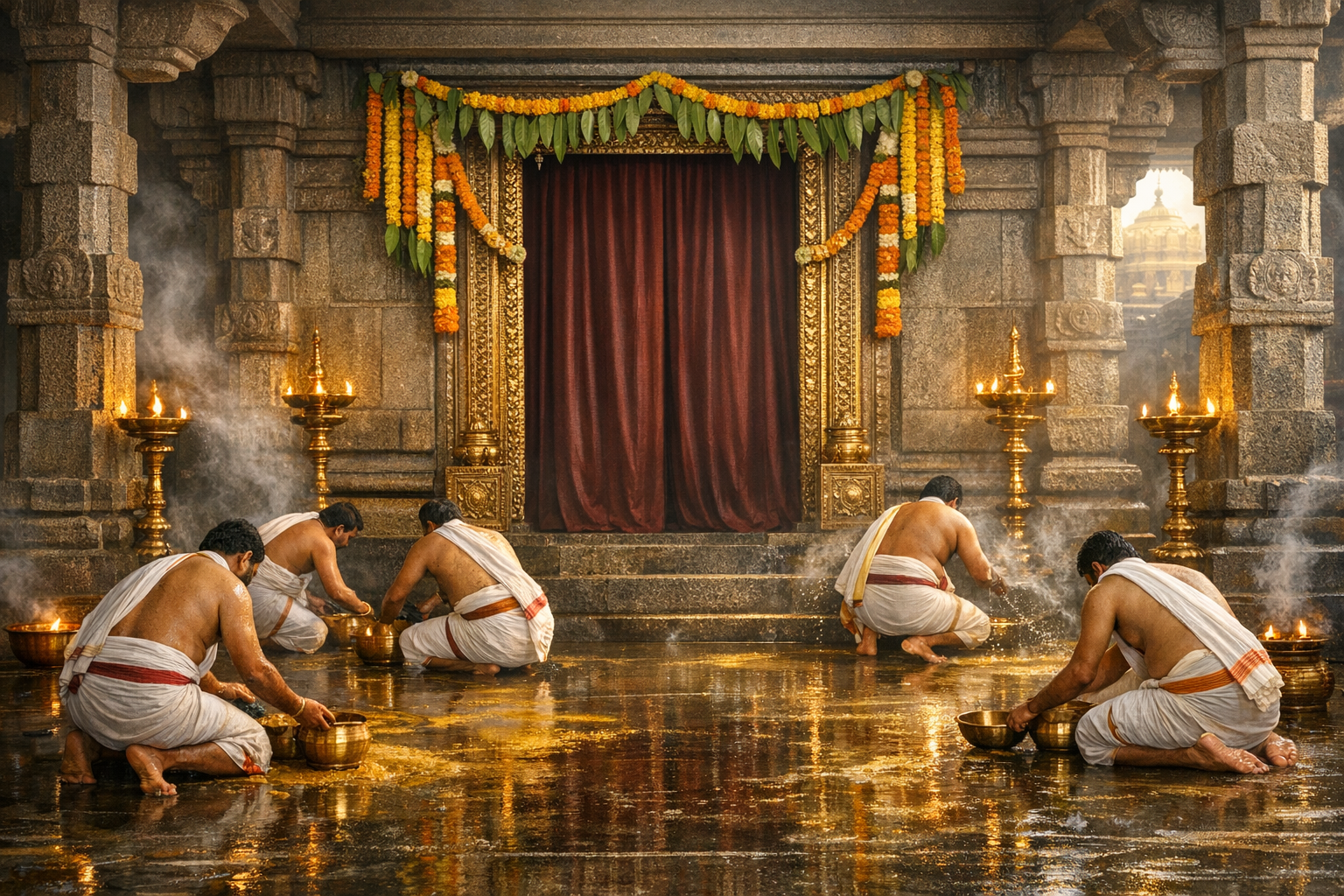
Koil Alwar Tirumanjanam will be performed at Tirumala Sri Venkateswara Swamy Temple on Tuesday, 17 March 2026, as the traditional temple-cleansing rite preceding Ugadi Asthanam on 19 March. Rooted in the Vaikhanasa Agama, the ritual purifies the sanctum, sub-shrines, and prakaras using a traditional Parimalam preparation, restoring the shrine’s ritual fitness and serene ambience. In…
-
Decoding Nidhana in Somayaga: The Timeless Musical Finale and Ritual Precision of Agnistoma

Nidhana in Somayagaespecially within Agnistomaholds a precise dual meaning: it is both the final, crafted cadence of Sama Veda chanting and a procedural marker that closes a ritual segment. This exploration clarifies how the five-part saman structure (prastava, udgitha, pratihara, upadrava, nidhana) coordinates priests, offerings, and timing across the three Soma pressings. Readers learn why…
-
Lunar Eclipse 3 March 2026: Definitive Chandra Grahana Sankalpa, Pitru Tarpana & Dāna Mantras Guide

A shastra-aligned, long-form guide to the 3 March 2026 lunar eclipse (Chandra Grahana), this article provides precise Sankalpa templates that can be filled with local panchanga details, complete Pitru Tarpana ślokas for tilodaka offerings, and Thila Tarpana Anantara Vidhi (Samarpana) mantras. It explains sūtaka observance, outlines pre/during/post-eclipse practice flow, and presents widely recited Chandra mantras…
-
Atma Shraddha at Gaya Janardan Temple: Definitive Guide to Self Pind Daan for Ancestral Peace

Gaya Janardan Temple in Gaya, Bihar is widely cited as the only temple where Atma Shraddhaself Shradh and Pinda Daan performed while livingcan be undertaken with full ritual authority. This guide explains what Atma Shraddha is, why Gaya holds unparalleled standing for ancestral rites, and how the temple’s location on Bhasma Koot Mountain near Mangala…
-
Ashtanga vs Panchanga Namaskara: Decode the Sacred Bows for Devotion, Alignment, and Safety

This in-depth guide distinguishes Ashtanga Namaskara (eight-limbed) from Panchanga Namaskara (five-limbed) with precise technique, symbolism, and practical guidance for temple and home worship. Readers learn safe alignment grounded in yogic anatomy, step-by-step instructions, and breath cues that integrate devotion with mindful movement. The article clarifies regional variations and etiquette, including when temples prefer Panchanga for…
-
Dantadhavana in Hinduism: Ancient Oral Care for Clarity, Sacred Cleanliness, and Health

Dantadhavanathe Hindu practice of cleaning the teethanchors hygiene, mental clarity, and ritual readiness within a single, structured morning routine. Classical Dharmashastra, Grihya Sutras, and Ayurveda integrate tooth cleaning with adjuncts like oil swishing and tongue scraping to support breath, digestion, and composure. Traditional materials such as neem, khadira, and pilu twigs offer biodegradable, medicinal options…
-
Unveiling Keshanta (Godana): The Sacred Rite of First Shaving in Hindu Samskaras
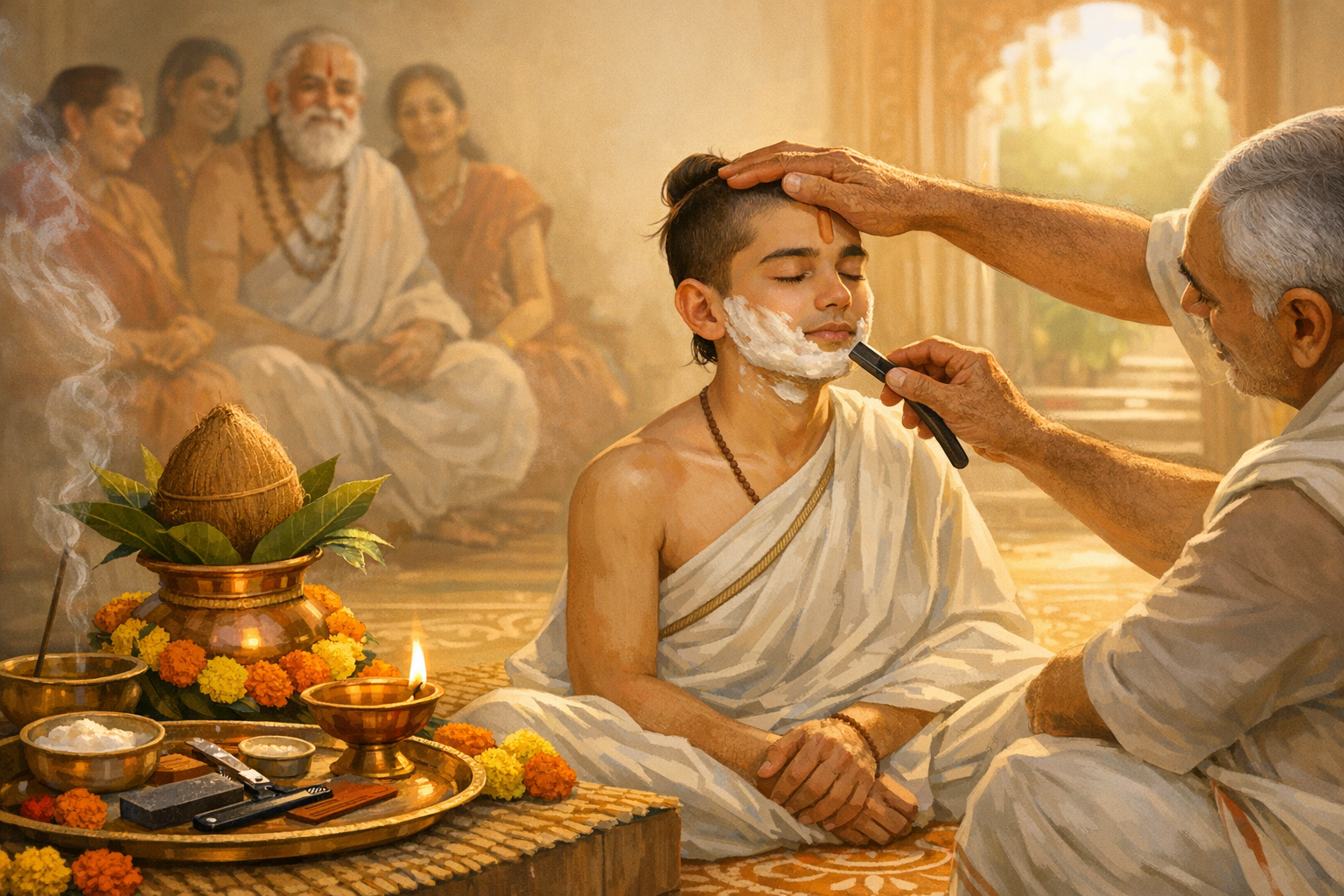
Keshanta (often called godana) is a Hindu samskara that marks the first formal shaving and the transition from adolescence to disciplined study. Rooted in the Grihya Sutras and Dharmashastras, it is performed variously as the first shaving of beard and moustache, and in some traditions includes head and limited body hair. The rite affirms values…
-
Mahashivaratri Night Vigil Explained: Scriptural Roots, Profound Benefits, Practical Guide

Why remain awake on Mahashivaratri? The night-long jagaran is a carefully structured sadhanarooted in Purana and Agamacombining four prahar abhishekas, mantra japa, meditation, and upavasa to cultivate clarity and devotion. Scriptural narratives, including the Lubdhaka episode, affirm that vigilant remembrance invites Shiva’s anugraha. Practically, aligning with nishita kala and prahar timings preserves continuity with temple…
-
Why Ganesha Wears Red: Auspicious Energy, Shakti, and Victory Over Darkness
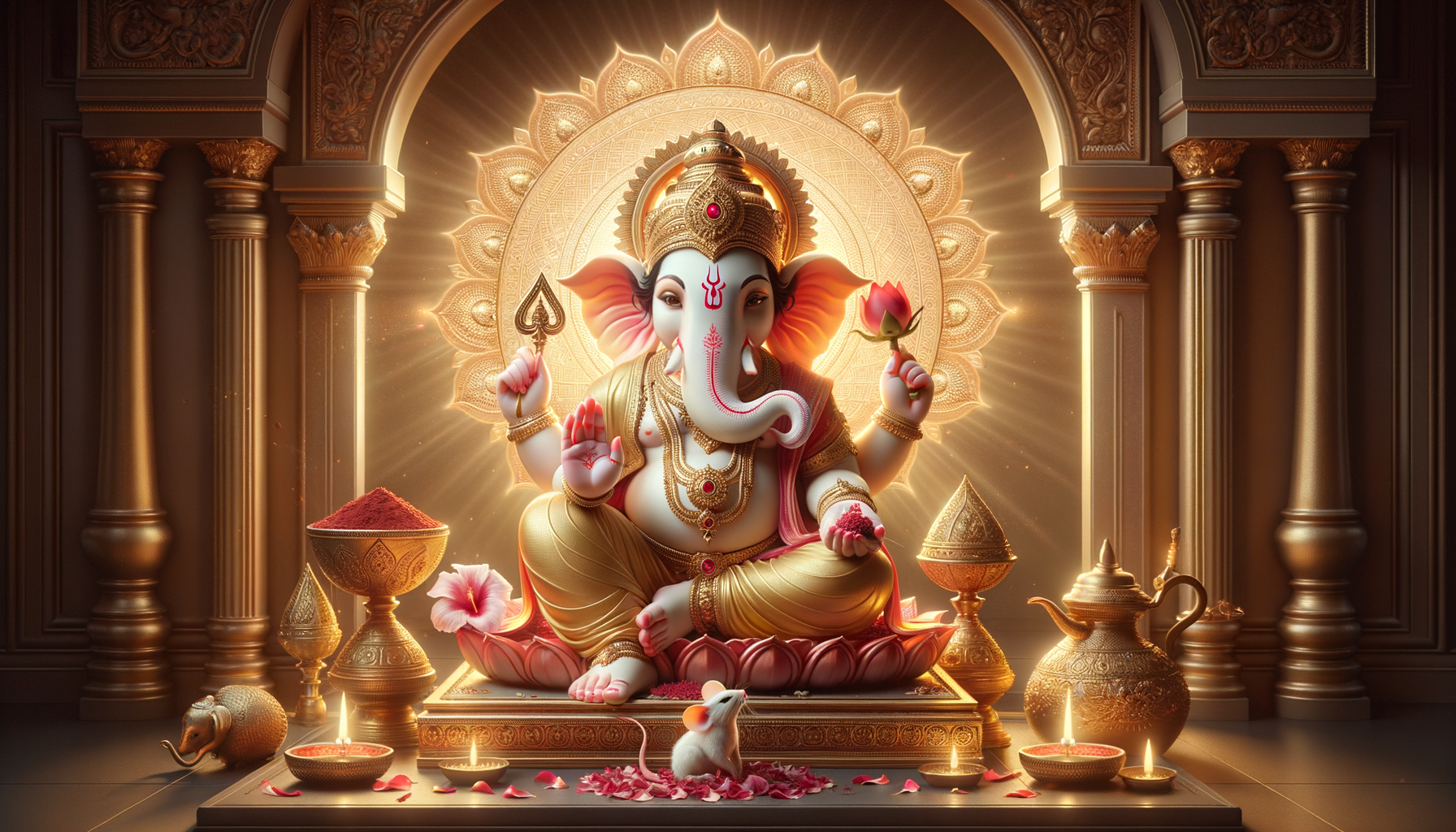
The sacred red of Ganesha is not decoration but a precise visual theology that communicates Shakti, auspiciousness, and the courage to begin well. Rooted in Agamic and iconographic traditions, vermilion (sindoor), kumkum, and red flowers activate Ganesha’s obstacle-clearing grace at personal and communal thresholds. The color aligns with the Muladhara chakra, reinforcing stability and decisive…
-
Putra Ganapati Vratam 2026: Auspicious Ritual for Child Blessings in Andhra & Telangana

Putra Ganapati Vratam is a deeply cherished observance in Andhra Pradesh and Telangana, undertaken by married and childless couples seeking the blessings of children and household harmony. In 2026, families are encouraged to follow a reliable regional Panchang to select the appropriate Chaturthi tithi and local muhurta. The vrata centers on devotion to Putra Ganapati…
-
Bilva Patra, Rudraksha, and Vibhuti: Timeless Shaiva Symbols that Heal, Protect, and Inspire

Lord Shiva’s living tradition honors three sacred emblemsBilva Patra, Rudraksha, and Vibhutithat guide daily devotion and contemplative practice. Bilva Patra symbolizes purity and ecological reverence, encouraging mindful offerings and sustainable gathering. Rudraksha beads support concentration in japa and meditation, linking ethical steadiness with authentic sourcing and care. Vibhuti’s tripundra reminds practitioners of impermanence and inner…
-
Sambrani Dhoop: Ancient Origins, Sacred Uses, and Everyday Benefits for Mindful Homes

Sambrani dhoop has been used since ancient India to sanctify spaces, enhance focus, and mark the beginning of sacred time. Its warm, resinous fragrancetraditionally associated with the Sal Tree and related benzoin-type resinssupports calm breathing and meditative attention. Families often light Sambrani after cleaning to refresh rooms and create a welcoming, prayerful atmosphere. Ayurvedic perspectives…
-
Mahāvīra Earthen Pot in Pravargya: Sacred Fire, Sun Symbolism, and Vedic Precision

The Mahāvīra earthen pot is the central vessel of the Pravargya rite, an ancillary but potent phase of the Soma sacrifice in the Vedic tradition. Heated to an intense glow, it boils fresh milk that becomes the gharmá offering, energizing the entire yajña. Prepared by the adhvaryu according to the Śrauta Sūtras, the vessel’s design,…
-
Sri Ramakrishna’s Tarpana Dilemma: Symbolism, Grief, and Spiritual Evolution

Sri Ramakrishna Paramahamsa’s inability to perform tarpana for his mother is a symbolic, compassionate teaching on the unity of ritual and realization. It reframes ancestor rites (tarpana, Shraddha, Amavasya) as living expressions of gratitude grounded in intention. The episode models how devotion, grief, and non-dual awareness can converge without dismissing Hindu rituals. It offers practical…
-
Sphatik Mala Benefits Unveiled: Authentic Quartz Guide for Calm, Clarity, and Who Should Wear It

Sphatik Mala, crafted from natural clear quartz, is valued across Hinduism, Buddhism, Jainism, and Sikhism for its clarity, calm, and support in japa and meditation. Genuine quartz is typically colorless or milky-white with subtle inclusions and a naturally cool touch. Practitioners often report improved focus, emotional balance, and a quieter mind when using Sphatik for…
-
Powerful Temples for Dosha Nivarana: Find Relief from Navagraha, Pitru, and Sarpa Karmas
Doshams are viewed as karmic imprints that can be harmonized through mindful ritual, ethical living, and service. This guide highlights temples widely known for Dosha Nivarana Poojas, including Sri Kalahasti (Rahu–Ketu), Kukke Subramanya (Sarpa Dosha), the Navagraha circuit near Kumbakonam, Trimbakeshwar (Kaal Sarp Dosh and Pitru Shanti), Gaya (Pind Daan), Rameswaram (Pitru Tarpanam), and Mannarasala…
-
Sacred Rivers, Timeless Bonds: Why Tarpan with Flowing Water Deepens Ancestral Grace

Tarpan, central to Shradh, is traditionally performed with river water because flowing, living waters embody purity, movement, and sacred continuity. Scriptural traditions praise tirthas and link the efficacy of libations to water that carries offerings forward without stagnation. Riverbank rites also cultivate community memory, transmitting values of gratitude and filial duty across generations. Shared reverence…
-
Haviryajna Unveiled: Vedic Sacrifices that Harmonize Cosmos, Ethics, and Unity
Haviryajna represents a core class of Vedic sacrifices using havismeasured offerings of grains and gheealigned with cosmic order. The threefold classification of Pakayajnas, Haviryajnas, and Soma Yajnas clarifies how Vedic ritual scales from household devotion to communal and cosmic responsibility. Rites such as Agnihotra, Darśa–Pūrṇamāsa, Cāturmāsya, and Āgrayaṇa illustrate the Haviryajna focus on sacred time…