
-
Raja Matangi on Shyamala Navaratri Day 9 (Magh): Sovereign of Speech, Arts, and Mantras
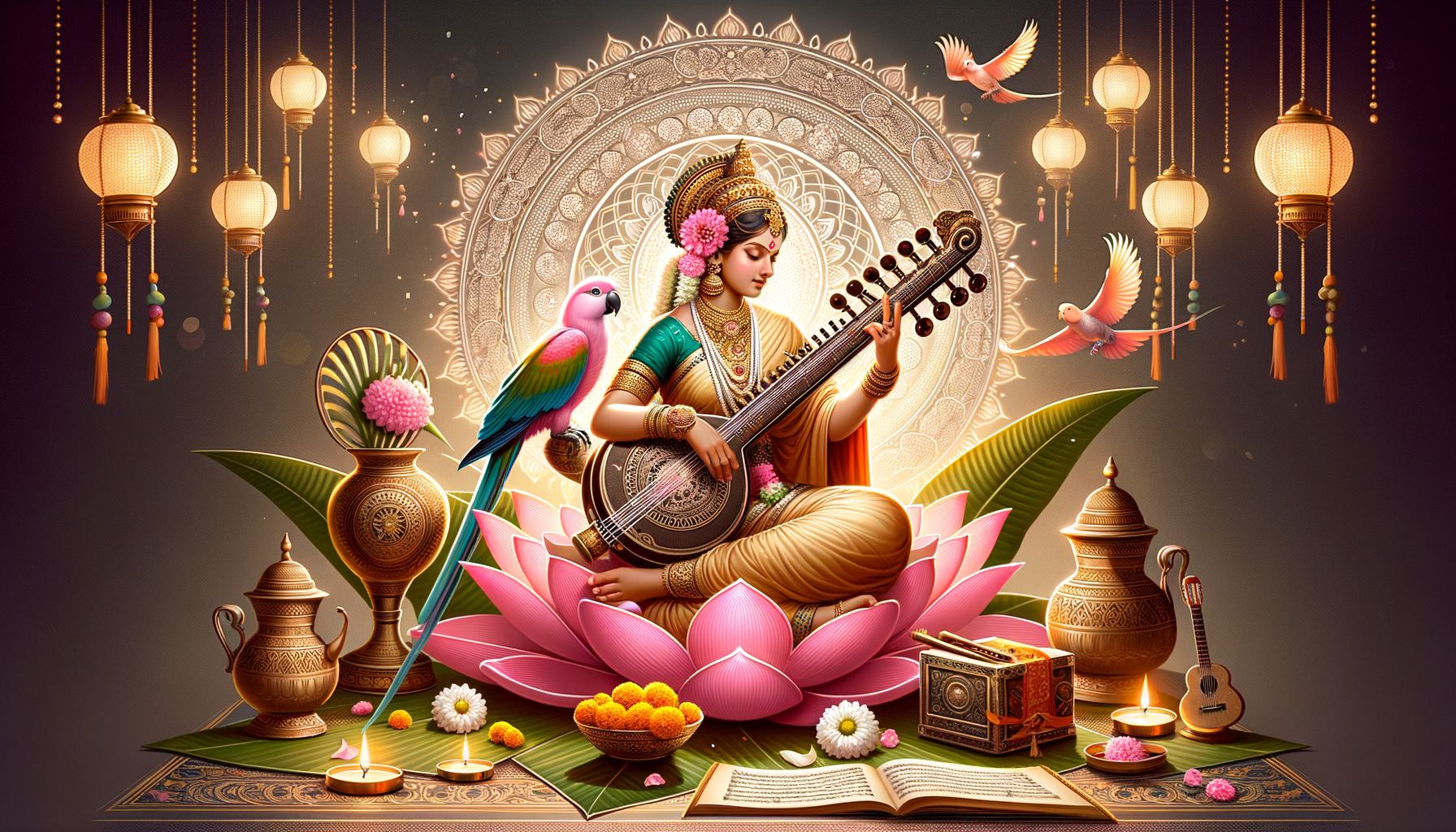
Rāja Mātaṅgī (Rāja Śyāmalā, Mantrīṇī) is honored in the Śrī Vidyā tradition as the tantric mantrī of Lalitā Tripurasundarī, governing mantras, speech, arts, and creative knowledge. Many traditions observe her worship on the 9th day of Śyāmala Navarātri in Magh, focusing on clarity in expression and excellence in the arts. Drawing on the Lalitopākhyāna (Brahmāṇḍa…
-
Khodiyar Mata Vrat Katha and Jayanti 2026: Timeless Legend, Rituals, and Devotional Unity
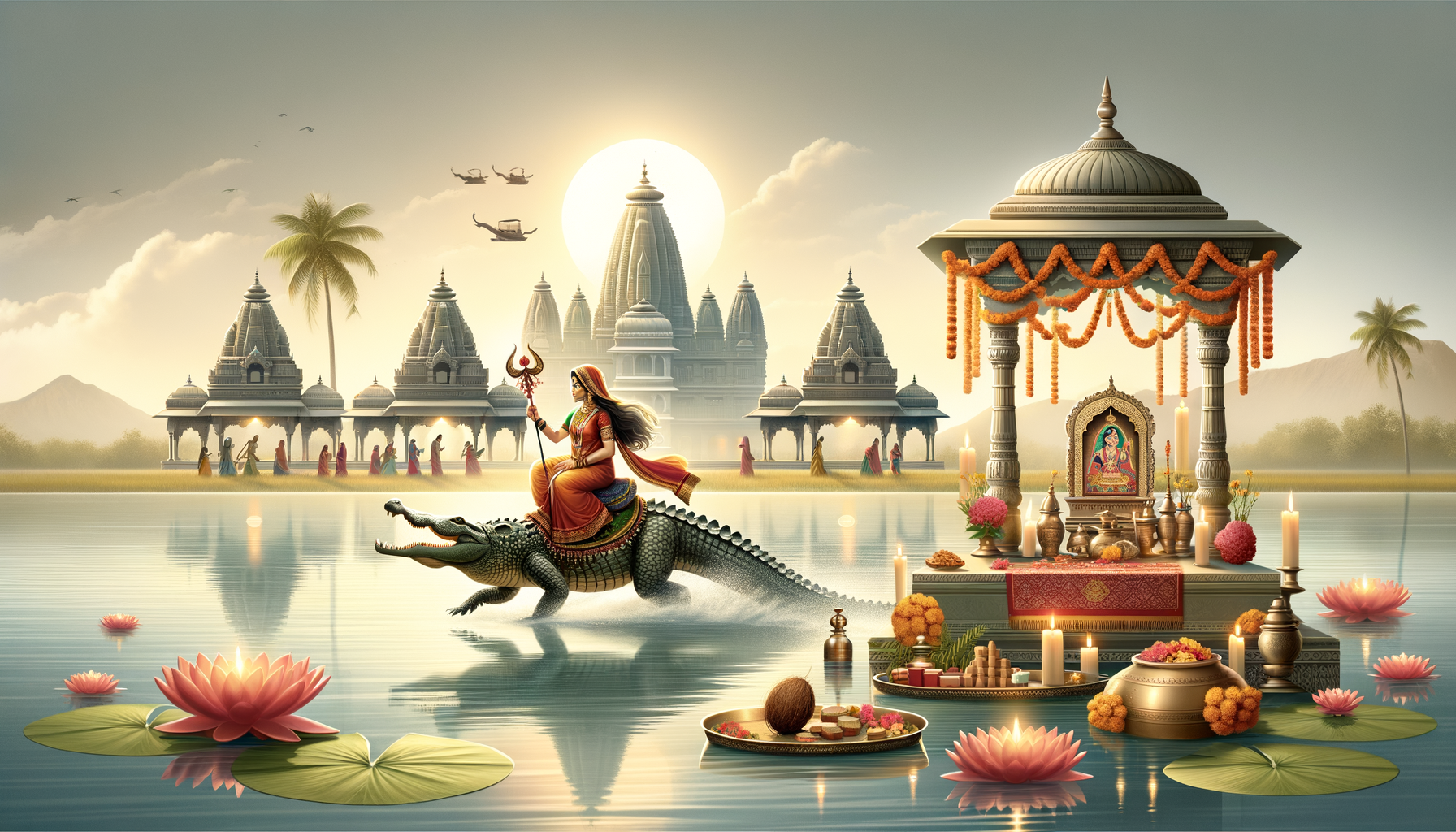
Khodiyar Mata Jayanti (Khodiyar Maa Pragatya Din) in 2026 falls on January 26, guiding devotees toward a day of reflective worship and community solidarity. The Khodiyar Maa Katha, rooted in 8th-century Gujarati and Rajasthani traditions, emphasizes protection, courage, and ethical living. The Vrat Katha’s core themes remain consistent across regional versions, reinforcing dharma and compassionate…
-
Decoding Kali’s Fierce Grace: Kali Tantra Symbolism, South-Facing Form, and Liberation

The Kali Tantra presents Goddess Kali as the south-facing embodiment of fierce grace, uniting destruction and liberation in a single, illuminating form. Kali’s orientation toward the south symbolizes a fearless encounter with death and change, transforming dread into wisdom. Her sword signifies discriminating insight, while the cremation-ground setting teaches impermanence without despair. Mudras of fearlessness…
-
Kali Yantra Unveiled: Sacred Geometry, Bindu Power, and the Living Symbolism of Shakti
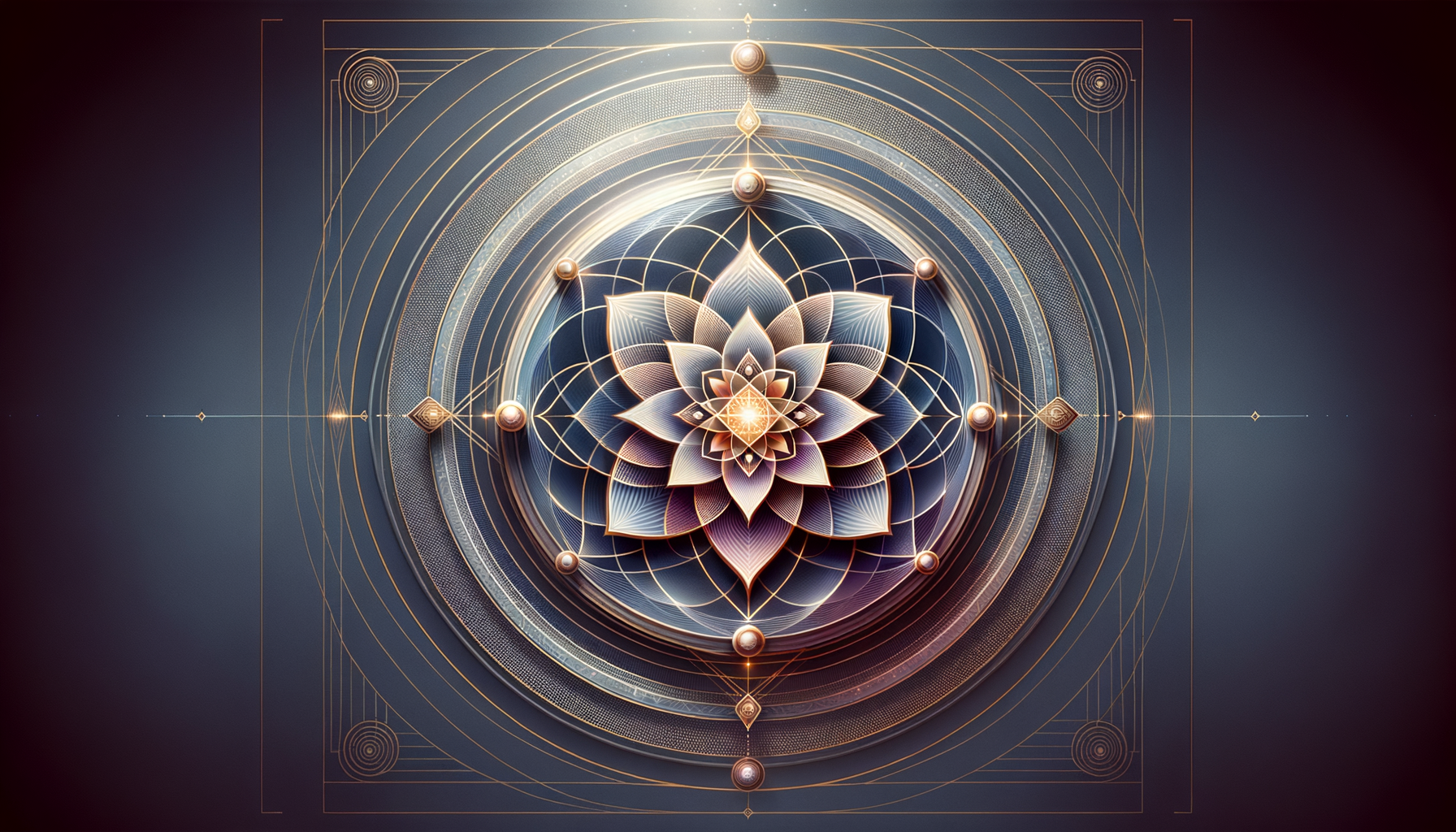
The Kali Yantra presents a precise map of sacred geometry—square, circles, lotus petals, triangles, and a central bindu—guiding attention from multiplicity to unity. The bindu functions as a powerful focal point that many practitioners experience as a gateway to calm, clarity, and compassion. Each geometric form carries layered symbolism: the bhupura stabilizes, circles harmonize, lotus…
-
Khodiyar Mata Jayanti 2026: Timeless 8th‑Century Katha, Vrat Significance, and Dharmic Unity

Khodiyar Mata Jayanti (Khodiyar Maa Pragatya Din) falls on January 26, 2026, inviting focused observance through the Khodiyar Mata Vrat Katha. Rooted in 8th‑century Gujarati and Rajasthani scriptures, the Katha sustains living traditions of devotion, ethical reflection, and community solidarity. The festival draws diverse communities across Gujarat and Rajasthan into shared worship, exemplifying unity within…
-
Shyamala Navaratri 2026: Dates, Pooja Guide, and the 9 Nights of Knowledge & Harmony

Shyamala Navaratri 2026 will be observed from 19 January to 27 January, corresponding to Shukla Paksha Pratipada through Shukla Paksha Navami in Magha. Also known as Magha Navaratri, this Gupta Navaratri honors the Shyamala aspect of the Divine Mother, emphasizing wisdom, eloquence, and the arts. The guide outlines a clear, home-friendly pooja flow—sankalpa, dhyana, Panchopachara…
-
Nari Semari Temple, Mathura: Timeless Devi Peeth Where Krishna Revealed His Narayan Form to Radha
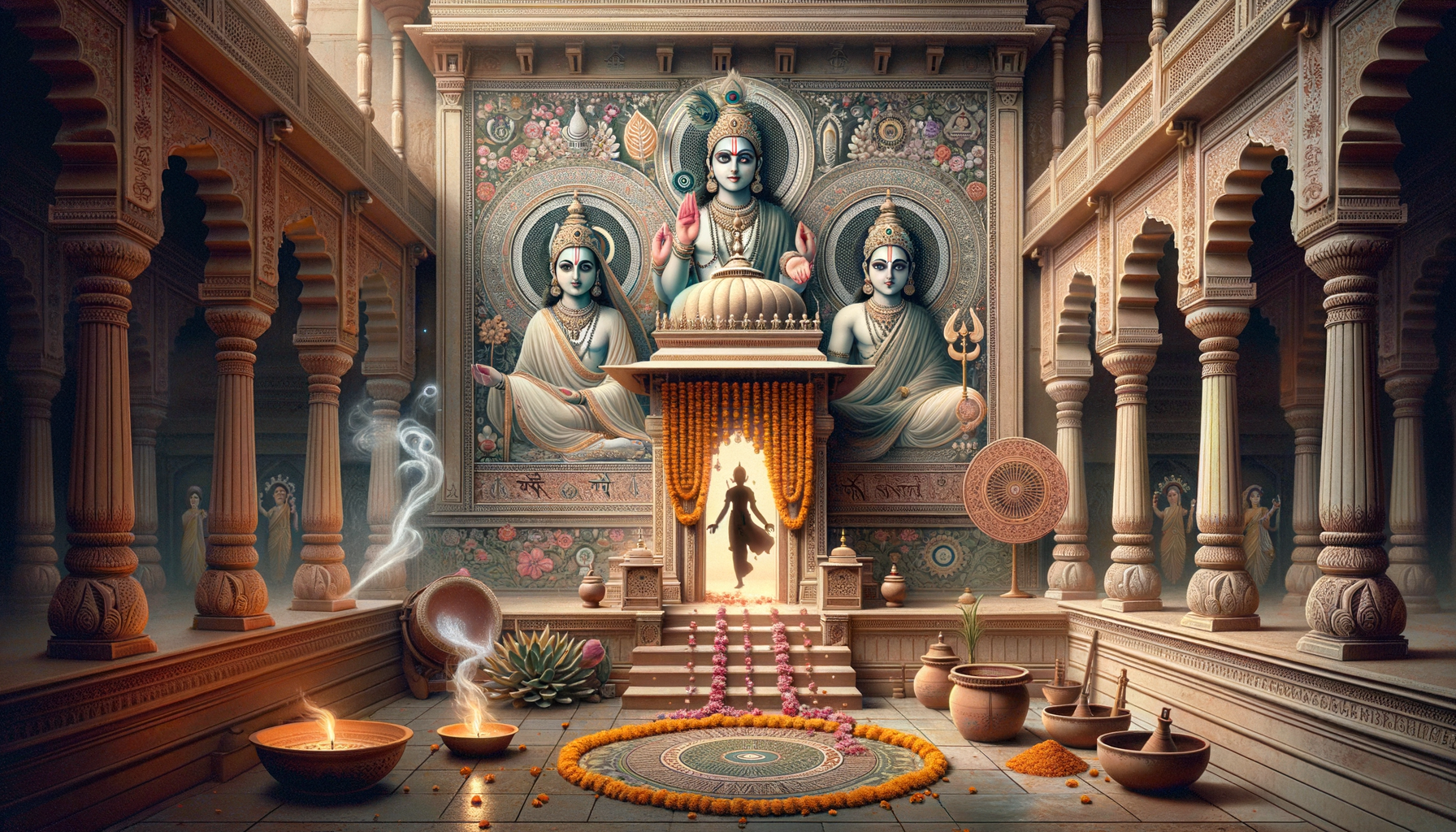
Nari Semari Temple near Chhata in Mathura, Uttar Pradesh, is a revered Devi Peeth dedicated to Brij Rakshika Mata and regarded as the Kuldevi shrine for many families across Mathura and Agra. Temple lore holds that Sri Krishna revealed His Narayan form to Radha here, deepening the site’s devotional resonance within Braj. The sanctum features…
-
Kali’s Fearless Sword: Symbolism that Cuts Ignorance and Awakens Dharmic Wisdom
Goddess Kali’s sword (kripana) symbolizes the discerning power that cuts through avidya while illuminating jnana, transforming a seemingly fearsome image into a compassionate guide to freedom. The severed head (chinnamunda) represents the surrender of constricting ego and the release of fear-driven patterns. Her right-hand mudras—abhaya and varada—assure protection and grace, balancing courage with compassion. Read…
-
Chhinnamasta in the Pranatosini Tantra: Divine Self-Sacrifice and Cosmic Renewal

This article explores the Pranatosini Tantra’s account of Chhinnamasta, a Mahavidya who embodies divine self-sacrifice and cosmic renewal. It explains how the Goddess nourishes her attendants through three life-giving streams, an image read as both prāṇa symbolism and radical generosity. The iconography—standing over Kāma and Rati—illustrates mastery over desire and the transformation of passion into…
-
Goddess Yellamma’s Black Head: Powerful Symbol of Unity Beyond Caste, Class, and Creed

The black head of Goddess Yellamma (Renuka Devi) functions as an aniconic focus for compassion and unity, revered across Karnataka, Maharashtra, and Telangana. Rooted in narratives of beheading and restoration, the motif dissolves rigid social boundaries and affirms dignity for all. The black hue symbolizes all-embracing grace and fierce protection, aligning with Shakta theology. Pilgrim…
-
Kushmanda: Unveiling the Cosmic Creative Power of Durga and Its Life-Shaping Symbolism
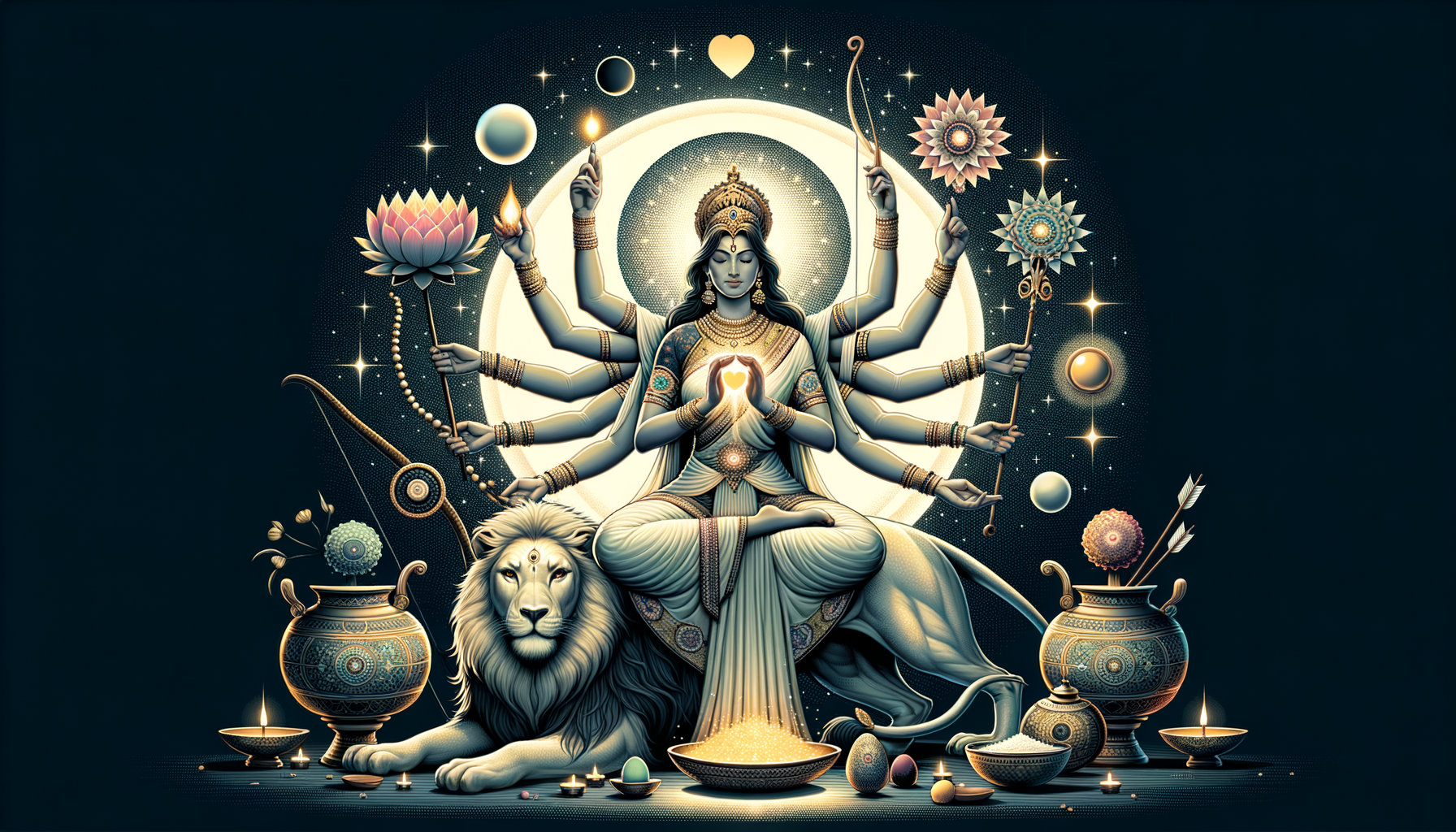
Kushmanda, the fourth manifestation of Goddess Durga, is honored as the creative force that brings the universe into being. Her name evokes the primordial warmth that animates the cosmic egg (Brahmanda), linking metaphysical insight with practical devotion. In Navaratri worship, Kushmanda symbolizes new beginnings, inner vitality, and disciplined compassion. Iconography portrays her as Ashtabhuja, radiating…
-
Gupt Navratri 2026 (Magha): Sacred January Dates, Rituals, and Spiritual Insights
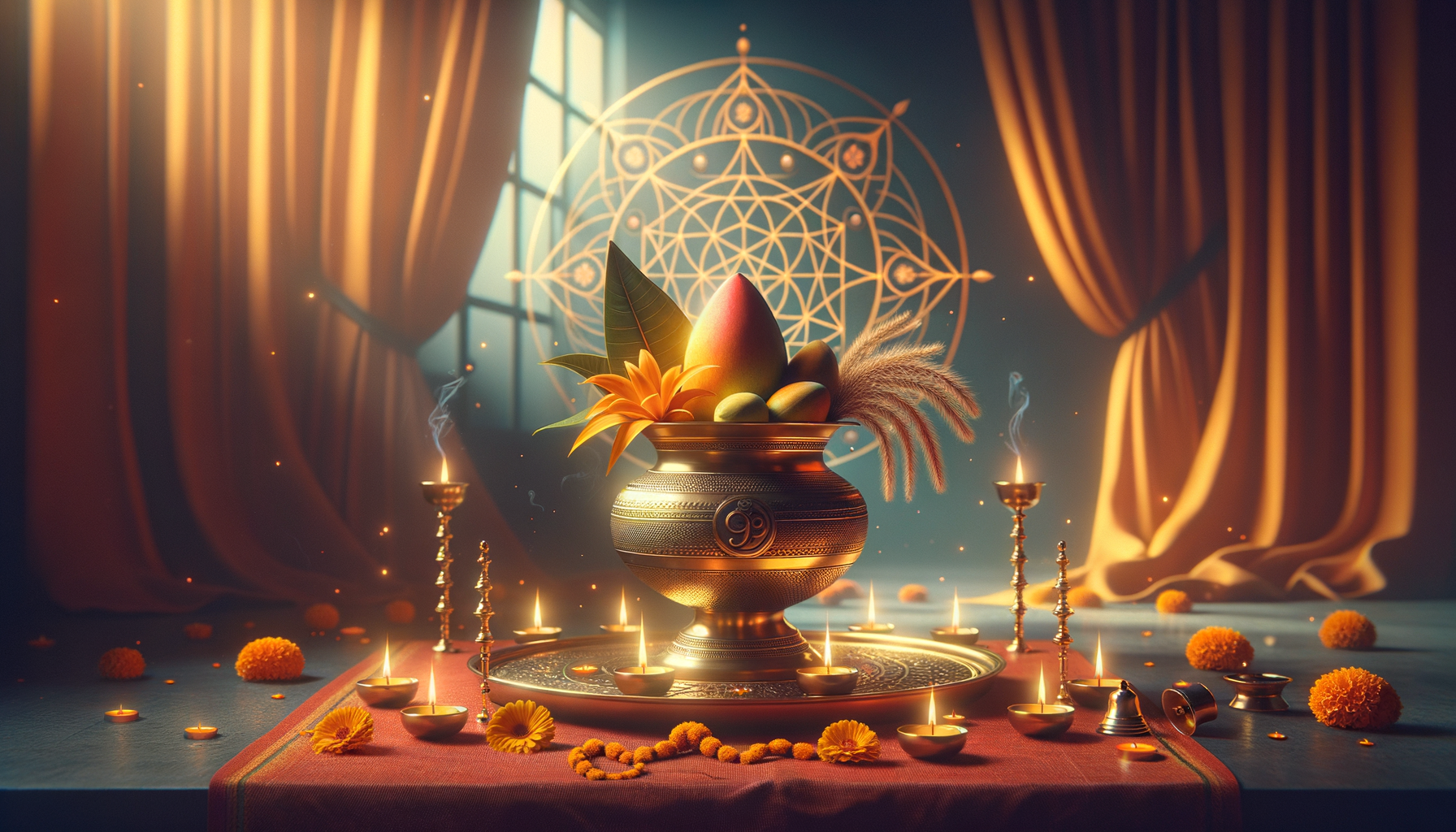
Gupt Navratri 2026 (Magha) will be observed from 19–27 January 2026 during the Shukla Paksha of Magha maas. This nine-night festival of Goddess Shakti emphasizes inward sadhana, disciplined vrat, and daily puja. Families often perform Ghatasthapana on Pratipada and conclude with special prayers on Navami, supported by recitation of Durga Saptashati or Lalita Sahasranama. The…
-
Vasavi Atmarpana Dinotsavam 2026: Date, Tithi, Meaning, and Peaceful Rituals of Ahimsa
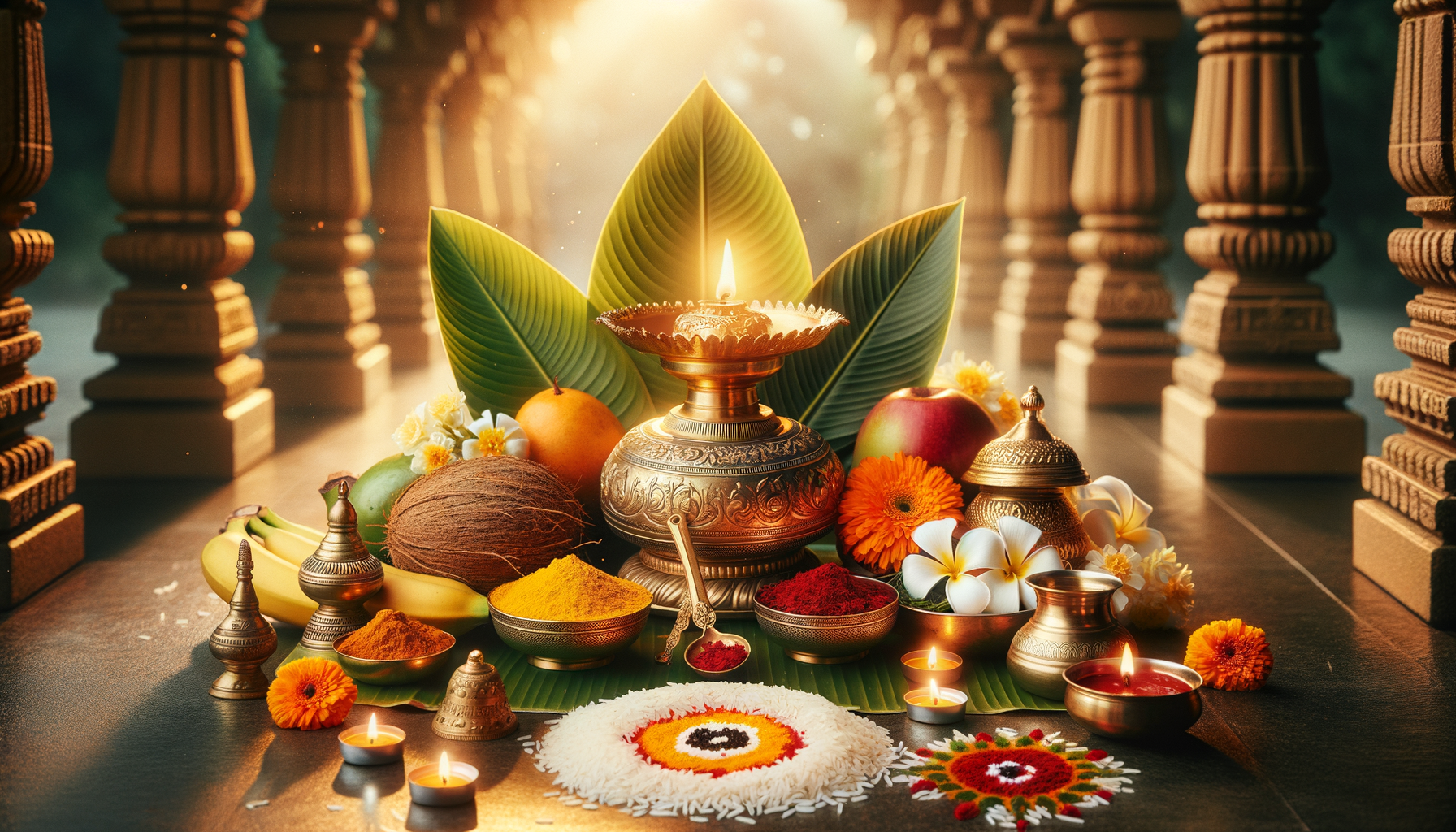
Vasavi Atmarpana Dinotsavam 2026 is observed on 20 January, corresponding to Magha Shukla Dwitiya. The day honors Vasavi Kanyaka Parameswari Devi’s union with the Divine and highlights the ethical ideals of ahimsa, dignity, and social harmony. Devotees commonly light lamps, offer kumkum and turmeric, and engage in prayer, meditation, and charity. The festival’s message resonates…
-
Khodiyar Mata Jayanti 2026: Magha Shukla Ashtami Date, Significance, Puja Vidhi, and Traditions

Khodiyar Mata Jayanti 2026 (Khodiyar Maa Pragatya Din) falls on Magha Shukla Ashtami and will be observed on 26 January. The Jayanti honors the goddess’s first appearance and her protective grace, especially venerated in Gujarat. Devotees perform puja, observe vrata, recite aarti and stutis, and engage in seva that aligns devotion with service. Rooted in…
-
Why Lalita Sahasranama Mentions Blood-Red and Meat: Unpacking Sacred Symbolism with Care

A widely asked question about the Lalita Sahasranama concerns references to blood-red imagery and seemingly non-vegetarian offerings. Verse 103—‘Rakta-varna mansanishta gudanna pritamanasa. Samsta bhakta sukhada lakinyamba svarupini’—describes Lakinyamba of the Manipura Chakra using symbolic language rather than prescribing universal dietary norms. The blood-red hue signifies life-force and courage; gudanna (sweet rice) highlights gentle, sattvic devotion.…
-
Goddess Chinnamasta and the Jackals: Tantric Symbolism, Fierce Grace, and Inner Transformation

Goddess Chinnamasta’s self-decapitated form and the presence of jackals create a profound Tantric teaching on ego-transcendence, impermanence, and compassionate energy. The three blood streams symbolize iḍā, piṅgalā, and suṣumṇā, suggesting redistribution of prāṇa rather than loss. Jackals, as cremation-ground denizens, represent threshold spaces and the recycling of form, turning fear and instinct into wisdom. Psychological…
-
Rudra from Brahma’s Third Eye: Profound Symbolism and Cosmic Balance in the Devi Bhagavata Purana
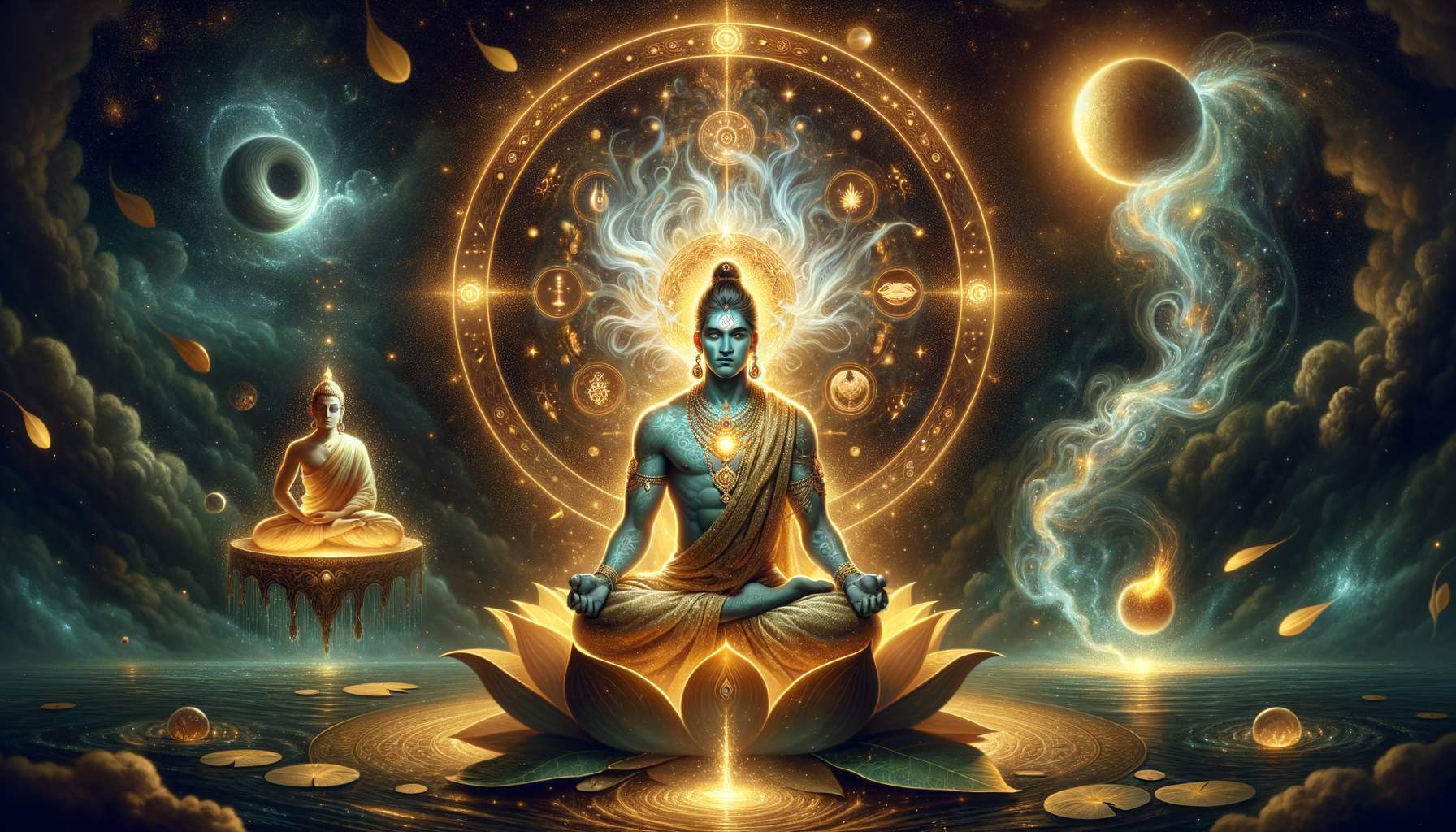
This analysis explores the Devi Bhagavata Purana’s account of Rudra emerging from Brahma’s third eye, highlighting its profound symbolism for cosmic balance and inner transformation. It explains how the narrative frames creation, preservation, and transformation as a harmonious continuum within the Trimurti. Readers gain practical insights into the third eye as discernment, the pancha mahabhutas…
-
Shiva Needs Shakti: Devi Upanishad’s Powerful Lesson on Consciousness and Energy
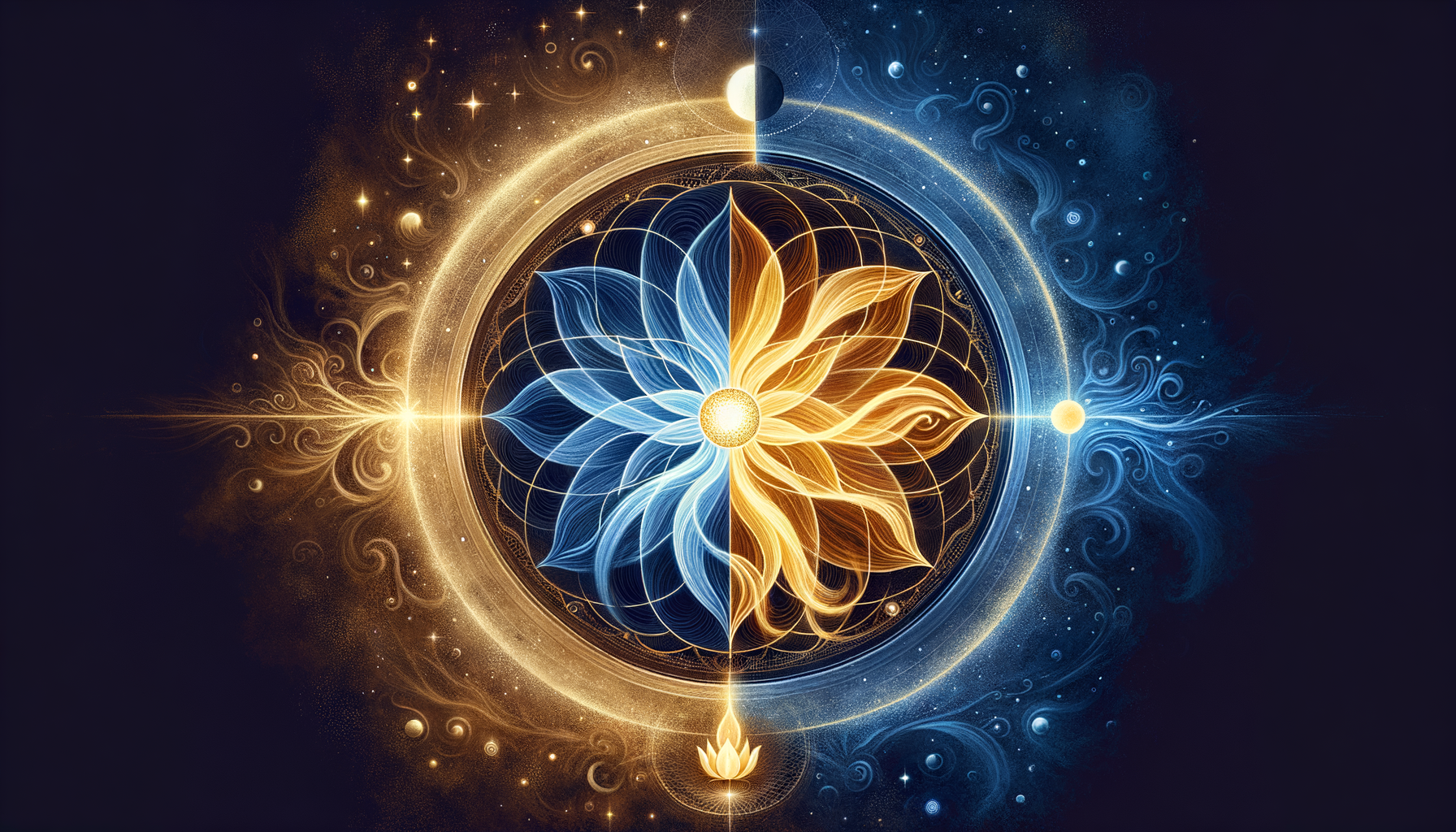
The Devi Upanishad teaches that Shiva (pure consciousness) and Shakti (dynamic energy) are inseparable, revealing that true power arises from their sacred union. This insight reframes metaphysical power as integrative, not hierarchical: awareness without energy remains inert, and energy without awareness lacks direction. Everyday experience reflects this balance, where clarity must meet purposeful action to…
-
Shakti Peethas Beyond India: Timeless Seats of the Divine Mother That Unite Borders
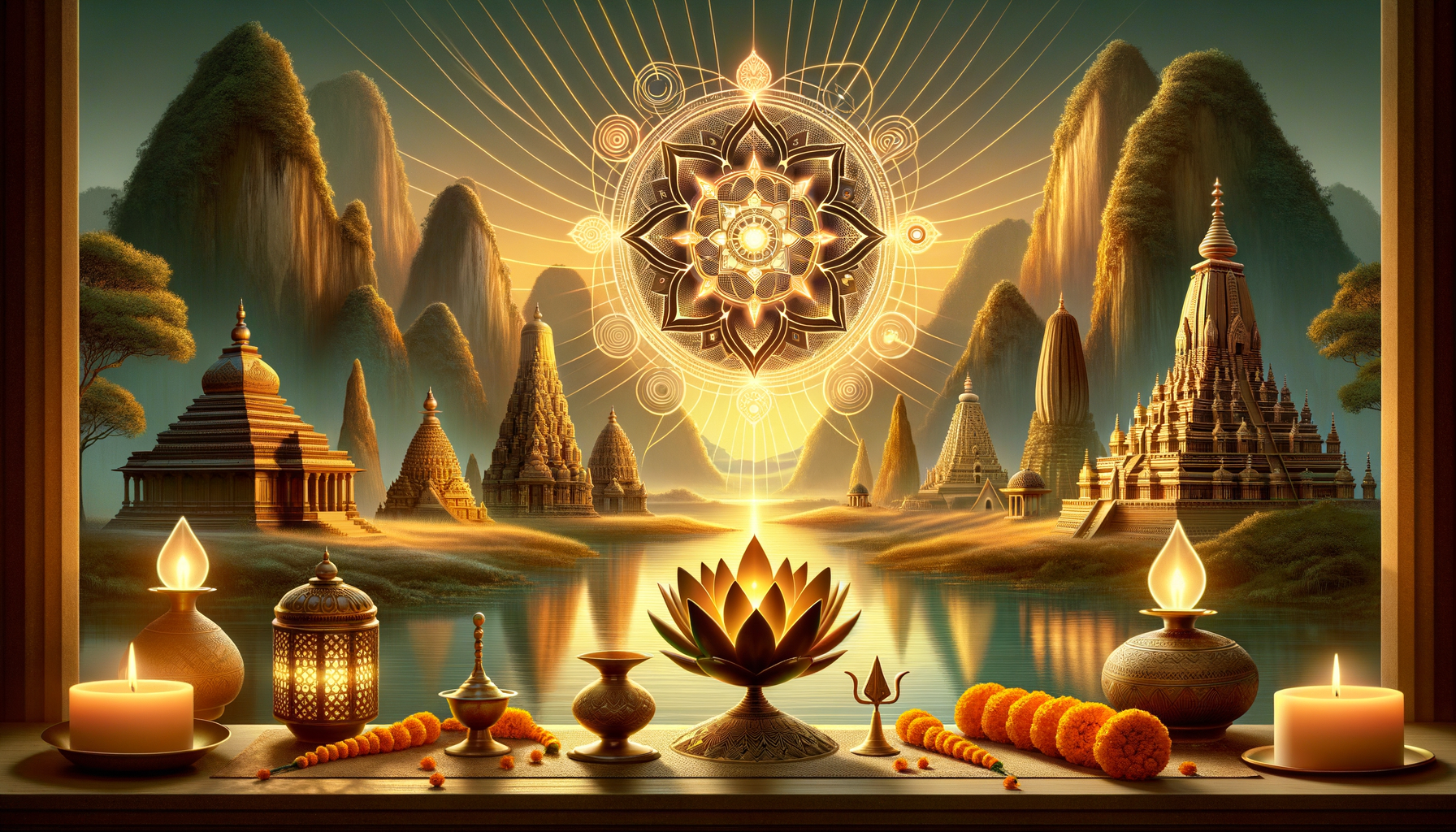
Shakti Peethas outside India illuminate a sacred geography that transcends modern borders, inviting seekers into a shared South Asian heritage. Grounded in the Devi Bhagavata Purana and other Puranas, these sites honor the Divine Mother, Shakti, and sustain living traditions of pilgrimage. Widely venerated examples include Hinglaj Mata in Pakistan, Guhyeshwari in Nepal, Jessoreswari in…
-
Chamunda’s Sacred Elephant: Fierce Shakti, Ego’s Undoing, and the Path to Inner Freedom
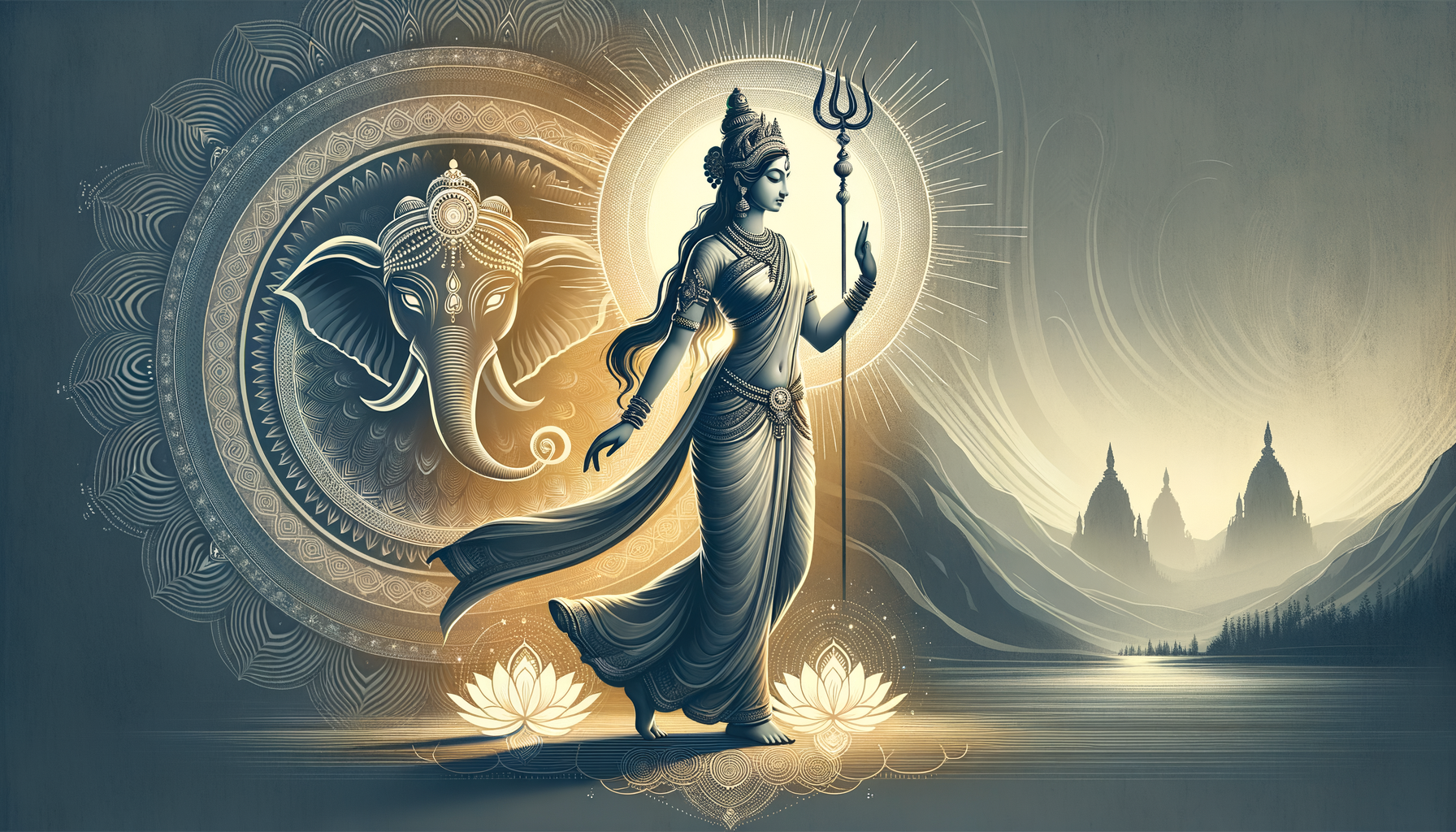
Goddess Chamunda’s association with the elephant in select iconography conveys a profound lesson: the fierce subjugation of ego, pride, and inertia that obstruct spiritual growth. Read as a visual theology of Shakti, the motif transforms heaviness into purposeful clarity aligned with dharma. The symbolism resonates psychologically, echoing Vedantic neti neti and Yogic pratyahara as disciplined…