
Vasavi Atmarpana Dinotsavam (also known as Vasavi Kanyaka Parameswari Devi Atma Balidaanam) commemorates the sacred moment when Goddess Vasavi Kanyaka Parameswari Devi relinquished the physical body and attained union with the Divine. In 2026, the observance falls on 20 January, aligning with Magha Shukla Dwitiya in the traditional Hindu calendar.
Across regions where the Arya Vysya community and devotees of Devi congregate, the day is revered as a living embodiment of ahimsa, dignity, and social harmony. The narrative of Vasavi Kanyaka Parameswari Devi serves as an ethical compass for householders and communities, emphasizing non-violence, self-discipline, and compassionate stewardshipvalues cherished within Hinduism and resonant with the broader dharmic ethos of Buddhism, Jainism, and Sikhism.
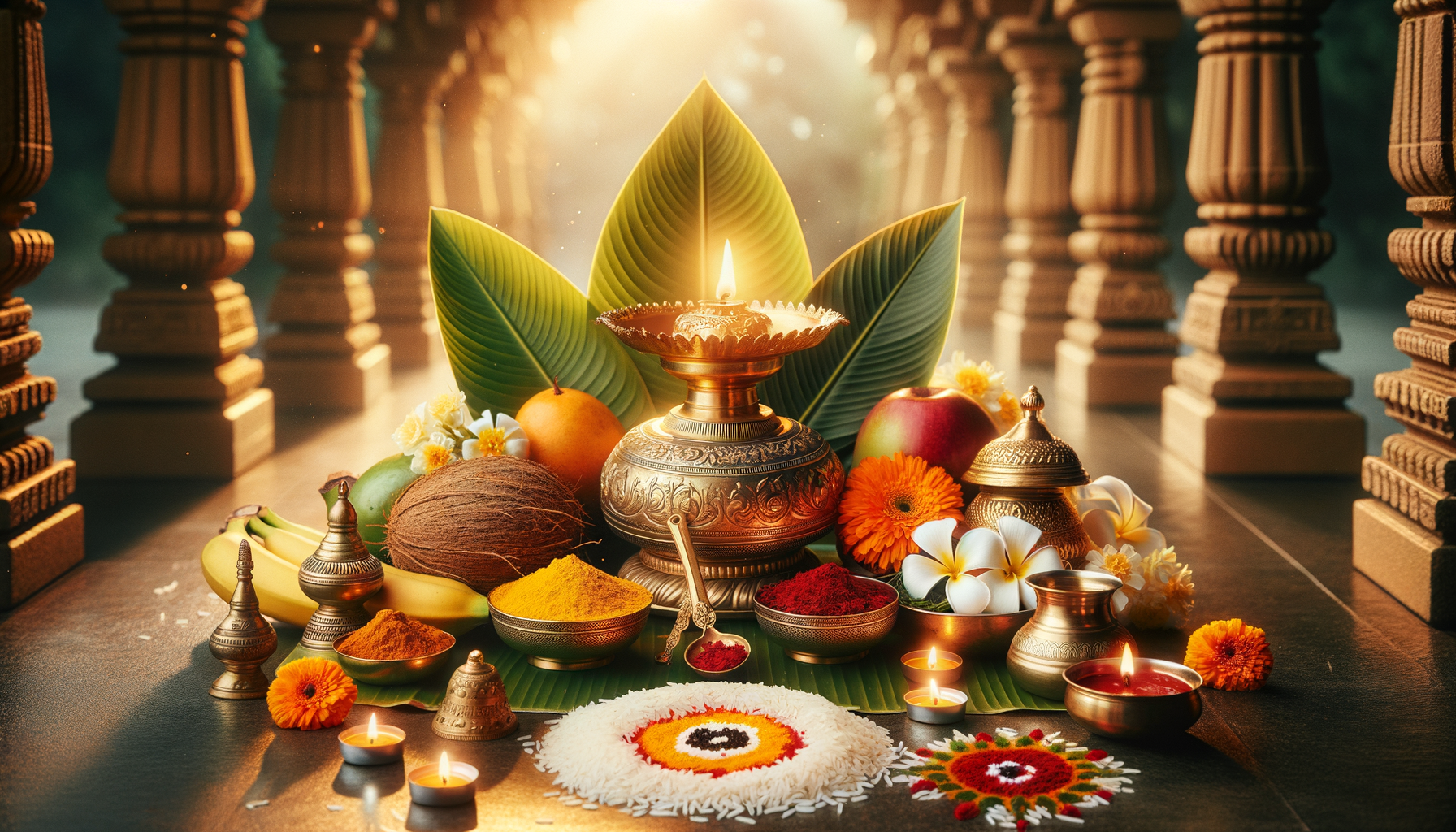
Devotional practices typically include lighting a deepam, offering kumkum, turmeric, and akshata, and reciting prayers or kirtans dedicated to Vasavi Kanyaka Parameswari Devi. Many families prepare sattvic meals, undertake acts of dana (charity), and participate in annadanam at temples. Silence, meditation, and collective prayer for social concord are also common, reflecting the festival’s emphasis on inner restraint and outward goodwill.
From a calendrical perspective, Vasavi Atmarpana Dinotsavam is observed on Magha Shukla Dwitiya, providing a consistent annual waypoint within the Magh Month (Magha Masam). In 2026, this tithi coincides with 20 January, enabling devotees to plan temple visits, household observances, and community gatherings with clarity.
Home observance can be simple yet meaningful: a clean altar, a lamp offered with reverence, and a brief sankalpa to embody ahimsa in thought, speech, and action. Families often read episodes from the life of Vasavi Kanyaka Parameswari Devi, discuss ethical trade and truthful conduct, and encourage children to reflect on kindness and fairness in daily life. Such practices translate spiritual ideals into practical, generational learning.
Temples dedicated to Vasavi Kanyaka Parameswari Deviparticularly across Andhra Pradesh, Telangana, Karnataka, and Tamil Nadutypically organize special pujas and collective recitations. Devotees benefit from confirming local schedules in advance, as some communities host cultural programs and charitable initiatives that extend the festival’s spirit of service.
The philosophical heart of the day lies in honoring non-violence and righteous conduct. These principles form a unifying bridge across dharmic traditions: ahimsa and karuna (compassion) in Hindu and Buddhist thought, the disciplined renunciation and ethical living esteemed in Jain practice, and the spirit of seva in the Sikh tradition. Framed this way, Vasavi Atmarpana Dinotsavam encourages interfaith harmony rooted in shared virtues rather than doctrinal difference.
For those seeking a devotional focus, meditative remembrance of Vasavi Kanyaka Parameswari Devi as an icon of moral courage is recommended. Short readings, mantra japa, and mindful silence help cultivate serenity. Many devotees report that the day’s quiet, disciplined observance fosters emotional resilience, clarity of purpose, and a renewed commitment to social responsibility.
Observing Vasavi Atmarpana Dinotsavam in 2026 thus offers a timely occasion to integrate scriptural ideals with daily life: honoring ahimsa, deepening community bonds, and strengthening the collective commitment to peace, dignity, and unity across dharmic paths.
Inspired by this post on Hindu Pad.
