
-
Navaratri Vrata Mahatmyam: Scriptural Roots and Seasonal Science Behind Chaitra & Ashwin Fasts
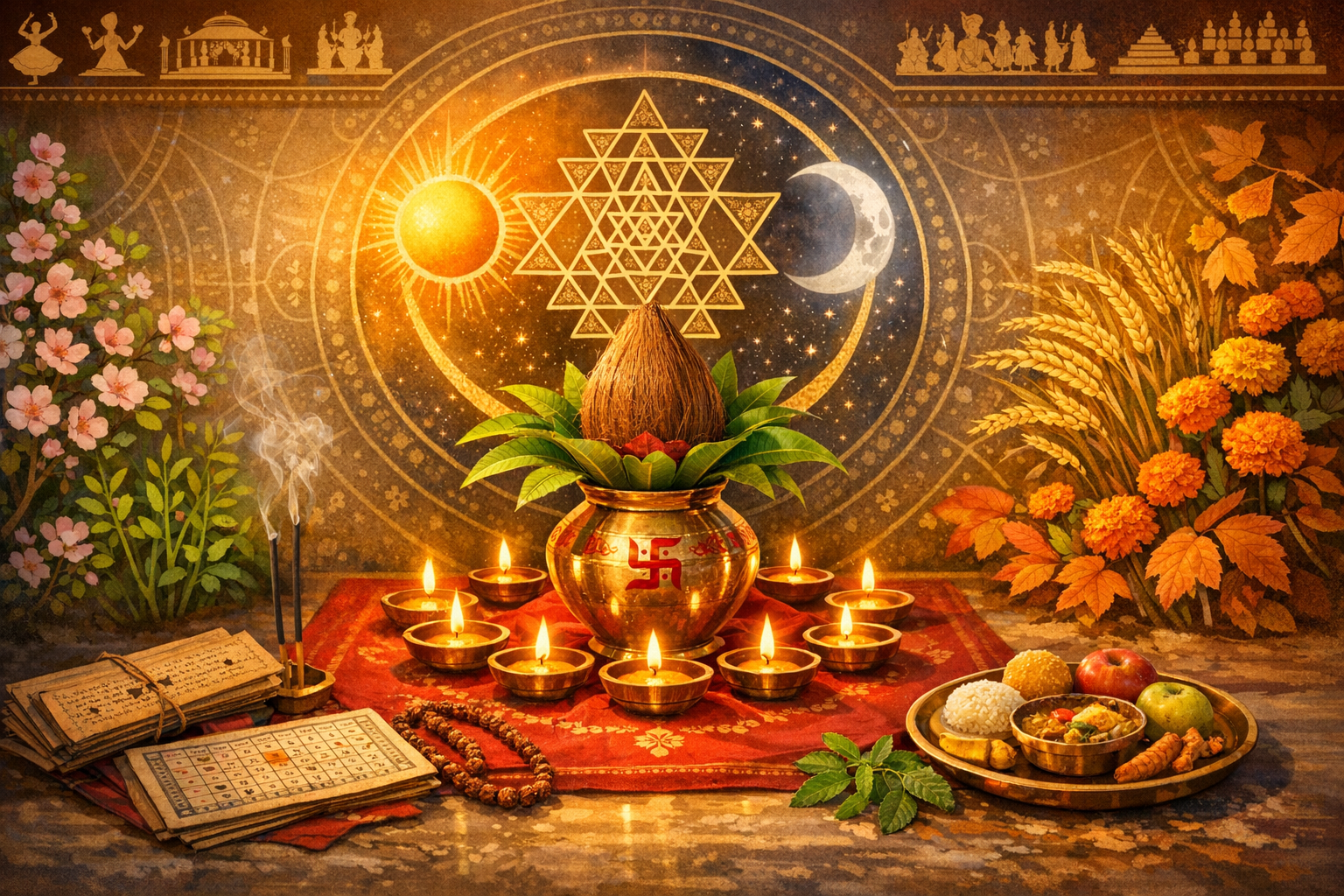
Navaratri Vrata Mahatmyam explains why the sacred nine-night fast centers on Chaitra and Ashwin: both occur at powerful seasonal junctions near the equinoxes, making them ideal for renewal and inner rebalancing. Scriptural foundations in the Devi Mahatmya and traditions attributed to Veda Vyasa affirm the efficacy of the vow when aligned with Shukla Pratipada to…
-
Vasant Navratri 2026: Dates, Puja Vidhi, Fasting, NavaDurga & Ram Navami’s Sacred Finale
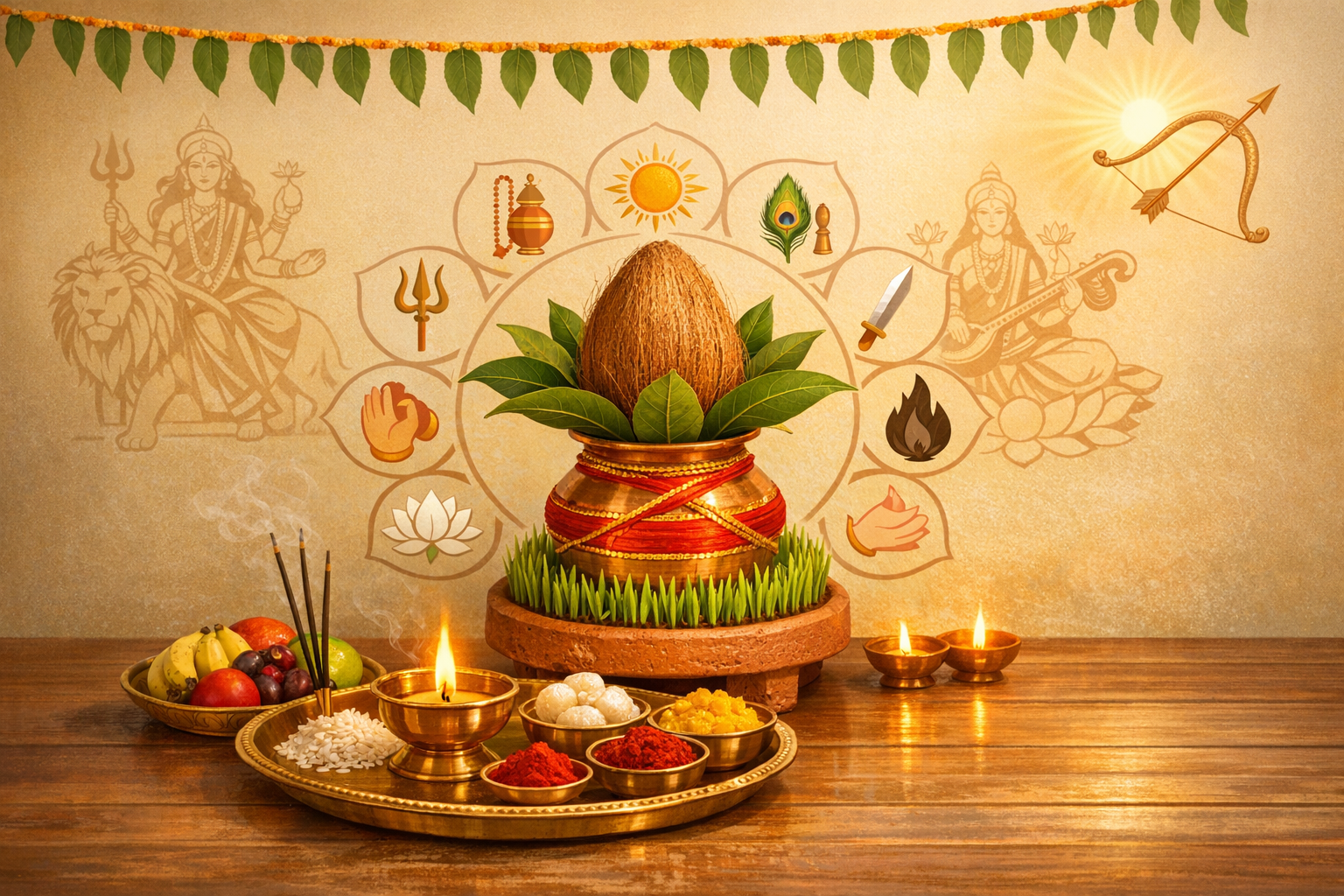
Vasant Navratri 2026 (Basant Navaratri, Chaitra Navratri, Sri Ram Navratri) will be observed from 19 to 27 March 2026, beginning on Chaitra Shukla Pratipada and culminating on Ram Navami. This long-form guide explains the festival’s spiritual architecture, outlines day-by-day observances for the NavaDurga, and details Ghatasthapana, puja vidhi, and fasting practices with attention to health…
-
Soubhagya Gauri Vratam 2026 (Gangaur): Date, Puja Vidhi, Chaitra Tritiya Significance & Traditions
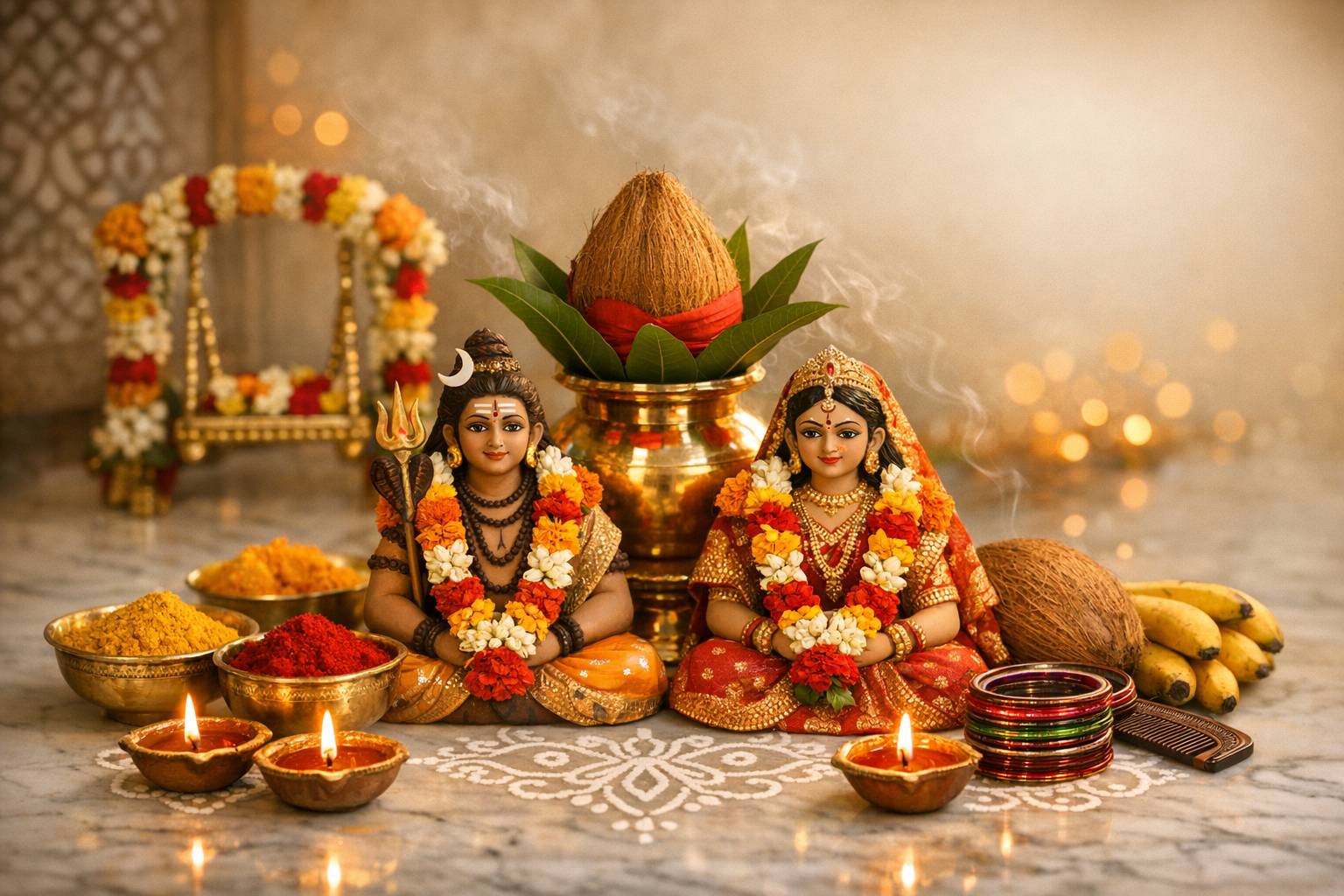
Soubhagya Gauri Vratam (Gangaur) falls on Chaitra Shukla Tritiya, and in 2026 it is observed on 21 March. The vrata is dedicated to Devi as Gauri (Pārvatī) and is undertaken for saubhāgya: marital harmony, familial well-being, and prosperity. This comprehensive guide explains the tithi basis in the Hindu calendar, clarifies regional names and practices, and…
-
Phullara Devi at Attahasa Shakti Peetha: Bengal’s Blooming Goddess of Renewal and Vāk
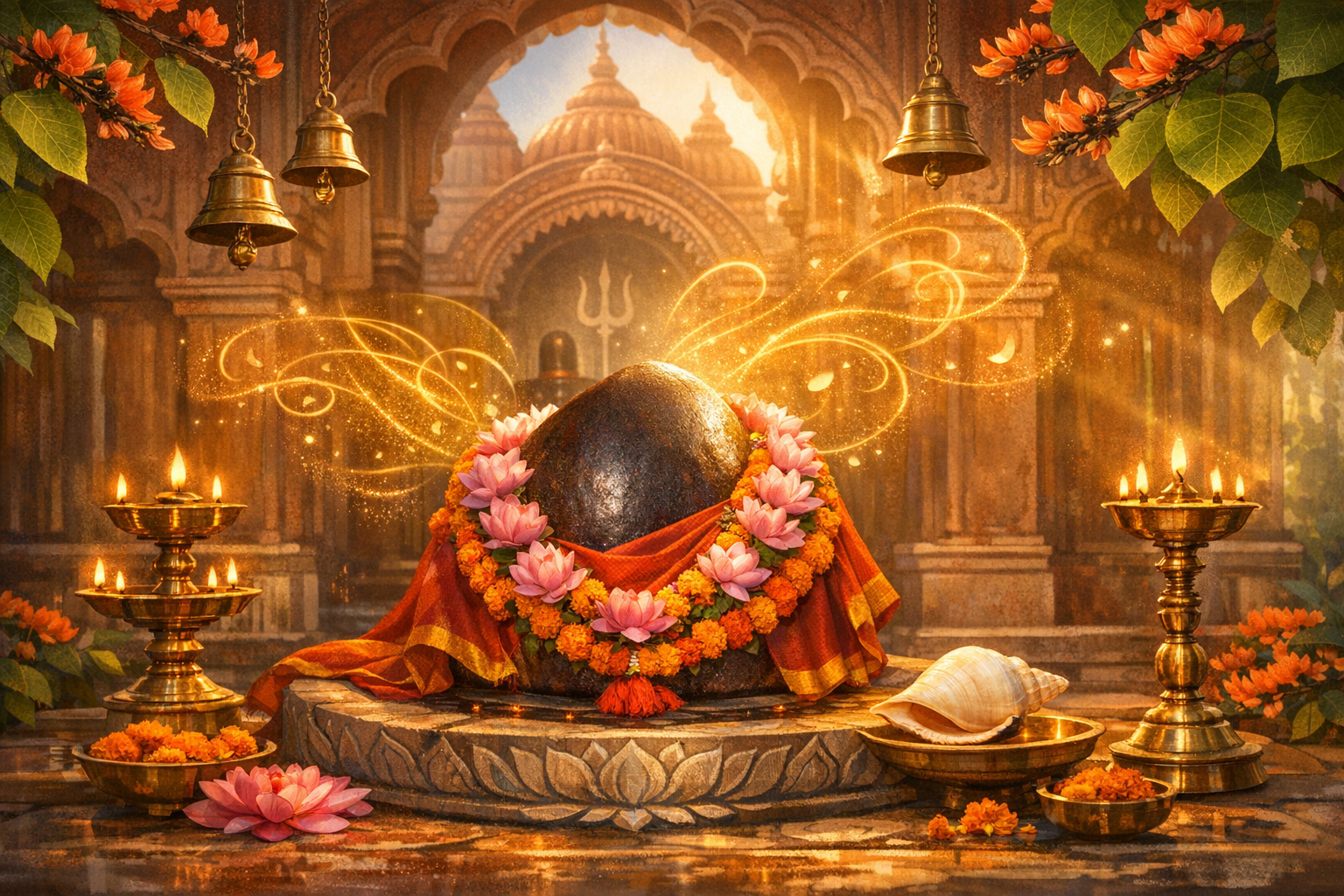
Phullara Devi at Attahasa Shakti Peetha in Birbhum, Bengal, is venerated as the Blooming Goddess of renewal and sacred speech. Rooted in the Shakti Peetha tradition that links the land to Sati’s dispersed body, Attahasa is associated with the fallen lip—symbolizing vāk and ethical communication. The shrine’s aniconic murti, paired with Bhairava as Vishvesh, preserves…
-
Shakini Yogini Unveiled: Lion-Headed Shakti, Bhairava’s Wrath, and Deep Tantric Symbolism

Shakini Yogini, often depicted with a lion face, crystallizes Tantric teachings about fearless clarity, ethical speech, and disciplined power. Emerging mythically from Bhairava Samvarta as mahauraudra, she embodies purgative intensity in service of transformation, not harm. Many traditions map her to the Vishuddha chakra, where the seed sound HAM refines voice and intention into vāk-siddhi—truthful…
-
Goddess Shivani as Divine Shakti: Symbolism, Yogic Science, and Awakening Consciousness
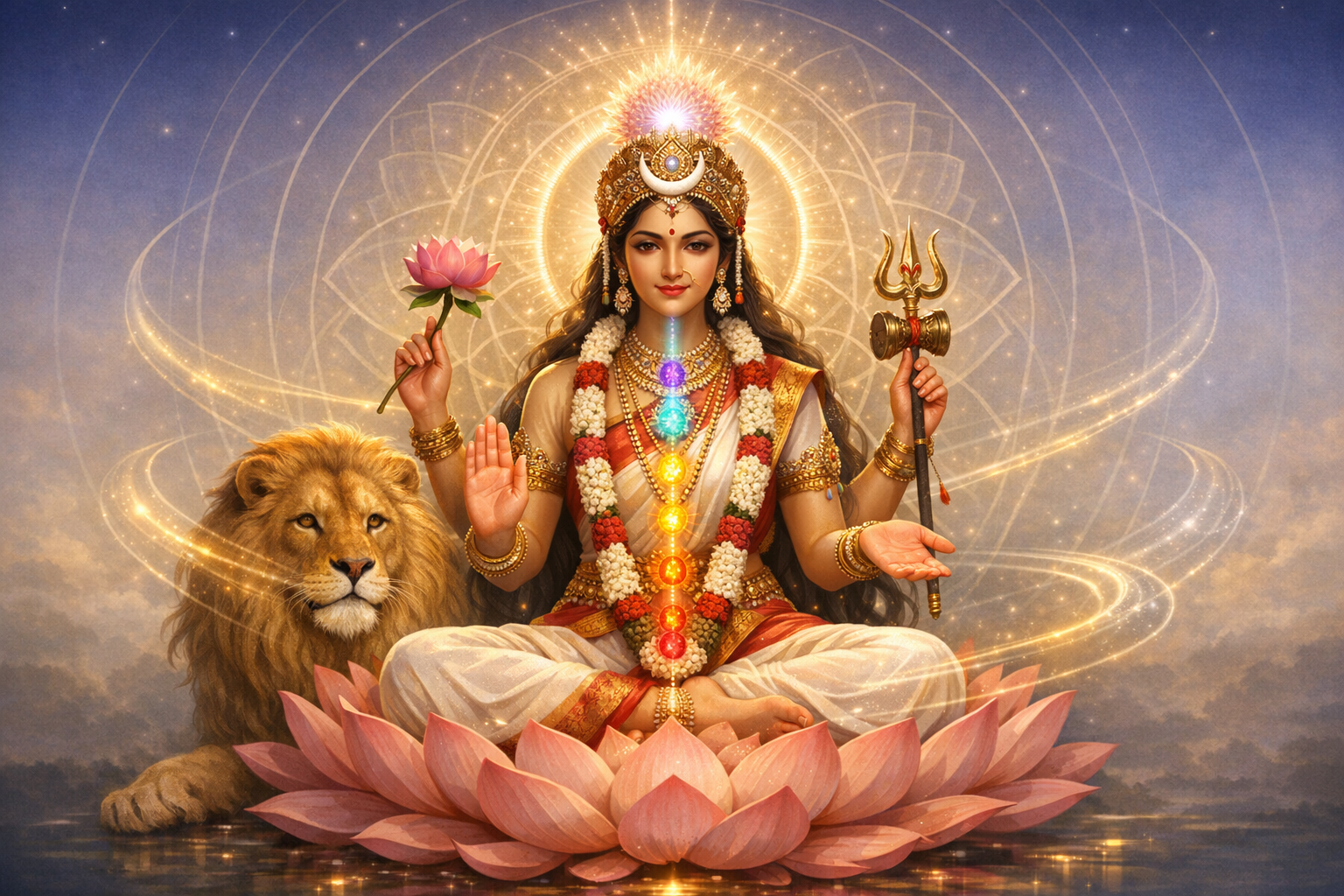
Goddess Shivani is presented as a luminous expression of Devi Shakti, the Sacred Feminine that awakens divine consciousness in Hindu philosophy. The discussion clarifies Shivani’s identity as an epithet aligned with Parvati, explores Shiva–Shakti non-duality, and explains the five cosmic functions, the triad of shaktis, and their ethical implications. Yogic science is detailed through Kundalini,…
-
Chamunda’s Fiery Crown: Transformative Agni, Shakta Iconography, and Inner Alchemy
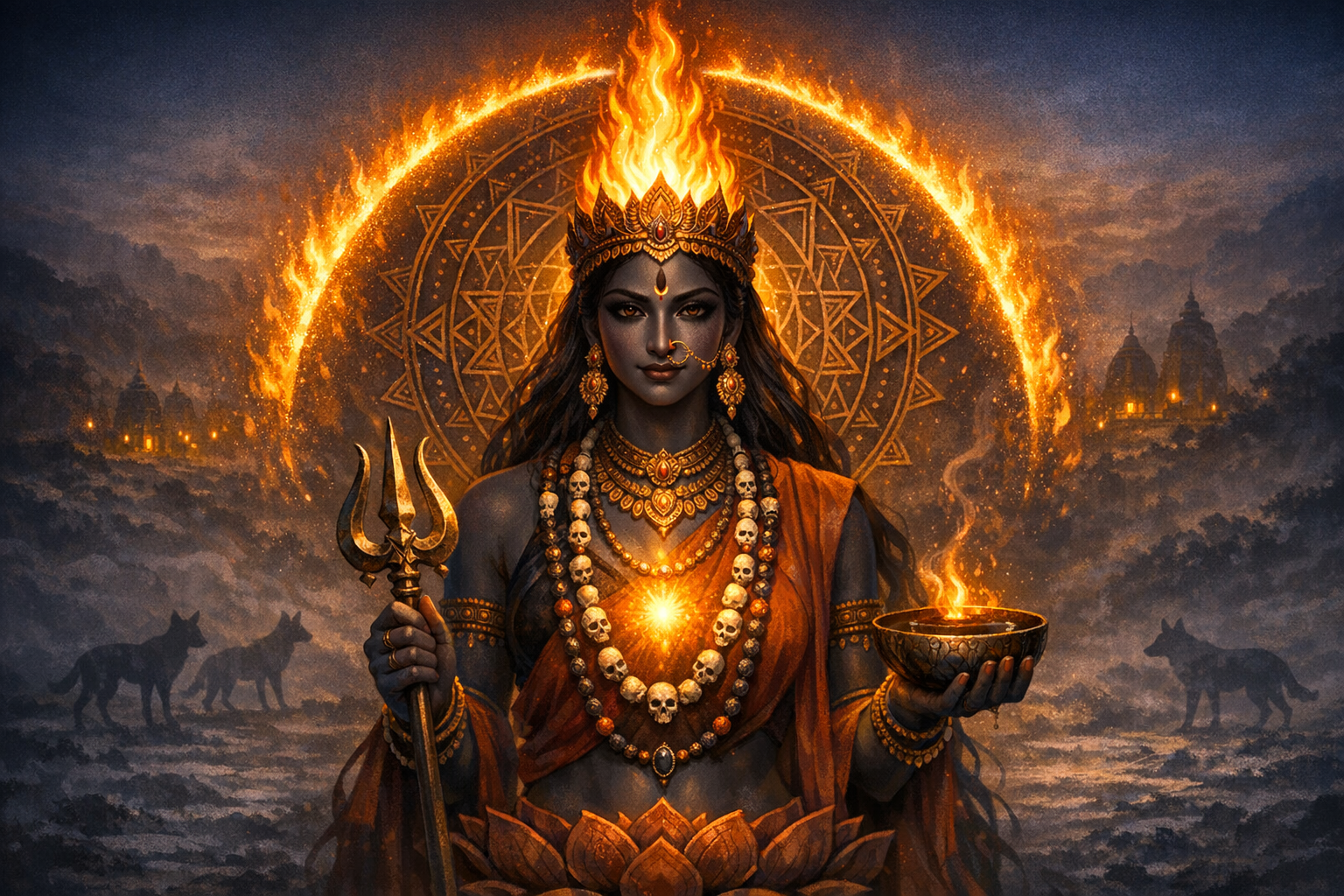
Chamunda’s crown of flame—jvālāmukuṭa—presents a precise theological statement: power governed by wisdom. Rooted in the Devi Mahatmya, this Shakta iconography aligns with Vedic and Yogic accounts of purificatory fire (Agni, jñānāgni), showing how disciplined luminosity transforms fear and anger into moral clarity. The cremation-ground setting, skull garland, and pañchamuṇḍi āsana frame the flame as sovereignty…
-
Decoding the Charchika Mudra: Chamunda’s Fearless Iconography and the Science of Inner Purification
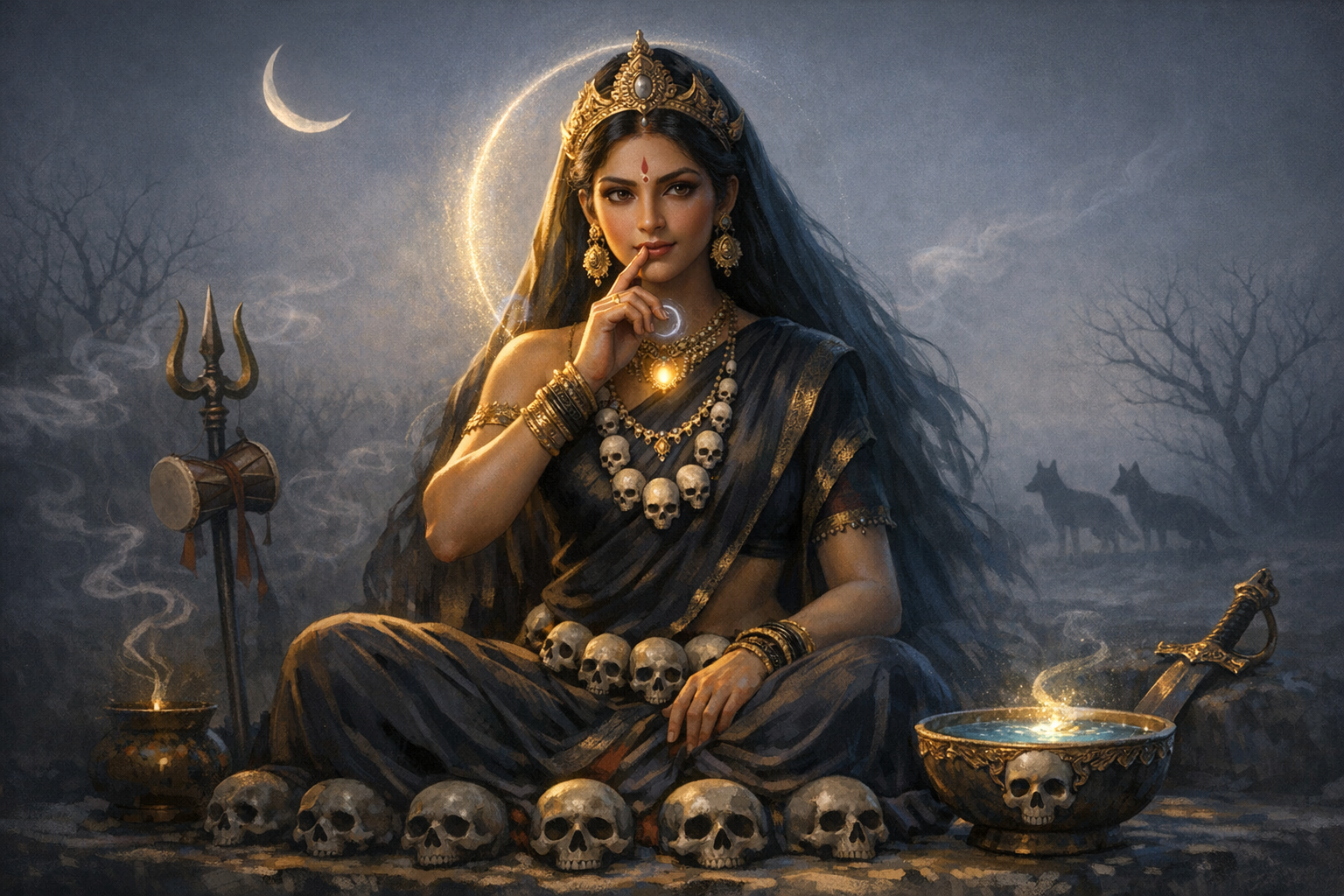
The Charchika Mudra—Chamunda cleaning her teeth with the left little finger—condenses a complete Shakta theology of protection and purification into one subtle gesture. Read against the Devi Mahatmyam and Shakta iconography, it signifies post-conflict cleansing, non-attachment to the taste of violence, and disciplined speech and appetite. Jackals, cremation ground, and skull garlands frame a fearless…
-
Child Kali on Maa Sarada’s Lap: Decoding Ramakrishna’s Vision of Fierce Grace and Love
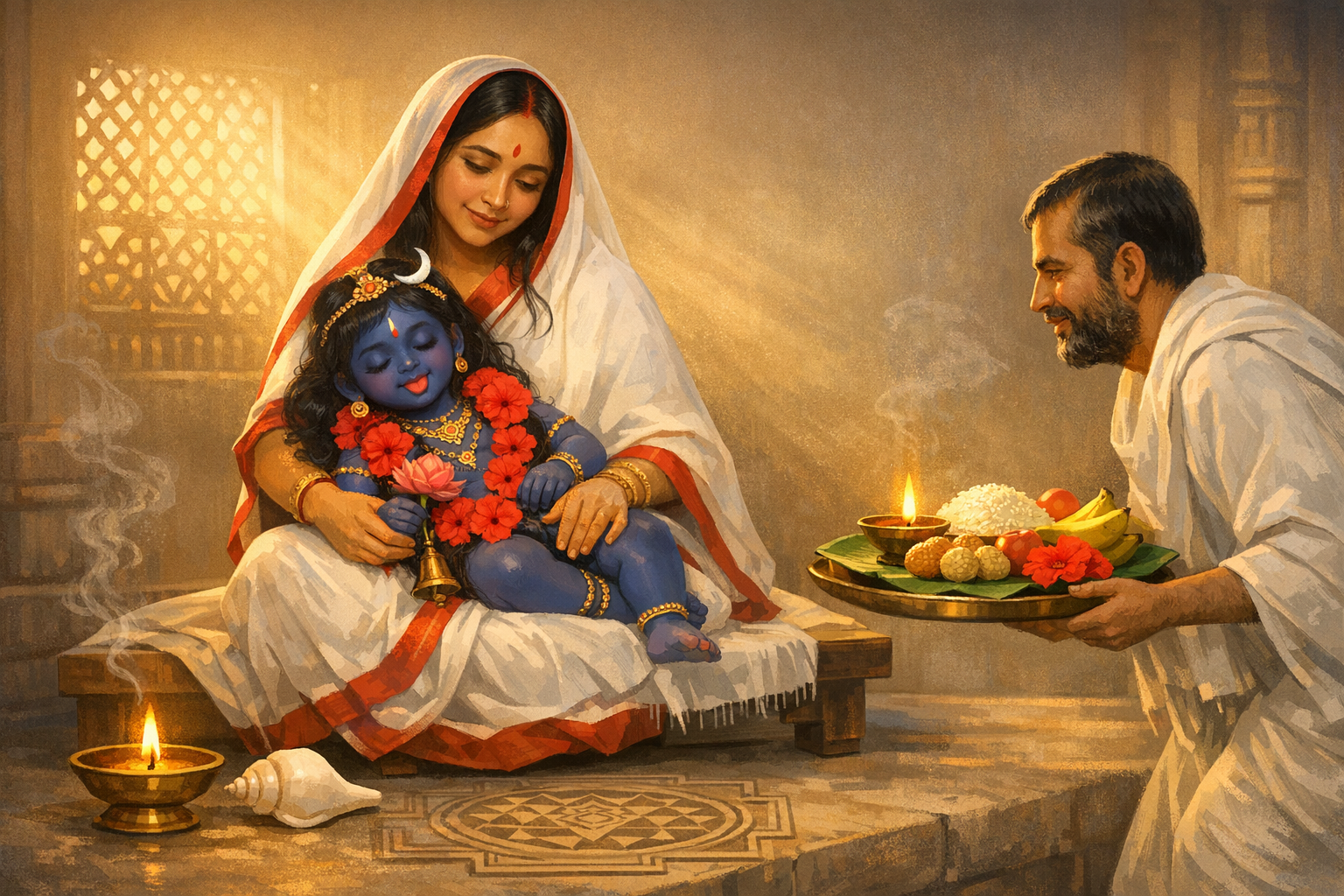
This essay decodes a powerful Hindu symbol: Child Goddess Kali seated on the lap of Maa Sharda as Sri Ramakrishna brings food. It situates the scene within Sanatana Dharma, Shakta Tantra, and Bengal’s devotional culture, showing how fierceness softens into maternal grace through seva. Drawing on Ramakrishna’s life—especially the Shodashi Puja to Sarada Devi—it interprets…
-
Revealing the Pandavas’ Durga Worship in the Mahabharata: Virata Parva’s Earliest Shakta Trace
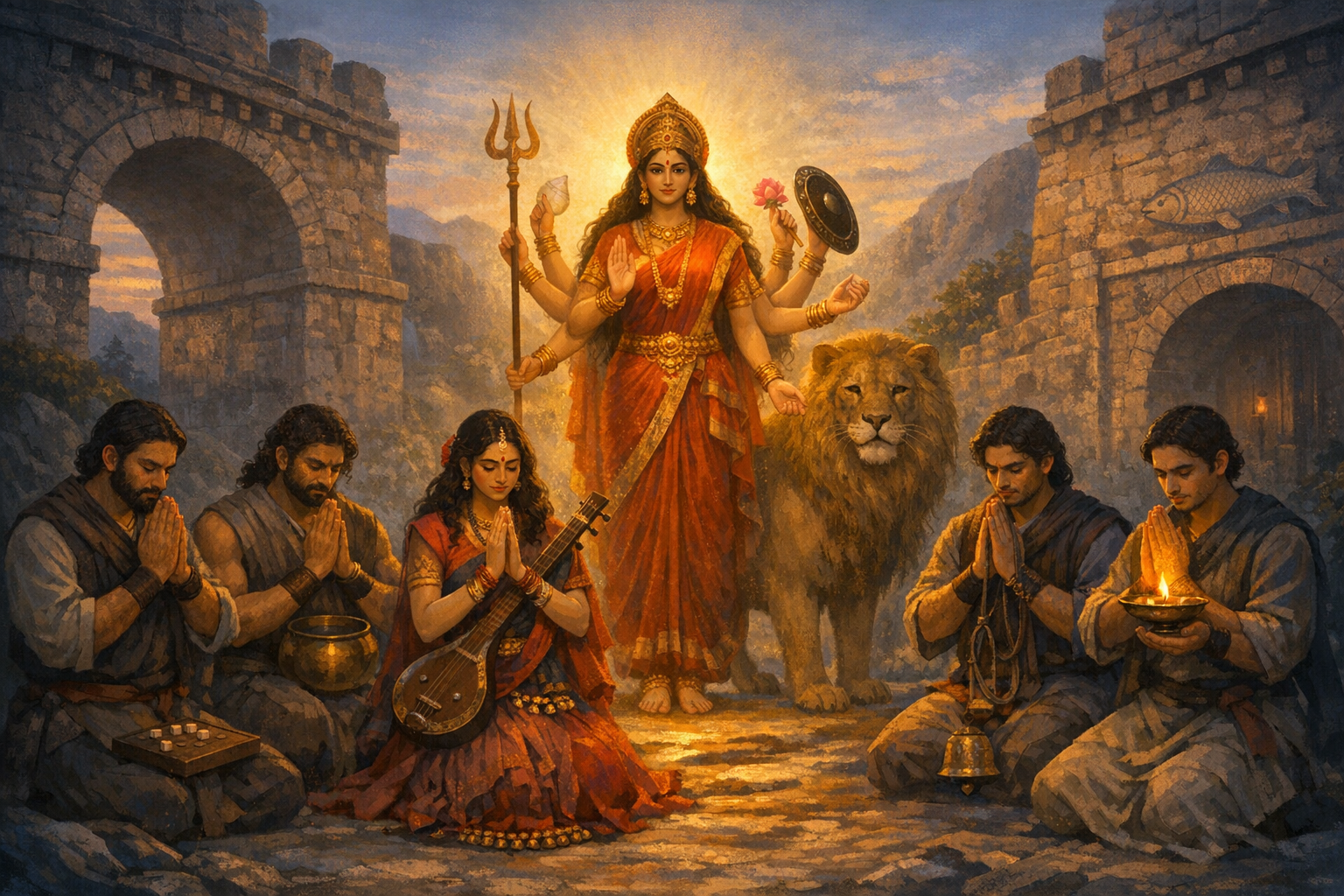
This study traces one of the earliest epic references to Goddess Durga in the Mahabharata’s Virata Parva, where the Pandavas invoke Shakti before their perilous year in disguise. It situates the hymn—naming Durga, Katyayani, Bhadrakali, and Mahishasuramardini—within the narrative hinge between exile and restoration. Attention is given to manuscript variation and critical edition debates while…
-
Shiva–Parvati Kalyanam at Maha Shivaratri: Complete Guide to Rituals, Legends, and Meaning
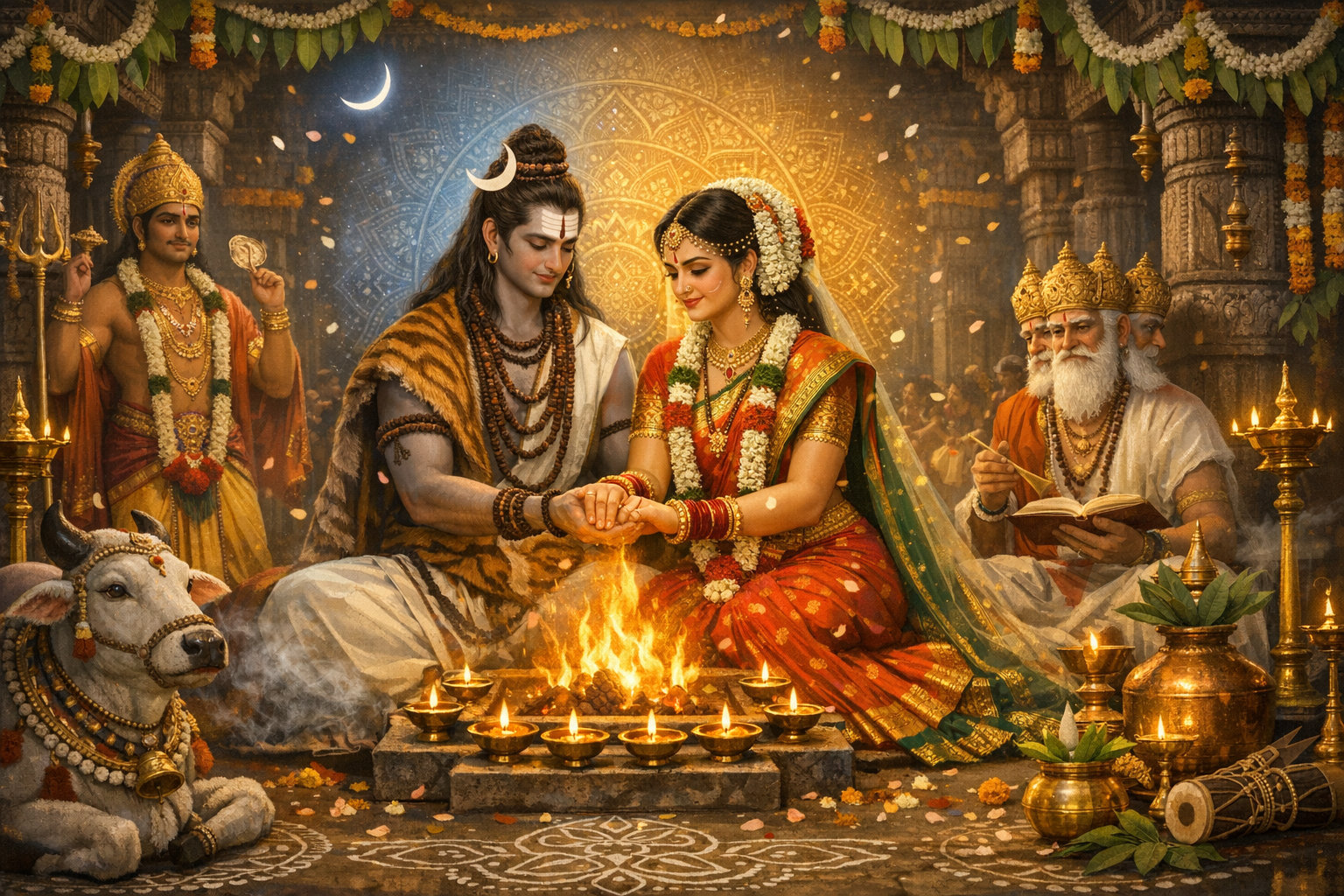
Shiva Parvati Kalyanam, often celebrated the day after Maha Shivaratri, unites Puranic narrative, Vedic samskāra, and Śaiva Āgamic practice in a single, transformative rite. The ceremony venerates Lord Vishnu as Kanya Daanam kartā and Lord Brahma as yajña-ācārya in many traditions, while honoring regional variations across India and Nepal. This comprehensive guide clarifies timing, key…
-
Mata Purnagiri Devi Temple: Sacred Shakti Peeth Near Tanakpur, Champawat—A Serene Himalayan Pilgrimage Guide

Mata Purnagiri Devi Temple, also known as the Purnagiri Shakti Peeth or Punyagiri, is a premier Himalayan pilgrimage set at about 3,000 metres in Uttarakhand. Located 20 km from Tanakpur and 92 km from Champawat, it blends the serenity of mountain landscapes with the spiritual resonance of the Shakti Peeth tradition. Chaitra Navratri draws a…
-
Shantadurga of Kelshi: Sacred Konkan Legacy from Parashurama to Gaur Saraswat Devotion
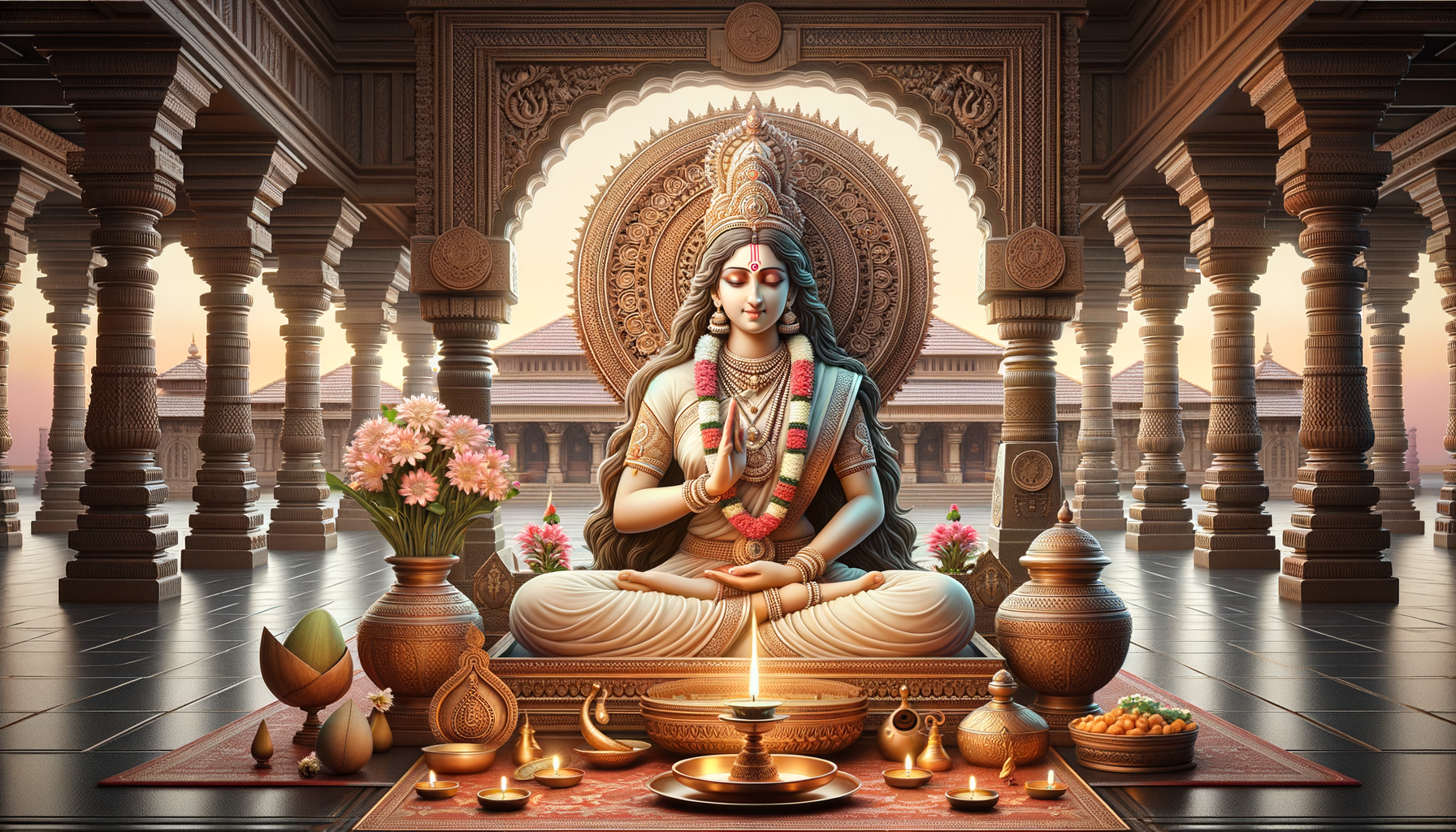
Shantadurga of Kelshi illuminates the sacred geography of Parashurama’s Konkan, where the Sahyadri meets the sea and Devi’s peaceful power endures. This account situates Kelshi within Purāṇic tradition, highlighting Shantadurga’s role as a reconciler and guardian. It explores how Gaur Saraswat Brahmin families sustain devotion across generations, transforming the temple into a living archive of…
-
Harsiddhi Mata, Sacred Shakti: Kula Devata Uniting Gujarat, Madhya Pradesh and Maharashtra
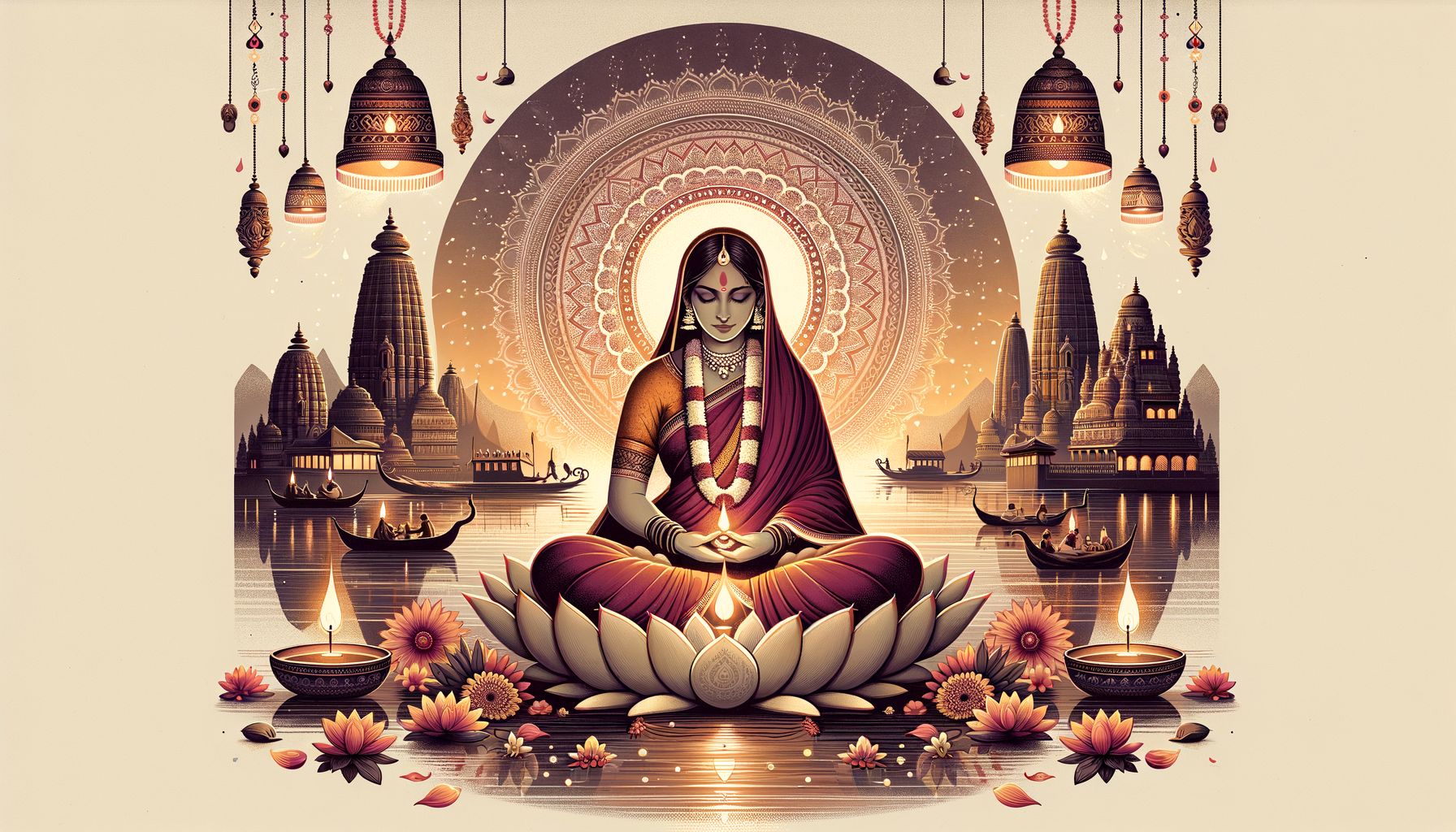
Harsiddhi Mata—also known as Harsiddhi Bhavani Devi—is venerated across Gujarat, Madhya Pradesh, and Maharashtra as a compassionate manifestation of Mata Parvati. Revered as a Kula Devata by Brahmin, Jain, and other communities, she anchors family rites, intergenerational continuity, and social cohesion. Coastal devotees and fishing communities especially uphold heartfelt worship, seeking blessings for safety and…
-
Chinnamasta’s Fearless Sacrifice: Symbolism of Dakini–Varnini Drinking the Sacred Blood
Goddess Chinnamasta’s iconography—her self-decapitation and three streams of blood nourishing herself, Dakini, and Varnini—distills a Tantric teaching on ego-transcendence, prāṇa as sacred power, and compassionate reciprocity. The image integrates desire, impermanence, and fearlessness without glorifying violence. Interpreting Dakini and Varnini as ida and pingala reveals how polarities are harmonized through sushumna and kundalini awakening. The…
-
Kabandha as Kali’s Vahana: Tantric Symbolism of Ego-Transcendence and Inner Liberation
This exploration unpacks the esoteric image of Kabandha as Kali’s vahana as found in certain Shakta-tantric interpretations. It clarifies how headlessness symbolizes cutting through ego, aligning the body-mind as the disciplined “vehicle” of Shakti. Readers discover how this symbolism resonates with shared dharmic insights across Hindu, Buddhist, Jain, and Sikh traditions, emphasizing humility, fearlessness, and…
-
Vajra in Durga’s Hands: Indestructible Power, Sacred Courage, and Dharmic Unity
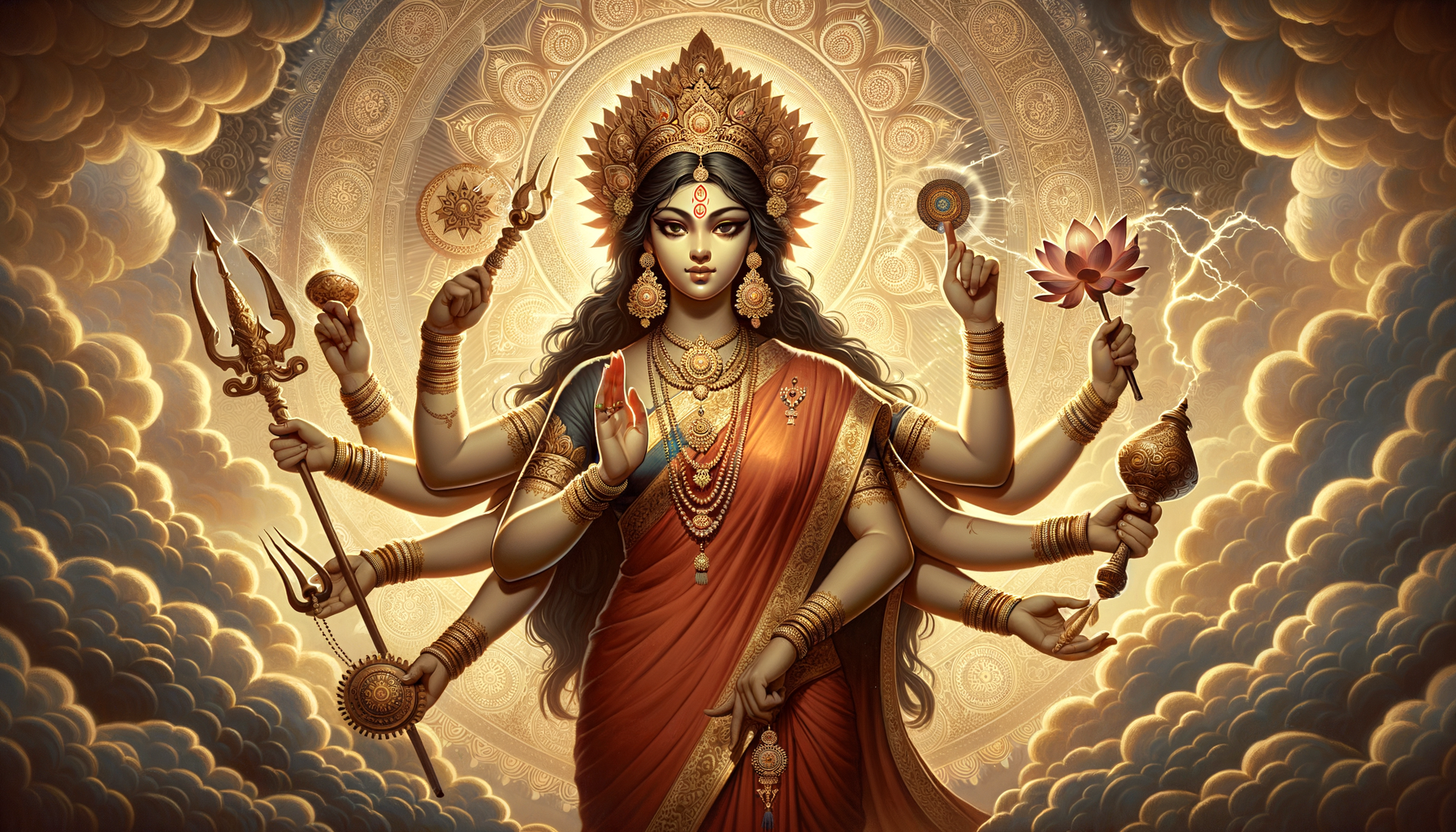
The Vajra in Goddess Durga’s hands symbolizes indestructible power guided by wisdom, as narrated in the Devi Mahatmyam of the Markandeya Purana. Indra’s gift of the thunderbolt links Durga’s protective mission with earlier Vedic and puranic themes of sacrifice, courage, and cosmic balance. Readers gain a clear understanding of how the Vajra denotes sudden illumination,…
-
Prayaga Madhaveswari (Alopi Mata) Shaktipeetha: History, Legends & Mahakumbh 2025 Guide
Prayaga Madhaveswari (Alopi Mata) in Prayagraj is venerated as the 14th among the Astadasha Shaktipeethas and becomes a focal point during the Mahakumbh Mela 2025. This guide explains the Sati legend that situates the temple within India’s sacred geography and notes the site’s distinctive practice of venerating a sacred ‘doli’ rather than an anthropomorphic idol.…
-
Lotus of Wisdom in Durga’s Hand: Padma, Shakti, and the Defeat of Mahishasura
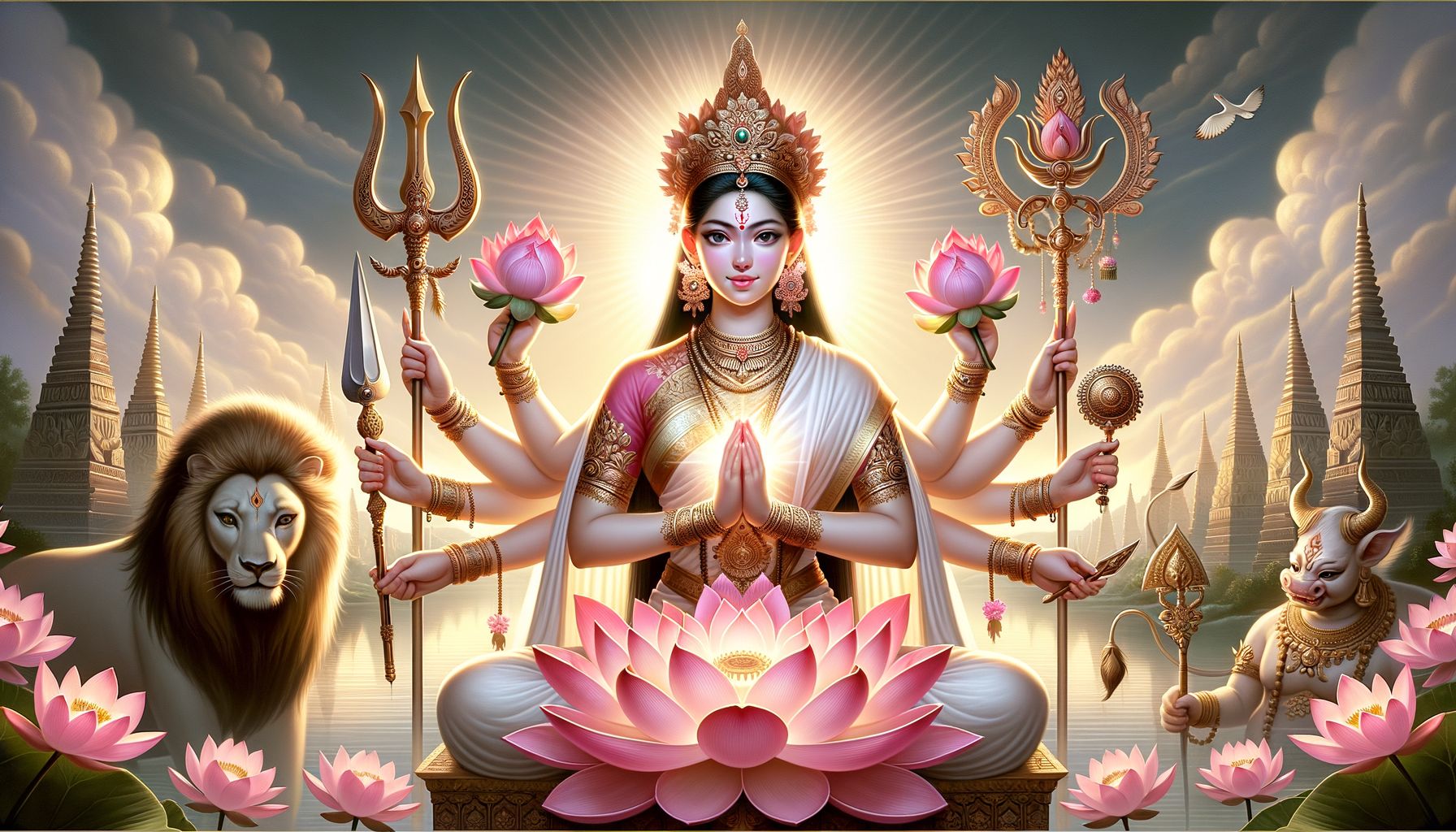
Goddess Durga’s Padma (lotus) in the Devi Mahatmya is more than ornament—it is a compass of consciousness guiding Shakti’s righteous action against Mahishasura. The lotus’s rise from mud to light illustrates clarity amidst chaos and courage tempered by wisdom. Across Hinduism, Buddhism, Jainism, and Sikhism, the shared lotus motif promotes unity, detachment, and compassionate awareness.…
-
Akali, the Timeless Kali: Exploring Nine Manifestations in the Tantra Purana and Mahakala Samhita

This article surveys nine manifestations of Goddess Kali drawn from the Tantra Purana, Toral Tantra, and the Mahakala Samhita (Anusmriti Prakarana), with special attention to Akali. Akali is explained as “beyond time,” highlighting a core Shakta insight into the timeless ground of reality. The discussion connects theological meaning with lived experience, showing how these forms…